mirror of
https://github.com/invoke-ai/InvokeAI.git
synced 2026-04-23 03:00:31 -04:00
Compare commits
101 Commits
v3.0.0+a2
...
lstein/res
| Author | SHA1 | Date | |
|---|---|---|---|

|
50a36b344f | ||
|
|
a4bc02151c | ||
|
|
dfe8458d48 | ||
|
|
c1da66df8f | ||
|
|
ea81ce9489 | ||
|
|
8283b80b58 | ||
|
|
9e2d63ef97 | ||
|
|
dd946790ec | ||
|
|
0ac9dca926 | ||
|
|
818616a0c5 | ||
|
|
3b324a7d0a | ||
|
|
c8cb43ff2d | ||
|
|
ee042ab76d | ||
|
|
596c791844 | ||
|
|
780e77d2ae | ||
|
|
e3fc1b3816 | ||
|
|
9ad9e91a06 | ||
|
|
307a01d604 | ||
|
|
0981a7d049 | ||
|
|
2a7dee17be | ||
|
|
6c6d600cea | ||
|
|
1c7166d2c6 | ||
|
|
07d7959dc0 | ||
|
|
9ebab013c1 | ||
|
|
e41e8606b5 | ||
|
|
6ce867feb4 | ||
|
|
bc8cfc2baa | ||
|
|
7170e82f73 | ||
|
|
2beb8f049e | ||
|
|
66c10cc2f7 | ||
|
|
1fb317243d | ||
|
|
71310a180d | ||
|
|
1a29a3fe39 | ||
|
|
639d88afd6 | ||
|
|
f155887b7d | ||
|
|
1358c5eb7d | ||
|
|
c0501ed5c2 | ||
|
|
0f0336b6ef | ||
|
|
52a09422c7 | ||
|
|
c21b56ba31 | ||
|
|
bf895221c2 | ||
|
|
db8862d860 | ||
|
|
d537b9f0cb | ||
|
|
08d428a5e7 | ||
|
|
92b163e95c | ||
|
|
af728b4b1d | ||
|
|
099082abc1 | ||
|
|
96bf92ead4 | ||
|
|
0988725c1b | ||
|
|
089d95baeb | ||
|
|
511978979e | ||
|
|
7e18814dd0 | ||
|
|
bd5a764988 | ||
|
|
a8a2209560 | ||
|
|
fa8a5838d3 | ||
|
|
630f3c8b0b | ||
|
|
6c6299ce49 | ||
|
|
6684e00f0a | ||
|
|
2f8f558df3 | ||
|
|
de7b059e67 | ||
|
|
33db4e27a0 | ||
|
|
009c20bfea | ||
|
|
d61b3818fe | ||
|
|
51db4d1269 | ||
|
|
38660a2162 | ||
|
|
5ad6b64721 | ||
|
|
0da4f4bb6f | ||
|
|
8d5a953dcb | ||
|
|
6c62f41f2e | ||
|
|
2ad5a4ea46 | ||
|
|
9e35643911 | ||
|
|
0bb668b8a8 | ||
|
|
e73f774920 | ||
|
|
b4b760d9e9 | ||
|
|
4d2c7806fc | ||
|
|
252c790969 | ||
|
|
cfd09214d3 | ||
|
|
78857bf5ad | ||
|
|
9c83a4eada | ||
|
|
c314b17f5c | ||
|
|
27088610ed | ||
|
|
ebcbfc8a12 | ||
|
|
ed86d0b708 | ||
|
|
10d513c5f7 | ||
|
|
ac9ec4e75a | ||
|
|
2465c7987b | ||
|
|
73a27918c6 | ||
|
|
76bafeb99e | ||
|
|
c33f0ae055 | ||
|
|
90aa97edd4 | ||
|
|
fa169b5517 | ||
|
|
42f537f655 | ||
|
|
f399b36ae6 | ||
|
|
a6334750cb | ||
|
|
45a551125d | ||
|
|
72d64513d0 | ||
|
|
0e50005643 | ||
|
|
19c632e793 | ||
|
|
85a4d37883 | ||
|
|
06694d465d | ||
|
|
c00aea7a6c |
203
README.md
203
README.md
@@ -1,11 +1,8 @@
|
||||
<div align="center">
|
||||
|
||||

|
||||
|
||||
# Invoke AI - Generative AI for Professional Creatives
|
||||
## Image Generation for Stable Diffusion, Custom-Trained Models, and more.
|
||||
Learn more about us and get started instantly at [invoke.ai](https://invoke.ai)
|
||||

|
||||
|
||||
# InvokeAI: A Stable Diffusion Toolkit
|
||||
|
||||
[![discord badge]][discord link]
|
||||
|
||||
@@ -36,32 +33,32 @@
|
||||
|
||||
</div>
|
||||
|
||||
_**Note: This is an alpha release. Bugs are expected and not all
|
||||
features are fully implemented. Please use the GitHub [Issues
|
||||
pages](https://github.com/invoke-ai/InvokeAI/issues?q=is%3Aissue+is%3Aopen)
|
||||
to report unexpected problems. Also note that InvokeAI root directory
|
||||
which contains models, outputs and configuration files, has changed
|
||||
between the 2.x and 3.x release. If you wish to use your v2.3 root
|
||||
directory with v3.0, please follow the directions in [Migrating a 2.3
|
||||
root directory to 3.0](#migrating-to-3).**_
|
||||
_**Note: The UI is not fully functional on `main`. If you need a stable UI based on `main`, use the `pre-nodes` tag while we [migrate to a new backend](https://github.com/invoke-ai/InvokeAI/discussions/3246).**_
|
||||
|
||||
InvokeAI is a leading creative engine built to empower professionals
|
||||
and enthusiasts alike. Generate and create stunning visual media using
|
||||
the latest AI-driven technologies. InvokeAI offers an industry leading
|
||||
Web Interface, interactive Command Line Interface, and also serves as
|
||||
the foundation for multiple commercial products.
|
||||
InvokeAI is a leading creative engine built to empower professionals and enthusiasts alike. Generate and create stunning visual media using the latest AI-driven technologies. InvokeAI offers an industry leading Web Interface, interactive Command Line Interface, and also serves as the foundation for multiple commercial products.
|
||||
|
||||
**Quick links**: [[How to
|
||||
Install](https://invoke-ai.github.io/InvokeAI/#installation)] [<a
|
||||
href="https://discord.gg/ZmtBAhwWhy">Discord Server</a>] [<a
|
||||
href="https://invoke-ai.github.io/InvokeAI/">Documentation and
|
||||
Tutorials</a>] [<a
|
||||
href="https://github.com/invoke-ai/InvokeAI/">Code and
|
||||
Downloads</a>] [<a
|
||||
href="https://github.com/invoke-ai/InvokeAI/issues">Bug Reports</a>]
|
||||
[<a
|
||||
href="https://github.com/invoke-ai/InvokeAI/discussions">Discussion,
|
||||
Ideas & Q&A</a>]
|
||||
**Quick links**: [[How to Install](https://invoke-ai.github.io/InvokeAI/#installation)] [<a href="https://discord.gg/ZmtBAhwWhy">Discord Server</a>] [<a href="https://invoke-ai.github.io/InvokeAI/">Documentation and Tutorials</a>] [<a href="https://github.com/invoke-ai/InvokeAI/">Code and Downloads</a>] [<a href="https://github.com/invoke-ai/InvokeAI/issues">Bug Reports</a>] [<a href="https://github.com/invoke-ai/InvokeAI/discussions">Discussion, Ideas & Q&A</a>]
|
||||
|
||||
_Note: InvokeAI is rapidly evolving. Please use the
|
||||
[Issues](https://github.com/invoke-ai/InvokeAI/issues) tab to report bugs and make feature
|
||||
requests. Be sure to use the provided templates. They will help us diagnose issues faster._
|
||||
|
||||
## FOR DEVELOPERS - MIGRATING TO THE 3.0.0 MODELS FORMAT
|
||||
|
||||
The models directory and models.yaml have changed. To migrate to the
|
||||
new layout, please follow this recipe:
|
||||
|
||||
1. Run `python scripts/migrate_models_to_3.0.py <path_to_root_directory>
|
||||
|
||||
2. This will create a new models directory named `models-3.0` and a
|
||||
new config directory named `models.yaml-3.0`, both in the current
|
||||
working directory. If you prefer to name them something else, pass
|
||||
the `--dest-directory` and/or `--dest-yaml` arguments.
|
||||
|
||||
3. Check that the new models directory and yaml file look ok.
|
||||
|
||||
4. Replace the existing directory and file, keeping backup copies just in
|
||||
case.
|
||||
|
||||
<div align="center">
|
||||
|
||||
@@ -71,30 +68,22 @@ the foundation for multiple commercial products.
|
||||
|
||||
## Table of Contents
|
||||
|
||||
Table of Contents 📝
|
||||
1. [Quick Start](#getting-started-with-invokeai)
|
||||
2. [Installation](#detailed-installation-instructions)
|
||||
3. [Hardware Requirements](#hardware-requirements)
|
||||
4. [Features](#features)
|
||||
5. [Latest Changes](#latest-changes)
|
||||
6. [Troubleshooting](#troubleshooting)
|
||||
7. [Contributing](#contributing)
|
||||
8. [Contributors](#contributors)
|
||||
9. [Support](#support)
|
||||
10. [Further Reading](#further-reading)
|
||||
|
||||
**Getting Started**
|
||||
1. 🏁 [Quick Start](#quick-start)
|
||||
3. 🖥️ [Hardware Requirements](#hardware-requirements)
|
||||
|
||||
**More About Invoke**
|
||||
1. 🌟 [Features](#features)
|
||||
2. 📣 [Latest Changes](#latest-changes)
|
||||
3. 🛠️ [Troubleshooting](#troubleshooting)
|
||||
|
||||
**Supporting the Project**
|
||||
1. 🤝 [Contributing](#contributing)
|
||||
2. 👥 [Contributors](#contributors)
|
||||
3. 💕 [Support](#support)
|
||||
|
||||
## Quick Start
|
||||
## Getting Started with InvokeAI
|
||||
|
||||
For full installation and upgrade instructions, please see:
|
||||
[InvokeAI Installation Overview](https://invoke-ai.github.io/InvokeAI/installation/)
|
||||
|
||||
If upgrading from version 2.3, please read [Migrating a 2.3 root
|
||||
directory to 3.0](#migrating-to-3) first.
|
||||
|
||||
### Automatic Installer (suggested for 1st time users)
|
||||
|
||||
1. Go to the bottom of the [Latest Release Page](https://github.com/invoke-ai/InvokeAI/releases/latest)
|
||||
@@ -103,8 +92,9 @@ directory to 3.0](#migrating-to-3) first.
|
||||
|
||||
3. Unzip the file.
|
||||
|
||||
4. **Windows:** double-click on the `install.bat` script. **macOS:** Open a Terminal window, drag the file `install.sh` from Finder
|
||||
into the Terminal, and press return. **Linux:** run `install.sh`.
|
||||
4. If you are on Windows, double-click on the `install.bat` script. On
|
||||
macOS, open a Terminal window, drag the file `install.sh` from Finder
|
||||
into the Terminal, and press return. On Linux, run `install.sh`.
|
||||
|
||||
5. You'll be asked to confirm the location of the folder in which
|
||||
to install InvokeAI and its image generation model files. Pick a
|
||||
@@ -130,7 +120,7 @@ and go to http://localhost:9090.
|
||||
|
||||
10. Type `banana sushi` in the box on the top left and click `Invoke`
|
||||
|
||||
### Command-Line Installation (for developers and users familiar with Terminals)
|
||||
### Command-Line Installation (for users familiar with Terminals)
|
||||
|
||||
You must have Python 3.9 or 3.10 installed on your machine. Earlier or later versions are
|
||||
not supported.
|
||||
@@ -206,7 +196,7 @@ not supported.
|
||||
Be sure to activate the virtual environment each time before re-launching InvokeAI,
|
||||
using `source .venv/bin/activate` or `.venv\Scripts\activate`.
|
||||
|
||||
## Detailed Installation Instructions
|
||||
### Detailed Installation Instructions
|
||||
|
||||
This fork is supported across Linux, Windows and Macintosh. Linux
|
||||
users can use either an Nvidia-based card (with CUDA support) or an
|
||||
@@ -214,87 +204,6 @@ AMD card (using the ROCm driver). For full installation and upgrade
|
||||
instructions, please see:
|
||||
[InvokeAI Installation Overview](https://invoke-ai.github.io/InvokeAI/installation/INSTALL_SOURCE/)
|
||||
|
||||
<a name="migrating-to-3"></a>
|
||||
### Migrating a v2.3 InvokeAI root directory
|
||||
|
||||
The InvokeAI root directory is where the InvokeAI startup file,
|
||||
installed models, and generated images are stored. It is ordinarily
|
||||
named `invokeai` and located in your home directory. The contents and
|
||||
layout of this directory has changed between versions 2.3 and 3.0 and
|
||||
cannot be used directly.
|
||||
|
||||
We currently recommend that you use the installer to create a new root
|
||||
directory named differently from the 2.3 one, e.g. `invokeai-3` and
|
||||
then use a migration script to copy your 2.3 models into the new
|
||||
location. However, if you choose, you can upgrade this directory in
|
||||
place. This section gives both recipes.
|
||||
|
||||
#### Creating a new root directory and migrating old models
|
||||
|
||||
This is the safer recipe because it leaves your old root directory in
|
||||
place to fall back on.
|
||||
|
||||
1. Follow the instructions above to create and install InvokeAI in a
|
||||
directory that has a different name from the 2.3 invokeai directory.
|
||||
In this example, we will use "invokeai-3"
|
||||
|
||||
2. When you are prompted to select models to install, select a minimal
|
||||
set of models, such as stable-diffusion-v1.5 only.
|
||||
|
||||
3. After installation is complete launch `invokeai.sh` (Linux/Mac) or
|
||||
`invokeai.bat` and select option 8 "Open the developers console". This
|
||||
will take you to the command line.
|
||||
|
||||
4. Issue the command `invokeai-migrate3 --from /path/to/v2.3-root --to
|
||||
/path/to/invokeai-3-root`. Provide the correct `--from` and `--to`
|
||||
paths for your v2.3 and v3.0 root directories respectively.
|
||||
|
||||
This will copy and convert your old models from 2.3 format to 3.0
|
||||
format and create a new `models` directory in the 3.0 directory. The
|
||||
old models directory (which contains the models selected at install
|
||||
time) will be renamed `models.orig` and can be deleted once you have
|
||||
confirmed that the migration was successful.
|
||||
|
||||
#### Migrating in place
|
||||
|
||||
For the adventurous, you may do an in-place upgrade from 2.3 to 3.0
|
||||
without touching the command line. The recipe is as follows>
|
||||
|
||||
1. Launch the InvokeAI launcher script in your current v2.3 root directory.
|
||||
|
||||
2. Select option [9] "Update InvokeAI" to bring up the updater dialog.
|
||||
|
||||
3a. During the alpha release phase, select option [3] and manually
|
||||
enter the tag name `v3.0.0+a2`.
|
||||
|
||||
3b. Once 3.0 is released, select option [1] to upgrade to the latest release.
|
||||
|
||||
4. Once the upgrade is finished you will be returned to the launcher
|
||||
menu. Select option [7] "Re-run the configure script to fix a broken
|
||||
install or to complete a major upgrade".
|
||||
|
||||
This will run the configure script against the v2.3 directory and
|
||||
update it to the 3.0 format. The following files will be replaced:
|
||||
|
||||
- The invokeai.init file, replaced by invokeai.yaml
|
||||
- The models directory
|
||||
- The configs/models.yaml model index
|
||||
|
||||
The original versions of these files will be saved with the suffix
|
||||
".orig" appended to the end. Once you have confirmed that the upgrade
|
||||
worked, you can safely remove these files. Alternatively you can
|
||||
restore a working v2.3 directory by removing the new files and
|
||||
restoring the ".orig" files' original names.
|
||||
|
||||
#### Migration Caveats
|
||||
|
||||
The migration script will migrate your invokeai settings and models,
|
||||
including textual inversion models, LoRAs and merges that you may have
|
||||
installed previously. However it does **not** migrate the generated
|
||||
images stored in your 2.3-format outputs directory. The released
|
||||
version of 3.0 is expected to have an interface for importing an
|
||||
entire directory of image files as a batch.
|
||||
|
||||
## Hardware Requirements
|
||||
|
||||
InvokeAI is supported across Linux, Windows and macOS. Linux
|
||||
@@ -313,9 +222,13 @@ We do not recommend the GTX 1650 or 1660 series video cards. They are
|
||||
unable to run in half-precision mode and do not have sufficient VRAM
|
||||
to render 512x512 images.
|
||||
|
||||
**Memory** - At least 12 GB Main Memory RAM.
|
||||
### Memory
|
||||
|
||||
**Disk** - At least 12 GB of free disk space for the machine learning model, Python, and all its dependencies.
|
||||
- At least 12 GB Main Memory RAM.
|
||||
|
||||
### Disk
|
||||
|
||||
- At least 12 GB of free disk space for the machine learning model, Python, and all its dependencies.
|
||||
|
||||
## Features
|
||||
|
||||
@@ -331,7 +244,7 @@ The Unified Canvas is a fully integrated canvas implementation with support for
|
||||
|
||||
### *Advanced Prompt Syntax*
|
||||
|
||||
Invoke AI's advanced prompt syntax allows for token weighting, cross-attention control, and prompt blending, allowing for fine-tuned tweaking of your invocations and exploration of the latent space.
|
||||
InvokeAI's advanced prompt syntax allows for token weighting, cross-attention control, and prompt blending, allowing for fine-tuned tweaking of your invocations and exploration of the latent space.
|
||||
|
||||
### *Command Line Interface*
|
||||
|
||||
@@ -341,12 +254,16 @@ For users utilizing a terminal-based environment, or who want to take advantage
|
||||
|
||||
- *Support for both ckpt and diffusers models*
|
||||
- *SD 2.0, 2.1 support*
|
||||
- *Noise Control & Tresholding*
|
||||
- *Popular Sampler Support*
|
||||
- *Upscaling & Face Restoration Tools*
|
||||
- *Embedding Manager & Support*
|
||||
- *Model Manager & Support*
|
||||
- *Node-Based Architecture*
|
||||
- *Node-Based Plug-&-Play UI (Beta)*
|
||||
- *Boards & Gallery Management
|
||||
|
||||
### Coming Soon
|
||||
|
||||
- *Node-Based Architecture & UI*
|
||||
- And more...
|
||||
|
||||
### Latest Changes
|
||||
|
||||
@@ -354,12 +271,12 @@ For our latest changes, view our [Release
|
||||
Notes](https://github.com/invoke-ai/InvokeAI/releases) and the
|
||||
[CHANGELOG](docs/CHANGELOG.md).
|
||||
|
||||
### Troubleshooting
|
||||
## Troubleshooting
|
||||
|
||||
Please check out our **[Q&A](https://invoke-ai.github.io/InvokeAI/help/TROUBLESHOOT/#faq)** to get solutions for common installation
|
||||
problems and other issues.
|
||||
|
||||
## 🤝 Contributing
|
||||
## Contributing
|
||||
|
||||
Anyone who wishes to contribute to this project, whether documentation, features, bug fixes, code
|
||||
cleanup, testing, or code reviews, is very much encouraged to do so.
|
||||
@@ -378,12 +295,14 @@ to become part of our community.
|
||||
|
||||
Welcome to InvokeAI!
|
||||
|
||||
### 👥 Contributors
|
||||
### Contributors
|
||||
|
||||
This fork is a combined effort of various people from across the world.
|
||||
[Check out the list of all these amazing people](https://invoke-ai.github.io/InvokeAI/other/CONTRIBUTORS/). We thank them for
|
||||
their time, hard work and effort.
|
||||
|
||||
Thanks to [Weblate](https://weblate.org/) for generously providing translation services to this project.
|
||||
|
||||
### Support
|
||||
|
||||
For support, please use this repository's GitHub Issues tracking service, or join the Discord.
|
||||
|
||||
@@ -4,236 +4,6 @@ title: Changelog
|
||||
|
||||
# :octicons-log-16: **Changelog**
|
||||
|
||||
## v2.3.5 <small>(22 May 2023)</small>
|
||||
|
||||
This release (along with the post1 and post2 follow-on releases) expands support for additional LoRA and LyCORIS models, upgrades diffusers versions, and fixes a few bugs.
|
||||
|
||||
### LoRA and LyCORIS Support Improvement
|
||||
|
||||
A number of LoRA/LyCORIS fine-tune files (those which alter the text encoder as well as the unet model) were not having the desired effect in InvokeAI. This bug has now been fixed. Full documentation of LoRA support is available at InvokeAI LoRA Support.
|
||||
Previously, InvokeAI did not distinguish between LoRA/LyCORIS models based on Stable Diffusion v1.5 vs those based on v2.0 and 2.1, leading to a crash when an incompatible model was loaded. This has now been fixed. In addition, the web pulldown menus for LoRA and Textual Inversion selection have been enhanced to show only those files that are compatible with the currently-selected Stable Diffusion model.
|
||||
Support for the newer LoKR LyCORIS files has been added.
|
||||
|
||||
### Library Updates and Speed/Reproducibility Advancements
|
||||
The major enhancement in this version is that NVIDIA users no longer need to decide between speed and reproducibility. Previously, if you activated the Xformers library, you would see improvements in speed and memory usage, but multiple images generated with the same seed and other parameters would be slightly different from each other. This is no longer the case. Relative to 2.3.5 you will see improved performance when running without Xformers, and even better performance when Xformers is activated. In both cases, images generated with the same settings will be identical.
|
||||
|
||||
Here are the new library versions:
|
||||
Library Version
|
||||
Torch 2.0.0
|
||||
Diffusers 0.16.1
|
||||
Xformers 0.0.19
|
||||
Compel 1.1.5
|
||||
Other Improvements
|
||||
|
||||
### Performance Improvements
|
||||
|
||||
When a model is loaded for the first time, InvokeAI calculates its checksum for incorporation into the PNG metadata. This process could take up to a minute on network-mounted disks and WSL mounts. This release noticeably speeds up the process.
|
||||
|
||||
### Bug Fixes
|
||||
|
||||
The "import models from directory" and "import from URL" functionality in the console-based model installer has now been fixed.
|
||||
When running the WebUI, we have reduced the number of times that InvokeAI reaches out to HuggingFace to fetch the list of embeddable Textual Inversion models. We have also caught and fixed a problem with the updater not correctly detecting when another instance of the updater is running
|
||||
|
||||
|
||||
## v2.3.4 <small>(7 April 2023)</small>
|
||||
|
||||
What's New in 2.3.4
|
||||
|
||||
This features release adds support for LoRA (Low-Rank Adaptation) and LyCORIS (Lora beYond Conventional) models, as well as some minor bug fixes.
|
||||
### LoRA and LyCORIS Support
|
||||
|
||||
LoRA files contain fine-tuning weights that enable particular styles, subjects or concepts to be applied to generated images. LyCORIS files are an extended variant of LoRA. InvokeAI supports the most common LoRA/LyCORIS format, which ends in the suffix .safetensors. You will find numerous LoRA and LyCORIS models for download at Civitai, and a small but growing number at Hugging Face. Full documentation of LoRA support is available at InvokeAI LoRA Support.( Pre-release note: this page will only be available after release)
|
||||
|
||||
To use LoRA/LyCORIS models in InvokeAI:
|
||||
|
||||
Download the .safetensors files of your choice and place in /path/to/invokeai/loras. This directory was not present in earlier version of InvokeAI but will be created for you the first time you run the command-line or web client. You can also create the directory manually.
|
||||
|
||||
Add withLora(lora-file,weight) to your prompts. The weight is optional and will default to 1.0. A few examples, assuming that a LoRA file named loras/sushi.safetensors is present:
|
||||
|
||||
family sitting at dinner table eating sushi withLora(sushi,0.9)
|
||||
family sitting at dinner table eating sushi withLora(sushi, 0.75)
|
||||
family sitting at dinner table eating sushi withLora(sushi)
|
||||
|
||||
Multiple withLora() prompt fragments are allowed. The weight can be arbitrarily large, but the useful range is roughly 0.5 to 1.0. Higher weights make the LoRA's influence stronger. Negative weights are also allowed, which can lead to some interesting effects.
|
||||
|
||||
Generate as you usually would! If you find that the image is too "crisp" try reducing the overall CFG value or reducing individual LoRA weights. As is the case with all fine-tunes, you'll get the best results when running the LoRA on top of the model similar to, or identical with, the one that was used during the LoRA's training. Don't try to load a SD 1.x-trained LoRA into a SD 2.x model, and vice versa. This will trigger a non-fatal error message and generation will not proceed.
|
||||
|
||||
You can change the location of the loras directory by passing the --lora_directory option to `invokeai.
|
||||
|
||||
### New WebUI LoRA and Textual Inversion Buttons
|
||||
|
||||
This version adds two new web interface buttons for inserting LoRA and Textual Inversion triggers into the prompt as shown in the screenshot below.
|
||||
|
||||
Clicking on one or the other of the buttons will bring up a menu of available LoRA/LyCORIS or Textual Inversion trigger terms. Select a menu item to insert the properly-formatted withLora() or <textual-inversion> prompt fragment into the positive prompt. The number in parentheses indicates the number of trigger terms currently in the prompt. You may click the button again and deselect the LoRA or trigger to remove it from the prompt, or simply edit the prompt directly.
|
||||
|
||||
Currently terms are inserted into the positive prompt textbox only. However, some textual inversion embeddings are designed to be used with negative prompts. To move a textual inversion trigger into the negative prompt, simply cut and paste it.
|
||||
|
||||
By default the Textual Inversion menu only shows locally installed models found at startup time in /path/to/invokeai/embeddings. However, InvokeAI has the ability to dynamically download and install additional Textual Inversion embeddings from the HuggingFace Concepts Library. You may choose to display the most popular of these (with five or more likes) in the Textual Inversion menu by going to Settings and turning on "Show Textual Inversions from HF Concepts Library." When this option is activated, the locally-installed TI embeddings will be shown first, followed by uninstalled terms from Hugging Face. See The Hugging Face Concepts Library and Importing Textual Inversion files for more information.
|
||||
### Minor features and fixes
|
||||
|
||||
This release changes model switching behavior so that the command-line and Web UIs save the last model used and restore it the next time they are launched. It also improves the behavior of the installer so that the pip utility is kept up to date.
|
||||
|
||||
### Known Bugs in 2.3.4
|
||||
|
||||
These are known bugs in the release.
|
||||
|
||||
The Ancestral DPMSolverMultistepScheduler (k_dpmpp_2a) sampler is not yet implemented for diffusers models and will disappear from the WebUI Sampler menu when a diffusers model is selected.
|
||||
Windows Defender will sometimes raise Trojan or backdoor alerts for the codeformer.pth face restoration model, as well as the CIDAS/clipseg and runwayml/stable-diffusion-v1.5 models. These are false positives and can be safely ignored. InvokeAI performs a malware scan on all models as they are loaded. For additional security, you should use safetensors models whenever they are available.
|
||||
|
||||
|
||||
## v2.3.3 <small>(28 March 2023)</small>
|
||||
|
||||
This is a bugfix and minor feature release.
|
||||
### Bugfixes
|
||||
|
||||
Since version 2.3.2 the following bugs have been fixed:
|
||||
Bugs
|
||||
|
||||
When using legacy checkpoints with an external VAE, the VAE file is now scanned for malware prior to loading. Previously only the main model weights file was scanned.
|
||||
Textual inversion will select an appropriate batchsize based on whether xformers is active, and will default to xformers enabled if the library is detected.
|
||||
The batch script log file names have been fixed to be compatible with Windows.
|
||||
Occasional corruption of the .next_prefix file (which stores the next output file name in sequence) on Windows systems is now detected and corrected.
|
||||
Support loading of legacy config files that have no personalization (textual inversion) section.
|
||||
An infinite loop when opening the developer's console from within the invoke.sh script has been corrected.
|
||||
Documentation fixes, including a recipe for detecting and fixing problems with the AMD GPU ROCm driver.
|
||||
|
||||
Enhancements
|
||||
|
||||
It is now possible to load and run several community-contributed SD-2.0 based models, including the often-requested "Illuminati" model.
|
||||
The "NegativePrompts" embedding file, and others like it, can now be loaded by placing it in the InvokeAI embeddings directory.
|
||||
If no --model is specified at launch time, InvokeAI will remember the last model used and restore it the next time it is launched.
|
||||
On Linux systems, the invoke.sh launcher now uses a prettier console-based interface. To take advantage of it, install the dialog package using your package manager (e.g. sudo apt install dialog).
|
||||
When loading legacy models (safetensors/ckpt) you can specify a custom config file and/or a VAE by placing like-named files in the same directory as the model following this example:
|
||||
|
||||
my-favorite-model.ckpt
|
||||
my-favorite-model.yaml
|
||||
my-favorite-model.vae.pt # or my-favorite-model.vae.safetensors
|
||||
|
||||
### Known Bugs in 2.3.3
|
||||
|
||||
These are known bugs in the release.
|
||||
|
||||
The Ancestral DPMSolverMultistepScheduler (k_dpmpp_2a) sampler is not yet implemented for diffusers models and will disappear from the WebUI Sampler menu when a diffusers model is selected.
|
||||
Windows Defender will sometimes raise Trojan or backdoor alerts for the codeformer.pth face restoration model, as well as the CIDAS/clipseg and runwayml/stable-diffusion-v1.5 models. These are false positives and can be safely ignored. InvokeAI performs a malware scan on all models as they are loaded. For additional security, you should use safetensors models whenever they are available.
|
||||
|
||||
|
||||
## v2.3.2 <small>(11 March 2023)</small>
|
||||
This is a bugfix and minor feature release.
|
||||
|
||||
### Bugfixes
|
||||
|
||||
Since version 2.3.1 the following bugs have been fixed:
|
||||
|
||||
Black images appearing for potential NSFW images when generating with legacy checkpoint models and both --no-nsfw_checker and --ckpt_convert turned on.
|
||||
Black images appearing when generating from models fine-tuned on Stable-Diffusion-2-1-base. When importing V2-derived models, you may be asked to select whether the model was derived from a "base" model (512 pixels) or the 768-pixel SD-2.1 model.
|
||||
The "Use All" button was not restoring the Hi-Res Fix setting on the WebUI
|
||||
When using the model installer console app, models failed to import correctly when importing from directories with spaces in their names. A similar issue with the output directory was also fixed.
|
||||
Crashes that occurred during model merging.
|
||||
Restore previous naming of Stable Diffusion base and 768 models.
|
||||
Upgraded to latest versions of diffusers, transformers, safetensors and accelerate libraries upstream. We hope that this will fix the assertion NDArray > 2**32 issue that MacOS users have had when generating images larger than 768x768 pixels. Please report back.
|
||||
|
||||
As part of the upgrade to diffusers, the location of the diffusers-based models has changed from models/diffusers to models/hub. When you launch InvokeAI for the first time, it will prompt you to OK a one-time move. This should be quick and harmless, but if you have modified your models/diffusers directory in some way, for example using symlinks, you may wish to cancel the migration and make appropriate adjustments.
|
||||
New "Invokeai-batch" script
|
||||
|
||||
### Invoke AI Batch
|
||||
2.3.2 introduces a new command-line only script called invokeai-batch that can be used to generate hundreds of images from prompts and settings that vary systematically. This can be used to try the same prompt across multiple combinations of models, steps, CFG settings and so forth. It also allows you to template prompts and generate a combinatorial list like:
|
||||
|
||||
a shack in the mountains, photograph
|
||||
a shack in the mountains, watercolor
|
||||
a shack in the mountains, oil painting
|
||||
a chalet in the mountains, photograph
|
||||
a chalet in the mountains, watercolor
|
||||
a chalet in the mountains, oil painting
|
||||
a shack in the desert, photograph
|
||||
...
|
||||
|
||||
If you have a system with multiple GPUs, or a single GPU with lots of VRAM, you can parallelize generation across the combinatorial set, reducing wait times and using your system's resources efficiently (make sure you have good GPU cooling).
|
||||
|
||||
To try invokeai-batch out. Launch the "developer's console" using the invoke launcher script, or activate the invokeai virtual environment manually. From the console, give the command invokeai-batch --help in order to learn how the script works and create your first template file for dynamic prompt generation.
|
||||
|
||||
|
||||
### Known Bugs in 2.3.2
|
||||
|
||||
These are known bugs in the release.
|
||||
|
||||
The Ancestral DPMSolverMultistepScheduler (k_dpmpp_2a) sampler is not yet implemented for diffusers models and will disappear from the WebUI Sampler menu when a diffusers model is selected.
|
||||
Windows Defender will sometimes raise a Trojan alert for the codeformer.pth face restoration model. As far as we have been able to determine, this is a false positive and can be safely whitelisted.
|
||||
|
||||
|
||||
## v2.3.1 <small>(22 February 2023)</small>
|
||||
This is primarily a bugfix release, but it does provide several new features that will improve the user experience.
|
||||
|
||||
### Enhanced support for model management
|
||||
|
||||
InvokeAI now makes it convenient to add, remove and modify models. You can individually import models that are stored on your local system, scan an entire folder and its subfolders for models and import them automatically, and even directly import models from the internet by providing their download URLs. You also have the option of designating a local folder to scan for new models each time InvokeAI is restarted.
|
||||
|
||||
There are three ways of accessing the model management features:
|
||||
|
||||
From the WebUI, click on the cube to the right of the model selection menu. This will bring up a form that allows you to import models individually from your local disk or scan a directory for models to import.
|
||||
|
||||
Using the Model Installer App
|
||||
|
||||
Choose option (5) download and install models from the invoke launcher script to start a new console-based application for model management. You can use this to select from a curated set of starter models, or import checkpoint, safetensors, and diffusers models from a local disk or the internet. The example below shows importing two checkpoint URLs from popular SD sites and a HuggingFace diffusers model using its Repository ID. It also shows how to designate a folder to be scanned at startup time for new models to import.
|
||||
|
||||
Command-line users can start this app using the command invokeai-model-install.
|
||||
|
||||
Using the Command Line Client (CLI)
|
||||
|
||||
The !install_model and !convert_model commands have been enhanced to allow entering of URLs and local directories to scan and import. The first command installs .ckpt and .safetensors files as-is. The second one converts them into the faster diffusers format before installation.
|
||||
|
||||
Internally InvokeAI is able to probe the contents of a .ckpt or .safetensors file to distinguish among v1.x, v2.x and inpainting models. This means that you do not need to include "inpaint" in your model names to use an inpainting model. Note that Stable Diffusion v2.x models will be autoconverted into a diffusers model the first time you use it.
|
||||
|
||||
Please see INSTALLING MODELS for more information on model management.
|
||||
|
||||
### An Improved Installer Experience
|
||||
|
||||
The installer now launches a console-based UI for setting and changing commonly-used startup options:
|
||||
|
||||
After selecting the desired options, the installer installs several support models needed by InvokeAI's face reconstruction and upscaling features and then launches the interface for selecting and installing models shown earlier. At any time, you can edit the startup options by launching invoke.sh/invoke.bat and entering option (6) change InvokeAI startup options
|
||||
|
||||
Command-line users can launch the new configure app using invokeai-configure.
|
||||
|
||||
This release also comes with a renewed updater. To do an update without going through a whole reinstallation, launch invoke.sh or invoke.bat and choose option (9) update InvokeAI . This will bring you to a screen that prompts you to update to the latest released version, to the most current development version, or any released or unreleased version you choose by selecting the tag or branch of the desired version.
|
||||
|
||||
Command-line users can run this interface by typing invokeai-configure
|
||||
|
||||
### Image Symmetry Options
|
||||
|
||||
There are now features to generate horizontal and vertical symmetry during generation. The way these work is to wait until a selected step in the generation process and then to turn on a mirror image effect. In addition to generating some cool images, you can also use this to make side-by-side comparisons of how an image will look with more or fewer steps. Access this option from the WebUI by selecting Symmetry from the image generation settings, or within the CLI by using the options --h_symmetry_time_pct and --v_symmetry_time_pct (these can be abbreviated to --h_sym and --v_sym like all other options).
|
||||
|
||||
### A New Unified Canvas Look
|
||||
|
||||
This release introduces a beta version of the WebUI Unified Canvas. To try it out, open up the settings dialogue in the WebUI (gear icon) and select Use Canvas Beta Layout:
|
||||
|
||||
Refresh the screen and go to to Unified Canvas (left side of screen, third icon from the top). The new layout is designed to provide more space to work in and to keep the image controls close to the image itself:
|
||||
|
||||
Model conversion and merging within the WebUI
|
||||
|
||||
The WebUI now has an intuitive interface for model merging, as well as for permanent conversion of models from legacy .ckpt/.safetensors formats into diffusers format. These options are also available directly from the invoke.sh/invoke.bat scripts.
|
||||
An easier way to contribute translations to the WebUI
|
||||
|
||||
We have migrated our translation efforts to Weblate, a FOSS translation product. Maintaining the growing project's translations is now far simpler for the maintainers and community. Please review our brief translation guide for more information on how to contribute.
|
||||
Numerous internal bugfixes and performance issues
|
||||
|
||||
### Bug Fixes
|
||||
This releases quashes multiple bugs that were reported in 2.3.0. Major internal changes include upgrading to diffusers 0.13.0, and using the compel library for prompt parsing. See Detailed Change Log for a detailed list of bugs caught and squished.
|
||||
Summary of InvokeAI command line scripts (all accessible via the launcher menu)
|
||||
Command Description
|
||||
invokeai Command line interface
|
||||
invokeai --web Web interface
|
||||
invokeai-model-install Model installer with console forms-based front end
|
||||
invokeai-ti --gui Textual inversion, with a console forms-based front end
|
||||
invokeai-merge --gui Model merging, with a console forms-based front end
|
||||
invokeai-configure Startup configuration; can also be used to reinstall support models
|
||||
invokeai-update InvokeAI software updater
|
||||
|
||||
### Known Bugs in 2.3.1
|
||||
|
||||
These are known bugs in the release.
|
||||
MacOS users generating 768x768 pixel images or greater using diffusers models may experience a hard crash with assertion NDArray > 2**32 This appears to be an issu...
|
||||
|
||||
|
||||
|
||||
## v2.3.0 <small>(15 January 2023)</small>
|
||||
|
||||
**Transition to diffusers
|
||||
@@ -494,7 +264,7 @@ sections describe what's new for InvokeAI.
|
||||
[Manual Installation](installation/020_INSTALL_MANUAL.md).
|
||||
- The ability to save frequently-used startup options (model to load, steps,
|
||||
sampler, etc) in a `.invokeai` file. See
|
||||
[Client](deprecated/CLI.md)
|
||||
[Client](features/CLI.md)
|
||||
- Support for AMD GPU cards (non-CUDA) on Linux machines.
|
||||
- Multiple bugs and edge cases squashed.
|
||||
|
||||
@@ -617,7 +387,7 @@ sections describe what's new for InvokeAI.
|
||||
- `dream.py` script renamed `invoke.py`. A `dream.py` script wrapper remains for
|
||||
backward compatibility.
|
||||
- Completely new WebGUI - launch with `python3 scripts/invoke.py --web`
|
||||
- Support for [inpainting](deprecated/INPAINTING.md) and
|
||||
- Support for [inpainting](features/INPAINTING.md) and
|
||||
[outpainting](features/OUTPAINTING.md)
|
||||
- img2img runs on all k\* samplers
|
||||
- Support for
|
||||
@@ -629,7 +399,7 @@ sections describe what's new for InvokeAI.
|
||||
using facial reconstruction, ESRGAN upscaling, outcropping (similar to DALL-E
|
||||
infinite canvas), and "embiggen" upscaling. See the `!fix` command.
|
||||
- New `--hires` option on `invoke>` line allows
|
||||
[larger images to be created without duplicating elements](deprecated/CLI.md#this-is-an-example-of-txt2img),
|
||||
[larger images to be created without duplicating elements](features/CLI.md#this-is-an-example-of-txt2img),
|
||||
at the cost of some performance.
|
||||
- New `--perlin` and `--threshold` options allow you to add and control
|
||||
variation during image generation (see
|
||||
@@ -638,7 +408,7 @@ sections describe what's new for InvokeAI.
|
||||
of images and tweaking of previous settings.
|
||||
- Command-line completion in `invoke.py` now works on Windows, Linux and Mac
|
||||
platforms.
|
||||
- Improved [command-line completion behavior](deprecated/CLI.md) New commands
|
||||
- Improved [command-line completion behavior](features/CLI.md) New commands
|
||||
added:
|
||||
- List command-line history with `!history`
|
||||
- Search command-line history with `!search`
|
||||
|
||||

Binary file not shown.
|
Before Width: | Height: | Size: 4.0 MiB |

Binary file not shown.
|
Before Width: | Height: | Size: 310 KiB |

Binary file not shown.
|
Before Width: | Height: | Size: 8.3 MiB |
@@ -1,54 +0,0 @@
|
||||
## Welcome to Invoke AI
|
||||
|
||||
We're thrilled to have you here and we're excited for you to contribute.
|
||||
|
||||
Invoke AI originated as a project built by the community, and that vision carries forward today as we aim to build the best pro-grade tools available. We work together to incorporate the latest in AI/ML research, making these tools available in over 20 languages to artists and creatives around the world as part of our fully permissive OSS project designed for individual users to self-host and use.
|
||||
|
||||
Here are some guidelines to help you get started:
|
||||
|
||||
### Technical Prerequisites
|
||||
|
||||
Front-end: You'll need a working knowledge of React and TypeScript.
|
||||
|
||||
Back-end: Depending on the scope of your contribution, you may need to know SQLite, FastAPI, Python, and Socketio. Also, a good majority of the backend logic involved in processing images is built in a modular way using a concept called "Nodes", which are isolated functions that carry out individual, discrete operations. This design allows for easy contributions of novel pipelines and capabilities.
|
||||
|
||||
### How to Submit Contributions
|
||||
|
||||
To start contributing, please follow these steps:
|
||||
|
||||
1. Familiarize yourself with our roadmap and open projects to see where your skills and interests align. These documents can serve as a source of inspiration.
|
||||
2. Open a Pull Request (PR) with a clear description of the feature you're adding or the problem you're solving. Make sure your contribution aligns with the project's vision.
|
||||
3. Adhere to general best practices. This includes assuming interoperability with other nodes, keeping the scope of your functions as small as possible, and organizing your code according to our architecture documents.
|
||||
|
||||
### Types of Contributions We're Looking For
|
||||
|
||||
We welcome all contributions that improve the project. Right now, we're especially looking for:
|
||||
|
||||
1. Quality of life (QOL) enhancements on the front-end.
|
||||
2. New backend capabilities added through nodes.
|
||||
3. Incorporating additional optimizations from the broader open-source software community.
|
||||
|
||||
### Communication and Decision-making Process
|
||||
|
||||
Project maintainers and code owners review PRs to ensure they align with the project's goals. They may provide design or architectural guidance, suggestions on user experience, or provide more significant feedback on the contribution itself. Expect to receive feedback on your submissions, and don't hesitate to ask questions or propose changes.
|
||||
|
||||
For more robust discussions, or if you're planning to add capabilities not currently listed on our roadmap, please reach out to us on our Discord server. That way, we can ensure your proposed contribution aligns with the project's direction before you start writing code.
|
||||
|
||||
### Code of Conduct and Contribution Expectations
|
||||
|
||||
We want everyone in our community to have a positive experience. To facilitate this, we've established a code of conduct and a statement of values that we expect all contributors to adhere to. Please take a moment to review these documents—they're essential to maintaining a respectful and inclusive environment.
|
||||
|
||||
By making a contribution to this project, you certify that:
|
||||
|
||||
1. The contribution was created in whole or in part by you and you have the right to submit it under the open-source license indicated in this project’s GitHub repository; or
|
||||
2. The contribution is based upon previous work that, to the best of your knowledge, is covered under an appropriate open-source license and you have the right under that license to submit that work with modifications, whether created in whole or in part by you, under the same open-source license (unless you are permitted to submit under a different license); or
|
||||
3. The contribution was provided directly to you by some other person who certified (1) or (2) and you have not modified it; or
|
||||
4. You understand and agree that this project and the contribution are public and that a record of the contribution (including all personal information you submit with it, including your sign-off) is maintained indefinitely and may be redistributed consistent with this project or the open-source license(s) involved.
|
||||
|
||||
This disclaimer is not a license and does not grant any rights or permissions. You must obtain necessary permissions and licenses, including from third parties, before contributing to this project.
|
||||
|
||||
This disclaimer is provided "as is" without warranty of any kind, whether expressed or implied, including but not limited to the warranties of merchantability, fitness for a particular purpose, or non-infringement. In no event shall the authors or copyright holders be liable for any claim, damages, or other liability, whether in an action of contract, tort, or otherwise, arising from, out of, or in connection with the contribution or the use or other dealings in the contribution.
|
||||
|
||||
---
|
||||
|
||||
Remember, your contributions help make this project great. We're excited to see what you'll bring to our community!
|
||||
@@ -205,14 +205,14 @@ Here are the invoke> command that apply to txt2img:
|
||||
| `--seamless` | | `False` | Activate seamless tiling for interesting effects |
|
||||
| `--seamless_axes` | | `x,y` | Specify which axes to use circular convolution on. |
|
||||
| `--log_tokenization` | `-t` | `False` | Display a color-coded list of the parsed tokens derived from the prompt |
|
||||
| `--skip_normalization` | `-x` | `False` | Weighted subprompts will not be normalized. See [Weighted Prompts](../features/OTHER.md#weighted-prompts) |
|
||||
| `--skip_normalization` | `-x` | `False` | Weighted subprompts will not be normalized. See [Weighted Prompts](./OTHER.md#weighted-prompts) |
|
||||
| `--upscale <int> <float>` | `-U <int> <float>` | `-U 1 0.75` | Upscale image by magnification factor (2, 4), and set strength of upscaling (0.0-1.0). If strength not set, will default to 0.75. |
|
||||
| `--facetool_strength <float>` | `-G <float> ` | `-G0` | Fix faces (defaults to using the GFPGAN algorithm); argument indicates how hard the algorithm should try (0.0-1.0) |
|
||||
| `--facetool <name>` | `-ft <name>` | `-ft gfpgan` | Select face restoration algorithm to use: gfpgan, codeformer |
|
||||
| `--codeformer_fidelity` | `-cf <float>` | `0.75` | Used along with CodeFormer. Takes values between 0 and 1. 0 produces high quality but low accuracy. 1 produces high accuracy but low quality |
|
||||
| `--save_original` | `-save_orig` | `False` | When upscaling or fixing faces, this will cause the original image to be saved rather than replaced. |
|
||||
| `--variation <float>` | `-v<float>` | `0.0` | Add a bit of noise (0.0=none, 1.0=high) to the image in order to generate a series of variations. Usually used in combination with `-S<seed>` and `-n<int>` to generate a series a riffs on a starting image. See [Variations](../features/VARIATIONS.md). |
|
||||
| `--with_variations <pattern>` | | `None` | Combine two or more variations. See [Variations](../features/VARIATIONS.md) for now to use this. |
|
||||
| `--variation <float>` | `-v<float>` | `0.0` | Add a bit of noise (0.0=none, 1.0=high) to the image in order to generate a series of variations. Usually used in combination with `-S<seed>` and `-n<int>` to generate a series a riffs on a starting image. See [Variations](./VARIATIONS.md). |
|
||||
| `--with_variations <pattern>` | | `None` | Combine two or more variations. See [Variations](./VARIATIONS.md) for now to use this. |
|
||||
| `--save_intermediates <n>` | | `None` | Save the image from every nth step into an "intermediates" folder inside the output directory |
|
||||
| `--h_symmetry_time_pct <float>` | | `None` | Create symmetry along the X axis at the desired percent complete of the generation process. (Must be between 0.0 and 1.0; set to a very small number like 0.0001 for just after the first step of generation.) |
|
||||
| `--v_symmetry_time_pct <float>` | | `None` | Create symmetry along the Y axis at the desired percent complete of the generation process. (Must be between 0.0 and 1.0; set to a very small number like 0.0001 for just after the first step of generation.) |
|
||||
@@ -257,7 +257,7 @@ additional options:
|
||||
by `-M`. You may also supply just a single initial image with the areas
|
||||
to overpaint made transparent, but you must be careful not to destroy
|
||||
the pixels underneath when you create the transparent areas. See
|
||||
[Inpainting](INPAINTING.md) for details.
|
||||
[Inpainting](./INPAINTING.md) for details.
|
||||
|
||||
inpainting accepts all the arguments used for txt2img and img2img, as well as
|
||||
the --mask (-M) and --text_mask (-tm) arguments:
|
||||
@@ -297,7 +297,7 @@ invoke> a piece of cake -I /path/to/breakfast.png -tm bagel 0.6
|
||||
|
||||
You can load and use hundreds of community-contributed Textual
|
||||
Inversion models just by typing the appropriate trigger phrase. Please
|
||||
see [Concepts Library](../features/CONCEPTS.md) for more details.
|
||||
see [Concepts Library](CONCEPTS.md) for more details.
|
||||
|
||||
## Other Commands
|
||||
|
||||
@@ -65,21 +65,39 @@ find out what each concept is for, you can browse the
|
||||
[Hugging Face concepts library](https://huggingface.co/sd-concepts-library) and
|
||||
look at examples of what each concept produces.
|
||||
|
||||
To load concepts, you will need to open the Web UI's configuration
|
||||
dialogue and activate "Show Textual Inversions from HF Concepts
|
||||
Library". This will then add a list of HF Concepts to the dropdown
|
||||
"Add Textual Inversion" menu. Select the concept(s) of your choice and
|
||||
they will be incorporated into the positive prompt. A few concepts are
|
||||
designed for the negative prompt, in which case you can add them to
|
||||
the negative prompt box by select the down arrow icon next to the
|
||||
textual inversion menu.
|
||||
When you have an idea of a concept you wish to try, go to the command-line
|
||||
client (CLI) and type a `<` character and the beginning of the Hugging Face
|
||||
concept name you wish to load. Press ++tab++, and the CLI will show you all
|
||||
matching concepts. You can also type `<` and hit ++tab++ to get a listing of all
|
||||
~800 concepts, but be prepared to scroll up to see them all! If there is more
|
||||
than one match you can continue to type and ++tab++ until the concept is
|
||||
completed.
|
||||
|
||||
There are nearly 1000 HF concepts, more than will fit into a menu. For
|
||||
this reason we only show the most popular concepts (those which have
|
||||
received 5 or more likes). If you wish to use a concept that is not on
|
||||
the list, you may simply type its name surrounded by brackets. For
|
||||
example, to load the concept named "xidiversity", add `<xidiversity>`
|
||||
to the positive or negative prompt text.
|
||||
!!! example
|
||||
|
||||
if you type in `<x` and hit ++tab++, you'll be prompted with the completions:
|
||||
|
||||
```py
|
||||
<xatu2> <xatu> <xbh> <xi> <xidiversity> <xioboma> <xuna> <xyz>
|
||||
```
|
||||
|
||||
Now type `id` and press ++tab++. It will be autocompleted to `<xidiversity>`
|
||||
because this is a unique match.
|
||||
|
||||
Finish your prompt and generate as usual. You may include multiple concept terms
|
||||
in the prompt.
|
||||
|
||||
If you have never used this concept before, you will see a message that the TI
|
||||
model is being downloaded and installed. After this, the concept will be saved
|
||||
locally (in the `models/sd-concepts-library` directory) for future use.
|
||||
|
||||
Several steps happen during downloading and installation, including a scan of
|
||||
the file for malicious code. Should any errors occur, you will be warned and the
|
||||
concept will fail to load. Generation will then continue treating the trigger
|
||||
term as a normal string of characters (e.g. as literal `<ghibli-face>`).
|
||||
|
||||
You can also use `<concept-names>` in the WebGUI's prompt textbox. There is no
|
||||
autocompletion at this time.
|
||||
|
||||
## Installing your Own TI Files
|
||||
|
||||
@@ -94,11 +112,18 @@ At startup time, InvokeAI will scan the `embeddings` directory and load any TI
|
||||
files it finds there. At startup you will see a message similar to this one:
|
||||
|
||||
```bash
|
||||
>> Current embedding manager terms: <HOI4-Leader>, <princess-knight>
|
||||
>> Current embedding manager terms: *, <HOI4-Leader>, <princess-knight>
|
||||
```
|
||||
|
||||
The terms you can use will appear in the "Add Textual Inversion"
|
||||
dropdown menu above the HF Concepts.
|
||||
Note the `*` trigger term. This is a placeholder term that many early TI
|
||||
tutorials taught people to use rather than a more descriptive term.
|
||||
Unfortunately, if you have multiple TI files that all use this term, only the
|
||||
first one loaded will be triggered by use of the term.
|
||||
|
||||
To avoid this problem, you can use the `merge_embeddings.py` script to merge two
|
||||
or more TI files together. If it encounters a collision of terms, the script
|
||||
will prompt you to select new terms that do not collide. See
|
||||
[Textual Inversion](TEXTUAL_INVERSION.md) for details.
|
||||
|
||||
## Further Reading
|
||||
|
||||
|
||||
@@ -1,92 +0,0 @@
|
||||
---
|
||||
title: ControlNet
|
||||
---
|
||||
|
||||
# :material-loupe: ControlNet
|
||||
|
||||
## ControlNet
|
||||
|
||||
ControlNet
|
||||
|
||||
ControlNet is a powerful set of features developed by the open-source community (notably, Stanford researcher [**@ilyasviel**](https://github.com/lllyasviel)) that allows you to apply a secondary neural network model to your image generation process in Invoke.
|
||||
|
||||
With ControlNet, you can get more control over the output of your image generation, providing you with a way to direct the network towards generating images that better fit your desired style or outcome.
|
||||
|
||||
|
||||
### How it works
|
||||
|
||||
ControlNet works by analyzing an input image, pre-processing that image to identify relevant information that can be interpreted by each specific ControlNet model, and then inserting that control information into the generation process. This can be used to adjust the style, composition, or other aspects of the image to better achieve a specific result.
|
||||
|
||||
|
||||
### Models
|
||||
|
||||
As part of the model installation, ControlNet models can be selected including a variety of pre-trained models that have been added to achieve different effects or styles in your generated images. Further ControlNet models may require additional code functionality to also be incorporated into Invoke's Invocations folder. You should expect to follow any installation instructions for ControlNet models loaded outside the default models provided by Invoke. The default models include:
|
||||
|
||||
|
||||
**Canny**:
|
||||
|
||||
When the Canny model is used in ControlNet, Invoke will attempt to generate images that match the edges detected.
|
||||
|
||||
Canny edge detection works by detecting the edges in an image by looking for abrupt changes in intensity. It is known for its ability to detect edges accurately while reducing noise and false edges, and the preprocessor can identify more information by decreasing the thresholds.
|
||||
|
||||
**M-LSD**:
|
||||
|
||||
M-LSD is another edge detection algorithm used in ControlNet. It stands for Multi-Scale Line Segment Detector.
|
||||
|
||||
It detects straight line segments in an image by analyzing the local structure of the image at multiple scales. It can be useful for architectural imagery, or anything where straight-line structural information is needed for the resulting output.
|
||||
|
||||
**Lineart**:
|
||||
|
||||
The Lineart model in ControlNet generates line drawings from an input image. The resulting pre-processed image is a simplified version of the original, with only the outlines of objects visible.The Lineart model in ControlNet is known for its ability to accurately capture the contours of the objects in an input sketch.
|
||||
|
||||
**Lineart Anime**:
|
||||
|
||||
A variant of the Lineart model that generates line drawings with a distinct style inspired by anime and manga art styles.
|
||||
|
||||
**Depth**:
|
||||
A model that generates depth maps of images, allowing you to create more realistic 3D models or to simulate depth effects in post-processing.
|
||||
|
||||
**Normal Map (BAE):**
|
||||
A model that generates normal maps from input images, allowing for more realistic lighting effects in 3D rendering.
|
||||
|
||||
**Image Segmentation**:
|
||||
A model that divides input images into segments or regions, each of which corresponds to a different object or part of the image. (More details coming soon)
|
||||
|
||||
|
||||
**Openpose**:
|
||||
The OpenPose control model allows for the identification of the general pose of a character by pre-processing an existing image with a clear human structure. With advanced options, Openpose can also detect the face or hands in the image.
|
||||
|
||||
**Mediapipe Face**:
|
||||
|
||||
The MediaPipe Face identification processor is able to clearly identify facial features in order to capture vivid expressions of human faces.
|
||||
|
||||
**Tile (experimental)**:
|
||||
|
||||
The Tile model fills out details in the image to match the image, rather than the prompt. The Tile Model is a versatile tool that offers a range of functionalities. Its primary capabilities can be boiled down to two main behaviors:
|
||||
|
||||
- It can reinterpret specific details within an image and create fresh, new elements.
|
||||
- It has the ability to disregard global instructions if there's a discrepancy between them and the local context or specific parts of the image. In such cases, it uses the local context to guide the process.
|
||||
|
||||
The Tile Model can be a powerful tool in your arsenal for enhancing image quality and details. If there are undesirable elements in your images, such as blurriness caused by resizing, this model can effectively eliminate these issues, resulting in cleaner, crisper images. Moreover, it can generate and add refined details to your images, improving their overall quality and appeal.
|
||||
|
||||
**Pix2Pix (experimental)**
|
||||
|
||||
With Pix2Pix, you can input an image into the controlnet, and then "instruct" the model to change it using your prompt. For example, you can say "Make it winter" to add more wintry elements to a scene.
|
||||
|
||||
**Inpaint**: Coming Soon - Currently this model is available but not functional on the Canvas. An upcoming release will provide additional capabilities for using this model when inpainting.
|
||||
|
||||
Each of these models can be adjusted and combined with other ControlNet models to achieve different results, giving you even more control over your image generation process.
|
||||
|
||||
|
||||
## Using ControlNet
|
||||
|
||||
To use ControlNet, you can simply select the desired model and adjust both the ControlNet and Pre-processor settings to achieve the desired result. You can also use multiple ControlNet models at the same time, allowing you to achieve even more complex effects or styles in your generated images.
|
||||
|
||||
|
||||
Each ControlNet has two settings that are applied to the ControlNet.
|
||||
|
||||
Weight - Strength of the Controlnet model applied to the generation for the section, defined by start/end.
|
||||
|
||||
Start/End - 0 represents the start of the generation, 1 represents the end. The Start/end setting controls what steps during the generation process have the ControlNet applied.
|
||||
|
||||
Additionally, each ControlNet section can be expanded in order to manipulate settings for the image pre-processor that adjusts your uploaded image before using it in when you Invoke.
|
||||
@@ -4,13 +4,86 @@ title: Image-to-Image
|
||||
|
||||
# :material-image-multiple: Image-to-Image
|
||||
|
||||
InvokeAI provides an "img2img" feature that lets you seed your
|
||||
creations with an initial drawing or photo. This is a really cool
|
||||
feature that tells stable diffusion to build the prompt on top of the
|
||||
image you provide, preserving the original's basic shape and layout.
|
||||
Both the Web and command-line interfaces provide an "img2img" feature
|
||||
that lets you seed your creations with an initial drawing or
|
||||
photo. This is a really cool feature that tells stable diffusion to
|
||||
build the prompt on top of the image you provide, preserving the
|
||||
original's basic shape and layout.
|
||||
|
||||
For a walkthrough of using Image-to-Image in the Web UI, see [InvokeAI
|
||||
Web Server](./WEB.md#image-to-image).
|
||||
See the [WebUI Guide](WEB.md) for a walkthrough of the img2img feature
|
||||
in the InvokeAI web server. This document describes how to use img2img
|
||||
in the command-line tool.
|
||||
|
||||
## Basic Usage
|
||||
|
||||
Launch the command-line client by launching `invoke.sh`/`invoke.bat`
|
||||
and choosing option (1). Alternative, activate the InvokeAI
|
||||
environment and issue the command `invokeai`.
|
||||
|
||||
Once the `invoke> ` prompt appears, you can start an img2img render by
|
||||
pointing to a seed file with the `-I` option as shown here:
|
||||
|
||||
!!! example ""
|
||||
|
||||
```commandline
|
||||
tree on a hill with a river, nature photograph, national geographic -I./test-pictures/tree-and-river-sketch.png -f 0.85
|
||||
```
|
||||
|
||||
<figure markdown>
|
||||
|
||||
| original image | generated image |
|
||||
| :------------: | :-------------: |
|
||||
| 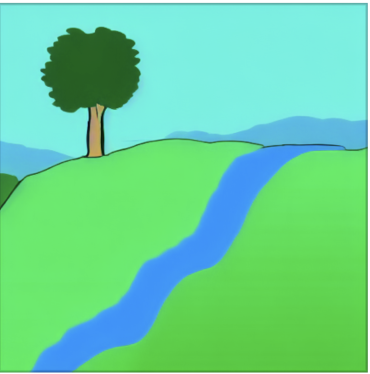{ width=320 } | { width=320 } |
|
||||
|
||||
</figure>
|
||||
|
||||
The `--init_img` (`-I`) option gives the path to the seed picture. `--strength`
|
||||
(`-f`) controls how much the original will be modified, ranging from `0.0` (keep
|
||||
the original intact), to `1.0` (ignore the original completely). The default is
|
||||
`0.75`, and ranges from `0.25-0.90` give interesting results. Other relevant
|
||||
options include `-C` (classification free guidance scale), and `-s` (steps).
|
||||
Unlike `txt2img`, adding steps will continuously change the resulting image and
|
||||
it will not converge.
|
||||
|
||||
You may also pass a `-v<variation_amount>` option to generate `-n<iterations>`
|
||||
count variants on the original image. This is done by passing the first
|
||||
generated image back into img2img the requested number of times. It generates
|
||||
interesting variants.
|
||||
|
||||
Note that the prompt makes a big difference. For example, this slight variation
|
||||
on the prompt produces a very different image:
|
||||
|
||||
<figure markdown>
|
||||
{ width=320 }
|
||||
<caption markdown>photograph of a tree on a hill with a river</caption>
|
||||
</figure>
|
||||
|
||||
!!! tip
|
||||
|
||||
When designing prompts, think about how the images scraped from the internet were
|
||||
captioned. Very few photographs will be labeled "photograph" or "photorealistic."
|
||||
They will, however, be captioned with the publication, photographer, camera model,
|
||||
or film settings.
|
||||
|
||||
If the initial image contains transparent regions, then Stable Diffusion will
|
||||
only draw within the transparent regions, a process called
|
||||
[`inpainting`](./INPAINTING.md#creating-transparent-regions-for-inpainting).
|
||||
However, for this to work correctly, the color information underneath the
|
||||
transparent needs to be preserved, not erased.
|
||||
|
||||
!!! warning "**IMPORTANT ISSUE** "
|
||||
|
||||
`img2img` does not work properly on initial images smaller
|
||||
than 512x512. Please scale your image to at least 512x512 before using it.
|
||||
Larger images are not a problem, but may run out of VRAM on your GPU card. To
|
||||
fix this, use the --fit option, which downscales the initial image to fit within
|
||||
the box specified by width x height:
|
||||
|
||||
```
|
||||
tree on a hill with a river, national geographic -I./test-pictures/big-sketch.png -H512 -W512 --fit
|
||||
```
|
||||
|
||||
## How does it actually work, though?
|
||||
|
||||
The main difference between `img2img` and `prompt2img` is the starting point.
|
||||
While `prompt2img` always starts with pure gaussian noise and progressively
|
||||
@@ -26,6 +99,10 @@ seed `1592514025` develops something like this:
|
||||
|
||||
!!! example ""
|
||||
|
||||
```bash
|
||||
invoke> "fire" -s10 -W384 -H384 -S1592514025
|
||||
```
|
||||
|
||||
<figure markdown>
|
||||
{ width=720 }
|
||||
</figure>
|
||||
@@ -80,8 +157,17 @@ Diffusion has less chance to refine itself, so the result ends up inheriting all
|
||||
the problems of my bad drawing.
|
||||
|
||||
If you want to try this out yourself, all of these are using a seed of
|
||||
`1592514025` with a width/height of `384`, step count `10`, the
|
||||
`k_lms` sampler, and the single-word prompt `"fire"`.
|
||||
`1592514025` with a width/height of `384`, step count `10`, the default sampler
|
||||
(`k_lms`), and the single-word prompt `"fire"`:
|
||||
|
||||
```bash
|
||||
invoke> "fire" -s10 -W384 -H384 -S1592514025 -I /tmp/fire-drawing.png --strength 0.7
|
||||
```
|
||||
|
||||
The code for rendering intermediates is on my (damian0815's) branch
|
||||
[document-img2img](https://github.com/damian0815/InvokeAI/tree/document-img2img) -
|
||||
run `invoke.py` and check your `outputs/img-samples/intermediates` folder while
|
||||
generating an image.
|
||||
|
||||
### Compensating for the reduced step count
|
||||
|
||||
@@ -94,6 +180,10 @@ give each generation 20 steps.
|
||||
Here's strength `0.4` (note step count `50`, which is `20 ÷ 0.4` to make sure SD
|
||||
does `20` steps from my image):
|
||||
|
||||
```bash
|
||||
invoke> "fire" -s50 -W384 -H384 -S1592514025 -I /tmp/fire-drawing.png -f 0.4
|
||||
```
|
||||
|
||||
<figure markdown>
|
||||

|
||||
</figure>
|
||||
@@ -101,6 +191,10 @@ does `20` steps from my image):
|
||||
and here is strength `0.7` (note step count `30`, which is roughly `20 ÷ 0.7` to
|
||||
make sure SD does `20` steps from my image):
|
||||
|
||||
```commandline
|
||||
invoke> "fire" -s30 -W384 -H384 -S1592514025 -I /tmp/fire-drawing.png -f 0.7
|
||||
```
|
||||
|
||||
<figure markdown>
|
||||

|
||||
</figure>
|
||||
|
||||
@@ -71,3 +71,6 @@ under the selected name and register it with InvokeAI.
|
||||
use InvokeAI conventions - only alphanumeric letters and the
|
||||
characters ".+-".
|
||||
|
||||
## Caveats
|
||||
|
||||
This is a new script and may contain bugs.
|
||||
|
||||
@@ -31,22 +31,10 @@ turned on and off on the command line using `--nsfw_checker` and
|
||||
|
||||
At installation time, InvokeAI will ask whether the checker should be
|
||||
activated by default (neither argument given on the command line). The
|
||||
response is stored in the InvokeAI initialization file
|
||||
(`invokeai.yaml` in the InvokeAI root directory). You can change the
|
||||
default at any time by opening this file in a text editor and
|
||||
changing the line `nsfw_checker:` from true to false or vice-versa:
|
||||
|
||||
|
||||
```
|
||||
...
|
||||
Features:
|
||||
esrgan: true
|
||||
internet_available: true
|
||||
log_tokenization: false
|
||||
nsfw_checker: true
|
||||
patchmatch: true
|
||||
restore: true
|
||||
```
|
||||
response is stored in the InvokeAI initialization file (usually
|
||||
`invokeai.init` in your home directory). You can change the default at any
|
||||
time by opening this file in a text editor and commenting or
|
||||
uncommenting the line `--nsfw_checker`.
|
||||
|
||||
## Caveats
|
||||
|
||||
@@ -91,3 +79,11 @@ generates. However, it does write metadata into the PNG data area,
|
||||
including the prompt used to generate the image and relevant parameter
|
||||
settings. These fields can be examined using the `sd-metadata.py`
|
||||
script that comes with the InvokeAI package.
|
||||
|
||||
Note that several other Stable Diffusion distributions offer
|
||||
wavelet-based "invisible" watermarking. We have experimented with the
|
||||
library used to generate these watermarks and have reached the
|
||||
conclusion that while the watermarking library may be adding
|
||||
watermarks to PNG images, the currently available version is unable to
|
||||
retrieve them successfully. If and when a functioning version of the
|
||||
library becomes available, we will offer this feature as well.
|
||||
|
||||
@@ -18,16 +18,43 @@ Output Example:
|
||||
|
||||
## **Seamless Tiling**
|
||||
|
||||
The seamless tiling mode causes generated images to seamlessly tile
|
||||
with itself creating repetitive wallpaper-like patterns. To use it,
|
||||
activate the Seamless Tiling option in the Web GUI and then select
|
||||
whether to tile on the X (horizontal) and/or Y (vertical) axes. Tiling
|
||||
will then be active for the next set of generations.
|
||||
|
||||
A nice prompt to test seamless tiling with is:
|
||||
The seamless tiling mode causes generated images to seamlessly tile with itself. To use it, add the
|
||||
`--seamless` option when starting the script which will result in all generated images to tile, or
|
||||
for each `invoke>` prompt as shown here:
|
||||
|
||||
```python
|
||||
invoke> "pond garden with lotus by claude monet" --seamless -s100 -n4
|
||||
```
|
||||
pond garden with lotus by claude monet"
|
||||
|
||||
By default this will tile on both the X and Y axes. However, you can also specify specific axes to tile on with `--seamless_axes`.
|
||||
Possible values are `x`, `y`, and `x,y`:
|
||||
```python
|
||||
invoke> "pond garden with lotus by claude monet" --seamless --seamless_axes=x -s100 -n4
|
||||
```
|
||||
|
||||
---
|
||||
|
||||
## **Shortcuts: Reusing Seeds**
|
||||
|
||||
Since it is so common to reuse seeds while refining a prompt, there is now a shortcut as of version
|
||||
1.11. Provide a `-S` (or `--seed`) switch of `-1` to use the seed of the most recent image
|
||||
generated. If you produced multiple images with the `-n` switch, then you can go back further
|
||||
using `-2`, `-3`, etc. up to the first image generated by the previous command. Sorry, but you can't go
|
||||
back further than one command.
|
||||
|
||||
Here's an example of using this to do a quick refinement. It also illustrates using the new `-G`
|
||||
switch to turn on upscaling and face enhancement (see previous section):
|
||||
|
||||
```bash
|
||||
invoke> a cute child playing hopscotch -G0.5
|
||||
[...]
|
||||
outputs/img-samples/000039.3498014304.png: "a cute child playing hopscotch" -s50 -W512 -H512 -C7.5 -mk_lms -S3498014304
|
||||
|
||||
# I wonder what it will look like if I bump up the steps and set facial enhancement to full strength?
|
||||
invoke> a cute child playing hopscotch -G1.0 -s100 -S -1
|
||||
reusing previous seed 3498014304
|
||||
[...]
|
||||
outputs/img-samples/000040.3498014304.png: "a cute child playing hopscotch" -G1.0 -s100 -W512 -H512 -C7.5 -mk_lms -S3498014304
|
||||
```
|
||||
|
||||
---
|
||||
@@ -46,27 +73,66 @@ This will tell the sampler to invest 25% of its effort on the tabby cat aspect o
|
||||
on the white duck aspect (surprisingly, this example actually works). The prompt weights can use any
|
||||
combination of integers and floating point numbers, and they do not need to add up to 1.
|
||||
|
||||
---
|
||||
|
||||
## **Filename Format**
|
||||
|
||||
The argument `--fnformat` allows to specify the filename of the
|
||||
image. Supported wildcards are all arguments what can be set such as
|
||||
`perlin`, `seed`, `threshold`, `height`, `width`, `gfpgan_strength`,
|
||||
`sampler_name`, `steps`, `model`, `upscale`, `prompt`, `cfg_scale`,
|
||||
`prefix`.
|
||||
|
||||
The following prompt
|
||||
```bash
|
||||
dream> a red car --steps 25 -C 9.8 --perlin 0.1 --fnformat {prompt}_steps.{steps}_cfg.{cfg_scale}_perlin.{perlin}.png
|
||||
```
|
||||
|
||||
generates a file with the name: `outputs/img-samples/a red car_steps.25_cfg.9.8_perlin.0.1.png`
|
||||
|
||||
---
|
||||
|
||||
## **Thresholding and Perlin Noise Initialization Options**
|
||||
|
||||
Under the Noise section of the Web UI, you will find two options named
|
||||
Perlin Noise and Noise Threshold. [Perlin
|
||||
noise](https://en.wikipedia.org/wiki/Perlin_noise) is a type of
|
||||
structured noise used to simulate terrain and other natural
|
||||
textures. The slider controls the percentage of perlin noise that will
|
||||
be mixed into the image at the beginning of generation. Adding a little
|
||||
perlin noise to a generation will alter the image substantially.
|
||||
|
||||
The noise threshold limits the range of the latent values during
|
||||
sampling and helps combat the oversharpening seem with higher CFG
|
||||
scale values.
|
||||
Two new options are the thresholding (`--threshold`) and the perlin noise initialization (`--perlin`) options. Thresholding limits the range of the latent values during optimization, which helps combat oversaturation with higher CFG scale values. Perlin noise initialization starts with a percentage (a value ranging from 0 to 1) of perlin noise mixed into the initial noise. Both features allow for more variations and options in the course of generating images.
|
||||
|
||||
For better intuition into what these options do in practice:
|
||||
|
||||

|
||||
|
||||
In generating this graphic, perlin noise at initialization was
|
||||
programmatically varied going across on the diagram by values 0.0,
|
||||
0.1, 0.2, 0.4, 0.5, 0.6, 0.8, 0.9, 1.0; and the threshold was varied
|
||||
going down from 0, 1, 2, 3, 4, 5, 10, 20, 100. The other options are
|
||||
fixed using the prompt "a portrait of a beautiful young lady" a CFG of
|
||||
20, 100 steps, and a seed of 1950357039.
|
||||
In generating this graphic, perlin noise at initialization was programmatically varied going across on the diagram by values 0.0, 0.1, 0.2, 0.4, 0.5, 0.6, 0.8, 0.9, 1.0; and the threshold was varied going down from
|
||||
0, 1, 2, 3, 4, 5, 10, 20, 100. The other options are fixed, so the initial prompt is as follows (no thresholding or perlin noise):
|
||||
|
||||
```bash
|
||||
invoke> "a portrait of a beautiful young lady" -S 1950357039 -s 100 -C 20 -A k_euler_a --threshold 0 --perlin 0
|
||||
```
|
||||
|
||||
Here's an example of another prompt used when setting the threshold to 5 and perlin noise to 0.2:
|
||||
|
||||
```bash
|
||||
invoke> "a portrait of a beautiful young lady" -S 1950357039 -s 100 -C 20 -A k_euler_a --threshold 5 --perlin 0.2
|
||||
```
|
||||
|
||||
!!! note
|
||||
|
||||
currently the thresholding feature is only implemented for the k-diffusion style samplers, and empirically appears to work best with `k_euler_a` and `k_dpm_2_a`. Using 0 disables thresholding. Using 0 for perlin noise disables using perlin noise for initialization. Finally, using 1 for perlin noise uses only perlin noise for initialization.
|
||||
|
||||
---
|
||||
|
||||
## **Simplified API**
|
||||
|
||||
For programmers who wish to incorporate stable-diffusion into other products, this repository
|
||||
includes a simplified API for text to image generation, which lets you create images from a prompt
|
||||
in just three lines of code:
|
||||
|
||||
```bash
|
||||
from ldm.generate import Generate
|
||||
g = Generate()
|
||||
outputs = g.txt2img("a unicorn in manhattan")
|
||||
```
|
||||
|
||||
Outputs is a list of lists in the format [filename1,seed1],[filename2,seed2]...].
|
||||
|
||||
Please see the documentation in ldm/generate.py for more information.
|
||||
|
||||
---
|
||||
|
||||
@@ -8,6 +8,12 @@ title: Postprocessing
|
||||
|
||||
This extension provides the ability to restore faces and upscale images.
|
||||
|
||||
Face restoration and upscaling can be applied at the time you generate the
|
||||
images, or at any later time against a previously-generated PNG file, using the
|
||||
[!fix](#fixing-previously-generated-images) command.
|
||||
[Outpainting and outcropping](OUTPAINTING.md) can only be applied after the
|
||||
fact.
|
||||
|
||||
## Face Fixing
|
||||
|
||||
The default face restoration module is GFPGAN. The default upscale is
|
||||
@@ -17,7 +23,8 @@ Real-ESRGAN. For an alternative face restoration module, see
|
||||
As of version 1.14, environment.yaml will install the Real-ESRGAN package into
|
||||
the standard install location for python packages, and will put GFPGAN into a
|
||||
subdirectory of "src" in the InvokeAI directory. Upscaling with Real-ESRGAN
|
||||
should "just work" without further intervention. Simply indicate the desired scale on
|
||||
should "just work" without further intervention. Simply pass the `--upscale`
|
||||
(`-U`) option on the `invoke>` command line, or indicate the desired scale on
|
||||
the popup in the Web GUI.
|
||||
|
||||
**GFPGAN** requires a series of downloadable model files to work. These are
|
||||
@@ -34,75 +41,48 @@ reconstruction.
|
||||
|
||||
### Upscaling
|
||||
|
||||
Open the upscaling dialog by clicking on the "expand" icon located
|
||||
above the image display area in the Web UI:
|
||||
`-U : <upscaling_factor> <upscaling_strength>`
|
||||
|
||||
<figure markdown>
|
||||

|
||||
</figure>
|
||||
The upscaling prompt argument takes two values. The first value is a scaling
|
||||
factor and should be set to either `2` or `4` only. This will either scale the
|
||||
image 2x or 4x respectively using different models.
|
||||
|
||||
There are three different upscaling parameters that you can
|
||||
adjust. The first is the scale itself, either 2x or 4x.
|
||||
You can set the scaling stength between `0` and `1.0` to control intensity of
|
||||
the of the scaling. This is handy because AI upscalers generally tend to smooth
|
||||
out texture details. If you wish to retain some of those for natural looking
|
||||
results, we recommend using values between `0.5 to 0.8`.
|
||||
|
||||
The second is the "Denoising Strength." Higher values will smooth out
|
||||
the image and remove digital chatter, but may lose fine detail at
|
||||
higher values.
|
||||
|
||||
Third, "Upscale Strength" allows you to adjust how the You can set the
|
||||
scaling stength between `0` and `1.0` to control the intensity of the
|
||||
scaling. AI upscalers generally tend to smooth out texture details. If
|
||||
you wish to retain some of those for natural looking results, we
|
||||
recommend using values between `0.5 to 0.8`.
|
||||
|
||||
[This figure](../assets/features/upscaling-montage.png) illustrates
|
||||
the effects of denoising and strength. The original image was 512x512,
|
||||
4x scaled to 2048x2048. The "original" version on the upper left was
|
||||
scaled using simple pixel averaging. The remainder use the ESRGAN
|
||||
upscaling algorithm at different levels of denoising and strength.
|
||||
|
||||
<figure markdown>
|
||||
{ width=720 }
|
||||
</figure>
|
||||
|
||||
Both denoising and strength default to 0.75.
|
||||
If you do not explicitly specify an upscaling_strength, it will default to 0.75.
|
||||
|
||||
### Face Restoration
|
||||
|
||||
InvokeAI offers alternative two face restoration algorithms,
|
||||
[GFPGAN](https://github.com/TencentARC/GFPGAN) and
|
||||
[CodeFormer](https://huggingface.co/spaces/sczhou/CodeFormer). These
|
||||
algorithms improve the appearance of faces, particularly eyes and
|
||||
mouths. Issues with faces are less common with the latest set of
|
||||
Stable Diffusion models than with the original 1.4 release, but the
|
||||
restoration algorithms can still make a noticeable improvement in
|
||||
certain cases. You can also apply restoration to old photographs you
|
||||
upload.
|
||||
`-G : <facetool_strength>`
|
||||
|
||||
To access face restoration, click the "smiley face" icon in the
|
||||
toolbar above the InvokeAI image panel. You will be presented with a
|
||||
dialog that offers a choice between the two algorithm and sliders that
|
||||
allow you to adjust their parameters. Alternatively, you may open the
|
||||
left-hand accordion panel labeled "Face Restoration" and have the
|
||||
restoration algorithm of your choice applied to generated images
|
||||
automatically.
|
||||
This prompt argument controls the strength of the face restoration that is being
|
||||
applied. Similar to upscaling, values between `0.5 to 0.8` are recommended.
|
||||
|
||||
You can use either one or both without any conflicts. In cases where you use
|
||||
both, the image will be first upscaled and then the face restoration process
|
||||
will be executed to ensure you get the highest quality facial features.
|
||||
|
||||
Like upscaling, there are a number of parameters that adjust the face
|
||||
restoration output. GFPGAN has a single parameter, `strength`, which
|
||||
controls how much the algorithm is allowed to adjust the
|
||||
image. CodeFormer has two parameters, `strength`, and `fidelity`,
|
||||
which together control the quality of the output image as described in
|
||||
the [CodeFormer project
|
||||
page](https://shangchenzhou.com/projects/CodeFormer/). Default values
|
||||
are 0.75 for both parameters, which achieves a reasonable balance
|
||||
between changing the image too much and not enough.
|
||||
`--save_orig`
|
||||
|
||||
[This figure](../assets/features/restoration-montage.png) illustrates
|
||||
the effects of adjusting GFPGAN and CodeFormer parameters.
|
||||
When you use either `-U` or `-G`, the final result you get is upscaled or face
|
||||
modified. If you want to save the original Stable Diffusion generation, you can
|
||||
use the `-save_orig` prompt argument to save the original unaffected version
|
||||
too.
|
||||
|
||||
<figure markdown>
|
||||
{ width=720 }
|
||||
</figure>
|
||||
### Example Usage
|
||||
|
||||
```bash
|
||||
invoke> "superman dancing with a panda bear" -U 2 0.6 -G 0.4
|
||||
```
|
||||
|
||||
This also works with img2img:
|
||||
|
||||
```bash
|
||||
invoke> "a man wearing a pineapple hat" -I path/to/your/file.png -U 2 0.5 -G 0.6
|
||||
```
|
||||
|
||||
!!! note
|
||||
|
||||
@@ -115,8 +95,69 @@ the effects of adjusting GFPGAN and CodeFormer parameters.
|
||||
process is complete. While the image generation is taking place, you will still be able to preview
|
||||
the base images.
|
||||
|
||||
If you wish to stop during the image generation but want to upscale or face
|
||||
restore a particular generated image, pass it again with the same prompt and
|
||||
generated seed along with the `-U` and `-G` prompt arguments to perform those
|
||||
actions.
|
||||
|
||||
## CodeFormer Support
|
||||
|
||||
This repo also allows you to perform face restoration using
|
||||
[CodeFormer](https://github.com/sczhou/CodeFormer).
|
||||
|
||||
In order to setup CodeFormer to work, you need to download the models like with
|
||||
GFPGAN. You can do this either by running `invokeai-configure` or by manually
|
||||
downloading the
|
||||
[model file](https://github.com/sczhou/CodeFormer/releases/download/v0.1.0/codeformer.pth)
|
||||
and saving it to `ldm/invoke/restoration/codeformer/weights` folder.
|
||||
|
||||
You can use `-ft` prompt argument to swap between CodeFormer and the default
|
||||
GFPGAN. The above mentioned `-G` prompt argument will allow you to control the
|
||||
strength of the restoration effect.
|
||||
|
||||
### CodeFormer Usage
|
||||
|
||||
The following command will perform face restoration with CodeFormer instead of
|
||||
the default gfpgan.
|
||||
|
||||
`<prompt> -G 0.8 -ft codeformer`
|
||||
|
||||
### Other Options
|
||||
|
||||
- `-cf` - cf or CodeFormer Fidelity takes values between `0` and `1`. 0 produces
|
||||
high quality results but low accuracy and 1 produces lower quality results but
|
||||
higher accuacy to your original face.
|
||||
|
||||
The following command will perform face restoration with CodeFormer. CodeFormer
|
||||
will output a result that is closely matching to the input face.
|
||||
|
||||
`<prompt> -G 1.0 -ft codeformer -cf 0.9`
|
||||
|
||||
The following command will perform face restoration with CodeFormer. CodeFormer
|
||||
will output a result that is the best restoration possible. This may deviate
|
||||
slightly from the original face. This is an excellent option to use in
|
||||
situations when there is very little facial data to work with.
|
||||
|
||||
`<prompt> -G 1.0 -ft codeformer -cf 0.1`
|
||||
|
||||
## Fixing Previously-Generated Images
|
||||
|
||||
It is easy to apply face restoration and/or upscaling to any
|
||||
previously-generated file. Just use the syntax
|
||||
`!fix path/to/file.png <options>`. For example, to apply GFPGAN at strength 0.8
|
||||
and upscale 2X for a file named `./outputs/img-samples/000044.2945021133.png`,
|
||||
just run:
|
||||
|
||||
```bash
|
||||
invoke> !fix ./outputs/img-samples/000044.2945021133.png -G 0.8 -U 2
|
||||
```
|
||||
|
||||
A new file named `000044.2945021133.fixed.png` will be created in the output
|
||||
directory. Note that the `!fix` command does not replace the original file,
|
||||
unlike the behavior at generate time.
|
||||
|
||||
## How to disable
|
||||
|
||||
If, for some reason, you do not wish to load the GFPGAN and/or ESRGAN libraries,
|
||||
you can disable them on the invoke.py command line with the `--no_restore` and
|
||||
`--no_esrgan` options, respectively.
|
||||
`--no_upscale` options, respectively.
|
||||
|
||||
@@ -4,12 +4,77 @@ title: Prompting-Features
|
||||
|
||||
# :octicons-command-palette-24: Prompting-Features
|
||||
|
||||
## **Reading Prompts from a File**
|
||||
|
||||
You can automate `invoke.py` by providing a text file with the prompts you want
|
||||
to run, one line per prompt. The text file must be composed with a text editor
|
||||
(e.g. Notepad) and not a word processor. Each line should look like what you
|
||||
would type at the invoke> prompt:
|
||||
|
||||
```bash
|
||||
"a beautiful sunny day in the park, children playing" -n4 -C10
|
||||
"stormy weather on a mountain top, goats grazing" -s100
|
||||
"innovative packaging for a squid's dinner" -S137038382
|
||||
```
|
||||
|
||||
Then pass this file's name to `invoke.py` when you invoke it:
|
||||
|
||||
```bash
|
||||
python scripts/invoke.py --from_file "/path/to/prompts.txt"
|
||||
```
|
||||
|
||||
You may also read a series of prompts from standard input by providing
|
||||
a filename of `-`. For example, here is a python script that creates a
|
||||
matrix of prompts, each one varying slightly:
|
||||
|
||||
```bash
|
||||
#!/usr/bin/env python
|
||||
|
||||
adjectives = ['sunny','rainy','overcast']
|
||||
samplers = ['k_lms','k_euler_a','k_heun']
|
||||
cfg = [7.5, 9, 11]
|
||||
|
||||
for adj in adjectives:
|
||||
for samp in samplers:
|
||||
for cg in cfg:
|
||||
print(f'a {adj} day -A{samp} -C{cg}')
|
||||
```
|
||||
|
||||
Its output looks like this (abbreviated):
|
||||
|
||||
```bash
|
||||
a sunny day -Aklms -C7.5
|
||||
a sunny day -Aklms -C9
|
||||
a sunny day -Aklms -C11
|
||||
a sunny day -Ak_euler_a -C7.5
|
||||
a sunny day -Ak_euler_a -C9
|
||||
...
|
||||
a overcast day -Ak_heun -C9
|
||||
a overcast day -Ak_heun -C11
|
||||
```
|
||||
|
||||
To feed it to invoke.py, pass the filename of "-"
|
||||
|
||||
```bash
|
||||
python matrix.py | python scripts/invoke.py --from_file -
|
||||
```
|
||||
|
||||
When the script is finished, each of the 27 combinations
|
||||
of adjective, sampler and CFG will be executed.
|
||||
|
||||
The command-line interface provides `!fetch` and `!replay` commands
|
||||
which allow you to read the prompts from a single previously-generated
|
||||
image or a whole directory of them, write the prompts to a file, and
|
||||
then replay them. Or you can create your own file of prompts and feed
|
||||
them to the command-line client from within an interactive session.
|
||||
See [Command-Line Interface](CLI.md) for details.
|
||||
|
||||
---
|
||||
|
||||
## **Negative and Unconditioned Prompts**
|
||||
|
||||
Any words between a pair of square brackets will instruct Stable
|
||||
Diffusion to attempt to ban the concept from the generated image. The
|
||||
same effect is achieved by placing words in the "Negative Prompts"
|
||||
textbox in the Web UI.
|
||||
Any words between a pair of square brackets will instruct Stable Diffusion to
|
||||
attempt to ban the concept from the generated image.
|
||||
|
||||
```text
|
||||
this is a test prompt [not really] to make you understand [cool] how this works.
|
||||
@@ -22,9 +87,7 @@ Here's a prompt that depicts what it does.
|
||||
|
||||
original prompt:
|
||||
|
||||
`#!bash "A fantastical translucent pony made of water and foam, ethereal, radiant, hyperalism, scottish folklore, digital painting, artstation, concept art, smooth, 8 k frostbite 3 engine, ultra detailed, art by artgerm and greg rutkowski and magali villeneuve"`
|
||||
|
||||
`#!bash parameters: steps=20, dimensions=512x768, CFG=7.5, Scheduler=k_euler_a, seed=1654590180`
|
||||
`#!bash "A fantastical translucent pony made of water and foam, ethereal, radiant, hyperalism, scottish folklore, digital painting, artstation, concept art, smooth, 8 k frostbite 3 engine, ultra detailed, art by artgerm and greg rutkowski and magali villeneuve" -s 20 -W 512 -H 768 -C 7.5 -A k_euler_a -S 1654590180`
|
||||
|
||||
<figure markdown>
|
||||
|
||||
@@ -36,8 +99,7 @@ That image has a woman, so if we want the horse without a rider, we can
|
||||
influence the image not to have a woman by putting [woman] in the prompt, like
|
||||
this:
|
||||
|
||||
`#!bash "A fantastical translucent poney made of water and foam, ethereal, radiant, hyperalism, scottish folklore, digital painting, artstation, concept art, smooth, 8 k frostbite 3 engine, ultra detailed, art by artgerm and greg rutkowski and magali villeneuve [woman]"`
|
||||
(same parameters as above)
|
||||
`#!bash "A fantastical translucent poney made of water and foam, ethereal, radiant, hyperalism, scottish folklore, digital painting, artstation, concept art, smooth, 8 k frostbite 3 engine, ultra detailed, art by artgerm and greg rutkowski and magali villeneuve [woman]" -s 20 -W 512 -H 768 -C 7.5 -A k_euler_a -S 1654590180`
|
||||
|
||||
<figure markdown>
|
||||
|
||||
@@ -48,8 +110,7 @@ this:
|
||||
That's nice - but say we also don't want the image to be quite so blue. We can
|
||||
add "blue" to the list of negative prompts, so it's now [woman blue]:
|
||||
|
||||
`#!bash "A fantastical translucent poney made of water and foam, ethereal, radiant, hyperalism, scottish folklore, digital painting, artstation, concept art, smooth, 8 k frostbite 3 engine, ultra detailed, art by artgerm and greg rutkowski and magali villeneuve [woman blue]"`
|
||||
(same parameters as above)
|
||||
`#!bash "A fantastical translucent poney made of water and foam, ethereal, radiant, hyperalism, scottish folklore, digital painting, artstation, concept art, smooth, 8 k frostbite 3 engine, ultra detailed, art by artgerm and greg rutkowski and magali villeneuve [woman blue]" -s 20 -W 512 -H 768 -C 7.5 -A k_euler_a -S 1654590180`
|
||||
|
||||
<figure markdown>
|
||||
|
||||
@@ -60,8 +121,7 @@ add "blue" to the list of negative prompts, so it's now [woman blue]:
|
||||
Getting close - but there's no sense in having a saddle when our horse doesn't
|
||||
have a rider, so we'll add one more negative prompt: [woman blue saddle].
|
||||
|
||||
`#!bash "A fantastical translucent poney made of water and foam, ethereal, radiant, hyperalism, scottish folklore, digital painting, artstation, concept art, smooth, 8 k frostbite 3 engine, ultra detailed, art by artgerm and greg rutkowski and magali villeneuve [woman blue saddle]"`
|
||||
(same parameters as above)
|
||||
`#!bash "A fantastical translucent poney made of water and foam, ethereal, radiant, hyperalism, scottish folklore, digital painting, artstation, concept art, smooth, 8 k frostbite 3 engine, ultra detailed, art by artgerm and greg rutkowski and magali villeneuve [woman blue saddle]" -s 20 -W 512 -H 768 -C 7.5 -A k_euler_a -S 1654590180`
|
||||
|
||||
<figure markdown>
|
||||
|
||||
@@ -201,6 +261,19 @@ Prompt2prompt `.swap()` is not compatible with xformers, which will be temporari
|
||||
The `prompt2prompt` code is based off
|
||||
[bloc97's colab](https://github.com/bloc97/CrossAttentionControl).
|
||||
|
||||
Note that `prompt2prompt` is not currently working with the runwayML inpainting
|
||||
model, and may never work due to the way this model is set up. If you attempt to
|
||||
use `prompt2prompt` you will get the original image back. However, since this
|
||||
model is so good at inpainting, a good substitute is to use the `clipseg` text
|
||||
masking option:
|
||||
|
||||
```bash
|
||||
invoke> a fluffy cat eating a hotdog
|
||||
Outputs:
|
||||
[1010] outputs/000025.2182095108.png: a fluffy cat eating a hotdog
|
||||
invoke> a smiling dog eating a hotdog -I 000025.2182095108.png -tm cat
|
||||
```
|
||||
|
||||
### Escaping parantheses () and speech marks ""
|
||||
|
||||
If the model you are using has parentheses () or speech marks "" as part of its
|
||||
@@ -301,5 +374,6 @@ summoning up the concept of some sort of scifi creature? Let's find out.
|
||||
Indeed, removing the word "hybrid" produces an image that is more like what we'd
|
||||
expect.
|
||||
|
||||
In conclusion, prompt blending is great for exploring creative space,
|
||||
but takes some trial and error to achieve the desired effect.
|
||||
In conclusion, prompt blending is great for exploring creative space, but can be
|
||||
difficult to direct. A forthcoming release of InvokeAI will feature more
|
||||
deterministic prompt weighting.
|
||||
|
||||
@@ -46,19 +46,11 @@ start the front end by selecting choice (3):
|
||||
|
||||
```sh
|
||||
Do you want to generate images using the
|
||||
1: Browser-based UI
|
||||
2: Command-line interface
|
||||
3: Run textual inversion training
|
||||
4: Merge models (diffusers type only)
|
||||
5: Download and install models
|
||||
6: Change InvokeAI startup options
|
||||
7: Re-run the configure script to fix a broken install
|
||||
8: Open the developer console
|
||||
9: Update InvokeAI
|
||||
10: Command-line help
|
||||
Q: Quit
|
||||
|
||||
Please enter 1-10, Q: [1]
|
||||
1. command-line
|
||||
2. browser-based UI
|
||||
3. textual inversion training
|
||||
4. open the developer console
|
||||
Please enter 1, 2, 3, or 4: [1] 3
|
||||
```
|
||||
|
||||
From the command line, with the InvokeAI virtual environment active,
|
||||
|
||||
@@ -6,7 +6,9 @@ title: Variations
|
||||
|
||||
## Intro
|
||||
|
||||
InvokeAI's support for variations enables you to do the following:
|
||||
Release 1.13 of SD-Dream adds support for image variations.
|
||||
|
||||
You are able to do the following:
|
||||
|
||||
1. Generate a series of systematic variations of an image, given a prompt. The
|
||||
amount of variation from one image to the next can be controlled.
|
||||
@@ -28,7 +30,19 @@ The prompt we will use throughout is:
|
||||
This will be indicated as `#!bash "prompt"` in the examples below.
|
||||
|
||||
First we let SD create a series of images in the usual way, in this case
|
||||
requesting six iterations.
|
||||
requesting six iterations:
|
||||
|
||||
```bash
|
||||
invoke> lucy lawless as xena, warrior princess, character portrait, high resolution -n6
|
||||
...
|
||||
Outputs:
|
||||
./outputs/Xena/000001.1579445059.png: "prompt" -s50 -W512 -H512 -C7.5 -Ak_lms -S1579445059
|
||||
./outputs/Xena/000001.1880768722.png: "prompt" -s50 -W512 -H512 -C7.5 -Ak_lms -S1880768722
|
||||
./outputs/Xena/000001.332057179.png: "prompt" -s50 -W512 -H512 -C7.5 -Ak_lms -S332057179
|
||||
./outputs/Xena/000001.2224800325.png: "prompt" -s50 -W512 -H512 -C7.5 -Ak_lms -S2224800325
|
||||
./outputs/Xena/000001.465250761.png: "prompt" -s50 -W512 -H512 -C7.5 -Ak_lms -S465250761
|
||||
./outputs/Xena/000001.3357757885.png: "prompt" -s50 -W512 -H512 -C7.5 -Ak_lms -S3357757885
|
||||
```
|
||||
|
||||
<figure markdown>
|
||||

|
||||
@@ -39,16 +53,22 @@ requesting six iterations.
|
||||
|
||||
## Step 2 - Generating Variations
|
||||
|
||||
Let's try to generate some variations on this image. We select the "*"
|
||||
symbol in the line of icons above the image in order to fix the prompt
|
||||
and seed. Then we open up the "Variations" section of the generation
|
||||
panel and use the slider to set the variation amount to 0.2. The
|
||||
higher this value, the more each generated image will differ from the
|
||||
previous one.
|
||||
Let's try to generate some variations. Using the same seed, we pass the argument
|
||||
`-v0.1` (or --variant_amount), which generates a series of variations each
|
||||
differing by a variation amount of 0.2. This number ranges from `0` to `1.0`,
|
||||
with higher numbers being larger amounts of variation.
|
||||
|
||||
Now we run the prompt a second time, requesting six iterations. You
|
||||
will see six images that are thematically related to each other. Try
|
||||
increasing and decreasing the variation amount and see what happens.
|
||||
```bash
|
||||
invoke> "prompt" -n6 -S3357757885 -v0.2
|
||||
...
|
||||
Outputs:
|
||||
./outputs/Xena/000002.784039624.png: "prompt" -s50 -W512 -H512 -C7.5 -Ak_lms -V 784039624:0.2 -S3357757885
|
||||
./outputs/Xena/000002.3647897225.png: "prompt" -s50 -W512 -H512 -C7.5 -Ak_lms -V 3647897225:0.2 -S3357757885
|
||||
./outputs/Xena/000002.917731034.png: "prompt" -s50 -W512 -H512 -C7.5 -Ak_lms -V 917731034:0.2 -S3357757885
|
||||
./outputs/Xena/000002.4116285959.png: "prompt" -s50 -W512 -H512 -C7.5 -Ak_lms -V 4116285959:0.2 -S3357757885
|
||||
./outputs/Xena/000002.1614299449.png: "prompt" -s50 -W512 -H512 -C7.5 -Ak_lms -V 1614299449:0.2 -S3357757885
|
||||
./outputs/Xena/000002.1335553075.png: "prompt" -s50 -W512 -H512 -C7.5 -Ak_lms -V 1335553075:0.2 -S3357757885
|
||||
```
|
||||
|
||||
### **Variation Sub Seeding**
|
||||
|
||||
|
||||
@@ -299,6 +299,14 @@ initial image" icons are located.
|
||||
|
||||
See the [Unified Canvas Guide](UNIFIED_CANVAS.md)
|
||||
|
||||
## Parting remarks
|
||||
|
||||
This concludes the walkthrough, but there are several more features that you can
|
||||
explore. Please check out the [Command Line Interface](CLI.md) documentation for
|
||||
further explanation of the advanced features that were not covered here.
|
||||
|
||||
The WebUI is only rapid development. Check back regularly for updates!
|
||||
|
||||
## Reference
|
||||
|
||||
### Additional Options
|
||||
@@ -341,9 +349,11 @@ the settings configured in the toolbar.
|
||||
|
||||
See below for additional documentation related to each feature:
|
||||
|
||||
- [Core Prompt Settings](./CLI.md)
|
||||
- [Variations](./VARIATIONS.md)
|
||||
- [Upscaling](./POSTPROCESS.md#upscaling)
|
||||
- [Image to Image](./IMG2IMG.md)
|
||||
- [Inpainting](./INPAINTING.md)
|
||||
- [Other](./OTHER.md)
|
||||
|
||||
#### Invocation Gallery
|
||||
|
||||
@@ -13,16 +13,28 @@ Build complex scenes by combine and modifying multiple images in a stepwise
|
||||
fashion. This feature combines img2img, inpainting and outpainting in
|
||||
a single convenient digital artist-optimized user interface.
|
||||
|
||||
### * The [Command Line Interface (CLI)](CLI.md)
|
||||
Scriptable access to InvokeAI's features.
|
||||
|
||||
## Image Generation
|
||||
### * [Prompt Engineering](PROMPTS.md)
|
||||
Get the images you want with the InvokeAI prompt engineering language.
|
||||
|
||||
## * [Post-Processing](POSTPROCESS.md)
|
||||
Restore mangled faces and make images larger with upscaling. Also see the [Embiggen Upscaling Guide](EMBIGGEN.md).
|
||||
|
||||
## * The [Concepts Library](CONCEPTS.md)
|
||||
Add custom subjects and styles using HuggingFace's repository of embeddings.
|
||||
|
||||
### * [Image-to-Image Guide](IMG2IMG.md)
|
||||
### * [Image-to-Image Guide for the CLI](IMG2IMG.md)
|
||||
Use a seed image to build new creations in the CLI.
|
||||
|
||||
### * [Inpainting Guide for the CLI](INPAINTING.md)
|
||||
Selectively erase and replace portions of an existing image in the CLI.
|
||||
|
||||
### * [Outpainting Guide for the CLI](OUTPAINTING.md)
|
||||
Extend the borders of the image with an "outcrop" function within the CLI.
|
||||
|
||||
### * [Generating Variations](VARIATIONS.md)
|
||||
Have an image you like and want to generate many more like it? Variations
|
||||
are the ticket.
|
||||
|
||||
121
docs/index.md
121
docs/index.md
@@ -13,7 +13,6 @@ title: Home
|
||||
|
||||
<div align="center" markdown>
|
||||
|
||||
|
||||
[](https://github.com/invoke-ai/InvokeAI)
|
||||
|
||||
[![discord badge]][discord link]
|
||||
@@ -132,13 +131,17 @@ This method is recommended for those familiar with running Docker containers
|
||||
- [WebUI overview](features/WEB.md)
|
||||
- [WebUI hotkey reference guide](features/WEBUIHOTKEYS.md)
|
||||
- [WebUI Unified Canvas for Img2Img, inpainting and outpainting](features/UNIFIED_CANVAS.md)
|
||||
|
||||
<!-- separator -->
|
||||
|
||||
### The InvokeAI Command Line Interface
|
||||
- [Command Line Interace Reference Guide](features/CLI.md)
|
||||
<!-- separator -->
|
||||
### Image Management
|
||||
- [Image2Image](features/IMG2IMG.md)
|
||||
- [Inpainting](features/INPAINTING.md)
|
||||
- [Outpainting](features/OUTPAINTING.md)
|
||||
- [Adding custom styles and subjects](features/CONCEPTS.md)
|
||||
- [Upscaling and Face Reconstruction](features/POSTPROCESS.md)
|
||||
- [Embiggen upscaling](features/EMBIGGEN.md)
|
||||
- [Other Features](features/OTHER.md)
|
||||
|
||||
<!-- separator -->
|
||||
@@ -153,60 +156,83 @@ This method is recommended for those familiar with running Docker containers
|
||||
- [Prompt Syntax](features/PROMPTS.md)
|
||||
- [Generating Variations](features/VARIATIONS.md)
|
||||
|
||||
## :octicons-log-16: Important Changes Since Version 2.3
|
||||
## :octicons-log-16: Latest Changes
|
||||
|
||||
### Nodes
|
||||
### v2.3.0 <small>(9 February 2023)</small>
|
||||
|
||||
Behind the scenes, InvokeAI has been completely rewritten to support
|
||||
"nodes," small unitary operations that can be combined into graphs to
|
||||
form arbitrary workflows. For example, there is a prompt node that
|
||||
processes the prompt string and feeds it to a text2latent node that
|
||||
generates a latent image. The latents are then fed to a latent2image
|
||||
node that translates the latent image into a PNG.
|
||||
#### Migration to Stable Diffusion `diffusers` models
|
||||
|
||||
The WebGUI has a node editor that allows you to graphically design and
|
||||
execute custom node graphs. The ability to save and load graphs is
|
||||
still a work in progress, but coming soon.
|
||||
Previous versions of InvokeAI supported the original model file format introduced with Stable Diffusion 1.4. In the original format, known variously as "checkpoint", or "legacy" format, there is a single large weights file ending with `.ckpt` or `.safetensors`. Though this format has served the community well, it has a number of disadvantages, including file size, slow loading times, and a variety of non-standard variants that require special-case code to handle. In addition, because checkpoint files are actually a bundle of multiple machine learning sub-models, it is hard to swap different sub-models in and out, or to share common sub-models. A new format, introduced by the StabilityAI company in collaboration with HuggingFace, is called `diffusers` and consists of a directory of individual models. The most immediate benefit of `diffusers` is that they load from disk very quickly. A longer term benefit is that in the near future `diffusers` models will be able to share common sub-models, dramatically reducing disk space when you have multiple fine-tune models derived from the same base.
|
||||
|
||||
### Command-Line Interface Retired
|
||||
When you perform a new install of version 2.3.0, you will be offered the option to install the `diffusers` versions of a number of popular SD models, including Stable Diffusion versions 1.5 and 2.1 (including the 768x768 pixel version of 2.1). These will act and work just like the checkpoint versions. Do not be concerned if you already have a lot of ".ckpt" or ".safetensors" models on disk! InvokeAI 2.3.0 can still load these and generate images from them without any extra intervention on your part.
|
||||
|
||||
The original "invokeai" command-line interface has been retired. The
|
||||
`invokeai` command will now launch a new command-line client that can
|
||||
be used by developers to create and test nodes. It is not intended to
|
||||
be used for routine image generation or manipulation.
|
||||
To take advantage of the optimized loading times of `diffusers` models, InvokeAI offers options to convert legacy checkpoint models into optimized `diffusers` models. If you use the `invokeai` command line interface, the relevant commands are:
|
||||
|
||||
To launch the Web GUI from the command-line, use the command
|
||||
`invokeai-web` rather than the traditional `invokeai --web`.
|
||||
* `!convert_model` -- Take the path to a local checkpoint file or a URL that is pointing to one, convert it into a `diffusers` model, and import it into InvokeAI's models registry file.
|
||||
* `!optimize_model` -- If you already have a checkpoint model in your InvokeAI models file, this command will accept its short name and convert it into a like-named `diffusers` model, optionally deleting the original checkpoint file.
|
||||
* `!import_model` -- Take the local path of either a checkpoint file or a `diffusers` model directory and import it into InvokeAI's registry file. You may also provide the ID of any diffusers model that has been published on the [HuggingFace models repository](https://huggingface.co/models?pipeline_tag=text-to-image&sort=downloads) and it will be downloaded and installed automatically.
|
||||
|
||||
### ControlNet
|
||||
The WebGUI offers similar functionality for model management.
|
||||
|
||||
This version of InvokeAI features ControlNet, a system that allows you
|
||||
to achieve exact poses for human and animal figures by providing a
|
||||
model to follow. Full details are found in [ControlNet](features/CONTROLNET.md)
|
||||
For advanced users, new command-line options provide additional functionality. Launching `invokeai` with the argument `--autoconvert <path to directory>` takes the path to a directory of checkpoint files, automatically converts them into `diffusers` models and imports them. Each time the script is launched, the directory will be scanned for new checkpoint files to be loaded. Alternatively, the `--ckpt_convert` argument will cause any checkpoint or safetensors model that is already registered with InvokeAI to be converted into a `diffusers` model on the fly, allowing you to take advantage of future diffusers-only features without explicitly converting the model and saving it to disk.
|
||||
|
||||
### New Schedulers
|
||||
Please see [INSTALLING MODELS](https://invoke-ai.github.io/InvokeAI/installation/050_INSTALLING_MODELS/) for more information on model management in both the command-line and Web interfaces.
|
||||
|
||||
The list of schedulers has been completely revamped and brought up to date:
|
||||
#### Support for the `XFormers` Memory-Efficient Crossattention Package
|
||||
|
||||
| **Short Name** | **Scheduler** | **Notes** |
|
||||
|----------------|---------------------------------|-----------------------------|
|
||||
| **ddim** | DDIMScheduler | |
|
||||
| **ddpm** | DDPMScheduler | |
|
||||
| **deis** | DEISMultistepScheduler | |
|
||||
| **lms** | LMSDiscreteScheduler | |
|
||||
| **pndm** | PNDMScheduler | |
|
||||
| **heun** | HeunDiscreteScheduler | original noise schedule |
|
||||
| **heun_k** | HeunDiscreteScheduler | using karras noise schedule |
|
||||
| **euler** | EulerDiscreteScheduler | original noise schedule |
|
||||
| **euler_k** | EulerDiscreteScheduler | using karras noise schedule |
|
||||
| **kdpm_2** | KDPM2DiscreteScheduler | |
|
||||
| **kdpm_2_a** | KDPM2AncestralDiscreteScheduler | |
|
||||
| **dpmpp_2s** | DPMSolverSinglestepScheduler | |
|
||||
| **dpmpp_2m** | DPMSolverMultistepScheduler | original noise scnedule |
|
||||
| **dpmpp_2m_k** | DPMSolverMultistepScheduler | using karras noise schedule |
|
||||
| **unipc** | UniPCMultistepScheduler | CPU only |
|
||||
On CUDA (Nvidia) systems, version 2.3.0 supports the `XFormers` library. Once installed, the`xformers` package dramatically reduces the memory footprint of loaded Stable Diffusion models files and modestly increases image generation speed. `xformers` will be installed and activated automatically if you specify a CUDA system at install time.
|
||||
|
||||
Please see [3.0.0 Release Notes](https://github.com/invoke-ai/InvokeAI/releases/tag/v3.0.0) for further details.
|
||||
The caveat with using `xformers` is that it introduces slightly non-deterministic behavior, and images generated using the same seed and other settings will be subtly different between invocations. Generally the changes are unnoticeable unless you rapidly shift back and forth between images, but to disable `xformers` and restore fully deterministic behavior, you may launch InvokeAI using the `--no-xformers` option. This is most conveniently done by opening the file `invokeai/invokeai.init` with a text editor, and adding the line `--no-xformers` at the bottom.
|
||||
|
||||
#### A Negative Prompt Box in the WebUI
|
||||
|
||||
There is now a separate text input box for negative prompts in the WebUI. This is convenient for stashing frequently-used negative prompts ("mangled limbs, bad anatomy"). The `[negative prompt]` syntax continues to work in the main prompt box as well.
|
||||
|
||||
To see exactly how your prompts are being parsed, launch `invokeai` with the `--log_tokenization` option. The console window will then display the tokenization process for both positive and negative prompts.
|
||||
|
||||
#### Model Merging
|
||||
|
||||
Version 2.3.0 offers an intuitive user interface for merging up to three Stable Diffusion models using an intuitive user interface. Model merging allows you to mix the behavior of models to achieve very interesting effects. To use this, each of the models must already be imported into InvokeAI and saved in `diffusers` format, then launch the merger using a new menu item in the InvokeAI launcher script (`invoke.sh`, `invoke.bat`) or directly from the command line with `invokeai-merge --gui`. You will be prompted to select the models to merge, the proportions in which to mix them, and the mixing algorithm. The script will create a new merged `diffusers` model and import it into InvokeAI for your use.
|
||||
|
||||
See [MODEL MERGING](https://invoke-ai.github.io/InvokeAI/features/MODEL_MERGING/) for more details.
|
||||
|
||||
#### Textual Inversion Training
|
||||
|
||||
Textual Inversion (TI) is a technique for training a Stable Diffusion model to emit a particular subject or style when triggered by a keyword phrase. You can perform TI training by placing a small number of images of the subject or style in a directory, and choosing a distinctive trigger phrase, such as "pointillist-style". After successful training, The subject or style will be activated by including `<pointillist-style>` in your prompt.
|
||||
|
||||
Previous versions of InvokeAI were able to perform TI, but it required using a command-line script with dozens of obscure command-line arguments. Version 2.3.0 features an intuitive TI frontend that will build a TI model on top of any `diffusers` model. To access training you can launch from a new item in the launcher script or from the command line using `invokeai-ti --gui`.
|
||||
|
||||
See [TEXTUAL INVERSION](https://invoke-ai.github.io/InvokeAI/features/TEXTUAL_INVERSION/) for further details.
|
||||
|
||||
#### A New Installer Experience
|
||||
|
||||
The InvokeAI installer has been upgraded in order to provide a smoother and hopefully more glitch-free experience. In addition, InvokeAI is now packaged as a PyPi project, allowing developers and power-users to install InvokeAI with the command `pip install InvokeAI --use-pep517`. Please see [Installation](#installation) for details.
|
||||
|
||||
Developers should be aware that the `pip` installation procedure has been simplified and that the `conda` method is no longer supported at all. Accordingly, the `environments_and_requirements` directory has been deleted from the repository.
|
||||
|
||||
#### Command-line name changes
|
||||
|
||||
All of InvokeAI's functionality, including the WebUI, command-line interface, textual inversion training and model merging, can all be accessed from the `invoke.sh` and `invoke.bat` launcher scripts. The menu of options has been expanded to add the new functionality. For the convenience of developers and power users, we have normalized the names of the InvokeAI command-line scripts:
|
||||
|
||||
* `invokeai` -- Command-line client
|
||||
* `invokeai --web` -- Web GUI
|
||||
* `invokeai-merge --gui` -- Model merging script with graphical front end
|
||||
* `invokeai-ti --gui` -- Textual inversion script with graphical front end
|
||||
* `invokeai-configure` -- Configuration tool for initializing the `invokeai` directory and selecting popular starter models.
|
||||
|
||||
For backward compatibility, the old command names are also recognized, including `invoke.py` and `configure-invokeai.py`. However, these are deprecated and will eventually be removed.
|
||||
|
||||
Developers should be aware that the locations of the script's source code has been moved. The new locations are:
|
||||
* `invokeai` => `ldm/invoke/CLI.py`
|
||||
* `invokeai-configure` => `ldm/invoke/config/configure_invokeai.py`
|
||||
* `invokeai-ti`=> `ldm/invoke/training/textual_inversion.py`
|
||||
* `invokeai-merge` => `ldm/invoke/merge_diffusers`
|
||||
|
||||
Developers are strongly encouraged to perform an "editable" install of InvokeAI using `pip install -e . --use-pep517` in the Git repository, and then to call the scripts using their 2.3.0 names, rather than executing the scripts directly. Developers should also be aware that the several important data files have been relocated into a new directory named `invokeai`. This includes the WebGUI's `frontend` and `backend` directories, and the `INITIAL_MODELS.yaml` files used by the installer to select starter models. Eventually all InvokeAI modules will be in subdirectories of `invokeai`.
|
||||
|
||||
Please see [2.3.0 Release Notes](https://github.com/invoke-ai/InvokeAI/releases/tag/v2.3.0) for further details.
|
||||
For older changelogs, please visit the
|
||||
**[CHANGELOG](CHANGELOG/#v223-2-december-2022)**.
|
||||
|
||||
## :material-target: Troubleshooting
|
||||
|
||||
@@ -242,3 +268,8 @@ free to send me an email if you use and like the script.
|
||||
Original portions of the software are Copyright (c) 2022-23
|
||||
by [The InvokeAI Team](https://github.com/invoke-ai).
|
||||
|
||||
## :octicons-book-24: Further Reading
|
||||
|
||||
Please see the original README for more information on this software and
|
||||
underlying algorithm, located in the file
|
||||
[README-CompViz.md](other/README-CompViz.md).
|
||||
|
||||
@@ -149,7 +149,7 @@ class Installer:
|
||||
|
||||
return venv_dir
|
||||
|
||||
def install(self, root: str = "~/invokeai-3", version: str = "latest", yes_to_all=False, find_links: Path = None) -> None:
|
||||
def install(self, root: str = "~/invokeai", version: str = "latest", yes_to_all=False, find_links: Path = None) -> None:
|
||||
"""
|
||||
Install the InvokeAI application into the given runtime path
|
||||
|
||||
|
||||
@@ -14,7 +14,7 @@ echo 3. Run textual inversion training
|
||||
echo 4. Merge models (diffusers type only)
|
||||
echo 5. Download and install models
|
||||
echo 6. Change InvokeAI startup options
|
||||
echo 7. Re-run the configure script to fix a broken install or to complete a major upgrade
|
||||
echo 7. Re-run the configure script to fix a broken install
|
||||
echo 8. Open the developer console
|
||||
echo 9. Update InvokeAI
|
||||
echo 10. Command-line help
|
||||
|
||||
@@ -81,7 +81,7 @@ do_choice() {
|
||||
;;
|
||||
7)
|
||||
clear
|
||||
printf "Re-run the configure script to fix a broken install or to complete a major upgrade\n"
|
||||
printf "Re-run the configure script to fix a broken install\n"
|
||||
invokeai-configure --root ${INVOKEAI_ROOT} --yes --default_only
|
||||
;;
|
||||
8)
|
||||
@@ -118,12 +118,12 @@ do_choice() {
|
||||
do_dialog() {
|
||||
options=(
|
||||
1 "Generate images with a browser-based interface"
|
||||
2 "Explore InvokeAI nodes using a command-line interface"
|
||||
2 "Generate images using a command-line interface"
|
||||
3 "Textual inversion training"
|
||||
4 "Merge models (diffusers type only)"
|
||||
5 "Download and install models"
|
||||
6 "Change InvokeAI startup options"
|
||||
7 "Re-run the configure script to fix a broken install or to complete a major upgrade"
|
||||
7 "Re-run the configure script to fix a broken install"
|
||||
8 "Open the developer console"
|
||||
9 "Update InvokeAI")
|
||||
|
||||
|
||||
@@ -2,17 +2,17 @@
|
||||
|
||||
from typing import Literal, Optional, Union
|
||||
|
||||
from fastapi import Query
|
||||
from fastapi import Query, Body
|
||||
from fastapi.routing import APIRouter, HTTPException
|
||||
from pydantic import BaseModel, Field, parse_obj_as
|
||||
from ..dependencies import ApiDependencies
|
||||
from invokeai.backend import BaseModelType, ModelType
|
||||
from invokeai.backend.model_management import AddModelResult
|
||||
from invokeai.backend.model_management.models import OPENAPI_MODEL_CONFIGS, SchedulerPredictionType
|
||||
MODEL_CONFIGS = Union[tuple(OPENAPI_MODEL_CONFIGS)]
|
||||
|
||||
models_router = APIRouter(prefix="/v1/models", tags=["models"])
|
||||
|
||||
|
||||
class VaeRepo(BaseModel):
|
||||
repo_id: str = Field(description="The repo ID to use for this VAE")
|
||||
path: Optional[str] = Field(description="The path to the VAE")
|
||||
@@ -51,9 +51,12 @@ class CreateModelResponse(BaseModel):
|
||||
info: Union[CkptModelInfo, DiffusersModelInfo] = Field(discriminator="format", description="The model info")
|
||||
status: str = Field(description="The status of the API response")
|
||||
|
||||
class ImportModelRequest(BaseModel):
|
||||
name: str = Field(description="A model path, repo_id or URL to import")
|
||||
prediction_type: Optional[Literal['epsilon','v_prediction','sample']] = Field(description='Prediction type for SDv2 checkpoint files')
|
||||
class ImportModelResponse(BaseModel):
|
||||
name: str = Field(description="The name of the imported model")
|
||||
# base_model: str = Field(description="The base model")
|
||||
# model_type: str = Field(description="The model type")
|
||||
info: AddModelResult = Field(description="The model info")
|
||||
status: str = Field(description="The status of the API response")
|
||||
|
||||
class ConversionRequest(BaseModel):
|
||||
name: str = Field(description="The name of the new model")
|
||||
@@ -86,7 +89,6 @@ async def list_models(
|
||||
models = parse_obj_as(ModelsList, { "models": models_raw })
|
||||
return models
|
||||
|
||||
|
||||
@models_router.post(
|
||||
"/",
|
||||
operation_id="update_model",
|
||||
@@ -109,27 +111,38 @@ async def update_model(
|
||||
return model_response
|
||||
|
||||
@models_router.post(
|
||||
"/",
|
||||
"/import",
|
||||
operation_id="import_model",
|
||||
responses={200: {"status": "success"}},
|
||||
responses= {
|
||||
201: {"description" : "The model imported successfully"},
|
||||
404: {"description" : "The model could not be found"},
|
||||
},
|
||||
status_code=201,
|
||||
response_model=ImportModelResponse
|
||||
)
|
||||
async def import_model(
|
||||
model_request: ImportModelRequest
|
||||
) -> None:
|
||||
""" Add Model """
|
||||
items_to_import = set([model_request.name])
|
||||
name: str = Query(description="A model path, repo_id or URL to import"),
|
||||
prediction_type: Optional[Literal['v_prediction','epsilon','sample']] = Query(description='Prediction type for SDv2 checkpoint files', default="v_prediction"),
|
||||
) -> ImportModelResponse:
|
||||
""" Add a model using its local path, repo_id, or remote URL """
|
||||
items_to_import = {name}
|
||||
prediction_types = { x.value: x for x in SchedulerPredictionType }
|
||||
logger = ApiDependencies.invoker.services.logger
|
||||
|
||||
installed_models = ApiDependencies.invoker.services.model_manager.heuristic_import(
|
||||
items_to_import = items_to_import,
|
||||
prediction_type_helper = lambda x: prediction_types.get(model_request.prediction_type)
|
||||
prediction_type_helper = lambda x: prediction_types.get(prediction_type)
|
||||
)
|
||||
if len(installed_models) > 0:
|
||||
logger.info(f'Successfully imported {model_request.name}')
|
||||
if info := installed_models.get(name):
|
||||
logger.info(f'Successfully imported {name}, got {info}')
|
||||
return ImportModelResponse(
|
||||
name = name,
|
||||
info = info,
|
||||
status = "success",
|
||||
)
|
||||
else:
|
||||
logger.error(f'Model {model_request.name} not imported')
|
||||
raise HTTPException(status_code=500, detail=f'Model {model_request.name} not imported')
|
||||
logger.error(f'Model {name} not imported')
|
||||
raise HTTPException(status_code=404, detail=f'Model {name} not found')
|
||||
|
||||
@models_router.delete(
|
||||
"/{model_name}",
|
||||
|
||||
@@ -2,7 +2,7 @@
|
||||
|
||||
from abc import ABC, abstractmethod
|
||||
import argparse
|
||||
from typing import Any, Callable, Iterable, Literal, Union, get_args, get_origin, get_type_hints
|
||||
from typing import Any, Callable, Iterable, Literal, Optional, Union, get_args, get_origin, get_type_hints
|
||||
from pydantic import BaseModel, Field
|
||||
import networkx as nx
|
||||
import matplotlib.pyplot as plt
|
||||
@@ -47,7 +47,7 @@ def add_parsers(
|
||||
commands: list[type],
|
||||
command_field: str = "type",
|
||||
exclude_fields: list[str] = ["id", "type"],
|
||||
add_arguments: Callable[[argparse.ArgumentParser], None]|None = None
|
||||
add_arguments: Optional[Callable[[argparse.ArgumentParser], None]] = None
|
||||
):
|
||||
"""Adds parsers for each command to the subparsers"""
|
||||
|
||||
@@ -72,7 +72,7 @@ def add_parsers(
|
||||
def add_graph_parsers(
|
||||
subparsers,
|
||||
graphs: list[LibraryGraph],
|
||||
add_arguments: Callable[[argparse.ArgumentParser], None]|None = None
|
||||
add_arguments: Union[Callable[[argparse.ArgumentParser], None], None] = None
|
||||
):
|
||||
for graph in graphs:
|
||||
command_parser = subparsers.add_parser(graph.name, help=graph.description)
|
||||
|
||||
@@ -1,12 +1,11 @@
|
||||
# Copyright (c) 2022 Kyle Schouviller (https://github.com/kyle0654)
|
||||
|
||||
import argparse
|
||||
import os
|
||||
import re
|
||||
import shlex
|
||||
import sys
|
||||
import time
|
||||
from typing import Union, get_type_hints
|
||||
from typing import Union, get_type_hints, Optional
|
||||
|
||||
from pydantic import BaseModel, ValidationError
|
||||
from pydantic.fields import Field
|
||||
@@ -348,7 +347,7 @@ def invoke_cli():
|
||||
|
||||
# Parse invocation
|
||||
command: CliCommand = None # type:ignore
|
||||
system_graph: LibraryGraph|None = None
|
||||
system_graph: Optional[LibraryGraph] = None
|
||||
if args['type'] in system_graph_names:
|
||||
system_graph = next(filter(lambda g: g.name == args['type'], system_graphs))
|
||||
invocation = GraphInvocation(graph=system_graph.graph, id=str(current_id))
|
||||
|
||||
@@ -4,9 +4,10 @@ from __future__ import annotations
|
||||
|
||||
from abc import ABC, abstractmethod
|
||||
from inspect import signature
|
||||
from typing import get_args, get_type_hints, Dict, List, Literal, TypedDict, TYPE_CHECKING
|
||||
from typing import (TYPE_CHECKING, Dict, List, Literal, TypedDict, get_args,
|
||||
get_type_hints)
|
||||
|
||||
from pydantic import BaseModel, Field
|
||||
from pydantic import BaseConfig, BaseModel, Field
|
||||
|
||||
if TYPE_CHECKING:
|
||||
from ..services.invocation_services import InvocationServices
|
||||
@@ -65,8 +66,13 @@ class BaseInvocation(ABC, BaseModel):
|
||||
@classmethod
|
||||
def get_invocations_map(cls):
|
||||
# Get the type strings out of the literals and into a dictionary
|
||||
return dict(map(lambda t: (get_args(get_type_hints(t)['type'])[0], t),BaseInvocation.get_all_subclasses()))
|
||||
|
||||
return dict(
|
||||
map(
|
||||
lambda t: (get_args(get_type_hints(t)["type"])[0], t),
|
||||
BaseInvocation.get_all_subclasses(),
|
||||
)
|
||||
)
|
||||
|
||||
@classmethod
|
||||
def get_output_type(cls):
|
||||
return signature(cls.invoke).return_annotation
|
||||
@@ -75,11 +81,11 @@ class BaseInvocation(ABC, BaseModel):
|
||||
def invoke(self, context: InvocationContext) -> BaseInvocationOutput:
|
||||
"""Invoke with provided context and return outputs."""
|
||||
pass
|
||||
|
||||
#fmt: off
|
||||
|
||||
# fmt: off
|
||||
id: str = Field(description="The id of this node. Must be unique among all nodes.")
|
||||
is_intermediate: bool = Field(default=False, description="Whether or not this node is an intermediate node.")
|
||||
#fmt: on
|
||||
# fmt: on
|
||||
|
||||
|
||||
# TODO: figure out a better way to provide these hints
|
||||
@@ -97,16 +103,20 @@ class UIConfig(TypedDict, total=False):
|
||||
"latents",
|
||||
"model",
|
||||
"control",
|
||||
"image_collection",
|
||||
"vae_model",
|
||||
"lora_model",
|
||||
],
|
||||
]
|
||||
tags: List[str]
|
||||
title: str
|
||||
|
||||
|
||||
class CustomisedSchemaExtra(TypedDict):
|
||||
ui: UIConfig
|
||||
|
||||
|
||||
class InvocationConfig(BaseModel.Config):
|
||||
class InvocationConfig(BaseConfig):
|
||||
"""Customizes pydantic's BaseModel.Config class for use by Invocations.
|
||||
|
||||
Provide `schema_extra` a `ui` dict to add hints for generated UIs.
|
||||
|
||||
@@ -4,13 +4,16 @@ from typing import Literal
|
||||
|
||||
import numpy as np
|
||||
from pydantic import Field, validator
|
||||
from invokeai.app.models.image import ImageField
|
||||
|
||||
from invokeai.app.util.misc import SEED_MAX, get_random_seed
|
||||
|
||||
from .baseinvocation import (
|
||||
BaseInvocation,
|
||||
InvocationConfig,
|
||||
InvocationContext,
|
||||
BaseInvocationOutput,
|
||||
UIConfig,
|
||||
)
|
||||
|
||||
|
||||
@@ -22,6 +25,7 @@ class IntCollectionOutput(BaseInvocationOutput):
|
||||
# Outputs
|
||||
collection: list[int] = Field(default=[], description="The int collection")
|
||||
|
||||
|
||||
class FloatCollectionOutput(BaseInvocationOutput):
|
||||
"""A collection of floats"""
|
||||
|
||||
@@ -31,6 +35,18 @@ class FloatCollectionOutput(BaseInvocationOutput):
|
||||
collection: list[float] = Field(default=[], description="The float collection")
|
||||
|
||||
|
||||
class ImageCollectionOutput(BaseInvocationOutput):
|
||||
"""A collection of images"""
|
||||
|
||||
type: Literal["image_collection"] = "image_collection"
|
||||
|
||||
# Outputs
|
||||
collection: list[ImageField] = Field(default=[], description="The output images")
|
||||
|
||||
class Config:
|
||||
schema_extra = {"required": ["type", "collection"]}
|
||||
|
||||
|
||||
class RangeInvocation(BaseInvocation):
|
||||
"""Creates a range of numbers from start to stop with step"""
|
||||
|
||||
@@ -92,3 +108,27 @@ class RandomRangeInvocation(BaseInvocation):
|
||||
return IntCollectionOutput(
|
||||
collection=list(rng.integers(low=self.low, high=self.high, size=self.size))
|
||||
)
|
||||
|
||||
|
||||
class ImageCollectionInvocation(BaseInvocation):
|
||||
"""Load a collection of images and provide it as output."""
|
||||
|
||||
# fmt: off
|
||||
type: Literal["image_collection"] = "image_collection"
|
||||
|
||||
# Inputs
|
||||
images: list[ImageField] = Field(
|
||||
default=[], description="The image collection to load"
|
||||
)
|
||||
# fmt: on
|
||||
def invoke(self, context: InvocationContext) -> ImageCollectionOutput:
|
||||
return ImageCollectionOutput(collection=self.images)
|
||||
|
||||
class Config(InvocationConfig):
|
||||
schema_extra = {
|
||||
"ui": {
|
||||
"type_hints": {
|
||||
"images": "image_collection",
|
||||
}
|
||||
},
|
||||
}
|
||||
|
||||
@@ -1,27 +1,27 @@
|
||||
from typing import Literal, Optional, Union
|
||||
from pydantic import BaseModel, Field
|
||||
from contextlib import ExitStack
|
||||
import re
|
||||
from typing import List, Literal, Optional, Union
|
||||
|
||||
from .baseinvocation import BaseInvocation, BaseInvocationOutput, InvocationContext, InvocationConfig
|
||||
from .model import ClipField
|
||||
|
||||
from ...backend.util.devices import torch_dtype
|
||||
from ...backend.stable_diffusion.diffusion import InvokeAIDiffuserComponent
|
||||
from ...backend.model_management import BaseModelType, ModelType, SubModelType
|
||||
from ...backend.model_management.lora import ModelPatcher
|
||||
|
||||
import torch
|
||||
from compel import Compel
|
||||
from compel.prompt_parser import (
|
||||
Blend,
|
||||
CrossAttentionControlSubstitute,
|
||||
FlattenedPrompt,
|
||||
Fragment, Conjunction,
|
||||
)
|
||||
from compel.prompt_parser import (Blend, Conjunction,
|
||||
CrossAttentionControlSubstitute,
|
||||
FlattenedPrompt, Fragment)
|
||||
from pydantic import BaseModel, Field
|
||||
|
||||
from ...backend.stable_diffusion.diffusion import InvokeAIDiffuserComponent
|
||||
from ...backend.model_management.models import ModelNotFoundException
|
||||
from ...backend.model_management import ModelType
|
||||
from ...backend.model_management.lora import ModelPatcher
|
||||
from ...backend.util.devices import torch_dtype
|
||||
from .baseinvocation import (BaseInvocation, BaseInvocationOutput,
|
||||
InvocationConfig, InvocationContext)
|
||||
from .model import ClipField
|
||||
|
||||
|
||||
class ConditioningField(BaseModel):
|
||||
conditioning_name: Optional[str] = Field(default=None, description="The name of conditioning data")
|
||||
conditioning_name: Optional[str] = Field(
|
||||
default=None, description="The name of conditioning data")
|
||||
|
||||
class Config:
|
||||
schema_extra = {"required": ["conditioning_name"]}
|
||||
|
||||
@@ -51,83 +51,92 @@ class CompelInvocation(BaseInvocation):
|
||||
"title": "Prompt (Compel)",
|
||||
"tags": ["prompt", "compel"],
|
||||
"type_hints": {
|
||||
"model": "model"
|
||||
"model": "model"
|
||||
}
|
||||
},
|
||||
}
|
||||
|
||||
@torch.no_grad()
|
||||
def invoke(self, context: InvocationContext) -> CompelOutput:
|
||||
|
||||
tokenizer_info = context.services.model_manager.get_model(
|
||||
**self.clip.tokenizer.dict(),
|
||||
)
|
||||
text_encoder_info = context.services.model_manager.get_model(
|
||||
**self.clip.text_encoder.dict(),
|
||||
)
|
||||
with tokenizer_info as orig_tokenizer,\
|
||||
text_encoder_info as text_encoder:
|
||||
|
||||
loras = [(context.services.model_manager.get_model(**lora.dict(exclude={"weight"})).context.model, lora.weight) for lora in self.clip.loras]
|
||||
def _lora_loader():
|
||||
for lora in self.clip.loras:
|
||||
lora_info = context.services.model_manager.get_model(
|
||||
**lora.dict(exclude={"weight"}))
|
||||
yield (lora_info.context.model, lora.weight)
|
||||
del lora_info
|
||||
return
|
||||
|
||||
ti_list = []
|
||||
for trigger in re.findall(r"<[a-zA-Z0-9., _-]+>", self.prompt):
|
||||
name = trigger[1:-1]
|
||||
try:
|
||||
ti_list.append(
|
||||
context.services.model_manager.get_model(
|
||||
model_name=name,
|
||||
base_model=self.clip.text_encoder.base_model,
|
||||
model_type=ModelType.TextualInversion,
|
||||
).context.model
|
||||
)
|
||||
except Exception:
|
||||
#print(e)
|
||||
#import traceback
|
||||
#print(traceback.format_exc())
|
||||
print(f"Warn: trigger: \"{trigger}\" not found")
|
||||
#loras = [(context.services.model_manager.get_model(**lora.dict(exclude={"weight"})).context.model, lora.weight) for lora in self.clip.loras]
|
||||
|
||||
with ModelPatcher.apply_lora_text_encoder(text_encoder, loras),\
|
||||
ModelPatcher.apply_ti(orig_tokenizer, text_encoder, ti_list) as (tokenizer, ti_manager):
|
||||
|
||||
compel = Compel(
|
||||
tokenizer=tokenizer,
|
||||
text_encoder=text_encoder,
|
||||
textual_inversion_manager=ti_manager,
|
||||
dtype_for_device_getter=torch_dtype,
|
||||
truncate_long_prompts=True, # TODO:
|
||||
ti_list = []
|
||||
for trigger in re.findall(r"<[a-zA-Z0-9., _-]+>", self.prompt):
|
||||
name = trigger[1:-1]
|
||||
try:
|
||||
ti_list.append(
|
||||
context.services.model_manager.get_model(
|
||||
model_name=name,
|
||||
base_model=self.clip.text_encoder.base_model,
|
||||
model_type=ModelType.TextualInversion,
|
||||
).context.model
|
||||
)
|
||||
|
||||
conjunction = Compel.parse_prompt_string(self.prompt)
|
||||
prompt: Union[FlattenedPrompt, Blend] = conjunction.prompts[0]
|
||||
except ModelNotFoundException:
|
||||
# print(e)
|
||||
#import traceback
|
||||
#print(traceback.format_exc())
|
||||
print(f"Warn: trigger: \"{trigger}\" not found")
|
||||
|
||||
if context.services.configuration.log_tokenization:
|
||||
log_tokenization_for_prompt_object(prompt, tokenizer)
|
||||
with ModelPatcher.apply_lora_text_encoder(text_encoder_info.context.model, _lora_loader()),\
|
||||
ModelPatcher.apply_ti(tokenizer_info.context.model, text_encoder_info.context.model, ti_list) as (tokenizer, ti_manager),\
|
||||
text_encoder_info as text_encoder:
|
||||
|
||||
c, options = compel.build_conditioning_tensor_for_prompt_object(prompt)
|
||||
|
||||
# TODO: long prompt support
|
||||
#if not self.truncate_long_prompts:
|
||||
# [c, uc] = compel.pad_conditioning_tensors_to_same_length([c, uc])
|
||||
ec = InvokeAIDiffuserComponent.ExtraConditioningInfo(
|
||||
tokens_count_including_eos_bos=get_max_token_count(tokenizer, conjunction),
|
||||
cross_attention_control_args=options.get("cross_attention_control", None),
|
||||
)
|
||||
|
||||
conditioning_name = f"{context.graph_execution_state_id}_{self.id}_conditioning"
|
||||
|
||||
# TODO: hacky but works ;D maybe rename latents somehow?
|
||||
context.services.latents.save(conditioning_name, (c, ec))
|
||||
|
||||
return CompelOutput(
|
||||
conditioning=ConditioningField(
|
||||
conditioning_name=conditioning_name,
|
||||
),
|
||||
compel = Compel(
|
||||
tokenizer=tokenizer,
|
||||
text_encoder=text_encoder,
|
||||
textual_inversion_manager=ti_manager,
|
||||
dtype_for_device_getter=torch_dtype,
|
||||
truncate_long_prompts=True, # TODO:
|
||||
)
|
||||
|
||||
conjunction = Compel.parse_prompt_string(self.prompt)
|
||||
prompt: Union[FlattenedPrompt, Blend] = conjunction.prompts[0]
|
||||
|
||||
if context.services.configuration.log_tokenization:
|
||||
log_tokenization_for_prompt_object(prompt, tokenizer)
|
||||
|
||||
c, options = compel.build_conditioning_tensor_for_prompt_object(
|
||||
prompt)
|
||||
|
||||
# TODO: long prompt support
|
||||
# if not self.truncate_long_prompts:
|
||||
# [c, uc] = compel.pad_conditioning_tensors_to_same_length([c, uc])
|
||||
ec = InvokeAIDiffuserComponent.ExtraConditioningInfo(
|
||||
tokens_count_including_eos_bos=get_max_token_count(
|
||||
tokenizer, conjunction),
|
||||
cross_attention_control_args=options.get(
|
||||
"cross_attention_control", None),)
|
||||
|
||||
conditioning_name = f"{context.graph_execution_state_id}_{self.id}_conditioning"
|
||||
|
||||
# TODO: hacky but works ;D maybe rename latents somehow?
|
||||
context.services.latents.save(conditioning_name, (c, ec))
|
||||
|
||||
return CompelOutput(
|
||||
conditioning=ConditioningField(
|
||||
conditioning_name=conditioning_name,
|
||||
),
|
||||
)
|
||||
|
||||
|
||||
def get_max_token_count(
|
||||
tokenizer, prompt: Union[FlattenedPrompt, Blend, Conjunction], truncate_if_too_long=False
|
||||
) -> int:
|
||||
tokenizer, prompt: Union[FlattenedPrompt, Blend, Conjunction],
|
||||
truncate_if_too_long=False) -> int:
|
||||
if type(prompt) is Blend:
|
||||
blend: Blend = prompt
|
||||
return max(
|
||||
@@ -146,13 +155,13 @@ def get_max_token_count(
|
||||
)
|
||||
else:
|
||||
return len(
|
||||
get_tokens_for_prompt_object(tokenizer, prompt, truncate_if_too_long)
|
||||
)
|
||||
get_tokens_for_prompt_object(
|
||||
tokenizer, prompt, truncate_if_too_long))
|
||||
|
||||
|
||||
def get_tokens_for_prompt_object(
|
||||
tokenizer, parsed_prompt: FlattenedPrompt, truncate_if_too_long=True
|
||||
) -> [str]:
|
||||
) -> List[str]:
|
||||
if type(parsed_prompt) is Blend:
|
||||
raise ValueError(
|
||||
"Blend is not supported here - you need to get tokens for each of its .children"
|
||||
@@ -181,7 +190,7 @@ def log_tokenization_for_conjunction(
|
||||
):
|
||||
display_label_prefix = display_label_prefix or ""
|
||||
for i, p in enumerate(c.prompts):
|
||||
if len(c.prompts)>1:
|
||||
if len(c.prompts) > 1:
|
||||
this_display_label_prefix = f"{display_label_prefix}(conjunction part {i + 1}, weight={c.weights[i]})"
|
||||
else:
|
||||
this_display_label_prefix = display_label_prefix
|
||||
@@ -236,7 +245,8 @@ def log_tokenization_for_prompt_object(
|
||||
)
|
||||
|
||||
|
||||
def log_tokenization_for_text(text, tokenizer, display_label=None, truncate_if_too_long=False):
|
||||
def log_tokenization_for_text(
|
||||
text, tokenizer, display_label=None, truncate_if_too_long=False):
|
||||
"""shows how the prompt is tokenized
|
||||
# usually tokens have '</w>' to indicate end-of-word,
|
||||
# but for readability it has been replaced with ' '
|
||||
|
||||
@@ -6,7 +6,7 @@ from builtins import float, bool
|
||||
import cv2
|
||||
import numpy as np
|
||||
from typing import Literal, Optional, Union, List, Dict
|
||||
from PIL import Image, ImageFilter, ImageOps
|
||||
from PIL import Image
|
||||
from pydantic import BaseModel, Field, validator
|
||||
|
||||
from ..models.image import ImageField, ImageCategory, ResourceOrigin
|
||||
@@ -422,9 +422,9 @@ class ContentShuffleImageProcessorInvocation(ImageProcessorInvocation, PILInvoca
|
||||
# Inputs
|
||||
detect_resolution: int = Field(default=512, ge=0, description="The pixel resolution for detection")
|
||||
image_resolution: int = Field(default=512, ge=0, description="The pixel resolution for the output image")
|
||||
h: Union[int, None] = Field(default=512, ge=0, description="Content shuffle `h` parameter")
|
||||
w: Union[int, None] = Field(default=512, ge=0, description="Content shuffle `w` parameter")
|
||||
f: Union[int, None] = Field(default=256, ge=0, description="Content shuffle `f` parameter")
|
||||
h: Optional[int] = Field(default=512, ge=0, description="Content shuffle `h` parameter")
|
||||
w: Optional[int] = Field(default=512, ge=0, description="Content shuffle `w` parameter")
|
||||
f: Optional[int] = Field(default=256, ge=0, description="Content shuffle `f` parameter")
|
||||
# fmt: on
|
||||
|
||||
def run_processor(self, image):
|
||||
|
||||
@@ -1,11 +1,10 @@
|
||||
# Copyright (c) 2022 Kyle Schouviller (https://github.com/kyle0654)
|
||||
|
||||
from functools import partial
|
||||
from typing import Literal, Optional, Union, get_args
|
||||
from typing import Literal, Optional, get_args
|
||||
|
||||
import torch
|
||||
from diffusers import ControlNetModel
|
||||
from pydantic import BaseModel, Field
|
||||
from pydantic import Field
|
||||
|
||||
from invokeai.app.models.image import (ColorField, ImageCategory, ImageField,
|
||||
ResourceOrigin)
|
||||
@@ -18,7 +17,6 @@ from ..util.step_callback import stable_diffusion_step_callback
|
||||
from .baseinvocation import BaseInvocation, InvocationConfig, InvocationContext
|
||||
from .image import ImageOutput
|
||||
|
||||
import re
|
||||
from ...backend.model_management.lora import ModelPatcher
|
||||
from ...backend.stable_diffusion.diffusers_pipeline import StableDiffusionGeneratorPipeline
|
||||
from .model import UNetField, VaeField
|
||||
@@ -76,7 +74,7 @@ class InpaintInvocation(BaseInvocation):
|
||||
vae: VaeField = Field(default=None, description="Vae model")
|
||||
|
||||
# Inputs
|
||||
image: Union[ImageField, None] = Field(description="The input image")
|
||||
image: Optional[ImageField] = Field(description="The input image")
|
||||
strength: float = Field(
|
||||
default=0.75, gt=0, le=1, description="The strength of the original image"
|
||||
)
|
||||
@@ -86,7 +84,7 @@ class InpaintInvocation(BaseInvocation):
|
||||
)
|
||||
|
||||
# Inputs
|
||||
mask: Union[ImageField, None] = Field(description="The mask")
|
||||
mask: Optional[ImageField] = Field(description="The mask")
|
||||
seam_size: int = Field(default=96, ge=1, description="The seam inpaint size (px)")
|
||||
seam_blur: int = Field(
|
||||
default=16, ge=0, description="The seam inpaint blur radius (px)"
|
||||
|
||||
@@ -1,7 +1,6 @@
|
||||
# Copyright (c) 2022 Kyle Schouviller (https://github.com/kyle0654)
|
||||
|
||||
import io
|
||||
from typing import Literal, Optional, Union
|
||||
from typing import Literal, Optional
|
||||
|
||||
import numpy
|
||||
from PIL import Image, ImageFilter, ImageOps, ImageChops
|
||||
@@ -67,7 +66,7 @@ class LoadImageInvocation(BaseInvocation):
|
||||
type: Literal["load_image"] = "load_image"
|
||||
|
||||
# Inputs
|
||||
image: Union[ImageField, None] = Field(
|
||||
image: Optional[ImageField] = Field(
|
||||
default=None, description="The image to load"
|
||||
)
|
||||
# fmt: on
|
||||
@@ -87,7 +86,7 @@ class ShowImageInvocation(BaseInvocation):
|
||||
type: Literal["show_image"] = "show_image"
|
||||
|
||||
# Inputs
|
||||
image: Union[ImageField, None] = Field(
|
||||
image: Optional[ImageField] = Field(
|
||||
default=None, description="The image to show"
|
||||
)
|
||||
|
||||
@@ -112,7 +111,7 @@ class ImageCropInvocation(BaseInvocation, PILInvocationConfig):
|
||||
type: Literal["img_crop"] = "img_crop"
|
||||
|
||||
# Inputs
|
||||
image: Union[ImageField, None] = Field(default=None, description="The image to crop")
|
||||
image: Optional[ImageField] = Field(default=None, description="The image to crop")
|
||||
x: int = Field(default=0, description="The left x coordinate of the crop rectangle")
|
||||
y: int = Field(default=0, description="The top y coordinate of the crop rectangle")
|
||||
width: int = Field(default=512, gt=0, description="The width of the crop rectangle")
|
||||
@@ -150,8 +149,8 @@ class ImagePasteInvocation(BaseInvocation, PILInvocationConfig):
|
||||
type: Literal["img_paste"] = "img_paste"
|
||||
|
||||
# Inputs
|
||||
base_image: Union[ImageField, None] = Field(default=None, description="The base image")
|
||||
image: Union[ImageField, None] = Field(default=None, description="The image to paste")
|
||||
base_image: Optional[ImageField] = Field(default=None, description="The base image")
|
||||
image: Optional[ImageField] = Field(default=None, description="The image to paste")
|
||||
mask: Optional[ImageField] = Field(default=None, description="The mask to use when pasting")
|
||||
x: int = Field(default=0, description="The left x coordinate at which to paste the image")
|
||||
y: int = Field(default=0, description="The top y coordinate at which to paste the image")
|
||||
@@ -203,7 +202,7 @@ class MaskFromAlphaInvocation(BaseInvocation, PILInvocationConfig):
|
||||
type: Literal["tomask"] = "tomask"
|
||||
|
||||
# Inputs
|
||||
image: Union[ImageField, None] = Field(default=None, description="The image to create the mask from")
|
||||
image: Optional[ImageField] = Field(default=None, description="The image to create the mask from")
|
||||
invert: bool = Field(default=False, description="Whether or not to invert the mask")
|
||||
# fmt: on
|
||||
|
||||
@@ -237,8 +236,8 @@ class ImageMultiplyInvocation(BaseInvocation, PILInvocationConfig):
|
||||
type: Literal["img_mul"] = "img_mul"
|
||||
|
||||
# Inputs
|
||||
image1: Union[ImageField, None] = Field(default=None, description="The first image to multiply")
|
||||
image2: Union[ImageField, None] = Field(default=None, description="The second image to multiply")
|
||||
image1: Optional[ImageField] = Field(default=None, description="The first image to multiply")
|
||||
image2: Optional[ImageField] = Field(default=None, description="The second image to multiply")
|
||||
# fmt: on
|
||||
|
||||
def invoke(self, context: InvocationContext) -> ImageOutput:
|
||||
@@ -273,7 +272,7 @@ class ImageChannelInvocation(BaseInvocation, PILInvocationConfig):
|
||||
type: Literal["img_chan"] = "img_chan"
|
||||
|
||||
# Inputs
|
||||
image: Union[ImageField, None] = Field(default=None, description="The image to get the channel from")
|
||||
image: Optional[ImageField] = Field(default=None, description="The image to get the channel from")
|
||||
channel: IMAGE_CHANNELS = Field(default="A", description="The channel to get")
|
||||
# fmt: on
|
||||
|
||||
@@ -308,7 +307,7 @@ class ImageConvertInvocation(BaseInvocation, PILInvocationConfig):
|
||||
type: Literal["img_conv"] = "img_conv"
|
||||
|
||||
# Inputs
|
||||
image: Union[ImageField, None] = Field(default=None, description="The image to convert")
|
||||
image: Optional[ImageField] = Field(default=None, description="The image to convert")
|
||||
mode: IMAGE_MODES = Field(default="L", description="The mode to convert to")
|
||||
# fmt: on
|
||||
|
||||
@@ -340,7 +339,7 @@ class ImageBlurInvocation(BaseInvocation, PILInvocationConfig):
|
||||
type: Literal["img_blur"] = "img_blur"
|
||||
|
||||
# Inputs
|
||||
image: Union[ImageField, None] = Field(default=None, description="The image to blur")
|
||||
image: Optional[ImageField] = Field(default=None, description="The image to blur")
|
||||
radius: float = Field(default=8.0, ge=0, description="The blur radius")
|
||||
blur_type: Literal["gaussian", "box"] = Field(default="gaussian", description="The type of blur")
|
||||
# fmt: on
|
||||
@@ -398,7 +397,7 @@ class ImageResizeInvocation(BaseInvocation, PILInvocationConfig):
|
||||
type: Literal["img_resize"] = "img_resize"
|
||||
|
||||
# Inputs
|
||||
image: Union[ImageField, None] = Field(default=None, description="The image to resize")
|
||||
image: Optional[ImageField] = Field(default=None, description="The image to resize")
|
||||
width: int = Field(ge=64, multiple_of=8, description="The width to resize to (px)")
|
||||
height: int = Field(ge=64, multiple_of=8, description="The height to resize to (px)")
|
||||
resample_mode: PIL_RESAMPLING_MODES = Field(default="bicubic", description="The resampling mode")
|
||||
@@ -437,7 +436,7 @@ class ImageScaleInvocation(BaseInvocation, PILInvocationConfig):
|
||||
type: Literal["img_scale"] = "img_scale"
|
||||
|
||||
# Inputs
|
||||
image: Union[ImageField, None] = Field(default=None, description="The image to scale")
|
||||
image: Optional[ImageField] = Field(default=None, description="The image to scale")
|
||||
scale_factor: float = Field(gt=0, description="The factor by which to scale the image")
|
||||
resample_mode: PIL_RESAMPLING_MODES = Field(default="bicubic", description="The resampling mode")
|
||||
# fmt: on
|
||||
@@ -477,7 +476,7 @@ class ImageLerpInvocation(BaseInvocation, PILInvocationConfig):
|
||||
type: Literal["img_lerp"] = "img_lerp"
|
||||
|
||||
# Inputs
|
||||
image: Union[ImageField, None] = Field(default=None, description="The image to lerp")
|
||||
image: Optional[ImageField] = Field(default=None, description="The image to lerp")
|
||||
min: int = Field(default=0, ge=0, le=255, description="The minimum output value")
|
||||
max: int = Field(default=255, ge=0, le=255, description="The maximum output value")
|
||||
# fmt: on
|
||||
@@ -513,7 +512,7 @@ class ImageInverseLerpInvocation(BaseInvocation, PILInvocationConfig):
|
||||
type: Literal["img_ilerp"] = "img_ilerp"
|
||||
|
||||
# Inputs
|
||||
image: Union[ImageField, None] = Field(default=None, description="The image to lerp")
|
||||
image: Optional[ImageField] = Field(default=None, description="The image to lerp")
|
||||
min: int = Field(default=0, ge=0, le=255, description="The minimum input value")
|
||||
max: int = Field(default=255, ge=0, le=255, description="The maximum input value")
|
||||
# fmt: on
|
||||
|
||||
@@ -1,6 +1,6 @@
|
||||
# Copyright (c) 2022 Kyle Schouviller (https://github.com/kyle0654) and the InvokeAI Team
|
||||
|
||||
from typing import Literal, Union, get_args
|
||||
from typing import Literal, Optional, get_args
|
||||
|
||||
import numpy as np
|
||||
import math
|
||||
@@ -68,7 +68,7 @@ def get_tile_images(image: np.ndarray, width=8, height=8):
|
||||
|
||||
|
||||
def tile_fill_missing(
|
||||
im: Image.Image, tile_size: int = 16, seed: Union[int, None] = None
|
||||
im: Image.Image, tile_size: int = 16, seed: Optional[int] = None
|
||||
) -> Image.Image:
|
||||
# Only fill if there's an alpha layer
|
||||
if im.mode != "RGBA":
|
||||
@@ -125,7 +125,7 @@ class InfillColorInvocation(BaseInvocation):
|
||||
"""Infills transparent areas of an image with a solid color"""
|
||||
|
||||
type: Literal["infill_rgba"] = "infill_rgba"
|
||||
image: Union[ImageField, None] = Field(
|
||||
image: Optional[ImageField] = Field(
|
||||
default=None, description="The image to infill"
|
||||
)
|
||||
color: ColorField = Field(
|
||||
@@ -162,7 +162,7 @@ class InfillTileInvocation(BaseInvocation):
|
||||
|
||||
type: Literal["infill_tile"] = "infill_tile"
|
||||
|
||||
image: Union[ImageField, None] = Field(
|
||||
image: Optional[ImageField] = Field(
|
||||
default=None, description="The image to infill"
|
||||
)
|
||||
tile_size: int = Field(default=32, ge=1, description="The tile size (px)")
|
||||
@@ -202,7 +202,7 @@ class InfillPatchMatchInvocation(BaseInvocation):
|
||||
|
||||
type: Literal["infill_patchmatch"] = "infill_patchmatch"
|
||||
|
||||
image: Union[ImageField, None] = Field(
|
||||
image: Optional[ImageField] = Field(
|
||||
default=None, description="The image to infill"
|
||||
)
|
||||
|
||||
|
||||
@@ -1,21 +1,18 @@
|
||||
# Copyright (c) 2023 Kyle Schouviller (https://github.com/kyle0654)
|
||||
|
||||
from contextlib import ExitStack
|
||||
from typing import List, Literal, Optional, Union
|
||||
|
||||
import einops
|
||||
|
||||
from pydantic import BaseModel, Field, validator
|
||||
import torch
|
||||
from diffusers import ControlNetModel, DPMSolverMultistepScheduler
|
||||
from diffusers import ControlNetModel
|
||||
from diffusers.image_processor import VaeImageProcessor
|
||||
from diffusers.schedulers import SchedulerMixin as Scheduler
|
||||
from pydantic import BaseModel, Field, validator
|
||||
|
||||
from invokeai.app.util.misc import SEED_MAX, get_random_seed
|
||||
from invokeai.app.util.step_callback import stable_diffusion_step_callback
|
||||
|
||||
from ..models.image import ImageCategory, ImageField, ResourceOrigin
|
||||
from ...backend.image_util.seamless import configure_model_padding
|
||||
from ...backend.model_management.lora import ModelPatcher
|
||||
from ...backend.stable_diffusion import PipelineIntermediateState
|
||||
from ...backend.stable_diffusion.diffusers_pipeline import (
|
||||
ConditioningData, ControlNetData, StableDiffusionGeneratorPipeline,
|
||||
@@ -24,7 +21,6 @@ from ...backend.stable_diffusion.diffusion.shared_invokeai_diffusion import \
|
||||
PostprocessingSettings
|
||||
from ...backend.stable_diffusion.schedulers import SCHEDULER_MAP
|
||||
from ...backend.util.devices import torch_dtype
|
||||
from ...backend.model_management.lora import ModelPatcher
|
||||
from .baseinvocation import (BaseInvocation, BaseInvocationOutput,
|
||||
InvocationConfig, InvocationContext)
|
||||
from .compel import ConditioningField
|
||||
@@ -32,14 +28,17 @@ from .controlnet_image_processors import ControlField
|
||||
from .image import ImageOutput
|
||||
from .model import ModelInfo, UNetField, VaeField
|
||||
|
||||
|
||||
class LatentsField(BaseModel):
|
||||
"""A latents field used for passing latents between invocations"""
|
||||
|
||||
latents_name: Optional[str] = Field(default=None, description="The name of the latents")
|
||||
latents_name: Optional[str] = Field(
|
||||
default=None, description="The name of the latents")
|
||||
|
||||
class Config:
|
||||
schema_extra = {"required": ["latents_name"]}
|
||||
|
||||
|
||||
class LatentsOutput(BaseInvocationOutput):
|
||||
"""Base class for invocations that output latents"""
|
||||
#fmt: off
|
||||
@@ -53,11 +52,11 @@ class LatentsOutput(BaseInvocationOutput):
|
||||
|
||||
|
||||
def build_latents_output(latents_name: str, latents: torch.Tensor):
|
||||
return LatentsOutput(
|
||||
latents=LatentsField(latents_name=latents_name),
|
||||
width=latents.size()[3] * 8,
|
||||
height=latents.size()[2] * 8,
|
||||
)
|
||||
return LatentsOutput(
|
||||
latents=LatentsField(latents_name=latents_name),
|
||||
width=latents.size()[3] * 8,
|
||||
height=latents.size()[2] * 8,
|
||||
)
|
||||
|
||||
|
||||
SAMPLER_NAME_VALUES = Literal[
|
||||
@@ -70,16 +69,19 @@ def get_scheduler(
|
||||
scheduler_info: ModelInfo,
|
||||
scheduler_name: str,
|
||||
) -> Scheduler:
|
||||
scheduler_class, scheduler_extra_config = SCHEDULER_MAP.get(scheduler_name, SCHEDULER_MAP['ddim'])
|
||||
orig_scheduler_info = context.services.model_manager.get_model(**scheduler_info.dict())
|
||||
scheduler_class, scheduler_extra_config = SCHEDULER_MAP.get(
|
||||
scheduler_name, SCHEDULER_MAP['ddim'])
|
||||
orig_scheduler_info = context.services.model_manager.get_model(
|
||||
**scheduler_info.dict())
|
||||
with orig_scheduler_info as orig_scheduler:
|
||||
scheduler_config = orig_scheduler.config
|
||||
|
||||
|
||||
if "_backup" in scheduler_config:
|
||||
scheduler_config = scheduler_config["_backup"]
|
||||
scheduler_config = {**scheduler_config, **scheduler_extra_config, "_backup": scheduler_config}
|
||||
scheduler_config = {**scheduler_config, **
|
||||
scheduler_extra_config, "_backup": scheduler_config}
|
||||
scheduler = scheduler_class.from_config(scheduler_config)
|
||||
|
||||
|
||||
# hack copied over from generate.py
|
||||
if not hasattr(scheduler, 'uses_inpainting_model'):
|
||||
scheduler.uses_inpainting_model = lambda: False
|
||||
@@ -124,18 +126,18 @@ class TextToLatentsInvocation(BaseInvocation):
|
||||
"ui": {
|
||||
"tags": ["latents"],
|
||||
"type_hints": {
|
||||
"model": "model",
|
||||
"control": "control",
|
||||
# "cfg_scale": "float",
|
||||
"cfg_scale": "number"
|
||||
"model": "model",
|
||||
"control": "control",
|
||||
# "cfg_scale": "float",
|
||||
"cfg_scale": "number"
|
||||
}
|
||||
},
|
||||
}
|
||||
|
||||
# TODO: pass this an emitter method or something? or a session for dispatching?
|
||||
def dispatch_progress(
|
||||
self, context: InvocationContext, source_node_id: str, intermediate_state: PipelineIntermediateState
|
||||
) -> None:
|
||||
self, context: InvocationContext, source_node_id: str,
|
||||
intermediate_state: PipelineIntermediateState) -> None:
|
||||
stable_diffusion_step_callback(
|
||||
context=context,
|
||||
intermediate_state=intermediate_state,
|
||||
@@ -143,9 +145,12 @@ class TextToLatentsInvocation(BaseInvocation):
|
||||
source_node_id=source_node_id,
|
||||
)
|
||||
|
||||
def get_conditioning_data(self, context: InvocationContext, scheduler) -> ConditioningData:
|
||||
c, extra_conditioning_info = context.services.latents.get(self.positive_conditioning.conditioning_name)
|
||||
uc, _ = context.services.latents.get(self.negative_conditioning.conditioning_name)
|
||||
def get_conditioning_data(
|
||||
self, context: InvocationContext, scheduler) -> ConditioningData:
|
||||
c, extra_conditioning_info = context.services.latents.get(
|
||||
self.positive_conditioning.conditioning_name)
|
||||
uc, _ = context.services.latents.get(
|
||||
self.negative_conditioning.conditioning_name)
|
||||
|
||||
conditioning_data = ConditioningData(
|
||||
unconditioned_embeddings=uc,
|
||||
@@ -153,10 +158,10 @@ class TextToLatentsInvocation(BaseInvocation):
|
||||
guidance_scale=self.cfg_scale,
|
||||
extra=extra_conditioning_info,
|
||||
postprocessing_settings=PostprocessingSettings(
|
||||
threshold=0.0,#threshold,
|
||||
warmup=0.2,#warmup,
|
||||
h_symmetry_time_pct=None,#h_symmetry_time_pct,
|
||||
v_symmetry_time_pct=None#v_symmetry_time_pct,
|
||||
threshold=0.0, # threshold,
|
||||
warmup=0.2, # warmup,
|
||||
h_symmetry_time_pct=None, # h_symmetry_time_pct,
|
||||
v_symmetry_time_pct=None # v_symmetry_time_pct,
|
||||
),
|
||||
)
|
||||
|
||||
@@ -164,31 +169,32 @@ class TextToLatentsInvocation(BaseInvocation):
|
||||
scheduler,
|
||||
|
||||
# for ddim scheduler
|
||||
eta=0.0, #ddim_eta
|
||||
eta=0.0, # ddim_eta
|
||||
|
||||
# for ancestral and sde schedulers
|
||||
generator=torch.Generator(device=uc.device).manual_seed(0),
|
||||
)
|
||||
return conditioning_data
|
||||
|
||||
def create_pipeline(self, unet, scheduler) -> StableDiffusionGeneratorPipeline:
|
||||
def create_pipeline(
|
||||
self, unet, scheduler) -> StableDiffusionGeneratorPipeline:
|
||||
# TODO:
|
||||
#configure_model_padding(
|
||||
# configure_model_padding(
|
||||
# unet,
|
||||
# self.seamless,
|
||||
# self.seamless_axes,
|
||||
#)
|
||||
# )
|
||||
|
||||
class FakeVae:
|
||||
class FakeVaeConfig:
|
||||
def __init__(self):
|
||||
self.block_out_channels = [0]
|
||||
|
||||
|
||||
def __init__(self):
|
||||
self.config = FakeVae.FakeVaeConfig()
|
||||
|
||||
return StableDiffusionGeneratorPipeline(
|
||||
vae=FakeVae(), # TODO: oh...
|
||||
vae=FakeVae(), # TODO: oh...
|
||||
text_encoder=None,
|
||||
tokenizer=None,
|
||||
unet=unet,
|
||||
@@ -198,11 +204,12 @@ class TextToLatentsInvocation(BaseInvocation):
|
||||
requires_safety_checker=False,
|
||||
precision="float16" if unet.dtype == torch.float16 else "float32",
|
||||
)
|
||||
|
||||
|
||||
def prep_control_data(
|
||||
self,
|
||||
context: InvocationContext,
|
||||
model: StableDiffusionGeneratorPipeline, # really only need model for dtype and device
|
||||
# really only need model for dtype and device
|
||||
model: StableDiffusionGeneratorPipeline,
|
||||
control_input: List[ControlField],
|
||||
latents_shape: List[int],
|
||||
do_classifier_free_guidance: bool = True,
|
||||
@@ -238,15 +245,17 @@ class TextToLatentsInvocation(BaseInvocation):
|
||||
print("Using HF model subfolders")
|
||||
print(" control_name: ", control_name)
|
||||
print(" control_subfolder: ", control_subfolder)
|
||||
control_model = ControlNetModel.from_pretrained(control_name,
|
||||
subfolder=control_subfolder,
|
||||
torch_dtype=model.unet.dtype).to(model.device)
|
||||
control_model = ControlNetModel.from_pretrained(
|
||||
control_name, subfolder=control_subfolder,
|
||||
torch_dtype=model.unet.dtype).to(
|
||||
model.device)
|
||||
else:
|
||||
control_model = ControlNetModel.from_pretrained(control_info.control_model,
|
||||
torch_dtype=model.unet.dtype).to(model.device)
|
||||
control_model = ControlNetModel.from_pretrained(
|
||||
control_info.control_model, torch_dtype=model.unet.dtype).to(model.device)
|
||||
control_models.append(control_model)
|
||||
control_image_field = control_info.image
|
||||
input_image = context.services.images.get_pil_image(control_image_field.image_name)
|
||||
input_image = context.services.images.get_pil_image(
|
||||
control_image_field.image_name)
|
||||
# self.image.image_type, self.image.image_name
|
||||
# FIXME: still need to test with different widths, heights, devices, dtypes
|
||||
# and add in batch_size, num_images_per_prompt?
|
||||
@@ -263,41 +272,50 @@ class TextToLatentsInvocation(BaseInvocation):
|
||||
dtype=control_model.dtype,
|
||||
control_mode=control_info.control_mode,
|
||||
)
|
||||
control_item = ControlNetData(model=control_model,
|
||||
image_tensor=control_image,
|
||||
weight=control_info.control_weight,
|
||||
begin_step_percent=control_info.begin_step_percent,
|
||||
end_step_percent=control_info.end_step_percent,
|
||||
control_mode=control_info.control_mode,
|
||||
)
|
||||
control_item = ControlNetData(
|
||||
model=control_model, image_tensor=control_image,
|
||||
weight=control_info.control_weight,
|
||||
begin_step_percent=control_info.begin_step_percent,
|
||||
end_step_percent=control_info.end_step_percent,
|
||||
control_mode=control_info.control_mode,)
|
||||
control_data.append(control_item)
|
||||
# MultiControlNetModel has been refactored out, just need list[ControlNetData]
|
||||
return control_data
|
||||
|
||||
@torch.no_grad()
|
||||
def invoke(self, context: InvocationContext) -> LatentsOutput:
|
||||
noise = context.services.latents.get(self.noise.latents_name)
|
||||
|
||||
# Get the source node id (we are invoking the prepared node)
|
||||
graph_execution_state = context.services.graph_execution_manager.get(context.graph_execution_state_id)
|
||||
graph_execution_state = context.services.graph_execution_manager.get(
|
||||
context.graph_execution_state_id)
|
||||
source_node_id = graph_execution_state.prepared_source_mapping[self.id]
|
||||
|
||||
def step_callback(state: PipelineIntermediateState):
|
||||
self.dispatch_progress(context, source_node_id, state)
|
||||
|
||||
unet_info = context.services.model_manager.get_model(**self.unet.unet.dict())
|
||||
with unet_info as unet:
|
||||
def _lora_loader():
|
||||
for lora in self.unet.loras:
|
||||
lora_info = context.services.model_manager.get_model(
|
||||
**lora.dict(exclude={"weight"}))
|
||||
yield (lora_info.context.model, lora.weight)
|
||||
del lora_info
|
||||
return
|
||||
|
||||
unet_info = context.services.model_manager.get_model(
|
||||
**self.unet.unet.dict())
|
||||
with ModelPatcher.apply_lora_unet(unet_info.context.model, _lora_loader()),\
|
||||
unet_info as unet:
|
||||
|
||||
scheduler = get_scheduler(
|
||||
context=context,
|
||||
scheduler_info=self.unet.scheduler,
|
||||
scheduler_name=self.scheduler,
|
||||
)
|
||||
|
||||
|
||||
pipeline = self.create_pipeline(unet, scheduler)
|
||||
conditioning_data = self.get_conditioning_data(context, scheduler)
|
||||
|
||||
loras = [(context.services.model_manager.get_model(**lora.dict(exclude={"weight"})).context.model, lora.weight) for lora in self.unet.loras]
|
||||
|
||||
control_data = self.prep_control_data(
|
||||
model=pipeline, context=context, control_input=self.control,
|
||||
latents_shape=noise.shape,
|
||||
@@ -305,16 +323,15 @@ class TextToLatentsInvocation(BaseInvocation):
|
||||
do_classifier_free_guidance=True,
|
||||
)
|
||||
|
||||
with ModelPatcher.apply_lora_unet(pipeline.unet, loras):
|
||||
# TODO: Verify the noise is the right size
|
||||
result_latents, result_attention_map_saver = pipeline.latents_from_embeddings(
|
||||
latents=torch.zeros_like(noise, dtype=torch_dtype(unet.device)),
|
||||
noise=noise,
|
||||
num_inference_steps=self.steps,
|
||||
conditioning_data=conditioning_data,
|
||||
control_data=control_data, # list[ControlNetData]
|
||||
callback=step_callback,
|
||||
)
|
||||
# TODO: Verify the noise is the right size
|
||||
result_latents, result_attention_map_saver = pipeline.latents_from_embeddings(
|
||||
latents=torch.zeros_like(noise, dtype=torch_dtype(unet.device)),
|
||||
noise=noise,
|
||||
num_inference_steps=self.steps,
|
||||
conditioning_data=conditioning_data,
|
||||
control_data=control_data, # list[ControlNetData]
|
||||
callback=step_callback,
|
||||
)
|
||||
|
||||
# https://discuss.huggingface.co/t/memory-usage-by-later-pipeline-stages/23699
|
||||
torch.cuda.empty_cache()
|
||||
@@ -323,14 +340,18 @@ class TextToLatentsInvocation(BaseInvocation):
|
||||
context.services.latents.save(name, result_latents)
|
||||
return build_latents_output(latents_name=name, latents=result_latents)
|
||||
|
||||
|
||||
class LatentsToLatentsInvocation(TextToLatentsInvocation):
|
||||
"""Generates latents using latents as base image."""
|
||||
|
||||
type: Literal["l2l"] = "l2l"
|
||||
|
||||
# Inputs
|
||||
latents: Optional[LatentsField] = Field(description="The latents to use as a base image")
|
||||
strength: float = Field(default=0.7, ge=0, le=1, description="The strength of the latents to use")
|
||||
latents: Optional[LatentsField] = Field(
|
||||
description="The latents to use as a base image")
|
||||
strength: float = Field(
|
||||
default=0.7, ge=0, le=1,
|
||||
description="The strength of the latents to use")
|
||||
|
||||
# Schema customisation
|
||||
class Config(InvocationConfig):
|
||||
@@ -345,22 +366,31 @@ class LatentsToLatentsInvocation(TextToLatentsInvocation):
|
||||
},
|
||||
}
|
||||
|
||||
@torch.no_grad()
|
||||
def invoke(self, context: InvocationContext) -> LatentsOutput:
|
||||
noise = context.services.latents.get(self.noise.latents_name)
|
||||
latent = context.services.latents.get(self.latents.latents_name)
|
||||
|
||||
# Get the source node id (we are invoking the prepared node)
|
||||
graph_execution_state = context.services.graph_execution_manager.get(context.graph_execution_state_id)
|
||||
graph_execution_state = context.services.graph_execution_manager.get(
|
||||
context.graph_execution_state_id)
|
||||
source_node_id = graph_execution_state.prepared_source_mapping[self.id]
|
||||
|
||||
def step_callback(state: PipelineIntermediateState):
|
||||
self.dispatch_progress(context, source_node_id, state)
|
||||
|
||||
unet_info = context.services.model_manager.get_model(
|
||||
**self.unet.unet.dict(),
|
||||
)
|
||||
def _lora_loader():
|
||||
for lora in self.unet.loras:
|
||||
lora_info = context.services.model_manager.get_model(
|
||||
**lora.dict(exclude={"weight"}))
|
||||
yield (lora_info.context.model, lora.weight)
|
||||
del lora_info
|
||||
return
|
||||
|
||||
with unet_info as unet:
|
||||
unet_info = context.services.model_manager.get_model(
|
||||
**self.unet.unet.dict())
|
||||
with ModelPatcher.apply_lora_unet(unet_info.context.model, _lora_loader()),\
|
||||
unet_info as unet:
|
||||
|
||||
scheduler = get_scheduler(
|
||||
context=context,
|
||||
@@ -370,7 +400,7 @@ class LatentsToLatentsInvocation(TextToLatentsInvocation):
|
||||
|
||||
pipeline = self.create_pipeline(unet, scheduler)
|
||||
conditioning_data = self.get_conditioning_data(context, scheduler)
|
||||
|
||||
|
||||
control_data = self.prep_control_data(
|
||||
model=pipeline, context=context, control_input=self.control,
|
||||
latents_shape=noise.shape,
|
||||
@@ -380,8 +410,7 @@ class LatentsToLatentsInvocation(TextToLatentsInvocation):
|
||||
|
||||
# TODO: Verify the noise is the right size
|
||||
initial_latents = latent if self.strength < 1.0 else torch.zeros_like(
|
||||
latent, device=unet.device, dtype=latent.dtype
|
||||
)
|
||||
latent, device=unet.device, dtype=latent.dtype)
|
||||
|
||||
timesteps, _ = pipeline.get_img2img_timesteps(
|
||||
self.steps,
|
||||
@@ -389,18 +418,15 @@ class LatentsToLatentsInvocation(TextToLatentsInvocation):
|
||||
device=unet.device,
|
||||
)
|
||||
|
||||
loras = [(context.services.model_manager.get_model(**lora.dict(exclude={"weight"})).context.model, lora.weight) for lora in self.unet.loras]
|
||||
|
||||
with ModelPatcher.apply_lora_unet(pipeline.unet, loras):
|
||||
result_latents, result_attention_map_saver = pipeline.latents_from_embeddings(
|
||||
latents=initial_latents,
|
||||
timesteps=timesteps,
|
||||
noise=noise,
|
||||
num_inference_steps=self.steps,
|
||||
conditioning_data=conditioning_data,
|
||||
control_data=control_data, # list[ControlNetData]
|
||||
callback=step_callback
|
||||
)
|
||||
result_latents, result_attention_map_saver = pipeline.latents_from_embeddings(
|
||||
latents=initial_latents,
|
||||
timesteps=timesteps,
|
||||
noise=noise,
|
||||
num_inference_steps=self.steps,
|
||||
conditioning_data=conditioning_data,
|
||||
control_data=control_data, # list[ControlNetData]
|
||||
callback=step_callback
|
||||
)
|
||||
|
||||
# https://discuss.huggingface.co/t/memory-usage-by-later-pipeline-stages/23699
|
||||
torch.cuda.empty_cache()
|
||||
@@ -417,9 +443,12 @@ class LatentsToImageInvocation(BaseInvocation):
|
||||
type: Literal["l2i"] = "l2i"
|
||||
|
||||
# Inputs
|
||||
latents: Optional[LatentsField] = Field(description="The latents to generate an image from")
|
||||
latents: Optional[LatentsField] = Field(
|
||||
description="The latents to generate an image from")
|
||||
vae: VaeField = Field(default=None, description="Vae submodel")
|
||||
tiled: bool = Field(default=False, description="Decode latents by overlaping tiles(less memory consumption)")
|
||||
tiled: bool = Field(
|
||||
default=False,
|
||||
description="Decode latents by overlaping tiles(less memory consumption)")
|
||||
|
||||
# Schema customisation
|
||||
class Config(InvocationConfig):
|
||||
@@ -450,7 +479,7 @@ class LatentsToImageInvocation(BaseInvocation):
|
||||
# copied from diffusers pipeline
|
||||
latents = latents / vae.config.scaling_factor
|
||||
image = vae.decode(latents, return_dict=False)[0]
|
||||
image = (image / 2 + 0.5).clamp(0, 1) # denormalize
|
||||
image = (image / 2 + 0.5).clamp(0, 1) # denormalize
|
||||
# we always cast to float32 as this does not cause significant overhead and is compatible with bfloat16
|
||||
np_image = image.cpu().permute(0, 2, 3, 1).float().numpy()
|
||||
|
||||
@@ -473,9 +502,9 @@ class LatentsToImageInvocation(BaseInvocation):
|
||||
height=image_dto.height,
|
||||
)
|
||||
|
||||
LATENTS_INTERPOLATION_MODE = Literal[
|
||||
"nearest", "linear", "bilinear", "bicubic", "trilinear", "area", "nearest-exact"
|
||||
]
|
||||
|
||||
LATENTS_INTERPOLATION_MODE = Literal["nearest", "linear",
|
||||
"bilinear", "bicubic", "trilinear", "area", "nearest-exact"]
|
||||
|
||||
|
||||
class ResizeLatentsInvocation(BaseInvocation):
|
||||
@@ -484,21 +513,25 @@ class ResizeLatentsInvocation(BaseInvocation):
|
||||
type: Literal["lresize"] = "lresize"
|
||||
|
||||
# Inputs
|
||||
latents: Optional[LatentsField] = Field(description="The latents to resize")
|
||||
width: int = Field(ge=64, multiple_of=8, description="The width to resize to (px)")
|
||||
height: int = Field(ge=64, multiple_of=8, description="The height to resize to (px)")
|
||||
mode: LATENTS_INTERPOLATION_MODE = Field(default="bilinear", description="The interpolation mode")
|
||||
antialias: bool = Field(default=False, description="Whether or not to antialias (applied in bilinear and bicubic modes only)")
|
||||
latents: Optional[LatentsField] = Field(
|
||||
description="The latents to resize")
|
||||
width: int = Field(
|
||||
ge=64, multiple_of=8, description="The width to resize to (px)")
|
||||
height: int = Field(
|
||||
ge=64, multiple_of=8, description="The height to resize to (px)")
|
||||
mode: LATENTS_INTERPOLATION_MODE = Field(
|
||||
default="bilinear", description="The interpolation mode")
|
||||
antialias: bool = Field(
|
||||
default=False,
|
||||
description="Whether or not to antialias (applied in bilinear and bicubic modes only)")
|
||||
|
||||
def invoke(self, context: InvocationContext) -> LatentsOutput:
|
||||
latents = context.services.latents.get(self.latents.latents_name)
|
||||
|
||||
resized_latents = torch.nn.functional.interpolate(
|
||||
latents,
|
||||
size=(self.height // 8, self.width // 8),
|
||||
mode=self.mode,
|
||||
antialias=self.antialias if self.mode in ["bilinear", "bicubic"] else False,
|
||||
)
|
||||
latents, size=(self.height // 8, self.width // 8),
|
||||
mode=self.mode, antialias=self.antialias
|
||||
if self.mode in ["bilinear", "bicubic"] else False,)
|
||||
|
||||
# https://discuss.huggingface.co/t/memory-usage-by-later-pipeline-stages/23699
|
||||
torch.cuda.empty_cache()
|
||||
@@ -515,21 +548,24 @@ class ScaleLatentsInvocation(BaseInvocation):
|
||||
type: Literal["lscale"] = "lscale"
|
||||
|
||||
# Inputs
|
||||
latents: Optional[LatentsField] = Field(description="The latents to scale")
|
||||
scale_factor: float = Field(gt=0, description="The factor by which to scale the latents")
|
||||
mode: LATENTS_INTERPOLATION_MODE = Field(default="bilinear", description="The interpolation mode")
|
||||
antialias: bool = Field(default=False, description="Whether or not to antialias (applied in bilinear and bicubic modes only)")
|
||||
latents: Optional[LatentsField] = Field(
|
||||
description="The latents to scale")
|
||||
scale_factor: float = Field(
|
||||
gt=0, description="The factor by which to scale the latents")
|
||||
mode: LATENTS_INTERPOLATION_MODE = Field(
|
||||
default="bilinear", description="The interpolation mode")
|
||||
antialias: bool = Field(
|
||||
default=False,
|
||||
description="Whether or not to antialias (applied in bilinear and bicubic modes only)")
|
||||
|
||||
def invoke(self, context: InvocationContext) -> LatentsOutput:
|
||||
latents = context.services.latents.get(self.latents.latents_name)
|
||||
|
||||
# resizing
|
||||
resized_latents = torch.nn.functional.interpolate(
|
||||
latents,
|
||||
scale_factor=self.scale_factor,
|
||||
mode=self.mode,
|
||||
antialias=self.antialias if self.mode in ["bilinear", "bicubic"] else False,
|
||||
)
|
||||
latents, scale_factor=self.scale_factor, mode=self.mode,
|
||||
antialias=self.antialias
|
||||
if self.mode in ["bilinear", "bicubic"] else False,)
|
||||
|
||||
# https://discuss.huggingface.co/t/memory-usage-by-later-pipeline-stages/23699
|
||||
torch.cuda.empty_cache()
|
||||
@@ -546,9 +582,11 @@ class ImageToLatentsInvocation(BaseInvocation):
|
||||
type: Literal["i2l"] = "i2l"
|
||||
|
||||
# Inputs
|
||||
image: Union[ImageField, None] = Field(description="The image to encode")
|
||||
image: Optional[ImageField] = Field(description="The image to encode")
|
||||
vae: VaeField = Field(default=None, description="Vae submodel")
|
||||
tiled: bool = Field(default=False, description="Encode latents by overlaping tiles(less memory consumption)")
|
||||
tiled: bool = Field(
|
||||
default=False,
|
||||
description="Encode latents by overlaping tiles(less memory consumption)")
|
||||
|
||||
# Schema customisation
|
||||
class Config(InvocationConfig):
|
||||
|
||||
@@ -1,31 +1,38 @@
|
||||
from typing import Literal, Optional, Union, List
|
||||
from pydantic import BaseModel, Field
|
||||
import copy
|
||||
from typing import List, Literal, Optional, Union
|
||||
|
||||
from .baseinvocation import BaseInvocation, BaseInvocationOutput, InvocationContext, InvocationConfig
|
||||
from pydantic import BaseModel, Field
|
||||
|
||||
from ...backend.util.devices import choose_torch_device, torch_dtype
|
||||
from ...backend.model_management import BaseModelType, ModelType, SubModelType
|
||||
from .baseinvocation import (BaseInvocation, BaseInvocationOutput,
|
||||
InvocationConfig, InvocationContext)
|
||||
|
||||
|
||||
class ModelInfo(BaseModel):
|
||||
model_name: str = Field(description="Info to load submodel")
|
||||
base_model: BaseModelType = Field(description="Base model")
|
||||
model_type: ModelType = Field(description="Info to load submodel")
|
||||
submodel: Optional[SubModelType] = Field(description="Info to load submodel")
|
||||
submodel: Optional[SubModelType] = Field(
|
||||
default=None, description="Info to load submodel"
|
||||
)
|
||||
|
||||
|
||||
class LoraInfo(ModelInfo):
|
||||
weight: float = Field(description="Lora's weight which to use when apply to model")
|
||||
|
||||
|
||||
class UNetField(BaseModel):
|
||||
unet: ModelInfo = Field(description="Info to load unet submodel")
|
||||
scheduler: ModelInfo = Field(description="Info to load scheduler submodel")
|
||||
loras: List[LoraInfo] = Field(description="Loras to apply on model loading")
|
||||
|
||||
|
||||
class ClipField(BaseModel):
|
||||
tokenizer: ModelInfo = Field(description="Info to load tokenizer submodel")
|
||||
text_encoder: ModelInfo = Field(description="Info to load text_encoder submodel")
|
||||
loras: List[LoraInfo] = Field(description="Loras to apply on model loading")
|
||||
|
||||
|
||||
class VaeField(BaseModel):
|
||||
# TODO: better naming?
|
||||
vae: ModelInfo = Field(description="Info to load vae submodel")
|
||||
@@ -34,43 +41,48 @@ class VaeField(BaseModel):
|
||||
class ModelLoaderOutput(BaseInvocationOutput):
|
||||
"""Model loader output"""
|
||||
|
||||
#fmt: off
|
||||
# fmt: off
|
||||
type: Literal["model_loader_output"] = "model_loader_output"
|
||||
|
||||
unet: UNetField = Field(default=None, description="UNet submodel")
|
||||
clip: ClipField = Field(default=None, description="Tokenizer and text_encoder submodels")
|
||||
vae: VaeField = Field(default=None, description="Vae submodel")
|
||||
#fmt: on
|
||||
# fmt: on
|
||||
|
||||
|
||||
class PipelineModelField(BaseModel):
|
||||
"""Pipeline model field"""
|
||||
class MainModelField(BaseModel):
|
||||
"""Main model field"""
|
||||
|
||||
model_name: str = Field(description="Name of the model")
|
||||
base_model: BaseModelType = Field(description="Base model")
|
||||
|
||||
|
||||
class PipelineModelLoaderInvocation(BaseInvocation):
|
||||
"""Loads a pipeline model, outputting its submodels."""
|
||||
class LoRAModelField(BaseModel):
|
||||
"""LoRA model field"""
|
||||
|
||||
type: Literal["pipeline_model_loader"] = "pipeline_model_loader"
|
||||
model_name: str = Field(description="Name of the LoRA model")
|
||||
base_model: BaseModelType = Field(description="Base model")
|
||||
|
||||
model: PipelineModelField = Field(description="The model to load")
|
||||
|
||||
class MainModelLoaderInvocation(BaseInvocation):
|
||||
"""Loads a main model, outputting its submodels."""
|
||||
|
||||
type: Literal["main_model_loader"] = "main_model_loader"
|
||||
|
||||
model: MainModelField = Field(description="The model to load")
|
||||
# TODO: precision?
|
||||
|
||||
# Schema customisation
|
||||
class Config(InvocationConfig):
|
||||
schema_extra = {
|
||||
"ui": {
|
||||
"title": "Model Loader",
|
||||
"tags": ["model", "loader"],
|
||||
"type_hints": {
|
||||
"model": "model"
|
||||
}
|
||||
"type_hints": {"model": "model"},
|
||||
},
|
||||
}
|
||||
|
||||
def invoke(self, context: InvocationContext) -> ModelLoaderOutput:
|
||||
|
||||
base_model = self.model.base_model
|
||||
model_name = self.model.model_name
|
||||
model_type = ModelType.Main
|
||||
@@ -112,7 +124,6 @@ class PipelineModelLoaderInvocation(BaseInvocation):
|
||||
)
|
||||
"""
|
||||
|
||||
|
||||
return ModelLoaderOutput(
|
||||
unet=UNetField(
|
||||
unet=ModelInfo(
|
||||
@@ -151,47 +162,66 @@ class PipelineModelLoaderInvocation(BaseInvocation):
|
||||
model_type=model_type,
|
||||
submodel=SubModelType.Vae,
|
||||
),
|
||||
)
|
||||
),
|
||||
)
|
||||
|
||||
|
||||
class LoraLoaderOutput(BaseInvocationOutput):
|
||||
"""Model loader output"""
|
||||
|
||||
#fmt: off
|
||||
# fmt: off
|
||||
type: Literal["lora_loader_output"] = "lora_loader_output"
|
||||
|
||||
unet: Optional[UNetField] = Field(default=None, description="UNet submodel")
|
||||
clip: Optional[ClipField] = Field(default=None, description="Tokenizer and text_encoder submodels")
|
||||
#fmt: on
|
||||
# fmt: on
|
||||
|
||||
|
||||
class LoraLoaderInvocation(BaseInvocation):
|
||||
"""Apply selected lora to unet and text_encoder."""
|
||||
|
||||
type: Literal["lora_loader"] = "lora_loader"
|
||||
|
||||
lora_name: str = Field(description="Lora model name")
|
||||
lora: Union[LoRAModelField, None] = Field(
|
||||
default=None, description="Lora model name"
|
||||
)
|
||||
weight: float = Field(default=0.75, description="With what weight to apply lora")
|
||||
|
||||
unet: Optional[UNetField] = Field(description="UNet model for applying lora")
|
||||
clip: Optional[ClipField] = Field(description="Clip model for applying lora")
|
||||
|
||||
def invoke(self, context: InvocationContext) -> LoraLoaderOutput:
|
||||
class Config(InvocationConfig):
|
||||
schema_extra = {
|
||||
"ui": {
|
||||
"title": "Lora Loader",
|
||||
"tags": ["lora", "loader"],
|
||||
"type_hints": {"lora": "lora_model"},
|
||||
},
|
||||
}
|
||||
|
||||
# TODO: ui rewrite
|
||||
base_model = BaseModelType.StableDiffusion1
|
||||
def invoke(self, context: InvocationContext) -> LoraLoaderOutput:
|
||||
if self.lora is None:
|
||||
raise Exception("No LoRA provided")
|
||||
|
||||
base_model = self.lora.base_model
|
||||
lora_name = self.lora.model_name
|
||||
|
||||
if not context.services.model_manager.model_exists(
|
||||
base_model=base_model,
|
||||
model_name=self.lora_name,
|
||||
model_name=lora_name,
|
||||
model_type=ModelType.Lora,
|
||||
):
|
||||
raise Exception(f"Unkown lora name: {self.lora_name}!")
|
||||
raise Exception(f"Unkown lora name: {lora_name}!")
|
||||
|
||||
if self.unet is not None and any(lora.model_name == self.lora_name for lora in self.unet.loras):
|
||||
raise Exception(f"Lora \"{self.lora_name}\" already applied to unet")
|
||||
if self.unet is not None and any(
|
||||
lora.model_name == lora_name for lora in self.unet.loras
|
||||
):
|
||||
raise Exception(f'Lora "{lora_name}" already applied to unet')
|
||||
|
||||
if self.clip is not None and any(lora.model_name == self.lora_name for lora in self.clip.loras):
|
||||
raise Exception(f"Lora \"{self.lora_name}\" already applied to clip")
|
||||
if self.clip is not None and any(
|
||||
lora.model_name == lora_name for lora in self.clip.loras
|
||||
):
|
||||
raise Exception(f'Lora "{lora_name}" already applied to clip')
|
||||
|
||||
output = LoraLoaderOutput()
|
||||
|
||||
@@ -200,7 +230,7 @@ class LoraLoaderInvocation(BaseInvocation):
|
||||
output.unet.loras.append(
|
||||
LoraInfo(
|
||||
base_model=base_model,
|
||||
model_name=self.lora_name,
|
||||
model_name=lora_name,
|
||||
model_type=ModelType.Lora,
|
||||
submodel=None,
|
||||
weight=self.weight,
|
||||
@@ -212,7 +242,7 @@ class LoraLoaderInvocation(BaseInvocation):
|
||||
output.clip.loras.append(
|
||||
LoraInfo(
|
||||
base_model=base_model,
|
||||
model_name=self.lora_name,
|
||||
model_name=lora_name,
|
||||
model_type=ModelType.Lora,
|
||||
submodel=None,
|
||||
weight=self.weight,
|
||||
@@ -221,3 +251,58 @@ class LoraLoaderInvocation(BaseInvocation):
|
||||
|
||||
return output
|
||||
|
||||
|
||||
class VAEModelField(BaseModel):
|
||||
"""Vae model field"""
|
||||
|
||||
model_name: str = Field(description="Name of the model")
|
||||
base_model: BaseModelType = Field(description="Base model")
|
||||
|
||||
|
||||
class VaeLoaderOutput(BaseInvocationOutput):
|
||||
"""Model loader output"""
|
||||
|
||||
# fmt: off
|
||||
type: Literal["vae_loader_output"] = "vae_loader_output"
|
||||
|
||||
vae: VaeField = Field(default=None, description="Vae model")
|
||||
# fmt: on
|
||||
|
||||
|
||||
class VaeLoaderInvocation(BaseInvocation):
|
||||
"""Loads a VAE model, outputting a VaeLoaderOutput"""
|
||||
|
||||
type: Literal["vae_loader"] = "vae_loader"
|
||||
|
||||
vae_model: VAEModelField = Field(description="The VAE to load")
|
||||
|
||||
# Schema customisation
|
||||
class Config(InvocationConfig):
|
||||
schema_extra = {
|
||||
"ui": {
|
||||
"title": "VAE Loader",
|
||||
"tags": ["vae", "loader"],
|
||||
"type_hints": {"vae_model": "vae_model"},
|
||||
},
|
||||
}
|
||||
|
||||
def invoke(self, context: InvocationContext) -> VaeLoaderOutput:
|
||||
base_model = self.vae_model.base_model
|
||||
model_name = self.vae_model.model_name
|
||||
model_type = ModelType.Vae
|
||||
|
||||
if not context.services.model_manager.model_exists(
|
||||
base_model=base_model,
|
||||
model_name=model_name,
|
||||
model_type=model_type,
|
||||
):
|
||||
raise Exception(f"Unkown vae name: {model_name}!")
|
||||
return VaeLoaderOutput(
|
||||
vae=VaeField(
|
||||
vae=ModelInfo(
|
||||
model_name=model_name,
|
||||
base_model=base_model,
|
||||
model_type=model_type,
|
||||
)
|
||||
)
|
||||
)
|
||||
|
||||
@@ -1,4 +1,4 @@
|
||||
from typing import Literal, Union
|
||||
from typing import Literal, Optional
|
||||
|
||||
from pydantic import Field
|
||||
|
||||
@@ -15,7 +15,7 @@ class RestoreFaceInvocation(BaseInvocation):
|
||||
type: Literal["restore_face"] = "restore_face"
|
||||
|
||||
# Inputs
|
||||
image: Union[ImageField, None] = Field(description="The input image")
|
||||
image: Optional[ImageField] = Field(description="The input image")
|
||||
strength: float = Field(default=0.75, gt=0, le=1, description="The strength of the restoration" )
|
||||
# fmt: on
|
||||
|
||||
|
||||
@@ -1,6 +1,6 @@
|
||||
# Copyright (c) 2022 Kyle Schouviller (https://github.com/kyle0654)
|
||||
|
||||
from typing import Literal, Union
|
||||
from typing import Literal, Optional
|
||||
|
||||
from pydantic import Field
|
||||
|
||||
@@ -16,7 +16,7 @@ class UpscaleInvocation(BaseInvocation):
|
||||
type: Literal["upscale"] = "upscale"
|
||||
|
||||
# Inputs
|
||||
image: Union[ImageField, None] = Field(description="The input image", default=None)
|
||||
image: Optional[ImageField] = Field(description="The input image", default=None)
|
||||
strength: float = Field(default=0.75, gt=0, le=1, description="The strength")
|
||||
level: Literal[2, 4] = Field(default=2, description="The upscale level")
|
||||
# fmt: on
|
||||
|
||||
@@ -1,8 +1,7 @@
|
||||
from abc import ABC, abstractmethod
|
||||
import sqlite3
|
||||
import threading
|
||||
from typing import Union, cast
|
||||
from invokeai.app.services.board_record_storage import BoardRecord
|
||||
from typing import Optional, cast
|
||||
|
||||
from invokeai.app.services.image_record_storage import OffsetPaginatedResults
|
||||
from invokeai.app.services.models.image_record import (
|
||||
@@ -44,7 +43,7 @@ class BoardImageRecordStorageBase(ABC):
|
||||
def get_board_for_image(
|
||||
self,
|
||||
image_name: str,
|
||||
) -> Union[str, None]:
|
||||
) -> Optional[str]:
|
||||
"""Gets an image's board id, if it has one."""
|
||||
pass
|
||||
|
||||
@@ -215,7 +214,7 @@ class SqliteBoardImageRecordStorage(BoardImageRecordStorageBase):
|
||||
def get_board_for_image(
|
||||
self,
|
||||
image_name: str,
|
||||
) -> Union[str, None]:
|
||||
) -> Optional[str]:
|
||||
try:
|
||||
self._lock.acquire()
|
||||
self._cursor.execute(
|
||||
|
||||
@@ -1,6 +1,6 @@
|
||||
from abc import ABC, abstractmethod
|
||||
from logging import Logger
|
||||
from typing import List, Union
|
||||
from typing import List, Union, Optional
|
||||
from invokeai.app.services.board_image_record_storage import BoardImageRecordStorageBase
|
||||
from invokeai.app.services.board_record_storage import (
|
||||
BoardRecord,
|
||||
@@ -49,7 +49,7 @@ class BoardImagesServiceABC(ABC):
|
||||
def get_board_for_image(
|
||||
self,
|
||||
image_name: str,
|
||||
) -> Union[str, None]:
|
||||
) -> Optional[str]:
|
||||
"""Gets an image's board id, if it has one."""
|
||||
pass
|
||||
|
||||
@@ -126,13 +126,13 @@ class BoardImagesService(BoardImagesServiceABC):
|
||||
def get_board_for_image(
|
||||
self,
|
||||
image_name: str,
|
||||
) -> Union[str, None]:
|
||||
) -> Optional[str]:
|
||||
board_id = self._services.board_image_records.get_board_for_image(image_name)
|
||||
return board_id
|
||||
|
||||
|
||||
def board_record_to_dto(
|
||||
board_record: BoardRecord, cover_image_name: str | None, image_count: int
|
||||
board_record: BoardRecord, cover_image_name: Optional[str], image_count: int
|
||||
) -> BoardDTO:
|
||||
"""Converts a board record to a board DTO."""
|
||||
return BoardDTO(
|
||||
|
||||
@@ -228,10 +228,10 @@ class InvokeAISettings(BaseSettings):
|
||||
upcase_environ = dict()
|
||||
for key,value in os.environ.items():
|
||||
upcase_environ[key.upper()] = value
|
||||
|
||||
|
||||
fields = cls.__fields__
|
||||
cls.argparse_groups = {}
|
||||
|
||||
|
||||
for name, field in fields.items():
|
||||
if name not in cls._excluded():
|
||||
current_default = field.default
|
||||
@@ -348,7 +348,7 @@ setting environment variables INVOKEAI_<setting>.
|
||||
'''
|
||||
singleton_config: ClassVar[InvokeAIAppConfig] = None
|
||||
singleton_init: ClassVar[Dict] = None
|
||||
|
||||
|
||||
#fmt: off
|
||||
type: Literal["InvokeAI"] = "InvokeAI"
|
||||
host : str = Field(default="127.0.0.1", description="IP address to bind to", category='Web Server')
|
||||
@@ -367,7 +367,8 @@ setting environment variables INVOKEAI_<setting>.
|
||||
|
||||
always_use_cpu : bool = Field(default=False, description="If true, use the CPU for rendering even if a GPU is available.", category='Memory/Performance')
|
||||
free_gpu_mem : bool = Field(default=False, description="If true, purge model from GPU after each generation.", category='Memory/Performance')
|
||||
max_loaded_models : int = Field(default=3, gt=0, description="Maximum number of models to keep in memory for rapid switching", category='Memory/Performance')
|
||||
max_loaded_models : int = Field(default=3, gt=0, description="(DEPRECATED: use max_cache_size) Maximum number of models to keep in memory for rapid switching", category='Memory/Performance')
|
||||
max_cache_size : float = Field(default=6.0, gt=0, description="Maximum memory amount used by model cache for rapid switching", category='Memory/Performance')
|
||||
precision : Literal[tuple(['auto','float16','float32','autocast'])] = Field(default='float16',description='Floating point precision', category='Memory/Performance')
|
||||
sequential_guidance : bool = Field(default=False, description="Whether to calculate guidance in serial instead of in parallel, lowering memory requirements", category='Memory/Performance')
|
||||
xformers_enabled : bool = Field(default=True, description="Enable/disable memory-efficient attention", category='Memory/Performance')
|
||||
@@ -385,9 +386,9 @@ setting environment variables INVOKEAI_<setting>.
|
||||
outdir : Path = Field(default='outputs', description='Default folder for output images', category='Paths')
|
||||
from_file : Path = Field(default=None, description='Take command input from the indicated file (command-line client only)', category='Paths')
|
||||
use_memory_db : bool = Field(default=False, description='Use in-memory database for storing image metadata', category='Paths')
|
||||
|
||||
|
||||
model : str = Field(default='stable-diffusion-1.5', description='Initial model name', category='Models')
|
||||
|
||||
|
||||
log_handlers : List[str] = Field(default=["console"], description='Log handler. Valid options are "console", "file=<path>", "syslog=path|address:host:port", "http=<url>"', category="Logging")
|
||||
# note - would be better to read the log_format values from logging.py, but this creates circular dependencies issues
|
||||
log_format : Literal[tuple(['plain','color','syslog','legacy'])] = Field(default="color", description='Log format. Use "plain" for text-only, "color" for colorized output, "legacy" for 2.3-style logging and "syslog" for syslog-style', category="Logging")
|
||||
@@ -396,7 +397,7 @@ setting environment variables INVOKEAI_<setting>.
|
||||
|
||||
def parse_args(self, argv: List[str]=None, conf: DictConfig = None, clobber=False):
|
||||
'''
|
||||
Update settings with contents of init file, environment, and
|
||||
Update settings with contents of init file, environment, and
|
||||
command-line settings.
|
||||
:param conf: alternate Omegaconf dictionary object
|
||||
:param argv: aternate sys.argv list
|
||||
@@ -411,7 +412,7 @@ setting environment variables INVOKEAI_<setting>.
|
||||
except:
|
||||
pass
|
||||
InvokeAISettings.initconf = conf
|
||||
|
||||
|
||||
# parse args again in order to pick up settings in configuration file
|
||||
super().parse_args(argv)
|
||||
|
||||
@@ -431,7 +432,7 @@ setting environment variables INVOKEAI_<setting>.
|
||||
cls.singleton_config = cls(**kwargs)
|
||||
cls.singleton_init = kwargs
|
||||
return cls.singleton_config
|
||||
|
||||
|
||||
@property
|
||||
def root_path(self)->Path:
|
||||
'''
|
||||
|
||||
@@ -1,10 +1,9 @@
|
||||
# Copyright (c) 2022 Kyle Schouviller (https://github.com/kyle0654)
|
||||
|
||||
from typing import Any
|
||||
from typing import Any, Optional
|
||||
from invokeai.app.models.image import ProgressImage
|
||||
from invokeai.app.util.misc import get_timestamp
|
||||
from invokeai.app.services.model_manager_service import BaseModelType, ModelType, SubModelType, ModelInfo
|
||||
from invokeai.app.models.exceptions import CanceledException
|
||||
|
||||
class EventServiceBase:
|
||||
session_event: str = "session_event"
|
||||
@@ -28,7 +27,7 @@ class EventServiceBase:
|
||||
graph_execution_state_id: str,
|
||||
node: dict,
|
||||
source_node_id: str,
|
||||
progress_image: ProgressImage | None,
|
||||
progress_image: Optional[ProgressImage],
|
||||
step: int,
|
||||
total_steps: int,
|
||||
) -> None:
|
||||
|
||||
@@ -3,7 +3,6 @@
|
||||
import copy
|
||||
import itertools
|
||||
import uuid
|
||||
from types import NoneType
|
||||
from typing import (
|
||||
Annotated,
|
||||
Any,
|
||||
@@ -26,6 +25,8 @@ from ..invocations.baseinvocation import (
|
||||
InvocationContext,
|
||||
)
|
||||
|
||||
# in 3.10 this would be "from types import NoneType"
|
||||
NoneType = type(None)
|
||||
|
||||
class EdgeConnection(BaseModel):
|
||||
node_id: str = Field(description="The id of the node for this edge connection")
|
||||
@@ -60,8 +61,6 @@ def get_input_field(node: BaseInvocation, field: str) -> Any:
|
||||
node_input_field = node_inputs.get(field) or None
|
||||
return node_input_field
|
||||
|
||||
from typing import Optional, Union, List, get_args
|
||||
|
||||
def is_union_subtype(t1, t2):
|
||||
t1_args = get_args(t1)
|
||||
t2_args = get_args(t2)
|
||||
@@ -846,7 +845,7 @@ class GraphExecutionState(BaseModel):
|
||||
]
|
||||
}
|
||||
|
||||
def next(self) -> BaseInvocation | None:
|
||||
def next(self) -> Optional[BaseInvocation]:
|
||||
"""Gets the next node ready to execute."""
|
||||
|
||||
# TODO: enable multiple nodes to execute simultaneously by tracking currently executing nodes
|
||||
|
||||
@@ -2,13 +2,12 @@
|
||||
from abc import ABC, abstractmethod
|
||||
from pathlib import Path
|
||||
from queue import Queue
|
||||
from typing import Dict, Optional
|
||||
from typing import Dict, Optional, Union
|
||||
|
||||
from PIL.Image import Image as PILImageType
|
||||
from PIL import Image, PngImagePlugin
|
||||
from send2trash import send2trash
|
||||
|
||||
from invokeai.app.models.image import ResourceOrigin
|
||||
from invokeai.app.models.metadata import ImageMetadata
|
||||
from invokeai.app.util.thumbnails import get_thumbnail_name, make_thumbnail
|
||||
|
||||
@@ -80,7 +79,7 @@ class DiskImageFileStorage(ImageFileStorageBase):
|
||||
__cache: Dict[Path, PILImageType]
|
||||
__max_cache_size: int
|
||||
|
||||
def __init__(self, output_folder: str | Path):
|
||||
def __init__(self, output_folder: Union[str, Path]):
|
||||
self.__cache = dict()
|
||||
self.__cache_ids = Queue()
|
||||
self.__max_cache_size = 10 # TODO: get this from config
|
||||
@@ -164,7 +163,7 @@ class DiskImageFileStorage(ImageFileStorageBase):
|
||||
|
||||
return path
|
||||
|
||||
def validate_path(self, path: str | Path) -> bool:
|
||||
def validate_path(self, path: Union[str, Path]) -> bool:
|
||||
"""Validates the path given for an image or thumbnail."""
|
||||
path = path if isinstance(path, Path) else Path(path)
|
||||
return path.exists()
|
||||
@@ -175,7 +174,7 @@ class DiskImageFileStorage(ImageFileStorageBase):
|
||||
for folder in folders:
|
||||
folder.mkdir(parents=True, exist_ok=True)
|
||||
|
||||
def __get_cache(self, image_name: Path) -> PILImageType | None:
|
||||
def __get_cache(self, image_name: Path) -> Optional[PILImageType]:
|
||||
return None if image_name not in self.__cache else self.__cache[image_name]
|
||||
|
||||
def __set_cache(self, image_name: Path, image: PILImageType):
|
||||
|
||||
@@ -3,7 +3,6 @@ from datetime import datetime
|
||||
from typing import Generic, Optional, TypeVar, cast
|
||||
import sqlite3
|
||||
import threading
|
||||
from typing import Optional, Union
|
||||
|
||||
from pydantic import BaseModel, Field
|
||||
from pydantic.generics import GenericModel
|
||||
@@ -116,7 +115,7 @@ class ImageRecordStorageBase(ABC):
|
||||
pass
|
||||
|
||||
@abstractmethod
|
||||
def get_most_recent_image_for_board(self, board_id: str) -> ImageRecord | None:
|
||||
def get_most_recent_image_for_board(self, board_id: str) -> Optional[ImageRecord]:
|
||||
"""Gets the most recent image for a board."""
|
||||
pass
|
||||
|
||||
@@ -208,7 +207,7 @@ class SqliteImageRecordStorage(ImageRecordStorageBase):
|
||||
"""
|
||||
)
|
||||
|
||||
def get(self, image_name: str) -> Union[ImageRecord, None]:
|
||||
def get(self, image_name: str) -> Optional[ImageRecord]:
|
||||
try:
|
||||
self._lock.acquire()
|
||||
|
||||
@@ -220,7 +219,7 @@ class SqliteImageRecordStorage(ImageRecordStorageBase):
|
||||
(image_name,),
|
||||
)
|
||||
|
||||
result = cast(Union[sqlite3.Row, None], self._cursor.fetchone())
|
||||
result = cast(Optional[sqlite3.Row], self._cursor.fetchone())
|
||||
except sqlite3.Error as e:
|
||||
self._conn.rollback()
|
||||
raise ImageRecordNotFoundException from e
|
||||
@@ -475,7 +474,7 @@ class SqliteImageRecordStorage(ImageRecordStorageBase):
|
||||
|
||||
def get_most_recent_image_for_board(
|
||||
self, board_id: str
|
||||
) -> Union[ImageRecord, None]:
|
||||
) -> Optional[ImageRecord]:
|
||||
try:
|
||||
self._lock.acquire()
|
||||
self._cursor.execute(
|
||||
@@ -490,7 +489,7 @@ class SqliteImageRecordStorage(ImageRecordStorageBase):
|
||||
(board_id,),
|
||||
)
|
||||
|
||||
result = cast(Union[sqlite3.Row, None], self._cursor.fetchone())
|
||||
result = cast(Optional[sqlite3.Row], self._cursor.fetchone())
|
||||
finally:
|
||||
self._lock.release()
|
||||
if result is None:
|
||||
|
||||
@@ -370,7 +370,7 @@ class ImageService(ImageServiceABC):
|
||||
|
||||
def _get_metadata(
|
||||
self, session_id: Optional[str] = None, node_id: Optional[str] = None
|
||||
) -> Union[ImageMetadata, None]:
|
||||
) -> Optional[ImageMetadata]:
|
||||
"""Get the metadata for a node."""
|
||||
metadata = None
|
||||
|
||||
|
||||
@@ -5,7 +5,7 @@ from abc import ABC, abstractmethod
|
||||
from queue import Queue
|
||||
|
||||
from pydantic import BaseModel, Field
|
||||
|
||||
from typing import Optional
|
||||
|
||||
class InvocationQueueItem(BaseModel):
|
||||
graph_execution_state_id: str = Field(description="The ID of the graph execution state")
|
||||
@@ -22,7 +22,7 @@ class InvocationQueueABC(ABC):
|
||||
pass
|
||||
|
||||
@abstractmethod
|
||||
def put(self, item: InvocationQueueItem | None) -> None:
|
||||
def put(self, item: Optional[InvocationQueueItem]) -> None:
|
||||
pass
|
||||
|
||||
@abstractmethod
|
||||
@@ -57,7 +57,7 @@ class MemoryInvocationQueue(InvocationQueueABC):
|
||||
|
||||
return item
|
||||
|
||||
def put(self, item: InvocationQueueItem | None) -> None:
|
||||
def put(self, item: Optional[InvocationQueueItem]) -> None:
|
||||
self.__queue.put(item)
|
||||
|
||||
def cancel(self, graph_execution_state_id: str) -> None:
|
||||
|
||||
@@ -7,7 +7,7 @@ if TYPE_CHECKING:
|
||||
from invokeai.app.services.board_images import BoardImagesServiceABC
|
||||
from invokeai.app.services.boards import BoardServiceABC
|
||||
from invokeai.app.services.images import ImageServiceABC
|
||||
from invokeai.backend import ModelManager
|
||||
from invokeai.app.services.model_manager_service import ModelManagerServiceBase
|
||||
from invokeai.app.services.events import EventServiceBase
|
||||
from invokeai.app.services.latent_storage import LatentsStorageBase
|
||||
from invokeai.app.services.restoration_services import RestorationServices
|
||||
@@ -22,46 +22,47 @@ class InvocationServices:
|
||||
"""Services that can be used by invocations"""
|
||||
|
||||
# TODO: Just forward-declared everything due to circular dependencies. Fix structure.
|
||||
events: "EventServiceBase"
|
||||
latents: "LatentsStorageBase"
|
||||
queue: "InvocationQueueABC"
|
||||
model_manager: "ModelManager"
|
||||
restoration: "RestorationServices"
|
||||
configuration: "InvokeAISettings"
|
||||
images: "ImageServiceABC"
|
||||
boards: "BoardServiceABC"
|
||||
board_images: "BoardImagesServiceABC"
|
||||
graph_library: "ItemStorageABC"["LibraryGraph"]
|
||||
boards: "BoardServiceABC"
|
||||
configuration: "InvokeAISettings"
|
||||
events: "EventServiceBase"
|
||||
graph_execution_manager: "ItemStorageABC"["GraphExecutionState"]
|
||||
graph_library: "ItemStorageABC"["LibraryGraph"]
|
||||
images: "ImageServiceABC"
|
||||
latents: "LatentsStorageBase"
|
||||
logger: "Logger"
|
||||
model_manager: "ModelManagerServiceBase"
|
||||
processor: "InvocationProcessorABC"
|
||||
queue: "InvocationQueueABC"
|
||||
restoration: "RestorationServices"
|
||||
|
||||
def __init__(
|
||||
self,
|
||||
model_manager: "ModelManager",
|
||||
events: "EventServiceBase",
|
||||
logger: "Logger",
|
||||
latents: "LatentsStorageBase",
|
||||
images: "ImageServiceABC",
|
||||
boards: "BoardServiceABC",
|
||||
board_images: "BoardImagesServiceABC",
|
||||
queue: "InvocationQueueABC",
|
||||
graph_library: "ItemStorageABC"["LibraryGraph"],
|
||||
graph_execution_manager: "ItemStorageABC"["GraphExecutionState"],
|
||||
processor: "InvocationProcessorABC",
|
||||
restoration: "RestorationServices",
|
||||
boards: "BoardServiceABC",
|
||||
configuration: "InvokeAISettings",
|
||||
events: "EventServiceBase",
|
||||
graph_execution_manager: "ItemStorageABC"["GraphExecutionState"],
|
||||
graph_library: "ItemStorageABC"["LibraryGraph"],
|
||||
images: "ImageServiceABC",
|
||||
latents: "LatentsStorageBase",
|
||||
logger: "Logger",
|
||||
model_manager: "ModelManagerServiceBase",
|
||||
processor: "InvocationProcessorABC",
|
||||
queue: "InvocationQueueABC",
|
||||
restoration: "RestorationServices",
|
||||
):
|
||||
self.model_manager = model_manager
|
||||
self.events = events
|
||||
self.logger = logger
|
||||
self.latents = latents
|
||||
self.images = images
|
||||
self.boards = boards
|
||||
self.board_images = board_images
|
||||
self.queue = queue
|
||||
self.graph_library = graph_library
|
||||
self.graph_execution_manager = graph_execution_manager
|
||||
self.processor = processor
|
||||
self.restoration = restoration
|
||||
self.configuration = configuration
|
||||
self.boards = boards
|
||||
self.boards = boards
|
||||
self.configuration = configuration
|
||||
self.events = events
|
||||
self.graph_execution_manager = graph_execution_manager
|
||||
self.graph_library = graph_library
|
||||
self.images = images
|
||||
self.latents = latents
|
||||
self.logger = logger
|
||||
self.model_manager = model_manager
|
||||
self.processor = processor
|
||||
self.queue = queue
|
||||
self.restoration = restoration
|
||||
|
||||
@@ -1,14 +1,11 @@
|
||||
# Copyright (c) 2022 Kyle Schouviller (https://github.com/kyle0654)
|
||||
|
||||
from abc import ABC
|
||||
from threading import Event, Thread
|
||||
from typing import Optional
|
||||
|
||||
from ..invocations.baseinvocation import InvocationContext
|
||||
from .graph import Graph, GraphExecutionState
|
||||
from .invocation_queue import InvocationQueueABC, InvocationQueueItem
|
||||
from .invocation_queue import InvocationQueueItem
|
||||
from .invocation_services import InvocationServices
|
||||
from .item_storage import ItemStorageABC
|
||||
|
||||
|
||||
class Invoker:
|
||||
"""The invoker, used to execute invocations"""
|
||||
@@ -21,7 +18,7 @@ class Invoker:
|
||||
|
||||
def invoke(
|
||||
self, graph_execution_state: GraphExecutionState, invoke_all: bool = False
|
||||
) -> str | None:
|
||||
) -> Optional[str]:
|
||||
"""Determines the next node to invoke and enqueues it, preparing if needed.
|
||||
Returns the id of the queued node, or `None` if there are no nodes left to enqueue."""
|
||||
|
||||
@@ -45,7 +42,7 @@ class Invoker:
|
||||
|
||||
return invocation.id
|
||||
|
||||
def create_execution_state(self, graph: Graph | None = None) -> GraphExecutionState:
|
||||
def create_execution_state(self, graph: Optional[Graph] = None) -> GraphExecutionState:
|
||||
"""Creates a new execution state for the given graph"""
|
||||
new_state = GraphExecutionState(graph=Graph() if graph is None else graph)
|
||||
self.services.graph_execution_manager.set(new_state)
|
||||
|
||||
@@ -3,7 +3,7 @@
|
||||
from abc import ABC, abstractmethod
|
||||
from pathlib import Path
|
||||
from queue import Queue
|
||||
from typing import Dict
|
||||
from typing import Dict, Union, Optional
|
||||
|
||||
import torch
|
||||
|
||||
@@ -55,7 +55,7 @@ class ForwardCacheLatentsStorage(LatentsStorageBase):
|
||||
if name in self.__cache:
|
||||
del self.__cache[name]
|
||||
|
||||
def __get_cache(self, name: str) -> torch.Tensor|None:
|
||||
def __get_cache(self, name: str) -> Optional[torch.Tensor]:
|
||||
return None if name not in self.__cache else self.__cache[name]
|
||||
|
||||
def __set_cache(self, name: str, data: torch.Tensor):
|
||||
@@ -69,9 +69,9 @@ class ForwardCacheLatentsStorage(LatentsStorageBase):
|
||||
class DiskLatentsStorage(LatentsStorageBase):
|
||||
"""Stores latents in a folder on disk without caching"""
|
||||
|
||||
__output_folder: str | Path
|
||||
__output_folder: Union[str, Path]
|
||||
|
||||
def __init__(self, output_folder: str | Path):
|
||||
def __init__(self, output_folder: Union[str, Path]):
|
||||
self.__output_folder = output_folder if isinstance(output_folder, Path) else Path(output_folder)
|
||||
self.__output_folder.mkdir(parents=True, exist_ok=True)
|
||||
|
||||
@@ -91,4 +91,4 @@ class DiskLatentsStorage(LatentsStorageBase):
|
||||
|
||||
def get_path(self, name: str) -> Path:
|
||||
return self.__output_folder / name
|
||||
|
||||
|
||||
|
||||
@@ -1,5 +1,5 @@
|
||||
from abc import ABC, abstractmethod
|
||||
from typing import Any, Union
|
||||
from typing import Any, Optional
|
||||
import networkx as nx
|
||||
|
||||
from invokeai.app.models.metadata import ImageMetadata
|
||||
@@ -34,7 +34,7 @@ class CoreMetadataService(MetadataServiceBase):
|
||||
|
||||
return metadata
|
||||
|
||||
def _find_nearest_ancestor(self, G: nx.DiGraph, node_id: str) -> Union[str, None]:
|
||||
def _find_nearest_ancestor(self, G: nx.DiGraph, node_id: str) -> Optional[str]:
|
||||
"""
|
||||
Finds the id of the nearest ancestor (of a valid type) of a given node.
|
||||
|
||||
@@ -65,7 +65,7 @@ class CoreMetadataService(MetadataServiceBase):
|
||||
|
||||
def _get_additional_metadata(
|
||||
self, graph: Graph, node_id: str
|
||||
) -> Union[dict[str, Any], None]:
|
||||
) -> Optional[dict[str, Any]]:
|
||||
"""
|
||||
Returns additional metadata for a given node.
|
||||
|
||||
|
||||
@@ -33,13 +33,13 @@ class ModelManagerServiceBase(ABC):
|
||||
logger: types.ModuleType,
|
||||
):
|
||||
"""
|
||||
Initialize with the path to the models.yaml config file.
|
||||
Initialize with the path to the models.yaml config file.
|
||||
Optional parameters are the torch device type, precision, max_models,
|
||||
and sequential_offload boolean. Note that the default device
|
||||
type and precision are set up for a CUDA system running at half precision.
|
||||
"""
|
||||
pass
|
||||
|
||||
|
||||
@abstractmethod
|
||||
def get_model(
|
||||
self,
|
||||
@@ -50,8 +50,8 @@ class ModelManagerServiceBase(ABC):
|
||||
node: Optional[BaseInvocation] = None,
|
||||
context: Optional[InvocationContext] = None,
|
||||
) -> ModelInfo:
|
||||
"""Retrieve the indicated model with name and type.
|
||||
submodel can be used to get a part (such as the vae)
|
||||
"""Retrieve the indicated model with name and type.
|
||||
submodel can be used to get a part (such as the vae)
|
||||
of a diffusers pipeline."""
|
||||
pass
|
||||
|
||||
@@ -115,8 +115,8 @@ class ModelManagerServiceBase(ABC):
|
||||
"""
|
||||
Update the named model with a dictionary of attributes. Will fail with an
|
||||
assertion error if the name already exists. Pass clobber=True to overwrite.
|
||||
On a successful update, the config will be changed in memory. Will fail
|
||||
with an assertion error if provided attributes are incorrect or
|
||||
On a successful update, the config will be changed in memory. Will fail
|
||||
with an assertion error if provided attributes are incorrect or
|
||||
the model name is missing. Call commit() to write changes to disk.
|
||||
"""
|
||||
pass
|
||||
@@ -129,12 +129,35 @@ class ModelManagerServiceBase(ABC):
|
||||
model_type: ModelType,
|
||||
):
|
||||
"""
|
||||
Delete the named model from configuration. If delete_files is true,
|
||||
then the underlying weight file or diffusers directory will be deleted
|
||||
Delete the named model from configuration. If delete_files is true,
|
||||
then the underlying weight file or diffusers directory will be deleted
|
||||
as well. Call commit() to write to disk.
|
||||
"""
|
||||
pass
|
||||
|
||||
@abstractmethod
|
||||
def heuristic_import(self,
|
||||
items_to_import: Set[str],
|
||||
prediction_type_helper: Callable[[Path],SchedulerPredictionType]=None,
|
||||
)->Dict[str, AddModelResult]:
|
||||
'''Import a list of paths, repo_ids or URLs. Returns the set of
|
||||
successfully imported items.
|
||||
:param items_to_import: Set of strings corresponding to models to be imported.
|
||||
:param prediction_type_helper: A callback that receives the Path of a Stable Diffusion 2 checkpoint model and returns a SchedulerPredictionType.
|
||||
|
||||
The prediction type helper is necessary to distinguish between
|
||||
models based on Stable Diffusion 2 Base (requiring
|
||||
SchedulerPredictionType.Epsilson) and Stable Diffusion 768
|
||||
(requiring SchedulerPredictionType.VPrediction). It is
|
||||
generally impossible to do this programmatically, so the
|
||||
prediction_type_helper usually asks the user to choose.
|
||||
|
||||
The result is a set of successfully installed models. Each element
|
||||
of the set is a dict corresponding to the newly-created OmegaConf stanza for
|
||||
that model.
|
||||
'''
|
||||
pass
|
||||
|
||||
@abstractmethod
|
||||
def commit(self, conf_file: Path = None) -> None:
|
||||
"""
|
||||
@@ -153,7 +176,7 @@ class ModelManagerService(ModelManagerServiceBase):
|
||||
logger: types.ModuleType,
|
||||
):
|
||||
"""
|
||||
Initialize with the path to the models.yaml config file.
|
||||
Initialize with the path to the models.yaml config file.
|
||||
Optional parameters are the torch device type, precision, max_models,
|
||||
and sequential_offload boolean. Note that the default device
|
||||
type and precision are set up for a CUDA system running at half precision.
|
||||
@@ -183,6 +206,8 @@ class ModelManagerService(ModelManagerServiceBase):
|
||||
if hasattr(config,'max_cache_size') \
|
||||
else config.max_loaded_models * 2.5
|
||||
|
||||
logger.debug(f"Maximum RAM cache size: {max_cache_size} GiB")
|
||||
|
||||
sequential_offload = config.sequential_guidance
|
||||
|
||||
self.mgr = ModelManager(
|
||||
@@ -238,7 +263,7 @@ class ModelManagerService(ModelManagerServiceBase):
|
||||
submodel=submodel,
|
||||
model_info=model_info
|
||||
)
|
||||
|
||||
|
||||
return model_info
|
||||
|
||||
def model_exists(
|
||||
@@ -291,8 +316,8 @@ class ModelManagerService(ModelManagerServiceBase):
|
||||
"""
|
||||
Update the named model with a dictionary of attributes. Will fail with an
|
||||
assertion error if the name already exists. Pass clobber=True to overwrite.
|
||||
On a successful update, the config will be changed in memory. Will fail
|
||||
with an assertion error if provided attributes are incorrect or
|
||||
On a successful update, the config will be changed in memory. Will fail
|
||||
with an assertion error if provided attributes are incorrect or
|
||||
the model name is missing. Call commit() to write changes to disk.
|
||||
"""
|
||||
return self.mgr.add_model(model_name, base_model, model_type, model_attributes, clobber)
|
||||
@@ -305,8 +330,8 @@ class ModelManagerService(ModelManagerServiceBase):
|
||||
model_type: ModelType,
|
||||
):
|
||||
"""
|
||||
Delete the named model from configuration. If delete_files is true,
|
||||
then the underlying weight file or diffusers directory will be deleted
|
||||
Delete the named model from configuration. If delete_files is true,
|
||||
then the underlying weight file or diffusers directory will be deleted
|
||||
as well. Call commit() to write to disk.
|
||||
"""
|
||||
self.mgr.del_model(model_name, base_model, model_type)
|
||||
@@ -360,4 +385,25 @@ class ModelManagerService(ModelManagerServiceBase):
|
||||
@property
|
||||
def logger(self):
|
||||
return self.mgr.logger
|
||||
|
||||
|
||||
def heuristic_import(self,
|
||||
items_to_import: Set[str],
|
||||
prediction_type_helper: Callable[[Path],SchedulerPredictionType]=None,
|
||||
)->Dict[str, AddModelResult]:
|
||||
'''Import a list of paths, repo_ids or URLs. Returns the set of
|
||||
successfully imported items.
|
||||
:param items_to_import: Set of strings corresponding to models to be imported.
|
||||
:param prediction_type_helper: A callback that receives the Path of a Stable Diffusion 2 checkpoint model and returns a SchedulerPredictionType.
|
||||
|
||||
The prediction type helper is necessary to distinguish between
|
||||
models based on Stable Diffusion 2 Base (requiring
|
||||
SchedulerPredictionType.Epsilson) and Stable Diffusion 768
|
||||
(requiring SchedulerPredictionType.VPrediction). It is
|
||||
generally impossible to do this programmatically, so the
|
||||
prediction_type_helper usually asks the user to choose.
|
||||
|
||||
The result is a set of successfully installed models. Each element
|
||||
of the set is a dict corresponding to the newly-created OmegaConf stanza for
|
||||
that model.
|
||||
'''
|
||||
return self.mgr.heuristic_import(items_to_import, prediction_type_helper)
|
||||
|
||||
@@ -88,7 +88,7 @@ class ImageUrlsDTO(BaseModel):
|
||||
class ImageDTO(ImageRecord, ImageUrlsDTO):
|
||||
"""Deserialized image record, enriched for the frontend."""
|
||||
|
||||
board_id: Union[str, None] = Field(
|
||||
board_id: Optional[str] = Field(
|
||||
description="The id of the board the image belongs to, if one exists."
|
||||
)
|
||||
"""The id of the board the image belongs to, if one exists."""
|
||||
@@ -96,7 +96,7 @@ class ImageDTO(ImageRecord, ImageUrlsDTO):
|
||||
|
||||
|
||||
def image_record_to_dto(
|
||||
image_record: ImageRecord, image_url: str, thumbnail_url: str, board_id: Union[str, None]
|
||||
image_record: ImageRecord, image_url: str, thumbnail_url: str, board_id: Optional[str]
|
||||
) -> ImageDTO:
|
||||
"""Converts an image record to an image DTO."""
|
||||
return ImageDTO(
|
||||
|
||||
@@ -1,6 +1,6 @@
|
||||
import sqlite3
|
||||
from threading import Lock
|
||||
from typing import Generic, TypeVar, Union, get_args
|
||||
from typing import Generic, TypeVar, Optional, Union, get_args
|
||||
|
||||
from pydantic import BaseModel, parse_raw_as
|
||||
|
||||
@@ -63,7 +63,7 @@ class SqliteItemStorage(ItemStorageABC, Generic[T]):
|
||||
self._lock.release()
|
||||
self._on_changed(item)
|
||||
|
||||
def get(self, id: str) -> Union[T, None]:
|
||||
def get(self, id: str) -> Optional[T]:
|
||||
try:
|
||||
self._lock.acquire()
|
||||
self._cursor.execute(
|
||||
|
||||
@@ -21,7 +21,7 @@ from PIL import Image, ImageChops, ImageFilter
|
||||
from accelerate.utils import set_seed
|
||||
from diffusers import DiffusionPipeline
|
||||
from tqdm import trange
|
||||
from typing import Callable, List, Iterator, Optional, Type
|
||||
from typing import Callable, List, Iterator, Optional, Type, Union
|
||||
from dataclasses import dataclass, field
|
||||
from diffusers.schedulers import SchedulerMixin as Scheduler
|
||||
|
||||
@@ -178,7 +178,7 @@ class InvokeAIGenerator(metaclass=ABCMeta):
|
||||
# ------------------------------------
|
||||
class Img2Img(InvokeAIGenerator):
|
||||
def generate(self,
|
||||
init_image: Image.Image | torch.FloatTensor,
|
||||
init_image: Union[Image.Image, torch.FloatTensor],
|
||||
strength: float=0.75,
|
||||
**keyword_args
|
||||
)->Iterator[InvokeAIGeneratorOutput]:
|
||||
@@ -195,7 +195,7 @@ class Img2Img(InvokeAIGenerator):
|
||||
# Takes all the arguments of Img2Img and adds the mask image and the seam/infill stuff
|
||||
class Inpaint(Img2Img):
|
||||
def generate(self,
|
||||
mask_image: Image.Image | torch.FloatTensor,
|
||||
mask_image: Union[Image.Image, torch.FloatTensor],
|
||||
# Seam settings - when 0, doesn't fill seam
|
||||
seam_size: int = 96,
|
||||
seam_blur: int = 16,
|
||||
|
||||
@@ -4,11 +4,10 @@ invokeai.backend.generator.inpaint descends from .generator
|
||||
from __future__ import annotations
|
||||
|
||||
import math
|
||||
from typing import Tuple, Union
|
||||
from typing import Tuple, Union, Optional
|
||||
|
||||
import cv2
|
||||
import numpy as np
|
||||
import PIL
|
||||
import torch
|
||||
from PIL import Image, ImageChops, ImageFilter, ImageOps
|
||||
|
||||
@@ -76,7 +75,7 @@ class Inpaint(Img2Img):
|
||||
return im_patched
|
||||
|
||||
def tile_fill_missing(
|
||||
self, im: Image.Image, tile_size: int = 16, seed: Union[int, None] = None
|
||||
self, im: Image.Image, tile_size: int = 16, seed: Optional[int] = None
|
||||
) -> Image.Image:
|
||||
# Only fill if there's an alpha layer
|
||||
if im.mode != "RGBA":
|
||||
@@ -203,8 +202,8 @@ class Inpaint(Img2Img):
|
||||
cfg_scale,
|
||||
ddim_eta,
|
||||
conditioning,
|
||||
init_image: Image.Image | torch.FloatTensor,
|
||||
mask_image: Image.Image | torch.FloatTensor,
|
||||
init_image: Union[Image.Image, torch.FloatTensor],
|
||||
mask_image: Union[Image.Image, torch.FloatTensor],
|
||||
strength: float,
|
||||
mask_blur_radius: int = 8,
|
||||
# Seam settings - when 0, doesn't fill seam
|
||||
|
||||
@@ -4,6 +4,8 @@ import argparse
|
||||
import shlex
|
||||
from argparse import ArgumentParser
|
||||
|
||||
# note that this includes both old sampler names and new scheduler names
|
||||
# in order to be able to parse both 2.0 and 3.0-pre-nodes versions of invokeai.init
|
||||
SAMPLER_CHOICES = [
|
||||
"ddim",
|
||||
"ddpm",
|
||||
@@ -27,6 +29,15 @@ SAMPLER_CHOICES = [
|
||||
"dpmpp_sde",
|
||||
"dpmpp_sde_k",
|
||||
"unipc",
|
||||
"k_dpm_2_a",
|
||||
"k_dpm_2",
|
||||
"k_dpmpp_2_a",
|
||||
"k_dpmpp_2",
|
||||
"k_euler_a",
|
||||
"k_euler",
|
||||
"k_heun",
|
||||
"k_lms",
|
||||
"plms",
|
||||
]
|
||||
|
||||
PRECISION_CHOICES = [
|
||||
|
||||
@@ -76,6 +76,10 @@ class MigrateTo3(object):
|
||||
Create a unique name for a model for use within models.yaml.
|
||||
'''
|
||||
done = False
|
||||
|
||||
# some model names have slashes in them, which really screws things up
|
||||
name = name.replace('/','_')
|
||||
|
||||
key = ModelManager.create_key(name,info.base_type,info.model_type)
|
||||
unique_name = key
|
||||
counter = 1
|
||||
@@ -219,11 +223,11 @@ class MigrateTo3(object):
|
||||
repo_id = 'openai/clip-vit-large-patch14'
|
||||
self._migrate_pretrained(CLIPTokenizer,
|
||||
repo_id= repo_id,
|
||||
dest= target_dir / 'clip-vit-large-patch14' / 'tokenizer',
|
||||
dest= target_dir / 'clip-vit-large-patch14',
|
||||
**kwargs)
|
||||
self._migrate_pretrained(CLIPTextModel,
|
||||
repo_id = repo_id,
|
||||
dest = target_dir / 'clip-vit-large-patch14' / 'text_encoder',
|
||||
dest = target_dir / 'clip-vit-large-patch14',
|
||||
**kwargs)
|
||||
|
||||
# sd-2
|
||||
|
||||
@@ -11,7 +11,6 @@ from typing import List, Dict, Callable, Union, Set
|
||||
|
||||
import requests
|
||||
from diffusers import StableDiffusionPipeline
|
||||
from diffusers import logging as dlogging
|
||||
from huggingface_hub import hf_hub_url, HfFolder, HfApi
|
||||
from omegaconf import OmegaConf
|
||||
from tqdm import tqdm
|
||||
@@ -19,7 +18,7 @@ from tqdm import tqdm
|
||||
import invokeai.configs as configs
|
||||
|
||||
from invokeai.app.services.config import InvokeAIAppConfig
|
||||
from invokeai.backend.model_management import ModelManager, ModelType, BaseModelType, ModelVariantType
|
||||
from invokeai.backend.model_management import ModelManager, ModelType, BaseModelType, ModelVariantType, AddModelResult
|
||||
from invokeai.backend.model_management.model_probe import ModelProbe, SchedulerPredictionType, ModelProbeInfo
|
||||
from invokeai.backend.util import download_with_resume
|
||||
from ..util.logging import InvokeAILogger
|
||||
@@ -154,9 +153,6 @@ class ModelInstall(object):
|
||||
return defaults[0]
|
||||
|
||||
def install(self, selections: InstallSelections):
|
||||
verbosity = dlogging.get_verbosity() # quench NSFW nags
|
||||
dlogging.set_verbosity_error()
|
||||
|
||||
job = 1
|
||||
jobs = len(selections.remove_models) + len(selections.install_models)
|
||||
|
||||
@@ -164,27 +160,28 @@ class ModelInstall(object):
|
||||
for key in selections.remove_models:
|
||||
name,base,mtype = self.mgr.parse_key(key)
|
||||
logger.info(f'Deleting {mtype} model {name} [{job}/{jobs}]')
|
||||
try:
|
||||
self.mgr.del_model(name,base,mtype)
|
||||
except FileNotFoundError as e:
|
||||
logger.warning(e)
|
||||
self.mgr.del_model(name,base,mtype)
|
||||
job += 1
|
||||
|
||||
# add requested models
|
||||
for path in selections.install_models:
|
||||
logger.info(f'Installing {path} [{job}/{jobs}]')
|
||||
self.heuristic_install(path)
|
||||
self.heuristic_import(path)
|
||||
job += 1
|
||||
|
||||
dlogging.set_verbosity(verbosity)
|
||||
|
||||
self.mgr.commit()
|
||||
|
||||
def heuristic_install(self,
|
||||
def heuristic_import(self,
|
||||
model_path_id_or_url: Union[str,Path],
|
||||
models_installed: Set[Path]=None)->Set[Path]:
|
||||
models_installed: Set[Path]=None)->Dict[str, AddModelResult]:
|
||||
'''
|
||||
:param model_path_id_or_url: A Path to a local model to import, or a string representing its repo_id or URL
|
||||
:param models_installed: Set of installed models, used for recursive invocation
|
||||
Returns a set of dict objects corresponding to newly-created stanzas in models.yaml.
|
||||
'''
|
||||
|
||||
if not models_installed:
|
||||
models_installed = set()
|
||||
models_installed = dict()
|
||||
|
||||
# A little hack to allow nested routines to retrieve info on the requested ID
|
||||
self.current_id = model_path_id_or_url
|
||||
@@ -193,24 +190,24 @@ class ModelInstall(object):
|
||||
try:
|
||||
# checkpoint file, or similar
|
||||
if path.is_file():
|
||||
models_installed.add(self._install_path(path))
|
||||
models_installed.update(self._install_path(path))
|
||||
|
||||
# folders style or similar
|
||||
elif path.is_dir() and any([(path/x).exists() for x in {'config.json','model_index.json','learned_embeds.bin'}]):
|
||||
models_installed.add(self._install_path(path))
|
||||
models_installed.update(self._install_path(path))
|
||||
|
||||
# recursive scan
|
||||
elif path.is_dir():
|
||||
for child in path.iterdir():
|
||||
self.heuristic_install(child, models_installed=models_installed)
|
||||
self.heuristic_import(child, models_installed=models_installed)
|
||||
|
||||
# huggingface repo
|
||||
elif len(str(path).split('/')) == 2:
|
||||
models_installed.add(self._install_repo(str(path)))
|
||||
models_installed.update(self._install_repo(str(path)))
|
||||
|
||||
# a URL
|
||||
elif model_path_id_or_url.startswith(("http:", "https:", "ftp:")):
|
||||
models_installed.add(self._install_url(model_path_id_or_url))
|
||||
models_installed.update(self._install_url(model_path_id_or_url))
|
||||
|
||||
else:
|
||||
logger.warning(f'{str(model_path_id_or_url)} is not recognized as a local path, repo ID or URL. Skipping')
|
||||
@@ -222,24 +219,25 @@ class ModelInstall(object):
|
||||
|
||||
# install a model from a local path. The optional info parameter is there to prevent
|
||||
# the model from being probed twice in the event that it has already been probed.
|
||||
def _install_path(self, path: Path, info: ModelProbeInfo=None)->Path:
|
||||
def _install_path(self, path: Path, info: ModelProbeInfo=None)->Dict[str, AddModelResult]:
|
||||
try:
|
||||
# logger.debug(f'Probing {path}')
|
||||
model_result = None
|
||||
info = info or ModelProbe().heuristic_probe(path,self.prediction_helper)
|
||||
model_name = path.stem if info.format=='checkpoint' else path.name
|
||||
model_name = path.stem if path.is_file() else path.name
|
||||
if self.mgr.model_exists(model_name, info.base_type, info.model_type):
|
||||
raise ValueError(f'A model named "{model_name}" is already installed.')
|
||||
attributes = self._make_attributes(path,info)
|
||||
self.mgr.add_model(model_name = model_name,
|
||||
base_model = info.base_type,
|
||||
model_type = info.model_type,
|
||||
model_attributes = attributes,
|
||||
)
|
||||
model_result = self.mgr.add_model(model_name = model_name,
|
||||
base_model = info.base_type,
|
||||
model_type = info.model_type,
|
||||
model_attributes = attributes,
|
||||
)
|
||||
except Exception as e:
|
||||
logger.warning(f'{str(e)} Skipping registration.')
|
||||
return path
|
||||
return {}
|
||||
return {str(path): model_result}
|
||||
|
||||
def _install_url(self, url: str)->Path:
|
||||
def _install_url(self, url: str)->dict:
|
||||
# copy to a staging area, probe, import and delete
|
||||
with TemporaryDirectory(dir=self.config.models_path) as staging:
|
||||
location = download_with_resume(url,Path(staging))
|
||||
@@ -252,7 +250,7 @@ class ModelInstall(object):
|
||||
# staged version will be garbage-collected at this time
|
||||
return self._install_path(Path(models_path), info)
|
||||
|
||||
def _install_repo(self, repo_id: str)->Path:
|
||||
def _install_repo(self, repo_id: str)->dict:
|
||||
hinfo = HfApi().model_info(repo_id)
|
||||
|
||||
# we try to figure out how to download this most economically
|
||||
|
||||
@@ -1,7 +1,7 @@
|
||||
"""
|
||||
Initialization file for invokeai.backend.model_management
|
||||
"""
|
||||
from .model_manager import ModelManager, ModelInfo
|
||||
from .model_manager import ModelManager, ModelInfo, AddModelResult
|
||||
from .model_cache import ModelCache
|
||||
from .models import BaseModelType, ModelType, SubModelType, ModelVariantType
|
||||
|
||||
|
||||
@@ -29,7 +29,7 @@ import invokeai.backend.util.logging as logger
|
||||
from invokeai.app.services.config import InvokeAIAppConfig
|
||||
|
||||
from .model_manager import ModelManager
|
||||
from .model_cache import ModelCache
|
||||
from picklescan.scanner import scan_file_path
|
||||
from .models import BaseModelType, ModelVariantType
|
||||
|
||||
try:
|
||||
@@ -1014,7 +1014,10 @@ def load_pipeline_from_original_stable_diffusion_ckpt(
|
||||
checkpoint = load_file(checkpoint_path)
|
||||
else:
|
||||
if scan_needed:
|
||||
ModelCache.scan_model(checkpoint_path, checkpoint_path)
|
||||
# scan model
|
||||
scan_result = scan_file_path(checkpoint_path)
|
||||
if scan_result.infected_files != 0:
|
||||
raise "The model {checkpoint_path} is potentially infected by malware. Aborting import."
|
||||
checkpoint = torch.load(checkpoint_path)
|
||||
|
||||
# sometimes there is a state_dict key and sometimes not
|
||||
|
||||
@@ -1,18 +1,17 @@
|
||||
from __future__ import annotations
|
||||
|
||||
import copy
|
||||
from pathlib import Path
|
||||
from contextlib import contextmanager
|
||||
from typing import Optional, Dict, Tuple, Any
|
||||
from pathlib import Path
|
||||
from typing import Any, Dict, Optional, Tuple
|
||||
|
||||
import torch
|
||||
from compel.embeddings_provider import BaseTextualInversionManager
|
||||
from diffusers.models import UNet2DConditionModel
|
||||
from safetensors.torch import load_file
|
||||
from torch.utils.hooks import RemovableHandle
|
||||
|
||||
from diffusers.models import UNet2DConditionModel
|
||||
from transformers import CLIPTextModel
|
||||
|
||||
from compel.embeddings_provider import BaseTextualInversionManager
|
||||
|
||||
class LoRALayerBase:
|
||||
#rank: Optional[int]
|
||||
@@ -539,9 +538,10 @@ class ModelPatcher:
|
||||
original_weights[module_key] = module.weight.detach().to(device="cpu", copy=True)
|
||||
|
||||
# enable autocast to calc fp16 loras on cpu
|
||||
with torch.autocast(device_type="cpu"):
|
||||
layer_scale = layer.alpha / layer.rank if (layer.alpha and layer.rank) else 1.0
|
||||
layer_weight = layer.get_weight() * lora_weight * layer_scale
|
||||
#with torch.autocast(device_type="cpu"):
|
||||
layer.to(dtype=torch.float32)
|
||||
layer_scale = layer.alpha / layer.rank if (layer.alpha and layer.rank) else 1.0
|
||||
layer_weight = layer.get_weight() * lora_weight * layer_scale
|
||||
|
||||
if module.weight.shape != layer_weight.shape:
|
||||
# TODO: debug on lycoris
|
||||
@@ -655,6 +655,9 @@ class TextualInversionModel:
|
||||
else:
|
||||
result.embedding = next(iter(state_dict.values()))
|
||||
|
||||
if len(result.embedding.shape) == 1:
|
||||
result.embedding = result.embedding.unsqueeze(0)
|
||||
|
||||
if not isinstance(result.embedding, torch.Tensor):
|
||||
raise ValueError(f"Invalid embeddings file: {file_path.name}")
|
||||
|
||||
|
||||
@@ -100,7 +100,6 @@ class ModelCache(object):
|
||||
:param sha_chunksize: Chunksize to use when calculating sha256 model hash
|
||||
'''
|
||||
#max_cache_size = 9999
|
||||
execution_device = torch.device('cuda')
|
||||
|
||||
self.model_infos: Dict[str, ModelBase] = dict()
|
||||
self.lazy_offloading = lazy_offloading
|
||||
|
||||
@@ -52,7 +52,7 @@ A typical example is:
|
||||
sd1_5 = mgr.get_model('stable-diffusion-v1-5',
|
||||
model_type=ModelType.Main,
|
||||
base_model=BaseModelType.StableDiffusion1,
|
||||
submodel_type=SubModelType.UNet)
|
||||
submodel_type=SubModelType.Unet)
|
||||
with sd1_5 as unet:
|
||||
run_some_inference(unet)
|
||||
|
||||
@@ -233,14 +233,14 @@ import hashlib
|
||||
import textwrap
|
||||
from dataclasses import dataclass
|
||||
from pathlib import Path
|
||||
from typing import Optional, List, Tuple, Union, Set, Callable, types
|
||||
from typing import Optional, List, Tuple, Union, Dict, Set, Callable, types
|
||||
from shutil import rmtree
|
||||
|
||||
import torch
|
||||
from omegaconf import OmegaConf
|
||||
from omegaconf.dictconfig import DictConfig
|
||||
|
||||
from pydantic import BaseModel
|
||||
from pydantic import BaseModel, Field
|
||||
|
||||
import invokeai.backend.util.logging as logger
|
||||
from invokeai.app.services.config import InvokeAIAppConfig
|
||||
@@ -249,7 +249,7 @@ from .model_cache import ModelCache, ModelLocker
|
||||
from .models import (
|
||||
BaseModelType, ModelType, SubModelType,
|
||||
ModelError, SchedulerPredictionType, MODEL_CLASSES,
|
||||
ModelConfigBase,
|
||||
ModelConfigBase, ModelNotFoundException,
|
||||
)
|
||||
|
||||
# We are only starting to number the config file with release 3.
|
||||
@@ -278,8 +278,13 @@ class InvalidModelError(Exception):
|
||||
"Raised when an invalid model is requested"
|
||||
pass
|
||||
|
||||
MAX_CACHE_SIZE = 6.0 # GB
|
||||
class AddModelResult(BaseModel):
|
||||
name: str = Field(description="The name of the model after import")
|
||||
model_type: ModelType = Field(description="The type of model")
|
||||
base_model: BaseModelType = Field(description="The base model")
|
||||
config: ModelConfigBase = Field(description="The configuration of the model")
|
||||
|
||||
MAX_CACHE_SIZE = 6.0 # GB
|
||||
|
||||
class ConfigMeta(BaseModel):
|
||||
version: str
|
||||
@@ -306,7 +311,6 @@ class ModelManager(object):
|
||||
and sequential_offload boolean. Note that the default device
|
||||
type and precision are set up for a CUDA system running at half precision.
|
||||
"""
|
||||
|
||||
self.config_path = None
|
||||
if isinstance(config, (str, Path)):
|
||||
self.config_path = Path(config)
|
||||
@@ -404,7 +408,7 @@ class ModelManager(object):
|
||||
if model_key not in self.models:
|
||||
self.scan_models_directory(base_model=base_model, model_type=model_type)
|
||||
if model_key not in self.models:
|
||||
raise Exception(f"Model not found - {model_key}")
|
||||
raise ModelNotFoundException(f"Model not found - {model_key}")
|
||||
|
||||
model_config = self.models[model_key]
|
||||
model_path = self.app_config.root_path / model_config.path
|
||||
@@ -416,14 +420,14 @@ class ModelManager(object):
|
||||
|
||||
else:
|
||||
self.models.pop(model_key, None)
|
||||
raise Exception(f"Model not found - {model_key}")
|
||||
raise ModelNotFoundException(f"Model not found - {model_key}")
|
||||
|
||||
# vae/movq override
|
||||
# TODO:
|
||||
if submodel_type is not None and hasattr(model_config, submodel_type):
|
||||
override_path = getattr(model_config, submodel_type)
|
||||
if override_path:
|
||||
model_path = override_path
|
||||
model_path = self.app_config.root_path / override_path
|
||||
model_type = submodel_type
|
||||
submodel_type = None
|
||||
model_class = MODEL_CLASSES[base_model][model_type]
|
||||
@@ -431,6 +435,7 @@ class ModelManager(object):
|
||||
# TODO: path
|
||||
# TODO: is it accurate to use path as id
|
||||
dst_convert_path = self._get_model_cache_path(model_path)
|
||||
|
||||
model_path = model_class.convert_if_required(
|
||||
base_model=base_model,
|
||||
model_path=str(model_path), # TODO: refactor str/Path types logic
|
||||
@@ -570,13 +575,16 @@ class ModelManager(object):
|
||||
model_type: ModelType,
|
||||
model_attributes: dict,
|
||||
clobber: bool = False,
|
||||
) -> None:
|
||||
) -> AddModelResult:
|
||||
"""
|
||||
Update the named model with a dictionary of attributes. Will fail with an
|
||||
assertion error if the name already exists. Pass clobber=True to overwrite.
|
||||
On a successful update, the config will be changed in memory and the
|
||||
method will return True. Will fail with an assertion error if provided
|
||||
attributes are incorrect or the model name is missing.
|
||||
|
||||
The returned dict has the same format as the dict returned by
|
||||
model_info().
|
||||
"""
|
||||
|
||||
model_class = MODEL_CLASSES[base_model][model_type]
|
||||
@@ -600,12 +608,18 @@ class ModelManager(object):
|
||||
old_model_cache.unlink()
|
||||
|
||||
# remove in-memory cache
|
||||
# note: it not garantie to release memory(model can has other references)
|
||||
# note: it not guaranteed to release memory(model can has other references)
|
||||
cache_ids = self.cache_keys.pop(model_key, [])
|
||||
for cache_id in cache_ids:
|
||||
self.cache.uncache_model(cache_id)
|
||||
|
||||
self.models[model_key] = model_config
|
||||
return AddModelResult(
|
||||
name = model_name,
|
||||
model_type = model_type,
|
||||
base_model = base_model,
|
||||
config = model_config,
|
||||
)
|
||||
|
||||
def search_models(self, search_folder):
|
||||
self.logger.info(f"Finding Models In: {search_folder}")
|
||||
@@ -688,7 +702,6 @@ class ModelManager(object):
|
||||
model_class = MODEL_CLASSES[cur_base_model][cur_model_type]
|
||||
if model_class.save_to_config:
|
||||
model_config.error = ModelError.NotFound
|
||||
self.models.pop(model_key, None)
|
||||
else:
|
||||
self.models.pop(model_key, None)
|
||||
else:
|
||||
@@ -717,19 +730,19 @@ class ModelManager(object):
|
||||
|
||||
if model_path.is_relative_to(self.app_config.root_path):
|
||||
model_path = model_path.relative_to(self.app_config.root_path)
|
||||
try:
|
||||
model_config: ModelConfigBase = model_class.probe_config(str(model_path))
|
||||
self.models[model_key] = model_config
|
||||
new_models_found = True
|
||||
except NotImplementedError as e:
|
||||
self.logger.warning(e)
|
||||
try:
|
||||
model_config: ModelConfigBase = model_class.probe_config(str(model_path))
|
||||
self.models[model_key] = model_config
|
||||
new_models_found = True
|
||||
except NotImplementedError as e:
|
||||
self.logger.warning(e)
|
||||
|
||||
imported_models = self.autoimport()
|
||||
|
||||
if (new_models_found or imported_models) and self.config_path:
|
||||
self.commit()
|
||||
|
||||
def autoimport(self)->set[Path]:
|
||||
def autoimport(self)->Dict[str, AddModelResult]:
|
||||
'''
|
||||
Scan the autoimport directory (if defined) and import new models, delete defunct models.
|
||||
'''
|
||||
@@ -742,7 +755,6 @@ class ModelManager(object):
|
||||
prediction_type_helper = ask_user_for_prediction_type,
|
||||
)
|
||||
|
||||
installed = set()
|
||||
scanned_dirs = set()
|
||||
|
||||
config = self.app_config
|
||||
@@ -756,13 +768,14 @@ class ModelManager(object):
|
||||
continue
|
||||
|
||||
self.logger.info(f'Scanning {autodir} for models to import')
|
||||
installed = dict()
|
||||
|
||||
autodir = self.app_config.root_path / autodir
|
||||
if not autodir.exists():
|
||||
continue
|
||||
|
||||
items_scanned = 0
|
||||
new_models_found = set()
|
||||
new_models_found = dict()
|
||||
|
||||
for root, dirs, files in os.walk(autodir):
|
||||
items_scanned += len(dirs) + len(files)
|
||||
@@ -772,7 +785,7 @@ class ModelManager(object):
|
||||
scanned_dirs.add(path)
|
||||
continue
|
||||
if any([(path/x).exists() for x in {'config.json','model_index.json','learned_embeds.bin'}]):
|
||||
new_models_found.update(installer.heuristic_install(path))
|
||||
new_models_found.update(installer.heuristic_import(path))
|
||||
scanned_dirs.add(path)
|
||||
|
||||
for f in files:
|
||||
@@ -780,7 +793,7 @@ class ModelManager(object):
|
||||
if path in known_paths or path.parent in scanned_dirs:
|
||||
continue
|
||||
if path.suffix in {'.ckpt','.bin','.pth','.safetensors','.pt'}:
|
||||
new_models_found.update(installer.heuristic_install(path))
|
||||
new_models_found.update(installer.heuristic_import(path))
|
||||
|
||||
self.logger.info(f'Scanned {items_scanned} files and directories, imported {len(new_models_found)} models')
|
||||
installed.update(new_models_found)
|
||||
@@ -790,7 +803,7 @@ class ModelManager(object):
|
||||
def heuristic_import(self,
|
||||
items_to_import: Set[str],
|
||||
prediction_type_helper: Callable[[Path],SchedulerPredictionType]=None,
|
||||
)->Set[str]:
|
||||
)->Dict[str, AddModelResult]:
|
||||
'''Import a list of paths, repo_ids or URLs. Returns the set of
|
||||
successfully imported items.
|
||||
:param items_to_import: Set of strings corresponding to models to be imported.
|
||||
@@ -803,17 +816,20 @@ class ModelManager(object):
|
||||
generally impossible to do this programmatically, so the
|
||||
prediction_type_helper usually asks the user to choose.
|
||||
|
||||
The result is a set of successfully installed models. Each element
|
||||
of the set is a dict corresponding to the newly-created OmegaConf stanza for
|
||||
that model.
|
||||
'''
|
||||
# avoid circular import here
|
||||
from invokeai.backend.install.model_install_backend import ModelInstall
|
||||
successfully_installed = set()
|
||||
successfully_installed = dict()
|
||||
|
||||
installer = ModelInstall(config = self.app_config,
|
||||
prediction_type_helper = prediction_type_helper,
|
||||
model_manager = self)
|
||||
for thing in items_to_import:
|
||||
try:
|
||||
installed = installer.heuristic_install(thing)
|
||||
installed = installer.heuristic_import(thing)
|
||||
successfully_installed.update(installed)
|
||||
except Exception as e:
|
||||
self.logger.warning(f'{thing} could not be imported: {str(e)}')
|
||||
|
||||
@@ -6,7 +6,7 @@ from dataclasses import dataclass
|
||||
|
||||
from diffusers import ModelMixin, ConfigMixin
|
||||
from pathlib import Path
|
||||
from typing import Callable, Literal, Union, Dict
|
||||
from typing import Callable, Literal, Union, Dict, Optional
|
||||
from picklescan.scanner import scan_file_path
|
||||
|
||||
from .models import (
|
||||
@@ -64,8 +64,8 @@ class ModelProbe(object):
|
||||
@classmethod
|
||||
def probe(cls,
|
||||
model_path: Path,
|
||||
model: Union[Dict, ModelMixin] = None,
|
||||
prediction_type_helper: Callable[[Path],SchedulerPredictionType] = None)->ModelProbeInfo:
|
||||
model: Optional[Union[Dict, ModelMixin]] = None,
|
||||
prediction_type_helper: Optional[Callable[[Path],SchedulerPredictionType]] = None)->ModelProbeInfo:
|
||||
'''
|
||||
Probe the model at model_path and return sufficient information about it
|
||||
to place it somewhere in the models directory hierarchy. If the model is
|
||||
|
||||
@@ -2,7 +2,7 @@ import inspect
|
||||
from enum import Enum
|
||||
from pydantic import BaseModel
|
||||
from typing import Literal, get_origin
|
||||
from .base import BaseModelType, ModelType, SubModelType, ModelBase, ModelConfigBase, ModelVariantType, SchedulerPredictionType, ModelError, SilenceWarnings
|
||||
from .base import BaseModelType, ModelType, SubModelType, ModelBase, ModelConfigBase, ModelVariantType, SchedulerPredictionType, ModelError, SilenceWarnings, ModelNotFoundException
|
||||
from .stable_diffusion import StableDiffusion1Model, StableDiffusion2Model
|
||||
from .vae import VaeModel
|
||||
from .lora import LoRAModel
|
||||
@@ -68,7 +68,11 @@ def get_model_config_enums():
|
||||
enums = list()
|
||||
|
||||
for model_config in MODEL_CONFIGS:
|
||||
fields = inspect.get_annotations(model_config)
|
||||
|
||||
if hasattr(inspect,'get_annotations'):
|
||||
fields = inspect.get_annotations(model_config)
|
||||
else:
|
||||
fields = model_config.__annotations__
|
||||
try:
|
||||
field = fields["model_format"]
|
||||
except:
|
||||
|
||||
@@ -15,6 +15,9 @@ from contextlib import suppress
|
||||
from pydantic import BaseModel, Field
|
||||
from typing import List, Dict, Optional, Type, Literal, TypeVar, Generic, Callable, Any, Union
|
||||
|
||||
class ModelNotFoundException(Exception):
|
||||
pass
|
||||
|
||||
class BaseModelType(str, Enum):
|
||||
StableDiffusion1 = "sd-1"
|
||||
StableDiffusion2 = "sd-2"
|
||||
|
||||
@@ -8,6 +8,7 @@ from .base import (
|
||||
ModelType,
|
||||
SubModelType,
|
||||
classproperty,
|
||||
ModelNotFoundException,
|
||||
)
|
||||
# TODO: naming
|
||||
from ..lora import TextualInversionModel as TextualInversionModelRaw
|
||||
@@ -37,8 +38,15 @@ class TextualInversionModel(ModelBase):
|
||||
if child_type is not None:
|
||||
raise Exception("There is no child models in textual inversion")
|
||||
|
||||
checkpoint_path = self.model_path
|
||||
if os.path.isdir(checkpoint_path):
|
||||
checkpoint_path = os.path.join(checkpoint_path, "learned_embeds.bin")
|
||||
|
||||
if not os.path.exists(checkpoint_path):
|
||||
raise ModelNotFoundException()
|
||||
|
||||
model = TextualInversionModelRaw.from_checkpoint(
|
||||
file_path=self.model_path,
|
||||
file_path=checkpoint_path,
|
||||
dtype=torch_dtype,
|
||||
)
|
||||
|
||||
|
||||
@@ -7,7 +7,7 @@ import secrets
|
||||
from collections.abc import Sequence
|
||||
from dataclasses import dataclass, field
|
||||
from typing import Any, Callable, Generic, List, Optional, Type, TypeVar, Union
|
||||
from pydantic import BaseModel, Field
|
||||
from pydantic import Field
|
||||
|
||||
import einops
|
||||
import PIL.Image
|
||||
@@ -17,12 +17,11 @@ import psutil
|
||||
import torch
|
||||
import torchvision.transforms as T
|
||||
from diffusers.models import AutoencoderKL, UNet2DConditionModel
|
||||
from diffusers.models.controlnet import ControlNetModel, ControlNetOutput
|
||||
from diffusers.models.controlnet import ControlNetModel
|
||||
from diffusers.pipelines.stable_diffusion import StableDiffusionPipelineOutput
|
||||
from diffusers.pipelines.stable_diffusion.pipeline_stable_diffusion import (
|
||||
StableDiffusionPipeline,
|
||||
)
|
||||
from diffusers.pipelines.controlnet import MultiControlNetModel
|
||||
|
||||
from diffusers.pipelines.stable_diffusion.pipeline_stable_diffusion_img2img import (
|
||||
StableDiffusionImg2ImgPipeline,
|
||||
@@ -46,7 +45,7 @@ from .diffusion import (
|
||||
InvokeAIDiffuserComponent,
|
||||
PostprocessingSettings,
|
||||
)
|
||||
from .offloading import FullyLoadedModelGroup, LazilyLoadedModelGroup, ModelGroup
|
||||
from .offloading import FullyLoadedModelGroup, ModelGroup
|
||||
|
||||
@dataclass
|
||||
class PipelineIntermediateState:
|
||||
@@ -105,7 +104,7 @@ class AddsMaskGuidance:
|
||||
_debug: Optional[Callable] = None
|
||||
|
||||
def __call__(
|
||||
self, step_output: BaseOutput | SchedulerOutput, t: torch.Tensor, conditioning
|
||||
self, step_output: Union[BaseOutput, SchedulerOutput], t: torch.Tensor, conditioning
|
||||
) -> BaseOutput:
|
||||
output_class = step_output.__class__ # We'll create a new one with masked data.
|
||||
|
||||
|
||||
@@ -4,7 +4,7 @@ import warnings
|
||||
import weakref
|
||||
from abc import ABCMeta, abstractmethod
|
||||
from collections.abc import MutableMapping
|
||||
from typing import Callable
|
||||
from typing import Callable, Union
|
||||
|
||||
import torch
|
||||
from accelerate.utils import send_to_device
|
||||
@@ -117,7 +117,7 @@ class LazilyLoadedModelGroup(ModelGroup):
|
||||
"""
|
||||
|
||||
_hooks: MutableMapping[torch.nn.Module, RemovableHandle]
|
||||
_current_model_ref: Callable[[], torch.nn.Module | _NoModel]
|
||||
_current_model_ref: Callable[[], Union[torch.nn.Module, _NoModel]]
|
||||
|
||||
def __init__(self, execution_device: torch.device):
|
||||
super().__init__(execution_device)
|
||||
|
||||
@@ -4,6 +4,7 @@ from contextlib import nullcontext
|
||||
|
||||
import torch
|
||||
from torch import autocast
|
||||
from typing import Union
|
||||
from invokeai.app.services.config import InvokeAIAppConfig
|
||||
|
||||
CPU_DEVICE = torch.device("cpu")
|
||||
@@ -49,7 +50,7 @@ def choose_autocast(precision):
|
||||
return nullcontext
|
||||
|
||||
|
||||
def normalize_device(device: str | torch.device) -> torch.device:
|
||||
def normalize_device(device: Union[str, torch.device]) -> torch.device:
|
||||
"""Ensure device has a device index defined, if appropriate."""
|
||||
device = torch.device(device)
|
||||
if device.index is None:
|
||||
|
||||
@@ -36,6 +36,12 @@ module.exports = {
|
||||
],
|
||||
'prettier/prettier': ['error', { endOfLine: 'auto' }],
|
||||
'@typescript-eslint/ban-ts-comment': 'warn',
|
||||
'@typescript-eslint/no-empty-interface': [
|
||||
'error',
|
||||
{
|
||||
allowSingleExtends: true,
|
||||
},
|
||||
],
|
||||
},
|
||||
settings: {
|
||||
react: {
|
||||
|
||||
2
invokeai/frontend/web/dist/index.html
vendored
2
invokeai/frontend/web/dist/index.html
vendored
@@ -12,7 +12,7 @@
|
||||
margin: 0;
|
||||
}
|
||||
</style>
|
||||
<script type="module" crossorigin src="./assets/index-4dfaefdd.js"></script>
|
||||
<script type="module" crossorigin src="./assets/index-c0367e37.js"></script>
|
||||
</head>
|
||||
|
||||
<body dir="ltr">
|
||||
|
||||
4
invokeai/frontend/web/dist/locales/en.json
vendored
4
invokeai/frontend/web/dist/locales/en.json
vendored
@@ -52,6 +52,7 @@
|
||||
"unifiedCanvas": "Unified Canvas",
|
||||
"linear": "Linear",
|
||||
"nodes": "Node Editor",
|
||||
"modelmanager": "Model Manager",
|
||||
"postprocessing": "Post Processing",
|
||||
"nodesDesc": "A node based system for the generation of images is under development currently. Stay tuned for updates about this amazing feature.",
|
||||
"postProcessing": "Post Processing",
|
||||
@@ -333,6 +334,7 @@
|
||||
"modelManager": {
|
||||
"modelManager": "Model Manager",
|
||||
"model": "Model",
|
||||
"vae": "VAE",
|
||||
"allModels": "All Models",
|
||||
"checkpointModels": "Checkpoints",
|
||||
"diffusersModels": "Diffusers",
|
||||
@@ -348,6 +350,7 @@
|
||||
"scanForModels": "Scan For Models",
|
||||
"addManually": "Add Manually",
|
||||
"manual": "Manual",
|
||||
"baseModel": "Base Model",
|
||||
"name": "Name",
|
||||
"nameValidationMsg": "Enter a name for your model",
|
||||
"description": "Description",
|
||||
@@ -360,6 +363,7 @@
|
||||
"repoIDValidationMsg": "Online repository of your model",
|
||||
"vaeLocation": "VAE Location",
|
||||
"vaeLocationValidationMsg": "Path to where your VAE is located.",
|
||||
"variant": "Variant",
|
||||
"vaeRepoID": "VAE Repo ID",
|
||||
"vaeRepoIDValidationMsg": "Online repository of your VAE",
|
||||
"width": "Width",
|
||||
|
||||
@@ -67,6 +67,7 @@
|
||||
"@fontsource-variable/inter": "^5.0.3",
|
||||
"@fontsource/inter": "^5.0.3",
|
||||
"@mantine/core": "^6.0.14",
|
||||
"@mantine/form": "^6.0.15",
|
||||
"@mantine/hooks": "^6.0.14",
|
||||
"@reduxjs/toolkit": "^1.9.5",
|
||||
"@roarr/browser-log-writer": "^1.1.5",
|
||||
@@ -80,10 +81,9 @@
|
||||
"i18next-browser-languagedetector": "^7.0.2",
|
||||
"i18next-http-backend": "^2.2.1",
|
||||
"konva": "^9.2.0",
|
||||
"linters": "^0.0.5",
|
||||
"lodash-es": "^4.17.21",
|
||||
"nanostores": "^0.9.2",
|
||||
"openapi-fetch": "^0.4.0",
|
||||
"openapi-fetch": "0.4.0",
|
||||
"overlayscrollbars": "^2.2.0",
|
||||
"overlayscrollbars-react": "^0.5.0",
|
||||
"patch-package": "^7.0.0",
|
||||
@@ -134,14 +134,14 @@
|
||||
"axios": "^1.4.0",
|
||||
"babel-plugin-transform-imports": "^2.0.0",
|
||||
"concurrently": "^8.2.0",
|
||||
"eslint": "^8.44.0",
|
||||
"eslint": "^8.43.0",
|
||||
"eslint-config-prettier": "^8.8.0",
|
||||
"eslint-plugin-prettier": "^4.2.1",
|
||||
"eslint-plugin-react": "^7.32.2",
|
||||
"eslint-plugin-react-hooks": "^4.6.0",
|
||||
"form-data": "^4.0.0",
|
||||
"husky": "^8.0.3",
|
||||
"lint-staged": "^13.2.3",
|
||||
"lint-staged": "^13.2.2",
|
||||
"madge": "^6.1.0",
|
||||
"openapi-types": "^12.1.3",
|
||||
"openapi-typescript": "^6.2.8",
|
||||
|
||||
@@ -52,6 +52,8 @@
|
||||
"unifiedCanvas": "Unified Canvas",
|
||||
"linear": "Linear",
|
||||
"nodes": "Node Editor",
|
||||
"batch": "Batch Manager",
|
||||
"modelmanager": "Model Manager",
|
||||
"postprocessing": "Post Processing",
|
||||
"nodesDesc": "A node based system for the generation of images is under development currently. Stay tuned for updates about this amazing feature.",
|
||||
"postProcessing": "Post Processing",
|
||||
@@ -333,6 +335,7 @@
|
||||
"modelManager": {
|
||||
"modelManager": "Model Manager",
|
||||
"model": "Model",
|
||||
"vae": "VAE",
|
||||
"allModels": "All Models",
|
||||
"checkpointModels": "Checkpoints",
|
||||
"diffusersModels": "Diffusers",
|
||||
@@ -348,6 +351,7 @@
|
||||
"scanForModels": "Scan For Models",
|
||||
"addManually": "Add Manually",
|
||||
"manual": "Manual",
|
||||
"baseModel": "Base Model",
|
||||
"name": "Name",
|
||||
"nameValidationMsg": "Enter a name for your model",
|
||||
"description": "Description",
|
||||
@@ -360,6 +364,7 @@
|
||||
"repoIDValidationMsg": "Online repository of your model",
|
||||
"vaeLocation": "VAE Location",
|
||||
"vaeLocationValidationMsg": "Path to where your VAE is located.",
|
||||
"variant": "Variant",
|
||||
"vaeRepoID": "VAE Repo ID",
|
||||
"vaeRepoIDValidationMsg": "Online repository of your VAE",
|
||||
"width": "Width",
|
||||
|
||||
@@ -1,67 +1,40 @@
|
||||
import { Box, Flex, Grid, Portal } from '@chakra-ui/react';
|
||||
import { Flex, Grid, Portal } from '@chakra-ui/react';
|
||||
import { useLogger } from 'app/logging/useLogger';
|
||||
import { useAppDispatch, useAppSelector } from 'app/store/storeHooks';
|
||||
import { PartialAppConfig } from 'app/types/invokeai';
|
||||
import ImageUploader from 'common/components/ImageUploader';
|
||||
import Loading from 'common/components/Loading/Loading';
|
||||
import GalleryDrawer from 'features/gallery/components/GalleryPanel';
|
||||
import DeleteImageModal from 'features/imageDeletion/components/DeleteImageModal';
|
||||
import Lightbox from 'features/lightbox/components/Lightbox';
|
||||
import SiteHeader from 'features/system/components/SiteHeader';
|
||||
import { useFeatureStatus } from 'features/system/hooks/useFeatureStatus';
|
||||
import { useIsApplicationReady } from 'features/system/hooks/useIsApplicationReady';
|
||||
import { configChanged } from 'features/system/store/configSlice';
|
||||
import { languageSelector } from 'features/system/store/systemSelectors';
|
||||
import FloatingGalleryButton from 'features/ui/components/FloatingGalleryButton';
|
||||
import FloatingParametersPanelButtons from 'features/ui/components/FloatingParametersPanelButtons';
|
||||
import InvokeTabs from 'features/ui/components/InvokeTabs';
|
||||
import ParametersDrawer from 'features/ui/components/ParametersDrawer';
|
||||
import { AnimatePresence, motion } from 'framer-motion';
|
||||
import i18n from 'i18n';
|
||||
import { ReactNode, memo, useCallback, useEffect, useState } from 'react';
|
||||
import { APP_HEIGHT, APP_WIDTH } from 'theme/util/constants';
|
||||
import { ReactNode, memo, useEffect } from 'react';
|
||||
import DeleteBoardImagesModal from '../../features/gallery/components/Boards/DeleteBoardImagesModal';
|
||||
import UpdateImageBoardModal from '../../features/gallery/components/Boards/UpdateImageBoardModal';
|
||||
import GlobalHotkeys from './GlobalHotkeys';
|
||||
import Toaster from './Toaster';
|
||||
import DeleteImageModal from 'features/gallery/components/DeleteImageModal';
|
||||
import { requestCanvasRescale } from 'features/canvas/store/thunks/requestCanvasScale';
|
||||
import UpdateImageBoardModal from '../../features/gallery/components/Boards/UpdateImageBoardModal';
|
||||
import { useListModelsQuery } from 'services/api/endpoints/models';
|
||||
import DeleteBoardImagesModal from '../../features/gallery/components/Boards/DeleteBoardImagesModal';
|
||||
|
||||
const DEFAULT_CONFIG = {};
|
||||
|
||||
interface Props {
|
||||
config?: PartialAppConfig;
|
||||
headerComponent?: ReactNode;
|
||||
setIsReady?: (isReady: boolean) => void;
|
||||
}
|
||||
|
||||
const App = ({
|
||||
config = DEFAULT_CONFIG,
|
||||
headerComponent,
|
||||
setIsReady,
|
||||
}: Props) => {
|
||||
const App = ({ config = DEFAULT_CONFIG, headerComponent }: Props) => {
|
||||
const language = useAppSelector(languageSelector);
|
||||
|
||||
const log = useLogger();
|
||||
|
||||
const isLightboxEnabled = useFeatureStatus('lightbox').isFeatureEnabled;
|
||||
|
||||
const isApplicationReady = useIsApplicationReady();
|
||||
|
||||
const { data: pipelineModels } = useListModelsQuery({
|
||||
model_type: 'main',
|
||||
});
|
||||
const { data: controlnetModels } = useListModelsQuery({
|
||||
model_type: 'controlnet',
|
||||
});
|
||||
const { data: vaeModels } = useListModelsQuery({ model_type: 'vae' });
|
||||
const { data: loraModels } = useListModelsQuery({ model_type: 'lora' });
|
||||
const { data: embeddingModels } = useListModelsQuery({
|
||||
model_type: 'embedding',
|
||||
});
|
||||
|
||||
const [loadingOverridden, setLoadingOverridden] = useState(false);
|
||||
|
||||
const dispatch = useAppDispatch();
|
||||
|
||||
useEffect(() => {
|
||||
@@ -73,27 +46,6 @@ const App = ({
|
||||
dispatch(configChanged(config));
|
||||
}, [dispatch, config, log]);
|
||||
|
||||
const handleOverrideClicked = useCallback(() => {
|
||||
setLoadingOverridden(true);
|
||||
}, []);
|
||||
|
||||
useEffect(() => {
|
||||
if (isApplicationReady && setIsReady) {
|
||||
setIsReady(true);
|
||||
}
|
||||
|
||||
if (isApplicationReady) {
|
||||
// TODO: This is a jank fix for canvas not filling the screen on first load
|
||||
setTimeout(() => {
|
||||
dispatch(requestCanvasRescale());
|
||||
}, 200);
|
||||
}
|
||||
|
||||
return () => {
|
||||
setIsReady && setIsReady(false);
|
||||
};
|
||||
}, [dispatch, isApplicationReady, setIsReady]);
|
||||
|
||||
return (
|
||||
<>
|
||||
<Grid w="100vw" h="100vh" position="relative" overflow="hidden">
|
||||
@@ -123,33 +75,6 @@ const App = ({
|
||||
|
||||
<GalleryDrawer />
|
||||
<ParametersDrawer />
|
||||
|
||||
<AnimatePresence>
|
||||
{!isApplicationReady && !loadingOverridden && (
|
||||
<motion.div
|
||||
key="loading"
|
||||
initial={{ opacity: 1 }}
|
||||
animate={{ opacity: 1 }}
|
||||
exit={{ opacity: 0 }}
|
||||
transition={{ duration: 0.3 }}
|
||||
style={{ zIndex: 3 }}
|
||||
>
|
||||
<Box position="absolute" top={0} left={0} w="100vw" h="100vh">
|
||||
<Loading />
|
||||
</Box>
|
||||
<Box
|
||||
onClick={handleOverrideClicked}
|
||||
position="absolute"
|
||||
top={0}
|
||||
right={0}
|
||||
cursor="pointer"
|
||||
w="2rem"
|
||||
h="2rem"
|
||||
/>
|
||||
</motion.div>
|
||||
)}
|
||||
</AnimatePresence>
|
||||
|
||||
<Portal>
|
||||
<FloatingParametersPanelButtons />
|
||||
</Portal>
|
||||
|
||||
@@ -0,0 +1,122 @@
|
||||
import { Box, ChakraProps, Flex, Heading, Image } from '@chakra-ui/react';
|
||||
import { createSelector } from '@reduxjs/toolkit';
|
||||
import { stateSelector } from 'app/store/store';
|
||||
import { useAppSelector } from 'app/store/storeHooks';
|
||||
import { defaultSelectorOptions } from 'app/store/util/defaultMemoizeOptions';
|
||||
import { memo } from 'react';
|
||||
import { TypesafeDraggableData } from './typesafeDnd';
|
||||
|
||||
type OverlayDragImageProps = {
|
||||
dragData: TypesafeDraggableData | null;
|
||||
};
|
||||
|
||||
const BOX_SIZE = 28;
|
||||
|
||||
const STYLES: ChakraProps['sx'] = {
|
||||
w: BOX_SIZE,
|
||||
h: BOX_SIZE,
|
||||
maxW: BOX_SIZE,
|
||||
maxH: BOX_SIZE,
|
||||
shadow: 'dark-lg',
|
||||
borderRadius: 'lg',
|
||||
borderWidth: 2,
|
||||
borderStyle: 'dashed',
|
||||
borderColor: 'base.100',
|
||||
opacity: 0.5,
|
||||
bg: 'base.800',
|
||||
color: 'base.50',
|
||||
_dark: {
|
||||
borderColor: 'base.200',
|
||||
bg: 'base.900',
|
||||
color: 'base.100',
|
||||
},
|
||||
};
|
||||
|
||||
const selector = createSelector(
|
||||
stateSelector,
|
||||
(state) => {
|
||||
const gallerySelectionCount = state.gallery.selection.length;
|
||||
const batchSelectionCount = state.batch.selection.length;
|
||||
|
||||
return {
|
||||
gallerySelectionCount,
|
||||
batchSelectionCount,
|
||||
};
|
||||
},
|
||||
defaultSelectorOptions
|
||||
);
|
||||
|
||||
const DragPreview = (props: OverlayDragImageProps) => {
|
||||
const { gallerySelectionCount, batchSelectionCount } =
|
||||
useAppSelector(selector);
|
||||
|
||||
if (!props.dragData) {
|
||||
return;
|
||||
}
|
||||
|
||||
if (props.dragData.payloadType === 'IMAGE_DTO') {
|
||||
return (
|
||||
<Box
|
||||
sx={{
|
||||
position: 'relative',
|
||||
width: '100%',
|
||||
height: '100%',
|
||||
display: 'flex',
|
||||
alignItems: 'center',
|
||||
justifyContent: 'center',
|
||||
userSelect: 'none',
|
||||
cursor: 'none',
|
||||
}}
|
||||
>
|
||||
<Image
|
||||
sx={{
|
||||
...STYLES,
|
||||
}}
|
||||
src={props.dragData.payload.imageDTO.thumbnail_url}
|
||||
/>
|
||||
</Box>
|
||||
);
|
||||
}
|
||||
|
||||
if (props.dragData.payloadType === 'BATCH_SELECTION') {
|
||||
return (
|
||||
<Flex
|
||||
sx={{
|
||||
cursor: 'none',
|
||||
userSelect: 'none',
|
||||
position: 'relative',
|
||||
alignItems: 'center',
|
||||
justifyContent: 'center',
|
||||
flexDir: 'column',
|
||||
...STYLES,
|
||||
}}
|
||||
>
|
||||
<Heading>{batchSelectionCount}</Heading>
|
||||
<Heading size="sm">Images</Heading>
|
||||
</Flex>
|
||||
);
|
||||
}
|
||||
|
||||
if (props.dragData.payloadType === 'GALLERY_SELECTION') {
|
||||
return (
|
||||
<Flex
|
||||
sx={{
|
||||
cursor: 'none',
|
||||
userSelect: 'none',
|
||||
position: 'relative',
|
||||
alignItems: 'center',
|
||||
justifyContent: 'center',
|
||||
flexDir: 'column',
|
||||
...STYLES,
|
||||
}}
|
||||
>
|
||||
<Heading>{gallerySelectionCount}</Heading>
|
||||
<Heading size="sm">Images</Heading>
|
||||
</Flex>
|
||||
);
|
||||
}
|
||||
|
||||
return null;
|
||||
};
|
||||
|
||||
export default memo(DragPreview);
|
||||
@@ -1,8 +1,5 @@
|
||||
import {
|
||||
DndContext,
|
||||
DragEndEvent,
|
||||
DragOverlay,
|
||||
DragStartEvent,
|
||||
MouseSensor,
|
||||
TouchSensor,
|
||||
pointerWithin,
|
||||
@@ -10,33 +7,45 @@ import {
|
||||
useSensors,
|
||||
} from '@dnd-kit/core';
|
||||
import { PropsWithChildren, memo, useCallback, useState } from 'react';
|
||||
import OverlayDragImage from './OverlayDragImage';
|
||||
import { ImageDTO } from 'services/api/types';
|
||||
import { isImageDTO } from 'services/api/guards';
|
||||
import DragPreview from './DragPreview';
|
||||
import { snapCenterToCursor } from '@dnd-kit/modifiers';
|
||||
import { AnimatePresence, motion } from 'framer-motion';
|
||||
import {
|
||||
DndContext,
|
||||
DragEndEvent,
|
||||
DragStartEvent,
|
||||
TypesafeDraggableData,
|
||||
} from './typesafeDnd';
|
||||
import { useAppDispatch } from 'app/store/storeHooks';
|
||||
import { imageDropped } from 'app/store/middleware/listenerMiddleware/listeners/imageDropped';
|
||||
|
||||
type ImageDndContextProps = PropsWithChildren;
|
||||
|
||||
const ImageDndContext = (props: ImageDndContextProps) => {
|
||||
const [draggedImage, setDraggedImage] = useState<ImageDTO | null>(null);
|
||||
const [activeDragData, setActiveDragData] =
|
||||
useState<TypesafeDraggableData | null>(null);
|
||||
|
||||
const dispatch = useAppDispatch();
|
||||
|
||||
const handleDragStart = useCallback((event: DragStartEvent) => {
|
||||
const dragData = event.active.data.current;
|
||||
if (dragData && 'image' in dragData && isImageDTO(dragData.image)) {
|
||||
setDraggedImage(dragData.image);
|
||||
const activeData = event.active.data.current;
|
||||
if (!activeData) {
|
||||
return;
|
||||
}
|
||||
setActiveDragData(activeData);
|
||||
}, []);
|
||||
|
||||
const handleDragEnd = useCallback(
|
||||
(event: DragEndEvent) => {
|
||||
const handleDrop = event.over?.data.current?.handleDrop;
|
||||
if (handleDrop && typeof handleDrop === 'function' && draggedImage) {
|
||||
handleDrop(draggedImage);
|
||||
const activeData = event.active.data.current;
|
||||
const overData = event.over?.data.current;
|
||||
if (!activeData || !overData) {
|
||||
return;
|
||||
}
|
||||
setDraggedImage(null);
|
||||
dispatch(imageDropped({ overData, activeData }));
|
||||
setActiveDragData(null);
|
||||
},
|
||||
[draggedImage]
|
||||
[dispatch]
|
||||
);
|
||||
|
||||
const mouseSensor = useSensor(MouseSensor, {
|
||||
@@ -46,6 +55,7 @@ const ImageDndContext = (props: ImageDndContextProps) => {
|
||||
const touchSensor = useSensor(TouchSensor, {
|
||||
activationConstraint: { delay: 150, tolerance: 5 },
|
||||
});
|
||||
|
||||
// TODO: Use KeyboardSensor - needs composition of multiple collisionDetection algos
|
||||
// Alternatively, fix `rectIntersection` collection detection to work with the drag overlay
|
||||
// (currently the drag element collision rect is not correctly calculated)
|
||||
@@ -63,7 +73,7 @@ const ImageDndContext = (props: ImageDndContextProps) => {
|
||||
{props.children}
|
||||
<DragOverlay dropAnimation={null} modifiers={[snapCenterToCursor]}>
|
||||
<AnimatePresence>
|
||||
{draggedImage && (
|
||||
{activeDragData && (
|
||||
<motion.div
|
||||
layout
|
||||
key="overlay-drag-image"
|
||||
@@ -77,7 +87,7 @@ const ImageDndContext = (props: ImageDndContextProps) => {
|
||||
transition: { duration: 0.1 },
|
||||
}}
|
||||
>
|
||||
<OverlayDragImage image={draggedImage} />
|
||||
<DragPreview dragData={activeDragData} />
|
||||
</motion.div>
|
||||
)}
|
||||
</AnimatePresence>
|
||||
|
||||
@@ -1,36 +0,0 @@
|
||||
import { Box, Image } from '@chakra-ui/react';
|
||||
import { memo } from 'react';
|
||||
import { ImageDTO } from 'services/api/types';
|
||||
|
||||
type OverlayDragImageProps = {
|
||||
image: ImageDTO;
|
||||
};
|
||||
|
||||
const OverlayDragImage = (props: OverlayDragImageProps) => {
|
||||
return (
|
||||
<Box
|
||||
style={{
|
||||
width: '100%',
|
||||
height: '100%',
|
||||
display: 'flex',
|
||||
alignItems: 'center',
|
||||
justifyContent: 'center',
|
||||
userSelect: 'none',
|
||||
cursor: 'grabbing',
|
||||
opacity: 0.5,
|
||||
}}
|
||||
>
|
||||
<Image
|
||||
sx={{
|
||||
maxW: 36,
|
||||
maxH: 36,
|
||||
borderRadius: 'base',
|
||||
shadow: 'dark-lg',
|
||||
}}
|
||||
src={props.image.thumbnail_url}
|
||||
/>
|
||||
</Box>
|
||||
);
|
||||
};
|
||||
|
||||
export default memo(OverlayDragImage);
|
||||
@@ -0,0 +1,201 @@
|
||||
// type-safe dnd from https://github.com/clauderic/dnd-kit/issues/935
|
||||
import {
|
||||
Active,
|
||||
Collision,
|
||||
DndContextProps,
|
||||
DndContext as OriginalDndContext,
|
||||
Over,
|
||||
Translate,
|
||||
UseDraggableArguments,
|
||||
UseDroppableArguments,
|
||||
useDraggable as useOriginalDraggable,
|
||||
useDroppable as useOriginalDroppable,
|
||||
} from '@dnd-kit/core';
|
||||
import { ImageDTO } from 'services/api/types';
|
||||
|
||||
type BaseDropData = {
|
||||
id: string;
|
||||
};
|
||||
|
||||
export type CurrentImageDropData = BaseDropData & {
|
||||
actionType: 'SET_CURRENT_IMAGE';
|
||||
};
|
||||
|
||||
export type InitialImageDropData = BaseDropData & {
|
||||
actionType: 'SET_INITIAL_IMAGE';
|
||||
};
|
||||
|
||||
export type ControlNetDropData = BaseDropData & {
|
||||
actionType: 'SET_CONTROLNET_IMAGE';
|
||||
context: {
|
||||
controlNetId: string;
|
||||
};
|
||||
};
|
||||
|
||||
export type CanvasInitialImageDropData = BaseDropData & {
|
||||
actionType: 'SET_CANVAS_INITIAL_IMAGE';
|
||||
};
|
||||
|
||||
export type NodesImageDropData = BaseDropData & {
|
||||
actionType: 'SET_NODES_IMAGE';
|
||||
context: {
|
||||
nodeId: string;
|
||||
fieldName: string;
|
||||
};
|
||||
};
|
||||
|
||||
export type NodesMultiImageDropData = BaseDropData & {
|
||||
actionType: 'SET_MULTI_NODES_IMAGE';
|
||||
context: { nodeId: string; fieldName: string };
|
||||
};
|
||||
|
||||
export type AddToBatchDropData = BaseDropData & {
|
||||
actionType: 'ADD_TO_BATCH';
|
||||
};
|
||||
|
||||
export type MoveBoardDropData = BaseDropData & {
|
||||
actionType: 'MOVE_BOARD';
|
||||
context: { boardId: string | null };
|
||||
};
|
||||
|
||||
export type TypesafeDroppableData =
|
||||
| CurrentImageDropData
|
||||
| InitialImageDropData
|
||||
| ControlNetDropData
|
||||
| CanvasInitialImageDropData
|
||||
| NodesImageDropData
|
||||
| AddToBatchDropData
|
||||
| NodesMultiImageDropData
|
||||
| MoveBoardDropData;
|
||||
|
||||
type BaseDragData = {
|
||||
id: string;
|
||||
};
|
||||
|
||||
export type ImageDraggableData = BaseDragData & {
|
||||
payloadType: 'IMAGE_DTO';
|
||||
payload: { imageDTO: ImageDTO };
|
||||
};
|
||||
|
||||
export type GallerySelectionDraggableData = BaseDragData & {
|
||||
payloadType: 'GALLERY_SELECTION';
|
||||
};
|
||||
|
||||
export type BatchSelectionDraggableData = BaseDragData & {
|
||||
payloadType: 'BATCH_SELECTION';
|
||||
};
|
||||
|
||||
export type TypesafeDraggableData =
|
||||
| ImageDraggableData
|
||||
| GallerySelectionDraggableData
|
||||
| BatchSelectionDraggableData;
|
||||
|
||||
interface UseDroppableTypesafeArguments
|
||||
extends Omit<UseDroppableArguments, 'data'> {
|
||||
data?: TypesafeDroppableData;
|
||||
}
|
||||
|
||||
type UseDroppableTypesafeReturnValue = Omit<
|
||||
ReturnType<typeof useOriginalDroppable>,
|
||||
'active' | 'over'
|
||||
> & {
|
||||
active: TypesafeActive | null;
|
||||
over: TypesafeOver | null;
|
||||
};
|
||||
|
||||
export function useDroppable(props: UseDroppableTypesafeArguments) {
|
||||
return useOriginalDroppable(props) as UseDroppableTypesafeReturnValue;
|
||||
}
|
||||
|
||||
interface UseDraggableTypesafeArguments
|
||||
extends Omit<UseDraggableArguments, 'data'> {
|
||||
data?: TypesafeDraggableData;
|
||||
}
|
||||
|
||||
type UseDraggableTypesafeReturnValue = Omit<
|
||||
ReturnType<typeof useOriginalDraggable>,
|
||||
'active' | 'over'
|
||||
> & {
|
||||
active: TypesafeActive | null;
|
||||
over: TypesafeOver | null;
|
||||
};
|
||||
|
||||
export function useDraggable(props: UseDraggableTypesafeArguments) {
|
||||
return useOriginalDraggable(props) as UseDraggableTypesafeReturnValue;
|
||||
}
|
||||
|
||||
interface TypesafeActive extends Omit<Active, 'data'> {
|
||||
data: React.MutableRefObject<TypesafeDraggableData | undefined>;
|
||||
}
|
||||
|
||||
interface TypesafeOver extends Omit<Over, 'data'> {
|
||||
data: React.MutableRefObject<TypesafeDroppableData | undefined>;
|
||||
}
|
||||
|
||||
export const isValidDrop = (
|
||||
overData: TypesafeDroppableData | undefined,
|
||||
active: TypesafeActive | null
|
||||
) => {
|
||||
if (!overData || !active?.data.current) {
|
||||
return false;
|
||||
}
|
||||
|
||||
const { actionType } = overData;
|
||||
const { payloadType } = active.data.current;
|
||||
|
||||
if (overData.id === active.data.current.id) {
|
||||
return false;
|
||||
}
|
||||
|
||||
switch (actionType) {
|
||||
case 'SET_CURRENT_IMAGE':
|
||||
return payloadType === 'IMAGE_DTO';
|
||||
case 'SET_INITIAL_IMAGE':
|
||||
return payloadType === 'IMAGE_DTO';
|
||||
case 'SET_CONTROLNET_IMAGE':
|
||||
return payloadType === 'IMAGE_DTO';
|
||||
case 'SET_CANVAS_INITIAL_IMAGE':
|
||||
return payloadType === 'IMAGE_DTO';
|
||||
case 'SET_NODES_IMAGE':
|
||||
return payloadType === 'IMAGE_DTO';
|
||||
case 'SET_MULTI_NODES_IMAGE':
|
||||
return payloadType === 'IMAGE_DTO' || 'GALLERY_SELECTION';
|
||||
case 'ADD_TO_BATCH':
|
||||
return payloadType === 'IMAGE_DTO' || 'GALLERY_SELECTION';
|
||||
case 'MOVE_BOARD':
|
||||
return (
|
||||
payloadType === 'IMAGE_DTO' || 'GALLERY_SELECTION' || 'BATCH_SELECTION'
|
||||
);
|
||||
default:
|
||||
return false;
|
||||
}
|
||||
};
|
||||
|
||||
interface DragEvent {
|
||||
activatorEvent: Event;
|
||||
active: TypesafeActive;
|
||||
collisions: Collision[] | null;
|
||||
delta: Translate;
|
||||
over: TypesafeOver | null;
|
||||
}
|
||||
|
||||
export interface DragStartEvent extends Pick<DragEvent, 'active'> {}
|
||||
export interface DragMoveEvent extends DragEvent {}
|
||||
export interface DragOverEvent extends DragMoveEvent {}
|
||||
export interface DragEndEvent extends DragEvent {}
|
||||
export interface DragCancelEvent extends DragEndEvent {}
|
||||
|
||||
export interface DndContextTypesafeProps
|
||||
extends Omit<
|
||||
DndContextProps,
|
||||
'onDragStart' | 'onDragMove' | 'onDragOver' | 'onDragEnd' | 'onDragCancel'
|
||||
> {
|
||||
onDragStart?(event: DragStartEvent): void;
|
||||
onDragMove?(event: DragMoveEvent): void;
|
||||
onDragOver?(event: DragOverEvent): void;
|
||||
onDragEnd?(event: DragEndEvent): void;
|
||||
onDragCancel?(event: DragCancelEvent): void;
|
||||
}
|
||||
export function DndContext(props: DndContextTypesafeProps) {
|
||||
return <OriginalDndContext {...props} />;
|
||||
}
|
||||
@@ -7,7 +7,6 @@ import React, {
|
||||
} from 'react';
|
||||
import { Provider } from 'react-redux';
|
||||
import { store } from 'app/store/store';
|
||||
// import { OpenAPI } from 'services/api/types';
|
||||
|
||||
import Loading from '../../common/components/Loading/Loading';
|
||||
import { addMiddleware, resetMiddlewares } from 'redux-dynamic-middlewares';
|
||||
@@ -17,11 +16,6 @@ import '../../i18n';
|
||||
import { socketMiddleware } from 'services/events/middleware';
|
||||
import { Middleware } from '@reduxjs/toolkit';
|
||||
import ImageDndContext from './ImageDnd/ImageDndContext';
|
||||
import {
|
||||
DeleteImageContext,
|
||||
DeleteImageContextProvider,
|
||||
} from 'app/contexts/DeleteImageContext';
|
||||
import UpdateImageBoardModal from '../../features/gallery/components/Boards/UpdateImageBoardModal';
|
||||
import { AddImageToBoardContextProvider } from '../contexts/AddImageToBoardContext';
|
||||
import { $authToken, $baseUrl } from 'services/api/client';
|
||||
import { DeleteBoardImagesContextProvider } from '../contexts/DeleteBoardImagesContext';
|
||||
@@ -34,7 +28,6 @@ interface Props extends PropsWithChildren {
|
||||
token?: string;
|
||||
config?: PartialAppConfig;
|
||||
headerComponent?: ReactNode;
|
||||
setIsReady?: (isReady: boolean) => void;
|
||||
middleware?: Middleware[];
|
||||
}
|
||||
|
||||
@@ -43,7 +36,6 @@ const InvokeAIUI = ({
|
||||
token,
|
||||
config,
|
||||
headerComponent,
|
||||
setIsReady,
|
||||
middleware,
|
||||
}: Props) => {
|
||||
useEffect(() => {
|
||||
@@ -85,17 +77,11 @@ const InvokeAIUI = ({
|
||||
<React.Suspense fallback={<Loading />}>
|
||||
<ThemeLocaleProvider>
|
||||
<ImageDndContext>
|
||||
<DeleteImageContextProvider>
|
||||
<AddImageToBoardContextProvider>
|
||||
<DeleteBoardImagesContextProvider>
|
||||
<App
|
||||
config={config}
|
||||
headerComponent={headerComponent}
|
||||
setIsReady={setIsReady}
|
||||
/>
|
||||
</DeleteBoardImagesContextProvider>
|
||||
</AddImageToBoardContextProvider>
|
||||
</DeleteImageContextProvider>
|
||||
<AddImageToBoardContextProvider>
|
||||
<DeleteBoardImagesContextProvider>
|
||||
<App config={config} headerComponent={headerComponent} />
|
||||
</DeleteBoardImagesContextProvider>
|
||||
</AddImageToBoardContextProvider>
|
||||
</ImageDndContext>
|
||||
</ThemeLocaleProvider>
|
||||
</React.Suspense>
|
||||
|
||||
@@ -5,15 +5,15 @@ import { useDeleteBoardMutation } from '../../services/api/endpoints/boards';
|
||||
import { defaultSelectorOptions } from '../store/util/defaultMemoizeOptions';
|
||||
import { createSelector } from '@reduxjs/toolkit';
|
||||
import { some } from 'lodash-es';
|
||||
import { canvasSelector } from '../../features/canvas/store/canvasSelectors';
|
||||
import { controlNetSelector } from '../../features/controlNet/store/controlNetSlice';
|
||||
import { selectImagesById } from '../../features/gallery/store/imagesSlice';
|
||||
import { nodesSelector } from '../../features/nodes/store/nodesSlice';
|
||||
import { generationSelector } from '../../features/parameters/store/generationSelectors';
|
||||
import { canvasSelector } from 'features/canvas/store/canvasSelectors';
|
||||
import { controlNetSelector } from 'features/controlNet/store/controlNetSlice';
|
||||
import { selectImagesById } from 'features/gallery/store/gallerySlice';
|
||||
import { nodesSelector } from 'features/nodes/store/nodesSlice';
|
||||
import { generationSelector } from 'features/parameters/store/generationSelectors';
|
||||
import { RootState } from '../store/store';
|
||||
import { useAppDispatch, useAppSelector } from '../store/storeHooks';
|
||||
import { ImageUsage } from './DeleteImageContext';
|
||||
import { requestedBoardImagesDeletion } from '../../features/gallery/store/actions';
|
||||
import { requestedBoardImagesDeletion } from 'features/gallery/store/actions';
|
||||
|
||||
export const selectBoardImagesUsage = createSelector(
|
||||
[
|
||||
|
||||
@@ -1,201 +0,0 @@
|
||||
import { useDisclosure } from '@chakra-ui/react';
|
||||
import { createSelector } from '@reduxjs/toolkit';
|
||||
import { useAppDispatch, useAppSelector } from 'app/store/storeHooks';
|
||||
import { defaultSelectorOptions } from 'app/store/util/defaultMemoizeOptions';
|
||||
import { requestedImageDeletion } from 'features/gallery/store/actions';
|
||||
import { systemSelector } from 'features/system/store/systemSelectors';
|
||||
import {
|
||||
PropsWithChildren,
|
||||
createContext,
|
||||
useCallback,
|
||||
useEffect,
|
||||
useState,
|
||||
} from 'react';
|
||||
import { ImageDTO } from 'services/api/types';
|
||||
import { RootState } from 'app/store/store';
|
||||
import { canvasSelector } from 'features/canvas/store/canvasSelectors';
|
||||
import { controlNetSelector } from 'features/controlNet/store/controlNetSlice';
|
||||
import { nodesSelector } from 'features/nodes/store/nodesSlice';
|
||||
import { generationSelector } from 'features/parameters/store/generationSelectors';
|
||||
import { some } from 'lodash-es';
|
||||
|
||||
export type ImageUsage = {
|
||||
isInitialImage: boolean;
|
||||
isCanvasImage: boolean;
|
||||
isNodesImage: boolean;
|
||||
isControlNetImage: boolean;
|
||||
};
|
||||
|
||||
export const selectImageUsage = createSelector(
|
||||
[
|
||||
generationSelector,
|
||||
canvasSelector,
|
||||
nodesSelector,
|
||||
controlNetSelector,
|
||||
(state: RootState, image_name?: string) => image_name,
|
||||
],
|
||||
(generation, canvas, nodes, controlNet, image_name) => {
|
||||
const isInitialImage = generation.initialImage?.imageName === image_name;
|
||||
|
||||
const isCanvasImage = canvas.layerState.objects.some(
|
||||
(obj) => obj.kind === 'image' && obj.imageName === image_name
|
||||
);
|
||||
|
||||
const isNodesImage = nodes.nodes.some((node) => {
|
||||
return some(
|
||||
node.data.inputs,
|
||||
(input) => input.type === 'image' && input.value === image_name
|
||||
);
|
||||
});
|
||||
|
||||
const isControlNetImage = some(
|
||||
controlNet.controlNets,
|
||||
(c) =>
|
||||
c.controlImage === image_name || c.processedControlImage === image_name
|
||||
);
|
||||
|
||||
const imageUsage: ImageUsage = {
|
||||
isInitialImage,
|
||||
isCanvasImage,
|
||||
isNodesImage,
|
||||
isControlNetImage,
|
||||
};
|
||||
|
||||
return imageUsage;
|
||||
},
|
||||
defaultSelectorOptions
|
||||
);
|
||||
|
||||
type DeleteImageContextValue = {
|
||||
/**
|
||||
* Whether the delete image dialog is open.
|
||||
*/
|
||||
isOpen: boolean;
|
||||
/**
|
||||
* Closes the delete image dialog.
|
||||
*/
|
||||
onClose: () => void;
|
||||
/**
|
||||
* Opens the delete image dialog and handles all deletion-related checks.
|
||||
*/
|
||||
onDelete: (image?: ImageDTO) => void;
|
||||
/**
|
||||
* The image pending deletion
|
||||
*/
|
||||
image?: ImageDTO;
|
||||
/**
|
||||
* The features in which this image is used
|
||||
*/
|
||||
imageUsage?: ImageUsage;
|
||||
/**
|
||||
* Immediately deletes an image.
|
||||
*
|
||||
* You probably don't want to use this - use `onDelete` instead.
|
||||
*/
|
||||
onImmediatelyDelete: () => void;
|
||||
};
|
||||
|
||||
export const DeleteImageContext = createContext<DeleteImageContextValue>({
|
||||
isOpen: false,
|
||||
onClose: () => undefined,
|
||||
onImmediatelyDelete: () => undefined,
|
||||
onDelete: () => undefined,
|
||||
});
|
||||
|
||||
const selector = createSelector(
|
||||
[systemSelector],
|
||||
(system) => {
|
||||
const { isProcessing, isConnected, shouldConfirmOnDelete } = system;
|
||||
|
||||
return {
|
||||
canDeleteImage: isConnected && !isProcessing,
|
||||
shouldConfirmOnDelete,
|
||||
};
|
||||
},
|
||||
defaultSelectorOptions
|
||||
);
|
||||
|
||||
type Props = PropsWithChildren;
|
||||
|
||||
export const DeleteImageContextProvider = (props: Props) => {
|
||||
const { canDeleteImage, shouldConfirmOnDelete } = useAppSelector(selector);
|
||||
const [imageToDelete, setImageToDelete] = useState<ImageDTO>();
|
||||
const dispatch = useAppDispatch();
|
||||
const { isOpen, onOpen, onClose } = useDisclosure();
|
||||
|
||||
// Check where the image to be deleted is used (eg init image, controlnet, etc.)
|
||||
const imageUsage = useAppSelector((state) =>
|
||||
selectImageUsage(state, imageToDelete?.image_name)
|
||||
);
|
||||
|
||||
// Clean up after deleting or dismissing the modal
|
||||
const closeAndClearImageToDelete = useCallback(() => {
|
||||
setImageToDelete(undefined);
|
||||
onClose();
|
||||
}, [onClose]);
|
||||
|
||||
// Dispatch the actual deletion action, to be handled by listener middleware
|
||||
const handleActualDeletion = useCallback(
|
||||
(image: ImageDTO) => {
|
||||
dispatch(requestedImageDeletion({ image, imageUsage }));
|
||||
closeAndClearImageToDelete();
|
||||
},
|
||||
[closeAndClearImageToDelete, dispatch, imageUsage]
|
||||
);
|
||||
|
||||
// This is intended to be called by the delete button in the dialog
|
||||
const onImmediatelyDelete = useCallback(() => {
|
||||
if (canDeleteImage && imageToDelete) {
|
||||
handleActualDeletion(imageToDelete);
|
||||
}
|
||||
closeAndClearImageToDelete();
|
||||
}, [
|
||||
canDeleteImage,
|
||||
imageToDelete,
|
||||
closeAndClearImageToDelete,
|
||||
handleActualDeletion,
|
||||
]);
|
||||
|
||||
const handleGatedDeletion = useCallback(
|
||||
(image: ImageDTO) => {
|
||||
if (shouldConfirmOnDelete || some(imageUsage)) {
|
||||
// If we should confirm on delete, or if the image is in use, open the dialog
|
||||
onOpen();
|
||||
} else {
|
||||
handleActualDeletion(image);
|
||||
}
|
||||
},
|
||||
[imageUsage, shouldConfirmOnDelete, onOpen, handleActualDeletion]
|
||||
);
|
||||
|
||||
// Consumers of the context call this to delete an image
|
||||
const onDelete = useCallback((image?: ImageDTO) => {
|
||||
if (!image) {
|
||||
return;
|
||||
}
|
||||
// Set the image to delete, then let the effect call the actual deletion
|
||||
setImageToDelete(image);
|
||||
}, []);
|
||||
|
||||
useEffect(() => {
|
||||
// We need to use an effect here to trigger the image usage selector, else we get a stale value
|
||||
if (imageToDelete) {
|
||||
handleGatedDeletion(imageToDelete);
|
||||
}
|
||||
}, [handleGatedDeletion, imageToDelete]);
|
||||
|
||||
return (
|
||||
<DeleteImageContext.Provider
|
||||
value={{
|
||||
isOpen,
|
||||
image: imageToDelete,
|
||||
onClose: closeAndClearImageToDelete,
|
||||
onDelete,
|
||||
onImmediatelyDelete,
|
||||
imageUsage,
|
||||
}}
|
||||
>
|
||||
{props.children}
|
||||
</DeleteImageContext.Provider>
|
||||
);
|
||||
};
|
||||
@@ -20,10 +20,8 @@ const serializationDenylist: {
|
||||
nodes: nodesPersistDenylist,
|
||||
postprocessing: postprocessingPersistDenylist,
|
||||
system: systemPersistDenylist,
|
||||
// config: configPersistDenyList,
|
||||
ui: uiPersistDenylist,
|
||||
controlNet: controlNetDenylist,
|
||||
// hotkeys: hotkeysPersistDenylist,
|
||||
};
|
||||
|
||||
export const serialize: SerializeFunction = (data, key) => {
|
||||
|
||||
@@ -1,7 +1,6 @@
|
||||
import { initialCanvasState } from 'features/canvas/store/canvasSlice';
|
||||
import { initialControlNetState } from 'features/controlNet/store/controlNetSlice';
|
||||
import { initialGalleryState } from 'features/gallery/store/gallerySlice';
|
||||
import { initialImagesState } from 'features/gallery/store/imagesSlice';
|
||||
import { initialLightboxState } from 'features/lightbox/store/lightboxSlice';
|
||||
import { initialNodesState } from 'features/nodes/store/nodesSlice';
|
||||
import { initialGenerationState } from 'features/parameters/store/generationSlice';
|
||||
@@ -26,7 +25,6 @@ const initialStates: {
|
||||
config: initialConfigState,
|
||||
ui: initialUIState,
|
||||
hotkeys: initialHotkeysState,
|
||||
images: initialImagesState,
|
||||
controlNet: initialControlNetState,
|
||||
};
|
||||
|
||||
|
||||
@@ -72,7 +72,6 @@ import { addCommitStagingAreaImageListener } from './listeners/addCommitStagingA
|
||||
import { addImageCategoriesChangedListener } from './listeners/imageCategoriesChanged';
|
||||
import { addControlNetImageProcessedListener } from './listeners/controlNetImageProcessed';
|
||||
import { addControlNetAutoProcessListener } from './listeners/controlNetAutoProcess';
|
||||
import { addUpdateImageUrlsOnConnectListener } from './listeners/updateImageUrlsOnConnect';
|
||||
import {
|
||||
addImageAddedToBoardFulfilledListener,
|
||||
addImageAddedToBoardRejectedListener,
|
||||
@@ -84,6 +83,9 @@ import {
|
||||
} from './listeners/imageRemovedFromBoard';
|
||||
import { addReceivedOpenAPISchemaListener } from './listeners/receivedOpenAPISchema';
|
||||
import { addRequestedBoardImageDeletionListener } from './listeners/boardImagesDeleted';
|
||||
import { addSelectionAddedToBatchListener } from './listeners/selectionAddedToBatch';
|
||||
import { addImageDroppedListener } from './listeners/imageDropped';
|
||||
import { addImageToDeleteSelectedListener } from './listeners/imageToDeleteSelected';
|
||||
|
||||
export const listenerMiddleware = createListenerMiddleware();
|
||||
|
||||
@@ -126,6 +128,7 @@ addImageDeletedPendingListener();
|
||||
addImageDeletedFulfilledListener();
|
||||
addImageDeletedRejectedListener();
|
||||
addRequestedBoardImageDeletionListener();
|
||||
addImageToDeleteSelectedListener();
|
||||
|
||||
// Image metadata
|
||||
addImageMetadataReceivedFulfilledListener();
|
||||
@@ -211,3 +214,9 @@ addBoardIdSelectedListener();
|
||||
|
||||
// Node schemas
|
||||
addReceivedOpenAPISchemaListener();
|
||||
|
||||
// Batches
|
||||
addSelectionAddedToBatchListener();
|
||||
|
||||
// DND
|
||||
addImageDroppedListener();
|
||||
|
||||
@@ -1,12 +1,14 @@
|
||||
import { log } from 'app/logging/useLogger';
|
||||
import { startAppListening } from '..';
|
||||
import { boardIdSelected } from 'features/gallery/store/boardSlice';
|
||||
import { selectImagesAll } from 'features/gallery/store/imagesSlice';
|
||||
import {
|
||||
imageSelected,
|
||||
selectImagesAll,
|
||||
boardIdSelected,
|
||||
} from 'features/gallery/store/gallerySlice';
|
||||
import {
|
||||
IMAGES_PER_PAGE,
|
||||
receivedPageOfImages,
|
||||
} from 'services/api/thunks/image';
|
||||
import { imageSelected } from 'features/gallery/store/gallerySlice';
|
||||
import { boardsApi } from 'services/api/endpoints/boards';
|
||||
|
||||
const moduleLog = log.child({ namespace: 'boards' });
|
||||
@@ -28,7 +30,7 @@ export const addBoardIdSelectedListener = () => {
|
||||
return;
|
||||
}
|
||||
|
||||
const { categories } = state.images;
|
||||
const { categories } = state.gallery;
|
||||
|
||||
const filteredImages = allImages.filter((i) => {
|
||||
const isInCategory = categories.includes(i.image_category);
|
||||
@@ -47,7 +49,7 @@ export const addBoardIdSelectedListener = () => {
|
||||
return;
|
||||
}
|
||||
|
||||
dispatch(imageSelected(board.cover_image_name));
|
||||
dispatch(imageSelected(board.cover_image_name ?? null));
|
||||
|
||||
// if we haven't loaded one full page of images from this board, load more
|
||||
if (
|
||||
@@ -77,7 +79,7 @@ export const addBoardIdSelected_changeSelectedImage_listener = () => {
|
||||
return;
|
||||
}
|
||||
|
||||
const { categories } = state.images;
|
||||
const { categories } = state.gallery;
|
||||
|
||||
const filteredImages = selectImagesAll(state).filter((i) => {
|
||||
const isInCategory = categories.includes(i.image_category);
|
||||
|
||||
@@ -1,11 +1,11 @@
|
||||
import { requestedBoardImagesDeletion } from 'features/gallery/store/actions';
|
||||
import { startAppListening } from '..';
|
||||
import { imageSelected } from 'features/gallery/store/gallerySlice';
|
||||
import {
|
||||
imageSelected,
|
||||
imagesRemoved,
|
||||
selectImagesAll,
|
||||
selectImagesById,
|
||||
} from 'features/gallery/store/imagesSlice';
|
||||
} from 'features/gallery/store/gallerySlice';
|
||||
import { resetCanvas } from 'features/canvas/store/canvasSlice';
|
||||
import { controlNetReset } from 'features/controlNet/store/controlNetSlice';
|
||||
import { clearInitialImage } from 'features/parameters/store/generationSlice';
|
||||
@@ -22,12 +22,15 @@ export const addRequestedBoardImageDeletionListener = () => {
|
||||
const { board_id } = board;
|
||||
|
||||
const state = getState();
|
||||
const selectedImage = state.gallery.selectedImage
|
||||
? selectImagesById(state, state.gallery.selectedImage)
|
||||
const selectedImageName =
|
||||
state.gallery.selection[state.gallery.selection.length - 1];
|
||||
|
||||
const selectedImage = selectedImageName
|
||||
? selectImagesById(state, selectedImageName)
|
||||
: undefined;
|
||||
|
||||
if (selectedImage && selectedImage.board_id === board_id) {
|
||||
dispatch(imageSelected());
|
||||
dispatch(imageSelected(null));
|
||||
}
|
||||
|
||||
// We need to reset the features where the board images are in use - none of these work if their image(s) don't exist
|
||||
|
||||
@@ -4,7 +4,7 @@ import { log } from 'app/logging/useLogger';
|
||||
import { imageUploaded } from 'services/api/thunks/image';
|
||||
import { getBaseLayerBlob } from 'features/canvas/util/getBaseLayerBlob';
|
||||
import { addToast } from 'features/system/store/systemSlice';
|
||||
import { imageUpserted } from 'features/gallery/store/imagesSlice';
|
||||
import { imageUpserted } from 'features/gallery/store/gallerySlice';
|
||||
|
||||
const moduleLog = log.child({ namespace: 'canvasSavedToGalleryListener' });
|
||||
|
||||
|
||||
@@ -3,8 +3,8 @@ import { startAppListening } from '..';
|
||||
import { receivedPageOfImages } from 'services/api/thunks/image';
|
||||
import {
|
||||
imageCategoriesChanged,
|
||||
selectFilteredImagesAsArray,
|
||||
} from 'features/gallery/store/imagesSlice';
|
||||
selectFilteredImages,
|
||||
} from 'features/gallery/store/gallerySlice';
|
||||
|
||||
const moduleLog = log.child({ namespace: 'gallery' });
|
||||
|
||||
@@ -13,7 +13,7 @@ export const addImageCategoriesChangedListener = () => {
|
||||
actionCreator: imageCategoriesChanged,
|
||||
effect: (action, { getState, dispatch }) => {
|
||||
const state = getState();
|
||||
const filteredImagesCount = selectFilteredImagesAsArray(state).length;
|
||||
const filteredImagesCount = selectFilteredImages(state).length;
|
||||
|
||||
if (!filteredImagesCount) {
|
||||
dispatch(
|
||||
|
||||
@@ -1,18 +1,21 @@
|
||||
import { requestedImageDeletion } from 'features/gallery/store/actions';
|
||||
import { startAppListening } from '..';
|
||||
import { imageDeleted } from 'services/api/thunks/image';
|
||||
import { log } from 'app/logging/useLogger';
|
||||
import { clamp } from 'lodash-es';
|
||||
import { imageSelected } from 'features/gallery/store/gallerySlice';
|
||||
import {
|
||||
imageRemoved,
|
||||
selectImagesIds,
|
||||
} from 'features/gallery/store/imagesSlice';
|
||||
import { resetCanvas } from 'features/canvas/store/canvasSlice';
|
||||
import { controlNetReset } from 'features/controlNet/store/controlNetSlice';
|
||||
import { clearInitialImage } from 'features/parameters/store/generationSlice';
|
||||
import {
|
||||
imageRemoved,
|
||||
imageSelected,
|
||||
selectFilteredImages,
|
||||
} from 'features/gallery/store/gallerySlice';
|
||||
import {
|
||||
imageDeletionConfirmed,
|
||||
isModalOpenChanged,
|
||||
} from 'features/imageDeletion/store/imageDeletionSlice';
|
||||
import { nodeEditorReset } from 'features/nodes/store/nodesSlice';
|
||||
import { clearInitialImage } from 'features/parameters/store/generationSlice';
|
||||
import { clamp } from 'lodash-es';
|
||||
import { api } from 'services/api';
|
||||
import { imageDeleted } from 'services/api/thunks/image';
|
||||
import { startAppListening } from '..';
|
||||
|
||||
const moduleLog = log.child({ namespace: 'image' });
|
||||
|
||||
@@ -21,17 +24,22 @@ const moduleLog = log.child({ namespace: 'image' });
|
||||
*/
|
||||
export const addRequestedImageDeletionListener = () => {
|
||||
startAppListening({
|
||||
actionCreator: requestedImageDeletion,
|
||||
actionCreator: imageDeletionConfirmed,
|
||||
effect: async (action, { dispatch, getState, condition }) => {
|
||||
const { image, imageUsage } = action.payload;
|
||||
const { imageDTO, imageUsage } = action.payload;
|
||||
|
||||
const { image_name } = image;
|
||||
dispatch(isModalOpenChanged(false));
|
||||
|
||||
const { image_name } = imageDTO;
|
||||
|
||||
const state = getState();
|
||||
const selectedImage = state.gallery.selectedImage;
|
||||
const lastSelectedImage =
|
||||
state.gallery.selection[state.gallery.selection.length - 1];
|
||||
|
||||
if (selectedImage === image_name) {
|
||||
const ids = selectImagesIds(state);
|
||||
if (lastSelectedImage === image_name) {
|
||||
const filteredImages = selectFilteredImages(state);
|
||||
|
||||
const ids = filteredImages.map((i) => i.image_name);
|
||||
|
||||
const deletedImageIndex = ids.findIndex(
|
||||
(result) => result.toString() === image_name
|
||||
@@ -50,7 +58,7 @@ export const addRequestedImageDeletionListener = () => {
|
||||
if (newSelectedImageId) {
|
||||
dispatch(imageSelected(newSelectedImageId as string));
|
||||
} else {
|
||||
dispatch(imageSelected());
|
||||
dispatch(imageSelected(null));
|
||||
}
|
||||
}
|
||||
|
||||
@@ -88,7 +96,7 @@ export const addRequestedImageDeletionListener = () => {
|
||||
|
||||
if (wasImageDeleted) {
|
||||
dispatch(
|
||||
api.util.invalidateTags([{ type: 'Board', id: image.board_id }])
|
||||
api.util.invalidateTags([{ type: 'Board', id: imageDTO.board_id }])
|
||||
);
|
||||
}
|
||||
},
|
||||
|
||||
@@ -0,0 +1,188 @@
|
||||
import { createAction } from '@reduxjs/toolkit';
|
||||
import {
|
||||
TypesafeDraggableData,
|
||||
TypesafeDroppableData,
|
||||
} from 'app/components/ImageDnd/typesafeDnd';
|
||||
import { log } from 'app/logging/useLogger';
|
||||
import {
|
||||
imageAddedToBatch,
|
||||
imagesAddedToBatch,
|
||||
} from 'features/batch/store/batchSlice';
|
||||
import { setInitialCanvasImage } from 'features/canvas/store/canvasSlice';
|
||||
import { controlNetImageChanged } from 'features/controlNet/store/controlNetSlice';
|
||||
import { imageSelected } from 'features/gallery/store/gallerySlice';
|
||||
import {
|
||||
fieldValueChanged,
|
||||
imageCollectionFieldValueChanged,
|
||||
} from 'features/nodes/store/nodesSlice';
|
||||
import { initialImageChanged } from 'features/parameters/store/generationSlice';
|
||||
import { boardImagesApi } from 'services/api/endpoints/boardImages';
|
||||
import { startAppListening } from '../';
|
||||
|
||||
const moduleLog = log.child({ namespace: 'dnd' });
|
||||
|
||||
export const imageDropped = createAction<{
|
||||
overData: TypesafeDroppableData;
|
||||
activeData: TypesafeDraggableData;
|
||||
}>('dnd/imageDropped');
|
||||
|
||||
export const addImageDroppedListener = () => {
|
||||
startAppListening({
|
||||
actionCreator: imageDropped,
|
||||
effect: (action, { dispatch, getState }) => {
|
||||
const { activeData, overData } = action.payload;
|
||||
const { actionType } = overData;
|
||||
const state = getState();
|
||||
|
||||
// set current image
|
||||
if (
|
||||
actionType === 'SET_CURRENT_IMAGE' &&
|
||||
activeData.payloadType === 'IMAGE_DTO' &&
|
||||
activeData.payload.imageDTO
|
||||
) {
|
||||
dispatch(imageSelected(activeData.payload.imageDTO.image_name));
|
||||
}
|
||||
|
||||
// set initial image
|
||||
if (
|
||||
actionType === 'SET_INITIAL_IMAGE' &&
|
||||
activeData.payloadType === 'IMAGE_DTO' &&
|
||||
activeData.payload.imageDTO
|
||||
) {
|
||||
dispatch(initialImageChanged(activeData.payload.imageDTO));
|
||||
}
|
||||
|
||||
// add image to batch
|
||||
if (
|
||||
actionType === 'ADD_TO_BATCH' &&
|
||||
activeData.payloadType === 'IMAGE_DTO' &&
|
||||
activeData.payload.imageDTO
|
||||
) {
|
||||
dispatch(imageAddedToBatch(activeData.payload.imageDTO.image_name));
|
||||
}
|
||||
|
||||
// add multiple images to batch
|
||||
if (
|
||||
actionType === 'ADD_TO_BATCH' &&
|
||||
activeData.payloadType === 'GALLERY_SELECTION'
|
||||
) {
|
||||
dispatch(imagesAddedToBatch(state.gallery.selection));
|
||||
}
|
||||
|
||||
// set control image
|
||||
if (
|
||||
actionType === 'SET_CONTROLNET_IMAGE' &&
|
||||
activeData.payloadType === 'IMAGE_DTO' &&
|
||||
activeData.payload.imageDTO
|
||||
) {
|
||||
const { controlNetId } = overData.context;
|
||||
dispatch(
|
||||
controlNetImageChanged({
|
||||
controlImage: activeData.payload.imageDTO.image_name,
|
||||
controlNetId,
|
||||
})
|
||||
);
|
||||
}
|
||||
|
||||
// set canvas image
|
||||
if (
|
||||
actionType === 'SET_CANVAS_INITIAL_IMAGE' &&
|
||||
activeData.payloadType === 'IMAGE_DTO' &&
|
||||
activeData.payload.imageDTO
|
||||
) {
|
||||
dispatch(setInitialCanvasImage(activeData.payload.imageDTO));
|
||||
}
|
||||
|
||||
// set nodes image
|
||||
if (
|
||||
actionType === 'SET_NODES_IMAGE' &&
|
||||
activeData.payloadType === 'IMAGE_DTO' &&
|
||||
activeData.payload.imageDTO
|
||||
) {
|
||||
const { fieldName, nodeId } = overData.context;
|
||||
dispatch(
|
||||
fieldValueChanged({
|
||||
nodeId,
|
||||
fieldName,
|
||||
value: activeData.payload.imageDTO,
|
||||
})
|
||||
);
|
||||
}
|
||||
|
||||
// set multiple nodes images (single image handler)
|
||||
if (
|
||||
actionType === 'SET_MULTI_NODES_IMAGE' &&
|
||||
activeData.payloadType === 'IMAGE_DTO' &&
|
||||
activeData.payload.imageDTO
|
||||
) {
|
||||
const { fieldName, nodeId } = overData.context;
|
||||
dispatch(
|
||||
fieldValueChanged({
|
||||
nodeId,
|
||||
fieldName,
|
||||
value: [activeData.payload.imageDTO],
|
||||
})
|
||||
);
|
||||
}
|
||||
|
||||
// set multiple nodes images (multiple images handler)
|
||||
if (
|
||||
actionType === 'SET_MULTI_NODES_IMAGE' &&
|
||||
activeData.payloadType === 'GALLERY_SELECTION'
|
||||
) {
|
||||
const { fieldName, nodeId } = overData.context;
|
||||
dispatch(
|
||||
imageCollectionFieldValueChanged({
|
||||
nodeId,
|
||||
fieldName,
|
||||
value: state.gallery.selection.map((image_name) => ({
|
||||
image_name,
|
||||
})),
|
||||
})
|
||||
);
|
||||
}
|
||||
|
||||
// remove image from board
|
||||
// TODO: remove board_id from `removeImageFromBoard()` endpoint
|
||||
// TODO: handle multiple images
|
||||
// if (
|
||||
// actionType === 'MOVE_BOARD' &&
|
||||
// activeData.payloadType === 'IMAGE_DTO' &&
|
||||
// activeData.payload.imageDTO &&
|
||||
// overData.boardId !== null
|
||||
// ) {
|
||||
// const { image_name } = activeData.payload.imageDTO;
|
||||
// dispatch(
|
||||
// boardImagesApi.endpoints.removeImageFromBoard.initiate({ image_name })
|
||||
// );
|
||||
// }
|
||||
|
||||
// add image to board
|
||||
if (
|
||||
actionType === 'MOVE_BOARD' &&
|
||||
activeData.payloadType === 'IMAGE_DTO' &&
|
||||
activeData.payload.imageDTO &&
|
||||
overData.context.boardId
|
||||
) {
|
||||
const { image_name } = activeData.payload.imageDTO;
|
||||
const { boardId } = overData.context;
|
||||
dispatch(
|
||||
boardImagesApi.endpoints.addImageToBoard.initiate({
|
||||
image_name,
|
||||
board_id: boardId,
|
||||
})
|
||||
);
|
||||
}
|
||||
|
||||
// add multiple images to board
|
||||
// TODO: add endpoint
|
||||
// if (
|
||||
// actionType === 'ADD_TO_BATCH' &&
|
||||
// activeData.payloadType === 'IMAGE_NAMES' &&
|
||||
// activeData.payload.imageDTONames
|
||||
// ) {
|
||||
// dispatch(boardImagesApi.endpoints.addImagesToBoard.intiate({}));
|
||||
// }
|
||||
},
|
||||
});
|
||||
};
|
||||
@@ -1,7 +1,7 @@
|
||||
import { log } from 'app/logging/useLogger';
|
||||
import { startAppListening } from '..';
|
||||
import { imageMetadataReceived, imageUpdated } from 'services/api/thunks/image';
|
||||
import { imageUpserted } from 'features/gallery/store/imagesSlice';
|
||||
import { imageUpserted } from 'features/gallery/store/gallerySlice';
|
||||
|
||||
const moduleLog = log.child({ namespace: 'image' });
|
||||
|
||||
|
||||
@@ -0,0 +1,40 @@
|
||||
import { startAppListening } from '..';
|
||||
import { log } from 'app/logging/useLogger';
|
||||
import {
|
||||
imageDeletionConfirmed,
|
||||
imageToDeleteSelected,
|
||||
isModalOpenChanged,
|
||||
selectImageUsage,
|
||||
} from 'features/imageDeletion/store/imageDeletionSlice';
|
||||
|
||||
const moduleLog = log.child({ namespace: 'image' });
|
||||
|
||||
export const addImageToDeleteSelectedListener = () => {
|
||||
startAppListening({
|
||||
actionCreator: imageToDeleteSelected,
|
||||
effect: async (action, { dispatch, getState, condition }) => {
|
||||
const imageDTO = action.payload;
|
||||
const state = getState();
|
||||
const { shouldConfirmOnDelete } = state.system;
|
||||
const imageUsage = selectImageUsage(getState());
|
||||
|
||||
if (!imageUsage) {
|
||||
// should never happen
|
||||
return;
|
||||
}
|
||||
|
||||
const isImageInUse =
|
||||
imageUsage.isCanvasImage ||
|
||||
imageUsage.isInitialImage ||
|
||||
imageUsage.isControlNetImage ||
|
||||
imageUsage.isNodesImage;
|
||||
|
||||
if (shouldConfirmOnDelete || isImageInUse) {
|
||||
dispatch(isModalOpenChanged(true));
|
||||
return;
|
||||
}
|
||||
|
||||
dispatch(imageDeletionConfirmed({ imageDTO, imageUsage }));
|
||||
},
|
||||
});
|
||||
};
|
||||
@@ -2,11 +2,12 @@ import { startAppListening } from '..';
|
||||
import { imageUploaded } from 'services/api/thunks/image';
|
||||
import { addToast } from 'features/system/store/systemSlice';
|
||||
import { log } from 'app/logging/useLogger';
|
||||
import { imageUpserted } from 'features/gallery/store/imagesSlice';
|
||||
import { imageUpserted } from 'features/gallery/store/gallerySlice';
|
||||
import { setInitialCanvasImage } from 'features/canvas/store/canvasSlice';
|
||||
import { controlNetImageChanged } from 'features/controlNet/store/controlNetSlice';
|
||||
import { initialImageChanged } from 'features/parameters/store/generationSlice';
|
||||
import { fieldValueChanged } from 'features/nodes/store/nodesSlice';
|
||||
import { imageAddedToBatch } from 'features/batch/store/batchSlice';
|
||||
|
||||
const moduleLog = log.child({ namespace: 'image' });
|
||||
|
||||
@@ -70,6 +71,11 @@ export const addImageUploadedFulfilledListener = () => {
|
||||
dispatch(addToast({ title: 'Image Uploaded', status: 'success' }));
|
||||
return;
|
||||
}
|
||||
|
||||
if (postUploadAction?.type === 'ADD_TO_BATCH') {
|
||||
dispatch(imageAddedToBatch(image.image_name));
|
||||
return;
|
||||
}
|
||||
},
|
||||
});
|
||||
};
|
||||
|
||||
@@ -1,7 +1,7 @@
|
||||
import { log } from 'app/logging/useLogger';
|
||||
import { startAppListening } from '..';
|
||||
import { imageUrlsReceived } from 'services/api/thunks/image';
|
||||
import { imageUpdatedOne } from 'features/gallery/store/imagesSlice';
|
||||
import { imageUpdatedOne } from 'features/gallery/store/gallerySlice';
|
||||
|
||||
const moduleLog = log.child({ namespace: 'image' });
|
||||
|
||||
|
||||
@@ -4,7 +4,7 @@ import { addToast } from 'features/system/store/systemSlice';
|
||||
import { startAppListening } from '..';
|
||||
import { initialImageSelected } from 'features/parameters/store/actions';
|
||||
import { makeToast } from 'app/components/Toaster';
|
||||
import { selectImagesById } from 'features/gallery/store/imagesSlice';
|
||||
import { selectImagesById } from 'features/gallery/store/gallerySlice';
|
||||
import { isImageDTO } from 'services/api/guards';
|
||||
|
||||
export const addInitialImageSelectedListener = () => {
|
||||
|
||||
Some files were not shown because too many files have changed in this diff Show More
Reference in New Issue
Block a user