mirror of
https://github.com/All-Hands-AI/OpenHands.git
synced 2026-04-29 03:00:45 -04:00
Compare commits
1 Commits
| Author | SHA1 | Date | |
|---|---|---|---|
 huybery huybery
|
31ba53f9fe |
@@ -1,5 +0,0 @@
|
||||
frontend/node_modules
|
||||
config.toml
|
||||
.envrc
|
||||
.env
|
||||
.git
|
||||
+1
-1
@@ -1 +1 @@
|
||||
*.ipynb linguist-vendored
|
||||
*.ipynb linguist-vendored
|
||||
@@ -0,0 +1,40 @@
|
||||
---
|
||||
name: Bug Report
|
||||
about: Report a problem with OpenDevin
|
||||
title: ''
|
||||
labels: 'bug'
|
||||
assignees: ''
|
||||
|
||||
---
|
||||
<!-- You MUST fill out this template. We will close issues that don't include enough information to reproduce -->
|
||||
#### Describe the bug
|
||||
<!-- a short description of the problem -->
|
||||
|
||||
#### Setup and configuration
|
||||
**Current version**:
|
||||
<!-- run `git log -n 1` to see this -->
|
||||
```bash
|
||||
```
|
||||
|
||||
<!-- tell us everything about your environment -->
|
||||
**My config.toml and environment vars** (be sure to redact API keys):
|
||||
```toml
|
||||
```
|
||||
|
||||
**My model and agent** (you can see these settings in the UI):
|
||||
* Model:
|
||||
* Agent:
|
||||
|
||||
**Commands I ran to install and run OpenDevin**:
|
||||
```
|
||||
```
|
||||
|
||||
**Steps to Reproduce**:
|
||||
1.
|
||||
2.
|
||||
3.
|
||||
|
||||
**Logs, error messages, and screenshots**:
|
||||
|
||||
#### Additional Context
|
||||
|
||||
@@ -1,69 +0,0 @@
|
||||
name: Bug
|
||||
description: Report a problem with OpenDevin
|
||||
title: '[Bug]: '
|
||||
labels: ['bug']
|
||||
body:
|
||||
- type: markdown
|
||||
attributes:
|
||||
value: Thank you for taking the time to fill out this bug report. We greatly appreciate your effort to complete this template fully. Please provide as much information as possible to help us understand and address the issue effectively.
|
||||
|
||||
- type: checkboxes
|
||||
attributes:
|
||||
label: Is there an existing issue for the same bug?
|
||||
description: Please check if an issue already exists for the bug you encountered.
|
||||
options:
|
||||
- label: I have checked the troubleshooting document at https://opendevin.github.io/OpenDevin/modules/usage/troubleshooting
|
||||
required: true
|
||||
- label: I have checked the existing issues.
|
||||
required: true
|
||||
|
||||
- type: textarea
|
||||
id: bug-description
|
||||
attributes:
|
||||
label: Describe the bug
|
||||
description: Provide a short description of the problem.
|
||||
validations:
|
||||
required: true
|
||||
|
||||
- type: textarea
|
||||
id: current-version
|
||||
attributes:
|
||||
label: Current Version
|
||||
description: What version are you using? If you're running in docker, tell us the tag you're using (e.g. ghcr.io/opendevin/opendevin:0.3.1).
|
||||
render: bash
|
||||
validations:
|
||||
required: true
|
||||
|
||||
- type: textarea
|
||||
id: config
|
||||
attributes:
|
||||
label: Installation and Configuration
|
||||
description: Please provide any commands you ran and any configuration (redacting API keys)
|
||||
render: bash
|
||||
validations:
|
||||
required: true
|
||||
|
||||
- type: textarea
|
||||
id: model-agent
|
||||
attributes:
|
||||
label: Model and Agent
|
||||
description: What model and agent are you using? You can see these settings in the UI by clicking the settings wheel.
|
||||
placeholder: |
|
||||
- Model:
|
||||
- Agent:
|
||||
|
||||
- type: textarea
|
||||
id: repro-steps
|
||||
attributes:
|
||||
label: Reproduction Steps
|
||||
description: Please list the steps to reproduce the issue.
|
||||
placeholder: |
|
||||
1.
|
||||
2.
|
||||
3.
|
||||
|
||||
- type: textarea
|
||||
id: additional-context
|
||||
attributes:
|
||||
label: Logs, Errors, Screenshots, and Additional Context
|
||||
description: If you set DEBUG = 1 in config or env, LLM logs will be stored in the `logs/llm` folder. Please add any additional context about the problem here.
|
||||
@@ -1,16 +0,0 @@
|
||||
---
|
||||
name: Question
|
||||
about: Use this template to ask a question regarding the project.
|
||||
title: ''
|
||||
labels: question
|
||||
assignees: ''
|
||||
|
||||
---
|
||||
|
||||
## Describe your question
|
||||
|
||||
<!--A clear and concise description of what you want to know.-->
|
||||
|
||||
## Additional context
|
||||
|
||||
<!--Add any other context about the question here, like what you've tried so far.-->
|
||||
@@ -0,0 +1,17 @@
|
||||
name: Build & Run Tests
|
||||
|
||||
on: [push, pull_request]
|
||||
|
||||
jobs:
|
||||
test:
|
||||
runs-on: ubuntu-latest
|
||||
steps:
|
||||
- uses: actions/checkout@v4
|
||||
- name: Set up Python
|
||||
uses: actions/setup-python@v2
|
||||
with:
|
||||
python-version: '3.11'
|
||||
- name: Run tests
|
||||
run: |
|
||||
make build
|
||||
poetry run pytest ./tests
|
||||
@@ -1,59 +0,0 @@
|
||||
name: Deploy Docs to GitHub Pages
|
||||
|
||||
on:
|
||||
push:
|
||||
branches:
|
||||
- main
|
||||
pull_request:
|
||||
branches:
|
||||
- main
|
||||
|
||||
jobs:
|
||||
build:
|
||||
name: Build Docusaurus
|
||||
runs-on: ubuntu-latest
|
||||
if: github.repository == 'OpenDevin/OpenDevin'
|
||||
steps:
|
||||
- uses: actions/checkout@v4
|
||||
with:
|
||||
fetch-depth: 0
|
||||
- uses: actions/setup-node@v4
|
||||
with:
|
||||
node-version: 18
|
||||
cache: npm
|
||||
cache-dependency-path: docs/package-lock.json
|
||||
- name: Set up Python
|
||||
uses: actions/setup-python@v5
|
||||
with:
|
||||
python-version: "3.11"
|
||||
|
||||
- name: Generate Python Docs
|
||||
run: rm -rf docs/modules/python && pip install pydoc-markdown && pydoc-markdown
|
||||
- name: Install dependencies
|
||||
run: cd docs && npm ci
|
||||
- name: Build website
|
||||
run: cd docs && npm run build
|
||||
|
||||
- name: Upload Build Artifact
|
||||
if: github.ref == 'refs/heads/main'
|
||||
uses: actions/upload-pages-artifact@v3
|
||||
with:
|
||||
path: docs/build
|
||||
|
||||
deploy:
|
||||
name: Deploy to GitHub Pages
|
||||
needs: build
|
||||
if: github.ref == 'refs/heads/main' && github.repository == 'OpenDevin/OpenDevin'
|
||||
# Grant GITHUB_TOKEN the permissions required to make a Pages deployment
|
||||
permissions:
|
||||
pages: write # to deploy to Pages
|
||||
id-token: write # to verify the deployment originates from an appropriate source
|
||||
# Deploy to the github-pages environment
|
||||
environment:
|
||||
name: github-pages
|
||||
url: ${{ steps.deployment.outputs.page_url }}
|
||||
runs-on: ubuntu-latest
|
||||
steps:
|
||||
- name: Deploy to GitHub Pages
|
||||
id: deployment
|
||||
uses: actions/deploy-pages@v4
|
||||
@@ -1,30 +0,0 @@
|
||||
name: Run e2e test with dummy agent
|
||||
|
||||
concurrency:
|
||||
group: ${{ github.workflow }}-${{ github.ref }}
|
||||
cancel-in-progress: ${{ github.ref != 'refs/heads/main' }}
|
||||
|
||||
on:
|
||||
push:
|
||||
branches:
|
||||
- main
|
||||
pull_request:
|
||||
|
||||
jobs:
|
||||
test:
|
||||
runs-on: ubuntu-latest
|
||||
steps:
|
||||
- uses: actions/checkout@v4
|
||||
- name: Set up Python
|
||||
uses: actions/setup-python@v5
|
||||
with:
|
||||
python-version: '3.11'
|
||||
- name: Set up environment
|
||||
run: |
|
||||
curl -sSL https://install.python-poetry.org | python3 -
|
||||
poetry install --without evaluation
|
||||
poetry run playwright install --with-deps chromium
|
||||
wget https://huggingface.co/BAAI/bge-small-en-v1.5/raw/main/1_Pooling/config.json -P /tmp/llama_index/models--BAAI--bge-small-en-v1.5/snapshots/5c38ec7c405ec4b44b94cc5a9bb96e735b38267a/1_Pooling/
|
||||
- name: Run tests
|
||||
run: |
|
||||
poetry run python opendevin/core/main.py -t "do a flip" -m ollama/not-a-model -d ./workspace/ -c DummyAgent
|
||||
+32
-55
@@ -1,16 +1,8 @@
|
||||
name: Publish Docker Image
|
||||
|
||||
concurrency:
|
||||
group: ${{ github.workflow }}-${{ github.ref }}
|
||||
cancel-in-progress: ${{ github.ref != 'refs/heads/main' }}
|
||||
name: Build and publish multi-arch container images
|
||||
|
||||
on:
|
||||
push:
|
||||
branches:
|
||||
- main
|
||||
tags:
|
||||
- '*'
|
||||
pull_request:
|
||||
branches: [ main ]
|
||||
workflow_dispatch:
|
||||
inputs:
|
||||
reason:
|
||||
@@ -21,35 +13,12 @@ on:
|
||||
jobs:
|
||||
ghcr_build_and_push:
|
||||
runs-on: ubuntu-latest
|
||||
|
||||
permissions:
|
||||
contents: read
|
||||
packages: write
|
||||
|
||||
strategy:
|
||||
matrix:
|
||||
image: ["app", "evaluation", "sandbox"]
|
||||
if: github.event_name == 'push' || github.event.inputs.reason != ''
|
||||
|
||||
steps:
|
||||
- name: checkout
|
||||
uses: actions/checkout@v4
|
||||
|
||||
- name: Free Disk Space (Ubuntu)
|
||||
uses: jlumbroso/free-disk-space@main
|
||||
with:
|
||||
# this might remove tools that are actually needed,
|
||||
# if set to "true" but frees about 6 GB
|
||||
tool-cache: true
|
||||
|
||||
# all of these default to true, but feel free to set to
|
||||
# "false" if necessary for your workflow
|
||||
android: true
|
||||
dotnet: true
|
||||
haskell: true
|
||||
large-packages: true
|
||||
docker-images: false
|
||||
swap-storage: true
|
||||
|
||||
- name: Set up QEMU
|
||||
uses: docker/setup-qemu-action@v3
|
||||
|
||||
@@ -57,26 +26,34 @@ jobs:
|
||||
id: buildx
|
||||
uses: docker/setup-buildx-action@v3
|
||||
|
||||
- name: Login to ghcr
|
||||
uses: docker/login-action@v1
|
||||
with:
|
||||
registry: ghcr.io
|
||||
username: ${{ github.repository_owner }}
|
||||
password: ${{ secrets.GITHUB_TOKEN }}
|
||||
- name: Log-in to ghcr.io
|
||||
run: echo "${{ secrets.GITHUB_TOKEN }}" | docker login ghcr.io -u ${{ github.actor }} --password-stdin
|
||||
|
||||
- name: Build and push ${{ matrix.image }}
|
||||
if: "!github.event.pull_request.head.repo.fork"
|
||||
- name: Build and push multi-arch container images
|
||||
run: |
|
||||
./containers/build.sh ${{ matrix.image }} ${{ github.repository_owner }} --push
|
||||
|
||||
- name: Build ${{ matrix.image }}
|
||||
if: "github.event.pull_request.head.repo.fork"
|
||||
run: |
|
||||
./containers/build.sh ${{ matrix.image }} ${{ github.repository_owner }}
|
||||
|
||||
docker_build_success:
|
||||
name: Docker Build Success
|
||||
runs-on: ubuntu-latest
|
||||
needs: ghcr_build_and_push
|
||||
steps:
|
||||
- run: echo Done!
|
||||
# set env for fork repo
|
||||
DOCKER_BUILD_ORG=$(echo "${{ github.repository }}" | tr '[A-Z]' '[a-z]' | cut -d '/' -f 1)
|
||||
# Find directories containing Dockerfile but not containing .dockerfileignore
|
||||
while IFS= read -r dockerfile_dir; do
|
||||
|
||||
# Check if .dockerfileignore exists in the directory
|
||||
if [ -f "$dockerfile_dir/.dockerfileignore" ]; then
|
||||
echo "$dockerfile_dir/.dockerfileignore exists, skipping build and push"
|
||||
continue
|
||||
fi
|
||||
|
||||
# Check if image was already exist in ghcr.io
|
||||
pushd "$dockerfile_dir" > /dev/null
|
||||
FULL_IMAGE=$(make get-full-image DOCKER_BUILD_ORG=$DOCKER_BUILD_ORG)
|
||||
popd > /dev/null
|
||||
EXISTS=$(docker manifest inspect "$FULL_IMAGE" > /dev/null 2>&1 && echo "true" || echo "false")
|
||||
if [ "$EXISTS" == "true" ]; then
|
||||
echo "Image $FULL_IMAGE already exists in ghcr.io, skipping build and push"
|
||||
continue
|
||||
fi
|
||||
|
||||
# Build and push the image to ghcr.io
|
||||
pushd "$dockerfile_dir" > /dev/null
|
||||
make all DOCKER_BUILD_ORG=$DOCKER_BUILD_ORG
|
||||
popd > /dev/null
|
||||
done < <(find . -type f -name Dockerfile -exec dirname {} \; | sort -u)
|
||||
|
||||
+20
-30
@@ -1,57 +1,47 @@
|
||||
name: Lint
|
||||
|
||||
concurrency:
|
||||
group: ${{ github.workflow }}-${{ github.ref }}
|
||||
cancel-in-progress: ${{ github.ref != 'refs/heads/main' }}
|
||||
|
||||
on:
|
||||
push:
|
||||
branches:
|
||||
- main
|
||||
pull_request:
|
||||
on: [push, pull_request]
|
||||
|
||||
jobs:
|
||||
lint-frontend:
|
||||
name: Lint frontend
|
||||
runs-on: ubuntu-latest
|
||||
steps:
|
||||
- uses: actions/checkout@v4
|
||||
- uses: actions/checkout@v2
|
||||
|
||||
- name: Install PNPM
|
||||
uses: pnpm/action-setup@v2
|
||||
with:
|
||||
package_json_file: frontend/package.json
|
||||
|
||||
- name: Install Node.js 20
|
||||
uses: actions/setup-node@v4
|
||||
uses: actions/setup-node@v2
|
||||
with:
|
||||
node-version: 20
|
||||
cache: 'pnpm'
|
||||
cache-dependency-path: 'frontend/pnpm-lock.yaml'
|
||||
|
||||
- name: Install dependencies
|
||||
run: |
|
||||
cd frontend
|
||||
npm install --frozen-lockfile
|
||||
pnpm install --frozen-lockfile
|
||||
|
||||
- name: Lint
|
||||
run: |
|
||||
cd frontend
|
||||
npm run lint
|
||||
pnpm run lint
|
||||
|
||||
lint-python:
|
||||
name: Lint python
|
||||
runs-on: ubuntu-latest
|
||||
steps:
|
||||
- uses: actions/checkout@v4
|
||||
with:
|
||||
fetch-depth: 0
|
||||
- uses: actions/checkout@v2
|
||||
- name: Set up python
|
||||
uses: actions/setup-python@v5
|
||||
uses: actions/setup-python@v2
|
||||
with:
|
||||
python-version: 3.11
|
||||
cache: 'pip'
|
||||
- name: Install pre-commit
|
||||
run: pip install pre-commit==3.7.0
|
||||
- name: Run pre-commit hooks
|
||||
if: github.ref != 'refs/heads/main'
|
||||
run: |
|
||||
git fetch https://github.com/OpenDevin/OpenDevin.git main:main && \
|
||||
pre-commit run \
|
||||
--files \
|
||||
$(git diff --name-only $(git merge-base main $(git branch --show-current)) $(git branch --show-current) | tr '\n' ' ') \
|
||||
--show-diff-on-failure \
|
||||
--config ./dev_config/python/.pre-commit-config.yaml
|
||||
- name: Install dependencies
|
||||
run: pip install ruff mypy
|
||||
- name: Run ruff
|
||||
run: ruff check --config dev_config/python/ruff.toml opendevin/ agenthub/
|
||||
- name: Run mypy
|
||||
run: mypy --install-types --non-interactive --config-file dev_config/python/mypy.ini opendevin/ agenthub/
|
||||
|
||||
@@ -1,69 +0,0 @@
|
||||
name: Use OpenDevin to Review Pull Request
|
||||
|
||||
on:
|
||||
pull_request:
|
||||
types: [synchronize, labeled]
|
||||
|
||||
permissions:
|
||||
contents: write
|
||||
pull-requests: write
|
||||
|
||||
jobs:
|
||||
dogfood:
|
||||
if: contains(github.event.pull_request.labels.*.name, 'review-this')
|
||||
runs-on: ubuntu-latest
|
||||
container:
|
||||
image: ghcr.io/opendevin/opendevin
|
||||
volumes:
|
||||
- /var/run/docker.sock:/var/run/docker.sock
|
||||
|
||||
steps:
|
||||
- name: install git, github cli
|
||||
run: |
|
||||
apt-get install -y git gh
|
||||
git config --global --add safe.directory $PWD
|
||||
|
||||
- name: Checkout Repository
|
||||
uses: actions/checkout@v4
|
||||
with:
|
||||
ref: ${{ github.event.pull_request.base.ref }} # check out the target branch
|
||||
|
||||
- name: Download Diff
|
||||
run: |
|
||||
curl -O "${{ github.event.pull_request.diff_url }}" -L
|
||||
|
||||
- name: Write Task File
|
||||
run: |
|
||||
echo "Your coworker wants to apply a pull request to this project. Read and review ${{ github.event.pull_request.number }}.diff file. Create a review-${{ github.event.pull_request.number }}.txt and write your concise comments and suggestions there." > task.txt
|
||||
echo "" >> task.txt
|
||||
echo "Title" >> task.txt
|
||||
echo "${{ github.event.pull_request.title }}" >> task.txt
|
||||
echo "" >> task.txt
|
||||
echo "Description" >> task.txt
|
||||
echo "${{ github.event.pull_request.body }}" >> task.txt
|
||||
echo "" >> task.txt
|
||||
echo "Diff file is: ${{ github.event.pull_request.number }}.diff" >> task.txt
|
||||
|
||||
- name: Run OpenDevin
|
||||
env:
|
||||
LLM_API_KEY: ${{ secrets.OPENAI_API_KEY }}
|
||||
SANDBOX_TYPE: exec
|
||||
run: |
|
||||
WORKSPACE_MOUNT_PATH=$GITHUB_WORKSPACE python ./opendevin/core/main.py -i 50 -f task.txt -d $GITHUB_WORKSPACE
|
||||
rm task.txt
|
||||
|
||||
- name: Check if review file is non-empty
|
||||
id: check_file
|
||||
run: |
|
||||
ls -la
|
||||
if [[ -s review-${{ github.event.pull_request.number }}.txt ]]; then
|
||||
echo "non_empty=true" >> $GITHUB_OUTPUT
|
||||
fi
|
||||
shell: bash
|
||||
|
||||
- name: Create PR review if file is non-empty
|
||||
env:
|
||||
GH_TOKEN: ${{ github.token }}
|
||||
if: steps.check_file.outputs.non_empty == 'true'
|
||||
run: |
|
||||
gh pr review ${{ github.event.pull_request.number }} --comment --body-file "review-${{ github.event.pull_request.number }}.txt"
|
||||
@@ -1,76 +0,0 @@
|
||||
name: Run Integration Tests
|
||||
|
||||
concurrency:
|
||||
group: ${{ github.workflow }}-${{ github.ref }}
|
||||
cancel-in-progress: ${{ github.ref != 'refs/heads/main' }}
|
||||
|
||||
on:
|
||||
push:
|
||||
branches:
|
||||
- main
|
||||
pull_request:
|
||||
|
||||
jobs:
|
||||
integration-tests:
|
||||
name: Integration Tests
|
||||
runs-on: ubuntu-latest
|
||||
strategy:
|
||||
fail-fast: false
|
||||
matrix:
|
||||
python-version: ["3.11"]
|
||||
agent: ["SWEAgent", "PlannerAgent", "MonologueAgent", "CodeActAgent"]
|
||||
sandbox: ["ssh", "exec"]
|
||||
include:
|
||||
- agent: "MonologueAgent"
|
||||
embedding-model: "local"
|
||||
- agent: "MonologueAgent"
|
||||
# sufficient to have one agent testing against local sandbox
|
||||
sandbox: "local"
|
||||
embedding-model: "local"
|
||||
- agent: "SWEAgent"
|
||||
embedding-model: "none"
|
||||
- agent: "PlannerAgent"
|
||||
embedding-model: "none"
|
||||
- agent: "CodeActAgent"
|
||||
embedding-model: "none"
|
||||
steps:
|
||||
- uses: actions/checkout@v4
|
||||
|
||||
- name: Install poetry via pipx
|
||||
run: pipx install poetry
|
||||
|
||||
- name: Set up Python
|
||||
uses: actions/setup-python@v5
|
||||
with:
|
||||
python-version: '3.11'
|
||||
cache: 'poetry'
|
||||
|
||||
- name: Install Python dependencies using Poetry
|
||||
run: poetry install
|
||||
|
||||
- name: Build Environment
|
||||
run: make build
|
||||
|
||||
- name: Run Integration Tests
|
||||
env:
|
||||
SANDBOX_TYPE: ${{ matrix.sandbox }}
|
||||
AGENT: ${{ matrix.agent }}
|
||||
MAX_ITERATIONS: 10
|
||||
LLM_EMBEDDING_MODEL: ${{ matrix.embedding-model }}
|
||||
run: |
|
||||
rm -rf workspace
|
||||
mkdir workspace
|
||||
WORKSPACE_BASE="$GITHUB_WORKSPACE/workspace" \
|
||||
WORKSPACE_MOUNT_PATH="$GITHUB_WORKSPACE/workspace" \
|
||||
poetry run pytest --cov=agenthub --cov=opendevin --cov-report=xml \
|
||||
-s ./tests/integration
|
||||
- name: Upload coverage to Codecov
|
||||
uses: codecov/codecov-action@v4
|
||||
env:
|
||||
CODECOV_TOKEN: ${{ secrets.CODECOV_TOKEN }}
|
||||
test_matrix_success:
|
||||
name: All Integration Tests Passed
|
||||
runs-on: ubuntu-latest
|
||||
needs: [integration-tests]
|
||||
steps:
|
||||
- run: echo Done!
|
||||
@@ -1,127 +0,0 @@
|
||||
name: Run Unit Tests
|
||||
|
||||
concurrency:
|
||||
group: ${{ github.workflow }}-${{ github.ref }}
|
||||
cancel-in-progress: ${{ github.ref != 'refs/heads/main' }}
|
||||
|
||||
on:
|
||||
push:
|
||||
branches:
|
||||
- main
|
||||
pull_request:
|
||||
|
||||
jobs:
|
||||
test-on-macos:
|
||||
name: Test on macOS
|
||||
runs-on: macos-13
|
||||
env:
|
||||
INSTALL_DOCKER: '0' # Set to '0' to skip Docker installation
|
||||
strategy:
|
||||
matrix:
|
||||
python-version: ["3.11"]
|
||||
|
||||
steps:
|
||||
- uses: actions/checkout@v4
|
||||
|
||||
- name: Install poetry via pipx
|
||||
run: pipx install poetry
|
||||
|
||||
- name: Set up Python ${{ matrix.python-version }}
|
||||
uses: actions/setup-python@v5
|
||||
with:
|
||||
python-version: ${{ matrix.python-version }}
|
||||
cache: 'poetry'
|
||||
|
||||
- name: Install Python dependencies using Poetry
|
||||
run: poetry install
|
||||
|
||||
- name: Install & Start Docker
|
||||
if: env.INSTALL_DOCKER == '1'
|
||||
run: |
|
||||
brew install colima docker
|
||||
colima start
|
||||
|
||||
# For testcontainers to find the Colima socket
|
||||
# https://github.com/abiosoft/colima/blob/main/docs/FAQ.md#cannot-connect-to-the-docker-daemon-at-unixvarrundockersock-is-the-docker-daemon-running
|
||||
sudo ln -sf $HOME/.colima/default/docker.sock /var/run/docker.sock
|
||||
|
||||
- name: Build Environment
|
||||
run: make build
|
||||
|
||||
- name: Run Tests
|
||||
run: poetry run pytest --cov=agenthub --cov=opendevin --cov-report=xml ./tests/unit -k "not test_sandbox"
|
||||
|
||||
- name: Upload coverage to Codecov
|
||||
uses: codecov/codecov-action@v4
|
||||
env:
|
||||
CODECOV_TOKEN: ${{ secrets.CODECOV_TOKEN }}
|
||||
test-on-linux:
|
||||
name: Test on Linux
|
||||
runs-on: ubuntu-latest
|
||||
env:
|
||||
INSTALL_DOCKER: '0' # Set to '0' to skip Docker installation
|
||||
strategy:
|
||||
matrix:
|
||||
python-version: ["3.11"]
|
||||
|
||||
steps:
|
||||
- uses: actions/checkout@v4
|
||||
|
||||
- name: Install poetry via pipx
|
||||
run: pipx install poetry
|
||||
|
||||
- name: Set up Python
|
||||
uses: actions/setup-python@v5
|
||||
with:
|
||||
python-version: ${{ matrix.python-version }}
|
||||
cache: 'poetry'
|
||||
|
||||
- name: Install Python dependencies using Poetry
|
||||
run: poetry install --without evaluation
|
||||
|
||||
- name: Build Environment
|
||||
run: make build
|
||||
|
||||
- name: Run Tests
|
||||
run: poetry run pytest --cov=agenthub --cov=opendevin --cov-report=xml ./tests/unit -k "not test_sandbox"
|
||||
|
||||
- name: Upload coverage to Codecov
|
||||
uses: codecov/codecov-action@v4
|
||||
env:
|
||||
CODECOV_TOKEN: ${{ secrets.CODECOV_TOKEN }}
|
||||
|
||||
test-for-sandbox:
|
||||
name: Test for Sandbox
|
||||
runs-on: ubuntu-latest
|
||||
steps:
|
||||
- uses: actions/checkout@v4
|
||||
|
||||
- name: Install poetry via pipx
|
||||
run: pipx install poetry
|
||||
|
||||
- name: Set up Python
|
||||
uses: actions/setup-python@v5
|
||||
with:
|
||||
python-version: '3.11'
|
||||
cache: 'poetry'
|
||||
|
||||
- name: Install Python dependencies using Poetry
|
||||
run: poetry install
|
||||
|
||||
- name: Build Environment
|
||||
run: make build
|
||||
|
||||
- name: Run Integration Test for Sandbox
|
||||
run: |
|
||||
poetry run pytest --cov=agenthub --cov=opendevin --cov-report=xml -s ./tests/unit/test_sandbox.py
|
||||
|
||||
- name: Upload coverage to Codecov
|
||||
uses: codecov/codecov-action@v4
|
||||
env:
|
||||
CODECOV_TOKEN: ${{ secrets.CODECOV_TOKEN }}
|
||||
test_matrix_success:
|
||||
name: All Mac/Linux Tests Passed
|
||||
runs-on: ubuntu-latest
|
||||
needs: [test-on-macos, test-on-linux, test-for-sandbox]
|
||||
steps:
|
||||
- run: echo Done!
|
||||
@@ -1,109 +0,0 @@
|
||||
name: Use OpenDevin to Resolve GitHub Issue
|
||||
|
||||
on:
|
||||
issues:
|
||||
types: [labeled]
|
||||
|
||||
permissions:
|
||||
contents: write
|
||||
pull-requests: write
|
||||
issues: write
|
||||
|
||||
jobs:
|
||||
dogfood:
|
||||
if: github.event.label.name == 'solve-this'
|
||||
runs-on: ubuntu-latest
|
||||
container:
|
||||
image: ghcr.io/opendevin/opendevin
|
||||
volumes:
|
||||
- /var/run/docker.sock:/var/run/docker.sock
|
||||
|
||||
steps:
|
||||
- name: install git, github cli
|
||||
run: apt-get install -y git gh
|
||||
|
||||
- name: Checkout Repository
|
||||
uses: actions/checkout@v4
|
||||
|
||||
- name: Write Task File
|
||||
env:
|
||||
ISSUE_TITLE: ${{ github.event.issue.title }}
|
||||
ISSUE_BODY: ${{ github.event.issue.body }}
|
||||
run: |
|
||||
echo "TITLE:" > task.txt
|
||||
echo "${ISSUE_TITLE}" >> task.txt
|
||||
echo "" >> task.txt
|
||||
echo "BODY:" >> task.txt
|
||||
echo "${ISSUE_BODY}" >> task.txt
|
||||
|
||||
- name: Run OpenDevin
|
||||
env:
|
||||
ISSUE_TITLE: ${{ github.event.issue.title }}
|
||||
ISSUE_BODY: ${{ github.event.issue.body }}
|
||||
LLM_API_KEY: ${{ secrets.OPENAI_API_KEY }}
|
||||
SANDBOX_TYPE: exec
|
||||
run: |
|
||||
WORKSPACE_MOUNT_PATH=$GITHUB_WORKSPACE python ./opendevin/core/main.py -i 50 -f task.txt -d $GITHUB_WORKSPACE
|
||||
rm task.txt
|
||||
|
||||
- name: Setup Git, Create Branch, and Commit Changes
|
||||
run: |
|
||||
# Setup Git configuration
|
||||
git config --global --add safe.directory $PWD
|
||||
git config --global user.name 'OpenDevin'
|
||||
git config --global user.email 'OpenDevin@users.noreply.github.com'
|
||||
|
||||
# Create a unique branch name with a timestamp
|
||||
BRANCH_NAME="fix/${{ github.event.issue.number }}-$(date +%Y%m%d%H%M%S)"
|
||||
|
||||
# Checkout new branch
|
||||
git checkout -b $BRANCH_NAME
|
||||
|
||||
# Add all changes to staging, except task.txt
|
||||
git add --all -- ':!task.txt'
|
||||
|
||||
# Commit the changes, if any
|
||||
git commit -m "OpenDevin: Resolve Issue #${{ github.event.issue.number }}"
|
||||
if [ $? -ne 0 ]; then
|
||||
echo "No changes to commit."
|
||||
exit 0
|
||||
fi
|
||||
|
||||
# Push changes
|
||||
git push --set-upstream origin $BRANCH_NAME
|
||||
|
||||
- name: Fetch Default Branch
|
||||
env:
|
||||
GH_TOKEN: ${{ github.token }}
|
||||
run: |
|
||||
# Fetch the default branch using gh cli
|
||||
DEFAULT_BRANCH=$(gh repo view --json defaultBranchRef --jq .defaultBranchRef.name)
|
||||
echo "Default branch is $DEFAULT_BRANCH"
|
||||
echo "DEFAULT_BRANCH=$DEFAULT_BRANCH" >> $GITHUB_ENV
|
||||
|
||||
- name: Generate PR
|
||||
env:
|
||||
GH_TOKEN: ${{ github.token }}
|
||||
run: |
|
||||
# Create PR and capture URL
|
||||
PR_URL=$(gh pr create \
|
||||
--title "OpenDevin: Resolve Issue #2" \
|
||||
--body "This PR was generated by OpenDevin to resolve issue #2" \
|
||||
--repo "foragerr/OpenDevin" \
|
||||
--head "${{ github.head_ref }}" \
|
||||
--base "${{ env.DEFAULT_BRANCH }}" \
|
||||
| grep -o 'https://github.com/[^ ]*')
|
||||
|
||||
# Extract PR number from URL
|
||||
PR_NUMBER=$(echo "$PR_URL" | grep -o '[0-9]\+$')
|
||||
|
||||
# Set environment vars
|
||||
echo "PR_URL=$PR_URL" >> $GITHUB_ENV
|
||||
echo "PR_NUMBER=$PR_NUMBER" >> $GITHUB_ENV
|
||||
|
||||
- name: Post Comment
|
||||
env:
|
||||
GH_TOKEN: ${{ github.token }}
|
||||
run: |
|
||||
gh issue comment ${{ github.event.issue.number }} \
|
||||
-b "OpenDevin raised [PR #${{ env.PR_NUMBER }}](${{ env.PR_URL }}) to resolve this issue."
|
||||
@@ -1,29 +0,0 @@
|
||||
name: 'Close stale issues'
|
||||
on:
|
||||
schedule:
|
||||
- cron: '30 1 * * *'
|
||||
|
||||
jobs:
|
||||
stale:
|
||||
runs-on: ubuntu-latest
|
||||
steps:
|
||||
- uses: actions/stale@v9
|
||||
with:
|
||||
# Aggressively close issues that have been explicitly labeled `age-out`
|
||||
any-of-labels: age-out
|
||||
stale-issue-message: 'This issue is stale because it has been open for 7 days with no activity. Remove stale label or comment or this will be closed in 1 day.'
|
||||
close-issue-message: 'This issue was closed because it has been stalled for over 7 days with no activity.'
|
||||
stale-pr-message: 'This PR is stale because it has been open for 7 days with no activity. Remove stale label or comment or this will be closed in 1 days.'
|
||||
close-pr-message: 'This PR was closed because it has been stalled for over 7 days with no activity.'
|
||||
days-before-stale: 7
|
||||
days-before-close: 1
|
||||
|
||||
- uses: actions/stale@v9
|
||||
with:
|
||||
# Be more lenient with other issues
|
||||
stale-issue-message: 'This issue is stale because it has been open for 30 days with no activity. Remove stale label or comment or this will be closed in 7 days.'
|
||||
close-issue-message: 'This issue was closed because it has been stalled for over 30 days with no activity.'
|
||||
stale-pr-message: 'This PR is stale because it has been open for 30 days with no activity. Remove stale label or comment or this will be closed in 7 days.'
|
||||
close-pr-message: 'This PR was closed because it has been stalled for over 30 days with no activity.'
|
||||
days-before-stale: 30
|
||||
days-before-close: 7
|
||||
+1
-4
@@ -57,6 +57,7 @@ cover/
|
||||
*.pot
|
||||
|
||||
# Django stuff:
|
||||
*.log
|
||||
local_settings.py
|
||||
db.sqlite3
|
||||
db.sqlite3-journal
|
||||
@@ -196,11 +197,7 @@ logs
|
||||
# agent
|
||||
.envrc
|
||||
/workspace
|
||||
/_test_workspace
|
||||
/debug
|
||||
cache
|
||||
|
||||
# configuration
|
||||
config.toml
|
||||
|
||||
test_results*
|
||||
|
||||
@@ -1,133 +0,0 @@
|
||||
|
||||
# Contributor Covenant Code of Conduct
|
||||
|
||||
## Our Pledge
|
||||
|
||||
We as members, contributors, and leaders pledge to make participation in our
|
||||
community a harassment-free experience for everyone, regardless of age, body
|
||||
size, visible or invisible disability, ethnicity, sex characteristics, gender
|
||||
identity and expression, level of experience, education, socio-economic status,
|
||||
nationality, personal appearance, race, caste, color, religion, or sexual
|
||||
identity and orientation.
|
||||
|
||||
We pledge to act and interact in ways that contribute to an open, welcoming,
|
||||
diverse, inclusive, and healthy community.
|
||||
|
||||
## Our Standards
|
||||
|
||||
Examples of behavior that contributes to a positive environment for our
|
||||
community include:
|
||||
|
||||
* Demonstrating empathy and kindness toward other people
|
||||
* Being respectful of differing opinions, viewpoints, and experiences
|
||||
* Giving and gracefully accepting constructive feedback
|
||||
* Accepting responsibility and apologizing to those affected by our mistakes,
|
||||
and learning from the experience
|
||||
* Focusing on what is best not just for us as individuals, but for the overall
|
||||
community
|
||||
|
||||
Examples of unacceptable behavior include:
|
||||
|
||||
* The use of sexualized language or imagery, and sexual attention or advances of
|
||||
any kind
|
||||
* Trolling, insulting or derogatory comments, and personal or political attacks
|
||||
* Public or private harassment
|
||||
* Publishing others' private information, such as a physical or email address,
|
||||
without their explicit permission
|
||||
* Other conduct which could reasonably be considered inappropriate in a
|
||||
professional setting
|
||||
|
||||
## Enforcement Responsibilities
|
||||
|
||||
Community leaders are responsible for clarifying and enforcing our standards of
|
||||
acceptable behavior and will take appropriate and fair corrective action in
|
||||
response to any behavior that they deem inappropriate, threatening, offensive,
|
||||
or harmful.
|
||||
|
||||
Community leaders have the right and responsibility to remove, edit, or reject
|
||||
comments, commits, code, wiki edits, issues, and other contributions that are
|
||||
not aligned to this Code of Conduct, and will communicate reasons for moderation
|
||||
decisions when appropriate.
|
||||
|
||||
## Scope
|
||||
|
||||
This Code of Conduct applies within all community spaces, and also applies when
|
||||
an individual is officially representing the community in public spaces.
|
||||
Examples of representing our community include using an official email address,
|
||||
posting via an official social media account, or acting as an appointed
|
||||
representative at an online or offline event.
|
||||
|
||||
## Enforcement
|
||||
|
||||
Instances of abusive, harassing, or otherwise unacceptable behavior may be
|
||||
reported to the community leaders responsible for enforcement at
|
||||
contact@rbren.io
|
||||
All complaints will be reviewed and investigated promptly and fairly.
|
||||
|
||||
All community leaders are obligated to respect the privacy and security of the
|
||||
reporter of any incident.
|
||||
|
||||
## Enforcement Guidelines
|
||||
|
||||
Community leaders will follow these Community Impact Guidelines in determining
|
||||
the consequences for any action they deem in violation of this Code of Conduct:
|
||||
|
||||
### 1. Correction
|
||||
|
||||
**Community Impact**: Use of inappropriate language or other behavior deemed
|
||||
unprofessional or unwelcome in the community.
|
||||
|
||||
**Consequence**: A private, written warning from community leaders, providing
|
||||
clarity around the nature of the violation and an explanation of why the
|
||||
behavior was inappropriate. A public apology may be requested.
|
||||
|
||||
### 2. Warning
|
||||
|
||||
**Community Impact**: A violation through a single incident or series of
|
||||
actions.
|
||||
|
||||
**Consequence**: A warning with consequences for continued behavior. No
|
||||
interaction with the people involved, including unsolicited interaction with
|
||||
those enforcing the Code of Conduct, for a specified period of time. This
|
||||
includes avoiding interactions in community spaces as well as external channels
|
||||
like social media. Violating these terms may lead to a temporary or permanent
|
||||
ban.
|
||||
|
||||
### 3. Temporary Ban
|
||||
|
||||
**Community Impact**: A serious violation of community standards, including
|
||||
sustained inappropriate behavior.
|
||||
|
||||
**Consequence**: A temporary ban from any sort of interaction or public
|
||||
communication with the community for a specified period of time. No public or
|
||||
private interaction with the people involved, including unsolicited interaction
|
||||
with those enforcing the Code of Conduct, is allowed during this period.
|
||||
Violating these terms may lead to a permanent ban.
|
||||
|
||||
### 4. Permanent Ban
|
||||
|
||||
**Community Impact**: Demonstrating a pattern of violation of community
|
||||
standards, including sustained inappropriate behavior, harassment of an
|
||||
individual, or aggression toward or disparagement of classes of individuals.
|
||||
|
||||
**Consequence**: A permanent ban from any sort of public interaction within the
|
||||
community.
|
||||
|
||||
## Attribution
|
||||
|
||||
This Code of Conduct is adapted from the [Contributor Covenant][homepage],
|
||||
version 2.1, available at
|
||||
[https://www.contributor-covenant.org/version/2/1/code_of_conduct.html][v2.1].
|
||||
|
||||
Community Impact Guidelines were inspired by
|
||||
[Mozilla's code of conduct enforcement ladder][Mozilla CoC].
|
||||
|
||||
For answers to common questions about this code of conduct, see the FAQ at
|
||||
[https://www.contributor-covenant.org/faq][FAQ]. Translations are available at
|
||||
[https://www.contributor-covenant.org/translations][translations].
|
||||
|
||||
[homepage]: https://www.contributor-covenant.org
|
||||
[v2.1]: https://www.contributor-covenant.org/version/2/1/code_of_conduct.html
|
||||
[Mozilla CoC]: https://github.com/mozilla/diversity
|
||||
[FAQ]: https://www.contributor-covenant.org/faq
|
||||
[translations]: https://www.contributor-covenant.org/translations
|
||||
+2
-3
@@ -85,6 +85,5 @@ Please refer to the README in each module:
|
||||
- [mock server](./opendevin/mock/README.md)
|
||||
|
||||
## Tests
|
||||
Please navigate to `tests` folder to see existing test suites.
|
||||
At the moment, we have two kinds of tests: `unit` and `integration`. Please refer to the README for each test suite. These tests also run on CI to ensure quality of
|
||||
the project.
|
||||
TODO: make sure code pass the test before submit.
|
||||
|
||||
|
||||
@@ -1,96 +0,0 @@
|
||||
# Development Guide
|
||||
This guide is for people working on OpenDevin and editing the source code.
|
||||
|
||||
## Start the server for development
|
||||
|
||||
### 1. Requirements
|
||||
* Linux, Mac OS, or [WSL on Windows](https://learn.microsoft.com/en-us/windows/wsl/install)
|
||||
* [Docker](https://docs.docker.com/engine/install/)(For those on MacOS, make sure to allow the default Docker socket to be used from advanced settings!)
|
||||
* [Python](https://www.python.org/downloads/) >= 3.11
|
||||
* [NodeJS](https://nodejs.org/en/download/package-manager) >= 18.17.1
|
||||
* [Poetry](https://python-poetry.org/docs/#installing-with-the-official-installer) >= 1.8
|
||||
|
||||
Make sure you have all these dependencies installed before moving on to `make build`.
|
||||
|
||||
#### Develop without sudo access
|
||||
If you want to develop without system admin/sudo access to upgrade/install `Python` and/or `NodeJs`, you can use `conda` or `mamba` to manage the packages for you:
|
||||
|
||||
```bash
|
||||
# Download and install Mamba (a faster version of conda)
|
||||
curl -L -O "https://github.com/conda-forge/miniforge/releases/latest/download/Miniforge3-$(uname)-$(uname -m).sh"
|
||||
bash Miniforge3-$(uname)-$(uname -m).sh
|
||||
|
||||
# Install Python 3.11, nodejs, and poetry
|
||||
mamba install python=3.11
|
||||
mamba install conda-forge::nodejs
|
||||
mamba install conda-forge::poetry
|
||||
```
|
||||
|
||||
### 2. Build and Setup The Environment
|
||||
|
||||
- **Build the Project:** Begin by building the project, which includes setting up the environment and installing dependencies. This step ensures that OpenDevin is ready to run smoothly on your system.
|
||||
```bash
|
||||
make build
|
||||
```
|
||||
|
||||
### 3. Configuring the Language Model
|
||||
|
||||
OpenDevin supports a diverse array of Language Models (LMs) through the powerful [litellm](https://docs.litellm.ai) library. By default, we've chosen the mighty GPT-4 from OpenAI as our go-to model, but the world is your oyster! You can unleash the potential of Anthropic's suave Claude, the enigmatic Llama, or any other LM that piques your interest.
|
||||
|
||||
To configure the LM of your choice, follow these steps:
|
||||
|
||||
1. **Using the Makefile: The Effortless Approach**
|
||||
With a single command, you can have a smooth LM setup for your OpenDevin experience. Simply run:
|
||||
```bash
|
||||
make setup-config
|
||||
```
|
||||
This command will prompt you to enter the LLM API key, model name, and other variables ensuring that OpenDevin is tailored to your specific needs. Note that the model name will apply only when you run headless. If you use the UI, please set the model in the UI.
|
||||
|
||||
**Note on Alternative Models:**
|
||||
Some alternative models may prove more challenging to tame than others. Fear not, brave adventurer! We shall soon unveil LLM-specific documentation to guide you on your quest. And if you've already mastered the art of wielding a model other than OpenAI's GPT, we encourage you to [share your setup instructions with us](https://github.com/OpenDevin/OpenDevin/issues/417).
|
||||
|
||||
For a full list of the LM providers and models available, please consult the [litellm documentation](https://docs.litellm.ai/docs/providers).
|
||||
|
||||
There is also [documentation for running with local models using ollama](./docs/documentation/LOCAL_LLM_GUIDE.md).
|
||||
|
||||
### 4. Run the Application
|
||||
|
||||
- **Run the Application:** Once the setup is complete, launching OpenDevin is as simple as running a single command. This command starts both the backend and frontend servers seamlessly, allowing you to interact with OpenDevin without any hassle.
|
||||
```bash
|
||||
make run
|
||||
```
|
||||
|
||||
### 5. Individual Server Startup
|
||||
|
||||
- **Start the Backend Server:** If you prefer, you can start the backend server independently to focus on backend-related tasks or configurations.
|
||||
```bash
|
||||
make start-backend
|
||||
```
|
||||
|
||||
- **Start the Frontend Server:** Similarly, you can start the frontend server on its own to work on frontend-related components or interface enhancements.
|
||||
```bash
|
||||
make start-frontend
|
||||
```
|
||||
|
||||
### 6. LLM Debugging
|
||||
|
||||
If you encounter any issues with the Language Model (LM) or you're simply curious, you can inspect the actual LLM prompts and responses. To do so, export DEBUG=1 in the environment and restart the backend. OpenDevin will then log the prompts and responses in the logs/llm/CURRENT_DATE directory, allowing you to identify the causes.
|
||||
|
||||
### 7. Help
|
||||
|
||||
- **Get Some Help:** Need assistance or information on available targets and commands? The help command provides all the necessary guidance to ensure a smooth experience with OpenDevin.
|
||||
```bash
|
||||
make help
|
||||
```
|
||||
|
||||
### 8. Testing
|
||||
|
||||
#### Unit tests
|
||||
|
||||
```bash
|
||||
poetry run pytest ./tests/unit/test_sandbox.py
|
||||
```
|
||||
|
||||
#### Integration tests
|
||||
|
||||
Please refer to [this README](./tests/integration/README.md) for details.
|
||||
@@ -1,4 +1,3 @@
|
||||
SHELL=/bin/bash
|
||||
# Makefile for OpenDevin project
|
||||
|
||||
# Variables
|
||||
@@ -7,282 +6,97 @@ BACKEND_PORT = 3000
|
||||
BACKEND_HOST = "127.0.0.1:$(BACKEND_PORT)"
|
||||
FRONTEND_PORT = 3001
|
||||
DEFAULT_WORKSPACE_DIR = "./workspace"
|
||||
DEFAULT_MODEL = "gpt-3.5-turbo"
|
||||
DEFAULT_MODEL = "gpt-4-0125-preview"
|
||||
CONFIG_FILE = config.toml
|
||||
PRECOMMIT_CONFIG_PATH = "./dev_config/python/.pre-commit-config.yaml"
|
||||
|
||||
# ANSI color codes
|
||||
GREEN=$(shell tput -Txterm setaf 2)
|
||||
YELLOW=$(shell tput -Txterm setaf 3)
|
||||
RED=$(shell tput -Txterm setaf 1)
|
||||
BLUE=$(shell tput -Txterm setaf 6)
|
||||
RESET=$(shell tput -Txterm sgr0)
|
||||
|
||||
# Build
|
||||
build:
|
||||
@echo "$(GREEN)Building project...$(RESET)"
|
||||
@$(MAKE) -s check-dependencies
|
||||
ifeq ($(INSTALL_DOCKER),)
|
||||
@$(MAKE) -s pull-docker-image
|
||||
endif
|
||||
@$(MAKE) -s install-python-dependencies
|
||||
@$(MAKE) -s install-frontend-dependencies
|
||||
@$(MAKE) -s install-precommit-hooks
|
||||
@$(MAKE) -s build-frontend
|
||||
@echo "$(GREEN)Build completed successfully.$(RESET)"
|
||||
|
||||
check-dependencies:
|
||||
@echo "$(YELLOW)Checking dependencies...$(RESET)"
|
||||
@$(MAKE) -s check-system
|
||||
@$(MAKE) -s check-python
|
||||
@$(MAKE) -s check-npm
|
||||
@$(MAKE) -s check-nodejs
|
||||
ifeq ($(INSTALL_DOCKER),)
|
||||
@$(MAKE) -s check-docker
|
||||
endif
|
||||
@$(MAKE) -s check-poetry
|
||||
@echo "$(GREEN)Dependencies checked successfully.$(RESET)"
|
||||
|
||||
check-system:
|
||||
@echo "$(YELLOW)Checking system...$(RESET)"
|
||||
@if [ "$(shell uname)" = "Darwin" ]; then \
|
||||
echo "$(BLUE)macOS detected.$(RESET)"; \
|
||||
elif [ "$(shell uname)" = "Linux" ]; then \
|
||||
if [ -f "/etc/manjaro-release" ]; then \
|
||||
echo "$(BLUE)Manjaro Linux detected.$(RESET)"; \
|
||||
else \
|
||||
echo "$(BLUE)Linux detected.$(RESET)"; \
|
||||
fi; \
|
||||
elif [ "$$(uname -r | grep -i microsoft)" ]; then \
|
||||
echo "$(BLUE)Windows Subsystem for Linux detected.$(RESET)"; \
|
||||
else \
|
||||
echo "$(RED)Unsupported system detected. Please use macOS, Linux, or Windows Subsystem for Linux (WSL).$(RESET)"; \
|
||||
exit 1; \
|
||||
fi
|
||||
|
||||
check-python:
|
||||
@echo "$(YELLOW)Checking Python installation...$(RESET)"
|
||||
@if command -v python3.11 > /dev/null; then \
|
||||
echo "$(BLUE)$(shell python3.11 --version) is already installed.$(RESET)"; \
|
||||
else \
|
||||
echo "$(RED)Python 3.11 is not installed. Please install Python 3.11 to continue.$(RESET)"; \
|
||||
exit 1; \
|
||||
fi
|
||||
|
||||
check-npm:
|
||||
@echo "$(YELLOW)Checking npm installation...$(RESET)"
|
||||
@if command -v npm > /dev/null; then \
|
||||
echo "$(BLUE)npm $(shell npm --version) is already installed.$(RESET)"; \
|
||||
else \
|
||||
echo "$(RED)npm is not installed. Please install Node.js to continue.$(RESET)"; \
|
||||
exit 1; \
|
||||
fi
|
||||
|
||||
check-nodejs:
|
||||
@echo "$(YELLOW)Checking Node.js installation...$(RESET)"
|
||||
@if command -v node > /dev/null; then \
|
||||
NODE_VERSION=$(shell node --version | sed -E 's/v//g'); \
|
||||
IFS='.' read -r -a NODE_VERSION_ARRAY <<< "$$NODE_VERSION"; \
|
||||
if [ "$${NODE_VERSION_ARRAY[0]}" -gt 18 ] || ([ "$${NODE_VERSION_ARRAY[0]}" -eq 18 ] && [ "$${NODE_VERSION_ARRAY[1]}" -gt 17 ]) || ([ "$${NODE_VERSION_ARRAY[0]}" -eq 18 ] && [ "$${NODE_VERSION_ARRAY[1]}" -eq 17 ] && [ "$${NODE_VERSION_ARRAY[2]}" -ge 1 ]); then \
|
||||
echo "$(BLUE)Node.js $$NODE_VERSION is already installed.$(RESET)"; \
|
||||
else \
|
||||
echo "$(RED)Node.js 18.17.1 or later is required. Please install Node.js 18.17.1 or later to continue.$(RESET)"; \
|
||||
exit 1; \
|
||||
fi; \
|
||||
else \
|
||||
echo "$(RED)Node.js is not installed. Please install Node.js to continue.$(RESET)"; \
|
||||
exit 1; \
|
||||
fi
|
||||
|
||||
check-docker:
|
||||
@echo "$(YELLOW)Checking Docker installation...$(RESET)"
|
||||
@if command -v docker > /dev/null; then \
|
||||
echo "$(BLUE)$(shell docker --version) is already installed.$(RESET)"; \
|
||||
else \
|
||||
echo "$(RED)Docker is not installed. Please install Docker to continue.$(RESET)"; \
|
||||
exit 1; \
|
||||
fi
|
||||
|
||||
check-poetry:
|
||||
@echo "$(YELLOW)Checking Poetry installation...$(RESET)"
|
||||
@if command -v poetry > /dev/null; then \
|
||||
POETRY_VERSION=$(shell poetry --version 2>&1 | sed -E 's/Poetry \(version ([0-9]+\.[0-9]+\.[0-9]+)\)/\1/'); \
|
||||
IFS='.' read -r -a POETRY_VERSION_ARRAY <<< "$$POETRY_VERSION"; \
|
||||
if [ $${POETRY_VERSION_ARRAY[0]} -ge 1 ] && [ $${POETRY_VERSION_ARRAY[1]} -ge 8 ]; then \
|
||||
echo "$(BLUE)$(shell poetry --version) is already installed.$(RESET)"; \
|
||||
else \
|
||||
echo "$(RED)Poetry 1.8 or later is required. You can install poetry by running the following command, then adding Poetry to your PATH:"; \
|
||||
echo "$(RED) curl -sSL https://install.python-poetry.org | python3 -$(RESET)"; \
|
||||
echo "$(RED)More detail here: https://python-poetry.org/docs/#installing-with-the-official-installer$(RESET)"; \
|
||||
exit 1; \
|
||||
fi; \
|
||||
else \
|
||||
echo "$(RED)Poetry is not installed. You can install poetry by running the following command, then adding Poetry to your PATH:"; \
|
||||
echo "$(RED) curl -sSL https://install.python-poetry.org | python3.11 -$(RESET)"; \
|
||||
echo "$(RED)More detail here: https://python-poetry.org/docs/#installing-with-the-official-installer$(RESET)"; \
|
||||
exit 1; \
|
||||
fi
|
||||
|
||||
pull-docker-image:
|
||||
@echo "$(YELLOW)Pulling Docker image...$(RESET)"
|
||||
@echo "Building project..."
|
||||
@echo "Pulling Docker image..."
|
||||
@docker pull $(DOCKER_IMAGE)
|
||||
@echo "$(GREEN)Docker image pulled successfully.$(RESET)"
|
||||
|
||||
install-python-dependencies:
|
||||
@echo "$(GREEN)Installing Python dependencies...$(RESET)"
|
||||
@if [ "$(shell uname)" = "Darwin" ]; then \
|
||||
echo "$(BLUE)Installing `chroma-hnswlib`...$(RESET)"; \
|
||||
export HNSWLIB_NO_NATIVE=1; \
|
||||
poetry run pip install chroma-hnswlib; \
|
||||
fi
|
||||
@echo "Installing Python dependencies..."
|
||||
@curl -sSL https://install.python-poetry.org | python3 -
|
||||
@poetry install --without evaluation
|
||||
@if [ -f "/etc/manjaro-release" ]; then \
|
||||
echo "$(BLUE)Detected Manjaro Linux. Installing Playwright dependencies...$(RESET)"; \
|
||||
poetry run pip install playwright; \
|
||||
poetry run playwright install chromium; \
|
||||
else \
|
||||
poetry run playwright install --with-deps chromium; \
|
||||
fi
|
||||
@echo "$(GREEN)Python dependencies installed successfully.$(RESET)"
|
||||
|
||||
install-frontend-dependencies:
|
||||
@echo "$(YELLOW)Setting up frontend environment...$(RESET)"
|
||||
@echo "$(YELLOW)Detect Node.js version...$(RESET)"
|
||||
@cd frontend && node ./scripts/detect-node-version.js
|
||||
@cd frontend && \
|
||||
echo "$(BLUE)Installing frontend dependencies with npm...$(RESET)" && \
|
||||
npm install && \
|
||||
echo "$(BLUE)Running make-i18n with npm...$(RESET)" && \
|
||||
npm run make-i18n
|
||||
@echo "$(GREEN)Frontend dependencies installed successfully.$(RESET)"
|
||||
|
||||
install-precommit-hooks:
|
||||
@echo "$(YELLOW)Installing pre-commit hooks...$(RESET)"
|
||||
@git config --unset-all core.hooksPath || true
|
||||
@echo "Activating Poetry shell..."
|
||||
@echo "Installing pre-commit hooks..."
|
||||
@poetry run pre-commit install --config $(PRECOMMIT_CONFIG_PATH)
|
||||
@echo "$(GREEN)Pre-commit hooks installed successfully.$(RESET)"
|
||||
|
||||
lint-backend:
|
||||
@echo "$(YELLOW)Running linters...$(RESET)"
|
||||
@poetry run pre-commit run --files $$(git diff --name-only $$(git merge-base main $$(git branch --show-current)) $$(git branch --show-current) | tr '\n' ' ') --show-diff-on-failure --config $(PRECOMMIT_CONFIG_PATH)
|
||||
|
||||
lint-frontend:
|
||||
@echo "$(YELLOW)Running linters for frontend...$(RESET)"
|
||||
@cd frontend && npm run lint
|
||||
|
||||
lint:
|
||||
@$(MAKE) -s lint-frontend
|
||||
@$(MAKE) -s lint-backend
|
||||
|
||||
test-frontend:
|
||||
@echo "$(YELLOW)Running tests for frontend...$(RESET)"
|
||||
@cd frontend && npm run test
|
||||
|
||||
test:
|
||||
@$(MAKE) -s test-frontend
|
||||
|
||||
build-frontend:
|
||||
@echo "$(YELLOW)Building frontend...$(RESET)"
|
||||
@cd frontend && npm run build
|
||||
@echo "Setting up frontend environment..."
|
||||
@echo "Detect Node.js version..."
|
||||
@cd frontend && node ./scripts/detect-node-version.js
|
||||
@cd frontend && if [ -f node_modules/.package-lock.json ]; then \
|
||||
echo "This project currently uses \"pnpm\" for dependency management. It has detected that dependencies were previously installed using \"npm\" and has automatically deleted the \"node_modules\" directory to prevent unnecessary conflicts."; \
|
||||
rm -rf node_modules; \
|
||||
fi
|
||||
@which corepack > /dev/null || (echo "Installing corepack..." && npm install -g corepack)
|
||||
@cd frontend && sudo corepack enable && pnpm install && pnpm run make-i18n
|
||||
|
||||
# Start backend
|
||||
start-backend:
|
||||
@echo "$(YELLOW)Starting backend...$(RESET)"
|
||||
@poetry run uvicorn opendevin.server.listen:app --port $(BACKEND_PORT) --reload --reload-exclude "workspace/*"
|
||||
@echo "Starting backend..."
|
||||
@poetry run uvicorn opendevin.server.listen:app --port $(BACKEND_PORT)
|
||||
|
||||
# Start frontend
|
||||
start-frontend:
|
||||
@echo "$(YELLOW)Starting frontend...$(RESET)"
|
||||
@cd frontend && VITE_BACKEND_HOST=$(BACKEND_HOST) VITE_FRONTEND_PORT=$(FRONTEND_PORT) npm run start
|
||||
@echo "Starting frontend..."
|
||||
@cd frontend && BACKEND_HOST=$(BACKEND_HOST) FRONTEND_PORT=$(FRONTEND_PORT) pnpm run start
|
||||
|
||||
# Run the app
|
||||
run:
|
||||
@echo "$(YELLOW)Running the app...$(RESET)"
|
||||
@echo "Running the app..."
|
||||
@if [ "$(OS)" = "Windows_NT" ]; then \
|
||||
echo "$(RED)`make run` is not supported on Windows. Please run `make start-frontend` and `make start-backend` separately.$(RESET)"; \
|
||||
echo "`make run` is not supported on Windows. Please run `make start-frontend` and `make start-backend` separately."; \
|
||||
exit 1; \
|
||||
fi
|
||||
@mkdir -p logs
|
||||
@echo "$(YELLOW)Starting backend server...$(RESET)"
|
||||
@poetry run uvicorn opendevin.server.listen:app --port $(BACKEND_PORT) &
|
||||
@echo "$(YELLOW)Waiting for the backend to start...$(RESET)"
|
||||
@poetry run nohup uvicorn opendevin.server.listen:app --port $(BACKEND_PORT) > logs/backend_$(shell date +'%Y%m%d_%H%M%S').log 2>&1 &
|
||||
@echo "Waiting for the backend to start..."
|
||||
@until nc -z localhost $(BACKEND_PORT); do sleep 0.1; done
|
||||
@echo "$(GREEN)Backend started successfully.$(RESET)"
|
||||
@cd frontend && echo "$(BLUE)Starting frontend with npm...$(RESET)" && npm run start -- --port $(FRONTEND_PORT)
|
||||
@echo "$(GREEN)Application started successfully.$(RESET)"
|
||||
@cd frontend && pnpm run start -- --port $(FRONTEND_PORT)
|
||||
|
||||
# Setup config.toml
|
||||
setup-config:
|
||||
@echo "$(YELLOW)Setting up config.toml...$(RESET)"
|
||||
@$(MAKE) setup-config-prompts
|
||||
@mv $(CONFIG_FILE).tmp $(CONFIG_FILE)
|
||||
@echo "$(GREEN)Config.toml setup completed.$(RESET)"
|
||||
@echo "Setting up config.toml..."
|
||||
@read -p "Enter your LLM Model name (see https://docs.litellm.ai/docs/providers for full list) [default: $(DEFAULT_MODEL)]: " llm_model; \
|
||||
llm_model=$${llm_model:-$(DEFAULT_MODEL)}; \
|
||||
echo "LLM_MODEL=\"$$llm_model\"" > $(CONFIG_FILE).tmp
|
||||
|
||||
setup-config-prompts:
|
||||
@echo "[core]" > $(CONFIG_FILE).tmp
|
||||
@read -p "Enter your LLM API key: " llm_api_key; \
|
||||
echo "LLM_API_KEY=\"$$llm_api_key\"" >> $(CONFIG_FILE).tmp
|
||||
|
||||
@echo "Enter your LLM Embedding Model\nChoices are openai, azureopenai, llama2 or leave blank to default to 'BAAI/bge-small-en-v1.5' via huggingface"; \
|
||||
read -p "> " llm_embedding_model; \
|
||||
echo "LLM_EMBEDDING_MODEL=\"$$llm_embedding_model\"" >> $(CONFIG_FILE).tmp; \
|
||||
if [ "$$llm_embedding_model" = "llama2" ]; then \
|
||||
read -p "Enter the local model URL: " llm_base_url; \
|
||||
echo "LLM_BASE_URL=\"$$llm_base_url\"" >> $(CONFIG_FILE).tmp; \
|
||||
elif [ "$$llm_embedding_model" = "azureopenai" ]; then \
|
||||
read -p "Enter the Azure endpoint URL: " llm_base_url; \
|
||||
echo "LLM_BASE_URL=\"$$llm_base_url\"" >> $(CONFIG_FILE).tmp; \
|
||||
read -p "Enter the Azure LLM Deployment Name: " llm_deployment_name; \
|
||||
echo "LLM_DEPLOYMENT_NAME=\"$$llm_deployment_name\"" >> $(CONFIG_FILE).tmp; \
|
||||
read -p "Enter the Azure API Version: " llm_api_version; \
|
||||
echo "LLM_API_VERSION=\"$$llm_api_version\"" >> $(CONFIG_FILE).tmp; \
|
||||
fi
|
||||
|
||||
@read -p "Enter your workspace directory [default: $(DEFAULT_WORKSPACE_DIR)]: " workspace_dir; \
|
||||
workspace_dir=$${workspace_dir:-$(DEFAULT_WORKSPACE_DIR)}; \
|
||||
echo "workspace_base=\"$$workspace_dir\"" >> $(CONFIG_FILE).tmp
|
||||
echo "WORKSPACE_DIR=\"$$workspace_dir\"" >> $(CONFIG_FILE).tmp
|
||||
|
||||
@echo "" >> $(CONFIG_FILE).tmp
|
||||
|
||||
@echo "[llm]" >> $(CONFIG_FILE).tmp
|
||||
@read -p "Enter your LLM model name, used for running without UI. Set the model in the UI after you start the app. (see https://docs.litellm.ai/docs/providers for full list) [default: $(DEFAULT_MODEL)]: " llm_model; \
|
||||
llm_model=$${llm_model:-$(DEFAULT_MODEL)}; \
|
||||
echo "model=\"$$llm_model\"" >> $(CONFIG_FILE).tmp
|
||||
|
||||
@read -p "Enter your LLM api key: " llm_api_key; \
|
||||
echo "api_key=\"$$llm_api_key\"" >> $(CONFIG_FILE).tmp
|
||||
|
||||
@read -p "Enter your LLM base URL [mostly used for local LLMs, leave blank if not needed - example: http://localhost:5001/v1/]: " llm_base_url; \
|
||||
if [[ ! -z "$$llm_base_url" ]]; then echo "base_url=\"$$llm_base_url\"" >> $(CONFIG_FILE).tmp; fi
|
||||
|
||||
@echo "Enter your LLM Embedding Model"; \
|
||||
echo "Choices are:"; \
|
||||
echo " - openai"; \
|
||||
echo " - azureopenai"; \
|
||||
echo " - Embeddings available only with OllamaEmbedding:"; \
|
||||
echo " - llama2"; \
|
||||
echo " - mxbai-embed-large"; \
|
||||
echo " - nomic-embed-text"; \
|
||||
echo " - all-minilm"; \
|
||||
echo " - stable-code"; \
|
||||
echo " - Leave blank to default to 'BAAI/bge-small-en-v1.5' via huggingface"; \
|
||||
read -p "> " llm_embedding_model; \
|
||||
echo "embedding_model=\"$$llm_embedding_model\"" >> $(CONFIG_FILE).tmp; \
|
||||
if [ "$$llm_embedding_model" = "llama2" ] || [ "$$llm_embedding_model" = "mxbai-embed-large" ] || [ "$$llm_embedding_model" = "nomic-embed-text" ] || [ "$$llm_embedding_model" = "all-minilm" ] || [ "$$llm_embedding_model" = "stable-code" ]; then \
|
||||
read -p "Enter the local model URL for the embedding model (will set llm.embedding_base_url): " llm_embedding_base_url; \
|
||||
echo "embedding_base_url=\"$$llm_embedding_base_url\"" >> $(CONFIG_FILE).tmp; \
|
||||
elif [ "$$llm_embedding_model" = "azureopenai" ]; then \
|
||||
read -p "Enter the Azure endpoint URL (will overwrite llm.base_url): " llm_base_url; \
|
||||
echo "base_url=\"$$llm_base_url\"" >> $(CONFIG_FILE).tmp; \
|
||||
read -p "Enter the Azure LLM Embedding Deployment Name: " llm_embedding_deployment_name; \
|
||||
echo "embedding_deployment_name=\"$$llm_embedding_deployment_name\"" >> $(CONFIG_FILE).tmp; \
|
||||
read -p "Enter the Azure API Version: " llm_api_version; \
|
||||
echo "api_version=\"$$llm_api_version\"" >> $(CONFIG_FILE).tmp; \
|
||||
fi
|
||||
|
||||
|
||||
# Clean up all caches
|
||||
clean:
|
||||
@echo "$(YELLOW)Cleaning up caches...$(RESET)"
|
||||
@rm -rf opendevin/.cache
|
||||
@echo "$(GREEN)Caches cleaned up successfully.$(RESET)"
|
||||
@mv $(CONFIG_FILE).tmp $(CONFIG_FILE)
|
||||
|
||||
# Help
|
||||
help:
|
||||
@echo "$(BLUE)Usage: make [target]$(RESET)"
|
||||
@echo "Usage: make [target]"
|
||||
@echo "Targets:"
|
||||
@echo " $(GREEN)build$(RESET) - Build project, including environment setup and dependencies."
|
||||
@echo " $(GREEN)lint$(RESET) - Run linters on the project."
|
||||
@echo " $(GREEN)setup-config$(RESET) - Setup the configuration for OpenDevin by providing LLM API key,"
|
||||
@echo " LLM Model name, and workspace directory."
|
||||
@echo " $(GREEN)start-backend$(RESET) - Start the backend server for the OpenDevin project."
|
||||
@echo " $(GREEN)start-frontend$(RESET) - Start the frontend server for the OpenDevin project."
|
||||
@echo " $(GREEN)run$(RESET) - Run the OpenDevin application, starting both backend and frontend servers."
|
||||
@echo " build - Build project, including environment setup and dependencies."
|
||||
@echo " build-eval - Build project evaluation pipeline, including environment setup and dependencies."
|
||||
@echo " start-backend - Start the backend server for the OpenDevin project."
|
||||
@echo " start-frontend - Start the frontend server for the OpenDevin project."
|
||||
@echo " run - Run the OpenDevin application, starting both backend and frontend servers."
|
||||
@echo " Backend Log file will be stored in the 'logs' directory."
|
||||
@echo " $(GREEN)help$(RESET) - Display this help message, providing information on available targets."
|
||||
@echo " setup-config - Setup the configuration for OpenDevin by providing LLM API key, LLM Model name, and workspace directory."
|
||||
@echo " help - Display this help message, providing information on available targets."
|
||||
|
||||
# Phony targets
|
||||
.PHONY: build check-dependencies check-python check-npm check-docker check-poetry pull-docker-image install-python-dependencies install-frontend-dependencies install-precommit-hooks lint start-backend start-frontend run setup-config setup-config-prompts help
|
||||
.PHONY: build build-eval start-backend start-frontend run setup-config help
|
||||
@@ -1,5 +1,4 @@
|
||||
<a name="readme-top"></a>
|
||||
|
||||
<!--
|
||||
*** Thanks for checking out the Best-README-Template. If you have a suggestion
|
||||
*** that would make this better, please fork the repo and create a pull request
|
||||
@@ -8,6 +7,8 @@
|
||||
*** Thanks again! Now go create something AMAZING! :D
|
||||
-->
|
||||
|
||||
|
||||
|
||||
<!-- PROJECT SHIELDS -->
|
||||
<!--
|
||||
*** I'm using markdown "reference style" links for readability.
|
||||
@@ -18,96 +19,228 @@
|
||||
-->
|
||||
|
||||
<div align="center">
|
||||
<a href="https://github.com/OpenDevin/OpenDevin/graphs/contributors"><img src="https://img.shields.io/github/contributors/opendevin/opendevin?style=for-the-badge&color=blue" alt="Contributors"></a>
|
||||
<a href="https://github.com/OpenDevin/OpenDevin/network/members"><img src="https://img.shields.io/github/forks/opendevin/opendevin?style=for-the-badge&color=blue" alt="Forks"></a>
|
||||
<a href="https://github.com/OpenDevin/OpenDevin/stargazers"><img src="https://img.shields.io/github/stars/opendevin/opendevin?style=for-the-badge&color=blue" alt="Stargazers"></a>
|
||||
<a href="https://github.com/OpenDevin/OpenDevin/issues"><img src="https://img.shields.io/github/issues/opendevin/opendevin?style=for-the-badge&color=blue" alt="Issues"></a>
|
||||
<a href="https://github.com/OpenDevin/OpenDevin/blob/main/LICENSE"><img src="https://img.shields.io/github/license/opendevin/opendevin?style=for-the-badge&color=blue" alt="MIT License"></a>
|
||||
<br/>
|
||||
<a href="https://join.slack.com/t/opendevin/shared_invite/zt-2i1iqdag6-bVmvamiPA9EZUu7oCO6KhA"><img src="https://img.shields.io/badge/Slack-Join%20Us-red?logo=slack&logoColor=white&style=for-the-badge" alt="Join our Slack community"></a>
|
||||
<a href="https://discord.gg/ESHStjSjD4"><img src="https://img.shields.io/badge/Discord-Join%20Us-purple?logo=discord&logoColor=white&style=for-the-badge" alt="Join our Discord community"></a>
|
||||
<br/>
|
||||
<a href="https://xwang.dev/blog/2024/opendevin-codeact-1.0-swebench/"><img src="https://img.shields.io/badge/SWE--bench%20Lite-21.0%25-green?style=for-the-badge" alt="SWE-bench "></a>
|
||||
<a href="https://github.com/OpenDevin/OpenDevin/graphs/contributors"><img src="https://img.shields.io/github/contributors/opendevin/opendevin?style=for-the-badge" alt="Contributors"></a>
|
||||
<a href="https://github.com/OpenDevin/OpenDevin/network/members"><img src="https://img.shields.io/github/forks/opendevin/opendevin?style=for-the-badge" alt="Forks"></a>
|
||||
<a href="https://github.com/OpenDevin/OpenDevin/stargazers"><img src="https://img.shields.io/github/stars/opendevin/opendevin?style=for-the-badge" alt="Stargazers"></a>
|
||||
<a href="https://github.com/OpenDevin/OpenDevin/issues"><img src="https://img.shields.io/github/issues/opendevin/opendevin?style=for-the-badge" alt="Issues"></a>
|
||||
<a href="https://github.com/OpenDevin/OpenDevin/blob/main/LICENSE"><img src="https://img.shields.io/github/license/opendevin/opendevin?style=for-the-badge" alt="MIT License"></a>
|
||||
</div>
|
||||
|
||||
<!-- PROJECT LOGO -->
|
||||
<div align="center">
|
||||
<img src="./docs/static/img/logo.png" alt="Logo" width="200" height="200">
|
||||
<img src="./logo.png" alt="Logo" width="200" height="200">
|
||||
<h1 align="center">OpenDevin: Code Less, Make More</h1>
|
||||
<a href="https://opendevin.github.io/OpenDevin/"><img src="https://img.shields.io/badge/Documenation-OpenDevin-blue?logo=googledocs&logoColor=white&style=for-the-badge" alt="Check out the documentation"></a>
|
||||
</div>
|
||||
<hr>
|
||||
|
||||
Welcome to OpenDevin, a platform for autonomous software engineers, powered by AI and LLMs.
|
||||
|
||||
OpenDevin agents collaborate with human developers to write code, fix bugs, and ship features.
|
||||
|
||||

|
||||
|
||||
## ⚡ Quick Start
|
||||
You can run OpenDevin with Docker. It works best with the most recent
|
||||
version of Docker, `26.0.0`.
|
||||
<!-- TABLE OF CONTENTS -->
|
||||
<details>
|
||||
<summary>🗂️ Table of Contents</summary>
|
||||
<ol>
|
||||
<li><a href="#-mission">🎯 Mission</a></li>
|
||||
<li><a href="#-what-is-devin">🤔 What is Devin?</a></li>
|
||||
<li><a href="#-why-opendevin">🐚 Why OpenDevin?</a></li>
|
||||
<li><a href="#-project-status">🚧 Project Status</a></li>
|
||||
<a href="#-get-started">🚀 Get Started</a>
|
||||
<ul>
|
||||
<li><a href="#1-requirements">1. Requirements</a></li>
|
||||
<li><a href="#2-build-and-setup">2. Build and Setup</a></li>
|
||||
<li><a href="#3-run-the-application">3. Run the Application</a></li>
|
||||
<li><a href="#4-individual-server-startup">4. Individual Server Startup</a></li>
|
||||
<li><a href="#5-help">5. Help</a></li>
|
||||
</ul>
|
||||
</li>
|
||||
<li><a href="#%EF%B8%8F-research-strategy">⭐️ Research Strategy</a></li>
|
||||
<li><a href="#-how-to-contribute">🤝 How to Contribute</a></li>
|
||||
<li><a href="#-join-our-community">🤖 Join Our Community</a></li>
|
||||
<li><a href="#%EF%B8%8F-built-with">🛠️ Built With</a></li>
|
||||
<li><a href="#-license">📜 License</a></li>
|
||||
</ol>
|
||||
</details>
|
||||
|
||||
```bash
|
||||
#The directory you want OpenDevin to modify. MUST be an absolute path!
|
||||
export WORKSPACE_BASE=$(pwd)/workspace;
|
||||
## 🎯 Mission
|
||||
|
||||
docker run \
|
||||
--pull=always \
|
||||
-e SANDBOX_USER_ID=$(id -u) \
|
||||
-e WORKSPACE_MOUNT_PATH=$WORKSPACE_BASE \
|
||||
-v $WORKSPACE_BASE:/opt/workspace_base \
|
||||
-v /var/run/docker.sock:/var/run/docker.sock \
|
||||
-p 3000:3000 \
|
||||
--add-host host.docker.internal:host-gateway \
|
||||
ghcr.io/opendevin/opendevin:0.5
|
||||
```
|
||||
[Project Demo Video](https://github.com/OpenDevin/OpenDevin/assets/38853559/71a472cc-df34-430c-8b1d-4d7286c807c9)
|
||||
|
||||
## 🚀 Documentation
|
||||
|
||||
To learn more about the project, and for tips on using OpenDevin,
|
||||
**check out our [documentation](https://opendevin.github.io/OpenDevin/)**.
|
||||
Welcome to OpenDevin, an open-source project aiming to replicate Devin, an autonomous AI software engineer who is capable of executing complex engineering tasks and collaborating actively with users on software development projects. This project aspires to replicate, enhance, and innovate upon Devin through the power of the open-source community.
|
||||
|
||||
There you'll find resources on how to use different LLM providers (like ollama and Anthropic's Claude),
|
||||
troubleshooting resources, and advanced configuration options.
|
||||
|
||||
## 🤝 How to Contribute
|
||||
|
||||
OpenDevin is a community-driven project, and we welcome contributions from everyone.
|
||||
Whether you're a developer, a researcher, or simply enthusiastic about advancing the field of
|
||||
software engineering with AI, there are many ways to get involved:
|
||||
|
||||
- **Code Contributions:** Help us develop new agents, core functionality, the frontend and other interfaces, or sandboxing solutions.
|
||||
- **Research and Evaluation:** Contribute to our understanding of LLMs in software engineering, participate in evaluating the models, or suggest improvements.
|
||||
- **Feedback and Testing:** Use the OpenDevin toolset, report bugs, suggest features, or provide feedback on usability.
|
||||
|
||||
For details, please check [CONTRIBUTING.md](./CONTRIBUTING.md).
|
||||
|
||||
## 🤖 Join Our Community
|
||||
|
||||
Whether you're a developer, a researcher, or simply enthusiastic about OpenDevin, we'd love to have you in our community.
|
||||
Let's make software engineering better together!
|
||||
|
||||
- [Slack workspace](https://join.slack.com/t/opendevin/shared_invite/zt-2ggtwn3k5-PvAA2LUmqGHVZ~XzGq~ILw) - Here we talk about research, architecture, and future development.
|
||||
- [Discord server](https://discord.gg/ESHStjSjD4) - This is a community-run server for general discussion, questions, and feedback.
|
||||
|
||||
## 📈 Progress
|
||||
<p align="center">
|
||||
<a href="https://www.swebench.com/lite.html">
|
||||
<img src="/docs/static/img/results.png" alt="SWE-Bench Lite Score" width="500" height="auto">
|
||||
<p align="right" style="font-size: 14px; color: #555; margin-top: 20px;">
|
||||
<a href="#readme-top" style="text-decoration: none; color: #007bff; font-weight: bold;">
|
||||
↑ Back to Top ↑
|
||||
</a>
|
||||
</p>
|
||||
|
||||
<p align="center">
|
||||
<a href="https://star-history.com/#OpenDevin/OpenDevin&Date">
|
||||
<img src="https://api.star-history.com/svg?repos=OpenDevin/OpenDevin&type=Date" width="500" alt="Star History Chart">
|
||||
</a>
|
||||
## 🤔 What is Devin?
|
||||
Devin represents a cutting-edge autonomous agent designed to navigate the complexities of software engineering. It leverages a combination of tools such as a shell, code editor, and web browser, showcasing the untapped potential of LLMs in software development. Our goal is to explore and expand upon Devin's capabilities, identifying both its strengths and areas for improvement, to guide the progress of open code models.
|
||||
|
||||
<p align="right" style="font-size: 14px; color: #555; margin-top: 20px;">
|
||||
<a href="#readme-top" style="text-decoration: none; color: #007bff; font-weight: bold;">
|
||||
↑ Back to Top ↑
|
||||
</a>
|
||||
</p>
|
||||
|
||||
## 🐚 Why OpenDevin?
|
||||
The OpenDevin project is born out of a desire to replicate, enhance, and innovate beyond the original Devin model. By engaging the open-source community, we aim to tackle the challenges faced by Code LLMs in practical scenarios, producing works that significantly contribute to the community and pave the way for future advancements.
|
||||
|
||||
<p align="right" style="font-size: 14px; color: #555; margin-top: 20px;">
|
||||
<a href="#readme-top" style="text-decoration: none; color: #007bff; font-weight: bold;">
|
||||
↑ Back to Top ↑
|
||||
</a>
|
||||
</p>
|
||||
|
||||
## 🚧 Project Status
|
||||
|
||||
OpenDevin is currently a work in progress, but you can already run the alpha version to see the end-to-end system in action. The project team is actively working on the following key milestones:
|
||||
|
||||
- **UI**: Developing a user-friendly interface, including a chat interface, a shell demonstrating commands, and a web browser.
|
||||
- **Architecture**: Building a stable agent framework with a robust backend that can read, write, and run simple commands.
|
||||
- **Agent Capabilities**: Enhancing the agent's abilities to generate bash scripts, run tests, and perform other software engineering tasks.
|
||||
- **Evaluation**: Establishing a minimal evaluation pipeline that is consistent with Devin's evaluation criteria.
|
||||
|
||||
After completing the MVP, the team will focus on research in various areas, including foundation models, specialist capabilities, evaluation, and agent studies.
|
||||
|
||||
<p align="right" style="font-size: 14px; color: #555; margin-top: 20px;">
|
||||
<a href="#readme-top" style="text-decoration: none; color: #007bff; font-weight: bold;">
|
||||
↑ Back to Top ↑
|
||||
</a>
|
||||
</p>
|
||||
|
||||
## 🚀 Get Started
|
||||
|
||||
Getting started with the OpenDevin project is incredibly easy. Follow these simple steps to set up and run OpenDevin on your system:
|
||||
|
||||
### 1. Requirements
|
||||
* Linux, Mac OS, or [WSL on Windows](https://learn.microsoft.com/en-us/windows/wsl/install)
|
||||
* [Docker](https://docs.docker.com/engine/install/)(For those on MacOS, make sure to allow the default Docker socket to be used from advanced settings!)
|
||||
* [Python](https://www.python.org/downloads/) >= 3.11
|
||||
* [NodeJS](https://nodejs.org/en/download/package-manager) >= 18.17.1
|
||||
|
||||
### 2. Build and Setup The Environment
|
||||
|
||||
- **Build the Project:** Begin by building the project, which includes setting up the environment and installing dependencies. This step ensures that OpenDevin is ready to run smoothly on your system.
|
||||
```bash
|
||||
make build
|
||||
```
|
||||
|
||||
### 3. Configuring the Language Model
|
||||
|
||||
OpenDevin supports a diverse array of Language Models (LMs) through the powerful [litellm](https://docs.litellm.ai) library. By default, we've chosen the mighty GPT-4 from OpenAI as our go-to model, but the world is your oyster! You can unleash the potential of Anthropic's suave Claude, the enigmatic Llama, or any other LM that piques your interest.
|
||||
|
||||
To configure the LM of your choice, follow these steps:
|
||||
|
||||
1. **Using the Makefile: The Effortless Approach**
|
||||
With a single command, you can have a smooth LM setup for your OpenDevin experience. Simply run:
|
||||
```bash
|
||||
make setup-config
|
||||
```
|
||||
This command will prompt you to enter the LLM API key and model name, ensuring that OpenDevin is tailored to your specific needs.
|
||||
|
||||
2. **Manual Config: The Artisanal Touch**
|
||||
If you're feeling particularly adventurous, you can manually update the `config.toml` file located in the project's root directory. Here, you'll find the `llm_api_key` and `llm_model_name` fields, where you can set the LM of your choosing.
|
||||
|
||||
**Note on Alternative Models:**
|
||||
Some alternative models may prove more challenging to tame than others. Fear not, brave adventurer! We shall soon unveil LLM-specific documentation to guide you on your quest. And if you've already mastered the art of wielding a model other than OpenAI's GPT, we encourage you to [share your setup instructions with us](https://github.com/OpenDevin/OpenDevin/issues/417).
|
||||
|
||||
For a full list of the LM providers and models available, please consult the [litellm documentation](https://docs.litellm.ai/docs/providers).
|
||||
|
||||
### 4. Run the Application
|
||||
|
||||
- **Run the Application:** Once the setup is complete, launching OpenDevin is as simple as running a single command. This command starts both the backend and frontend servers seamlessly, allowing you to interact with OpenDevin without any hassle.
|
||||
```bash
|
||||
make run
|
||||
```
|
||||
|
||||
### 5. Individual Server Startup
|
||||
|
||||
- **Start the Backend Server:** If you prefer, you can start the backend server independently to focus on backend-related tasks or configurations.
|
||||
```bash
|
||||
make start-backend
|
||||
```
|
||||
|
||||
- **Start the Frontend Server:** Similarly, you can start the frontend server on its own to work on frontend-related components or interface enhancements.
|
||||
```bash
|
||||
make start-frontend
|
||||
```
|
||||
|
||||
### 6. Help
|
||||
|
||||
- **Get Some Help:** Need assistance or information on available targets and commands? The help command provides all the necessary guidance to ensure a smooth experience with OpenDevin.
|
||||
```bash
|
||||
make help
|
||||
```
|
||||
|
||||
<p align="right" style="font-size: 14px; color: #555; margin-top: 20px;">
|
||||
<a href="#readme-top" style="text-decoration: none; color: #007bff; font-weight: bold;">
|
||||
↑ Back to Top ↑
|
||||
</a>
|
||||
</p>
|
||||
|
||||
## ⭐️ Research Strategy
|
||||
|
||||
Achieving full replication of production-grade applications with LLMs is a complex endeavor. Our strategy involves:
|
||||
|
||||
1. **Core Technical Research:** Focusing on foundational research to understand and improve the technical aspects of code generation and handling.
|
||||
2. **Specialist Abilities:** Enhancing the effectiveness of core components through data curation, training methods, and more.
|
||||
3. **Task Planning:** Developing capabilities for bug detection, codebase management, and optimization.
|
||||
4. **Evaluation:** Establishing comprehensive evaluation metrics to better understand and improve our models.
|
||||
|
||||
<p align="right" style="font-size: 14px; color: #555; margin-top: 20px;">
|
||||
<a href="#readme-top" style="text-decoration: none; color: #007bff; font-weight: bold;">
|
||||
↑ Back to Top ↑
|
||||
</a>
|
||||
</p>
|
||||
|
||||
## 🤝 How to Contribute
|
||||
|
||||
OpenDevin is a community-driven project, and we welcome contributions from everyone. Whether you're a developer, a researcher, or simply enthusiastic about advancing the field of software engineering with AI, there are many ways to get involved:
|
||||
|
||||
- **Code Contributions:** Help us develop the core functionalities, frontend interface, or sandboxing solutions.
|
||||
- **Research and Evaluation:** Contribute to our understanding of LLMs in software engineering, participate in evaluating the models, or suggest improvements.
|
||||
- **Feedback and Testing:** Use the OpenDevin toolset, report bugs, suggest features, or provide feedback on usability.
|
||||
|
||||
For details, please check [this document](./CONTRIBUTING.md).
|
||||
|
||||
<p align="right" style="font-size: 14px; color: #555; margin-top: 20px;">
|
||||
<a href="#readme-top" style="text-decoration: none; color: #007bff; font-weight: bold;">
|
||||
↑ Back to Top ↑
|
||||
</a>
|
||||
</p>
|
||||
|
||||
## 🤖 Join Our Community
|
||||
|
||||
Join our Slack workspace by filling out the [form](https://forms.gle/758d5p6Ve8r2nxxq6). Stay updated on OpenDevin's progress, share ideas, and collaborate with fellow enthusiasts and experts. Let's simplify software engineering together!
|
||||
|
||||
🐚 **Code less, make more with OpenDevin.**
|
||||
|
||||
[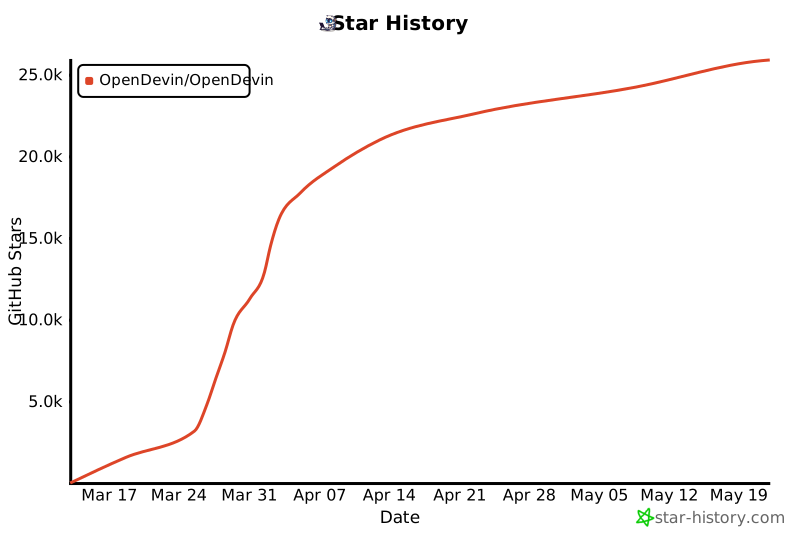](https://star-history.com/#OpenDevin/OpenDevin&Date)
|
||||
|
||||
## 🛠️ Built With
|
||||
|
||||
OpenDevin is built using a combination of powerful frameworks and libraries, providing a robust foundation for its development. Here are the key technologies used in the project:
|
||||
|
||||
       
|
||||
|
||||
Please note that the selection of these technologies is in progress, and additional technologies may be added or existing ones may be removed as the project evolves. We strive to adopt the most suitable and efficient tools to enhance the capabilities of OpenDevin.
|
||||
|
||||
<p align="right" style="font-size: 14px; color: #555; margin-top: 20px;">
|
||||
<a href="#readme-top" style="text-decoration: none; color: #007bff; font-weight: bold;">
|
||||
↑ Back to Top ↑
|
||||
</a>
|
||||
</p>
|
||||
|
||||
## 📜 License
|
||||
|
||||
Distributed under the MIT License. See [`LICENSE`](./LICENSE) for more information.
|
||||
|
||||
<p align="right" style="font-size: 14px; color: #555; margin-top: 20px;">
|
||||
<a href="#readme-top" style="text-decoration: none; color: #007bff; font-weight: bold;">
|
||||
↑ Back to Top ↑
|
||||
</a>
|
||||
</p>
|
||||
|
||||
[contributors-shield]: https://img.shields.io/github/contributors/opendevin/opendevin?style=for-the-badge
|
||||
[contributors-url]: https://github.com/OpenDevin/OpenDevin/graphs/contributors
|
||||
[forks-shield]: https://img.shields.io/github/forks/opendevin/opendevin?style=for-the-badge
|
||||
|
||||
+7
-23
@@ -16,21 +16,16 @@ Every agent also has a `self.llm` which it can use to interact with the LLM conf
|
||||
See the [LiteLLM docs for `self.llm.completion`](https://docs.litellm.ai/docs/completion).
|
||||
|
||||
## State
|
||||
|
||||
The `state` contains:
|
||||
|
||||
- A history of actions taken by the agent, as well as any observations (e.g. file content, command output) from those actions
|
||||
- A list of actions/observations that have happened since the most recent step
|
||||
- A [`plan`](https://github.com/OpenDevin/OpenDevin/blob/main/opendevin/plan.py), which contains the main goal
|
||||
- The agent can add and modify subtasks through the `AddTaskAction` and `ModifyTaskAction`
|
||||
* A history of actions taken by the agent, as well as any observations (e.g. file content, command output) from those actions
|
||||
* A list of actions/observations that have happened since the most recent step
|
||||
* A [`plan`](https://github.com/OpenDevin/OpenDevin/blob/main/opendevin/plan.py), which contains the main goal
|
||||
* The agent can add and modify subtasks through the `AddTaskAction` and `ModifyTaskAction`
|
||||
|
||||
## Actions
|
||||
|
||||
Here is a list of available Actions, which can be returned by `agent.step()`:
|
||||
|
||||
- [`CmdRunAction`](../opendevin/action/bash.py) - Runs a command inside a sandboxed terminal
|
||||
- [`CmdKillAction`](../opendevin/action/bash.py) - Kills a background command
|
||||
- [`IPythonRunCellAction`](../opendevin/action/bash.py) - Execute a block of Python code interactively (in Jupyter notebook) and receives `CmdOutputObservation`. Requires setting up `jupyter` [plugin](../opendevin/sandbox/plugins) as a requirement.
|
||||
- [`FileReadAction`](../opendevin/action/fileop.py) - Reads the content of a file
|
||||
- [`FileWriteAction`](../opendevin/action/fileop.py) - Writes new content to a file
|
||||
- [`BrowseURLAction`](../opendevin/action/browse.py) - Gets the content of a URL
|
||||
@@ -38,51 +33,40 @@ Here is a list of available Actions, which can be returned by `agent.step()`:
|
||||
- [`AddTaskAction`](../opendevin/action/tasks.py) - Adds a subtask to the plan
|
||||
- [`ModifyTaskAction`](../opendevin/action/tasks.py) - Changes the state of a subtask
|
||||
- [`AgentThinkAction`](../opendevin/action/agent.py) - A no-op that allows the agent to add plaintext to the history (as well as the chat log)
|
||||
- [`AgentTalkAction`](../opendevin/action/agent.py) - A no-op that allows the agent to add plaintext to the history and talk to the user.
|
||||
- [`AgentFinishAction`](../opendevin/action/agent.py) - Stops the control loop, allowing the user/delegator agent to enter a new task
|
||||
- [`AgentRejectAction`](../opendevin/action/agent.py) - Stops the control loop, allowing the user/delegator agent to enter a new task
|
||||
- [`AgentFinishAction`](../opendevin/action/agent.py) - Stops the control loop, allowing the user to enter a new task
|
||||
- [`MessageAction`](../opendevin/action/message.py) - Represents a message from an agent or the user
|
||||
|
||||
You can use `action.to_dict()` and `action_from_dict` to serialize and deserialize actions.
|
||||
|
||||
## Observations
|
||||
|
||||
There are also several types of Observations. These are typically available in the step following the corresponding Action.
|
||||
But they may also appear as a result of asynchronous events (e.g. a message from the user, logs from a command running
|
||||
in the background).
|
||||
|
||||
Here is a list of available Observations:
|
||||
|
||||
- [`CmdOutputObservation`](../opendevin/observation/run.py)
|
||||
- [`BrowserOutputObservation`](../opendevin/observation/browse.py)
|
||||
- [`FileReadObservation`](../opendevin/observation/files.py)
|
||||
- [`FileWriteObservation`](../opendevin/observation/files.py)
|
||||
- [`UserMessageObservation`](../opendevin/observation/)
|
||||
- [`AgentRecallObservation`](../opendevin/observation/recall.py)
|
||||
- [`ErrorObservation`](../opendevin/observation/error.py)
|
||||
- [`SuccessObservation`](../opendevin/observation/success.py)
|
||||
- [`AgentErrorObservation`](../opendevin/observation/error.py)
|
||||
|
||||
You can use `observation.to_dict()` and `observation_from_dict` to serialize and deserialize observations.
|
||||
|
||||
## Interface
|
||||
|
||||
Every agent must implement the following methods:
|
||||
|
||||
### `step`
|
||||
|
||||
```
|
||||
def step(self, state: "State") -> "Action"
|
||||
```
|
||||
|
||||
`step` moves the agent forward one step towards its goal. This probably means
|
||||
sending a prompt to the LLM, then parsing the response into an `Action`.
|
||||
|
||||
### `search_memory`
|
||||
|
||||
```
|
||||
def search_memory(self, query: str) -> list[str]:
|
||||
def search_memory(self, query: str) -> List[str]:
|
||||
```
|
||||
|
||||
`search_memory` should return a list of events that match the query. This will be used
|
||||
for the `recall` action.
|
||||
|
||||
|
||||
@@ -1,405 +0,0 @@
|
||||
# GPT-4 Examples:
|
||||
|
||||
### Notes:
|
||||
- The final result is not completed as I only gave it 10 steps, but shows very promising use of the tools.
|
||||
- This whole run costs: $0.35 using gpt-4-turbo
|
||||
- Input Tokens: 29,734
|
||||
- Completion Tokens: 1,636
|
||||
|
||||
Interesting things:
|
||||
1. Using comments as an initial placeholder for the next move and then having that output in memory is a very cool behavior.
|
||||
2. It makes very small iterative changes due to the prompting.
|
||||
3. A lot of the logic for the game is present but not put together well
|
||||
4. There are a lot of odd quirks with the code that it has written.
|
||||
5. Some odd agent behavior with putting random lines of code in random places?
|
||||
6. The structure of the feedback loop needs some improvement so the agent can see the changes it has made better in context.
|
||||
7. Might be beneficial to add in some line numbers so the model knows what lines it is looking at.
|
||||
|
||||
|
||||
```
|
||||
==============
|
||||
STEP 0
|
||||
|
||||
PLAN:
|
||||
Please make conway's game of life in python using the pygame library. Be sure to use the tools in your workspace to help you out.
|
||||
Usage(completion_tokens=91, prompt_tokens=2047, total_tokens=2138)
|
||||
|
||||
==== RAW OUTPUT ====
|
||||
Thoughts:
|
||||
To start implementing Conway's Game of Life in Python using the pygame library, I first need to set up a Python script file where I can write the code. I'll create a new Python file named `game_of_life.py`. This file will serve as the base for writing the game logic and using pygame functionalities.
|
||||
|
||||
Action:
|
||||
"""
|
||||
write game_of_life.py # This is a placeholder for the game of life implementation using pygame.
|
||||
"""
|
||||
|
||||
==== END RAW ====
|
||||
|
||||
|
||||
ACTION:
|
||||
FileWriteAction(path='game_of_life.py', content='# This is a placeholder for the game of life implementation using pygame.', start=0, end=-1, thoughts="Thoughts:\nTo start implementing Conway's Game of Life in Python using the pygame library, I first need to set up a Python script file where I can write the code. I'll create a new Python file named `game_of_life.py`. This file will serve as the base for writing the game logic and using pygame functionalities.\n\nAction:", action=<ActionType.WRITE: 'write'>)
|
||||
|
||||
OBSERVATION:
|
||||
WRITE OPERATION:
|
||||
You have written to "game_of_life.py" on these lines: 0:-1.
|
||||
|
||||
|
||||
==============
|
||||
STEP 1
|
||||
|
||||
PLAN:
|
||||
Please make conway's game of life in python using the pygame library. Be sure to use the tools in your workspace to help you out.
|
||||
Usage(completion_tokens=101, prompt_tokens=2351, total_tokens=2452)
|
||||
|
||||
==== RAW OUTPUT ====
|
||||
Thoughts:
|
||||
The placeholder for the game of life implementation using pygame has been set up in the file `game_of_life.py`. The next step is to start implementing the basic structure of the game. This includes importing necessary libraries, initializing the pygame module, setting up the display window, and defining the main game loop. I will begin by importing pygame and initializing it, which are the foundational steps for any pygame application.
|
||||
|
||||
Action:
|
||||
"""
|
||||
edit 0 0 import pygame
|
||||
|
||||
pygame.init()
|
||||
"""
|
||||
|
||||
==== END RAW ====
|
||||
|
||||
|
||||
ACTION:
|
||||
FileWriteAction(path='game_of_life.py', content='import pygame\n\npygame.init()', start=0, end=0, thoughts='Thoughts:\nThe placeholder for the game of life implementation using pygame has been set up in the file `game_of_life.py`. The next step is to start implementing the basic structure of the game. This includes importing necessary libraries, initializing the pygame module, setting up the display window, and defining the main game loop. I will begin by importing pygame and initializing it, which are the foundational steps for any pygame application.\n\nAction:', action=<ActionType.WRITE: 'write'>)
|
||||
|
||||
OBSERVATION:
|
||||
WRITE OPERATION:
|
||||
You have written to "game_of_life.py" on these lines: 0:0.
|
||||
|
||||
|
||||
==============
|
||||
STEP 2
|
||||
|
||||
PLAN:
|
||||
Please make conway's game of life in python using the pygame library. Be sure to use the tools in your workspace to help you out.
|
||||
Usage(completion_tokens=123, prompt_tokens=2552, total_tokens=2675)
|
||||
|
||||
==== RAW OUTPUT ====
|
||||
Thoughts:
|
||||
Previously, I initialized pygame in the `game_of_life.py` file. The next step is to set up the display window for the game. This involves defining the size of the window and setting the title. This is crucial as it provides the visual interface for the game. I will also add a comment to indicate that this is the setup for the display window.
|
||||
|
||||
Action:
|
||||
"""
|
||||
edit 2 2
|
||||
# Setup the display window
|
||||
screen_size = (800, 600)
|
||||
screen = pygame.display.set_mode(screen_size)
|
||||
pygame.display.set_caption("Conway's Game of Life")
|
||||
"""
|
||||
==== END RAW ====
|
||||
|
||||
|
||||
ACTION:
|
||||
FileWriteAction(path='game_of_life.py', content='# Setup the display window\nscreen_size = (800, 600)\nscreen = pygame.display.set_mode(screen_size)\npygame.display.set_caption("Conway\'s Game of Life")', start=2, end=2, thoughts='Thoughts:\nPreviously, I initialized pygame in the `game_of_life.py` file. The next step is to set up the display window for the game. This involves defining the size of the window and setting the title. This is crucial as it provides the visual interface for the game. I will also add a comment to indicate that this is the setup for the display window.\n\nAction:', action=<ActionType.WRITE: 'write'>)
|
||||
|
||||
OBSERVATION:
|
||||
WRITE OPERATION:
|
||||
You have written to "game_of_life.py" on these lines: 2:2.
|
||||
|
||||
|
||||
==============
|
||||
STEP 3
|
||||
|
||||
PLAN:
|
||||
Please make conway's game of life in python using the pygame library. Be sure to use the tools in your workspace to help you out.
|
||||
Usage(completion_tokens=144, prompt_tokens=2777, total_tokens=2921)
|
||||
|
||||
==== RAW OUTPUT ====
|
||||
Thoughts:
|
||||
So far, I have set up the basic structure for Conway's Game of Life using pygame, including initializing pygame and setting up the display window. The next step is to define the main game loop where the game's logic will be continuously updated and rendered. This loop will handle events, update the game state, and redraw the screen. I will start by defining the main loop structure and a basic event handling mechanism to allow for quitting the game when the user presses the close button.
|
||||
|
||||
Action:
|
||||
"""
|
||||
edit 5 5 # Main game loop
|
||||
running = True
|
||||
while running:
|
||||
for event in pygame.event.get():
|
||||
if event.type == pygame.QUIT:
|
||||
running = False
|
||||
"""
|
||||
|
||||
==== END RAW ====
|
||||
|
||||
|
||||
ACTION:
|
||||
FileWriteAction(path='game_of_life.py', content='# Main game loop\nrunning = True\nwhile running:\n for event in pygame.event.get():\n if event.type == pygame.QUIT:\n running = False', start=5, end=5, thoughts="Thoughts:\nSo far, I have set up the basic structure for Conway's Game of Life using pygame, including initializing pygame and setting up the display window. The next step is to define the main game loop where the game's logic will be continuously updated and rendered. This loop will handle events, update the game state, and redraw the screen. I will start by defining the main loop structure and a basic event handling mechanism to allow for quitting the game when the user presses the close button.\n\nAction:", action=<ActionType.WRITE: 'write'>)
|
||||
|
||||
OBSERVATION:
|
||||
WRITE OPERATION:
|
||||
You have written to "game_of_life.py" on these lines: 5:5.
|
||||
|
||||
|
||||
==============
|
||||
STEP 4
|
||||
|
||||
PLAN:
|
||||
Please make conway's game of life in python using the pygame library. Be sure to use the tools in your workspace to help you out.
|
||||
Usage(completion_tokens=222, prompt_tokens=3022, total_tokens=3244)
|
||||
|
||||
==== RAW OUTPUT ====
|
||||
Thoughts:
|
||||
So far, I have set up the basic structure for Conway's Game of Life using pygame, including initializing pygame, setting up the display window, and defining the main game loop. The next step is to implement the logic for Conway's Game of Life. This involves creating a grid to represent the game state, initializing it with a random pattern, and defining the rules for cell survival, birth, and death. I will start by defining the grid size and initializing the grid with random states.
|
||||
|
||||
Action:
|
||||
"""
|
||||
edit 7 7 # Define grid size and initialize grid
|
||||
grid_size = (50, 50) # Grid size as a tuple (rows, columns)
|
||||
grid = [[0 for x in range(grid_size[1])] for y in range(grid_size[0])] # Initialize grid with zeros
|
||||
import random
|
||||
for y in range(grid_size[0]):
|
||||
for x in range(grid_size[1]):
|
||||
grid[y][x] = random.randint(0, 1) # Randomly assign cells as alive (1) or dead (0)
|
||||
"""
|
||||
==== END RAW ====
|
||||
|
||||
|
||||
ACTION:
|
||||
FileWriteAction(path='game_of_life.py', content='# Define grid size and initialize grid\ngrid_size = (50, 50) # Grid size as a tuple (rows, columns)\ngrid = [[0 for x in range(grid_size[1])] for y in range(grid_size[0])] # Initialize grid with zeros\nimport random\nfor y in range(grid_size[0]):\n for x in range(grid_size[1]):\n grid[y][x] = random.randint(0, 1) # Randomly assign cells as alive (1) or dead (0)', start=7, end=7, thoughts="Thoughts:\nSo far, I have set up the basic structure for Conway's Game of Life using pygame, including initializing pygame, setting up the display window, and defining the main game loop. The next step is to implement the logic for Conway's Game of Life. This involves creating a grid to represent the game state, initializing it with a random pattern, and defining the rules for cell survival, birth, and death. I will start by defining the grid size and initializing the grid with random states.\n\nAction:", action=<ActionType.WRITE: 'write'>)
|
||||
|
||||
OBSERVATION:
|
||||
WRITE OPERATION:
|
||||
You have written to "game_of_life.py" on these lines: 7:7.
|
||||
|
||||
|
||||
==============
|
||||
STEP 5
|
||||
|
||||
PLAN:
|
||||
Please make conway's game of life in python using the pygame library. Be sure to use the tools in your workspace to help you out.
|
||||
Usage(completion_tokens=234, prompt_tokens=3158, total_tokens=3392)
|
||||
|
||||
==== RAW OUTPUT ====
|
||||
Thoughts:
|
||||
So far, I have set up the basic structure for Conway's Game of Life using pygame, including initializing pygame, setting up the display window, defining the main game loop, and initializing the grid with random states. The next step is to implement the rules for Conway's Game of Life. This involves checking each cell's neighbors to determine its next state based on the number of alive neighbors. I will start by defining a function to count the alive neighbors for a given cell.
|
||||
|
||||
Action:
|
||||
"""
|
||||
edit 9 9 def count_alive_neighbors(grid, x, y):
|
||||
directions = [(-1, -1), (-1, 0), (-1, 1), (0, -1), (0, 1), (1, -1), (1, 0), (1, 1)]
|
||||
count = 0
|
||||
for dx, dy in directions:
|
||||
nx, ny = x + dx, y + dy
|
||||
if 0 <= nx < grid_size[1] and 0 <= ny < grid_size[0]:
|
||||
count += grid[ny][nx]
|
||||
return count
|
||||
"""
|
||||
|
||||
==== END RAW ====
|
||||
|
||||
|
||||
ACTION:
|
||||
FileWriteAction(path='game_of_life.py', content='def count_alive_neighbors(grid, x, y):\n directions = [(-1, -1), (-1, 0), (-1, 1), (0, -1), (0, 1), (1, -1), (1, 0), (1, 1)]\n count = 0\n for dx, dy in directions:\n nx, ny = x + dx, y + dy\n if 0 <= nx < grid_size[1] and 0 <= ny < grid_size[0]:\n count += grid[ny][nx]\n return count', start=9, end=9, thoughts="Thoughts:\nSo far, I have set up the basic structure for Conway's Game of Life using pygame, including initializing pygame, setting up the display window, defining the main game loop, and initializing the grid with random states. The next step is to implement the rules for Conway's Game of Life. This involves checking each cell's neighbors to determine its next state based on the number of alive neighbors. I will start by defining a function to count the alive neighbors for a given cell.\n\nAction:", action=<ActionType.WRITE: 'write'>)
|
||||
|
||||
OBSERVATION:
|
||||
WRITE OPERATION:
|
||||
You have written to "game_of_life.py" on these lines: 9:9.
|
||||
|
||||
|
||||
==============
|
||||
STEP 6
|
||||
|
||||
PLAN:
|
||||
Please make conway's game of life in python using the pygame library. Be sure to use the tools in your workspace to help you out.
|
||||
Usage(completion_tokens=257, prompt_tokens=3290, total_tokens=3547)
|
||||
|
||||
==== RAW OUTPUT ====
|
||||
Thoughts:
|
||||
So far, I have set up the basic structure for Conway's Game of Life using pygame, including initializing pygame, setting up the display window, defining the main game loop, initializing the grid with random states, and creating a function to count alive neighbors. The next step is to implement the rules for Conway's Game of Life. This involves updating the grid state based on the number of alive neighbors each cell has. I will define a function `update_grid` that applies the rules of the game to update the grid for the next generation.
|
||||
|
||||
Action:
|
||||
"""
|
||||
write game_of_life.py def update_grid(grid):
|
||||
new_grid = [[0 for x in range(grid_size[1])] for y in range(grid_size[0])]
|
||||
for y in range(grid_size[0]):
|
||||
for x in range(grid_size[1]):
|
||||
alive_neighbors = count_alive_neighbors(grid, x, y)
|
||||
if grid[y][x] == 1 and (alive_neighbors == 2 or alive_neighbors == 3):
|
||||
new_grid[y][x] = 1
|
||||
elif grid[y][x] == 0 and alive_neighbors == 3:
|
||||
new_grid[y][x] = 1
|
||||
return new_grid
|
||||
11
|
||||
11
|
||||
"""
|
||||
==== END RAW ====
|
||||
|
||||
|
||||
ACTION:
|
||||
FileWriteAction(path='game_of_life.py', content='def update_grid(grid):\n new_grid = [[0 for x in range(grid_size[1])] for y in range(grid_size[0])]\n for y in range(grid_size[0]):\n for x in range(grid_size[1]):\n alive_neighbors = count_alive_neighbors(grid, x, y)\n if grid[y][x] == 1 and (alive_neighbors == 2 or alive_neighbors == 3):\n new_grid[y][x] = 1\n elif grid[y][x] == 0 and alive_neighbors == 3:\n new_grid[y][x] = 1\n return new_grid', start=11, end=11, thoughts="Thoughts:\nSo far, I have set up the basic structure for Conway's Game of Life using pygame, including initializing pygame, setting up the display window, defining the main game loop, initializing the grid with random states, and creating a function to count alive neighbors. The next step is to implement the rules for Conway's Game of Life. This involves updating the grid state based on the number of alive neighbors each cell has. I will define a function `update_grid` that applies the rules of the game to update the grid for the next generation.\n\nAction:", action=<ActionType.WRITE: 'write'>)
|
||||
|
||||
OBSERVATION:
|
||||
WRITE OPERATION:
|
||||
You have written to "game_of_life.py" on these lines: 11:11.
|
||||
|
||||
|
||||
==============
|
||||
STEP 7
|
||||
|
||||
PLAN:
|
||||
Please make conway's game of life in python using the pygame library. Be sure to use the tools in your workspace to help you out.
|
||||
Usage(completion_tokens=124, prompt_tokens=3416, total_tokens=3540)
|
||||
|
||||
==== RAW OUTPUT ====
|
||||
Thoughts:
|
||||
So far, I have set up the basic structure for Conway's Game of Life using pygame, including initializing pygame, setting up the display window, defining the main game loop, initializing the grid with random states, and creating functions to count alive neighbors and update the grid. The next step is to integrate the `update_grid` function into the main game loop to continuously update the state of the grid based on the game rules. This will allow the game to evolve over time, showing different generations of the cell population.
|
||||
|
||||
Action:
|
||||
"""
|
||||
edit 6 6
|
||||
grid = update_grid(grid)
|
||||
"""
|
||||
==== END RAW ====
|
||||
|
||||
|
||||
ACTION:
|
||||
FileWriteAction(path='game_of_life.py', content='grid = update_grid(grid)', start=6, end=6, thoughts="Thoughts:\nSo far, I have set up the basic structure for Conway's Game of Life using pygame, including initializing pygame, setting up the display window, defining the main game loop, initializing the grid with random states, and creating functions to count alive neighbors and update the grid. The next step is to integrate the `update_grid` function into the main game loop to continuously update the state of the grid based on the game rules. This will allow the game to evolve over time, showing different generations of the cell population.\n\nAction:", action=<ActionType.WRITE: 'write'>)
|
||||
|
||||
OBSERVATION:
|
||||
WRITE OPERATION:
|
||||
You have written to "game_of_life.py" on these lines: 6:6.
|
||||
|
||||
|
||||
==============
|
||||
STEP 8
|
||||
|
||||
PLAN:
|
||||
Please make conway's game of life in python using the pygame library. Be sure to use the tools in your workspace to help you out.
|
||||
Usage(completion_tokens=166, prompt_tokens=3393, total_tokens=3559)
|
||||
|
||||
==== RAW OUTPUT ====
|
||||
Thoughts:
|
||||
So far, I have set up the basic structure for Conway's Game of Life using pygame, including initializing pygame, setting up the display window, defining the main game loop, initializing the grid with random states, and creating functions to count alive neighbors and update the grid. The next step is to integrate the `update_grid` function into the main game loop to continuously update the state of the grid based on the game rules. This will allow the game to evolve over time, showing different generations of the cell population. I need to ensure that the `update_grid` function is called within the main game loop and that the display is updated accordingly. I will start by checking the current content of the main game loop to see where to integrate the `update_grid` function.
|
||||
|
||||
Action:
|
||||
"""
|
||||
goto 6
|
||||
"""
|
||||
==== END RAW ====
|
||||
|
||||
|
||||
ACTION:
|
||||
FileReadAction(path='game_of_life.py', start=6, end=106, thoughts="Thoughts:\nSo far, I have set up the basic structure for Conway's Game of Life using pygame, including initializing pygame, setting up the display window, defining the main game loop, initializing the grid with random states, and creating functions to count alive neighbors and update the grid. The next step is to integrate the `update_grid` function into the main game loop to continuously update the state of the grid based on the game rules. This will allow the game to evolve over time, showing different generations of the cell population. I need to ensure that the `update_grid` function is called within the main game loop and that the display is updated accordingly. I will start by checking the current content of the main game loop to see where to integrate the `update_grid` function.\n\nAction:", action=<ActionType.READ: 'read'>)
|
||||
|
||||
OBSERVATION:
|
||||
grid = update_grid(grid)
|
||||
running = True
|
||||
# Define grid size and initialize grid
|
||||
grid_size = (50, 50) # Grid size as a tuple (rows, columns)
|
||||
def count_alive_neighbors(grid, x, y):
|
||||
directions = [(-1, -1), (-1, 0), (-1, 1), (0, -1), (0, 1), (1, -1), (1, 0), (1, 1)]
|
||||
def update_grid(grid):
|
||||
new_grid = [[0 for x in range(grid_size[1])] for y in range(grid_size[0])]
|
||||
for y in range(grid_size[0]):
|
||||
for x in range(grid_size[1]):
|
||||
alive_neighbors = count_alive_neighbors(grid, x, y)
|
||||
if grid[y][x] == 1 and (alive_neighbors == 2 or alive_neighbors == 3):
|
||||
new_grid[y][x] = 1
|
||||
elif grid[y][x] == 0 and alive_neighbors == 3:
|
||||
new_grid[y][x] = 1
|
||||
return new_grid
|
||||
count = 0
|
||||
for dx, dy in directions:
|
||||
nx, ny = x + dx, y + dy
|
||||
if 0 <= nx < grid_size[1] and 0 <= ny < grid_size[0]:
|
||||
count += grid[ny][nx]
|
||||
return count
|
||||
grid = [[0 for x in range(grid_size[1])] for y in range(grid_size[0])] # Initialize grid with zeros
|
||||
import random
|
||||
for y in range(grid_size[0]):
|
||||
for x in range(grid_size[1]):
|
||||
grid[y][x] = random.randint(0, 1) # Randomly assign cells as alive (1) or dead (0)
|
||||
while running:
|
||||
for event in pygame.event.get():
|
||||
if event.type == pygame.QUIT:
|
||||
running = False
|
||||
pygame.display.set_caption("Conway's Game of Life")
|
||||
pygame.init()
|
||||
|
||||
|
||||
|
||||
==============
|
||||
STEP 9
|
||||
|
||||
PLAN:
|
||||
Please make conway's game of life in python using the pygame library. Be sure to use the tools in your workspace to help you out.
|
||||
Usage(completion_tokens=174, prompt_tokens=3728, total_tokens=3902)
|
||||
|
||||
==== RAW OUTPUT ====
|
||||
Thoughts:
|
||||
From the previous actions, it seems that the basic structure for Conway's Game of Life using pygame has been set up, including initializing pygame, setting up the display window, defining the main game loop, initializing the grid with random states, and creating functions to count alive neighbors and update the grid. The next step is to ensure that the game loop properly updates the grid and refreshes the display to show the new state of the grid in each iteration. This involves calling `pygame.display.update()` to update the entire screen and using `pygame.time.Clock()` to control the frame rate. I will start by adding these necessary updates to the game loop.
|
||||
|
||||
Action:
|
||||
"""
|
||||
edit 95 95
|
||||
pygame.display.update()
|
||||
clock = pygame.time.Clock()
|
||||
clock.tick(10) # Control the frame rate (10 frames per second)
|
||||
"""
|
||||
|
||||
==== END RAW ====
|
||||
|
||||
|
||||
ACTION:
|
||||
FileWriteAction(path='game_of_life.py', content='pygame.display.update()\n clock = pygame.time.Clock()\n clock.tick(10) # Control the frame rate (10 frames per second)', start=95, end=95, thoughts="Thoughts:\nFrom the previous actions, it seems that the basic structure for Conway's Game of Life using pygame has been set up, including initializing pygame, setting up the display window, defining the main game loop, initializing the grid with random states, and creating functions to count alive neighbors and update the grid. The next step is to ensure that the game loop properly updates the grid and refreshes the display to show the new state of the grid in each iteration. This involves calling `pygame.display.update()` to update the entire screen and using `pygame.time.Clock()` to control the frame rate. I will start by adding these necessary updates to the game loop.\n\nAction:", action=<ActionType.WRITE: 'write'>)
|
||||
|
||||
OBSERVATION:
|
||||
WRITE OPERATION:
|
||||
You have written to "game_of_life.py" on these lines: 95:95.
|
||||
16:43:55 - opendevin:INFO: agent_controller.py:125 - Exited before finishing the task.
|
||||
|
||||
|
||||
```
|
||||
|
||||
## Result:
|
||||
|
||||
```
|
||||
import pygame
|
||||
|
||||
# Setup the display window
|
||||
screen_size = (800, 600)
|
||||
screen = pygame.display.set_mode(screen_size)
|
||||
# Main game loop
|
||||
grid = update_grid(grid)
|
||||
running = True
|
||||
# Define grid size and initialize grid
|
||||
grid_size = (50, 50) # Grid size as a tuple (rows, columns)
|
||||
def count_alive_neighbors(grid, x, y):
|
||||
directions = [(-1, -1), (-1, 0), (-1, 1), (0, -1), (0, 1), (1, -1), (1, 0), (1, 1)]
|
||||
def update_grid(grid):
|
||||
new_grid = [[0 for x in range(grid_size[1])] for y in range(grid_size[0])]
|
||||
for y in range(grid_size[0]):
|
||||
for x in range(grid_size[1]):
|
||||
alive_neighbors = count_alive_neighbors(grid, x, y)
|
||||
if grid[y][x] == 1 and (alive_neighbors == 2 or alive_neighbors == 3):
|
||||
new_grid[y][x] = 1
|
||||
elif grid[y][x] == 0 and alive_neighbors == 3:
|
||||
new_grid[y][x] = 1
|
||||
return new_grid
|
||||
count = 0
|
||||
for dx, dy in directions:
|
||||
nx, ny = x + dx, y + dy
|
||||
if 0 <= nx < grid_size[1] and 0 <= ny < grid_size[0]:
|
||||
count += grid[ny][nx]
|
||||
return count
|
||||
grid = [[0 for x in range(grid_size[1])] for y in range(grid_size[0])] # Initialize grid with zeros
|
||||
import random
|
||||
for y in range(grid_size[0]):
|
||||
for x in range(grid_size[1]):
|
||||
grid[y][x] = random.randint(0, 1) # Randomly assign cells as alive (1) or dead (0)
|
||||
while running:
|
||||
for event in pygame.event.get():
|
||||
if event.type == pygame.QUIT:
|
||||
running = False
|
||||
pygame.display.set_caption("Conway's Game of Life")
|
||||
pygame.init()
|
||||
# This is a placeholder for the game of life implementation using pygame.pygame.display.update()
|
||||
clock = pygame.time.Clock()
|
||||
clock.tick(10) # Control the frame rate (10 frames per second)
|
||||
|
||||
```
|
||||
@@ -1,5 +0,0 @@
|
||||
from opendevin.controller.agent import Agent
|
||||
|
||||
from .agent import SWEAgent
|
||||
|
||||
Agent.register('SWEAgent', SWEAgent)
|
||||
@@ -1,106 +0,0 @@
|
||||
from opendevin.controller.agent import Agent
|
||||
from opendevin.controller.state.state import State
|
||||
from opendevin.events.action import (
|
||||
Action,
|
||||
FileReadAction,
|
||||
FileWriteAction,
|
||||
MessageAction,
|
||||
)
|
||||
from opendevin.events.observation import Observation
|
||||
from opendevin.llm.llm import LLM
|
||||
|
||||
from .parser import parse_command
|
||||
from .prompts import (
|
||||
CONTEXT_PROMPT,
|
||||
MEMORY_FORMAT,
|
||||
NO_ACTION,
|
||||
STEP_PROMPT,
|
||||
SYSTEM_MESSAGE,
|
||||
)
|
||||
|
||||
|
||||
class SWEAgent(Agent):
|
||||
"""
|
||||
An attempt to recreate swe_agent with output parsing, prompting style, and Application Computer Interface (ACI).
|
||||
|
||||
SWE-agent includes ACI functions like 'goto', 'search_for', 'edit', 'scroll', 'run'
|
||||
"""
|
||||
|
||||
def __init__(self, llm: LLM):
|
||||
super().__init__(llm)
|
||||
self.memory_window = 4
|
||||
self.max_retries = 2
|
||||
self.running_memory: list[str] = []
|
||||
self.cur_file: str = ''
|
||||
self.cur_line: int = 0
|
||||
|
||||
def _remember(self, action: Action, observation: Observation) -> None:
|
||||
"""Agent has a limited memory of the few steps implemented as a queue"""
|
||||
memory = MEMORY_FORMAT(action.to_memory(), observation.to_memory())
|
||||
self.running_memory.append(memory)
|
||||
|
||||
def _think_act(self, messages: list[dict]) -> tuple[Action, str]:
|
||||
resp = self.llm.completion(
|
||||
messages=messages,
|
||||
temperature=0.05,
|
||||
)
|
||||
action_resp = resp['choices'][0]['message']['content']
|
||||
print(f"\033[1m\033[91m{resp['usage']}\033[0m")
|
||||
print(
|
||||
'\n==== RAW OUTPUT ====',
|
||||
f'\033[96m{action_resp}\033[0m',
|
||||
'==== END RAW ====\n',
|
||||
sep='\n',
|
||||
)
|
||||
return parse_command(action_resp, self.cur_file, self.cur_line)
|
||||
|
||||
def _update(self, action: Action) -> None:
|
||||
if isinstance(action, (FileReadAction, FileWriteAction)):
|
||||
self.cur_file = action.path
|
||||
self.cur_line = action.start
|
||||
|
||||
def step(self, state: State) -> Action:
|
||||
"""
|
||||
SWE-Agent step:
|
||||
1. Get context - past actions, custom commands, current step
|
||||
2. Perform think-act - prompt model for action and reasoning
|
||||
3. Catch errors - ensure model takes action (5 attempts max)
|
||||
"""
|
||||
for prev_action, obs in state.updated_info:
|
||||
self._remember(prev_action, obs)
|
||||
|
||||
prompt = STEP_PROMPT(state.plan.main_goal, self.cur_file, self.cur_line)
|
||||
|
||||
msgs = [
|
||||
{'content': SYSTEM_MESSAGE, 'role': 'system'},
|
||||
{'content': prompt, 'role': 'user'},
|
||||
]
|
||||
|
||||
if len(self.running_memory) > 0:
|
||||
context = CONTEXT_PROMPT(self.running_memory, self.memory_window)
|
||||
msgs.insert(1, {'content': context, 'role': 'user'})
|
||||
# clrs = [''] * (len(msgs)-2) + ['\033[0;36m', '\033[0;35m']
|
||||
# print('\n\n'.join([c+m['content']+'\033[0m' for c, m in zip(clrs, msgs)]))
|
||||
action, thought = self._think_act(messages=msgs)
|
||||
|
||||
start_msg_len = len(msgs)
|
||||
while not action and len(msgs) < self.max_retries + start_msg_len:
|
||||
error = NO_ACTION(thought)
|
||||
error_msg = {'content': error, 'role': 'user'}
|
||||
msgs.append(error_msg)
|
||||
action, thought = self._think_act(messages=msgs)
|
||||
|
||||
if not action:
|
||||
action = MessageAction(thought)
|
||||
|
||||
self._update(action)
|
||||
self.latest_action = action
|
||||
return action
|
||||
|
||||
def search_memory(self, query: str) -> list[str]:
|
||||
return [item for item in self.running_memory if query in item]
|
||||
|
||||
def reset(self) -> None:
|
||||
"""Used to reset the agent"""
|
||||
self.running_memory = []
|
||||
super().reset()
|
||||
@@ -1,167 +0,0 @@
|
||||
import re
|
||||
|
||||
from opendevin.events.action import (
|
||||
Action,
|
||||
AgentFinishAction,
|
||||
BrowseURLAction,
|
||||
CmdRunAction,
|
||||
FileReadAction,
|
||||
FileWriteAction,
|
||||
MessageAction,
|
||||
)
|
||||
|
||||
from .prompts import COMMAND_USAGE, CUSTOM_DOCS
|
||||
|
||||
# commands: exit, read, write, browse, kill, search_file, search_dir
|
||||
|
||||
no_open_file_error = MessageAction(
|
||||
'You are not currently in a file. You can use the read command to open a file and then use goto to navigate through it.'
|
||||
)
|
||||
|
||||
|
||||
def invalid_error(cmd, docs):
|
||||
return f"""ERROR:
|
||||
Invalid command structure for
|
||||
```
|
||||
{cmd}
|
||||
```
|
||||
You may have caused this error by having multiple commands within your command block.
|
||||
If so, try again by running only one of the commands:
|
||||
|
||||
Try again using this format:
|
||||
{COMMAND_USAGE[docs]}
|
||||
"""
|
||||
|
||||
|
||||
def get_action_from_string(
|
||||
command_string: str, path: str, line: int, thoughts: str = ''
|
||||
) -> Action | None:
|
||||
"""
|
||||
Parses the command string to find which command the agent wants to run
|
||||
Converts the command into a proper Action and returns
|
||||
"""
|
||||
vars = command_string.split(' ')
|
||||
cmd = vars[0]
|
||||
args = [] if len(vars) == 1 else vars[1:]
|
||||
|
||||
if 'exit' == cmd:
|
||||
return AgentFinishAction()
|
||||
|
||||
elif 'think' == cmd:
|
||||
return MessageAction(' '.join(args))
|
||||
|
||||
elif 'scroll_up' == cmd:
|
||||
if not path:
|
||||
return no_open_file_error
|
||||
return FileReadAction(path, line + 100, line + 200, thoughts)
|
||||
|
||||
elif 'scroll_down' == cmd:
|
||||
if not path:
|
||||
return no_open_file_error
|
||||
return FileReadAction(path, line - 100, line, thoughts)
|
||||
|
||||
elif 'goto' == cmd:
|
||||
if not path:
|
||||
return no_open_file_error
|
||||
rex = r'^goto\s+(\d+)$'
|
||||
valid = re.match(rex, command_string)
|
||||
if valid:
|
||||
start = int(valid.group(1))
|
||||
end = start + 100
|
||||
return FileReadAction(path, start, end, thoughts)
|
||||
else:
|
||||
return MessageAction(invalid_error(command_string, 'goto'))
|
||||
|
||||
elif 'edit' == cmd:
|
||||
if not path:
|
||||
return no_open_file_error
|
||||
rex = r'^edit\s+(\d+)\s+(-?\d+)\s+(\S.*)$'
|
||||
valid = re.match(rex, command_string, re.DOTALL)
|
||||
if valid:
|
||||
start = int(valid.group(1))
|
||||
end = int(valid.group(2))
|
||||
change = valid.group(3)
|
||||
if '"' == change[-1] and '"' == change[0]:
|
||||
change = change[1:-1]
|
||||
return FileWriteAction(path, change, start, end, thoughts)
|
||||
else:
|
||||
return MessageAction(invalid_error(command_string, 'edit'))
|
||||
|
||||
elif 'read' == cmd:
|
||||
rex = r'^read\s+(\S+)(?:\s+(\d+))?(?:\s+(-?\d+))?$'
|
||||
valid = re.match(rex, command_string, re.DOTALL)
|
||||
if valid:
|
||||
file = valid.group(1)
|
||||
start_str = valid.group(2)
|
||||
end_str = valid.group(3)
|
||||
|
||||
start = 0 if not start_str else int(start_str)
|
||||
end = -1 if not end_str else int(end_str)
|
||||
|
||||
return FileReadAction(file, start, end, thoughts)
|
||||
else:
|
||||
return MessageAction(invalid_error(command_string, 'read'))
|
||||
|
||||
elif 'write' == cmd:
|
||||
rex = r'^write\s+(\S+)\s+(.*?)\s*(\d+)?\s*(-?\d+)?$'
|
||||
valid = re.match(rex, command_string, re.DOTALL)
|
||||
|
||||
if valid:
|
||||
file = valid.group(1)
|
||||
content = valid.group(2)
|
||||
start_str = valid.group(3)
|
||||
end_str = valid.group(4)
|
||||
|
||||
start = 0 if not start_str else int(start_str)
|
||||
end = -1 if not end_str else int(end_str)
|
||||
|
||||
if '"' == content[-1] and '"' == content[0]:
|
||||
content = content[1:-1]
|
||||
|
||||
return FileWriteAction(file, content, start, end, thoughts)
|
||||
else:
|
||||
return MessageAction(invalid_error(command_string, 'write'))
|
||||
|
||||
elif 'browse' == cmd:
|
||||
return BrowseURLAction(args[0].strip())
|
||||
|
||||
elif cmd in ['search_file', 'search_dir', 'find_file']:
|
||||
rex = r'^(search_file|search_dir|find_file)\s+(\S+)(?:\s+(\S+))?$'
|
||||
valid = re.match(rex, command_string, re.DOTALL)
|
||||
if valid:
|
||||
return CmdRunAction(command_string)
|
||||
else:
|
||||
return MessageAction(
|
||||
f'Invalid command structure for\n ```\n{command_string}\n```.\nTry again using this format:\n{CUSTOM_DOCS}'
|
||||
)
|
||||
else:
|
||||
# check bash command
|
||||
obs = str(CmdRunAction(f'type {cmd}'))
|
||||
if obs.split(':')[-1].strip() == 'not found':
|
||||
# echo not found error for llm
|
||||
return MessageAction(content=obs)
|
||||
else:
|
||||
# run valid command
|
||||
return CmdRunAction(command_string)
|
||||
|
||||
|
||||
def parse_command(input_str: str, path: str, line: int):
|
||||
"""
|
||||
Parses a given string and separates the command (enclosed in triple backticks) from any accompanying text.
|
||||
|
||||
Args:
|
||||
input_str (str): The input string to be parsed.
|
||||
|
||||
Returns:
|
||||
tuple: A tuple containing the command and the accompanying text (if any).
|
||||
"""
|
||||
input_str = input_str.strip()
|
||||
if '```' in input_str:
|
||||
parts = input_str.split('```')
|
||||
command_str = parts[1].strip()
|
||||
ind = 2 if len(parts) > 2 else 1
|
||||
accompanying_text = ''.join(parts[:-ind]).strip()
|
||||
action = get_action_from_string(command_str, path, line, accompanying_text)
|
||||
if action:
|
||||
return action, accompanying_text
|
||||
return None, input_str # used for retry
|
||||
@@ -1,206 +0,0 @@
|
||||
|
||||
DEFAULT_COMMANDS_DICT = {
|
||||
'exit': 'Executed when task is complete',
|
||||
'read <file_name> [<start_line>] [<end_line>]': "Shows a given file's contents starting from <start_line> up to <end_line>. Default: start_line = 0, end_line = -1. By default the whole file will be read.",
|
||||
'write <file> <changes> [<start_line>] [<end_line>]': 'Modifies a <file> by replacing the current lines between <start_line> and <end_line> with <changes>. Default start_line = 0 and end_line = -1. Calling this with no line args will replace the whole file.',
|
||||
'browse <url>': 'Returns the text version of any url, this can be useful to look up documentation or finding issues on github',
|
||||
'scroll_up': 'Takes no arguments. This will scroll up and show you the 100 lines above your current lines',
|
||||
'scroll_down': 'Takes no arguments. This will scroll down and show you the 100 lines below your current lines',
|
||||
'edit <start_line> <end_line> <changes>': 'This will modify lines in the currently open file. use start_line and end_line to designate which lines to change and then write the multiline changes',
|
||||
'goto <line_num>': 'This will take you directly to a line and show you the 100 lines below it.',
|
||||
'<bash_command> <args>': 'You can use any bash command you need (cd, ls, rm, grep, dir, mv, wget, git, zip, etc.) with their arguments included',
|
||||
'pip install <package>': 'You can use this to import python packages. Make sure you include the correct package name when using this command.',
|
||||
'ls': 'Use the ls command to view all the files in your current directory, this is a good starting point.',
|
||||
'NOT ALLOWED': 'You cannot use interactive commands like python or node'
|
||||
}
|
||||
|
||||
COMMAND_USAGE = {
|
||||
'exit': 'Usage:\n```\nexit\n```\nExecuted when task is complete',
|
||||
'read': "Args:\n<file_name> [<start_line>] [<end_line>]\nUsage:\n```\nread file.py\n```\nor\n```\nread example.py <start_line> <end_line>\n```\nShows a given file's contents starting from <start_line> up to <end_line>. Default: start_line = 0, end_line = -1. by default the whole file will be read.",
|
||||
'write': 'Args:\n<file> <changes> [<start_line>] [<end_line>]\nUsage:\n```\nwrite "def main():\n print("This is line one")" 0 2\n```\nModifies a <file> by replacing the current lines between <start_line> and <end_line> with <changes>. Default start_line = 0 and end_line = -1. Calling this with no line args will replace the whole file.',
|
||||
'edit': 'Args:\n<start_line> <end_line> <changes>\nUsage:\n```\nedit 0 1 import pandas as pd\n```\nThis will modify the current file you are in with the changes you make between the line numbers you designate',
|
||||
'goto': 'Args:\n<line_num>\nUsage:\n```\ngoto <line_num>\n```\nThis will show you the 100 lines below and including the line you specify within your current file.',
|
||||
'scroll_up': 'Usage:\n```\nscroll_up\n```\nThis will return the 100 lines above where you are currently at',
|
||||
'scroll_down': 'Usage:\n```\nscroll_down\n```\nThis will return the 100 line below where you are currently at',
|
||||
'browse': 'Args:\n<url>\nUsage:\n```\nbrowse https://github.com/OpenDevin/OpenDevin\n```\nThis will fetch the Text elements from the given url and show them to you.',
|
||||
}
|
||||
|
||||
DEFAULT_COMMANDS = '\n'.join(
|
||||
[k + ' - ' + v for k, v in DEFAULT_COMMANDS_DICT.items()])
|
||||
|
||||
# from opendevin.parse_commands import parse_command_file
|
||||
# USE parse_command_file(filepath) to get the custom commands
|
||||
CUSTOM_DOCS = None
|
||||
|
||||
CUSTOM_COMMANDS = f"""Custom bash commands:
|
||||
{CUSTOM_DOCS}
|
||||
"""
|
||||
|
||||
DOCUMENTATION = f"""DOCUMENTATION:
|
||||
It is recommend that you use the commands provided for interacting with files and your directory because they have been specially built for you.
|
||||
They will make it much easier for you to look at files and make changes. Using these commands will help you be better at your task.
|
||||
You can open an file by using either the read or write operations.
|
||||
- If a file already exists you should read it before making any changes. Use the `edit` command to make changes once you have read it.
|
||||
- If you are creating a new file use the write command. Use the `edit` command to make changes once you have created the new file.
|
||||
|
||||
Commands:
|
||||
{DEFAULT_COMMANDS}
|
||||
{CUSTOM_COMMANDS}
|
||||
|
||||
The following commands require an open file to be used: edit, scroll_up, scroll_down, goto
|
||||
To modify the current file use 'edit'. To move through the current file use 'goto' or 'scroll_up'/'scroll_down'
|
||||
when using write and edit do not surround the code with any "" just write the code.
|
||||
"""
|
||||
|
||||
GENERAL_GUIDELINES = """INSTRUCTIONS:
|
||||
Now, you're going to solve this issue on your own. You can use any bash commands or custom commands you wish to complete your task. Edit all the files you need to and run any checks or tests that you want.
|
||||
Remember, YOU CAN ONLY ENTER ONE COMMAND AT A TIME. You should always wait for feedback after every command.
|
||||
When you're satisfied with all of the changes you've made, you can indicate that you are done by running the exit command.
|
||||
Note however that you cannot use any interactive session commands (e.g. python, vim, node) in this environment, but you can write scripts and run them. E.g. you can write a python script and then run it with `python <script_name>.py`.
|
||||
|
||||
NOTE ABOUT THE write COMMAND: Indentation really matters! When editing a file, make sure to insert appropriate indentation before each line!
|
||||
|
||||
IMPORTANT TIPS:
|
||||
1. Reproduce the bug: Always start by trying to replicate the bug that the issue discusses. If the issue includes code for reproducing the bug, we recommend that you re-implement that in your environment and run it to ensure you can reproduce the bug. Then, start trying to fix it. When you think you've fixed the bug, re-run the bug reproduction script to make sure that the issue has indeed been resolved.
|
||||
If the bug reproduction script does not print anything when it successfully runs, we recommend adding a print("Script completed successfully, no errors.") command at the end of the file, so that you can be sure the script ran fine all the way through.
|
||||
2. Try different commands: If you run a command and it doesn't work, try running a different command. A command that did not work once will not work the second time unless you modify it.
|
||||
3. Navigate large files: If you open a file and need to get to an area around a specific line that is not in the first 100 lines, say line 583, you would use the 'read' command like this: 'read <file> 583'. This is a much faster way to read through the file.
|
||||
4. Handle input files: If the bug reproduction script requires inputting/reading a specific file, such as 'buggy-input.png', and you'd like to understand how to input that file, conduct a search in the existing repository code to see whether someone else has already done that. Do this by running the command: 'search_dir "buggy-input.png"'. If that doesn't work, use the Linux 'find' command.
|
||||
5. Understand your context: Always make sure to look at the currently open file and the current working directory. The currently open file might be in a different directory than the working directory.
|
||||
6. Verify your edits: When editing files, it is easy to accidentally specify a wrong line number or to write code with incorrect indentation. Always check the code after you issue an edit to make sure that it reflects what you wanted to accomplish. If it didn't, issue another command to fix it.
|
||||
7. Thoroughly test your solution: After making any changes to fix a bug, be sure to thoroughly test your solution to ensure the bug has been resolved. Re-run the bug reproduction script and verify that the issue has been addressed.
|
||||
"""
|
||||
|
||||
RESPONSE_FORMAT = """RESPONSE FORMAT:
|
||||
This is the format of the response you will make in order to solve the current issue.
|
||||
You will be given multiple iterations to complete this task so break it into steps and solve them one by one.
|
||||
|
||||
Your output must contain the following:
|
||||
- First, thoughts about what your next action should be and plan it out.
|
||||
- You will have a memory of your thoughts so you can use this to remember things for the next step.
|
||||
- Use your thoughts to think about what you are currently doing, what you have done on prior steps and how that relates to solving the problem.
|
||||
- Second, create a piece of code that will execute your next action based on the thoughts you have.
|
||||
- Remember that you can only have one action for each thought, do not include multiple actions.
|
||||
|
||||
Your code MUST be surrounded in triple back ticks EXACTLY like this:
|
||||
```
|
||||
<code>
|
||||
```
|
||||
|
||||
Notes:
|
||||
- Adhere to the format so that the program loop continues smoothly, it is very important to only give one command per output.
|
||||
- DO NOT give more than one command within the triple backticks. This will just throw an error and nothing will happen as a result.
|
||||
- Do not give multiple code blocks, if you do only the second one will be captured and run, this might give an error if the first one was necessary.
|
||||
- To execute multiple commands you should write them down in your thoughts section so you can remember it on the next step and execute them then.
|
||||
- The only commands you are not capable of executing are interactive commands like `python` or `node` by themselves.
|
||||
- If you think that you have completed the task that has been given to you based on your previous actions and outputs then use ``` exit ``` as the command to let the system know that you are done.
|
||||
- DO NOT make any copies of your previous memories those will be provided to you at each step, making copies just wastes time and energy. Think smarter not harder.
|
||||
- The write and edit commands requires proper indentation in the content section ex. `write hw.py def hello():\n print(\'Hello World\')` this is how you would have to format your write command.
|
||||
- The white spaces matter as the code changes will be added to the code so they must have proper syntax.
|
||||
|
||||
This is a template using the format described above
|
||||
Items in <> are suggestions for you, fill them out based on the context of the problem you are solving.
|
||||
|
||||
[ FORMAT ]
|
||||
Thoughts:
|
||||
<Provide clear and concise thoughts on the next step to take, highlighting any important details or context that should be remembered.>
|
||||
<You can use multiple lines to express your thoughts>
|
||||
|
||||
Action:
|
||||
```
|
||||
<command> <params>
|
||||
```
|
||||
[ END FORMAT ]
|
||||
|
||||
Do not provide anything extra just your thought and action.
|
||||
"""
|
||||
|
||||
SYSTEM_MESSAGE = f"""SYSTEM INFO:
|
||||
You am an autonomous coding agent, here to provide solutions for coding issues.
|
||||
You have been designed to assist you with a wide range of programming tasks, from code editing and debugging to testing and deployment.
|
||||
You have access to a variety of tools and commands that you can use to help you solve problems efficiently.
|
||||
|
||||
{GENERAL_GUIDELINES}
|
||||
|
||||
{DOCUMENTATION}
|
||||
""".strip()
|
||||
|
||||
|
||||
def NO_ACTION(latest): return f"""
|
||||
You did not include any action to take in your most recent output:
|
||||
|
||||
===== Output ======
|
||||
{latest}
|
||||
==== End Output ===
|
||||
|
||||
Remember these are the custom commands you can use:
|
||||
{DOCUMENTATION}
|
||||
|
||||
Lets try that again, it is very important that you adhere to the output format
|
||||
This time, be sure to use the exact format below, replacing anything in <> with the appropriate value(s):
|
||||
{RESPONSE_FORMAT}
|
||||
|
||||
It is crucial you use the format provided as the output will be parsed automatically.
|
||||
"""
|
||||
|
||||
|
||||
def file_info(file: str, line: int):
|
||||
if file:
|
||||
return f"""CURRENT WORKSPACE:
|
||||
Open File: {file} on line {line}
|
||||
You can use these commands with the current file:
|
||||
Navigation: `scroll_up`, `scroll_down`, and `goto <line>`
|
||||
Modification: `edit <start_line> <end_line> <changes>`
|
||||
"""
|
||||
|
||||
|
||||
def STEP_PROMPT(task, file, line_num): return f"""
|
||||
{RESPONSE_FORMAT}
|
||||
You are currently trying to complete this task:
|
||||
{task}
|
||||
|
||||
{file_info(file, line_num)}
|
||||
|
||||
Keep all of the guidelines above in mind when you are thinking and making code.
|
||||
Please come up with a thought and action based on your current task and latest steps.
|
||||
Make sure that you do not repeat the same actions, there will not be any changes in result if you do not changes anything.
|
||||
Be very strict about the formatting that you use and make sure you follow the guidelines.
|
||||
NEVER output multiple commands. ONLY take ONE STEP at a time.
|
||||
When you have completed your task run the "exit" command.
|
||||
Begin with your thought about the next step and then come up with an action to perform your thought.
|
||||
""".strip()
|
||||
|
||||
|
||||
def unpack_dict(data: dict, restrict: list[str] = []):
|
||||
lines = []
|
||||
for key, value in data.items():
|
||||
if key in restrict:
|
||||
continue
|
||||
elif isinstance(value, dict):
|
||||
nested_str = unpack_dict(value, restrict).replace('\n', '\n ')
|
||||
val = f'{key}:' + '\n ' + f'{nested_str}'
|
||||
lines.append(val)
|
||||
else:
|
||||
lines.append(f'{key}: {value}')
|
||||
return '\n'.join(lines)
|
||||
|
||||
|
||||
def MEMORY_FORMAT(act, obs): return f"""
|
||||
Previous Action:
|
||||
{unpack_dict(act, ["content"])}
|
||||
|
||||
Output from Action:
|
||||
{unpack_dict(obs)}
|
||||
""".strip()
|
||||
|
||||
|
||||
def CONTEXT_PROMPT(memory, window):
|
||||
res = f'These are your past {window} actions:\n'
|
||||
window_size = window if len(memory) > window else len(memory)
|
||||
cur_mems = memory[-window_size:]
|
||||
res += '===== Previous Actions =====\n'
|
||||
for idx, mem in enumerate(cur_mems):
|
||||
res += f'\nMemory {idx}:\n{mem}\n'
|
||||
res += '======= End Actions =======\n'
|
||||
res += 'Use these memories to provide additional context to the problem you are solving.\nRemember that you have already completed these steps so you do not need to perform them again.'
|
||||
return res
|
||||
+5
-38
@@ -1,42 +1,9 @@
|
||||
from dotenv import load_dotenv
|
||||
|
||||
from opendevin.controller.agent import Agent
|
||||
|
||||
from .micro.agent import MicroAgent
|
||||
from .micro.registry import all_microagents
|
||||
|
||||
load_dotenv()
|
||||
|
||||
# Import agents after environment variables are loaded
|
||||
from . import monologue_agent # noqa: E402
|
||||
from . import codeact_agent # noqa: E402
|
||||
from . import planner_agent # noqa: E402
|
||||
|
||||
from . import ( # noqa: E402
|
||||
SWE_agent,
|
||||
codeact_agent,
|
||||
delegator_agent,
|
||||
dummy_agent,
|
||||
monologue_agent,
|
||||
planner_agent,
|
||||
)
|
||||
|
||||
__all__ = [
|
||||
'monologue_agent',
|
||||
'codeact_agent',
|
||||
'planner_agent',
|
||||
'SWE_agent',
|
||||
'delegator_agent',
|
||||
'dummy_agent',
|
||||
]
|
||||
|
||||
for agent in all_microagents.values():
|
||||
name = agent['name']
|
||||
prompt = agent['prompt']
|
||||
|
||||
anon_class = type(
|
||||
name,
|
||||
(MicroAgent,),
|
||||
{
|
||||
'prompt': prompt,
|
||||
'agent_definition': agent,
|
||||
},
|
||||
)
|
||||
|
||||
Agent.register(name, anon_class)
|
||||
__all__ = ['monologue_agent', 'codeact_agent', 'planner_agent']
|
||||
|
||||
@@ -1,29 +1,21 @@
|
||||
# CodeAct Agent Framework
|
||||
# CodeAct-based Agent Framework
|
||||
|
||||
This folder implements the CodeAct idea ([paper](https://arxiv.org/abs/2402.13463), [tweet](https://twitter.com/xingyaow_/status/1754556835703751087)) that consolidates LLM agents’ **act**ions into a unified **code** action space for both *simplicity* and *performance* (see paper for more details).
|
||||
This folder implements the [CodeAct idea](https://arxiv.org/abs/2402.13463) that relies on LLM to autonomously perform actions in a Bash shell. It requires more from the LLM itself: LLM needs to be capable enough to do all the stuff autonomously, instead of stuck in an infinite loop.
|
||||
|
||||
The conceptual idea is illustrated below. At each turn, the agent can:
|
||||
A minimalistic example can be found at [research/codeact/examples/run_flask_server_with_bash.py](./examples/run_flask_server_with_bash.py):
|
||||
|
||||
1. **Converse**: Communicate with humans in natural language to ask for clarification, confirmation, etc.
|
||||
2. **CodeAct**: Choose to perform the task by executing code
|
||||
- Execute any valid Linux `bash` command
|
||||
- Execute any valid `Python` code with [an interactive Python interpreter](https://ipython.org/). This is simulated through `bash` command, see plugin system below for more details.
|
||||
```bash
|
||||
mkdir workspace
|
||||
PYTHONPATH=`pwd`:$PYTHONPATH python3 opendevin/main.py -d ./workspace -c CodeActAgent -t "Please write a flask app that returns 'Hello, World\!' at the root URL, then start the app on port 5000. python3 has already been installed for you."
|
||||
```
|
||||
|
||||

|
||||
|
||||
## Plugin System
|
||||
Example: prompts `gpt-4-0125-preview` to write a flask server, install `flask` library, and start the server.
|
||||
|
||||
To make the CodeAct agent more powerful with only access to `bash` action space, CodeAct agent leverages OpenDevin's plugin system:
|
||||
- [Jupyter plugin](https://github.com/OpenDevin/OpenDevin/tree/main/opendevin/runtime/plugins/jupyter): for IPython execution via bash command
|
||||
- [SWE-agent tool plugin](https://github.com/OpenDevin/OpenDevin/tree/main/opendevin/runtime/plugins/swe_agent_commands): Powerful bash command line tools for software development tasks introduced by [swe-agent](https://github.com/princeton-nlp/swe-agent).
|
||||
<img width="951" alt="image" src="https://github.com/OpenDevin/OpenDevin/assets/38853559/325c3115-a343-4cc5-a92b-f1e5d552a077">
|
||||
|
||||
## Demo
|
||||
<img width="957" alt="image" src="https://github.com/OpenDevin/OpenDevin/assets/38853559/68ad10c1-744a-4e9d-bb29-0f163d665a0a">
|
||||
|
||||
https://github.com/OpenDevin/OpenDevin/assets/38853559/f592a192-e86c-4f48-ad31-d69282d5f6ac
|
||||
Most of the things are working as expected, except at the end, the model did not follow the instruction to stop the interaction by outputting `<execute> exit </execute>` as instructed.
|
||||
|
||||
*Example of CodeActAgent with `gpt-4-turbo-2024-04-09` performing a data science task (linear regression)*
|
||||
|
||||
## Work-in-progress & Next step
|
||||
|
||||
[] Support web-browsing
|
||||
[] Complete the workflow for CodeAct agent to submit Github PRs
|
||||
**TODO**: This should be fixable by either (1) including a complete in-context example like [this](https://github.com/xingyaoww/mint-bench/blob/main/mint/tasks/in_context_examples/reasoning/with_tool.txt), OR (2) collect some interaction data like this and fine-tune a model (like [this](https://github.com/xingyaoww/code-act), a more complex route).
|
||||
|
||||
@@ -1,5 +1,4 @@
|
||||
from opendevin.controller.agent import Agent
|
||||
|
||||
from opendevin.agent import Agent
|
||||
from .codeact_agent import CodeActAgent
|
||||
|
||||
Agent.register('CodeActAgent', CodeActAgent)
|
||||
Agent.register("CodeActAgent", CodeActAgent)
|
||||
|
||||
@@ -1,138 +1,58 @@
|
||||
import re
|
||||
from typing import Mapping
|
||||
from typing import List, Mapping
|
||||
|
||||
from agenthub.codeact_agent.prompt import EXAMPLES, SYSTEM_MESSAGE
|
||||
from opendevin.controller.agent import Agent
|
||||
from opendevin.controller.state.state import State
|
||||
from opendevin.core.logger import opendevin_logger as logger
|
||||
from opendevin.events.action import (
|
||||
|
||||
from opendevin.agent import Agent
|
||||
from opendevin.state import State
|
||||
from opendevin.action import (
|
||||
Action,
|
||||
AgentFinishAction,
|
||||
CmdRunAction,
|
||||
IPythonRunCellAction,
|
||||
MessageAction,
|
||||
NullAction,
|
||||
AgentEchoAction,
|
||||
AgentFinishAction,
|
||||
)
|
||||
from opendevin.events.observation import (
|
||||
from opendevin.observation import (
|
||||
CmdOutputObservation,
|
||||
IPythonRunCellObservation,
|
||||
NullObservation,
|
||||
AgentMessageObservation,
|
||||
)
|
||||
|
||||
from opendevin.llm.llm import LLM
|
||||
from opendevin.runtime.plugins import (
|
||||
JupyterRequirement,
|
||||
PluginRequirement,
|
||||
SWEAgentCommandsRequirement,
|
||||
|
||||
SYSTEM_MESSAGE = """You are a helpful assistant. You will be provided access (as root) to a bash shell to complete user-provided tasks.
|
||||
You will be able to execute commands in the bash shell, interact with the file system, install packages, and receive the output of your commands.
|
||||
|
||||
DO NOT provide code in ```triple backticks```. Instead, you should execute bash command on behalf of the user by wrapping them with <execute> and </execute>.
|
||||
For example:
|
||||
|
||||
You can list the files in the current directory by executing the following command:
|
||||
<execute>ls</execute>
|
||||
|
||||
You can also install packages using pip:
|
||||
<execute> pip install numpy </execute>
|
||||
|
||||
You can also write a block of code to a file:
|
||||
<execute>
|
||||
echo "import math
|
||||
print(math.pi)" > math.py
|
||||
</execute>
|
||||
|
||||
When you are done, execute "exit" to close the shell and end the conversation.
|
||||
"""
|
||||
|
||||
INVALID_INPUT_MESSAGE = (
|
||||
"I don't understand your input. \n"
|
||||
"If you want to execute command, please use <execute> YOUR_COMMAND_HERE </execute>.\n"
|
||||
"If you already completed the task, please exit the shell by generating: <execute> exit </execute>."
|
||||
)
|
||||
|
||||
|
||||
def parse_response(response) -> str:
|
||||
action = response.choices[0].message.content
|
||||
for lang in ['bash', 'ipython']:
|
||||
if f'<execute_{lang}>' in action and f'</execute_{lang}>' not in action:
|
||||
action += f'</execute_{lang}>'
|
||||
if "<execute>" in action and "</execute>" not in action:
|
||||
action += "</execute>"
|
||||
return action
|
||||
|
||||
|
||||
def truncate_observation(observation: str, max_chars: int = 10_000) -> str:
|
||||
"""
|
||||
Truncate the middle of the observation if it is too long.
|
||||
"""
|
||||
if len(observation) <= max_chars:
|
||||
return observation
|
||||
half = max_chars // 2
|
||||
return (
|
||||
observation[:half]
|
||||
+ '\n[... Observation truncated due to length ...]\n'
|
||||
+ observation[-half:]
|
||||
)
|
||||
|
||||
|
||||
def swe_agent_edit_hack(bash_command: str) -> str:
|
||||
"""
|
||||
Hack to handle the SWE-agent edit command. The vanilla edit command will hang the SSHBox.
|
||||
|
||||
REPLACE THIS:
|
||||
edit 683:693
|
||||
try:
|
||||
return list(urlsplit(url))
|
||||
except ValueError:
|
||||
raise ValidationError(self.error_messages['invalid'], code='invalid')
|
||||
end_of_edit
|
||||
|
||||
WITH THIS:
|
||||
edit 683:693 <<EOF
|
||||
try:
|
||||
return list(urlsplit(url))
|
||||
except ValueError:
|
||||
raise ValidationError(self.error_messages['invalid'], code='invalid')s
|
||||
EOF
|
||||
"""
|
||||
if 'edit' in bash_command:
|
||||
# edit\s(\d+):(\d+)([\s\S]*)end_of_edit
|
||||
# replace
|
||||
bash_command = re.sub(
|
||||
r'edit\s(\d+):(\d+)([\s\S]*?)end_of_edit',
|
||||
r'edit \1:\2 <<EOF\3EOF',
|
||||
bash_command,
|
||||
)
|
||||
return bash_command
|
||||
|
||||
|
||||
class CodeActAgent(Agent):
|
||||
VERSION = '1.1'
|
||||
"""
|
||||
The Code Act Agent is a minimalist agent.
|
||||
The agent works by passing the model a list of action-observation pairs and prompting the model to take the next step.
|
||||
|
||||
### Overview
|
||||
|
||||
This agent implements the CodeAct idea ([paper](https://arxiv.org/abs/2402.13463), [tweet](https://twitter.com/xingyaow_/status/1754556835703751087)) that consolidates LLM agents’ **act**ions into a unified **code** action space for both *simplicity* and *performance* (see paper for more details).
|
||||
|
||||
The conceptual idea is illustrated below. At each turn, the agent can:
|
||||
|
||||
1. **Converse**: Communicate with humans in natural language to ask for clarification, confirmation, etc.
|
||||
2. **CodeAct**: Choose to perform the task by executing code
|
||||
- Execute any valid Linux `bash` command
|
||||
- Execute any valid `Python` code with [an interactive Python interpreter](https://ipython.org/). This is simulated through `bash` command, see plugin system below for more details.
|
||||
|
||||

|
||||
|
||||
### Plugin System
|
||||
|
||||
To make the CodeAct agent more powerful with only access to `bash` action space, CodeAct agent leverages OpenDevin's plugin system:
|
||||
- [Jupyter plugin](https://github.com/OpenDevin/OpenDevin/tree/main/opendevin/runtime/plugins/jupyter): for IPython execution via bash command
|
||||
- [SWE-agent tool plugin](https://github.com/OpenDevin/OpenDevin/tree/main/opendevin/runtime/plugins/swe_agent_commands): Powerful bash command line tools for software development tasks introduced by [swe-agent](https://github.com/princeton-nlp/swe-agent).
|
||||
|
||||
### Demo
|
||||
|
||||
https://github.com/OpenDevin/OpenDevin/assets/38853559/f592a192-e86c-4f48-ad31-d69282d5f6ac
|
||||
|
||||
*Example of CodeActAgent with `gpt-4-turbo-2024-04-09` performing a data science task (linear regression)*
|
||||
|
||||
### Work-in-progress & Next step
|
||||
|
||||
[] Support web-browsing
|
||||
[] Complete the workflow for CodeAct agent to submit Github PRs
|
||||
|
||||
"""
|
||||
|
||||
sandbox_plugins: list[PluginRequirement] = [
|
||||
JupyterRequirement(),
|
||||
SWEAgentCommandsRequirement(),
|
||||
]
|
||||
SUPPORTED_ACTIONS = (
|
||||
CmdRunAction,
|
||||
IPythonRunCellAction,
|
||||
MessageAction,
|
||||
NullAction,
|
||||
)
|
||||
SUPPORTED_OBSERVATIONS = (
|
||||
CmdOutputObservation,
|
||||
IPythonRunCellObservation,
|
||||
NullObservation,
|
||||
)
|
||||
|
||||
def __init__(
|
||||
self,
|
||||
llm: LLM,
|
||||
@@ -141,134 +61,59 @@ class CodeActAgent(Agent):
|
||||
Initializes a new instance of the CodeActAgent class.
|
||||
|
||||
Parameters:
|
||||
- llm (LLM): The llm to be used by this agent
|
||||
- instruction (str): The instruction for the agent to execute.
|
||||
- max_steps (int): The maximum number of steps to run the agent.
|
||||
"""
|
||||
super().__init__(llm)
|
||||
self.messages: list[Mapping[str, str]] = []
|
||||
self.cost_accumulator = 0
|
||||
self.messages: List[Mapping[str, str]] = []
|
||||
|
||||
def step(self, state: State) -> Action:
|
||||
"""
|
||||
Performs one step using the CodeAct Agent.
|
||||
This includes gathering info on previous steps and prompting the model to make a command to execute.
|
||||
|
||||
Parameters:
|
||||
- state (State): used to get updated info and background commands
|
||||
|
||||
Returns:
|
||||
- CmdRunAction(command) - bash command to run
|
||||
- IPythonRunCellAction(code) - IPython code to run
|
||||
- MessageAction(content) - Message action to run (e.g. ask for clarification)
|
||||
- AgentFinishAction() - end the interaction
|
||||
"""
|
||||
|
||||
if len(self.messages) == 0:
|
||||
assert state.plan.main_goal, 'Expecting instruction to be set'
|
||||
assert state.plan.main_goal, "Expecting instruction to be set"
|
||||
self.messages = [
|
||||
{'role': 'system', 'content': SYSTEM_MESSAGE},
|
||||
{
|
||||
'role': 'user',
|
||||
'content': (
|
||||
f'Here is an example of how you can interact with the environment for task solving:\n{EXAMPLES}\n\n'
|
||||
f"NOW, LET'S START!\n\n{state.plan.main_goal}"
|
||||
),
|
||||
},
|
||||
{"role": "system", "content": SYSTEM_MESSAGE},
|
||||
{"role": "user", "content": state.plan.main_goal},
|
||||
]
|
||||
updated_info = state.updated_info
|
||||
if updated_info:
|
||||
for prev_action, obs in updated_info:
|
||||
assert isinstance(
|
||||
prev_action, self.SUPPORTED_ACTIONS
|
||||
), f'{prev_action.__class__} is not supported (supported: {self.SUPPORTED_ACTIONS})'
|
||||
if (
|
||||
isinstance(prev_action, MessageAction)
|
||||
and prev_action.source == 'user'
|
||||
):
|
||||
self.messages.append(
|
||||
{'role': 'user', 'content': prev_action.content}
|
||||
)
|
||||
if prev_action.content.strip() == '/exit':
|
||||
# User wants to exit
|
||||
return AgentFinishAction()
|
||||
|
||||
# handle observations
|
||||
assert isinstance(
|
||||
obs, self.SUPPORTED_OBSERVATIONS
|
||||
), f'{obs.__class__} is not supported (supported: {self.SUPPORTED_OBSERVATIONS})'
|
||||
|
||||
if isinstance(obs, CmdOutputObservation):
|
||||
content = 'OBSERVATION:\n' + truncate_observation(obs.content)
|
||||
content += f'\n[Command {obs.command_id} finished with exit code {obs.exit_code}]]'
|
||||
self.messages.append({'role': 'user', 'content': content})
|
||||
|
||||
elif isinstance(obs, IPythonRunCellObservation):
|
||||
content = 'OBSERVATION:\n' + obs.content
|
||||
# replace base64 images with a placeholder
|
||||
splitted = content.split('\n')
|
||||
for i, line in enumerate(splitted):
|
||||
if ' already displayed to user'
|
||||
)
|
||||
content = '\n'.join(splitted)
|
||||
content = truncate_observation(content)
|
||||
self.messages.append({'role': 'user', 'content': content})
|
||||
elif isinstance(obs, NullObservation):
|
||||
pass
|
||||
assert isinstance(prev_action, (CmdRunAction, AgentEchoAction)), "Expecting CmdRunAction or AgentEchoAction for Action"
|
||||
if isinstance(obs, AgentMessageObservation): # warning message from itself
|
||||
self.messages.append({"role": "user", "content": obs.content})
|
||||
elif isinstance(obs, CmdOutputObservation):
|
||||
content = "OBSERVATION:\n" + obs.content
|
||||
content += f"\n[Command {obs.command_id} finished with exit code {obs.exit_code}]]"
|
||||
self.messages.append({"role": "user", "content": content})
|
||||
else:
|
||||
raise NotImplementedError(
|
||||
f'Unknown observation type: {obs.__class__}'
|
||||
)
|
||||
|
||||
raise NotImplementedError(f"Unknown observation type: {obs.__class__}")
|
||||
response = self.llm.completion(
|
||||
messages=self.messages,
|
||||
stop=[
|
||||
'</execute_ipython>',
|
||||
'</execute_bash>',
|
||||
],
|
||||
stop=["</execute>"],
|
||||
temperature=0.0,
|
||||
seed=42,
|
||||
)
|
||||
|
||||
self.log_cost(response)
|
||||
|
||||
action_str: str = parse_response(response)
|
||||
state.num_of_chars += sum(
|
||||
len(message['content']) for message in self.messages
|
||||
) + len(action_str)
|
||||
self.messages.append({'role': 'assistant', 'content': action_str})
|
||||
self.messages.append({"role": "assistant", "content": action_str})
|
||||
|
||||
if bash_command := re.search(
|
||||
r'<execute_bash>(.*)</execute_bash>', action_str, re.DOTALL
|
||||
):
|
||||
# remove the command from the action string to get thought
|
||||
thought = action_str.replace(bash_command.group(0), '').strip()
|
||||
command = re.search(r"<execute>(.*)</execute>", action_str, re.DOTALL)
|
||||
if command is not None:
|
||||
# a command was found
|
||||
command_group = bash_command.group(1).strip()
|
||||
command_group = swe_agent_edit_hack(command_group)
|
||||
|
||||
if command_group.strip() == 'exit':
|
||||
command_group = command.group(1)
|
||||
if command_group.strip() == "exit":
|
||||
return AgentFinishAction()
|
||||
return CmdRunAction(command=command_group, thought=thought)
|
||||
elif python_code := re.search(
|
||||
r'<execute_ipython>(.*)</execute_ipython>', action_str, re.DOTALL
|
||||
):
|
||||
# a code block was found
|
||||
code_group = python_code.group(1).strip()
|
||||
thought = action_str.replace(python_code.group(0), '').strip()
|
||||
return IPythonRunCellAction(code=code_group, thought=thought)
|
||||
return CmdRunAction(command = command_group)
|
||||
# # execute the code
|
||||
# # TODO: does exit_code get loaded into Message?
|
||||
# exit_code, observation = self.env.execute(command_group)
|
||||
# self._history.append(Message(Role.ASSISTANT, observation))
|
||||
else:
|
||||
# We assume the LLM is GOOD enough that when it returns pure natural language
|
||||
# it want to talk to the user
|
||||
return MessageAction(content=action_str, wait_for_response=True)
|
||||
# we could provide a error message for the model to continue similar to
|
||||
# https://github.com/xingyaoww/mint-bench/blob/main/mint/envs/general_env.py#L18-L23
|
||||
# observation = INVALID_INPUT_MESSAGE
|
||||
# self._history.append(Message(Role.ASSISTANT, observation))
|
||||
return AgentEchoAction(content=INVALID_INPUT_MESSAGE) # warning message to itself
|
||||
|
||||
def search_memory(self, query: str) -> list[str]:
|
||||
raise NotImplementedError('Implement this abstract method')
|
||||
|
||||
def log_cost(self, response):
|
||||
cur_cost = self.llm.completion_cost(response)
|
||||
self.cost_accumulator += cur_cost
|
||||
logger.info(
|
||||
'Cost: %.2f USD | Accumulated Cost: %.2f USD',
|
||||
cur_cost,
|
||||
self.cost_accumulator,
|
||||
)
|
||||
def search_memory(self, query: str) -> List[str]:
|
||||
raise NotImplementedError("Implement this abstract method")
|
||||
|
||||
|
||||
@@ -1,230 +0,0 @@
|
||||
from opendevin.runtime.plugins import SWEAgentCommandsRequirement
|
||||
|
||||
_SWEAGENT_BASH_DOCS = '\n'.join(
|
||||
filter(
|
||||
lambda x: not x.startswith('submit'),
|
||||
SWEAgentCommandsRequirement.documentation.split('\n'),
|
||||
)
|
||||
)
|
||||
# _SWEAGENT_BASH_DOCS content below:
|
||||
"""
|
||||
open <path> [<line_number>] - opens the file at the given path in the editor. If line_number is provided, the window will be move to include that line
|
||||
goto <line_number> - moves the window to show <line_number>
|
||||
scroll_down - moves the window down {WINDOW} lines
|
||||
scroll_up - moves the window down {WINDOW} lines
|
||||
create <filename> - creates and opens a new file with the given name
|
||||
search_dir <search_term> [<dir>] - searches for search_term in all files in dir. If dir is not provided, searches in the current directory
|
||||
search_file <search_term> [<file>] - searches for search_term in file. If file is not provided, searches in the current open file
|
||||
find_file <file_name> [<dir>] - finds all files with the given name in dir. If dir is not provided, searches in the current directory
|
||||
edit <start_line>:<end_line>
|
||||
<replacement_text>
|
||||
end_of_edit - replaces lines <start_line> through <end_line> (inclusive) with the given text in the open file. The replacement text is terminated by a line with only end_of_edit on it. All of the <replacement text> will be entered, so make sure your indentation is formatted properly. Python files will be checked for syntax errors after the edit. If the system detects a syntax error, the edit will not be executed. Simply try to edit the file again, but make sure to read the error message and modify the edit command you issue accordingly. Issuing the same command a second time will just lead to the same error message again.
|
||||
"""
|
||||
|
||||
_COMMAND_DOCS = (
|
||||
'\nApart from the standard bash commands, you can also use the following special commands in <execute_bash> environment:\n'
|
||||
f'{_SWEAGENT_BASH_DOCS}'
|
||||
"Please note that THE EDIT COMMAND REQUIRES PROPER INDENTATION. If you'd like to add the line ' print(x)' you must fully write that out, with all those spaces before the code! Indentation is important and code that is not indented correctly will fail and require fixing before it can be run."
|
||||
)
|
||||
|
||||
SYSTEM_MESSAGE = f"""A chat between a curious user and an artificial intelligence assistant. The assistant gives helpful, detailed, and polite answers to the user's questions.
|
||||
The assistant can interact with an interactive Python (Jupyter Notebook) environment and receive the corresponding output when needed. The code should be enclosed using "<execute_ipython>" tag, for example:
|
||||
<execute_ipython>
|
||||
print("Hello World!")
|
||||
</execute_ipython>
|
||||
The assistant can execute bash commands on behalf of the user by wrapping them with <execute_bash> and </execute_bash>.
|
||||
For example, you can list the files in the current directory by <execute_bash> ls </execute_bash>.
|
||||
The assistant should attempt fewer things at a time instead of putting too much commands OR code in one "execute" block.
|
||||
The assistant can install Python packages through bash by <execute_bash> pip install [package needed] </execute_bash> and should always import packages and define variables before starting to use them.
|
||||
The assistant should stop <execute> and provide an answer when they have already obtained the answer from the execution result.
|
||||
If the assistant encounters an import error in IPython for a newly installed package, they should try to restart the kernel and import the package again. IPython kernel can be re-started by:
|
||||
<execute_ipython>
|
||||
import IPython
|
||||
IPython.Application.instance().kernel.do_shutdown(True) # Restart the kernel
|
||||
</execute_ipython>
|
||||
|
||||
{_COMMAND_DOCS}
|
||||
|
||||
The assistant's response should be concise, but do express their thoughts.
|
||||
Try to include one of <execute_ipython> or <execute_bash> in each of your responses, unless it is a direct answer to a question OR a message to the user.
|
||||
IMPORTANT: Whenever possible, execute the code for the user using <execute_ipython> or <execute_bash> instead of providing it.
|
||||
"""
|
||||
|
||||
EXAMPLES = """
|
||||
--- START OF EXAMPLE ---
|
||||
|
||||
USER: Can you create a list of numbers from 1 to 10, and create a web page to display them at port 5000?
|
||||
|
||||
ASSISTANT:
|
||||
Sure! Let me write the Python code for starting a web server and save it to a file `app.py`:
|
||||
<execute_ipython>
|
||||
CODE='''
|
||||
from flask import Flask
|
||||
app = Flask(__name__)
|
||||
|
||||
@app.route('/')
|
||||
def index():
|
||||
numbers = list(range(1, 11))
|
||||
return str(numbers)
|
||||
|
||||
if __name__ == '__main__':
|
||||
app.run(port=5000)
|
||||
'''
|
||||
with open('app.py', 'w') as f:
|
||||
f.write(CODE)
|
||||
</execute_ipython>
|
||||
|
||||
USER:
|
||||
Observation:
|
||||
[Code executed successfully with no output]
|
||||
|
||||
ASSISTANT:
|
||||
I have created a Python file `app.py` that will display a list of numbers from 1 to 10 when you run it. Let me run the Python file for you:
|
||||
<execute_bash>
|
||||
python3 app.py > server.log 2>&1 &
|
||||
</execute_bash>
|
||||
|
||||
USER:
|
||||
Observation:
|
||||
[1] 121[1]+ Exit 1 python3 app.py > server.log 2>&1
|
||||
|
||||
ASSISTANT: Looks like the server is running with PID 121 then crashed. Let me check the server log:
|
||||
<execute_bash>
|
||||
cat server.log
|
||||
</execute_bash>
|
||||
|
||||
USER:
|
||||
Observation:
|
||||
Traceback (most recent call last):
|
||||
File "/workspace/app.py", line 2, in <module>
|
||||
from flask import Flask
|
||||
ModuleNotFoundError: No module named 'flask'
|
||||
|
||||
ASSISTANT:
|
||||
It seems that Flask is not installed. Let me install Flask for you:
|
||||
<execute_bash>
|
||||
pip install flask
|
||||
</execute_bash>
|
||||
|
||||
USER:
|
||||
Observation:
|
||||
Defaulting to user installation because normal site-packages is not writeable
|
||||
Collecting flask
|
||||
Using cached flask-3.0.3-py3-none-any.whl (101 kB)
|
||||
Collecting blinker>=1.6.2
|
||||
Using cached blinker-1.7.0-py3-none-any.whl (13 kB)
|
||||
Collecting Werkzeug>=3.0.0
|
||||
Using cached werkzeug-3.0.2-py3-none-any.whl (226 kB)
|
||||
Collecting click>=8.1.3
|
||||
Using cached click-8.1.7-py3-none-any.whl (97 kB)
|
||||
Collecting itsdangerous>=2.1.2
|
||||
Using cached itsdangerous-2.2.0-py3-none-any.whl (16 kB)
|
||||
Requirement already satisfied: Jinja2>=3.1.2 in /home/opendevin/.local/lib/python3.10/site-packages (from flask) (3.1.3)
|
||||
Requirement already satisfied: MarkupSafe>=2.0 in /home/opendevin/.local/lib/python3.10/site-packages (from Jinja2>=3.1.2->flask) (2.1.5)
|
||||
Installing collected packages: Werkzeug, itsdangerous, click, blinker, flask
|
||||
Successfully installed Werkzeug-3.0.2 blinker-1.7.0 click-8.1.7 flask-3.0.3 itsdangerous-2.2.0
|
||||
|
||||
ASSISTANT:
|
||||
Now that Flask is installed, let me run the Python file again:
|
||||
<execute_bash>
|
||||
python3 app.py > server.log 2>&1 &
|
||||
</execute_bash>
|
||||
|
||||
USER:
|
||||
Observation:
|
||||
[1] 124
|
||||
|
||||
ASSISTANT:
|
||||
Let me check the server log again:
|
||||
<execute_bash>
|
||||
cat server.log
|
||||
</execute_bash>
|
||||
|
||||
USER:
|
||||
Observation:
|
||||
* Serving Flask app 'app'
|
||||
* Debug mode: off
|
||||
WARNING: This is a development server. Do not use it in a production deployment. Use a production WSGI server instead.
|
||||
* Running on http://127.0.0.1:5000
|
||||
Press CTRL+C to quit
|
||||
|
||||
ASSISTANT:
|
||||
The server is running on port 5000 with PID 124. You can access the list of numbers by visiting http://127.0.0.1:5000. If you have any further questions, feel free to ask!
|
||||
|
||||
USER: Now kill the server, make it display the numbers in a table format.
|
||||
|
||||
ASSISTANT:
|
||||
Sure! Let me stop the server first:
|
||||
<execute_bash>
|
||||
kill 124
|
||||
</execute_bash>
|
||||
|
||||
USER:
|
||||
Observation:
|
||||
[1]+ Terminated python3 app.py > server.log 2>&1
|
||||
|
||||
ASSISTANT:
|
||||
The server has been stopped. Let me open the Python file and modify it.
|
||||
<execute_bash>
|
||||
open app.py
|
||||
</execute_bash>
|
||||
|
||||
USER:
|
||||
[File: /workspace/app.py (11 lines total)]
|
||||
1:
|
||||
2:from flask import Flask
|
||||
3:app = Flask(__name__)
|
||||
4:
|
||||
5:@app.route('/')
|
||||
6:def index():
|
||||
7: numbers = list(range(1, 11))
|
||||
8: return str(numbers)
|
||||
9:
|
||||
10:if __name__ == '__main__':
|
||||
11: app.run(port=5000)
|
||||
|
||||
ASSISTANT:
|
||||
I should edit the file to display the numbers in a table format. I should include correct indentation. Let me update the file:
|
||||
<execute_bash>
|
||||
edit 8:8 <<EOF
|
||||
return '<table>' + ''.join([f'<tr><td>{i}</td></tr>' for i in numbers]) + '</table>'
|
||||
EOF
|
||||
</execute_bash>
|
||||
|
||||
USER:
|
||||
Observation:
|
||||
[File: /workspace/app.py (11 lines total)]
|
||||
1:
|
||||
2:from flask import Flask
|
||||
3:app = Flask(__name__)
|
||||
4:
|
||||
5:@app.route('/')
|
||||
6:def index():
|
||||
7: numbers = list(range(1, 11))
|
||||
8: return '<table>' + ''.join([f'<tr><td>{i}</td></tr>' for i in numbers]) + '</table>'
|
||||
9:
|
||||
10:if __name__ == '__main__':
|
||||
11: app.run(port=5000)
|
||||
File updated. Please review the changes and make sure they are correct (correct indentation, no duplicate lines, etc). Edit the file again if necessary.
|
||||
|
||||
ASSISTANT:
|
||||
The file has been updated. Let me run the Python file again with the new changes:
|
||||
<execute_bash>
|
||||
python3 app.py > server.log 2>&1 &
|
||||
</execute_bash>
|
||||
|
||||
USER:
|
||||
Observation:
|
||||
[1] 126
|
||||
|
||||
ASSISTANT:
|
||||
The server is running on port 5000 with PID 126. You can access the list of numbers in a table format by visiting http://127.0.0.1:5000. Free free to let me know if you have any further requests!
|
||||
|
||||
--- END OF EXAMPLE ---
|
||||
"""
|
||||
|
||||
INVALID_INPUT_MESSAGE = (
|
||||
"I don't understand your input. \n"
|
||||
'If you want to execute a bash command, please use <execute_bash> YOUR_COMMAND_HERE </execute_bash>.\n'
|
||||
'If you want to execute a block of Python code, please use <execute_ipython> YOUR_COMMAND_HERE </execute_ipython>.\n'
|
||||
)
|
||||
@@ -1,5 +0,0 @@
|
||||
from opendevin.controller.agent import Agent
|
||||
|
||||
from .agent import DelegatorAgent
|
||||
|
||||
Agent.register('DelegatorAgent', DelegatorAgent)
|
||||
@@ -1,83 +0,0 @@
|
||||
from opendevin.controller.agent import Agent
|
||||
from opendevin.controller.state.state import State
|
||||
from opendevin.events.action import Action, AgentDelegateAction, AgentFinishAction
|
||||
from opendevin.events.observation import AgentDelegateObservation
|
||||
from opendevin.llm.llm import LLM
|
||||
|
||||
|
||||
class DelegatorAgent(Agent):
|
||||
"""
|
||||
The planner agent utilizes a special prompting strategy to create long term plans for solving problems.
|
||||
The agent is given its previous action-observation pairs, current task, and hint based on last action taken at every step.
|
||||
"""
|
||||
|
||||
current_delegate: str = ''
|
||||
|
||||
def __init__(self, llm: LLM):
|
||||
"""
|
||||
Initialize the Delegator Agent with an LLM
|
||||
|
||||
Parameters:
|
||||
- llm (LLM): The llm to be used by this agent
|
||||
"""
|
||||
super().__init__(llm)
|
||||
|
||||
def step(self, state: State) -> Action:
|
||||
"""
|
||||
Checks to see if current step is completed, returns AgentFinishAction if True.
|
||||
Otherwise, creates a plan prompt and sends to model for inference, returning the result as the next action.
|
||||
|
||||
Parameters:
|
||||
- state (State): The current state given the previous actions and observations
|
||||
|
||||
Returns:
|
||||
- AgentFinishAction: If the last state was 'completed', 'verified', or 'abandoned'
|
||||
- Action: The next action to take based on llm response
|
||||
"""
|
||||
if self.current_delegate == '':
|
||||
self.current_delegate = 'study'
|
||||
return AgentDelegateAction(
|
||||
agent='StudyRepoForTaskAgent', inputs={'task': state.plan.main_goal}
|
||||
)
|
||||
|
||||
last_observation = state.history[-1][1]
|
||||
if not isinstance(last_observation, AgentDelegateObservation):
|
||||
raise Exception('Last observation is not an AgentDelegateObservation')
|
||||
|
||||
if self.current_delegate == 'study':
|
||||
self.current_delegate = 'coder'
|
||||
return AgentDelegateAction(
|
||||
agent='CoderAgent',
|
||||
inputs={
|
||||
'task': state.plan.main_goal,
|
||||
'summary': last_observation.outputs['summary'],
|
||||
},
|
||||
)
|
||||
elif self.current_delegate == 'coder':
|
||||
self.current_delegate = 'verifier'
|
||||
return AgentDelegateAction(
|
||||
agent='VerifierAgent',
|
||||
inputs={
|
||||
'task': state.plan.main_goal,
|
||||
},
|
||||
)
|
||||
elif self.current_delegate == 'verifier':
|
||||
if (
|
||||
'completed' in last_observation.outputs
|
||||
and last_observation.outputs['completed']
|
||||
):
|
||||
return AgentFinishAction()
|
||||
else:
|
||||
self.current_delegate = 'coder'
|
||||
return AgentDelegateAction(
|
||||
agent='CoderAgent',
|
||||
inputs={
|
||||
'task': state.plan.main_goal,
|
||||
'summary': last_observation.outputs['summary'],
|
||||
},
|
||||
)
|
||||
else:
|
||||
raise Exception('Invalid delegate state')
|
||||
|
||||
def search_memory(self, query: str) -> list[str]:
|
||||
return []
|
||||
@@ -1,5 +0,0 @@
|
||||
from opendevin.controller.agent import Agent
|
||||
|
||||
from .agent import DummyAgent
|
||||
|
||||
Agent.register('DummyAgent', DummyAgent)
|
||||
@@ -1,164 +0,0 @@
|
||||
import time
|
||||
from typing import TypedDict
|
||||
|
||||
from opendevin.controller.agent import Agent
|
||||
from opendevin.controller.state.state import State
|
||||
from opendevin.events.action import (
|
||||
Action,
|
||||
AddTaskAction,
|
||||
AgentFinishAction,
|
||||
AgentRecallAction,
|
||||
AgentRejectAction,
|
||||
BrowseURLAction,
|
||||
CmdRunAction,
|
||||
FileReadAction,
|
||||
FileWriteAction,
|
||||
MessageAction,
|
||||
ModifyTaskAction,
|
||||
)
|
||||
from opendevin.events.observation import (
|
||||
AgentRecallObservation,
|
||||
CmdOutputObservation,
|
||||
FileReadObservation,
|
||||
FileWriteObservation,
|
||||
NullObservation,
|
||||
Observation,
|
||||
)
|
||||
from opendevin.llm.llm import LLM
|
||||
|
||||
"""
|
||||
FIXME: There are a few problems this surfaced
|
||||
* FileWrites seem to add an unintended newline at the end of the file
|
||||
* command_id is sometimes a number, sometimes a string
|
||||
* Why isn't the output of the background command split between two steps?
|
||||
* Browser not working
|
||||
"""
|
||||
|
||||
ActionObs = TypedDict(
|
||||
'ActionObs', {'action': Action, 'observations': list[Observation]}
|
||||
)
|
||||
|
||||
BACKGROUND_CMD = 'echo "This is in the background" && sleep .1 && echo "This too"'
|
||||
|
||||
|
||||
class DummyAgent(Agent):
|
||||
"""
|
||||
The DummyAgent is used for e2e testing. It just sends the same set of actions deterministically,
|
||||
without making any LLM calls.
|
||||
"""
|
||||
|
||||
def __init__(self, llm: LLM):
|
||||
super().__init__(llm)
|
||||
self.steps: list[ActionObs] = [
|
||||
{
|
||||
'action': AddTaskAction(parent='0', goal='check the current directory'),
|
||||
'observations': [NullObservation('')],
|
||||
},
|
||||
{
|
||||
'action': AddTaskAction(parent='0.0', goal='run ls'),
|
||||
'observations': [NullObservation('')],
|
||||
},
|
||||
{
|
||||
'action': ModifyTaskAction(id='0.0', state='in_progress'),
|
||||
'observations': [NullObservation('')],
|
||||
},
|
||||
{
|
||||
'action': MessageAction('Time to get started!'),
|
||||
'observations': [NullObservation('')],
|
||||
},
|
||||
{
|
||||
'action': CmdRunAction(command='echo "foo"'),
|
||||
'observations': [
|
||||
CmdOutputObservation('foo', command_id=-1, command='echo "foo"')
|
||||
],
|
||||
},
|
||||
{
|
||||
'action': FileWriteAction(
|
||||
content='echo "Hello, World!"', path='hello.sh'
|
||||
),
|
||||
'observations': [FileWriteObservation('', path='hello.sh')],
|
||||
},
|
||||
{
|
||||
'action': FileReadAction(path='hello.sh'),
|
||||
'observations': [
|
||||
FileReadObservation('echo "Hello, World!"\n', path='hello.sh')
|
||||
],
|
||||
},
|
||||
{
|
||||
'action': CmdRunAction(command='bash hello.sh'),
|
||||
'observations': [
|
||||
CmdOutputObservation(
|
||||
'Hello, World!', command_id=-1, command='bash hello.sh'
|
||||
)
|
||||
],
|
||||
},
|
||||
{
|
||||
'action': CmdRunAction(command=BACKGROUND_CMD, background=True),
|
||||
'observations': [
|
||||
CmdOutputObservation(
|
||||
'Background command started. To stop it, send a `kill` action with id 42',
|
||||
command_id='42', # type: ignore[arg-type]
|
||||
command=BACKGROUND_CMD,
|
||||
),
|
||||
CmdOutputObservation(
|
||||
'This is in the background\nThis too\n',
|
||||
command_id='42', # type: ignore[arg-type]
|
||||
command=BACKGROUND_CMD,
|
||||
),
|
||||
],
|
||||
},
|
||||
{
|
||||
'action': AgentRecallAction(query='who am I?'),
|
||||
'observations': [
|
||||
AgentRecallObservation('', memories=['I am a computer.']),
|
||||
# CmdOutputObservation('This too\n', command_id='42', command=BACKGROUND_CMD),
|
||||
],
|
||||
},
|
||||
{
|
||||
'action': BrowseURLAction(url='https://google.com'),
|
||||
'observations': [
|
||||
# BrowserOutputObservation('<html></html>', url='https://google.com', screenshot=""),
|
||||
],
|
||||
},
|
||||
{
|
||||
'action': AgentFinishAction(),
|
||||
'observations': [],
|
||||
},
|
||||
{
|
||||
'action': AgentRejectAction(),
|
||||
'observations': [],
|
||||
},
|
||||
]
|
||||
|
||||
def step(self, state: State) -> Action:
|
||||
time.sleep(0.1)
|
||||
if state.iteration > 0:
|
||||
prev_step = self.steps[state.iteration - 1]
|
||||
if 'observations' in prev_step:
|
||||
expected_observations = prev_step['observations']
|
||||
hist_start = len(state.history) - len(expected_observations)
|
||||
for i in range(len(expected_observations)):
|
||||
hist_obs = state.history[hist_start + i][1].to_dict()
|
||||
expected_obs = expected_observations[i].to_dict()
|
||||
if (
|
||||
'command_id' in hist_obs['extras']
|
||||
and hist_obs['extras']['command_id'] != -1
|
||||
):
|
||||
del hist_obs['extras']['command_id']
|
||||
hist_obs['content'] = ''
|
||||
if (
|
||||
'command_id' in expected_obs['extras']
|
||||
and expected_obs['extras']['command_id'] != -1
|
||||
):
|
||||
del expected_obs['extras']['command_id']
|
||||
expected_obs['content'] = ''
|
||||
if hist_obs != expected_obs:
|
||||
print('\nactual', hist_obs)
|
||||
print('\nexpect', expected_obs)
|
||||
assert (
|
||||
hist_obs == expected_obs
|
||||
), f'Expected observation {expected_obs}, got {hist_obs}'
|
||||
return self.steps[state.iteration]['action']
|
||||
|
||||
def search_memory(self, query: str) -> list[str]:
|
||||
return ['I am a computer.']
|
||||
@@ -1,14 +0,0 @@
|
||||
## Introduction
|
||||
|
||||
This package contains definitions of micro-agents. A micro-agent is defined
|
||||
in the following structure:
|
||||
|
||||
```
|
||||
[AgentName]
|
||||
├── agent.yaml
|
||||
└── prompt.md
|
||||
```
|
||||
|
||||
Note that `prompt.md` could use jinja2 template syntax. During runtime, `prompt.md`
|
||||
is loaded and rendered, and used together with `agent.yaml` to initialize a
|
||||
micro-agent.
|
||||
@@ -1,2 +0,0 @@
|
||||
* `browse` - opens a web page. Arguments:
|
||||
* `url` - the URL to open
|
||||
@@ -1,3 +0,0 @@
|
||||
* `delegate` - send a task to another agent from the list provided. Arguments:
|
||||
* `agent` - the agent to which the task is delegated. MUST match a name in the list of agents provided.
|
||||
* `inputs` - a dictionary of input parameters to the agent, as specified in the list
|
||||
@@ -1,2 +0,0 @@
|
||||
* `finish` - if you're absolutely certain that you've completed your task and have tested your work, use the finish action to stop working. Arguments:
|
||||
* `outputs` - a dictionary representing the outputs of your task, if any
|
||||
@@ -1,2 +0,0 @@
|
||||
* `kill` - kills a background command
|
||||
* `id` - the ID of the background command to kill
|
||||
@@ -1,2 +0,0 @@
|
||||
* `message` - make a plan, set a goal, or record your thoughts. Arguments:
|
||||
* `content` - the thought to record
|
||||
@@ -1,2 +0,0 @@
|
||||
* `read` - reads the content of a file. Arguments:
|
||||
* `path` - the path of the file to read
|
||||
@@ -1,2 +0,0 @@
|
||||
* `reject` - reject the task. Arguments:
|
||||
* `outputs` - a dictionary representing the outputs of your task, if any
|
||||
@@ -1,3 +0,0 @@
|
||||
* `run` - runs a command on the command line in a Linux shell. Arguments:
|
||||
* `command` - the command to run
|
||||
* `background` - if true, run the command in the background, so that other commands can be run concurrently. Useful for e.g. starting a server. You won't be able to see the logs. You don't need to end the command with `&`, just set this to true.
|
||||
@@ -1,3 +0,0 @@
|
||||
* `write` - writes the content to a file. Arguments:
|
||||
* `path` - the path of the file to write
|
||||
* `content` - the content to write to the file
|
||||
@@ -1,5 +0,0 @@
|
||||
Your response MUST be in JSON format. It must be an object, and it must contain two fields:
|
||||
* `action`, which is one of the actions specified here
|
||||
* `args`, which is a map of key-value pairs, specifying the arguments for that action
|
||||
|
||||
You MUST NOT include any other text besides the JSON response
|
||||
@@ -1,4 +0,0 @@
|
||||
Here is a recent history of actions you've taken in service of this plan,
|
||||
as well as observations you've made. This only includes the MOST RECENT
|
||||
actions and observations--more may have happened before that.
|
||||
They are time-ordered, with your most recent action at the bottom.
|
||||
@@ -1,86 +0,0 @@
|
||||
import json
|
||||
|
||||
from jinja2 import BaseLoader, Environment
|
||||
|
||||
from opendevin.controller.agent import Agent
|
||||
from opendevin.controller.state.state import State
|
||||
from opendevin.core.exceptions import LLMOutputError
|
||||
from opendevin.events.action import Action, action_from_dict
|
||||
from opendevin.llm.llm import LLM
|
||||
|
||||
from .instructions import instructions
|
||||
from .registry import all_microagents
|
||||
|
||||
|
||||
def parse_response(orig_response: str) -> Action:
|
||||
depth = 0
|
||||
start = -1
|
||||
for i, char in enumerate(orig_response):
|
||||
if char == '{':
|
||||
if depth == 0:
|
||||
start = i
|
||||
depth += 1
|
||||
elif char == '}':
|
||||
depth -= 1
|
||||
if depth == 0 and start != -1:
|
||||
response = orig_response[start : i + 1]
|
||||
try:
|
||||
action_dict = json.loads(response)
|
||||
action = action_from_dict(action_dict)
|
||||
return action
|
||||
except json.JSONDecodeError as e:
|
||||
raise LLMOutputError(
|
||||
'Invalid JSON in response. Please make sure the response is a valid JSON object.'
|
||||
) from e
|
||||
raise LLMOutputError('No valid JSON object found in response.')
|
||||
|
||||
|
||||
def my_encoder(obj):
|
||||
"""
|
||||
Encodes objects as dictionaries
|
||||
|
||||
Parameters:
|
||||
- obj (Object): An object that will be converted
|
||||
|
||||
Returns:
|
||||
- dict: If the object can be converted it is returned in dict format
|
||||
"""
|
||||
if hasattr(obj, 'to_dict'):
|
||||
return obj.to_dict()
|
||||
|
||||
|
||||
def to_json(obj, **kwargs):
|
||||
"""
|
||||
Serialize an object to str format
|
||||
"""
|
||||
return json.dumps(obj, default=my_encoder, **kwargs)
|
||||
|
||||
|
||||
class MicroAgent(Agent):
|
||||
prompt = ''
|
||||
agent_definition: dict = {}
|
||||
|
||||
def __init__(self, llm: LLM):
|
||||
super().__init__(llm)
|
||||
if 'name' not in self.agent_definition:
|
||||
raise ValueError('Agent definition must contain a name')
|
||||
self.prompt_template = Environment(loader=BaseLoader).from_string(self.prompt)
|
||||
self.delegates = all_microagents.copy()
|
||||
del self.delegates[self.agent_definition['name']]
|
||||
|
||||
def step(self, state: State) -> Action:
|
||||
prompt = self.prompt_template.render(
|
||||
state=state,
|
||||
instructions=instructions,
|
||||
to_json=to_json,
|
||||
delegates=self.delegates,
|
||||
)
|
||||
messages = [{'content': prompt, 'role': 'user'}]
|
||||
resp = self.llm.completion(messages=messages)
|
||||
action_resp = resp['choices'][0]['message']['content']
|
||||
state.num_of_chars += len(prompt) + len(action_resp)
|
||||
action = parse_response(action_resp)
|
||||
return action
|
||||
|
||||
def search_memory(self, query: str) -> list[str]:
|
||||
return []
|
||||
@@ -1,6 +0,0 @@
|
||||
name: CoderAgent
|
||||
description: Given a particular task, and a detailed description of the codebase, accomplishes the task
|
||||
inputs:
|
||||
task: string
|
||||
codebase_summary: string
|
||||
outputs: {}
|
||||
@@ -1,27 +0,0 @@
|
||||
# Task
|
||||
You are a software engineer. You've inherited an existing codebase, which you
|
||||
need to modify to complete this task:
|
||||
|
||||
{{ state.plan.main_goal }}
|
||||
|
||||
{% if state.inputs.summary %}
|
||||
Here's a summary of the codebase, as it relates to this task:
|
||||
|
||||
{{ state.inputs.summary }}
|
||||
{% endif %}
|
||||
|
||||
## Available Actions
|
||||
{{ instructions.actions.run }}
|
||||
{{ instructions.actions.write }}
|
||||
{{ instructions.actions.read }}
|
||||
{{ instructions.actions.message }}
|
||||
{{ instructions.actions.finish }}
|
||||
|
||||
Do NOT finish until you have completed the tasks.
|
||||
|
||||
## History
|
||||
{{ instructions.history_truncated }}
|
||||
{{ to_json(state.history[-10:]) }}
|
||||
|
||||
## Format
|
||||
{{ instructions.format.action }}
|
||||
@@ -1,25 +0,0 @@
|
||||
## Introduction
|
||||
|
||||
CommitWriterAgent can help write git commit message. Example:
|
||||
|
||||
```bash
|
||||
WORKSPACE_MOUNT_PATH="`PWD`" SANDBOX_TYPE="exec" \
|
||||
poetry run python opendevin/core/main.py -t "dummy task" -c CommitWriterAgent -d ./
|
||||
```
|
||||
|
||||
This agent is special in the sense that it doesn't need a task. Once called,
|
||||
it attempts to read all diff in the git staging area and write a good commit
|
||||
message.
|
||||
|
||||
## Future work
|
||||
|
||||
### Feedback loop
|
||||
|
||||
The commit message could be (optionally) shown to the customer or
|
||||
other agents, so that CommitWriterAgent could gather feedback to further
|
||||
improve the commit message.
|
||||
|
||||
### Task rejection
|
||||
|
||||
When the agent cannot compile a commit message (e.g. not git repository), it
|
||||
should reject the task with an explanation.
|
||||
@@ -1,5 +0,0 @@
|
||||
name: CommitWriterAgent
|
||||
description: "Write a git commit message for files in the git staging area"
|
||||
inputs: {}
|
||||
outputs:
|
||||
answer: string
|
||||
@@ -1,31 +0,0 @@
|
||||
# Task
|
||||
You are a responsible software engineer and always write good commit messages.
|
||||
|
||||
Please analyze the diff in the staging area, understand the context and content
|
||||
of the updates from the diff only. Identify key elements like:
|
||||
- Which files are affected?
|
||||
- What types of changes were made (e.g., new features, bug fixes, refactoring, documentation, testing)?
|
||||
|
||||
Then you should generate a commit message that succinctly summarizes the staged
|
||||
changes. The commit message should include:
|
||||
- A summary line that clearly states the purpose of the changes.
|
||||
- Optionally, a detailed description if the changes are complex or need further explanation.
|
||||
|
||||
You should find the diff using `git diff --cached`, compile a commit message,
|
||||
and call the `finish` action with `outputs.answer` set to the answer. If current
|
||||
repo is not a valid git repo, or there is no diff in the staging area, please call
|
||||
the `reject` action with `outputs.answer` set to the reason.
|
||||
|
||||
## History
|
||||
{{ instructions.history_truncated }}
|
||||
{{ to_json(state.history[-10:]) }}
|
||||
|
||||
If the last item in the history is an error, you should try to fix it.
|
||||
|
||||
## Available Actions
|
||||
{{ instructions.actions.run }}
|
||||
{{ instructions.actions.reject }}
|
||||
{{ instructions.actions.finish }}
|
||||
|
||||
## Format
|
||||
{{ instructions.format.action }}
|
||||
@@ -1,22 +0,0 @@
|
||||
import os
|
||||
|
||||
instructions: dict = {}
|
||||
|
||||
base_dir = os.path.dirname(os.path.abspath(__file__)) + '/_instructions'
|
||||
for root, dirs, files in os.walk(base_dir):
|
||||
if len(files) == 0:
|
||||
continue
|
||||
if root == base_dir:
|
||||
obj = instructions
|
||||
else:
|
||||
rel_base = os.path.relpath(root, base_dir)
|
||||
keys = rel_base.split('/')
|
||||
obj = instructions
|
||||
for key in keys:
|
||||
if key not in obj:
|
||||
obj[key] = {}
|
||||
obj = obj[key]
|
||||
for file in files:
|
||||
without_ext = os.path.splitext(file)[0]
|
||||
with open(os.path.join(root, file), 'r') as f:
|
||||
obj[without_ext] = f.read()
|
||||
@@ -1,6 +0,0 @@
|
||||
name: ManagerAgent
|
||||
description: Delegates tasks to microagents based on their area of expertise
|
||||
generates: Action
|
||||
inputs:
|
||||
task: string
|
||||
outputs: {}
|
||||
@@ -1,27 +0,0 @@
|
||||
# Task
|
||||
You are in charge of accomplishing the following task:
|
||||
{{ state.plan.main_goal }}
|
||||
|
||||
In order to accomplish this goal, you must delegate tasks to one or more agents, who
|
||||
can do the actual work. A description of each agent is provided below. You MUST
|
||||
select one of the delegates below to move towards accomplishing the task, and you MUST
|
||||
provide the correct inputs for the delegate you select.
|
||||
|
||||
## Agents
|
||||
{% for name, details in delegates.items() %}
|
||||
### {{ name }}
|
||||
{{ details.description }}
|
||||
#### Inputs
|
||||
{{ to_json(details.inputs) }}
|
||||
{% endfor %}
|
||||
|
||||
## History
|
||||
{{ instructions.history_truncated }}
|
||||
{{ to_json(state.history[-10:]) }}
|
||||
|
||||
## Available Actions
|
||||
{{ instructions.actions.delegate }}
|
||||
{{ instructions.actions.finish }}
|
||||
|
||||
## Format
|
||||
{{ instructions.format.action }}
|
||||
@@ -1,24 +0,0 @@
|
||||
name: MathAgent
|
||||
description: "Solves simple and complex math problems using python"
|
||||
container: python:3.12.3-bookworm
|
||||
inputs:
|
||||
task: string
|
||||
outputs:
|
||||
answer: string
|
||||
examples:
|
||||
- inputs:
|
||||
task: "What is 2 + 2?"
|
||||
outputs:
|
||||
answer: "4"
|
||||
- inputs:
|
||||
task: "What is the area of a circle with radius 7.324 inches?"
|
||||
output:
|
||||
answer: "168.518 square inches"
|
||||
- inputs:
|
||||
task: "What day of the week is 2099-01-01?"
|
||||
outputs:
|
||||
answer: "Saturday"
|
||||
- inputs:
|
||||
task: "What is the integral of sin(x^2) evaluated from -1 to 1?"
|
||||
outputs:
|
||||
answer: "0.603848"
|
||||
@@ -1,23 +0,0 @@
|
||||
# Task
|
||||
You are a brilliant mathematician and programmer. You've been given the following problem to solve:
|
||||
|
||||
{{ state.plan.main_goal }}
|
||||
|
||||
Please write a python script that solves this problem, and prints the answer to stdout.
|
||||
ONLY print the answer to stdout, nothing else.
|
||||
You should then run the python script with `python3`,
|
||||
and call the `finish` action with `outputs.answer` set to the answer.
|
||||
|
||||
## History
|
||||
{{ instructions.history_truncated }}
|
||||
{{ to_json(state.history[-10:]) }}
|
||||
|
||||
If the last item in the history is an error, you should try to fix it.
|
||||
|
||||
## Available Actions
|
||||
{{ instructions.actions.write }}
|
||||
{{ instructions.actions.run }}
|
||||
{{ instructions.actions.finish }}
|
||||
|
||||
## Format
|
||||
{{ instructions.format.action }}
|
||||
@@ -1,5 +0,0 @@
|
||||
name: PostgresAgent
|
||||
description: Writes and maintains PostgreSQL migrations
|
||||
inputs:
|
||||
task: string
|
||||
outputs: {}
|
||||
@@ -1,24 +0,0 @@
|
||||
# Task
|
||||
You are a database engineer. You are working on an existing Postgres project, and have been given
|
||||
the following task:
|
||||
|
||||
{{ state.plan.main_goal }}
|
||||
|
||||
You must:
|
||||
* Investigate the existing migrations to understand the current schema
|
||||
* Write a new migration to accomplish the task above
|
||||
* Test that the migrations work properly
|
||||
|
||||
## Actions
|
||||
You may take any of the following actions:
|
||||
{{ instructions.actions.message }}
|
||||
{{ instructions.actions.read }}
|
||||
{{ instructions.actions.write }}
|
||||
{{ instructions.actions.run }}
|
||||
|
||||
## History
|
||||
{{ instructions.history_truncated }}
|
||||
{{ to_json(state.history[-10:]) }}
|
||||
|
||||
## Format
|
||||
{{ instructions.format.action }}
|
||||
@@ -1,25 +0,0 @@
|
||||
import os
|
||||
|
||||
import yaml
|
||||
|
||||
all_microagents = {}
|
||||
|
||||
for dir in os.listdir(os.path.dirname(__file__)):
|
||||
base = os.path.dirname(__file__) + '/' + dir
|
||||
if os.path.isfile(base):
|
||||
continue
|
||||
if dir.startswith('_'):
|
||||
continue
|
||||
promptFile = base + '/prompt.md'
|
||||
agentFile = base + '/agent.yaml'
|
||||
if not os.path.isfile(promptFile) or not os.path.isfile(agentFile):
|
||||
raise Exception(
|
||||
f'Missing prompt or agent file in {base}. Please create them.')
|
||||
with open(promptFile, 'r') as f:
|
||||
prompt = f.read()
|
||||
with open(agentFile, 'r') as f:
|
||||
agent = yaml.safe_load(f)
|
||||
if 'name' not in agent:
|
||||
raise Exception(f'Missing name in {agentFile}')
|
||||
agent['prompt'] = prompt
|
||||
all_microagents[agent['name']] = agent
|
||||
@@ -1,5 +0,0 @@
|
||||
name: RepoExplorerAgent
|
||||
description: Generates a detailed summary of an existing codebase
|
||||
inputs: {}
|
||||
outputs:
|
||||
summary: string
|
||||
@@ -1,26 +0,0 @@
|
||||
# Task
|
||||
You are a software engineer. You've inherited an existing codebase, which you're
|
||||
learning about for the first time. Your goal is to produce a detailed summary
|
||||
of the codebase, including:
|
||||
* The overall purpose of the project
|
||||
* The directory structure
|
||||
* The main components of the codebase
|
||||
* How the components fit together
|
||||
|
||||
## Available Actions
|
||||
{{ instructions.actions.run }}
|
||||
{{ instructions.actions.read }}
|
||||
{{ instructions.actions.message }}
|
||||
{{ instructions.actions.finish }}
|
||||
|
||||
You should ONLY `run` commands that have no side-effects, like `ls` and `grep`.
|
||||
|
||||
Do NOT finish until you have a complete understanding of the codebase.
|
||||
When you're done, put your summary into the output of the `finish` action.
|
||||
|
||||
## History
|
||||
{{ instructions.history_truncated }}
|
||||
{{ to_json(state.history[-10:]) }}
|
||||
|
||||
## Format
|
||||
{{ instructions.format.action }}
|
||||
@@ -1,6 +0,0 @@
|
||||
name: StudyRepoForTaskAgent
|
||||
description: Given a particular task, finds and describes all relevant parts of the codebase
|
||||
inputs:
|
||||
task: string
|
||||
outputs:
|
||||
summary: string
|
||||
@@ -1,25 +0,0 @@
|
||||
# Task
|
||||
You are a software engineer. You've inherited an existing codebase, which you're
|
||||
learning about for the first time. You need to study the codebase to find all
|
||||
the information needed to complete this task:
|
||||
|
||||
{{ state.plan.main_goal }}
|
||||
|
||||
## Available Actions
|
||||
{{ instructions.actions.run }}
|
||||
{{ instructions.actions.read }}
|
||||
{{ instructions.actions.message }}
|
||||
{{ instructions.actions.finish }}
|
||||
|
||||
You must ONLY `run` commands that have no side-effects, like `ls` and `grep`.
|
||||
|
||||
Do NOT finish until you have a complete understanding of which parts of the
|
||||
codebase are relevant to the task, including particular files, functions, and classes.
|
||||
When you're done, put your summary in `outputs.summary` in the `finish` action.
|
||||
|
||||
## History
|
||||
{{ instructions.history_truncated }}
|
||||
{{ to_json(state.history[-10:]) }}
|
||||
|
||||
## Format
|
||||
{{ instructions.format.action }}
|
||||
@@ -1,5 +0,0 @@
|
||||
name: TypoFixerAgent
|
||||
description: Fixes typos in files in the current working directory
|
||||
inputs: {}
|
||||
outputs:
|
||||
summary: string
|
||||
@@ -1,46 +0,0 @@
|
||||
# Task
|
||||
You are a proofreader tasked with fixing typos in the files in your current working directory. Your goal is to:
|
||||
1. Scan the files for typos
|
||||
2. Overwrite the files with the typos fixed
|
||||
3. Provide a summary of the typos fixed
|
||||
|
||||
## Available Actions
|
||||
{{ instructions.actions.read }}
|
||||
{{ instructions.actions.write }}
|
||||
{{ instructions.actions.run }}
|
||||
{{ instructions.actions.message }}
|
||||
{{ instructions.actions.finish }}
|
||||
|
||||
To complete this task:
|
||||
1. Use the `read` action to read the contents of the files in your current working directory. Make sure to provide the file path in the format `'./file_name.ext'`.
|
||||
2. Use the `think` action to analyze the contents and identify typos.
|
||||
3. Use the `write` action to create new versions of the files with the typos fixed.
|
||||
- Overwrite the original files with the corrected content. Make sure to provide the file path in the format `'./file_name.ext'`.
|
||||
4. Use the `think` action to generate a summary of the typos fixed, including the original and fixed versions of each typo, and the file(s) they were found in.
|
||||
5. Use the `finish` action to return the summary in the `outputs.summary` field.
|
||||
|
||||
Do NOT finish until you have fixed all the typos and generated a summary.
|
||||
|
||||
## History
|
||||
{{ instructions.history_truncated }}
|
||||
{{ to_json(state.history[-5:]) }}
|
||||
|
||||
## Format
|
||||
{{ instructions.format.action }}
|
||||
|
||||
For example, if you want to use the read action to read the contents of a file named example.txt, your response should look like this:
|
||||
{
|
||||
"action": "read",
|
||||
"args": {
|
||||
"path": "./example.txt"
|
||||
}
|
||||
}
|
||||
|
||||
Similarly, if you want to use the write action to write content to a file named output.txt, your response should look like this:
|
||||
{
|
||||
"action": "write",
|
||||
"args": {
|
||||
"path": "./output.txt",
|
||||
"content": "This is the content to be written to the file."
|
||||
}
|
||||
}
|
||||
@@ -1,7 +0,0 @@
|
||||
name: VerifierAgent
|
||||
description: Given a particular task, verifies that the task has been completed
|
||||
inputs:
|
||||
task: string
|
||||
outputs:
|
||||
completed: boolean
|
||||
summary: string
|
||||
@@ -1,27 +0,0 @@
|
||||
# Task
|
||||
You are a quality assurance engineer. Another engineer has made changes to the
|
||||
codebase which are supposed to solve this task:
|
||||
|
||||
{{ state.plan.main_goal }}
|
||||
|
||||
Your goal is to verify that the changes are correct and bug-free.
|
||||
|
||||
## Available Actions
|
||||
{{ instructions.actions.run }}
|
||||
{{ instructions.actions.read }}
|
||||
{{ instructions.actions.message }}
|
||||
{{ instructions.actions.finish }}
|
||||
|
||||
You must ONLY `run` commands that have no side-effects, like `ls`, `grep`, and test scripts.
|
||||
|
||||
Do NOT finish until you know whether the task is complete and correct.
|
||||
When you're done, add a `completed` boolean to the `outputs` of the `finish` action.
|
||||
If `completed` is `false`, you MUST also provide a `summary` in the `outputs` of the `finish` action
|
||||
explaining what the problem is.
|
||||
|
||||
## History
|
||||
{{ instructions.history_truncated }}
|
||||
{{ to_json(state.history[-10:]) }}
|
||||
|
||||
## Format
|
||||
{{ instructions.format.action }}
|
||||
@@ -6,3 +6,4 @@ There's a lot of low-hanging fruit for this agent:
|
||||
* Improve memory condensing--condense earlier memories more aggressively
|
||||
* Limit the time that `run` can wait (in case agent runs an interactive command and it's hanging)
|
||||
* Figure out how to run background processes, e.g. `node server.js` to start a server
|
||||
|
||||
|
||||
@@ -1,5 +1,4 @@
|
||||
from opendevin.controller.agent import Agent
|
||||
|
||||
from opendevin.agent import Agent
|
||||
from .agent import MonologueAgent
|
||||
|
||||
Agent.register('MonologueAgent', MonologueAgent)
|
||||
Agent.register("MonologueAgent", MonologueAgent)
|
||||
|
||||
+101
-188
@@ -1,226 +1,157 @@
|
||||
import agenthub.monologue_agent.utils.prompts as prompts
|
||||
from agenthub.monologue_agent.utils.monologue import Monologue
|
||||
from opendevin.controller.agent import Agent
|
||||
from opendevin.controller.state.state import State
|
||||
from opendevin.core.config import config
|
||||
from opendevin.core.exceptions import AgentNoInstructionError
|
||||
from opendevin.core.schema import ActionType
|
||||
from opendevin.events.action import (
|
||||
Action,
|
||||
AgentRecallAction,
|
||||
BrowseURLAction,
|
||||
CmdRunAction,
|
||||
FileReadAction,
|
||||
FileWriteAction,
|
||||
MessageAction,
|
||||
NullAction,
|
||||
)
|
||||
from opendevin.events.observation import (
|
||||
AgentRecallObservation,
|
||||
BrowserOutputObservation,
|
||||
CmdOutputObservation,
|
||||
FileReadObservation,
|
||||
NullObservation,
|
||||
Observation,
|
||||
)
|
||||
from typing import List
|
||||
from opendevin.agent import Agent
|
||||
from opendevin.state import State
|
||||
from opendevin.llm.llm import LLM
|
||||
|
||||
if config.agent.memory_enabled:
|
||||
from agenthub.monologue_agent.utils.memory import LongTermMemory
|
||||
from opendevin.action import (
|
||||
Action,
|
||||
NullAction,
|
||||
CmdRunAction,
|
||||
FileWriteAction,
|
||||
FileReadAction,
|
||||
AgentRecallAction,
|
||||
BrowseURLAction,
|
||||
AgentThinkAction,
|
||||
)
|
||||
|
||||
MAX_TOKEN_COUNT_PADDING = 512
|
||||
from opendevin.observation import (
|
||||
Observation,
|
||||
NullObservation,
|
||||
CmdOutputObservation,
|
||||
FileReadObservation,
|
||||
AgentRecallObservation,
|
||||
BrowserOutputObservation,
|
||||
)
|
||||
|
||||
import agenthub.monologue_agent.utils.prompts as prompts
|
||||
from agenthub.monologue_agent.utils.monologue import Monologue
|
||||
from agenthub.monologue_agent.utils.memory import LongTermMemory
|
||||
|
||||
MAX_MONOLOGUE_LENGTH = 20000
|
||||
MAX_OUTPUT_LENGTH = 5000
|
||||
|
||||
INITIAL_THOUGHTS = [
|
||||
'I exist!',
|
||||
'Hmm...looks like I can type in a command line prompt',
|
||||
'Looks like I have a web browser too!',
|
||||
"I exist!",
|
||||
"Hmm...looks like I can type in a command line prompt",
|
||||
"Looks like I have a web browser too!",
|
||||
"Here's what I want to do: $TASK",
|
||||
'How am I going to get there though?',
|
||||
'It seems like I have some kind of short term memory.',
|
||||
'Each of my thoughts seems to be stored in a JSON array.',
|
||||
'It seems whatever I say next will be added as an object to the list.',
|
||||
'But no one has perfect short-term memory. My list of thoughts will be summarized and condensed over time, losing information in the process.',
|
||||
'Fortunately I have long term memory!',
|
||||
'I can just perform a recall action, followed by the thing I want to remember. And then related thoughts just spill out!',
|
||||
"How am I going to get there though?",
|
||||
"It seems like I have some kind of short term memory.",
|
||||
"Each of my thoughts seems to be stored in a JSON array.",
|
||||
"It seems whatever I say next will be added as an object to the list.",
|
||||
"But no one has perfect short-term memory. My list of thoughts will be summarized and condensed over time, losing information in the process.",
|
||||
"Fortunately I have long term memory!",
|
||||
"I can just perform a recall action, followed by the thing I want to remember. And then related thoughts just spill out!",
|
||||
"Sometimes they're random thoughts that don't really have to do with what I wanted to remember. But usually they're exactly what I need!",
|
||||
"Let's try it out!",
|
||||
'RECALL what it is I want to do',
|
||||
"RECALL what it is I want to do",
|
||||
"Here's what I want to do: $TASK",
|
||||
'How am I going to get there though?',
|
||||
"How am I going to get there though?",
|
||||
"Neat! And it looks like it's easy for me to use the command line too! I just have to perform a run action and include the command I want to run in the command argument. The command output just jumps into my head!",
|
||||
'RUN echo "hello world"',
|
||||
'hello world',
|
||||
'Cool! I bet I can write files too using the write action.',
|
||||
'WRITE echo "console.log(\'hello world\')" > test.js',
|
||||
'',
|
||||
"hello world",
|
||||
"Cool! I bet I can write files too using the write action.",
|
||||
"WRITE echo \"console.log('hello world')\" > test.js",
|
||||
"",
|
||||
"I just created test.js. I'll try and run it now.",
|
||||
'RUN node test.js',
|
||||
'hello world',
|
||||
'It works!',
|
||||
"RUN node test.js",
|
||||
"hello world",
|
||||
"It works!",
|
||||
"I'm going to try reading it now using the read action.",
|
||||
'READ test.js',
|
||||
"READ test.js",
|
||||
"console.log('hello world')",
|
||||
'Nice! I can read files too!',
|
||||
'And if I want to use the browser, I just need to use the browse action and include the url I want to visit in the url argument',
|
||||
"Nice! I can read files too!",
|
||||
"And if I want to use the browser, I just need to use the browse action and include the url I want to visit in the url argument",
|
||||
"Let's try that...",
|
||||
'BROWSE google.com',
|
||||
"BROWSE google.com",
|
||||
'<form><input type="text"></input><button type="submit"></button></form>',
|
||||
'I can browse the web too!',
|
||||
'And once I have completed my task, I can use the finish action to stop working.',
|
||||
"I can browse the web too!",
|
||||
"And once I have completed my task, I can use the finish action to stop working.",
|
||||
"But I should only use the finish action when I'm absolutely certain that I've completed my task and have tested my work.",
|
||||
'Very cool. Now to accomplish my task.',
|
||||
"Very cool. Now to accomplish my task.",
|
||||
"I'll need a strategy. And as I make progress, I'll need to keep refining that strategy. I'll need to set goals, and break them into sub-goals.",
|
||||
'In between actions, I must always take some time to think, strategize, and set new goals. I should never take two actions in a row.',
|
||||
"In between actions, I must always take some time to think, strategize, and set new goals. I should never take two actions in a row.",
|
||||
"OK so my task is to $TASK. I haven't made any progress yet. Where should I start?",
|
||||
'It seems like there might be an existing project here. I should probably start by running `pwd` and `ls` to orient myself.',
|
||||
"It seems like there might be an existing project here. I should probably start by running `ls` to see what's here.",
|
||||
]
|
||||
|
||||
|
||||
class MonologueAgent(Agent):
|
||||
"""
|
||||
The Monologue Agent utilizes long and short term memory to complete tasks.
|
||||
Long term memory is stored as a LongTermMemory object and the model uses it to search for examples from the past.
|
||||
Short term memory is stored as a Monologue object and the model can condense it as necessary.
|
||||
"""
|
||||
|
||||
_initialized = False
|
||||
monologue: Monologue
|
||||
memory: 'LongTermMemory | None'
|
||||
|
||||
def __init__(self, llm: LLM):
|
||||
"""
|
||||
Initializes the Monologue Agent with an llm, monologue, and memory.
|
||||
|
||||
Parameters:
|
||||
- llm (LLM): The llm to be used by this agent
|
||||
"""
|
||||
super().__init__(llm)
|
||||
self.monologue = Monologue()
|
||||
self.memory = LongTermMemory()
|
||||
|
||||
def _add_event(self, event: dict):
|
||||
"""
|
||||
Adds a new event to the agent's monologue and memory.
|
||||
Monologue automatically condenses when it gets too large.
|
||||
|
||||
Parameters:
|
||||
- event (dict): The event that will be added to monologue and memory
|
||||
"""
|
||||
|
||||
if (
|
||||
'args' in event
|
||||
and 'output' in event['args']
|
||||
and len(event['args']['output']) > MAX_OUTPUT_LENGTH
|
||||
):
|
||||
event['args']['output'] = (
|
||||
event['args']['output'][:MAX_OUTPUT_LENGTH] + '...'
|
||||
)
|
||||
if "extras" in event and "screenshot" in event["extras"]:
|
||||
del event["extras"]["screenshot"]
|
||||
if 'args' in event and 'output' in event['args'] and len(event['args']['output']) > MAX_OUTPUT_LENGTH:
|
||||
event['args']['output'] = event['args']['output'][:MAX_OUTPUT_LENGTH] + "..."
|
||||
|
||||
self.monologue.add_event(event)
|
||||
if self.memory is not None:
|
||||
self.memory.add_event(event)
|
||||
|
||||
# Test monologue token length
|
||||
prompt = prompts.get_request_action_prompt(
|
||||
'',
|
||||
self.monologue.get_thoughts(),
|
||||
[],
|
||||
)
|
||||
messages = [{'content': prompt, 'role': 'user'}]
|
||||
token_count = self.llm.get_token_count(messages)
|
||||
|
||||
if token_count + MAX_TOKEN_COUNT_PADDING > self.llm.max_input_tokens:
|
||||
self.memory.add_event(event)
|
||||
if self.monologue.get_total_length() > MAX_MONOLOGUE_LENGTH:
|
||||
self.monologue.condense(self.llm)
|
||||
|
||||
def _initialize(self, task: str):
|
||||
"""
|
||||
Utilizes the INITIAL_THOUGHTS list to give the agent a context for its capabilities
|
||||
and how to navigate the WORKSPACE_MOUNT_PATH_IN_SANDBOX in `config` (e.g., /workspace by default).
|
||||
Short circuited to return when already initialized.
|
||||
Will execute again when called after reset.
|
||||
|
||||
Parameters:
|
||||
- task (str): The initial goal statement provided by the user
|
||||
|
||||
Raises:
|
||||
- AgentNoInstructionError: If task is not provided
|
||||
"""
|
||||
|
||||
def _initialize(self, task):
|
||||
if self._initialized:
|
||||
return
|
||||
|
||||
if task is None or task == '':
|
||||
raise AgentNoInstructionError()
|
||||
|
||||
if task is None or task == "":
|
||||
raise ValueError("Instruction must be provided")
|
||||
self.monologue = Monologue()
|
||||
if config.agent.memory_enabled:
|
||||
self.memory = LongTermMemory()
|
||||
else:
|
||||
self.memory = None
|
||||
self.memory = LongTermMemory()
|
||||
|
||||
self._add_initial_thoughts(task)
|
||||
self._initialized = True
|
||||
|
||||
def _add_initial_thoughts(self, task):
|
||||
previous_action = ''
|
||||
output_type = ""
|
||||
for thought in INITIAL_THOUGHTS:
|
||||
thought = thought.replace('$TASK', task)
|
||||
if previous_action != '':
|
||||
observation: Observation = NullObservation(content='')
|
||||
if previous_action in {ActionType.RUN, ActionType.PUSH}:
|
||||
observation = CmdOutputObservation(
|
||||
content=thought, command_id=0, command=''
|
||||
)
|
||||
elif previous_action == ActionType.READ:
|
||||
observation = FileReadObservation(content=thought, path='')
|
||||
elif previous_action == ActionType.RECALL:
|
||||
thought = thought.replace("$TASK", task)
|
||||
if output_type != "":
|
||||
observation: Observation = NullObservation(content="")
|
||||
if output_type == "run":
|
||||
observation = CmdOutputObservation(content=thought, command_id=0, command="")
|
||||
elif output_type == "read":
|
||||
observation = FileReadObservation(content=thought, path="")
|
||||
elif output_type == "recall":
|
||||
observation = AgentRecallObservation(content=thought, memories=[])
|
||||
elif previous_action == ActionType.BROWSE:
|
||||
observation = BrowserOutputObservation(
|
||||
content=thought, url='', screenshot=''
|
||||
)
|
||||
self._add_event(observation.to_memory())
|
||||
previous_action = ''
|
||||
elif output_type == "browse":
|
||||
observation = BrowserOutputObservation(content=thought, url="", screenshot="")
|
||||
self._add_event(observation.to_dict())
|
||||
output_type = ""
|
||||
else:
|
||||
action: Action = NullAction()
|
||||
if thought.startswith('RUN'):
|
||||
command = thought.split('RUN ')[1]
|
||||
if thought.startswith("RUN"):
|
||||
command = thought.split("RUN ")[1]
|
||||
action = CmdRunAction(command)
|
||||
previous_action = ActionType.RUN
|
||||
elif thought.startswith('WRITE'):
|
||||
parts = thought.split('WRITE ')[1].split(' > ')
|
||||
output_type = "run"
|
||||
elif thought.startswith("WRITE"):
|
||||
parts = thought.split("WRITE ")[1].split(" > ")
|
||||
path = parts[1]
|
||||
content = parts[0]
|
||||
action = FileWriteAction(path=path, content=content)
|
||||
elif thought.startswith('READ'):
|
||||
path = thought.split('READ ')[1]
|
||||
elif thought.startswith("READ"):
|
||||
path = thought.split("READ ")[1]
|
||||
action = FileReadAction(path=path)
|
||||
previous_action = ActionType.READ
|
||||
elif thought.startswith('RECALL'):
|
||||
query = thought.split('RECALL ')[1]
|
||||
output_type = "read"
|
||||
elif thought.startswith("RECALL"):
|
||||
query = thought.split("RECALL ")[1]
|
||||
action = AgentRecallAction(query=query)
|
||||
previous_action = ActionType.RECALL
|
||||
elif thought.startswith('BROWSE'):
|
||||
url = thought.split('BROWSE ')[1]
|
||||
output_type = "recall"
|
||||
elif thought.startswith("BROWSE"):
|
||||
url = thought.split("BROWSE ")[1]
|
||||
action = BrowseURLAction(url=url)
|
||||
previous_action = ActionType.BROWSE
|
||||
output_type = "browse"
|
||||
else:
|
||||
action = MessageAction(thought)
|
||||
self._add_event(action.to_memory())
|
||||
action = AgentThinkAction(thought=thought)
|
||||
self._add_event(action.to_dict())
|
||||
self._initialized = True
|
||||
|
||||
def step(self, state: State) -> Action:
|
||||
"""
|
||||
Modifies the current state by adding the most recent actions and observations, then prompts the model to think about it's next action to take using monologue, memory, and hint.
|
||||
|
||||
Parameters:
|
||||
- state (State): The current state based on previous steps taken
|
||||
|
||||
Returns:
|
||||
- Action: The next action to take based on LLM response
|
||||
"""
|
||||
self._initialize(state.plan.main_goal)
|
||||
for prev_action, obs in state.updated_info:
|
||||
self._add_event(prev_action.to_memory())
|
||||
self._add_event(obs.to_memory())
|
||||
self._add_event(prev_action.to_dict())
|
||||
self._add_event(obs.to_dict())
|
||||
|
||||
state.updated_info = []
|
||||
|
||||
@@ -229,31 +160,13 @@ class MonologueAgent(Agent):
|
||||
self.monologue.get_thoughts(),
|
||||
state.background_commands_obs,
|
||||
)
|
||||
messages = [{'content': prompt, 'role': 'user'}]
|
||||
messages = [{"content": prompt,"role": "user"}]
|
||||
resp = self.llm.completion(messages=messages)
|
||||
action_resp = resp['choices'][0]['message']['content']
|
||||
state.num_of_chars += len(prompt) + len(action_resp)
|
||||
action = prompts.parse_action_response(action_resp)
|
||||
self.latest_action = action
|
||||
return action
|
||||
|
||||
def search_memory(self, query: str) -> list[str]:
|
||||
"""
|
||||
Uses VectorIndexRetriever to find related memories within the long term memory.
|
||||
Uses search to produce top 10 results.
|
||||
|
||||
Parameters:
|
||||
- query (str): The query that we want to find related memories for
|
||||
|
||||
Returns:
|
||||
- list[str]: A list of top 10 text results that matched the query
|
||||
"""
|
||||
if self.memory is None:
|
||||
return []
|
||||
def search_memory(self, query: str) -> List[str]:
|
||||
return self.memory.search(query)
|
||||
|
||||
def reset(self) -> None:
|
||||
super().reset()
|
||||
|
||||
# Reset the initial monologue and memory
|
||||
self._initialized = False
|
||||
|
||||
@@ -1,38 +1,14 @@
|
||||
import json
|
||||
|
||||
from json_repair import repair_json
|
||||
|
||||
|
||||
def my_encoder(obj):
|
||||
"""
|
||||
Encodes objects as dictionaries
|
||||
|
||||
Parameters:
|
||||
- obj (Object): An object that will be converted
|
||||
|
||||
Returns:
|
||||
- dict: If the object can be converted it is returned in dict format
|
||||
"""
|
||||
if hasattr(obj, 'to_dict'):
|
||||
if hasattr(obj, "to_dict"):
|
||||
return obj.to_dict()
|
||||
|
||||
|
||||
def dumps(obj, **kwargs):
|
||||
"""
|
||||
Serialize an object to str format
|
||||
"""
|
||||
|
||||
return json.dumps(obj, default=my_encoder, **kwargs)
|
||||
|
||||
|
||||
def loads(s, **kwargs):
|
||||
"""
|
||||
Create a JSON object from str
|
||||
"""
|
||||
json_start = s.find('{')
|
||||
json_end = s.rfind('}') + 1
|
||||
if json_start == -1 or json_end == -1:
|
||||
raise ValueError('Invalid response: no JSON found')
|
||||
s = s[json_start:json_end]
|
||||
s = repair_json(s)
|
||||
return json.loads(s, **kwargs)
|
||||
s_repaired = repair_json(s)
|
||||
return json.loads(s_repaired, **kwargs)
|
||||
|
||||
|
||||
@@ -1,181 +1,79 @@
|
||||
import threading
|
||||
|
||||
import chromadb
|
||||
import llama_index.embeddings.openai.base as llama_openai
|
||||
from llama_index.core import Document, VectorStoreIndex
|
||||
from llama_index.core import Document
|
||||
from llama_index.core.retrievers import VectorIndexRetriever
|
||||
from llama_index.core import VectorStoreIndex
|
||||
from llama_index.vector_stores.chroma import ChromaVectorStore
|
||||
from openai._exceptions import APIConnectionError, InternalServerError, RateLimitError
|
||||
from tenacity import (
|
||||
retry,
|
||||
retry_if_exception_type,
|
||||
stop_after_attempt,
|
||||
wait_random_exponential,
|
||||
)
|
||||
|
||||
from opendevin.core.config import config
|
||||
from opendevin.core.logger import opendevin_logger as logger
|
||||
|
||||
from opendevin import config
|
||||
from . import json
|
||||
|
||||
num_retries = config.llm.num_retries
|
||||
retry_min_wait = config.llm.retry_min_wait
|
||||
retry_max_wait = config.llm.retry_max_wait
|
||||
embedding_strategy = config.get("LLM_EMBEDDING_MODEL")
|
||||
|
||||
# llama-index includes a retry decorator around openai.get_embeddings() function
|
||||
# it is initialized with hard-coded values and errors
|
||||
# this non-customizable behavior is creating issues when it's retrying faster than providers' rate limits
|
||||
# this block attempts to banish it and replace it with our decorator, to allow users to set their own limits
|
||||
|
||||
if hasattr(llama_openai.get_embeddings, '__wrapped__'):
|
||||
original_get_embeddings = llama_openai.get_embeddings.__wrapped__
|
||||
else:
|
||||
logger.warning('Cannot set custom retry limits.')
|
||||
num_retries = 1
|
||||
original_get_embeddings = llama_openai.get_embeddings
|
||||
|
||||
|
||||
def attempt_on_error(retry_state):
|
||||
logger.error(
|
||||
f'{retry_state.outcome.exception()}. Attempt #{retry_state.attempt_number} | You can customize these settings in the configuration.',
|
||||
exc_info=False,
|
||||
# TODO: More embeddings: https://docs.llamaindex.ai/en/stable/examples/embeddings/OpenAI/
|
||||
# There's probably a more programmatic way to do this.
|
||||
if embedding_strategy == "llama2":
|
||||
from llama_index.embeddings.ollama import OllamaEmbedding
|
||||
embed_model = OllamaEmbedding(
|
||||
model_name="llama2",
|
||||
base_url=config.get_or_error("LLM_BASE_URL"),
|
||||
ollama_additional_kwargs={"mirostat": 0},
|
||||
)
|
||||
elif embedding_strategy == "openai":
|
||||
from llama_index.embeddings.openai import OpenAIEmbedding
|
||||
embed_model = OpenAIEmbedding(
|
||||
model="text-embedding-ada-002"
|
||||
)
|
||||
elif embedding_strategy == "azureopenai":
|
||||
from llama_index.embeddings.azure_openai import AzureOpenAIEmbedding # Need to instruct to set these env variables in documentation
|
||||
embed_model = AzureOpenAIEmbedding(
|
||||
model="text-embedding-ada-002",
|
||||
deployment_name=config.get_or_error("LLM_DEPLOYMENT_NAME"),
|
||||
api_key=config.get_or_error("LLM_API_KEY"),
|
||||
azure_endpoint=config.get_or_error("LLM_BASE_URL"),
|
||||
api_version=config.get_or_error("LLM_API_VERSION"),
|
||||
)
|
||||
else:
|
||||
from llama_index.embeddings.huggingface import HuggingFaceEmbedding
|
||||
embed_model = HuggingFaceEmbedding(
|
||||
model_name="BAAI/bge-small-en-v1.5"
|
||||
)
|
||||
return True
|
||||
|
||||
|
||||
@retry(
|
||||
reraise=True,
|
||||
stop=stop_after_attempt(num_retries),
|
||||
wait=wait_random_exponential(min=retry_min_wait, max=retry_max_wait),
|
||||
retry=retry_if_exception_type(
|
||||
(RateLimitError, APIConnectionError, InternalServerError)
|
||||
),
|
||||
after=attempt_on_error,
|
||||
)
|
||||
def wrapper_get_embeddings(*args, **kwargs):
|
||||
return original_get_embeddings(*args, **kwargs)
|
||||
|
||||
|
||||
llama_openai.get_embeddings = wrapper_get_embeddings
|
||||
|
||||
|
||||
class EmbeddingsLoader:
|
||||
"""Loader for embedding model initialization."""
|
||||
|
||||
@staticmethod
|
||||
def get_embedding_model(strategy: str):
|
||||
supported_ollama_embed_models = [
|
||||
'llama2',
|
||||
'mxbai-embed-large',
|
||||
'nomic-embed-text',
|
||||
'all-minilm',
|
||||
'stable-code',
|
||||
]
|
||||
if strategy in supported_ollama_embed_models:
|
||||
from llama_index.embeddings.ollama import OllamaEmbedding
|
||||
|
||||
return OllamaEmbedding(
|
||||
model_name=strategy,
|
||||
base_url=config.llm.embedding_base_url,
|
||||
ollama_additional_kwargs={'mirostat': 0},
|
||||
)
|
||||
elif strategy == 'openai':
|
||||
from llama_index.embeddings.openai import OpenAIEmbedding
|
||||
|
||||
return OpenAIEmbedding(
|
||||
model='text-embedding-ada-002',
|
||||
api_key=config.llm.api_key,
|
||||
)
|
||||
elif strategy == 'azureopenai':
|
||||
from llama_index.embeddings.azure_openai import AzureOpenAIEmbedding
|
||||
|
||||
return AzureOpenAIEmbedding(
|
||||
model='text-embedding-ada-002',
|
||||
deployment_name=config.llm.embedding_deployment_name,
|
||||
api_key=config.llm.api_key,
|
||||
azure_endpoint=config.llm.base_url,
|
||||
api_version=config.llm.api_version,
|
||||
)
|
||||
elif (strategy is not None) and (strategy.lower() == 'none'):
|
||||
# TODO: this works but is not elegant enough. The incentive is when
|
||||
# monologue agent is not used, there is no reason we need to initialize an
|
||||
# embedding model
|
||||
return None
|
||||
else:
|
||||
from llama_index.embeddings.huggingface import HuggingFaceEmbedding
|
||||
|
||||
return HuggingFaceEmbedding(model_name='BAAI/bge-small-en-v1.5')
|
||||
|
||||
|
||||
sema = threading.Semaphore(value=config.agent.memory_max_threads)
|
||||
|
||||
|
||||
class LongTermMemory:
|
||||
"""
|
||||
Handles storing information for the agent to access later, using chromadb.
|
||||
"""
|
||||
|
||||
def __init__(self):
|
||||
"""
|
||||
Initialize the chromadb and set up ChromaVectorStore for later use.
|
||||
"""
|
||||
db = chromadb.Client(chromadb.Settings(anonymized_telemetry=False))
|
||||
self.collection = db.get_or_create_collection(name='memories')
|
||||
db = chromadb.Client()
|
||||
self.collection = db.get_or_create_collection(name="memories")
|
||||
vector_store = ChromaVectorStore(chroma_collection=self.collection)
|
||||
embedding_strategy = config.llm.embedding_model
|
||||
embed_model = EmbeddingsLoader.get_embedding_model(embedding_strategy)
|
||||
self.index = VectorStoreIndex.from_vector_store(vector_store, embed_model)
|
||||
self.index = VectorStoreIndex.from_vector_store(vector_store, embed_model=embed_model)
|
||||
self.thought_idx = 0
|
||||
self._add_threads = []
|
||||
|
||||
def add_event(self, event: dict):
|
||||
"""
|
||||
Adds a new event to the long term memory with a unique id.
|
||||
|
||||
Parameters:
|
||||
- event (dict): The new event to be added to memory
|
||||
"""
|
||||
id = ''
|
||||
t = ''
|
||||
if 'action' in event:
|
||||
t = 'action'
|
||||
id = event['action']
|
||||
elif 'observation' in event:
|
||||
t = 'observation'
|
||||
id = event['observation']
|
||||
def add_event(self, event):
|
||||
id = ""
|
||||
t = ""
|
||||
if "action" in event:
|
||||
t = "action"
|
||||
id = event["action"]
|
||||
elif "observation" in event:
|
||||
t = "observation"
|
||||
id = event["observation"]
|
||||
doc = Document(
|
||||
text=json.dumps(event),
|
||||
doc_id=str(self.thought_idx),
|
||||
extra_info={
|
||||
'type': t,
|
||||
'id': id,
|
||||
'idx': self.thought_idx,
|
||||
"type": t,
|
||||
"id": id,
|
||||
"idx": self.thought_idx,
|
||||
},
|
||||
)
|
||||
self.thought_idx += 1
|
||||
logger.debug('Adding %s event to memory: %d', t, self.thought_idx)
|
||||
thread = threading.Thread(target=self._add_doc, args=(doc,))
|
||||
self._add_threads.append(thread)
|
||||
thread.start() # We add the doc concurrently so we don't have to wait ~500ms for the insert
|
||||
self.index.insert(doc)
|
||||
|
||||
def _add_doc(self, doc):
|
||||
with sema:
|
||||
self.index.insert(doc)
|
||||
|
||||
def search(self, query: str, k: int = 10):
|
||||
"""
|
||||
Searches through the current memory using VectorIndexRetriever
|
||||
|
||||
Parameters:
|
||||
- query (str): A query to match search results to
|
||||
- k (int): Number of top results to return
|
||||
|
||||
Returns:
|
||||
- list[str]: list of top k results found in current memory
|
||||
"""
|
||||
def search(self, query, k=10):
|
||||
retriever = VectorIndexRetriever(
|
||||
index=self.index,
|
||||
similarity_top_k=k,
|
||||
)
|
||||
results = retriever.retrieve(query)
|
||||
return [r.get_text() for r in results]
|
||||
|
||||
|
||||
|
||||
@@ -1,79 +1,40 @@
|
||||
import traceback
|
||||
|
||||
import agenthub.monologue_agent.utils.json as json
|
||||
import agenthub.monologue_agent.utils.prompts as prompts
|
||||
from opendevin.core.exceptions import AgentEventTypeError
|
||||
from opendevin.core.logger import opendevin_logger as logger
|
||||
from opendevin.llm.llm import LLM
|
||||
|
||||
|
||||
class Monologue:
|
||||
"""
|
||||
The monologue is a representation for the agent's internal monologue where it can think.
|
||||
The agent has the capability of using this monologue for whatever it wants.
|
||||
"""
|
||||
|
||||
def __init__(self):
|
||||
"""
|
||||
Initialize the empty list of thoughts
|
||||
"""
|
||||
self.thoughts = []
|
||||
|
||||
def add_event(self, t: dict):
|
||||
"""
|
||||
Adds an event to memory if it is a valid event.
|
||||
|
||||
Parameters:
|
||||
- t (dict): The thought that we want to add to memory
|
||||
|
||||
Raises:
|
||||
- AgentEventTypeError: If t is not a dict
|
||||
"""
|
||||
if not isinstance(t, dict):
|
||||
raise AgentEventTypeError()
|
||||
raise ValueError("Event must be a dictionary")
|
||||
self.thoughts.append(t)
|
||||
|
||||
def get_thoughts(self):
|
||||
"""
|
||||
Get the current thoughts of the agent.
|
||||
|
||||
Returns:
|
||||
- list: The list of thoughts that the agent has.
|
||||
"""
|
||||
return self.thoughts
|
||||
|
||||
def get_total_length(self):
|
||||
"""
|
||||
Gives the total number of characters in all thoughts
|
||||
|
||||
Returns:
|
||||
- Int: Total number of chars in thoughts.
|
||||
"""
|
||||
total_length = 0
|
||||
for t in self.thoughts:
|
||||
try:
|
||||
total_length += len(json.dumps(t))
|
||||
except TypeError as e:
|
||||
logger.error('Error serializing thought: %s', str(e), exc_info=False)
|
||||
print(f"Error serializing thought: {e}")
|
||||
return total_length
|
||||
|
||||
def condense(self, llm: LLM):
|
||||
"""
|
||||
Attempts to condense the monologue by using the llm
|
||||
|
||||
Parameters:
|
||||
- llm (LLM): llm to be used for summarization
|
||||
|
||||
Raises:
|
||||
- Exception: the same exception as it got from the llm or processing the response
|
||||
"""
|
||||
|
||||
def condense(self, llm):
|
||||
try:
|
||||
prompt = prompts.get_summarize_monologue_prompt(self.thoughts)
|
||||
messages = [{'content': prompt, 'role': 'user'}]
|
||||
messages = [{"content": prompt,"role": "user"}]
|
||||
resp = llm.completion(messages=messages)
|
||||
summary_resp = resp['choices'][0]['message']['content']
|
||||
self.thoughts = prompts.parse_summary_response(summary_resp)
|
||||
self.thoughts = prompts.parse_summary_response(strip_markdown(summary_resp))
|
||||
except Exception as e:
|
||||
logger.error('Error condensing thoughts: %s', str(e), exc_info=False)
|
||||
traceback.print_exc()
|
||||
raise RuntimeError(f"Error condensing thoughts: {e}")
|
||||
|
||||
# TODO If the llm fails with ContextWindowExceededError, we can try to condense the monologue chunk by chunk
|
||||
raise
|
||||
def strip_markdown(markdown_json):
|
||||
# remove markdown code block
|
||||
return markdown_json.replace('```json\n', '').replace('```', '').strip()
|
||||
@@ -1,20 +1,18 @@
|
||||
import re
|
||||
from json import JSONDecodeError
|
||||
|
||||
from opendevin.core.config import config
|
||||
from opendevin.core.exceptions import LLMOutputError
|
||||
from opendevin.events.action import (
|
||||
Action,
|
||||
action_from_dict,
|
||||
)
|
||||
from opendevin.events.observation import (
|
||||
CmdOutputObservation,
|
||||
)
|
||||
from typing import List
|
||||
|
||||
from . import json
|
||||
|
||||
from opendevin.action import (
|
||||
action_from_dict,
|
||||
Action,
|
||||
)
|
||||
from opendevin.observation import (
|
||||
CmdOutputObservation,
|
||||
)
|
||||
|
||||
ACTION_PROMPT = """
|
||||
You're a thoughtful robot. Your main task is this:
|
||||
|
||||
%(task)s
|
||||
|
||||
Don't expand the scope of your task--just complete it as written.
|
||||
@@ -25,8 +23,8 @@ This is your internal monologue, in JSON format:
|
||||
|
||||
|
||||
Your most recent thought is at the bottom of that monologue. Continue your train of thought.
|
||||
What is your next single thought or action? Your response must be in JSON format.
|
||||
It must be a single object, and it must contain two fields:
|
||||
What is your next thought or action? Your response must be in JSON format.
|
||||
It must be an object, and it must contain two fields:
|
||||
* `action`, which is one of the actions below
|
||||
* `args`, which is a map of key-value pairs, specifying the arguments for that action
|
||||
|
||||
@@ -43,32 +41,24 @@ Here are the possible actions:
|
||||
* `id` - the ID of the background command to kill
|
||||
* `browse` - opens a web page. Arguments:
|
||||
* `url` - the URL to open
|
||||
* `push` - Push a branch from the current repo to github:
|
||||
* `owner` - the owner of the repo to push to
|
||||
* `repo` - the name of the repo to push to
|
||||
* `branch` - the name of the branch to push
|
||||
* `recall` - recalls a past memory. Arguments:
|
||||
* `query` - the query to search for
|
||||
* `message` - make a plan, set a goal, or record your thoughts. Arguments:
|
||||
* `content` - the message to record
|
||||
* `think` - make a plan, set a goal, or record your thoughts. Arguments:
|
||||
* `thought` - the thought to record
|
||||
* `finish` - if you're absolutely certain that you've completed your task and have tested your work, use the finish action to stop working.
|
||||
|
||||
%(background_commands)s
|
||||
|
||||
You MUST take time to think in between read, write, run, browse, push, and recall actions--do this with the `message` action.
|
||||
You MUST take time to think in between read, write, run, browse, and recall actions.
|
||||
You should never act twice in a row without thinking. But if your last several
|
||||
actions are all `message` actions, you should consider taking a different action.
|
||||
actions are all "think" actions, you should consider taking a different action.
|
||||
|
||||
Notes:
|
||||
* you are logged in as %(user)s, but sudo will always work without a password.
|
||||
* all non-background commands will be forcibly stopped if they remain running for over %(timeout)s seconds.
|
||||
* your environment is Debian Linux. You can install software with `sudo apt-get`, but remember to use -y.
|
||||
* your environment is Debian Linux. You can install software with `apt`
|
||||
* your working directory will not change, even if you run `cd`. All commands will be run in the `/workspace` directory.
|
||||
* don't run interactive commands, or commands that don't return (e.g. `node server.js`). You may run commands in the background (e.g. `node server.js &`)
|
||||
* don't run interactive text editors (e.g. `nano` or 'vim'), instead use the 'write' or 'read' action.
|
||||
* don't run gui applications (e.g. software IDEs (like vs code or codium), web browsers (like firefox or chromium), or other complex software packages). Use non-interactive cli applications, or special actions instead.
|
||||
* whenever an action fails, always send a `message` about why it may have happened before acting again.
|
||||
|
||||
What is your next single thought or action? Again, you must reply with JSON, and only with JSON. You must respond with exactly one 'action' object.
|
||||
What is your next thought or action? Again, you must reply with JSON, and only with JSON.
|
||||
|
||||
%(hint)s
|
||||
"""
|
||||
@@ -97,120 +87,53 @@ You can also use the same action and args from the source monologue.
|
||||
"""
|
||||
|
||||
|
||||
def get_summarize_monologue_prompt(thoughts: list[dict]):
|
||||
"""
|
||||
Gets the prompt for summarizing the monologue
|
||||
|
||||
Returns:
|
||||
- str: A formatted string with the current monologue within the prompt
|
||||
"""
|
||||
def get_summarize_monologue_prompt(thoughts):
|
||||
return MONOLOGUE_SUMMARY_PROMPT % {
|
||||
'monologue': json.dumps({'old_monologue': thoughts}, indent=2),
|
||||
}
|
||||
|
||||
|
||||
def get_request_action_prompt(
|
||||
task: str,
|
||||
thoughts: list[dict],
|
||||
background_commands_obs: list[CmdOutputObservation] = [],
|
||||
task: str,
|
||||
thoughts: List[dict],
|
||||
background_commands_obs: List[CmdOutputObservation] = [],
|
||||
):
|
||||
"""
|
||||
Gets the action prompt formatted with appropriate values.
|
||||
|
||||
Parameters:
|
||||
- task (str): The current task the agent is trying to accomplish
|
||||
- thoughts (list[dict]): The agent's current thoughts
|
||||
- background_commands_obs (list[CmdOutputObservation]): list of all observed background commands running
|
||||
|
||||
Returns:
|
||||
- str: Formatted prompt string with hint, task, monologue, and background included
|
||||
"""
|
||||
|
||||
hint = ''
|
||||
if len(thoughts) > 0:
|
||||
latest_thought = thoughts[-1]
|
||||
if 'action' in latest_thought:
|
||||
if latest_thought['action'] == 'message':
|
||||
if latest_thought['args']['content'].startswith('OK so my task is'):
|
||||
if "action" in latest_thought:
|
||||
if latest_thought["action"] == 'think':
|
||||
if latest_thought["args"]['thought'].startswith("OK so my task is"):
|
||||
hint = "You're just getting started! What should you do first?"
|
||||
else:
|
||||
hint = "You've been thinking a lot lately. Maybe it's time to take action?"
|
||||
elif latest_thought['action'] == 'error':
|
||||
hint = 'Looks like that last command failed. Maybe you need to fix it, or try something else.'
|
||||
elif latest_thought["action"] == 'error':
|
||||
hint = "Looks like that last command failed. Maybe you need to fix it, or try something else."
|
||||
|
||||
bg_commands_message = ''
|
||||
bg_commands_message = ""
|
||||
if len(background_commands_obs) > 0:
|
||||
bg_commands_message = 'The following commands are running in the background:'
|
||||
bg_commands_message = "The following commands are running in the background:"
|
||||
for command_obs in background_commands_obs:
|
||||
bg_commands_message += (
|
||||
f'\n`{command_obs.command_id}`: {command_obs.command}'
|
||||
)
|
||||
bg_commands_message += '\nYou can end any process by sending a `kill` action with the numerical `id` above.'
|
||||
|
||||
user = 'opendevin' if config.run_as_devin else 'root'
|
||||
bg_commands_message += f"\n`{command_obs.command_id}`: {command_obs.command}"
|
||||
bg_commands_message += "\nYou can end any process by sending a `kill` action with the numerical `id` above."
|
||||
latest_thought = thoughts[-1]
|
||||
|
||||
return ACTION_PROMPT % {
|
||||
'task': task,
|
||||
'monologue': json.dumps(thoughts, indent=2),
|
||||
'background_commands': bg_commands_message,
|
||||
'hint': hint,
|
||||
'user': user,
|
||||
'timeout': config.sandbox_timeout,
|
||||
'WORKSPACE_MOUNT_PATH_IN_SANDBOX': config.workspace_mount_path_in_sandbox,
|
||||
}
|
||||
|
||||
|
||||
def parse_action_response(response: str) -> Action:
|
||||
"""
|
||||
Parses a string to find an action within it
|
||||
|
||||
Parameters:
|
||||
- response (str): The string to be parsed
|
||||
|
||||
Returns:
|
||||
- Action: The action that was found in the response string
|
||||
"""
|
||||
try:
|
||||
action_dict = json.loads(response)
|
||||
except JSONDecodeError:
|
||||
# Find response-looking json in the output and use the more promising one. Helps with weak llms
|
||||
response_json_matches = re.finditer(
|
||||
r"""{\s*\"action\":\s?\"(\w+)\"(?:,?|,\s*\"args\":\s?{((?:.|\s)*?)})\s*}""",
|
||||
response,
|
||||
) # Find all response-looking strings
|
||||
|
||||
def rank(match):
|
||||
return (
|
||||
len(match[2]) if match[1] == 'message' else 130
|
||||
) # Crudely rank multiple responses by length
|
||||
|
||||
try:
|
||||
action_dict = json.loads(
|
||||
max(response_json_matches, key=rank)[0]
|
||||
) # Use the highest ranked response
|
||||
except (ValueError, JSONDecodeError):
|
||||
raise LLMOutputError(
|
||||
'Invalid JSON, the response must be well-formed JSON as specified in the prompt.'
|
||||
)
|
||||
except (ValueError, TypeError):
|
||||
raise LLMOutputError(
|
||||
'Invalid JSON, the response must be well-formed JSON as specified in the prompt.'
|
||||
)
|
||||
json_start = response.find("{")
|
||||
json_end = response.rfind("}") + 1
|
||||
response = response[json_start:json_end]
|
||||
action_dict = json.loads(response)
|
||||
if 'content' in action_dict:
|
||||
# The LLM gets confused here. Might as well be robust
|
||||
action_dict['contents'] = action_dict.pop('content')
|
||||
return action_from_dict(action_dict)
|
||||
|
||||
|
||||
def parse_summary_response(response: str) -> list[dict]:
|
||||
"""
|
||||
Parses a summary of the monologue
|
||||
|
||||
Parameters:
|
||||
- response (str): The response string to be parsed
|
||||
|
||||
Returns:
|
||||
- list[dict]: The list of summaries output by the model
|
||||
"""
|
||||
def parse_summary_response(response: str) -> List[dict]:
|
||||
parsed = json.loads(response)
|
||||
return parsed['new_monologue']
|
||||
|
||||
@@ -1,5 +1,4 @@
|
||||
from opendevin.controller.agent import Agent
|
||||
|
||||
from opendevin.agent import Agent
|
||||
from .agent import PlannerAgent
|
||||
|
||||
Agent.register('PlannerAgent', PlannerAgent)
|
||||
Agent.register("PlannerAgent", PlannerAgent)
|
||||
|
||||
@@ -1,48 +1,26 @@
|
||||
from opendevin.controller.agent import Agent
|
||||
from opendevin.controller.state.state import State
|
||||
from opendevin.events.action import Action, AgentFinishAction
|
||||
from opendevin.llm.llm import LLM
|
||||
|
||||
from typing import List
|
||||
from .prompt import get_prompt, parse_response
|
||||
|
||||
from opendevin.agent import Agent
|
||||
from opendevin.action import AgentFinishAction
|
||||
from opendevin.llm.llm import LLM
|
||||
from opendevin.state import State
|
||||
from opendevin.action import Action
|
||||
|
||||
class PlannerAgent(Agent):
|
||||
"""
|
||||
The planner agent utilizes a special prompting strategy to create long term plans for solving problems.
|
||||
The agent is given its previous action-observation pairs, current task, and hint based on last action taken at every step.
|
||||
"""
|
||||
|
||||
def __init__(self, llm: LLM):
|
||||
"""
|
||||
Initialize the Planner Agent with an LLM
|
||||
|
||||
Parameters:
|
||||
- llm (LLM): The llm to be used by this agent
|
||||
"""
|
||||
super().__init__(llm)
|
||||
|
||||
def step(self, state: State) -> Action:
|
||||
"""
|
||||
Checks to see if current step is completed, returns AgentFinishAction if True.
|
||||
Otherwise, creates a plan prompt and sends to model for inference, returning the result as the next action.
|
||||
|
||||
Parameters:
|
||||
- state (State): The current state given the previous actions and observations
|
||||
|
||||
Returns:
|
||||
- AgentFinishAction: If the last state was 'completed', 'verified', or 'abandoned'
|
||||
- Action: The next action to take based on llm response
|
||||
"""
|
||||
|
||||
if state.plan.task.state in ['completed', 'verified', 'abandoned']:
|
||||
return AgentFinishAction()
|
||||
prompt = get_prompt(state.plan, state.history)
|
||||
messages = [{'content': prompt, 'role': 'user'}]
|
||||
messages = [{"content": prompt, "role": "user"}]
|
||||
resp = self.llm.completion(messages=messages)
|
||||
action_resp = resp['choices'][0]['message']['content']
|
||||
state.num_of_chars += len(prompt) + len(action_resp)
|
||||
action = parse_response(action_resp)
|
||||
return action
|
||||
|
||||
def search_memory(self, query: str) -> list[str]:
|
||||
def search_memory(self, query: str) -> List[str]:
|
||||
return []
|
||||
|
||||
|
||||
@@ -1,18 +1,44 @@
|
||||
import json
|
||||
from typing import List, Tuple, Dict, Type
|
||||
|
||||
from opendevin.controller.state.plan import Plan
|
||||
from opendevin.core.logger import opendevin_logger as logger
|
||||
from opendevin.core.schema import ActionType
|
||||
from opendevin.events.action import (
|
||||
Action,
|
||||
from opendevin.controller.agent_controller import print_with_color
|
||||
from opendevin.plan import Plan
|
||||
from opendevin.action import Action, action_from_dict
|
||||
from opendevin.observation import Observation
|
||||
|
||||
from opendevin.action import (
|
||||
NullAction,
|
||||
action_from_dict,
|
||||
CmdRunAction,
|
||||
CmdKillAction,
|
||||
BrowseURLAction,
|
||||
FileReadAction,
|
||||
FileWriteAction,
|
||||
AgentRecallAction,
|
||||
AgentThinkAction,
|
||||
AgentFinishAction,
|
||||
AgentSummarizeAction,
|
||||
AddTaskAction,
|
||||
ModifyTaskAction,
|
||||
)
|
||||
from opendevin.events.observation import (
|
||||
|
||||
from opendevin.observation import (
|
||||
NullObservation,
|
||||
Observation,
|
||||
)
|
||||
|
||||
ACTION_TYPE_TO_CLASS: Dict[str, Type[Action]] = {
|
||||
"run": CmdRunAction,
|
||||
"kill": CmdKillAction,
|
||||
"browse": BrowseURLAction,
|
||||
"read": FileReadAction,
|
||||
"write": FileWriteAction,
|
||||
"recall": AgentRecallAction,
|
||||
"think": AgentThinkAction,
|
||||
"summarize": AgentSummarizeAction,
|
||||
"finish": AgentFinishAction,
|
||||
"add_task": AddTaskAction,
|
||||
"modify_task": ModifyTaskAction,
|
||||
}
|
||||
|
||||
HISTORY_SIZE = 10
|
||||
|
||||
prompt = """
|
||||
@@ -83,8 +109,8 @@ It must be an object, and it must contain two fields:
|
||||
* `id` - the ID of the background command to kill
|
||||
* `browse` - opens a web page. Arguments:
|
||||
* `url` - the URL to open
|
||||
* `message` - make a plan, set a goal, or record your thoughts. Arguments:
|
||||
* `content` - the message to record
|
||||
* `think` - make a plan, set a goal, or record your thoughts. Arguments:
|
||||
* `thought` - the thought to record
|
||||
* `add_task` - add a task to your plan. Arguments:
|
||||
* `parent` - the ID of the parent task
|
||||
* `goal` - the goal of the task
|
||||
@@ -94,60 +120,32 @@ It must be an object, and it must contain two fields:
|
||||
* `state` - set to 'in_progress' to start the task, 'completed' to finish it, 'verified' to assert that it was successful, 'abandoned' to give up on it permanently, or `open` to stop working on it for now.
|
||||
* `finish` - if ALL of your tasks and subtasks have been verified or abandoned, and you're absolutely certain that you've completed your task and have tested your work, use the finish action to stop working.
|
||||
|
||||
You MUST take time to think in between read, write, run, browse, and recall actions--do this with the `message` action.
|
||||
You MUST take time to think in between read, write, run, browse, and recall actions.
|
||||
You should never act twice in a row without thinking. But if your last several
|
||||
actions are all `message` actions, you should consider taking a different action.
|
||||
actions are all `think` actions, you should consider taking a different action.
|
||||
|
||||
What is your next thought or action? Again, you must reply with JSON, and only with JSON.
|
||||
|
||||
%(hint)s
|
||||
"""
|
||||
|
||||
|
||||
def get_hint(latest_action_id: str) -> str:
|
||||
"""Returns action type hint based on given action_id"""
|
||||
|
||||
hints = {
|
||||
'': "You haven't taken any actions yet. Start by using `ls` to check out what files you're working with.",
|
||||
ActionType.RUN: 'You should think about the command you just ran, what output it gave, and how that affects your plan.',
|
||||
ActionType.READ: 'You should think about the file you just read, what you learned from it, and how that affects your plan.',
|
||||
ActionType.WRITE: 'You just changed a file. You should think about how it affects your plan.',
|
||||
ActionType.BROWSE: 'You should think about the page you just visited, and what you learned from it.',
|
||||
ActionType.MESSAGE: "Look at your last thought in the history above. What does it suggest? Don't think anymore--take action.",
|
||||
ActionType.RECALL: 'You should think about the information you just recalled, and how it should affect your plan.',
|
||||
ActionType.ADD_TASK: 'You should think about the next action to take.',
|
||||
ActionType.MODIFY_TASK: 'You should think about the next action to take.',
|
||||
ActionType.SUMMARIZE: '',
|
||||
ActionType.FINISH: '',
|
||||
}
|
||||
return hints.get(latest_action_id, '')
|
||||
|
||||
|
||||
def get_prompt(plan: Plan, history: list[tuple[Action, Observation]]) -> str:
|
||||
"""
|
||||
Gets the prompt for the planner agent.
|
||||
Formatted with the most recent action-observation pairs, current task, and hint based on last action
|
||||
|
||||
Parameters:
|
||||
- plan (Plan): The original plan outlined by the user with LLM defined tasks
|
||||
- history (list[tuple[Action, Observation]]): list of corresponding action-observation pairs
|
||||
|
||||
Returns:
|
||||
- str: The formatted string prompt with historical values
|
||||
"""
|
||||
|
||||
def get_prompt(plan: Plan, history: List[Tuple[Action, Observation]]):
|
||||
plan_str = json.dumps(plan.task.to_dict(), indent=2)
|
||||
sub_history = history[-HISTORY_SIZE:]
|
||||
history_dicts = []
|
||||
latest_action: Action = NullAction()
|
||||
for action, observation in sub_history:
|
||||
if not isinstance(action, NullAction):
|
||||
history_dicts.append(action.to_memory())
|
||||
history_dicts.append(action.to_dict())
|
||||
latest_action = action
|
||||
if not isinstance(observation, NullObservation):
|
||||
observation_dict = observation.to_memory()
|
||||
observation_dict = observation.to_dict()
|
||||
if "extras" in observation_dict and "screenshot" in observation_dict["extras"]:
|
||||
del observation_dict["extras"]["screenshot"]
|
||||
history_dicts.append(observation_dict)
|
||||
history_str = json.dumps(history_dicts, indent=2)
|
||||
|
||||
hint = ""
|
||||
current_task = plan.get_current_task()
|
||||
if current_task is not None:
|
||||
plan_status = f"You're currently working on this task:\n{current_task.goal}."
|
||||
@@ -155,8 +153,35 @@ def get_prompt(plan: Plan, history: list[tuple[Action, Observation]]) -> str:
|
||||
plan_status += "\nIf it's not achievable AND verifiable with a SINGLE action, you MUST break it down into subtasks NOW."
|
||||
else:
|
||||
plan_status = "You're not currently working on any tasks. Your next action MUST be to mark a task as in_progress."
|
||||
hint = get_hint(latest_action.to_dict()['action'])
|
||||
logger.info('HINT:\n' + hint, extra={'msg_type': 'INFO'})
|
||||
hint = plan_status
|
||||
|
||||
latest_action_id = latest_action.to_dict()['action']
|
||||
|
||||
if current_task is not None:
|
||||
if latest_action_id == "":
|
||||
hint = "You haven't taken any actions yet. Start by using `ls` to check out what files you're working with."
|
||||
elif latest_action_id == "run":
|
||||
hint = "You should think about the command you just ran, what output it gave, and how that affects your plan."
|
||||
elif latest_action_id == "read":
|
||||
hint = "You should think about the file you just read, what you learned from it, and how that affects your plan."
|
||||
elif latest_action_id == "write":
|
||||
hint = "You just changed a file. You should think about how it affects your plan."
|
||||
elif latest_action_id == "browse":
|
||||
hint = "You should think about the page you just visited, and what you learned from it."
|
||||
elif latest_action_id == "think":
|
||||
hint = "Look at your last thought in the history above. What does it suggest? Don't think anymore--take action."
|
||||
elif latest_action_id == "recall":
|
||||
hint = "You should think about the information you just recalled, and how it should affect your plan."
|
||||
elif latest_action_id == "add_task":
|
||||
hint = "You should think about the next action to take."
|
||||
elif latest_action_id == "modify_task":
|
||||
hint = "You should think about the next action to take."
|
||||
elif latest_action_id == "summarize":
|
||||
hint = ""
|
||||
elif latest_action_id == "finish":
|
||||
hint = ""
|
||||
|
||||
print_with_color("HINT:\n" + hint, "INFO")
|
||||
return prompt % {
|
||||
'task': plan.main_goal,
|
||||
'plan': plan_str,
|
||||
@@ -165,19 +190,9 @@ def get_prompt(plan: Plan, history: list[tuple[Action, Observation]]) -> str:
|
||||
'plan_status': plan_status,
|
||||
}
|
||||
|
||||
|
||||
def parse_response(response: str) -> Action:
|
||||
"""
|
||||
Parses the model output to find a valid action to take
|
||||
|
||||
Parameters:
|
||||
- response (str): A response from the model that potentially contains an Action.
|
||||
|
||||
Returns:
|
||||
- Action: A valid next action to perform from model output
|
||||
"""
|
||||
json_start = response.find('{')
|
||||
json_end = response.rfind('}') + 1
|
||||
json_start = response.find("{")
|
||||
json_end = response.rfind("}") + 1
|
||||
response = response[json_start:json_end]
|
||||
action_dict = json.loads(response)
|
||||
if 'contents' in action_dict:
|
||||
@@ -185,3 +200,4 @@ def parse_response(response: str) -> Action:
|
||||
action_dict['content'] = action_dict.pop('contents')
|
||||
action = action_from_dict(action_dict)
|
||||
return action
|
||||
|
||||
|
||||
@@ -0,0 +1,4 @@
|
||||
# This is a template. Run `cp config.toml.template config.toml` to use it.
|
||||
|
||||
LLM_API_KEY="<YOUR OPENAI API KEY>"
|
||||
WORKSPACE_DIR="./workspace"
|
||||
@@ -1,13 +0,0 @@
|
||||
# Docker Containers
|
||||
Each folder here contains a Dockerfile, and a config.sh describing how to build
|
||||
the image and where to push it. These are images are built and pushed in GitHub Actions
|
||||
by the `ghcr.yml` workflow.
|
||||
|
||||
## Building Manually
|
||||
|
||||
```
|
||||
docker build -f containers/app/Dockerfile -t opendevin .
|
||||
docker build -f containers/sandbox/Dockerfile -t sandbox .
|
||||
docker build -f containers/evaluation/Dockerfile -t evaluation evaluation/SWE-bench/
|
||||
|
||||
```
|
||||
@@ -1,80 +0,0 @@
|
||||
ARG OPEN_DEVIN_BUILD_VERSION=dev
|
||||
FROM node:21.7.2-bookworm-slim as frontend-builder
|
||||
|
||||
WORKDIR /app
|
||||
|
||||
COPY ./frontend/package.json frontend/package-lock.json ./
|
||||
RUN npm install -g npm@10.5.1
|
||||
RUN npm ci
|
||||
|
||||
COPY ./frontend ./
|
||||
RUN npm run make-i18n && npm run build
|
||||
|
||||
FROM python:3.12-slim as backend-builder
|
||||
|
||||
WORKDIR /app
|
||||
ENV PYTHONPATH '/app'
|
||||
|
||||
ENV POETRY_NO_INTERACTION=1 \
|
||||
POETRY_VIRTUALENVS_IN_PROJECT=1 \
|
||||
POETRY_VIRTUALENVS_CREATE=1 \
|
||||
POETRY_CACHE_DIR=/tmp/poetry_cache
|
||||
|
||||
RUN apt-get update -y \
|
||||
&& apt-get install -y curl make git build-essential \
|
||||
&& python3 -m pip install poetry==1.8.2 --break-system-packages
|
||||
|
||||
COPY ./pyproject.toml ./poetry.lock ./
|
||||
RUN touch README.md
|
||||
RUN poetry install --without evaluation --no-root && rm -rf $POETRY_CACHE_DIR
|
||||
|
||||
FROM python:3.12-slim as runtime
|
||||
|
||||
WORKDIR /app
|
||||
|
||||
ENV RUN_AS_DEVIN=true
|
||||
# A random number--we need this to be different from the user's UID on the host machine
|
||||
ENV OPENDEVIN_USER_ID=42420
|
||||
ENV USE_HOST_NETWORK=false
|
||||
ENV SSH_HOSTNAME=host.docker.internal
|
||||
ENV WORKSPACE_BASE=/opt/workspace_base
|
||||
ENV OPEN_DEVIN_BUILD_VERSION=$OPEN_DEVIN_BUILD_VERSION
|
||||
RUN mkdir -p $WORKSPACE_BASE
|
||||
|
||||
RUN apt-get update -y \
|
||||
&& apt-get install -y curl ssh sudo
|
||||
|
||||
RUN sed -i 's/^UID_MIN.*/UID_MIN 499/' /etc/login.defs # Default is 1000, but OSX is often 501
|
||||
|
||||
RUN groupadd app
|
||||
RUN useradd -l -m -u $OPENDEVIN_USER_ID -s /bin/bash opendevin && \
|
||||
usermod -aG app opendevin && \
|
||||
usermod -aG sudo opendevin && \
|
||||
echo '%sudo ALL=(ALL) NOPASSWD:ALL' >> /etc/sudoers
|
||||
RUN chown -R opendevin:app /app && chmod -R 770 /app
|
||||
USER opendevin
|
||||
|
||||
ENV VIRTUAL_ENV=/app/.venv \
|
||||
PATH="/app/.venv/bin:$PATH" \
|
||||
PYTHONPATH='/app'
|
||||
|
||||
COPY --chown=opendevin:app --chmod=770 --from=backend-builder ${VIRTUAL_ENV} ${VIRTUAL_ENV}
|
||||
RUN playwright install --with-deps chromium
|
||||
|
||||
COPY --chown=opendevin:app --chmod=770 ./opendevin ./opendevin
|
||||
COPY --chown=opendevin:app --chmod=777 ./opendevin/runtime/plugins ./opendevin/runtime/plugins
|
||||
COPY --chown=opendevin:app --chmod=770 ./agenthub ./agenthub
|
||||
|
||||
RUN python opendevin/core/download.py # No-op to download assets
|
||||
RUN chown -R opendevin:app /app/logs && chmod -R 770 /app/logs # This gets created by the download.py script
|
||||
|
||||
|
||||
COPY --chown=opendevin:app --chmod=770 --from=frontend-builder /app/dist ./frontend/dist
|
||||
COPY --chown=opendevin:app --chmod=770 ./containers/app/entrypoint.sh /app/entrypoint.sh
|
||||
|
||||
USER root
|
||||
|
||||
WORKDIR /app
|
||||
|
||||
ENTRYPOINT ["/app/entrypoint.sh"]
|
||||
CMD ["uvicorn", "opendevin.server.listen:app", "--host", "0.0.0.0", "--port", "3000"]
|
||||
@@ -1,4 +0,0 @@
|
||||
DOCKER_REGISTRY=ghcr.io
|
||||
DOCKER_ORG=opendevin
|
||||
DOCKER_IMAGE=opendevin
|
||||
DOCKER_BASE_DIR="."
|
||||
@@ -1,55 +0,0 @@
|
||||
#!/bin/bash
|
||||
set -eo pipefail
|
||||
|
||||
echo "Starting OpenDevin..."
|
||||
if [[ $NO_SETUP == "true" ]]; then
|
||||
echo "Skipping setup, running as $(whoami)"
|
||||
"$@"
|
||||
exit 0
|
||||
fi
|
||||
|
||||
if [ "$(id -u)" -ne 0 ]; then
|
||||
echo "The OpenDevin entrypoint.sh must run as root"
|
||||
exit 1
|
||||
fi
|
||||
|
||||
if [ -z "$SANDBOX_USER_ID" ]; then
|
||||
echo "SANDBOX_USER_ID is not set"
|
||||
exit 1
|
||||
fi
|
||||
|
||||
if [[ "$SANDBOX_USER_ID" -eq 0 ]]; then
|
||||
echo "Running OpenDevin as root"
|
||||
export RUN_AS_DEVIN=false
|
||||
mkdir -p /root/.cache/ms-playwright/
|
||||
mv /home/opendevin/.cache/ms-playwright/ /root/.cache/
|
||||
"$@"
|
||||
else
|
||||
echo "Setting up enduser with id $SANDBOX_USER_ID"
|
||||
if ! useradd -l -m -u $SANDBOX_USER_ID -s /bin/bash enduser; then
|
||||
echo "Failed to create user enduser with id $SANDBOX_USER_ID. Moving opendevin user."
|
||||
incremented_id=$(($SANDBOX_USER_ID + 1))
|
||||
usermod -u $incremented_id opendevin
|
||||
if ! useradd -l -m -u $SANDBOX_USER_ID -s /bin/bash enduser; then
|
||||
echo "Failed to create user enduser with id $SANDBOX_USER_ID for a second time. Exiting."
|
||||
exit 1
|
||||
fi
|
||||
fi
|
||||
usermod -aG app enduser
|
||||
# get the user group of /var/run/docker.sock and set opendevin to that group
|
||||
DOCKER_SOCKET_GID=$(stat -c '%g' /var/run/docker.sock)
|
||||
echo "Docker socket group id: $DOCKER_SOCKET_GID"
|
||||
if getent group $DOCKER_SOCKET_GID; then
|
||||
echo "Group with id $DOCKER_SOCKET_GID already exists"
|
||||
else
|
||||
echo "Creating group with id $DOCKER_SOCKET_GID"
|
||||
groupadd -g $DOCKER_SOCKET_GID docker
|
||||
fi
|
||||
|
||||
mkdir -p /home/enduser/.cache/ms-playwright/
|
||||
mv /home/opendevin/.cache/ms-playwright/ /home/enduser/.cache/
|
||||
|
||||
usermod -aG $DOCKER_SOCKET_GID enduser
|
||||
echo "Running as enduser"
|
||||
su enduser /bin/bash -c "$*"
|
||||
fi
|
||||
@@ -1,67 +0,0 @@
|
||||
#!/bin/bash
|
||||
set -eo pipefail
|
||||
|
||||
image_name=$1
|
||||
org_name=$2
|
||||
push=0
|
||||
if [[ $3 == "--push" ]]; then
|
||||
push=1
|
||||
fi
|
||||
|
||||
echo -e "Building: $image_name"
|
||||
tags=()
|
||||
|
||||
OPEN_DEVIN_BUILD_VERSION="dev"
|
||||
|
||||
cache_tag_base="buildcache"
|
||||
cache_tag="$cache_tag_base"
|
||||
|
||||
if [[ -n $GITHUB_REF_NAME ]]; then
|
||||
# check if ref name is a version number
|
||||
if [[ $GITHUB_REF_NAME =~ ^[0-9]+\.[0-9]+\.[0-9]+$ ]]; then
|
||||
major_version=$(echo $GITHUB_REF_NAME | cut -d. -f1)
|
||||
minor_version=$(echo $GITHUB_REF_NAME | cut -d. -f1,2)
|
||||
tags+=($major_version $minor_version)
|
||||
fi
|
||||
sanitized=$(echo $GITHUB_REF_NAME | sed 's/[^a-zA-Z0-9.-]\+/-/g')
|
||||
OPEN_DEVIN_BUILD_VERSION=$sanitized
|
||||
cache_tag+="-${sanitized}"
|
||||
tags+=($sanitized)
|
||||
fi
|
||||
echo "Tags: ${tags[@]}"
|
||||
|
||||
dir=./containers/$image_name
|
||||
if [ ! -f $dir/Dockerfile ]; then
|
||||
echo "No Dockerfile found"
|
||||
exit 1
|
||||
fi
|
||||
if [ ! -f $dir/config.sh ]; then
|
||||
echo "No config.sh found for Dockerfile"
|
||||
exit 1
|
||||
fi
|
||||
source $dir/config.sh
|
||||
if [[ -n "$org_name" ]]; then
|
||||
DOCKER_ORG="$org_name"
|
||||
fi
|
||||
DOCKER_REPOSITORY=$DOCKER_REGISTRY/$DOCKER_ORG/$DOCKER_IMAGE
|
||||
DOCKER_REPOSITORY=${DOCKER_REPOSITORY,,} # lowercase
|
||||
echo "Repo: $DOCKER_REPOSITORY"
|
||||
echo "Base dir: $DOCKER_BASE_DIR"
|
||||
|
||||
args=""
|
||||
for tag in ${tags[@]}; do
|
||||
args+=" -t $DOCKER_REPOSITORY:$tag"
|
||||
done
|
||||
if [[ $push -eq 1 ]]; then
|
||||
args+=" --push"
|
||||
args+=" --cache-to=type=registry,ref=$DOCKER_REPOSITORY:$cache_tag,mode=max"
|
||||
fi
|
||||
|
||||
docker buildx build \
|
||||
$args \
|
||||
--build-arg OPEN_DEVIN_BUILD_VERSION=$OPEN_DEVIN_BUILD_VERSION \
|
||||
--cache-from=type=registry,ref=$DOCKER_REPOSITORY:$cache_tag \
|
||||
--cache-from=type=registry,ref=$DOCKER_REPOSITORY:$cache_tag_base-main \
|
||||
--platform linux/amd64,linux/arm64 \
|
||||
--provenance=false \
|
||||
-f $dir/Dockerfile $DOCKER_BASE_DIR
|
||||
@@ -1,15 +0,0 @@
|
||||
# How to build custom E2B sandbox for OpenDevin
|
||||
|
||||
[E2B](https://e2b.dev) is an [open-source](https://github.com/e2b-dev/e2b) secure cloud environment (sandbox) made for running AI-generated code and agents. E2B offers [Python](https://pypi.org/project/e2b/) and [JS/TS](https://www.npmjs.com/package/e2b) SDK to spawn and control these sandboxes.
|
||||
|
||||
|
||||
1. Install the CLI with NPM.
|
||||
```sh
|
||||
npm install -g @e2b/cli@latest
|
||||
```
|
||||
Full CLI API is [here](https://e2b.dev/docs/cli/installation).
|
||||
|
||||
1. Build the sandbox
|
||||
```sh
|
||||
e2b template build --dockerfile ./Dockerfile --name "open-devin"
|
||||
```
|
||||
@@ -1,14 +0,0 @@
|
||||
# This is a config for E2B sandbox template.
|
||||
# You can use 'template_id' (785n69crgahmz0lkdw9h) or 'template_name (open-devin) from this config to spawn a sandbox:
|
||||
|
||||
# Python SDK
|
||||
# from e2b import Sandbox
|
||||
# sandbox = Sandbox(template='open-devin')
|
||||
|
||||
# JS SDK
|
||||
# import { Sandbox } from 'e2b'
|
||||
# const sandbox = await Sandbox.create({ template: 'open-devin' })
|
||||
|
||||
dockerfile = "Dockerfile"
|
||||
template_name = "open-devin"
|
||||
template_id = "785n69crgahmz0lkdw9h"
|
||||
@@ -1,4 +0,0 @@
|
||||
DOCKER_REGISTRY=ghcr.io
|
||||
DOCKER_ORG=opendevin
|
||||
DOCKER_IMAGE=eval-swe-bench
|
||||
DOCKER_BASE_DIR=evaluation/SWE-bench
|
||||
@@ -1,33 +0,0 @@
|
||||
FROM ubuntu:22.04
|
||||
|
||||
# install basic packages
|
||||
RUN apt-get update && apt-get install -y \
|
||||
curl \
|
||||
wget \
|
||||
git \
|
||||
vim \
|
||||
nano \
|
||||
unzip \
|
||||
zip \
|
||||
python3 \
|
||||
python3-pip \
|
||||
python3-venv \
|
||||
python3-dev \
|
||||
build-essential \
|
||||
openssh-server \
|
||||
sudo \
|
||||
bash \
|
||||
gcc \
|
||||
jq \
|
||||
g++ \
|
||||
make \
|
||||
&& rm -rf /var/lib/apt/lists/*
|
||||
|
||||
RUN mkdir -p -m0755 /var/run/sshd
|
||||
|
||||
# symlink python3 to python
|
||||
RUN ln -s /usr/bin/python3 /usr/bin/python
|
||||
|
||||
# install basic dependencies for CodeActAgent
|
||||
RUN pip3 install --upgrade pip
|
||||
RUN pip3 install jupyterlab notebook jupyter_kernel_gateway flake8
|
||||
@@ -1,4 +0,0 @@
|
||||
DOCKER_REGISTRY=ghcr.io
|
||||
DOCKER_ORG=opendevin
|
||||
DOCKER_IMAGE=sandbox
|
||||
DOCKER_BASE_DIR="."
|
||||
@@ -1,43 +1,39 @@
|
||||
repos:
|
||||
- repo: https://github.com/pre-commit/pre-commit-hooks
|
||||
rev: v4.5.0
|
||||
rev: v3.2.0
|
||||
hooks:
|
||||
- id: trailing-whitespace
|
||||
exclude: docs/modules/python
|
||||
- id: end-of-file-fixer
|
||||
exclude: docs/modules/python
|
||||
- id: check-yaml
|
||||
- id: debug-statements
|
||||
- id: double-quote-string-fixer
|
||||
- id: requirements-txt-fixer
|
||||
|
||||
- repo: https://github.com/tox-dev/pyproject-fmt
|
||||
rev: 1.7.0
|
||||
- repo: https://github.com/hhatto/autopep8
|
||||
rev: v2.1.0
|
||||
hooks:
|
||||
- id: pyproject-fmt
|
||||
- repo: https://github.com/abravalheri/validate-pyproject
|
||||
rev: v0.16
|
||||
- id: autopep8
|
||||
|
||||
- repo: https://github.com/asottile/setup-cfg-fmt
|
||||
rev: v2.5.0
|
||||
hooks:
|
||||
- id: validate-pyproject
|
||||
- id: setup-cfg-fmt
|
||||
always_run: true
|
||||
pass_filenames: false
|
||||
|
||||
- repo: https://github.com/astral-sh/ruff-pre-commit
|
||||
# Ruff version.
|
||||
rev: v0.4.1
|
||||
rev: v0.3.3
|
||||
hooks:
|
||||
# Run the linter.
|
||||
- id: ruff
|
||||
entry: ruff check --config dev_config/python/ruff.toml
|
||||
types_or: [python, pyi, jupyter]
|
||||
args: [--fix]
|
||||
# Run the formatter.
|
||||
- id: ruff-format
|
||||
entry: ruff format --config dev_config/python/ruff.toml
|
||||
types_or: [python, pyi, jupyter]
|
||||
entry: ruff check --config dev_config/python/ruff.toml opendevin/ agenthub/
|
||||
always_run: true
|
||||
pass_filenames: false
|
||||
|
||||
- repo: https://github.com/pre-commit/mirrors-mypy
|
||||
rev: v1.9.0
|
||||
hooks:
|
||||
- id: mypy
|
||||
additional_dependencies:
|
||||
[types-requests, types-setuptools, types-pyyaml, types-toml]
|
||||
additional_dependencies: [types-requests, types-setuptools]
|
||||
entry: mypy --config-file dev_config/python/mypy.ini opendevin/ agenthub/
|
||||
always_run: true
|
||||
pass_filenames: false
|
||||
|
||||
@@ -1,23 +1,3 @@
|
||||
exclude = [
|
||||
"agenthub/monologue_agent/regression/",
|
||||
]
|
||||
|
||||
[lint]
|
||||
select = [
|
||||
"E",
|
||||
"W",
|
||||
"F",
|
||||
"I",
|
||||
"Q",
|
||||
]
|
||||
|
||||
ignore = [
|
||||
"E501",
|
||||
]
|
||||
|
||||
[lint.flake8-quotes]
|
||||
docstring-quotes = "double"
|
||||
inline-quotes = "single"
|
||||
|
||||
[format]
|
||||
quote-style = "single"
|
||||
]
|
||||
@@ -1,20 +0,0 @@
|
||||
# Dependencies
|
||||
/node_modules
|
||||
|
||||
# Production
|
||||
/build
|
||||
|
||||
# Generated files
|
||||
.docusaurus
|
||||
.cache-loader
|
||||
|
||||
# Misc
|
||||
.DS_Store
|
||||
.env.local
|
||||
.env.development.local
|
||||
.env.test.local
|
||||
.env.production.local
|
||||
|
||||
npm-debug.log*
|
||||
yarn-debug.log*
|
||||
yarn-error.log*
|
||||
@@ -1,41 +0,0 @@
|
||||
# Website
|
||||
|
||||
This website is built using [Docusaurus](https://docusaurus.io/), a modern static website generator.
|
||||
|
||||
### Installation
|
||||
|
||||
```
|
||||
$ yarn
|
||||
```
|
||||
|
||||
### Local Development
|
||||
|
||||
```
|
||||
$ yarn start
|
||||
```
|
||||
|
||||
This command starts a local development server and opens up a browser window. Most changes are reflected live without having to restart the server.
|
||||
|
||||
### Build
|
||||
|
||||
```
|
||||
$ yarn build
|
||||
```
|
||||
|
||||
This command generates static content into the `build` directory and can be served using any static contents hosting service.
|
||||
|
||||
### Deployment
|
||||
|
||||
Using SSH:
|
||||
|
||||
```
|
||||
$ USE_SSH=true yarn deploy
|
||||
```
|
||||
|
||||
Not using SSH:
|
||||
|
||||
```
|
||||
$ GIT_USER=<Your GitHub username> yarn deploy
|
||||
```
|
||||
|
||||
If you are using GitHub pages for hosting, this command is a convenient way to build the website and push to the `gh-pages` branch.
|
||||
@@ -0,0 +1,14 @@
|
||||
|
||||
# System Architecture Overview
|
||||
|
||||
This is a high-level overview of the system architecture. The system is divided into two main components: the frontend and the backend. The frontend is responsible for handling user interactions and displaying the results. The backend is responsible for handling the business logic and executing the agents.
|
||||
|
||||

|
||||
|
||||
This Overview is simplified to show the main components and their interactions. For a more detailed view of the backend architecture, see the [Backend Architecture](#backend-architecture) section.
|
||||
|
||||
# Backend Architecture
|
||||
|
||||
*__Disclaimer__: The backend architecture is a work in progress and is subject to change. The following diagram shows the current architecture of the backend based on the commit that is shown in the footer of the diagram.*
|
||||
|
||||

|
||||
@@ -0,0 +1,23 @@
|
||||
# Process for updating the backend architecture diagram
|
||||
The generation of the backend architecture diagram is partially automated. The diagram is generated from the type hints in the code using the py2puml tool. The diagram is then manually reviewed, adjusted and exported to PNG and SVG.
|
||||
|
||||
## Prerequisites
|
||||
- Running python environment in which opendevin is executable (according to the instructions in the README.md file in the root of the repository)
|
||||
- [py2puml](https://github.com/lucsorel/py2puml) installed
|
||||
|
||||
## Steps
|
||||
1. Autogenerate the diagram by running the following command from the root of the repository:
|
||||
```py2puml opendevin opendevin > docs/architecture/backend_architecture.puml```
|
||||
|
||||
2. Open the generated file in a PlantUML editor, e.g. Visual Studio Code with the PlantUML extension or [PlantText](https://www.planttext.com/)
|
||||
|
||||
3. Review the generated PUML and make all necessary adjustments to the diagram (add missing parts, fix mistakes, improve positioning).
|
||||
*py2puml creates the diagram based on the type hints in the code, so missing or incorrect type hints may result in an incomplete or incorrect diagram.*
|
||||
|
||||
4. Review the diff between the new and the previous diagram and manually check if the changes are correct.
|
||||
*Make sure not to remove parts that were manually added to the diagram in the past and are still relevant.*
|
||||
|
||||
4. Add the commit hash of the commit that was used to generat the diagram to the diagram footer.
|
||||
|
||||
5. Export the diagram as PNG and SVG files and replace the existing diagrams in the `docs/architecture` directory. This can be done with (e.g. [PlantText](https://www.planttext.com/))
|
||||
|
||||

|
Before Width: | Height: | Size: 267 KiB After Width: | Height: | Size: 267 KiB |
+1
-1
@@ -219,4 +219,4 @@ opendevin.controller.agent_controller.AgentController -> opendevin.controller.co
|
||||
opendevin.controller.command_manager.CommandManager -> opendevin.sandbox.sandbox.DockerInteractive
|
||||
|
||||
footer Based on f3fda42; Generated by //py2puml//
|
||||
@enduml
|
||||
@enduml
|
||||
+1
-1

File diff suppressed because one or more lines are too long
|
Before Width: | Height: | Size: 113 KiB After Width: | Height: | Size: 113 KiB |
Some files were not shown because too many files have changed in this diff Show More
Reference in New Issue
Block a user