mirror of
https://github.com/invoke-ai/InvokeAI.git
synced 2026-01-15 08:28:14 -05:00
Compare commits
966 Commits
psyche/opt
...
v5.4.1
| Author | SHA1 | Date | |
|---|---|---|---|

|
8538e508f1 | ||
|
|
8c333ffd14 | ||
|
|
72ace5fdff | ||
|
|
9b7583fc84 | ||
|
|
989eee338e | ||
|
|
acc3d7b91b | ||
|
|
49de868658 | ||
|
|
b1702c7d90 | ||
|
|
e49e19ea13 | ||
|
|
c9f91f391e | ||
|
|
4cb6b2b701 | ||
|
|
7d132ea148 | ||
|
|
1088accd91 | ||
|
|
8d237d8f8b | ||
|
|
0c86a3232d | ||
|
|
dbfb0359cb | ||
|
|
b4c2aa596b | ||
|
|
87e89b7995 | ||
|
|
9b089430e2 | ||
|
|
f2b0025958 | ||
|
|
4b390906bc | ||
|
|
c5b8efe03b | ||
|
|
4d08d00ad8 | ||
|
|
9b0130262b | ||
|
|
878093f64e | ||
|
|
d5ff7ef250 | ||
|
|
f36583f866 | ||
|
|
829bc1bc7d | ||
|
|
17c7b57145 | ||
|
|
6a12189542 | ||
|
|
96a31a5563 | ||
|
|
067747eca9 | ||
|
|
c7878fddc6 | ||
|
|
54c51e0a06 | ||
|
|
1640ea0298 | ||
|
|
0c32ae9775 | ||
|
|
fdb8ca5165 | ||
|
|
571faf6d7c | ||
|
|
bdbdb22b74 | ||
|
|
9bbb5644af | ||
|
|
e90ad19f22 | ||
|
|
0ba11e8f73 | ||
|
|
1cf7600f5b | ||
|
|
4f9d12b872 | ||
|
|
68c3b0649b | ||
|
|
8ef8bd4261 | ||
|
|
50897ba066 | ||
|
|
3510643870 | ||
|
|
ca9cb1c9ef | ||
|
|
b89caa02bd | ||
|
|
eaf4e08c44 | ||
|
|
fb19621361 | ||
|
|
9179619077 | ||
|
|
13cb5f0ba2 | ||
|
|
7e52fc1c17 | ||
|
|
7f60a4a282 | ||
|
|
3f880496f7 | ||
|
|
f05efd3270 | ||
|
|
79eb8172b6 | ||
|
|
7732b5d478 | ||
|
|
a2a1934b66 | ||
|
|
dff6570078 | ||
|
|
04e4fb63af | ||
|
|
83609d5008 | ||
|
|
2618ed0ae7 | ||
|
|
bb3cedddd5 | ||
|
|
5b3e1593ca | ||
|
|
2d08078a7d | ||
|
|
75acece1f1 | ||
|
|
a9db2ffefd | ||
|
|
cdd148b4d1 | ||
|
|
730fabe2de | ||
|
|
6c59790a7f | ||
|
|
0e6cb91863 | ||
|
|
a0fefcd43f | ||
|
|
c37251d6f7 | ||
|
|
2854210162 | ||
|
|
5545b980af | ||
|
|
0c9434c464 | ||
|
|
8771de917d | ||
|
|
122946ef4c | ||
|
|
2d974f670c | ||
|
|
75f0da9c35 | ||
|
|
5df3c00e28 | ||
|
|
b049880502 | ||
|
|
e5293fdd1a | ||
|
|
8883775762 | ||
|
|
cfadb313d2 | ||
|
|
b5cadd9a1a | ||
|
|
5361b6e014 | ||
|
|
ff346172af | ||
|
|
92f660018b | ||
|
|
1afc2cba4e | ||
|
|
ee8359242c | ||
|
|
f0c80a8d7a | ||
|
|
8da9e7c1f6 | ||
|
|
6d7a486e5b | ||
|
|
57122c6aa3 | ||
|
|
54abd8d4d1 | ||
|
|
06283cffed | ||
|
|
27fa0e1140 | ||
|
|
533d48abdb | ||
|
|
6845cae4c9 | ||
|
|
31c9acb1fa | ||
|
|
fb5e462300 | ||
|
|
2f3abc29b1 | ||
|
|
c5c071f285 | ||
|
|
93a3ed56e7 | ||
|
|
406fc58889 | ||
|
|
cf67d084fd | ||
|
|
d4a95af14f | ||
|
|
8c8e7102c2 | ||
|
|
b6b9ea9d70 | ||
|
|
63126950bc | ||
|
|
29d63d5dea | ||
|
|
a5f8c23dee | ||
|
|
7bb4ea57c6 | ||
|
|
75dc961bcb | ||
|
|
a9a1f6ef21 | ||
|
|
aa40161f26 | ||
|
|
6efa812874 | ||
|
|
8a683f5a3c | ||
|
|
f4b0b6a93d | ||
|
|
1337c33ad3 | ||
|
|
2f6b035138 | ||
|
|
4f9ae44472 | ||
|
|
c682330852 | ||
|
|
c064257759 | ||
|
|
8a4c629576 | ||
|
|
496b02a3bc | ||
|
|
7b5efc2203 | ||
|
|
a01d44f813 | ||
|
|
63fb3a15e9 | ||
|
|
4d0837541b | ||
|
|
999809b4c7 | ||
|
|
c452edfb9f | ||
|
|
ad2cdbd8a2 | ||
|
|
f15c24bfa7 | ||
|
|
d1f653f28c | ||
|
|
244465d3a6 | ||
|
|
c6236ab70c | ||
|
|
644d5cb411 | ||
|
|
bb0a630416 | ||
|
|
2148ae9287 | ||
|
|
42d242609c | ||
|
|
fd0a52392b | ||
|
|
e64415d59a | ||
|
|
1871e0bdbf | ||
|
|
3ae9a965c2 | ||
|
|
85932e35a7 | ||
|
|
41b07a56cc | ||
|
|
54064c0cb8 | ||
|
|
68284b37fa | ||
|
|
ae5bc6f5d6 | ||
|
|
6dc16c9f54 | ||
|
|
faa9ac4e15 | ||
|
|
d0460849b0 | ||
|
|
bed3c2dd77 | ||
|
|
916ddd17d7 | ||
|
|
accfa7407f | ||
|
|
908db31e48 | ||
|
|
b70f632b26 | ||
|
|
d07a6385ab | ||
|
|
68df612fa1 | ||
|
|
3b96c79461 | ||
|
|
89bda5b983 | ||
|
|
22bff1fb22 | ||
|
|
55ba6488d1 | ||
|
|
2d78859171 | ||
|
|
3a661bac34 | ||
|
|
bb8a02de18 | ||
|
|
78155344f6 | ||
|
|
391a24b0f6 | ||
|
|
e75903389f | ||
|
|
27567052f2 | ||
|
|
6f447f7169 | ||
|
|
8b370cc182 | ||
|
|
af583d2971 | ||
|
|
0ebe8fb1bd | ||
|
|
befb629f46 | ||
|
|
874d67cb37 | ||
|
|
19f7a1295a | ||
|
|
78bd605617 | ||
|
|
b87f4e59a5 | ||
|
|
1eca4f12c8 | ||
|
|
f1de11d6bf | ||
|
|
9361ed9d70 | ||
|
|
ebabf4f7a8 | ||
|
|
606f3321f5 | ||
|
|
3970aa30fb | ||
|
|
678436e07c | ||
|
|
c620581699 | ||
|
|
c331d42ce4 | ||
|
|
1ac9b502f1 | ||
|
|
3fa478a12f | ||
|
|
2d86298b7f | ||
|
|
009cdb714c | ||
|
|
9d3f5427b4 | ||
|
|
e4b17f019a | ||
|
|
586c00bc02 | ||
|
|
0f11fda65a | ||
|
|
3e75331ef7 | ||
|
|
be133408ac | ||
|
|
7e1e0d6928 | ||
|
|
cd3d8df5a8 | ||
|
|
24d3c22017 | ||
|
|
b0d37f4e51 | ||
|
|
3559124674 | ||
|
|
6c33e02141 | ||
|
|
8cf94d602f | ||
|
|
016a6f182f | ||
|
|
6fbc019142 | ||
|
|
26f95d6a97 | ||
|
|
40f7b0d171 | ||
|
|
4904700751 | ||
|
|
83538c4b2b | ||
|
|
eb7b559529 | ||
|
|
4945465cf0 | ||
|
|
7eed7282a9 | ||
|
|
47f0781822 | ||
|
|
88b8e3e3d5 | ||
|
|
47c3ab9214 | ||
|
|
d6d436b59c | ||
|
|
6ff7057967 | ||
|
|
e032ab1179 | ||
|
|
65bddfcd93 | ||
|
|
2d3ce418dd | ||
|
|
548d72f7b9 | ||
|
|
19837a0f29 | ||
|
|
483b65a1dc | ||
|
|
b85931c7ab | ||
|
|
9225f47338 | ||
|
|
bccac5e4a6 | ||
|
|
7cb07fdc04 | ||
|
|
b137450026 | ||
|
|
dc5090469a | ||
|
|
e0ae2ace89 | ||
|
|
269faae04b | ||
|
|
e282acd41c | ||
|
|
a266668348 | ||
|
|
3bb3e142fc | ||
|
|
6ac6d70a22 | ||
|
|
b0acf33ba5 | ||
|
|
b3eb64b64c | ||
|
|
95f8ab1a29 | ||
|
|
4e043384db | ||
|
|
0f5df8ba17 | ||
|
|
2826ab48a2 | ||
|
|
7ff1b635c8 | ||
|
|
dfb5e8b5e5 | ||
|
|
7259da799c | ||
|
|
965069fce1 | ||
|
|
90232806d9 | ||
|
|
81bc153399 | ||
|
|
c63e526f99 | ||
|
|
2b74263007 | ||
|
|
d3a82f7119 | ||
|
|
291c5a0341 | ||
|
|
bcb41399ca | ||
|
|
6f0f53849b | ||
|
|
4e7d63761a | ||
|
|
198c84105d | ||
|
|
2453b9f443 | ||
|
|
b091aca986 | ||
|
|
8f02ce54a0 | ||
|
|
f4b7c63002 | ||
|
|
a4629280b5 | ||
|
|
855fb007da | ||
|
|
d805b52c1f | ||
|
|
2ea55685bb | ||
|
|
bd6ff3deaa | ||
|
|
82dd53ec88 | ||
|
|
71d749541d | ||
|
|
48a57fc4b9 | ||
|
|
530e0910fc | ||
|
|
2fdf8fc0a2 | ||
|
|
91db9c9300 | ||
|
|
bc42205593 | ||
|
|
2e3cba6416 | ||
|
|
7852aacd11 | ||
|
|
6cccd67ecd | ||
|
|
a7a89c9de1 | ||
|
|
5ca8eed89e | ||
|
|
c885c3c9a6 | ||
|
|
d81c38c350 | ||
|
|
92d5b73215 | ||
|
|
097e92db6a | ||
|
|
84c6209a45 | ||
|
|
107e48808a | ||
|
|
47168b5505 | ||
|
|
58152ec981 | ||
|
|
c74afbf332 | ||
|
|
7cdda00a54 | ||
|
|
a74282bce6 | ||
|
|
107f048c7a | ||
|
|
a2486a5f06 | ||
|
|
07ab116efb | ||
|
|
1a13af3c7a | ||
|
|
f2966a2594 | ||
|
|
58bb97e3c6 | ||
|
|
34569a2410 | ||
|
|
a84aa5c049 | ||
|
|
acfa9c87ef | ||
|
|
f245d8e429 | ||
|
|
62cf0f54e0 | ||
|
|
5f015e76ba | ||
|
|
aebcec28e0 | ||
|
|
db1c5a94f7 | ||
|
|
56222a8493 | ||
|
|
b7510ce709 | ||
|
|
5739799e2e | ||
|
|
813cf87920 | ||
|
|
c95b151daf | ||
|
|
a0f823a3cf | ||
|
|
64e0f6d688 | ||
|
|
ddd5b1087c | ||
|
|
008be9b846 | ||
|
|
8e7cabdc04 | ||
|
|
a4c4237f99 | ||
|
|
bda3740dcd | ||
|
|
5b4633baa9 | ||
|
|
96351181cb | ||
|
|
957d591d99 | ||
|
|
75f605ba1a | ||
|
|
ab898a7180 | ||
|
|
c9a4516ab1 | ||
|
|
fe97c0d5eb | ||
|
|
6056764840 | ||
|
|
8747c0dbb0 | ||
|
|
c5cdd5f9c6 | ||
|
|
abc5d53159 | ||
|
|
2f76019a89 | ||
|
|
3f45beb1ed | ||
|
|
bc1126a85b | ||
|
|
380017041e | ||
|
|
ab7cdbb7e0 | ||
|
|
e5b78d0221 | ||
|
|
1acaa6c486 | ||
|
|
b0381076b7 | ||
|
|
ffff2d6dbb | ||
|
|
afa9f07649 | ||
|
|
addb5c49ea | ||
|
|
a112d2d55b | ||
|
|
619a271c8a | ||
|
|
909f2ee36d | ||
|
|
b4cf3d9d03 | ||
|
|
e6ab6e0293 | ||
|
|
66d9c7c631 | ||
|
|
fec45f3eb6 | ||
|
|
7211d1a6fc | ||
|
|
f3069754a9 | ||
|
|
4f43152aeb | ||
|
|
7125055d02 | ||
|
|
c91a9ce390 | ||
|
|
3e7b73da2c | ||
|
|
61ac50c00d | ||
|
|
c1201f0bce | ||
|
|
acdffac5ad | ||
|
|
e420300fa4 | ||
|
|
260a5a4f9a | ||
|
|
ed0c2006fe | ||
|
|
9ffd888c86 | ||
|
|
175a9dc28d | ||
|
|
5764e4f7f2 | ||
|
|
4275a494b9 | ||
|
|
a3deb8d30d | ||
|
|
aafdb0a37b | ||
|
|
56a815719a | ||
|
|
4db26bfa3a | ||
|
|
8d84ccb12b | ||
|
|
3321d14997 | ||
|
|
43cc4684e1 | ||
|
|
afa5a4b17c | ||
|
|
33c433fe59 | ||
|
|
9cd47fa857 | ||
|
|
32d9abe802 | ||
|
|
3947d4a165 | ||
|
|
3583d03b70 | ||
|
|
bc954b9996 | ||
|
|
c08075946a | ||
|
|
df8df914e8 | ||
|
|
33924e8491 | ||
|
|
7e5ce1d69d | ||
|
|
6a24594140 | ||
|
|
61d26cffe6 | ||
|
|
fdbc244dbe | ||
|
|
0eea84c90d | ||
|
|
e079a91800 | ||
|
|
eb20173487 | ||
|
|
20dd0779b5 | ||
|
|
b384a92f5c | ||
|
|
116d32fbbe | ||
|
|
b044f31a61 | ||
|
|
6c3c24403b | ||
|
|
591f48bb95 | ||
|
|
dc6e45485c | ||
|
|
829820479d | ||
|
|
48a471bfb8 | ||
|
|
ff72315db2 | ||
|
|
790846297a | ||
|
|
230b455a13 | ||
|
|
71f0fff55b | ||
|
|
7f2c83b9e6 | ||
|
|
bc85bd4bd4 | ||
|
|
38b09d73e4 | ||
|
|
606c4ae88c | ||
|
|
f666bac77f | ||
|
|
c9bf7da23a | ||
|
|
dfc65b93e9 | ||
|
|
9ca40b4cf5 | ||
|
|
d571e71d5e | ||
|
|
ad1e6c3fe6 | ||
|
|
21d02911dd | ||
|
|
43afe0bd9a | ||
|
|
e7a68c446d | ||
|
|
b9c68a2e7e | ||
|
|
371a1b1af3 | ||
|
|
dae4591de6 | ||
|
|
8ccb2e30ce | ||
|
|
b8106a4613 | ||
|
|
ce51e9582a | ||
|
|
00848eb631 | ||
|
|
b48430a892 | ||
|
|
f94a218561 | ||
|
|
9b6ed40875 | ||
|
|
26553dbb0e | ||
|
|
9eb695d0b4 | ||
|
|
babab17e1d | ||
|
|
d0a80f3347 | ||
|
|
9b30363177 | ||
|
|
89bde36b0c | ||
|
|
86a8476d97 | ||
|
|
afa0661e55 | ||
|
|
ba09c1277f | ||
|
|
80bf9ddb71 | ||
|
|
1dbc98d747 | ||
|
|
0698188ea2 | ||
|
|
59d0ad4505 | ||
|
|
074a5692dd | ||
|
|
bb0741146a | ||
|
|
1845d9a87a | ||
|
|
748c393e71 | ||
|
|
9bd17ea02f | ||
|
|
24f9b46fbc | ||
|
|
54b3aa1d01 | ||
|
|
d85733f22b | ||
|
|
aff6ad0316 | ||
|
|
61496fdcbc | ||
|
|
ee8975401a | ||
|
|
bf3260446d | ||
|
|
f53823b45e | ||
|
|
5cbe89afdd | ||
|
|
c466d50c3d | ||
|
|
d20b894a61 | ||
|
|
20362448b9 | ||
|
|
5df10cc494 | ||
|
|
da171114ea | ||
|
|
62919a443c | ||
|
|
ffcec91d87 | ||
|
|
0a96466b60 | ||
|
|
e48cab0276 | ||
|
|
740f6eb19f | ||
|
|
d1bb4c2c70 | ||
|
|
e545f18a45 | ||
|
|
e8cd1bb3d8 | ||
|
|
90a906e203 | ||
|
|
5546110127 | ||
|
|
73bbb12f7a | ||
|
|
dde54740c5 | ||
|
|
f70a8e2c1a | ||
|
|
fdccdd52d5 | ||
|
|
31ffd73423 | ||
|
|
3fa1012879 | ||
|
|
c2a8fbd8d6 | ||
|
|
d6643d7263 | ||
|
|
412e79d8e6 | ||
|
|
f939dbdc33 | ||
|
|
24a0ca86f5 | ||
|
|
95c30f6a8b | ||
|
|
ac7441e606 | ||
|
|
9c9af312fe | ||
|
|
7bf5927c43 | ||
|
|
32c7cdd856 | ||
|
|
bbd89d54b4 | ||
|
|
ee61006a49 | ||
|
|
0b43f5fd64 | ||
|
|
6c61266990 | ||
|
|
2d5afe8094 | ||
|
|
2430137d19 | ||
|
|
6df4ee5fc8 | ||
|
|
371742d8f9 | ||
|
|
5440c03767 | ||
|
|
358dbdbf84 | ||
|
|
5ec2d71be0 | ||
|
|
8f28903c81 | ||
|
|
73d4c4d56d | ||
|
|
a071f2788a | ||
|
|
d9a257ef8a | ||
|
|
23fada3eea | ||
|
|
2917e59c38 | ||
|
|
c691855a67 | ||
|
|
a00347379b | ||
|
|
ad1a8fbb8d | ||
|
|
f03b77e882 | ||
|
|
2b000cb006 | ||
|
|
af636f08b8 | ||
|
|
f8150f46a5 | ||
|
|
b613be0f5d | ||
|
|
a833d74913 | ||
|
|
02df055e8a | ||
|
|
add31ce596 | ||
|
|
7d7ad3052e | ||
|
|
3b16dbffb2 | ||
|
|
d8b0648766 | ||
|
|
ae64ee224f | ||
|
|
1251dfd7f6 | ||
|
|
804ee3a7fb | ||
|
|
fc5f9047c2 | ||
|
|
0b208220e5 | ||
|
|
916b9f7741 | ||
|
|
0947a006cc | ||
|
|
2c2df6423e | ||
|
|
c3df9d38c0 | ||
|
|
3790c254f5 | ||
|
|
abf46eaacd | ||
|
|
166548246d | ||
|
|
985dcd9862 | ||
|
|
b1df592506 | ||
|
|
a09a0eff69 | ||
|
|
e73bd09d93 | ||
|
|
6f5477a3f0 | ||
|
|
f78a542401 | ||
|
|
8613efb03a | ||
|
|
d8347d856d | ||
|
|
336e6e0c19 | ||
|
|
5bd87ca89b | ||
|
|
fe87c198eb | ||
|
|
69a4a88925 | ||
|
|
6e7491b086 | ||
|
|
3da8076a2b | ||
|
|
80360a8abb | ||
|
|
acfeb4a276 | ||
|
|
b33dbfc95f | ||
|
|
f9bc29203b | ||
|
|
cbe7717409 | ||
|
|
d6add93901 | ||
|
|
ea45dce9dc | ||
|
|
8d44363d49 | ||
|
|
9933cdb6b7 | ||
|
|
e3e9d1f27c | ||
|
|
bb59ad438a | ||
|
|
e38f5b1576 | ||
|
|
1bb49b698f | ||
|
|
fa1fbd89fe | ||
|
|
190ef6732c | ||
|
|
947cd4694b | ||
|
|
ee32d0666d | ||
|
|
bc8ad9ccbf | ||
|
|
e96b290fa9 | ||
|
|
b9f83eae6a | ||
|
|
9868e23235 | ||
|
|
0060cae17c | ||
|
|
56f0845552 | ||
|
|
da3f85dd8b | ||
|
|
7185363f17 | ||
|
|
ac08c31fbc | ||
|
|
ea54a2655a | ||
|
|
cc83dede9f | ||
|
|
8464fd2ced | ||
|
|
c3316368d9 | ||
|
|
8b2d5ab28a | ||
|
|
3f6acdc2d3 | ||
|
|
4aa20a95b2 | ||
|
|
2d82e69a33 | ||
|
|
683f9a70e7 | ||
|
|
bb6d073828 | ||
|
|
7f7d8e5177 | ||
|
|
f37c5011f4 | ||
|
|
bb947c6162 | ||
|
|
a654dad20f | ||
|
|
2bd44662f3 | ||
|
|
e7f9086006 | ||
|
|
5141be8009 | ||
|
|
eacdfc660b | ||
|
|
5fd3c39431 | ||
|
|
7daf3b7d4a | ||
|
|
908f65698d | ||
|
|
63c4ac58e9 | ||
|
|
8c125681ea | ||
|
|
118f0ba3bf | ||
|
|
b3b7d084d0 | ||
|
|
812940eb95 | ||
|
|
0559480dd6 | ||
|
|
d99e7dd4e4 | ||
|
|
e854181417 | ||
|
|
de414c09fd | ||
|
|
ce4624f72b | ||
|
|
47c7df3476 | ||
|
|
4289b5e6c3 | ||
|
|
c8d1d14662 | ||
|
|
44c588d778 | ||
|
|
d75ac56d00 | ||
|
|
714dd5f0be | ||
|
|
2f4d3cb5e6 | ||
|
|
b76555bda9 | ||
|
|
1cdd501a0a | ||
|
|
1125218bc5 | ||
|
|
683504bfb5 | ||
|
|
03cf953398 | ||
|
|
24c115663d | ||
|
|
a9e7ecad49 | ||
|
|
76f4766324 | ||
|
|
3dfc242f77 | ||
|
|
1e43389cb4 | ||
|
|
cb33de34f7 | ||
|
|
7562ea48dc | ||
|
|
83f4700f5a | ||
|
|
704e7479b2 | ||
|
|
5f44559f30 | ||
|
|
7a22819100 | ||
|
|
70495665c5 | ||
|
|
ca30acc5b4 | ||
|
|
8121843d86 | ||
|
|
bc0ded0a23 | ||
|
|
30f6034f88 | ||
|
|
7d56a8ce54 | ||
|
|
e7dc439006 | ||
|
|
bce5a93eb1 | ||
|
|
93e98a1f63 | ||
|
|
0f93deab3b | ||
|
|
3f3aba8b10 | ||
|
|
0b84f567f1 | ||
|
|
69c0d7dcc9 | ||
|
|
5307248fcf | ||
|
|
2efaea8f79 | ||
|
|
c1dfd9b7d9 | ||
|
|
c594ef89d2 | ||
|
|
563db67b80 | ||
|
|
236c065edd | ||
|
|
1f5d744d01 | ||
|
|
b36c6af0ae | ||
|
|
4e431a9d5f | ||
|
|
48a8232285 | ||
|
|
94007fef5b | ||
|
|
9e6fb3bd3f | ||
|
|
8522129639 | ||
|
|
15033b1a9d | ||
|
|
743d78f82b | ||
|
|
06a434b0a2 | ||
|
|
7f2fdae870 | ||
|
|
00be03b5b9 | ||
|
|
0f98806a25 | ||
|
|
0f1541d091 | ||
|
|
c49bbb22e5 | ||
|
|
7bd4b586a6 | ||
|
|
754f049f54 | ||
|
|
883beb90eb | ||
|
|
ad76399702 | ||
|
|
69773a791d | ||
|
|
99e88e601d | ||
|
|
4050f7deae | ||
|
|
0399b04f29 | ||
|
|
3b349b2686 | ||
|
|
aa34dbe1e1 | ||
|
|
ac2476c63c | ||
|
|
f16489f1ce | ||
|
|
3b38b69192 | ||
|
|
2c601438eb | ||
|
|
5d6a2a3709 | ||
|
|
1d7a264050 | ||
|
|
c494e0642a | ||
|
|
849b9e8d86 | ||
|
|
4a66b7ac83 | ||
|
|
751eb59afa | ||
|
|
f537cf1916 | ||
|
|
0cc6f67bb1 | ||
|
|
b2bf03fd37 | ||
|
|
14bc06ab66 | ||
|
|
9c82cc7fcb | ||
|
|
c60cab97a7 | ||
|
|
eda979341a | ||
|
|
b6c7949bb7 | ||
|
|
d691f672a2 | ||
|
|
8deeac1372 | ||
|
|
4aace24f1f | ||
|
|
b1567fe0e4 | ||
|
|
3953e60a4f | ||
|
|
3c46522595 | ||
|
|
63a2e17f6b | ||
|
|
8b1ef4b902 | ||
|
|
5f2279c984 | ||
|
|
e82d67849c | ||
|
|
3977ffaa3e | ||
|
|
9a8a858fe4 | ||
|
|
859944f848 | ||
|
|
8d1a45863c | ||
|
|
6798bbab26 | ||
|
|
2c92e8a495 | ||
|
|
216b36c75d | ||
|
|
8bf8742984 | ||
|
|
c78eeb1645 | ||
|
|
cd88723a80 | ||
|
|
dea6cbd599 | ||
|
|
0dd9f1f772 | ||
|
|
5d11c30ce6 | ||
|
|
a783539cd2 | ||
|
|
2f8f30b497 | ||
|
|
f878e5e74e | ||
|
|
bfc460a5c6 | ||
|
|
a24581ede2 | ||
|
|
56731766ca | ||
|
|
80bc4ebee3 | ||
|
|
745b6dbd5d | ||
|
|
c7628945c4 | ||
|
|
728927ecff | ||
|
|
1a7eece695 | ||
|
|
2cd14dd066 | ||
|
|
5872f05342 | ||
|
|
4ad135c6ae | ||
|
|
c72c2770fe | ||
|
|
e733a1f30e | ||
|
|
4be3a33744 | ||
|
|
1751c380db | ||
|
|
16cda33025 | ||
|
|
8308e7d186 | ||
|
|
c0aab56d08 | ||
|
|
1795f4f8a2 | ||
|
|
5bfd2ec6b7 | ||
|
|
a35b229a9d | ||
|
|
e93da5d4b2 | ||
|
|
a17ea9bfad | ||
|
|
3578010ba4 | ||
|
|
459cf52043 | ||
|
|
9bcb93f575 | ||
|
|
d1a0e99701 | ||
|
|
92b1515d9d | ||
|
|
36515e1e2a | ||
|
|
c81bb761ed | ||
|
|
1d4a58e52b | ||
|
|
62d12e6468 | ||
|
|
9541156ce5 | ||
|
|
eb5b6625ea | ||
|
|
9758e5a622 | ||
|
|
58eba8bdbd | ||
|
|
2821ba8967 | ||
|
|
2cc72b19bc | ||
|
|
8544ba3798 | ||
|
|
65fe79fa0e | ||
|
|
c99852657e | ||
|
|
ed54b89e9e | ||
|
|
d56c80af8e | ||
|
|
0a65a01db8 | ||
|
|
5f416ee4fa | ||
|
|
115c82231b | ||
|
|
ccc1d4417e | ||
|
|
5806a4bc73 | ||
|
|
734631bfe4 | ||
|
|
8d6996cdf0 | ||
|
|
965d6be1f4 | ||
|
|
e31f253b90 | ||
|
|
5a94575603 | ||
|
|
1c3d06dc83 | ||
|
|
09b19e3640 | ||
|
|
1e0a4dfa3c | ||
|
|
5a1ab4aa9c | ||
|
|
d5c872292f | ||
|
|
0d7edbce25 | ||
|
|
e20d964b59 | ||
|
|
ee95321801 | ||
|
|
179c6d206c | ||
|
|
ffecd83815 | ||
|
|
f1c538fafc | ||
|
|
ed88b096f3 | ||
|
|
a28cabdf97 | ||
|
|
db25be3ba2 | ||
|
|
3b9d1e8218 | ||
|
|
05d9ba8fa0 | ||
|
|
3eee1ba113 | ||
|
|
7882e9beae | ||
|
|
7c9779b496 | ||
|
|
5832228fea | ||
|
|
1d32e70a75 | ||
|
|
9092280583 | ||
|
|
96dd1d5102 | ||
|
|
969f8b8e8d | ||
|
|
ccb5f90556 | ||
|
|
4770d9895d | ||
|
|
aeb2275bd8 | ||
|
|
aff5524457 | ||
|
|
825c564089 | ||
|
|
9b97c57f00 | ||
|
|
4b3a201790 | ||
|
|
7e1b9567c1 | ||
|
|
56ef754292 | ||
|
|
2de99ec32d | ||
|
|
889e63d585 | ||
|
|
56de2b3a51 | ||
|
|
eb40bdb810 | ||
|
|
0840e5fa65 | ||
|
|
b79f2a4e4f | ||
|
|
76a533e67e | ||
|
|
188974988c | ||
|
|
b47aae2165 | ||
|
|
7105a22e0f | ||
|
|
eee4175e4d | ||
|
|
e0b63559d0 | ||
|
|
aa54c1f969 | ||
|
|
87fdea4cc6 | ||
|
|
53443084c5 | ||
|
|
8d2e5bfd77 | ||
|
|
05e285c95a | ||
|
|
25f19a35d7 | ||
|
|
01bbd32598 | ||
|
|
0e2761d5c6 | ||
|
|
d5b51cca56 | ||
|
|
a303777777 | ||
|
|
e90b3de706 | ||
|
|
3ce94e5b84 | ||
|
|
42e5ec3916 | ||
|
|
ffa00d1d9a | ||
|
|
1648a2af6e | ||
|
|
852e9e280a | ||
|
|
af72412d3f | ||
|
|
72f715e688 | ||
|
|
3b567bef3d | ||
|
|
3d867db315 | ||
|
|
a8c7dd74d0 | ||
|
|
2dc069d759 | ||
|
|
2a90f4f59e | ||
|
|
af5f342347 | ||
|
|
6dd53b6a32 | ||
|
|
0ca8351911 | ||
|
|
b14cbfde13 | ||
|
|
46dc633df9 | ||
|
|
d4a981fc1c | ||
|
|
e0474ce822 | ||
|
|
9e5ce6b2d4 | ||
|
|
98fa946f77 | ||
|
|
ef80d40b63 | ||
|
|
7a9f923d35 | ||
|
|
fd982fa7c2 | ||
|
|
df86ed653a | ||
|
|
0be8aacee6 | ||
|
|
4f993a4f32 | ||
|
|
0158320940 | ||
|
|
bb2dc6c78b | ||
|
|
80d7d69c2f | ||
|
|
1010c9877c | ||
|
|
8fd8994ee8 | ||
|
|
262c2f1fc7 | ||
|
|
150d3239e3 | ||
|
|
e49e5e9782 | ||
|
|
2d1e745594 | ||
|
|
b793328edd | ||
|
|
e79b316645 | ||
|
|
8297e7964c | ||
|
|
26832c1a0e | ||
|
|
c29259ccdb | ||
|
|
3d4bd71098 | ||
|
|
814be44cd7 | ||
|
|
d328eaf743 | ||
|
|
b502c05009 | ||
|
|
0f333388bb | ||
|
|
bc63e2acc5 | ||
|
|
ec7e771942 | ||
|
|
fe84013392 | ||
|
|
710f81266b | ||
|
|
446e2884bc | ||
|
|
7d9f125232 | ||
|
|
66bbd62758 | ||
|
|
0875e861f5 | ||
|
|
0267d73dfc | ||
|
|
c9ab7c5233 | ||
|
|
f06765dfba | ||
|
|
f347b26999 | ||
|
|
c665cf3525 | ||
|
|
8cf19c4124 | ||
|
|
f7112ae57b | ||
|
|
2bfb0ddff5 | ||
|
|
950c9f5d0c | ||
|
|
db283d21f9 | ||
|
|
70cca7a431 | ||
|
|
3c3938cfc8 | ||
|
|
4455fc4092 | ||
|
|
4b7e920612 | ||
|
|
433146d08f | ||
|
|
324a46d0c8 | ||
|
|
c4421241f6 | ||
|
|
43b417be6b | ||
|
|
4a135c1017 | ||
|
|
dd591abc2b | ||
|
|
0e65f295ac | ||
|
|
ab7fbb7b30 | ||
|
|
92aed5e4fc | ||
|
|
d9b0697d1f | ||
|
|
34a9409bc1 | ||
|
|
319d82751a | ||
|
|
9b90834248 | ||
|
|
a8957aa50d | ||
|
|
807f458f13 | ||
|
|
68dbe45315 | ||
|
|
bd3d1dcdf9 | ||
|
|
386c01ede1 | ||
|
|
c224971cb4 | ||
|
|
ca55ef1da5 | ||
|
|
3072d80171 | ||
|
|
d5f2f4dc4e | ||
|
|
b2552323b8 | ||
|
|
61d217e377 | ||
|
|
57a80c456a | ||
|
|
211b2f84ed | ||
|
|
ea4104c7c4 | ||
|
|
8b46c2dc53 | ||
|
|
9812b9676b | ||
|
|
6efa1597eb | ||
|
|
cd6ef3edb3 | ||
|
|
fcdbb729d3 | ||
|
|
c0657072ec | ||
|
|
7167a5d3f4 | ||
|
|
8cf0d8c8d3 | ||
|
|
48311f38ba | ||
|
|
7631d55c2a | ||
|
|
ea0dc09c64 | ||
|
|
a424552c82 | ||
|
|
ba8ef6ff0f | ||
|
|
3463a968c7 | ||
|
|
c256826015 | ||
|
|
7d38a9b7fb | ||
|
|
249da858df | ||
|
|
d332d81866 | ||
|
|
21017edcde | ||
|
|
4a8d0f4671 | ||
|
|
4ee037a7c3 | ||
|
|
9a49374e12 | ||
|
|
81a4c5c23c | ||
|
|
5217d931ae | ||
|
|
75bedf6709 | ||
|
|
bdeec54886 | ||
|
|
8d50ecdfc3 | ||
|
|
ba07e255f5 | ||
|
|
8efa0668e0 | ||
|
|
fae96f3b9f | ||
|
|
154cd7dd17 | ||
|
|
65ed771f6d | ||
|
|
00dd5dbbce | ||
|
|
5a053b645e | ||
|
|
3ca6c35212 | ||
|
|
eb0f3c42d5 | ||
|
|
843f507e16 | ||
|
|
fa6e0583bc | ||
|
|
39585ccac0 | ||
|
|
0fccd9936c | ||
|
|
841178ceb7 | ||
|
|
70a35cc25a | ||
|
|
29bd5834c8 | ||
|
|
35685194f3 | ||
|
|
ffd088a693 | ||
|
|
3abc80b88e | ||
|
|
15020e615c | ||
|
|
bd0aabb064 | ||
|
|
97013e08ef | ||
|
|
cca807ed01 | ||
|
|
c8246b99d3 | ||
|
|
aad81a83a3 | ||
|
|
00bd4561fc | ||
|
|
a6062a4229 |
1
.github/pull_request_template.md
vendored
1
.github/pull_request_template.md
vendored
@@ -19,3 +19,4 @@
|
||||
- [ ] _The PR has a short but descriptive title, suitable for a changelog_
|
||||
- [ ] _Tests added / updated (if applicable)_
|
||||
- [ ] _Documentation added / updated (if applicable)_
|
||||
- [ ] _Updated `What's New` copy (if doing a release after this PR)_
|
||||
|
||||
@@ -105,7 +105,7 @@ Invoke features an organized gallery system for easily storing, accessing, and r
|
||||
### Other features
|
||||
|
||||
- Support for both ckpt and diffusers models
|
||||
- SD1.5, SD2.0, and SDXL support
|
||||
- SD1.5, SD2.0, SDXL, and FLUX support
|
||||
- Upscaling Tools
|
||||
- Embedding Manager & Support
|
||||
- Model Manager & Support
|
||||
|
||||
@@ -38,9 +38,9 @@ RUN --mount=type=cache,target=/root/.cache/pip \
|
||||
if [ "$TARGETPLATFORM" = "linux/arm64" ] || [ "$GPU_DRIVER" = "cpu" ]; then \
|
||||
extra_index_url_arg="--extra-index-url https://download.pytorch.org/whl/cpu"; \
|
||||
elif [ "$GPU_DRIVER" = "rocm" ]; then \
|
||||
extra_index_url_arg="--extra-index-url https://download.pytorch.org/whl/rocm5.6"; \
|
||||
extra_index_url_arg="--extra-index-url https://download.pytorch.org/whl/rocm6.1"; \
|
||||
else \
|
||||
extra_index_url_arg="--extra-index-url https://download.pytorch.org/whl/cu121"; \
|
||||
extra_index_url_arg="--extra-index-url https://download.pytorch.org/whl/cu124"; \
|
||||
fi &&\
|
||||
|
||||
# xformers + triton fails to install on arm64
|
||||
|
||||
@@ -1,7 +1,7 @@
|
||||
# Copyright (c) 2023 Eugene Brodsky https://github.com/ebr
|
||||
|
||||
x-invokeai: &invokeai
|
||||
image: "local/invokeai:latest"
|
||||
image: "ghcr.io/invoke-ai/invokeai:latest"
|
||||
build:
|
||||
context: ..
|
||||
dockerfile: docker/Dockerfile
|
||||
|
||||
@@ -144,7 +144,7 @@ As you might have noticed, we added two new arguments to the `InputField`
|
||||
definition for `width` and `height`, called `gt` and `le`. They stand for
|
||||
_greater than or equal to_ and _less than or equal to_.
|
||||
|
||||
These impose contraints on those fields, and will raise an exception if the
|
||||
These impose constraints on those fields, and will raise an exception if the
|
||||
values do not meet the constraints. Field constraints are provided by
|
||||
**pydantic**, so anything you see in the **pydantic docs** will work.
|
||||
|
||||
|
||||
@@ -239,7 +239,7 @@ Consult the
|
||||
get it set up.
|
||||
|
||||
Suggest using VSCode's included settings sync so that your remote dev host has
|
||||
all the same app settings and extensions automagically.
|
||||
all the same app settings and extensions automatically.
|
||||
|
||||
##### One remote dev gotcha
|
||||
|
||||
|
||||
@@ -2,7 +2,7 @@
|
||||
|
||||
## **What do I need to know to help?**
|
||||
|
||||
If you are looking to help to with a code contribution, InvokeAI uses several different technologies under the hood: Python (Pydantic, FastAPI, diffusers) and Typescript (React, Redux Toolkit, ChakraUI, Mantine, Konva). Familiarity with StableDiffusion and image generation concepts is helpful, but not essential.
|
||||
If you are looking to help with a code contribution, InvokeAI uses several different technologies under the hood: Python (Pydantic, FastAPI, diffusers) and Typescript (React, Redux Toolkit, ChakraUI, Mantine, Konva). Familiarity with StableDiffusion and image generation concepts is helpful, but not essential.
|
||||
|
||||
|
||||
## **Get Started**
|
||||
|
||||
@@ -5,7 +5,7 @@ If you're a new contributor to InvokeAI or Open Source Projects, this is the gui
|
||||
## New Contributor Checklist
|
||||
|
||||
- [x] Set up your local development environment & fork of InvokAI by following [the steps outlined here](../dev-environment.md)
|
||||
- [x] Set up your local tooling with [this guide](InvokeAI/contributing/LOCAL_DEVELOPMENT/#developing-invokeai-in-vscode). Feel free to skip this step if you already have tooling you're comfortable with.
|
||||
- [x] Set up your local tooling with [this guide](../LOCAL_DEVELOPMENT.md). Feel free to skip this step if you already have tooling you're comfortable with.
|
||||
- [x] Familiarize yourself with [Git](https://www.atlassian.com/git) & our project structure by reading through the [development documentation](development.md)
|
||||
- [x] Join the [#dev-chat](https://discord.com/channels/1020123559063990373/1049495067846524939) channel of the Discord
|
||||
- [x] Choose an issue to work on! This can be achieved by asking in the #dev-chat channel, tackling a [good first issue](https://github.com/invoke-ai/InvokeAI/contribute) or finding an item on the [roadmap](https://github.com/orgs/invoke-ai/projects/7). If nothing in any of those places catches your eye, feel free to work on something of interest to you!
|
||||
|
||||
@@ -1,6 +1,6 @@
|
||||
# Tutorials
|
||||
|
||||
Tutorials help new & existing users expand their abilty to use InvokeAI to the full extent of our features and services.
|
||||
Tutorials help new & existing users expand their ability to use InvokeAI to the full extent of our features and services.
|
||||
|
||||
Currently, we have a set of tutorials available on our [YouTube channel](https://www.youtube.com/@invokeai), but as InvokeAI continues to evolve with new updates, we want to ensure that we are giving our users the resources they need to succeed.
|
||||
|
||||
@@ -8,4 +8,4 @@ Tutorials can be in the form of videos or article walkthroughs on a subject of y
|
||||
|
||||
## Contributing
|
||||
|
||||
Please reach out to @imic or @hipsterusername on [Discord](https://discord.gg/ZmtBAhwWhy) to help create tutorials for InvokeAI.
|
||||
Please reach out to @imic or @hipsterusername on [Discord](https://discord.gg/ZmtBAhwWhy) to help create tutorials for InvokeAI.
|
||||
|
||||
@@ -17,46 +17,49 @@ If you just want to use Invoke, you should use the [installer][installer link].
|
||||
## Setup
|
||||
|
||||
1. Run through the [requirements][requirements link].
|
||||
1. [Fork and clone][forking link] the [InvokeAI repo][repo link].
|
||||
1. Create an directory for user data (images, models, db, etc). This is typically at `~/invokeai`, but if you already have a non-dev install, you may want to create a separate directory for the dev install.
|
||||
1. Create a python virtual environment inside the directory you just created:
|
||||
2. [Fork and clone][forking link] the [InvokeAI repo][repo link].
|
||||
3. Create an directory for user data (images, models, db, etc). This is typically at `~/invokeai`, but if you already have a non-dev install, you may want to create a separate directory for the dev install.
|
||||
4. Create a python virtual environment inside the directory you just created:
|
||||
|
||||
```sh
|
||||
python3 -m venv .venv --prompt InvokeAI-Dev
|
||||
```
|
||||
```sh
|
||||
python3 -m venv .venv --prompt InvokeAI-Dev
|
||||
```
|
||||
|
||||
1. Activate the venv (you'll need to do this every time you want to run the app):
|
||||
5. Activate the venv (you'll need to do this every time you want to run the app):
|
||||
|
||||
```sh
|
||||
source .venv/bin/activate
|
||||
```
|
||||
```sh
|
||||
source .venv/bin/activate
|
||||
```
|
||||
|
||||
1. Install the repo as an [editable install][editable install link]:
|
||||
6. Install the repo as an [editable install][editable install link]:
|
||||
|
||||
```sh
|
||||
pip install -e ".[dev,test,xformers]" --use-pep517 --extra-index-url https://download.pytorch.org/whl/cu121
|
||||
```
|
||||
```sh
|
||||
pip install -e ".[dev,test,xformers]" --use-pep517 --extra-index-url https://download.pytorch.org/whl/cu121
|
||||
```
|
||||
|
||||
Refer to the [manual installation][manual install link]] instructions for more determining the correct install options. `xformers` is optional, but `dev` and `test` are not.
|
||||
Refer to the [manual installation][manual install link]] instructions for more determining the correct install options. `xformers` is optional, but `dev` and `test` are not.
|
||||
|
||||
1. Install the frontend dev toolchain:
|
||||
7. Install the frontend dev toolchain:
|
||||
|
||||
- [`nodejs`](https://nodejs.org/) (recommend v20 LTS)
|
||||
- [`pnpm`](https://pnpm.io/installation#installing-a-specific-version) (must be v8 - not v9!)
|
||||
- [`pnpm`](https://pnpm.io/8.x/installation) (must be v8 - not v9!)
|
||||
|
||||
1. Do a production build of the frontend:
|
||||
8. Do a production build of the frontend:
|
||||
|
||||
```sh
|
||||
pnpm build
|
||||
```
|
||||
```sh
|
||||
cd PATH_TO_INVOKEAI_REPO/invokeai/frontend/web
|
||||
pnpm i
|
||||
pnpm build
|
||||
```
|
||||
|
||||
1. Start the application:
|
||||
9. Start the application:
|
||||
|
||||
```sh
|
||||
python scripts/invokeai-web.py
|
||||
```
|
||||
```sh
|
||||
cd PATH_TO_INVOKEAI_REPO
|
||||
python scripts/invokeai-web.py
|
||||
```
|
||||
|
||||
1. Access the UI at `localhost:9090`.
|
||||
10. Access the UI at `localhost:9090`.
|
||||
|
||||
## Updating the UI
|
||||
|
||||
|
||||
@@ -209,7 +209,7 @@ checkpoint models.
|
||||
|
||||
To solve this, go to the Model Manager tab (the cube), select the
|
||||
checkpoint model that's giving you trouble, and press the "Convert"
|
||||
button in the upper right of your browser window. This will conver the
|
||||
button in the upper right of your browser window. This will convert the
|
||||
checkpoint into a diffusers model, after which loading should be
|
||||
faster and less memory-intensive.
|
||||
|
||||
|
||||
@@ -97,16 +97,16 @@ Prior to installing PyPatchMatch, you need to take the following steps:
|
||||
sudo pacman -S --needed base-devel
|
||||
```
|
||||
|
||||
2. Install `opencv` and `blas`:
|
||||
2. Install `opencv`, `blas`, and required dependencies:
|
||||
|
||||
```sh
|
||||
sudo pacman -S opencv blas
|
||||
sudo pacman -S opencv blas fmt glew vtk hdf5
|
||||
```
|
||||
|
||||
or for CUDA support
|
||||
|
||||
```sh
|
||||
sudo pacman -S opencv-cuda blas
|
||||
sudo pacman -S opencv-cuda blas fmt glew vtk hdf5
|
||||
```
|
||||
|
||||
3. Fix the naming of the `opencv` package configuration file:
|
||||
|
||||
@@ -21,6 +21,7 @@ To use a community workflow, download the `.json` node graph file and load it in
|
||||
+ [Clothing Mask](#clothing-mask)
|
||||
+ [Contrast Limited Adaptive Histogram Equalization](#contrast-limited-adaptive-histogram-equalization)
|
||||
+ [Depth Map from Wavefront OBJ](#depth-map-from-wavefront-obj)
|
||||
+ [Enhance Detail](#enhance-detail)
|
||||
+ [Film Grain](#film-grain)
|
||||
+ [Generative Grammar-Based Prompt Nodes](#generative-grammar-based-prompt-nodes)
|
||||
+ [GPT2RandomPromptMaker](#gpt2randompromptmaker)
|
||||
@@ -39,7 +40,9 @@ To use a community workflow, download the `.json` node graph file and load it in
|
||||
+ [Match Histogram](#match-histogram)
|
||||
+ [Metadata-Linked](#metadata-linked-nodes)
|
||||
+ [Negative Image](#negative-image)
|
||||
+ [Nightmare Promptgen](#nightmare-promptgen)
|
||||
+ [Nightmare Promptgen](#nightmare-promptgen)
|
||||
+ [Ollama](#ollama-node)
|
||||
+ [One Button Prompt](#one-button-prompt)
|
||||
+ [Oobabooga](#oobabooga)
|
||||
+ [Prompt Tools](#prompt-tools)
|
||||
+ [Remote Image](#remote-image)
|
||||
@@ -79,7 +82,7 @@ Note: These are inherited from the core nodes so any update to the core nodes sh
|
||||
|
||||
**Example Usage:**
|
||||
</br>
|
||||
<img src="https://github.com/skunkworxdark/autostereogram_nodes/blob/main/images/spider.png" width="200" /> -> <img src="https://github.com/skunkworxdark/autostereogram_nodes/blob/main/images/spider-depth.png" width="200" /> -> <img src="https://github.com/skunkworxdark/autostereogram_nodes/raw/main/images/spider-dots.png" width="200" /> <img src="https://github.com/skunkworxdark/autostereogram_nodes/raw/main/images/spider-pattern.png" width="200" />
|
||||
<img src="https://raw.githubusercontent.com/skunkworxdark/autostereogram_nodes/refs/heads/main/images/spider.png" width="200" /> -> <img src="https://raw.githubusercontent.com/skunkworxdark/autostereogram_nodes/refs/heads/main/images/spider-depth.png" width="200" /> -> <img src="https://raw.githubusercontent.com/skunkworxdark/autostereogram_nodes/refs/heads/main/images/spider-dots.png" width="200" /> <img src="https://raw.githubusercontent.com/skunkworxdark/autostereogram_nodes/refs/heads/main/images/spider-pattern.png" width="200" />
|
||||
|
||||
--------------------------------
|
||||
### Average Images
|
||||
@@ -140,6 +143,17 @@ To be imported, an .obj must use triangulated meshes, so make sure to enable tha
|
||||
**Example Usage:**
|
||||
</br><img src="https://raw.githubusercontent.com/dwringer/depth-from-obj-node/main/depth_from_obj_usage.jpg" width="500" />
|
||||
|
||||
--------------------------------
|
||||
### Enhance Detail
|
||||
|
||||
**Description:** A single node that can enhance the detail in an image. Increase or decrease details in an image using a guided filter (as opposed to the typical Gaussian blur used by most sharpening filters.) Based on the `Enhance Detail` ComfyUI node from https://github.com/spacepxl/ComfyUI-Image-Filters
|
||||
|
||||
**Node Link:** https://github.com/skunkworxdark/enhance-detail-node
|
||||
|
||||
**Example Usage:**
|
||||
</br>
|
||||
<img src="https://raw.githubusercontent.com/skunkworxdark/enhance-detail-node/refs/heads/main/images/Comparison.png" />
|
||||
|
||||
--------------------------------
|
||||
### Film Grain
|
||||
|
||||
@@ -306,7 +320,7 @@ View:
|
||||
**Node Link:** https://github.com/helix4u/load_video_frame
|
||||
|
||||
**Output Example:**
|
||||
<img src="https://raw.githubusercontent.com/helix4u/load_video_frame/main/_git_assets/testmp4_embed_converted.gif" width="500" />
|
||||
<img src="https://raw.githubusercontent.com/helix4u/load_video_frame/refs/heads/main/_git_assets/dance1736978273.gif" width="500" />
|
||||
|
||||
--------------------------------
|
||||
### Make 3D
|
||||
@@ -347,7 +361,7 @@ See full docs here: https://github.com/skunkworxdark/Prompt-tools-nodes/edit/mai
|
||||
|
||||
**Output Examples**
|
||||
|
||||
<img src="https://github.com/skunkworxdark/match_histogram/assets/21961335/ed12f329-a0ef-444a-9bae-129ed60d6097" width="300" />
|
||||
<img src="https://github.com/skunkworxdark/match_histogram/assets/21961335/ed12f329-a0ef-444a-9bae-129ed60d6097" />
|
||||
|
||||
--------------------------------
|
||||
### Metadata Linked Nodes
|
||||
@@ -389,6 +403,34 @@ View:
|
||||
|
||||
**Node Link:** [https://github.com/gogurtenjoyer/nightmare-promptgen](https://github.com/gogurtenjoyer/nightmare-promptgen)
|
||||
|
||||
--------------------------------
|
||||
### Ollama Node
|
||||
|
||||
**Description:** Uses Ollama API to expand text prompts for text-to-image generation using local LLMs. Works great for expanding basic prompts into detailed natural language prompts for Flux. Also provides a toggle to unload the LLM model immediately after expanding, to free up VRAM for Invoke to continue the image generation workflow.
|
||||
|
||||
**Node Link:** https://github.com/Jonseed/Ollama-Node
|
||||
|
||||
**Example Node Graph:** https://github.com/Jonseed/Ollama-Node/blob/main/Ollama-Node-Flux-example.json
|
||||
|
||||
**View:**
|
||||
|
||||
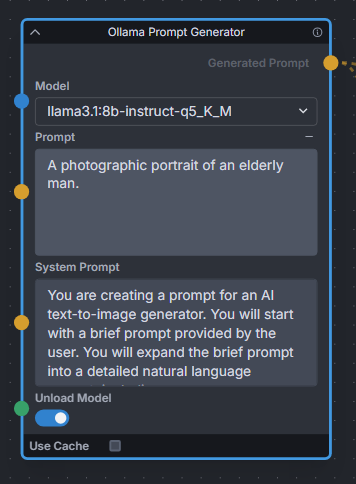
|
||||
|
||||
--------------------------------
|
||||
### One Button Prompt
|
||||
|
||||
<img src="https://raw.githubusercontent.com/AIrjen/OneButtonPrompt_X_InvokeAI/refs/heads/main/images/background.png" width="800" />
|
||||
|
||||
**Description:** an extensive suite of auto prompt generation and prompt helper nodes based on extensive logic. Get creative with the best prompt generator in the world.
|
||||
|
||||
The main node generates interesting prompts based on a set of parameters. There are also some additional nodes such as Auto Negative Prompt, One Button Artify, Create Prompt Variant and other cool prompt toys to play around with.
|
||||
|
||||
**Node Link:** [https://github.com/AIrjen/OneButtonPrompt_X_InvokeAI](https://github.com/AIrjen/OneButtonPrompt_X_InvokeAI)
|
||||
|
||||
**Nodes:**
|
||||
|
||||
<img src="https://raw.githubusercontent.com/AIrjen/OneButtonPrompt_X_InvokeAI/refs/heads/main/images/OBP_nodes_invokeai.png" width="800" />
|
||||
|
||||
--------------------------------
|
||||
### Oobabooga
|
||||
|
||||
@@ -440,7 +482,7 @@ See full docs here: https://github.com/skunkworxdark/Prompt-tools-nodes/edit/mai
|
||||
|
||||
**Workflow Examples**
|
||||
|
||||
<img src="https://github.com/skunkworxdark/prompt-tools/blob/main/images/CSVToIndexStringNode.png" width="300" />
|
||||
<img src="https://raw.githubusercontent.com/skunkworxdark/prompt-tools/refs/heads/main/images/CSVToIndexStringNode.png"/>
|
||||
|
||||
--------------------------------
|
||||
### Remote Image
|
||||
@@ -578,7 +620,7 @@ See full docs here: https://github.com/skunkworxdark/XYGrid_nodes/edit/main/READ
|
||||
|
||||
**Output Examples**
|
||||
|
||||
<img src="https://github.com/skunkworxdark/XYGrid_nodes/blob/main/images/collage.png" width="300" />
|
||||
<img src="https://raw.githubusercontent.com/skunkworxdark/XYGrid_nodes/refs/heads/main/images/collage.png" />
|
||||
|
||||
|
||||
--------------------------------
|
||||
|
||||
6
flake.lock
generated
6
flake.lock
generated
@@ -2,11 +2,11 @@
|
||||
"nodes": {
|
||||
"nixpkgs": {
|
||||
"locked": {
|
||||
"lastModified": 1690630721,
|
||||
"narHash": "sha256-Y04onHyBQT4Erfr2fc82dbJTfXGYrf4V0ysLUYnPOP8=",
|
||||
"lastModified": 1727955264,
|
||||
"narHash": "sha256-lrd+7mmb5NauRoMa8+J1jFKYVa+rc8aq2qc9+CxPDKc=",
|
||||
"owner": "NixOS",
|
||||
"repo": "nixpkgs",
|
||||
"rev": "d2b52322f35597c62abf56de91b0236746b2a03d",
|
||||
"rev": "71cd616696bd199ef18de62524f3df3ffe8b9333",
|
||||
"type": "github"
|
||||
},
|
||||
"original": {
|
||||
|
||||
@@ -34,7 +34,7 @@
|
||||
cudaPackages.cudnn
|
||||
cudaPackages.cuda_nvrtc
|
||||
cudatoolkit
|
||||
pkgconfig
|
||||
pkg-config
|
||||
libconfig
|
||||
cmake
|
||||
blas
|
||||
@@ -66,7 +66,7 @@
|
||||
black
|
||||
|
||||
# Frontend.
|
||||
yarn
|
||||
pnpm_8
|
||||
nodejs
|
||||
];
|
||||
LD_LIBRARY_PATH = pkgs.lib.makeLibraryPath buildInputs;
|
||||
|
||||
@@ -12,7 +12,7 @@ MINIMUM_PYTHON_VERSION=3.10.0
|
||||
MAXIMUM_PYTHON_VERSION=3.11.100
|
||||
PYTHON=""
|
||||
for candidate in python3.11 python3.10 python3 python ; do
|
||||
if ppath=`which $candidate`; then
|
||||
if ppath=`which $candidate 2>/dev/null`; then
|
||||
# when using `pyenv`, the executable for an inactive Python version will exist but will not be operational
|
||||
# we check that this found executable can actually run
|
||||
if [ $($candidate --version &>/dev/null; echo ${PIPESTATUS}) -gt 0 ]; then continue; fi
|
||||
@@ -30,10 +30,11 @@ done
|
||||
if [ -z "$PYTHON" ]; then
|
||||
echo "A suitable Python interpreter could not be found"
|
||||
echo "Please install Python $MINIMUM_PYTHON_VERSION or higher (maximum $MAXIMUM_PYTHON_VERSION) before running this script. See instructions at $INSTRUCTIONS for help."
|
||||
echo "For the best user experience we suggest enlarging or maximizing this window now."
|
||||
read -p "Press any key to exit"
|
||||
exit -1
|
||||
fi
|
||||
|
||||
echo "For the best user experience we suggest enlarging or maximizing this window now."
|
||||
|
||||
exec $PYTHON ./lib/main.py ${@}
|
||||
read -p "Press any key to exit"
|
||||
|
||||
@@ -245,6 +245,9 @@ class InvokeAiInstance:
|
||||
|
||||
pip = local[self.pip]
|
||||
|
||||
# Uninstall xformers if it is present; the correct version of it will be reinstalled if needed
|
||||
_ = pip["uninstall", "-yqq", "xformers"] & FG
|
||||
|
||||
pipeline = pip[
|
||||
"install",
|
||||
"--require-virtualenv",
|
||||
@@ -282,12 +285,6 @@ class InvokeAiInstance:
|
||||
shutil.copy(src, dest)
|
||||
os.chmod(dest, 0o0755)
|
||||
|
||||
def update(self):
|
||||
pass
|
||||
|
||||
def remove(self):
|
||||
pass
|
||||
|
||||
|
||||
### Utility functions ###
|
||||
|
||||
@@ -402,7 +399,7 @@ def get_torch_source() -> Tuple[str | None, str | None]:
|
||||
:rtype: list
|
||||
"""
|
||||
|
||||
from messages import select_gpu
|
||||
from messages import GpuType, select_gpu
|
||||
|
||||
# device can be one of: "cuda", "rocm", "cpu", "cuda_and_dml, autodetect"
|
||||
device = select_gpu()
|
||||
@@ -412,16 +409,22 @@ def get_torch_source() -> Tuple[str | None, str | None]:
|
||||
url = None
|
||||
optional_modules: str | None = None
|
||||
if OS == "Linux":
|
||||
if device.value == "rocm":
|
||||
url = "https://download.pytorch.org/whl/rocm5.6"
|
||||
elif device.value == "cpu":
|
||||
if device == GpuType.ROCM:
|
||||
url = "https://download.pytorch.org/whl/rocm6.1"
|
||||
elif device == GpuType.CPU:
|
||||
url = "https://download.pytorch.org/whl/cpu"
|
||||
elif device.value == "cuda":
|
||||
# CUDA uses the default PyPi index
|
||||
elif device == GpuType.CUDA:
|
||||
url = "https://download.pytorch.org/whl/cu124"
|
||||
optional_modules = "[onnx-cuda]"
|
||||
elif device == GpuType.CUDA_WITH_XFORMERS:
|
||||
url = "https://download.pytorch.org/whl/cu124"
|
||||
optional_modules = "[xformers,onnx-cuda]"
|
||||
elif OS == "Windows":
|
||||
if device.value == "cuda":
|
||||
url = "https://download.pytorch.org/whl/cu121"
|
||||
if device == GpuType.CUDA:
|
||||
url = "https://download.pytorch.org/whl/cu124"
|
||||
optional_modules = "[onnx-cuda]"
|
||||
elif device == GpuType.CUDA_WITH_XFORMERS:
|
||||
url = "https://download.pytorch.org/whl/cu124"
|
||||
optional_modules = "[xformers,onnx-cuda]"
|
||||
elif device.value == "cpu":
|
||||
# CPU uses the default PyPi index, no optional modules
|
||||
|
||||
@@ -206,6 +206,7 @@ def dest_path(dest: Optional[str | Path] = None) -> Path | None:
|
||||
|
||||
|
||||
class GpuType(Enum):
|
||||
CUDA_WITH_XFORMERS = "xformers"
|
||||
CUDA = "cuda"
|
||||
ROCM = "rocm"
|
||||
CPU = "cpu"
|
||||
@@ -221,11 +222,15 @@ def select_gpu() -> GpuType:
|
||||
return GpuType.CPU
|
||||
|
||||
nvidia = (
|
||||
"an [gold1 b]NVIDIA[/] GPU (using CUDA™)",
|
||||
"an [gold1 b]NVIDIA[/] RTX 3060 or newer GPU using CUDA",
|
||||
GpuType.CUDA,
|
||||
)
|
||||
vintage_nvidia = (
|
||||
"an [gold1 b]NVIDIA[/] RTX 20xx or older GPU using CUDA+xFormers",
|
||||
GpuType.CUDA_WITH_XFORMERS,
|
||||
)
|
||||
amd = (
|
||||
"an [gold1 b]AMD[/] GPU (using ROCm™)",
|
||||
"an [gold1 b]AMD[/] GPU using ROCm",
|
||||
GpuType.ROCM,
|
||||
)
|
||||
cpu = (
|
||||
@@ -235,14 +240,13 @@ def select_gpu() -> GpuType:
|
||||
|
||||
options = []
|
||||
if OS == "Windows":
|
||||
options = [nvidia, cpu]
|
||||
options = [nvidia, vintage_nvidia, cpu]
|
||||
if OS == "Linux":
|
||||
options = [nvidia, amd, cpu]
|
||||
options = [nvidia, vintage_nvidia, amd, cpu]
|
||||
elif OS == "Darwin":
|
||||
options = [cpu]
|
||||
|
||||
if len(options) == 1:
|
||||
print(f'Your platform [gold1]{OS}-{ARCH}[/] only supports the "{options[0][1]}" driver. Proceeding with that.')
|
||||
return options[0][1]
|
||||
|
||||
options = {str(i): opt for i, opt in enumerate(options, 1)}
|
||||
@@ -255,7 +259,7 @@ def select_gpu() -> GpuType:
|
||||
[
|
||||
f"Detected the [gold1]{OS}-{ARCH}[/] platform",
|
||||
"",
|
||||
"See [deep_sky_blue1]https://invoke-ai.github.io/InvokeAI/#system[/] to ensure your system meets the minimum requirements.",
|
||||
"See [deep_sky_blue1]https://invoke-ai.github.io/InvokeAI/installation/requirements/[/] to ensure your system meets the minimum requirements.",
|
||||
"",
|
||||
"[red3]🠶[/] [b]Your GPU drivers must be correctly installed before using InvokeAI![/] [red3]🠴[/]",
|
||||
]
|
||||
|
||||
@@ -68,7 +68,7 @@ do_line_input() {
|
||||
printf "2: Open the developer console\n"
|
||||
printf "3: Command-line help\n"
|
||||
printf "Q: Quit\n\n"
|
||||
printf "To update, download and run the installer from https://github.com/invoke-ai/InvokeAI/releases/latest.\n\n"
|
||||
printf "To update, download and run the installer from https://github.com/invoke-ai/InvokeAI/releases/latest\n\n"
|
||||
read -p "Please enter 1-4, Q: [1] " yn
|
||||
choice=${yn:='1'}
|
||||
do_choice $choice
|
||||
|
||||
@@ -40,6 +40,8 @@ class AppVersion(BaseModel):
|
||||
|
||||
version: str = Field(description="App version")
|
||||
|
||||
highlights: Optional[list[str]] = Field(default=None, description="Highlights of release")
|
||||
|
||||
|
||||
class AppDependencyVersions(BaseModel):
|
||||
"""App depencency Versions Response"""
|
||||
|
||||
@@ -5,9 +5,10 @@ from fastapi.routing import APIRouter
|
||||
from pydantic import BaseModel, Field
|
||||
|
||||
from invokeai.app.api.dependencies import ApiDependencies
|
||||
from invokeai.app.services.board_records.board_records_common import BoardChanges
|
||||
from invokeai.app.services.board_records.board_records_common import BoardChanges, BoardRecordOrderBy
|
||||
from invokeai.app.services.boards.boards_common import BoardDTO
|
||||
from invokeai.app.services.shared.pagination import OffsetPaginatedResults
|
||||
from invokeai.app.services.shared.sqlite.sqlite_common import SQLiteDirection
|
||||
|
||||
boards_router = APIRouter(prefix="/v1/boards", tags=["boards"])
|
||||
|
||||
@@ -115,6 +116,8 @@ async def delete_board(
|
||||
response_model=Union[OffsetPaginatedResults[BoardDTO], list[BoardDTO]],
|
||||
)
|
||||
async def list_boards(
|
||||
order_by: BoardRecordOrderBy = Query(default=BoardRecordOrderBy.CreatedAt, description="The attribute to order by"),
|
||||
direction: SQLiteDirection = Query(default=SQLiteDirection.Descending, description="The direction to order by"),
|
||||
all: Optional[bool] = Query(default=None, description="Whether to list all boards"),
|
||||
offset: Optional[int] = Query(default=None, description="The page offset"),
|
||||
limit: Optional[int] = Query(default=None, description="The number of boards per page"),
|
||||
@@ -122,9 +125,9 @@ async def list_boards(
|
||||
) -> Union[OffsetPaginatedResults[BoardDTO], list[BoardDTO]]:
|
||||
"""Gets a list of boards"""
|
||||
if all:
|
||||
return ApiDependencies.invoker.services.boards.get_all(include_archived)
|
||||
return ApiDependencies.invoker.services.boards.get_all(order_by, direction, include_archived)
|
||||
elif offset is not None and limit is not None:
|
||||
return ApiDependencies.invoker.services.boards.get_many(offset, limit, include_archived)
|
||||
return ApiDependencies.invoker.services.boards.get_many(order_by, direction, offset, limit, include_archived)
|
||||
else:
|
||||
raise HTTPException(
|
||||
status_code=400,
|
||||
|
||||
@@ -1,6 +1,7 @@
|
||||
# Copyright (c) 2023 Lincoln D. Stein
|
||||
"""FastAPI route for model configuration records."""
|
||||
|
||||
import contextlib
|
||||
import io
|
||||
import pathlib
|
||||
import shutil
|
||||
@@ -10,6 +11,7 @@ from enum import Enum
|
||||
from tempfile import TemporaryDirectory
|
||||
from typing import List, Optional, Type
|
||||
|
||||
import huggingface_hub
|
||||
from fastapi import Body, Path, Query, Response, UploadFile
|
||||
from fastapi.responses import FileResponse, HTMLResponse
|
||||
from fastapi.routing import APIRouter
|
||||
@@ -27,6 +29,7 @@ from invokeai.app.services.model_records import (
|
||||
ModelRecordChanges,
|
||||
UnknownModelException,
|
||||
)
|
||||
from invokeai.app.util.suppress_output import SuppressOutput
|
||||
from invokeai.backend.model_manager.config import (
|
||||
AnyModelConfig,
|
||||
BaseModelType,
|
||||
@@ -38,7 +41,12 @@ from invokeai.backend.model_manager.load.model_cache.model_cache_base import Cac
|
||||
from invokeai.backend.model_manager.metadata.fetch.huggingface import HuggingFaceMetadataFetch
|
||||
from invokeai.backend.model_manager.metadata.metadata_base import ModelMetadataWithFiles, UnknownMetadataException
|
||||
from invokeai.backend.model_manager.search import ModelSearch
|
||||
from invokeai.backend.model_manager.starter_models import STARTER_MODELS, StarterModel, StarterModelWithoutDependencies
|
||||
from invokeai.backend.model_manager.starter_models import (
|
||||
STARTER_BUNDLES,
|
||||
STARTER_MODELS,
|
||||
StarterModel,
|
||||
StarterModelWithoutDependencies,
|
||||
)
|
||||
|
||||
model_manager_router = APIRouter(prefix="/v2/models", tags=["model_manager"])
|
||||
|
||||
@@ -792,22 +800,52 @@ async def convert_model(
|
||||
return new_config
|
||||
|
||||
|
||||
@model_manager_router.get("/starter_models", operation_id="get_starter_models", response_model=list[StarterModel])
|
||||
async def get_starter_models() -> list[StarterModel]:
|
||||
class StarterModelResponse(BaseModel):
|
||||
starter_models: list[StarterModel]
|
||||
starter_bundles: dict[str, list[StarterModel]]
|
||||
|
||||
|
||||
def get_is_installed(
|
||||
starter_model: StarterModel | StarterModelWithoutDependencies, installed_models: list[AnyModelConfig]
|
||||
) -> bool:
|
||||
for model in installed_models:
|
||||
if model.source == starter_model.source:
|
||||
return True
|
||||
if (
|
||||
(model.name == starter_model.name or model.name in starter_model.previous_names)
|
||||
and model.base == starter_model.base
|
||||
and model.type == starter_model.type
|
||||
):
|
||||
return True
|
||||
return False
|
||||
|
||||
|
||||
@model_manager_router.get("/starter_models", operation_id="get_starter_models", response_model=StarterModelResponse)
|
||||
async def get_starter_models() -> StarterModelResponse:
|
||||
installed_models = ApiDependencies.invoker.services.model_manager.store.search_by_attr()
|
||||
installed_model_sources = {m.source for m in installed_models}
|
||||
starter_models = deepcopy(STARTER_MODELS)
|
||||
starter_bundles = deepcopy(STARTER_BUNDLES)
|
||||
for model in starter_models:
|
||||
if model.source in installed_model_sources:
|
||||
model.is_installed = True
|
||||
model.is_installed = get_is_installed(model, installed_models)
|
||||
# Remove already-installed dependencies
|
||||
missing_deps: list[StarterModelWithoutDependencies] = []
|
||||
|
||||
for dep in model.dependencies or []:
|
||||
if dep.source not in installed_model_sources:
|
||||
if not get_is_installed(dep, installed_models):
|
||||
missing_deps.append(dep)
|
||||
model.dependencies = missing_deps
|
||||
|
||||
return starter_models
|
||||
for bundle in starter_bundles.values():
|
||||
for model in bundle:
|
||||
model.is_installed = get_is_installed(model, installed_models)
|
||||
# Remove already-installed dependencies
|
||||
missing_deps: list[StarterModelWithoutDependencies] = []
|
||||
for dep in model.dependencies or []:
|
||||
if not get_is_installed(dep, installed_models):
|
||||
missing_deps.append(dep)
|
||||
model.dependencies = missing_deps
|
||||
|
||||
return StarterModelResponse(starter_models=starter_models, starter_bundles=starter_bundles)
|
||||
|
||||
|
||||
@model_manager_router.get(
|
||||
@@ -888,3 +926,51 @@ async def get_stats() -> Optional[CacheStats]:
|
||||
"""Return performance statistics on the model manager's RAM cache. Will return null if no models have been loaded."""
|
||||
|
||||
return ApiDependencies.invoker.services.model_manager.load.ram_cache.stats
|
||||
|
||||
|
||||
class HFTokenStatus(str, Enum):
|
||||
VALID = "valid"
|
||||
INVALID = "invalid"
|
||||
UNKNOWN = "unknown"
|
||||
|
||||
|
||||
class HFTokenHelper:
|
||||
@classmethod
|
||||
def get_status(cls) -> HFTokenStatus:
|
||||
try:
|
||||
if huggingface_hub.get_token_permission(huggingface_hub.get_token()):
|
||||
# Valid token!
|
||||
return HFTokenStatus.VALID
|
||||
# No token set
|
||||
return HFTokenStatus.INVALID
|
||||
except Exception:
|
||||
return HFTokenStatus.UNKNOWN
|
||||
|
||||
@classmethod
|
||||
def set_token(cls, token: str) -> HFTokenStatus:
|
||||
with SuppressOutput(), contextlib.suppress(Exception):
|
||||
huggingface_hub.login(token=token, add_to_git_credential=False)
|
||||
return cls.get_status()
|
||||
|
||||
|
||||
@model_manager_router.get("/hf_login", operation_id="get_hf_login_status", response_model=HFTokenStatus)
|
||||
async def get_hf_login_status() -> HFTokenStatus:
|
||||
token_status = HFTokenHelper.get_status()
|
||||
|
||||
if token_status is HFTokenStatus.UNKNOWN:
|
||||
ApiDependencies.invoker.services.logger.warning("Unable to verify HF token")
|
||||
|
||||
return token_status
|
||||
|
||||
|
||||
@model_manager_router.post("/hf_login", operation_id="do_hf_login", response_model=HFTokenStatus)
|
||||
async def do_hf_login(
|
||||
token: str = Body(description="Hugging Face token to use for login", embed=True),
|
||||
) -> HFTokenStatus:
|
||||
HFTokenHelper.set_token(token)
|
||||
token_status = HFTokenHelper.get_status()
|
||||
|
||||
if token_status is HFTokenStatus.UNKNOWN:
|
||||
ApiDependencies.invoker.services.logger.warning("Unable to verify HF token")
|
||||
|
||||
return token_status
|
||||
|
||||
@@ -83,7 +83,7 @@ async def create_workflow(
|
||||
)
|
||||
async def list_workflows(
|
||||
page: int = Query(default=0, description="The page to get"),
|
||||
per_page: int = Query(default=10, description="The number of workflows per page"),
|
||||
per_page: Optional[int] = Query(default=None, description="The number of workflows per page"),
|
||||
order_by: WorkflowRecordOrderBy = Query(
|
||||
default=WorkflowRecordOrderBy.Name, description="The attribute to order by"
|
||||
),
|
||||
@@ -93,5 +93,5 @@ async def list_workflows(
|
||||
) -> PaginatedResults[WorkflowRecordListItemDTO]:
|
||||
"""Gets a page of workflows"""
|
||||
return ApiDependencies.invoker.services.workflow_records.get_many(
|
||||
page=page, per_page=per_page, order_by=order_by, direction=direction, query=query, category=category
|
||||
order_by=order_by, direction=direction, page=page, per_page=per_page, query=query, category=category
|
||||
)
|
||||
|
||||
@@ -7,13 +7,14 @@ from pathlib import Path
|
||||
|
||||
import torch
|
||||
import uvicorn
|
||||
from fastapi import FastAPI
|
||||
from fastapi import FastAPI, Request
|
||||
from fastapi.middleware.cors import CORSMiddleware
|
||||
from fastapi.middleware.gzip import GZipMiddleware
|
||||
from fastapi.openapi.docs import get_redoc_html, get_swagger_ui_html
|
||||
from fastapi.responses import HTMLResponse
|
||||
from fastapi.responses import HTMLResponse, RedirectResponse
|
||||
from fastapi_events.handlers.local import local_handler
|
||||
from fastapi_events.middleware import EventHandlerASGIMiddleware
|
||||
from starlette.middleware.base import BaseHTTPMiddleware, RequestResponseEndpoint
|
||||
from torch.backends.mps import is_available as is_mps_available
|
||||
|
||||
# for PyCharm:
|
||||
@@ -78,6 +79,29 @@ app = FastAPI(
|
||||
lifespan=lifespan,
|
||||
)
|
||||
|
||||
|
||||
class RedirectRootWithQueryStringMiddleware(BaseHTTPMiddleware):
|
||||
"""When a request is made to the root path with a query string, redirect to the root path without the query string.
|
||||
|
||||
For example, to force a Gradio app to use dark mode, users may append `?__theme=dark` to the URL. Their browser may
|
||||
have this query string saved in history or a bookmark, so when the user navigates to `http://127.0.0.1:9090/`, the
|
||||
browser takes them to `http://127.0.0.1:9090/?__theme=dark`.
|
||||
|
||||
This breaks the static file serving in the UI, so we redirect the user to the root path without the query string.
|
||||
"""
|
||||
|
||||
async def dispatch(self, request: Request, call_next: RequestResponseEndpoint):
|
||||
if request.url.path == "/" and request.url.query:
|
||||
return RedirectResponse(url="/")
|
||||
|
||||
response = await call_next(request)
|
||||
return response
|
||||
|
||||
|
||||
# Add the middleware
|
||||
app.add_middleware(RedirectRootWithQueryStringMiddleware)
|
||||
|
||||
|
||||
# Add event handler
|
||||
event_handler_id: int = id(app)
|
||||
app.add_middleware(
|
||||
|
||||
@@ -4,6 +4,7 @@ from __future__ import annotations
|
||||
|
||||
import inspect
|
||||
import re
|
||||
import sys
|
||||
import warnings
|
||||
from abc import ABC, abstractmethod
|
||||
from enum import Enum
|
||||
@@ -192,12 +193,19 @@ class BaseInvocation(ABC, BaseModel):
|
||||
"""Gets a pydantc TypeAdapter for the union of all invocation types."""
|
||||
if not cls._typeadapter or cls._typeadapter_needs_update:
|
||||
AnyInvocation = TypeAliasType(
|
||||
"AnyInvocation", Annotated[Union[tuple(cls._invocation_classes)], Field(discriminator="type")]
|
||||
"AnyInvocation", Annotated[Union[tuple(cls.get_invocations())], Field(discriminator="type")]
|
||||
)
|
||||
cls._typeadapter = TypeAdapter(AnyInvocation)
|
||||
cls._typeadapter_needs_update = False
|
||||
return cls._typeadapter
|
||||
|
||||
@classmethod
|
||||
def invalidate_typeadapter(cls) -> None:
|
||||
"""Invalidates the typeadapter, forcing it to be rebuilt on next access. If the invocation allowlist or
|
||||
denylist is changed, this should be called to ensure the typeadapter is updated and validation respects
|
||||
the updated allowlist and denylist."""
|
||||
cls._typeadapter_needs_update = True
|
||||
|
||||
@classmethod
|
||||
def get_invocations(cls) -> Iterable[BaseInvocation]:
|
||||
"""Gets all invocations, respecting the allowlist and denylist."""
|
||||
@@ -479,6 +487,26 @@ def invocation(
|
||||
title="type", default=invocation_type, json_schema_extra={"field_kind": FieldKind.NodeAttribute}
|
||||
)
|
||||
|
||||
# Validate the `invoke()` method is implemented
|
||||
if "invoke" in cls.__abstractmethods__:
|
||||
raise ValueError(f'Invocation "{invocation_type}" must implement the "invoke" method')
|
||||
|
||||
# And validate that `invoke()` returns a subclass of `BaseInvocationOutput
|
||||
invoke_return_annotation = signature(cls.invoke).return_annotation
|
||||
|
||||
try:
|
||||
# TODO(psyche): If `invoke()` is not defined, `return_annotation` ends up as the string "BaseInvocationOutput"
|
||||
# instead of the class `BaseInvocationOutput`. This may be a pydantic bug: https://github.com/pydantic/pydantic/issues/7978
|
||||
if isinstance(invoke_return_annotation, str):
|
||||
invoke_return_annotation = getattr(sys.modules[cls.__module__], invoke_return_annotation)
|
||||
|
||||
assert invoke_return_annotation is not BaseInvocationOutput
|
||||
assert issubclass(invoke_return_annotation, BaseInvocationOutput)
|
||||
except Exception:
|
||||
raise ValueError(
|
||||
f'Invocation "{invocation_type}" must have a return annotation of a subclass of BaseInvocationOutput (got "{invoke_return_annotation}")'
|
||||
)
|
||||
|
||||
docstring = cls.__doc__
|
||||
cls = create_model(
|
||||
cls.__qualname__,
|
||||
|
||||
@@ -95,6 +95,7 @@ class CompelInvocation(BaseInvocation):
|
||||
ti_manager,
|
||||
),
|
||||
):
|
||||
context.util.signal_progress("Building conditioning")
|
||||
assert isinstance(text_encoder, CLIPTextModel)
|
||||
assert isinstance(tokenizer, CLIPTokenizer)
|
||||
compel = Compel(
|
||||
@@ -191,6 +192,7 @@ class SDXLPromptInvocationBase:
|
||||
ti_manager,
|
||||
),
|
||||
):
|
||||
context.util.signal_progress("Building conditioning")
|
||||
assert isinstance(text_encoder, (CLIPTextModel, CLIPTextModelWithProjection))
|
||||
assert isinstance(tokenizer, CLIPTokenizer)
|
||||
|
||||
|
||||
@@ -65,6 +65,7 @@ class CreateDenoiseMaskInvocation(BaseInvocation):
|
||||
img_mask = tv_resize(mask, image_tensor.shape[-2:], T.InterpolationMode.BILINEAR, antialias=False)
|
||||
masked_image = image_tensor * torch.where(img_mask < 0.5, 0.0, 1.0)
|
||||
# TODO:
|
||||
context.util.signal_progress("Running VAE encoder")
|
||||
masked_latents = ImageToLatentsInvocation.vae_encode(vae_info, self.fp32, self.tiled, masked_image.clone())
|
||||
|
||||
masked_latents_name = context.tensors.save(tensor=masked_latents)
|
||||
|
||||
@@ -131,6 +131,7 @@ class CreateGradientMaskInvocation(BaseInvocation):
|
||||
image_tensor = image_tensor.unsqueeze(0)
|
||||
img_mask = tv_resize(mask, image_tensor.shape[-2:], T.InterpolationMode.BILINEAR, antialias=False)
|
||||
masked_image = image_tensor * torch.where(img_mask < 0.5, 0.0, 1.0)
|
||||
context.util.signal_progress("Running VAE encoder")
|
||||
masked_latents = ImageToLatentsInvocation.vae_encode(
|
||||
vae_info, self.fp32, self.tiled, masked_image.clone()
|
||||
)
|
||||
|
||||
@@ -13,6 +13,7 @@ from diffusers.models.unets.unet_2d_condition import UNet2DConditionModel
|
||||
from diffusers.schedulers.scheduling_dpmsolver_sde import DPMSolverSDEScheduler
|
||||
from diffusers.schedulers.scheduling_tcd import TCDScheduler
|
||||
from diffusers.schedulers.scheduling_utils import SchedulerMixin as Scheduler
|
||||
from PIL import Image
|
||||
from pydantic import field_validator
|
||||
from torchvision.transforms.functional import resize as tv_resize
|
||||
from transformers import CLIPVisionModelWithProjection
|
||||
@@ -510,6 +511,7 @@ class DenoiseLatentsInvocation(BaseInvocation):
|
||||
context: InvocationContext,
|
||||
t2i_adapters: Optional[Union[T2IAdapterField, list[T2IAdapterField]]],
|
||||
ext_manager: ExtensionsManager,
|
||||
bgr_mode: bool = False,
|
||||
) -> None:
|
||||
if t2i_adapters is None:
|
||||
return
|
||||
@@ -519,6 +521,10 @@ class DenoiseLatentsInvocation(BaseInvocation):
|
||||
t2i_adapters = [t2i_adapters]
|
||||
|
||||
for t2i_adapter_field in t2i_adapters:
|
||||
image = context.images.get_pil(t2i_adapter_field.image.image_name)
|
||||
if bgr_mode: # SDXL t2i trained on cv2's BGR outputs, but PIL won't convert straight to BGR
|
||||
r, g, b = image.split()
|
||||
image = Image.merge("RGB", (b, g, r))
|
||||
ext_manager.add_extension(
|
||||
T2IAdapterExt(
|
||||
node_context=context,
|
||||
@@ -547,7 +553,9 @@ class DenoiseLatentsInvocation(BaseInvocation):
|
||||
if not isinstance(single_ipa_image_fields, list):
|
||||
single_ipa_image_fields = [single_ipa_image_fields]
|
||||
|
||||
single_ipa_images = [context.images.get_pil(image.image_name) for image in single_ipa_image_fields]
|
||||
single_ipa_images = [
|
||||
context.images.get_pil(image.image_name, mode="RGB") for image in single_ipa_image_fields
|
||||
]
|
||||
with image_encoder_model_info as image_encoder_model:
|
||||
assert isinstance(image_encoder_model, CLIPVisionModelWithProjection)
|
||||
# Get image embeddings from CLIP and ImageProjModel.
|
||||
@@ -614,13 +622,17 @@ class DenoiseLatentsInvocation(BaseInvocation):
|
||||
for t2i_adapter_field in t2i_adapter:
|
||||
t2i_adapter_model_config = context.models.get_config(t2i_adapter_field.t2i_adapter_model.key)
|
||||
t2i_adapter_loaded_model = context.models.load(t2i_adapter_field.t2i_adapter_model)
|
||||
image = context.images.get_pil(t2i_adapter_field.image.image_name)
|
||||
image = context.images.get_pil(t2i_adapter_field.image.image_name, mode="RGB")
|
||||
|
||||
# The max_unet_downscale is the maximum amount that the UNet model downscales the latent image internally.
|
||||
if t2i_adapter_model_config.base == BaseModelType.StableDiffusion1:
|
||||
max_unet_downscale = 8
|
||||
elif t2i_adapter_model_config.base == BaseModelType.StableDiffusionXL:
|
||||
max_unet_downscale = 4
|
||||
|
||||
# SDXL adapters are trained on cv2's BGR outputs
|
||||
r, g, b = image.split()
|
||||
image = Image.merge("RGB", (b, g, r))
|
||||
else:
|
||||
raise ValueError(f"Unexpected T2I-Adapter base model type: '{t2i_adapter_model_config.base}'.")
|
||||
|
||||
@@ -628,29 +640,39 @@ class DenoiseLatentsInvocation(BaseInvocation):
|
||||
with t2i_adapter_loaded_model as t2i_adapter_model:
|
||||
total_downscale_factor = t2i_adapter_model.total_downscale_factor
|
||||
|
||||
# Resize the T2I-Adapter input image.
|
||||
# We select the resize dimensions so that after the T2I-Adapter's total_downscale_factor is applied, the
|
||||
# result will match the latent image's dimensions after max_unet_downscale is applied.
|
||||
t2i_input_height = latents_shape[2] // max_unet_downscale * total_downscale_factor
|
||||
t2i_input_width = latents_shape[3] // max_unet_downscale * total_downscale_factor
|
||||
|
||||
# Note: We have hard-coded `do_classifier_free_guidance=False`. This is because we only want to prepare
|
||||
# a single image. If CFG is enabled, we will duplicate the resultant tensor after applying the
|
||||
# T2I-Adapter model.
|
||||
#
|
||||
# Note: We re-use the `prepare_control_image(...)` from ControlNet for T2I-Adapter, because it has many
|
||||
# of the same requirements (e.g. preserving binary masks during resize).
|
||||
|
||||
# Assuming fixed dimensional scaling of LATENT_SCALE_FACTOR.
|
||||
_, _, latent_height, latent_width = latents_shape
|
||||
control_height_resize = latent_height * LATENT_SCALE_FACTOR
|
||||
control_width_resize = latent_width * LATENT_SCALE_FACTOR
|
||||
t2i_image = prepare_control_image(
|
||||
image=image,
|
||||
do_classifier_free_guidance=False,
|
||||
width=t2i_input_width,
|
||||
height=t2i_input_height,
|
||||
width=control_width_resize,
|
||||
height=control_height_resize,
|
||||
num_channels=t2i_adapter_model.config["in_channels"], # mypy treats this as a FrozenDict
|
||||
device=t2i_adapter_model.device,
|
||||
dtype=t2i_adapter_model.dtype,
|
||||
resize_mode=t2i_adapter_field.resize_mode,
|
||||
)
|
||||
|
||||
# Resize the T2I-Adapter input image.
|
||||
# We select the resize dimensions so that after the T2I-Adapter's total_downscale_factor is applied, the
|
||||
# result will match the latent image's dimensions after max_unet_downscale is applied.
|
||||
# We crop the image to this size so that the positions match the input image on non-standard resolutions
|
||||
t2i_input_height = latents_shape[2] // max_unet_downscale * total_downscale_factor
|
||||
t2i_input_width = latents_shape[3] // max_unet_downscale * total_downscale_factor
|
||||
if t2i_image.shape[2] > t2i_input_height or t2i_image.shape[3] > t2i_input_width:
|
||||
t2i_image = t2i_image[
|
||||
:, :, : min(t2i_image.shape[2], t2i_input_height), : min(t2i_image.shape[3], t2i_input_width)
|
||||
]
|
||||
|
||||
adapter_state = t2i_adapter_model(t2i_image)
|
||||
|
||||
if do_classifier_free_guidance:
|
||||
@@ -898,7 +920,8 @@ class DenoiseLatentsInvocation(BaseInvocation):
|
||||
# ext = extension_field.to_extension(exit_stack, context, ext_manager)
|
||||
# ext_manager.add_extension(ext)
|
||||
self.parse_controlnet_field(exit_stack, context, self.control, ext_manager)
|
||||
self.parse_t2i_adapter_field(exit_stack, context, self.t2i_adapter, ext_manager)
|
||||
bgr_mode = self.unet.unet.base == BaseModelType.StableDiffusionXL
|
||||
self.parse_t2i_adapter_field(exit_stack, context, self.t2i_adapter, ext_manager, bgr_mode)
|
||||
|
||||
# ext: t2i/ip adapter
|
||||
ext_manager.run_callback(ExtensionCallbackType.SETUP, denoise_ctx)
|
||||
|
||||
@@ -41,6 +41,7 @@ class UIType(str, Enum, metaclass=MetaEnum):
|
||||
# region Model Field Types
|
||||
MainModel = "MainModelField"
|
||||
FluxMainModel = "FluxMainModelField"
|
||||
SD3MainModel = "SD3MainModelField"
|
||||
SDXLMainModel = "SDXLMainModelField"
|
||||
SDXLRefinerModel = "SDXLRefinerModelField"
|
||||
ONNXModel = "ONNXModelField"
|
||||
@@ -52,6 +53,8 @@ class UIType(str, Enum, metaclass=MetaEnum):
|
||||
T2IAdapterModel = "T2IAdapterModelField"
|
||||
T5EncoderModel = "T5EncoderModelField"
|
||||
CLIPEmbedModel = "CLIPEmbedModelField"
|
||||
CLIPLEmbedModel = "CLIPLEmbedModelField"
|
||||
CLIPGEmbedModel = "CLIPGEmbedModelField"
|
||||
SpandrelImageToImageModel = "SpandrelImageToImageModelField"
|
||||
# endregion
|
||||
|
||||
@@ -131,8 +134,10 @@ class FieldDescriptions:
|
||||
clip = "CLIP (tokenizer, text encoder, LoRAs) and skipped layer count"
|
||||
t5_encoder = "T5 tokenizer and text encoder"
|
||||
clip_embed_model = "CLIP Embed loader"
|
||||
clip_g_model = "CLIP-G Embed loader"
|
||||
unet = "UNet (scheduler, LoRAs)"
|
||||
transformer = "Transformer"
|
||||
mmditx = "MMDiTX"
|
||||
vae = "VAE"
|
||||
cond = "Conditioning tensor"
|
||||
controlnet_model = "ControlNet model to load"
|
||||
@@ -140,6 +145,7 @@ class FieldDescriptions:
|
||||
lora_model = "LoRA model to load"
|
||||
main_model = "Main model (UNet, VAE, CLIP) to load"
|
||||
flux_model = "Flux model (Transformer) to load"
|
||||
sd3_model = "SD3 model (MMDiTX) to load"
|
||||
sdxl_main_model = "SDXL Main model (UNet, VAE, CLIP1, CLIP2) to load"
|
||||
sdxl_refiner_model = "SDXL Refiner Main Modde (UNet, VAE, CLIP2) to load"
|
||||
onnx_main_model = "ONNX Main model (UNet, VAE, CLIP) to load"
|
||||
@@ -192,6 +198,7 @@ class FieldDescriptions:
|
||||
freeu_s2 = 'Scaling factor for stage 2 to attenuate the contributions of the skip features. This is done to mitigate the "oversmoothing effect" in the enhanced denoising process.'
|
||||
freeu_b1 = "Scaling factor for stage 1 to amplify the contributions of backbone features."
|
||||
freeu_b2 = "Scaling factor for stage 2 to amplify the contributions of backbone features."
|
||||
instantx_control_mode = "The control mode for InstantX ControlNet union models. Ignored for other ControlNet models. The standard mapping is: canny (0), tile (1), depth (2), blur (3), pose (4), gray (5), low quality (6). Negative values will be treated as 'None'."
|
||||
|
||||
|
||||
class ImageField(BaseModel):
|
||||
@@ -245,6 +252,12 @@ class FluxConditioningField(BaseModel):
|
||||
conditioning_name: str = Field(description="The name of conditioning tensor")
|
||||
|
||||
|
||||
class SD3ConditioningField(BaseModel):
|
||||
"""A conditioning tensor primitive value"""
|
||||
|
||||
conditioning_name: str = Field(description="The name of conditioning tensor")
|
||||
|
||||
|
||||
class ConditioningField(BaseModel):
|
||||
"""A conditioning tensor primitive value"""
|
||||
|
||||
|
||||
99
invokeai/app/invocations/flux_controlnet.py
Normal file
99
invokeai/app/invocations/flux_controlnet.py
Normal file
@@ -0,0 +1,99 @@
|
||||
from pydantic import BaseModel, Field, field_validator, model_validator
|
||||
|
||||
from invokeai.app.invocations.baseinvocation import (
|
||||
BaseInvocation,
|
||||
BaseInvocationOutput,
|
||||
Classification,
|
||||
invocation,
|
||||
invocation_output,
|
||||
)
|
||||
from invokeai.app.invocations.fields import FieldDescriptions, ImageField, InputField, OutputField, UIType
|
||||
from invokeai.app.invocations.model import ModelIdentifierField
|
||||
from invokeai.app.invocations.util import validate_begin_end_step, validate_weights
|
||||
from invokeai.app.services.shared.invocation_context import InvocationContext
|
||||
from invokeai.app.util.controlnet_utils import CONTROLNET_RESIZE_VALUES
|
||||
|
||||
|
||||
class FluxControlNetField(BaseModel):
|
||||
image: ImageField = Field(description="The control image")
|
||||
control_model: ModelIdentifierField = Field(description="The ControlNet model to use")
|
||||
control_weight: float | list[float] = Field(default=1, description="The weight given to the ControlNet")
|
||||
begin_step_percent: float = Field(
|
||||
default=0, ge=0, le=1, description="When the ControlNet is first applied (% of total steps)"
|
||||
)
|
||||
end_step_percent: float = Field(
|
||||
default=1, ge=0, le=1, description="When the ControlNet is last applied (% of total steps)"
|
||||
)
|
||||
resize_mode: CONTROLNET_RESIZE_VALUES = Field(default="just_resize", description="The resize mode to use")
|
||||
instantx_control_mode: int | None = Field(default=-1, description=FieldDescriptions.instantx_control_mode)
|
||||
|
||||
@field_validator("control_weight")
|
||||
@classmethod
|
||||
def validate_control_weight(cls, v: float | list[float]) -> float | list[float]:
|
||||
validate_weights(v)
|
||||
return v
|
||||
|
||||
@model_validator(mode="after")
|
||||
def validate_begin_end_step_percent(self):
|
||||
validate_begin_end_step(self.begin_step_percent, self.end_step_percent)
|
||||
return self
|
||||
|
||||
|
||||
@invocation_output("flux_controlnet_output")
|
||||
class FluxControlNetOutput(BaseInvocationOutput):
|
||||
"""FLUX ControlNet info"""
|
||||
|
||||
control: FluxControlNetField = OutputField(description=FieldDescriptions.control)
|
||||
|
||||
|
||||
@invocation(
|
||||
"flux_controlnet",
|
||||
title="FLUX ControlNet",
|
||||
tags=["controlnet", "flux"],
|
||||
category="controlnet",
|
||||
version="1.0.0",
|
||||
classification=Classification.Prototype,
|
||||
)
|
||||
class FluxControlNetInvocation(BaseInvocation):
|
||||
"""Collect FLUX ControlNet info to pass to other nodes."""
|
||||
|
||||
image: ImageField = InputField(description="The control image")
|
||||
control_model: ModelIdentifierField = InputField(
|
||||
description=FieldDescriptions.controlnet_model, ui_type=UIType.ControlNetModel
|
||||
)
|
||||
control_weight: float | list[float] = InputField(
|
||||
default=1.0, ge=-1, le=2, description="The weight given to the ControlNet"
|
||||
)
|
||||
begin_step_percent: float = InputField(
|
||||
default=0, ge=0, le=1, description="When the ControlNet is first applied (% of total steps)"
|
||||
)
|
||||
end_step_percent: float = InputField(
|
||||
default=1, ge=0, le=1, description="When the ControlNet is last applied (% of total steps)"
|
||||
)
|
||||
resize_mode: CONTROLNET_RESIZE_VALUES = InputField(default="just_resize", description="The resize mode used")
|
||||
# Note: We default to -1 instead of None, because in the workflow editor UI None is not currently supported.
|
||||
instantx_control_mode: int | None = InputField(default=-1, description=FieldDescriptions.instantx_control_mode)
|
||||
|
||||
@field_validator("control_weight")
|
||||
@classmethod
|
||||
def validate_control_weight(cls, v: float | list[float]) -> float | list[float]:
|
||||
validate_weights(v)
|
||||
return v
|
||||
|
||||
@model_validator(mode="after")
|
||||
def validate_begin_end_step_percent(self):
|
||||
validate_begin_end_step(self.begin_step_percent, self.end_step_percent)
|
||||
return self
|
||||
|
||||
def invoke(self, context: InvocationContext) -> FluxControlNetOutput:
|
||||
return FluxControlNetOutput(
|
||||
control=FluxControlNetField(
|
||||
image=self.image,
|
||||
control_model=self.control_model,
|
||||
control_weight=self.control_weight,
|
||||
begin_step_percent=self.begin_step_percent,
|
||||
end_step_percent=self.end_step_percent,
|
||||
resize_mode=self.resize_mode,
|
||||
instantx_control_mode=self.instantx_control_mode,
|
||||
),
|
||||
)
|
||||
@@ -1,35 +1,48 @@
|
||||
from contextlib import ExitStack
|
||||
from typing import Callable, Iterator, Optional, Tuple
|
||||
|
||||
import numpy as np
|
||||
import numpy.typing as npt
|
||||
import torch
|
||||
import torchvision.transforms as tv_transforms
|
||||
from torchvision.transforms.functional import resize as tv_resize
|
||||
from transformers import CLIPImageProcessor, CLIPVisionModelWithProjection
|
||||
|
||||
from invokeai.app.invocations.baseinvocation import BaseInvocation, Classification, invocation
|
||||
from invokeai.app.invocations.fields import (
|
||||
DenoiseMaskField,
|
||||
FieldDescriptions,
|
||||
FluxConditioningField,
|
||||
ImageField,
|
||||
Input,
|
||||
InputField,
|
||||
LatentsField,
|
||||
WithBoard,
|
||||
WithMetadata,
|
||||
)
|
||||
from invokeai.app.invocations.model import TransformerField
|
||||
from invokeai.app.invocations.flux_controlnet import FluxControlNetField
|
||||
from invokeai.app.invocations.ip_adapter import IPAdapterField
|
||||
from invokeai.app.invocations.model import TransformerField, VAEField
|
||||
from invokeai.app.invocations.primitives import LatentsOutput
|
||||
from invokeai.app.services.shared.invocation_context import InvocationContext
|
||||
from invokeai.backend.flux.controlnet.instantx_controlnet_flux import InstantXControlNetFlux
|
||||
from invokeai.backend.flux.controlnet.xlabs_controlnet_flux import XLabsControlNetFlux
|
||||
from invokeai.backend.flux.denoise import denoise
|
||||
from invokeai.backend.flux.extensions.inpaint_extension import InpaintExtension
|
||||
from invokeai.backend.flux.extensions.instantx_controlnet_extension import InstantXControlNetExtension
|
||||
from invokeai.backend.flux.extensions.xlabs_controlnet_extension import XLabsControlNetExtension
|
||||
from invokeai.backend.flux.extensions.xlabs_ip_adapter_extension import XLabsIPAdapterExtension
|
||||
from invokeai.backend.flux.ip_adapter.xlabs_ip_adapter_flux import XlabsIpAdapterFlux
|
||||
from invokeai.backend.flux.model import Flux
|
||||
from invokeai.backend.flux.sampling_utils import (
|
||||
clip_timestep_schedule,
|
||||
clip_timestep_schedule_fractional,
|
||||
generate_img_ids,
|
||||
get_noise,
|
||||
get_schedule,
|
||||
pack,
|
||||
unpack,
|
||||
)
|
||||
from invokeai.backend.flux.trajectory_guidance_extension import TrajectoryGuidanceExtension
|
||||
from invokeai.backend.lora.conversions.flux_lora_constants import FLUX_LORA_TRANSFORMER_PREFIX
|
||||
from invokeai.backend.lora.lora_model_raw import LoRAModelRaw
|
||||
from invokeai.backend.lora.lora_patcher import LoRAPatcher
|
||||
from invokeai.backend.model_manager.config import ModelFormat
|
||||
@@ -43,7 +56,7 @@ from invokeai.backend.util.devices import TorchDevice
|
||||
title="FLUX Denoise",
|
||||
tags=["image", "flux"],
|
||||
category="image",
|
||||
version="2.1.0",
|
||||
version="3.2.1",
|
||||
classification=Classification.Prototype,
|
||||
)
|
||||
class FluxDenoiseInvocation(BaseInvocation, WithMetadata, WithBoard):
|
||||
@@ -68,12 +81,7 @@ class FluxDenoiseInvocation(BaseInvocation, WithMetadata, WithBoard):
|
||||
description=FieldDescriptions.denoising_start,
|
||||
)
|
||||
denoising_end: float = InputField(default=1.0, ge=0, le=1, description=FieldDescriptions.denoising_end)
|
||||
trajectory_guidance_strength: float = InputField(
|
||||
default=0.0,
|
||||
ge=0.0,
|
||||
le=1.0,
|
||||
description="Value indicating how strongly to guide the denoising process towards the initial latents (during image-to-image). Range [0, 1]. A value of 0.0 is equivalent to vanilla image-to-image. A value of 1.0 will guide the denoising process very close to the original latents.",
|
||||
)
|
||||
add_noise: bool = InputField(default=True, description="Add noise based on denoising start.")
|
||||
transformer: TransformerField = InputField(
|
||||
description=FieldDescriptions.flux_model,
|
||||
input=Input.Connection,
|
||||
@@ -82,6 +90,24 @@ class FluxDenoiseInvocation(BaseInvocation, WithMetadata, WithBoard):
|
||||
positive_text_conditioning: FluxConditioningField = InputField(
|
||||
description=FieldDescriptions.positive_cond, input=Input.Connection
|
||||
)
|
||||
negative_text_conditioning: FluxConditioningField | None = InputField(
|
||||
default=None,
|
||||
description="Negative conditioning tensor. Can be None if cfg_scale is 1.0.",
|
||||
input=Input.Connection,
|
||||
)
|
||||
cfg_scale: float | list[float] = InputField(default=1.0, description=FieldDescriptions.cfg_scale, title="CFG Scale")
|
||||
cfg_scale_start_step: int = InputField(
|
||||
default=0,
|
||||
title="CFG Scale Start Step",
|
||||
description="Index of the first step to apply cfg_scale. Negative indices count backwards from the "
|
||||
+ "the last step (e.g. a value of -1 refers to the final step).",
|
||||
)
|
||||
cfg_scale_end_step: int = InputField(
|
||||
default=-1,
|
||||
title="CFG Scale End Step",
|
||||
description="Index of the last step to apply cfg_scale. Negative indices count backwards from the "
|
||||
+ "last step (e.g. a value of -1 refers to the final step).",
|
||||
)
|
||||
width: int = InputField(default=1024, multiple_of=16, description="Width of the generated image.")
|
||||
height: int = InputField(default=1024, multiple_of=16, description="Height of the generated image.")
|
||||
num_steps: int = InputField(
|
||||
@@ -92,6 +118,18 @@ class FluxDenoiseInvocation(BaseInvocation, WithMetadata, WithBoard):
|
||||
description="The guidance strength. Higher values adhere more strictly to the prompt, and will produce less diverse images. FLUX dev only, ignored for schnell.",
|
||||
)
|
||||
seed: int = InputField(default=0, description="Randomness seed for reproducibility.")
|
||||
control: FluxControlNetField | list[FluxControlNetField] | None = InputField(
|
||||
default=None, input=Input.Connection, description="ControlNet models."
|
||||
)
|
||||
controlnet_vae: VAEField | None = InputField(
|
||||
default=None,
|
||||
description=FieldDescriptions.vae,
|
||||
input=Input.Connection,
|
||||
)
|
||||
|
||||
ip_adapter: IPAdapterField | list[IPAdapterField] | None = InputField(
|
||||
description=FieldDescriptions.ip_adapter, title="IP-Adapter", default=None, input=Input.Connection
|
||||
)
|
||||
|
||||
@torch.no_grad()
|
||||
def invoke(self, context: InvocationContext) -> LatentsOutput:
|
||||
@@ -101,6 +139,19 @@ class FluxDenoiseInvocation(BaseInvocation, WithMetadata, WithBoard):
|
||||
name = context.tensors.save(tensor=latents)
|
||||
return LatentsOutput.build(latents_name=name, latents=latents, seed=None)
|
||||
|
||||
def _load_text_conditioning(
|
||||
self, context: InvocationContext, conditioning_name: str, dtype: torch.dtype
|
||||
) -> Tuple[torch.Tensor, torch.Tensor]:
|
||||
# Load the conditioning data.
|
||||
cond_data = context.conditioning.load(conditioning_name)
|
||||
assert len(cond_data.conditionings) == 1
|
||||
flux_conditioning = cond_data.conditionings[0]
|
||||
assert isinstance(flux_conditioning, FLUXConditioningInfo)
|
||||
flux_conditioning = flux_conditioning.to(dtype=dtype)
|
||||
t5_embeddings = flux_conditioning.t5_embeds
|
||||
clip_embeddings = flux_conditioning.clip_embeds
|
||||
return t5_embeddings, clip_embeddings
|
||||
|
||||
def _run_diffusion(
|
||||
self,
|
||||
context: InvocationContext,
|
||||
@@ -108,13 +159,15 @@ class FluxDenoiseInvocation(BaseInvocation, WithMetadata, WithBoard):
|
||||
inference_dtype = torch.bfloat16
|
||||
|
||||
# Load the conditioning data.
|
||||
cond_data = context.conditioning.load(self.positive_text_conditioning.conditioning_name)
|
||||
assert len(cond_data.conditionings) == 1
|
||||
flux_conditioning = cond_data.conditionings[0]
|
||||
assert isinstance(flux_conditioning, FLUXConditioningInfo)
|
||||
flux_conditioning = flux_conditioning.to(dtype=inference_dtype)
|
||||
t5_embeddings = flux_conditioning.t5_embeds
|
||||
clip_embeddings = flux_conditioning.clip_embeds
|
||||
pos_t5_embeddings, pos_clip_embeddings = self._load_text_conditioning(
|
||||
context, self.positive_text_conditioning.conditioning_name, inference_dtype
|
||||
)
|
||||
neg_t5_embeddings: torch.Tensor | None = None
|
||||
neg_clip_embeddings: torch.Tensor | None = None
|
||||
if self.negative_text_conditioning is not None:
|
||||
neg_t5_embeddings, neg_clip_embeddings = self._load_text_conditioning(
|
||||
context, self.negative_text_conditioning.conditioning_name, inference_dtype
|
||||
)
|
||||
|
||||
# Load the input latents, if provided.
|
||||
init_latents = context.tensors.load(self.latents.latents_name) if self.latents else None
|
||||
@@ -143,7 +196,7 @@ class FluxDenoiseInvocation(BaseInvocation, WithMetadata, WithBoard):
|
||||
)
|
||||
|
||||
# Clip the timesteps schedule based on denoising_start and denoising_end.
|
||||
timesteps = clip_timestep_schedule(timesteps, self.denoising_start, self.denoising_end)
|
||||
timesteps = clip_timestep_schedule_fractional(timesteps, self.denoising_start, self.denoising_end)
|
||||
|
||||
# Prepare input latent image.
|
||||
if init_latents is not None:
|
||||
@@ -155,9 +208,12 @@ class FluxDenoiseInvocation(BaseInvocation, WithMetadata, WithBoard):
|
||||
"to be poor. Consider using a FLUX dev model instead."
|
||||
)
|
||||
|
||||
# Noise the orig_latents by the appropriate amount for the first timestep.
|
||||
t_0 = timesteps[0]
|
||||
x = t_0 * noise + (1.0 - t_0) * init_latents
|
||||
if self.add_noise:
|
||||
# Noise the orig_latents by the appropriate amount for the first timestep.
|
||||
t_0 = timesteps[0]
|
||||
x = t_0 * noise + (1.0 - t_0) * init_latents
|
||||
else:
|
||||
x = init_latents
|
||||
else:
|
||||
# init_latents are not provided, so we are not doing image-to-image (i.e. we are starting from pure noise).
|
||||
if self.denoising_start > 1e-5:
|
||||
@@ -172,11 +228,19 @@ class FluxDenoiseInvocation(BaseInvocation, WithMetadata, WithBoard):
|
||||
|
||||
inpaint_mask = self._prep_inpaint_mask(context, x)
|
||||
|
||||
b, _c, h, w = x.shape
|
||||
img_ids = generate_img_ids(h=h, w=w, batch_size=b, device=x.device, dtype=x.dtype)
|
||||
b, _c, latent_h, latent_w = x.shape
|
||||
img_ids = generate_img_ids(h=latent_h, w=latent_w, batch_size=b, device=x.device, dtype=x.dtype)
|
||||
|
||||
bs, t5_seq_len, _ = t5_embeddings.shape
|
||||
txt_ids = torch.zeros(bs, t5_seq_len, 3, dtype=inference_dtype, device=TorchDevice.choose_torch_device())
|
||||
pos_bs, pos_t5_seq_len, _ = pos_t5_embeddings.shape
|
||||
pos_txt_ids = torch.zeros(
|
||||
pos_bs, pos_t5_seq_len, 3, dtype=inference_dtype, device=TorchDevice.choose_torch_device()
|
||||
)
|
||||
neg_txt_ids: torch.Tensor | None = None
|
||||
if neg_t5_embeddings is not None:
|
||||
neg_bs, neg_t5_seq_len, _ = neg_t5_embeddings.shape
|
||||
neg_txt_ids = torch.zeros(
|
||||
neg_bs, neg_t5_seq_len, 3, dtype=inference_dtype, device=TorchDevice.choose_torch_device()
|
||||
)
|
||||
|
||||
# Pack all latent tensors.
|
||||
init_latents = pack(init_latents) if init_latents is not None else None
|
||||
@@ -187,21 +251,46 @@ class FluxDenoiseInvocation(BaseInvocation, WithMetadata, WithBoard):
|
||||
# Now that we have 'packed' the latent tensors, verify that we calculated the image_seq_len correctly.
|
||||
assert image_seq_len == x.shape[1]
|
||||
|
||||
# Prepare trajectory guidance extension.
|
||||
traj_guidance_extension: TrajectoryGuidanceExtension | None = None
|
||||
if init_latents is not None:
|
||||
traj_guidance_extension = TrajectoryGuidanceExtension(
|
||||
# Prepare inpaint extension.
|
||||
inpaint_extension: InpaintExtension | None = None
|
||||
if inpaint_mask is not None:
|
||||
assert init_latents is not None
|
||||
inpaint_extension = InpaintExtension(
|
||||
init_latents=init_latents,
|
||||
inpaint_mask=inpaint_mask,
|
||||
trajectory_guidance_strength=self.trajectory_guidance_strength,
|
||||
noise=noise,
|
||||
)
|
||||
|
||||
with (
|
||||
transformer_info.model_on_device() as (cached_weights, transformer),
|
||||
ExitStack() as exit_stack,
|
||||
):
|
||||
assert isinstance(transformer, Flux)
|
||||
# Compute the IP-Adapter image prompt clip embeddings.
|
||||
# We do this before loading other models to minimize peak memory.
|
||||
# TODO(ryand): We should really do this in a separate invocation to benefit from caching.
|
||||
ip_adapter_fields = self._normalize_ip_adapter_fields()
|
||||
pos_image_prompt_clip_embeds, neg_image_prompt_clip_embeds = self._prep_ip_adapter_image_prompt_clip_embeds(
|
||||
ip_adapter_fields, context
|
||||
)
|
||||
|
||||
cfg_scale = self.prep_cfg_scale(
|
||||
cfg_scale=self.cfg_scale,
|
||||
timesteps=timesteps,
|
||||
cfg_scale_start_step=self.cfg_scale_start_step,
|
||||
cfg_scale_end_step=self.cfg_scale_end_step,
|
||||
)
|
||||
|
||||
with ExitStack() as exit_stack:
|
||||
# Prepare ControlNet extensions.
|
||||
# Note: We do this before loading the transformer model to minimize peak memory (see implementation).
|
||||
controlnet_extensions = self._prep_controlnet_extensions(
|
||||
context=context,
|
||||
exit_stack=exit_stack,
|
||||
latent_height=latent_h,
|
||||
latent_width=latent_w,
|
||||
dtype=inference_dtype,
|
||||
device=x.device,
|
||||
)
|
||||
|
||||
# Load the transformer model.
|
||||
(cached_weights, transformer) = exit_stack.enter_context(transformer_info.model_on_device())
|
||||
assert isinstance(transformer, Flux)
|
||||
config = transformer_info.config
|
||||
assert config is not None
|
||||
|
||||
@@ -213,40 +302,110 @@ class FluxDenoiseInvocation(BaseInvocation, WithMetadata, WithBoard):
|
||||
LoRAPatcher.apply_lora_patches(
|
||||
model=transformer,
|
||||
patches=self._lora_iterator(context),
|
||||
prefix="",
|
||||
prefix=FLUX_LORA_TRANSFORMER_PREFIX,
|
||||
cached_weights=cached_weights,
|
||||
)
|
||||
)
|
||||
elif config.format in [ModelFormat.BnbQuantizedLlmInt8b, ModelFormat.BnbQuantizednf4b]:
|
||||
elif config.format in [
|
||||
ModelFormat.BnbQuantizedLlmInt8b,
|
||||
ModelFormat.BnbQuantizednf4b,
|
||||
ModelFormat.GGUFQuantized,
|
||||
]:
|
||||
# The model is quantized, so apply the LoRA weights as sidecar layers. This results in slower inference,
|
||||
# than directly patching the weights, but is agnostic to the quantization format.
|
||||
exit_stack.enter_context(
|
||||
LoRAPatcher.apply_lora_sidecar_patches(
|
||||
model=transformer,
|
||||
patches=self._lora_iterator(context),
|
||||
prefix="",
|
||||
prefix=FLUX_LORA_TRANSFORMER_PREFIX,
|
||||
dtype=inference_dtype,
|
||||
)
|
||||
)
|
||||
else:
|
||||
raise ValueError(f"Unsupported model format: {config.format}")
|
||||
|
||||
# Prepare IP-Adapter extensions.
|
||||
pos_ip_adapter_extensions, neg_ip_adapter_extensions = self._prep_ip_adapter_extensions(
|
||||
pos_image_prompt_clip_embeds=pos_image_prompt_clip_embeds,
|
||||
neg_image_prompt_clip_embeds=neg_image_prompt_clip_embeds,
|
||||
ip_adapter_fields=ip_adapter_fields,
|
||||
context=context,
|
||||
exit_stack=exit_stack,
|
||||
dtype=inference_dtype,
|
||||
)
|
||||
|
||||
x = denoise(
|
||||
model=transformer,
|
||||
img=x,
|
||||
img_ids=img_ids,
|
||||
txt=t5_embeddings,
|
||||
txt_ids=txt_ids,
|
||||
vec=clip_embeddings,
|
||||
txt=pos_t5_embeddings,
|
||||
txt_ids=pos_txt_ids,
|
||||
vec=pos_clip_embeddings,
|
||||
neg_txt=neg_t5_embeddings,
|
||||
neg_txt_ids=neg_txt_ids,
|
||||
neg_vec=neg_clip_embeddings,
|
||||
timesteps=timesteps,
|
||||
step_callback=self._build_step_callback(context),
|
||||
guidance=self.guidance,
|
||||
traj_guidance_extension=traj_guidance_extension,
|
||||
cfg_scale=cfg_scale,
|
||||
inpaint_extension=inpaint_extension,
|
||||
controlnet_extensions=controlnet_extensions,
|
||||
pos_ip_adapter_extensions=pos_ip_adapter_extensions,
|
||||
neg_ip_adapter_extensions=neg_ip_adapter_extensions,
|
||||
)
|
||||
|
||||
x = unpack(x.float(), self.height, self.width)
|
||||
return x
|
||||
|
||||
@classmethod
|
||||
def prep_cfg_scale(
|
||||
cls, cfg_scale: float | list[float], timesteps: list[float], cfg_scale_start_step: int, cfg_scale_end_step: int
|
||||
) -> list[float]:
|
||||
"""Prepare the cfg_scale schedule.
|
||||
|
||||
- Clips the cfg_scale schedule based on cfg_scale_start_step and cfg_scale_end_step.
|
||||
- If cfg_scale is a list, then it is assumed to be a schedule and is returned as-is.
|
||||
- If cfg_scale is a scalar, then a linear schedule is created from cfg_scale_start_step to cfg_scale_end_step.
|
||||
"""
|
||||
# num_steps is the number of denoising steps, which is one less than the number of timesteps.
|
||||
num_steps = len(timesteps) - 1
|
||||
|
||||
# Normalize cfg_scale to a list if it is a scalar.
|
||||
cfg_scale_list: list[float]
|
||||
if isinstance(cfg_scale, float):
|
||||
cfg_scale_list = [cfg_scale] * num_steps
|
||||
elif isinstance(cfg_scale, list):
|
||||
cfg_scale_list = cfg_scale
|
||||
else:
|
||||
raise ValueError(f"Unsupported cfg_scale type: {type(cfg_scale)}")
|
||||
assert len(cfg_scale_list) == num_steps
|
||||
|
||||
# Handle negative indices for cfg_scale_start_step and cfg_scale_end_step.
|
||||
start_step_index = cfg_scale_start_step
|
||||
if start_step_index < 0:
|
||||
start_step_index = num_steps + start_step_index
|
||||
end_step_index = cfg_scale_end_step
|
||||
if end_step_index < 0:
|
||||
end_step_index = num_steps + end_step_index
|
||||
|
||||
# Validate the start and end step indices.
|
||||
if not (0 <= start_step_index < num_steps):
|
||||
raise ValueError(f"Invalid cfg_scale_start_step. Out of range: {cfg_scale_start_step}.")
|
||||
if not (0 <= end_step_index < num_steps):
|
||||
raise ValueError(f"Invalid cfg_scale_end_step. Out of range: {cfg_scale_end_step}.")
|
||||
if start_step_index > end_step_index:
|
||||
raise ValueError(
|
||||
f"cfg_scale_start_step ({cfg_scale_start_step}) must be before cfg_scale_end_step "
|
||||
+ f"({cfg_scale_end_step})."
|
||||
)
|
||||
|
||||
# Set values outside the start and end step indices to 1.0. This is equivalent to disabling cfg_scale for those
|
||||
# steps.
|
||||
clipped_cfg_scale = [1.0] * num_steps
|
||||
clipped_cfg_scale[start_step_index : end_step_index + 1] = cfg_scale_list[start_step_index : end_step_index + 1]
|
||||
|
||||
return clipped_cfg_scale
|
||||
|
||||
def _prep_inpaint_mask(self, context: InvocationContext, latents: torch.Tensor) -> torch.Tensor | None:
|
||||
"""Prepare the inpaint mask.
|
||||
|
||||
@@ -288,6 +447,210 @@ class FluxDenoiseInvocation(BaseInvocation, WithMetadata, WithBoard):
|
||||
# `latents`.
|
||||
return mask.expand_as(latents)
|
||||
|
||||
def _prep_controlnet_extensions(
|
||||
self,
|
||||
context: InvocationContext,
|
||||
exit_stack: ExitStack,
|
||||
latent_height: int,
|
||||
latent_width: int,
|
||||
dtype: torch.dtype,
|
||||
device: torch.device,
|
||||
) -> list[XLabsControlNetExtension | InstantXControlNetExtension]:
|
||||
# Normalize the controlnet input to list[ControlField].
|
||||
controlnets: list[FluxControlNetField]
|
||||
if self.control is None:
|
||||
controlnets = []
|
||||
elif isinstance(self.control, FluxControlNetField):
|
||||
controlnets = [self.control]
|
||||
elif isinstance(self.control, list):
|
||||
controlnets = self.control
|
||||
else:
|
||||
raise ValueError(f"Unsupported controlnet type: {type(self.control)}")
|
||||
|
||||
# TODO(ryand): Add a field to the model config so that we can distinguish between XLabs and InstantX ControlNets
|
||||
# before loading the models. Then make sure that all VAE encoding is done before loading the ControlNets to
|
||||
# minimize peak memory.
|
||||
|
||||
# First, load the ControlNet models so that we can determine the ControlNet types.
|
||||
controlnet_models = [context.models.load(controlnet.control_model) for controlnet in controlnets]
|
||||
|
||||
# Calculate the controlnet conditioning tensors.
|
||||
# We do this before loading the ControlNet models because it may require running the VAE, and we are trying to
|
||||
# keep peak memory down.
|
||||
controlnet_conds: list[torch.Tensor] = []
|
||||
for controlnet, controlnet_model in zip(controlnets, controlnet_models, strict=True):
|
||||
image = context.images.get_pil(controlnet.image.image_name)
|
||||
if isinstance(controlnet_model.model, InstantXControlNetFlux):
|
||||
if self.controlnet_vae is None:
|
||||
raise ValueError("A ControlNet VAE is required when using an InstantX FLUX ControlNet.")
|
||||
vae_info = context.models.load(self.controlnet_vae.vae)
|
||||
controlnet_conds.append(
|
||||
InstantXControlNetExtension.prepare_controlnet_cond(
|
||||
controlnet_image=image,
|
||||
vae_info=vae_info,
|
||||
latent_height=latent_height,
|
||||
latent_width=latent_width,
|
||||
dtype=dtype,
|
||||
device=device,
|
||||
resize_mode=controlnet.resize_mode,
|
||||
)
|
||||
)
|
||||
elif isinstance(controlnet_model.model, XLabsControlNetFlux):
|
||||
controlnet_conds.append(
|
||||
XLabsControlNetExtension.prepare_controlnet_cond(
|
||||
controlnet_image=image,
|
||||
latent_height=latent_height,
|
||||
latent_width=latent_width,
|
||||
dtype=dtype,
|
||||
device=device,
|
||||
resize_mode=controlnet.resize_mode,
|
||||
)
|
||||
)
|
||||
|
||||
# Finally, load the ControlNet models and initialize the ControlNet extensions.
|
||||
controlnet_extensions: list[XLabsControlNetExtension | InstantXControlNetExtension] = []
|
||||
for controlnet, controlnet_cond, controlnet_model in zip(
|
||||
controlnets, controlnet_conds, controlnet_models, strict=True
|
||||
):
|
||||
model = exit_stack.enter_context(controlnet_model)
|
||||
|
||||
if isinstance(model, XLabsControlNetFlux):
|
||||
controlnet_extensions.append(
|
||||
XLabsControlNetExtension(
|
||||
model=model,
|
||||
controlnet_cond=controlnet_cond,
|
||||
weight=controlnet.control_weight,
|
||||
begin_step_percent=controlnet.begin_step_percent,
|
||||
end_step_percent=controlnet.end_step_percent,
|
||||
)
|
||||
)
|
||||
elif isinstance(model, InstantXControlNetFlux):
|
||||
instantx_control_mode: torch.Tensor | None = None
|
||||
if controlnet.instantx_control_mode is not None and controlnet.instantx_control_mode >= 0:
|
||||
instantx_control_mode = torch.tensor(controlnet.instantx_control_mode, dtype=torch.long)
|
||||
instantx_control_mode = instantx_control_mode.reshape([-1, 1])
|
||||
|
||||
controlnet_extensions.append(
|
||||
InstantXControlNetExtension(
|
||||
model=model,
|
||||
controlnet_cond=controlnet_cond,
|
||||
instantx_control_mode=instantx_control_mode,
|
||||
weight=controlnet.control_weight,
|
||||
begin_step_percent=controlnet.begin_step_percent,
|
||||
end_step_percent=controlnet.end_step_percent,
|
||||
)
|
||||
)
|
||||
else:
|
||||
raise ValueError(f"Unsupported ControlNet model type: {type(model)}")
|
||||
|
||||
return controlnet_extensions
|
||||
|
||||
def _normalize_ip_adapter_fields(self) -> list[IPAdapterField]:
|
||||
if self.ip_adapter is None:
|
||||
return []
|
||||
elif isinstance(self.ip_adapter, IPAdapterField):
|
||||
return [self.ip_adapter]
|
||||
elif isinstance(self.ip_adapter, list):
|
||||
return self.ip_adapter
|
||||
else:
|
||||
raise ValueError(f"Unsupported IP-Adapter type: {type(self.ip_adapter)}")
|
||||
|
||||
def _prep_ip_adapter_image_prompt_clip_embeds(
|
||||
self,
|
||||
ip_adapter_fields: list[IPAdapterField],
|
||||
context: InvocationContext,
|
||||
) -> tuple[list[torch.Tensor], list[torch.Tensor]]:
|
||||
"""Run the IPAdapter CLIPVisionModel, returning image prompt embeddings."""
|
||||
clip_image_processor = CLIPImageProcessor()
|
||||
|
||||
pos_image_prompt_clip_embeds: list[torch.Tensor] = []
|
||||
neg_image_prompt_clip_embeds: list[torch.Tensor] = []
|
||||
for ip_adapter_field in ip_adapter_fields:
|
||||
# `ip_adapter_field.image` could be a list or a single ImageField. Normalize to a list here.
|
||||
ipa_image_fields: list[ImageField]
|
||||
if isinstance(ip_adapter_field.image, ImageField):
|
||||
ipa_image_fields = [ip_adapter_field.image]
|
||||
elif isinstance(ip_adapter_field.image, list):
|
||||
ipa_image_fields = ip_adapter_field.image
|
||||
else:
|
||||
raise ValueError(f"Unsupported IP-Adapter image type: {type(ip_adapter_field.image)}")
|
||||
|
||||
if len(ipa_image_fields) != 1:
|
||||
raise ValueError(
|
||||
f"FLUX IP-Adapter only supports a single image prompt (received {len(ipa_image_fields)})."
|
||||
)
|
||||
|
||||
ipa_images = [context.images.get_pil(image.image_name, mode="RGB") for image in ipa_image_fields]
|
||||
|
||||
pos_images: list[npt.NDArray[np.uint8]] = []
|
||||
neg_images: list[npt.NDArray[np.uint8]] = []
|
||||
for ipa_image in ipa_images:
|
||||
assert ipa_image.mode == "RGB"
|
||||
pos_image = np.array(ipa_image)
|
||||
# We use a black image as the negative image prompt for parity with
|
||||
# https://github.com/XLabs-AI/x-flux-comfyui/blob/45c834727dd2141aebc505ae4b01f193a8414e38/nodes.py#L592-L593
|
||||
# An alternative scheme would be to apply zeros_like() after calling the clip_image_processor.
|
||||
neg_image = np.zeros_like(pos_image)
|
||||
pos_images.append(pos_image)
|
||||
neg_images.append(neg_image)
|
||||
|
||||
with context.models.load(ip_adapter_field.image_encoder_model) as image_encoder_model:
|
||||
assert isinstance(image_encoder_model, CLIPVisionModelWithProjection)
|
||||
|
||||
clip_image: torch.Tensor = clip_image_processor(images=pos_images, return_tensors="pt").pixel_values
|
||||
clip_image = clip_image.to(device=image_encoder_model.device, dtype=image_encoder_model.dtype)
|
||||
pos_clip_image_embeds = image_encoder_model(clip_image).image_embeds
|
||||
|
||||
clip_image = clip_image_processor(images=neg_images, return_tensors="pt").pixel_values
|
||||
clip_image = clip_image.to(device=image_encoder_model.device, dtype=image_encoder_model.dtype)
|
||||
neg_clip_image_embeds = image_encoder_model(clip_image).image_embeds
|
||||
|
||||
pos_image_prompt_clip_embeds.append(pos_clip_image_embeds)
|
||||
neg_image_prompt_clip_embeds.append(neg_clip_image_embeds)
|
||||
|
||||
return pos_image_prompt_clip_embeds, neg_image_prompt_clip_embeds
|
||||
|
||||
def _prep_ip_adapter_extensions(
|
||||
self,
|
||||
ip_adapter_fields: list[IPAdapterField],
|
||||
pos_image_prompt_clip_embeds: list[torch.Tensor],
|
||||
neg_image_prompt_clip_embeds: list[torch.Tensor],
|
||||
context: InvocationContext,
|
||||
exit_stack: ExitStack,
|
||||
dtype: torch.dtype,
|
||||
) -> tuple[list[XLabsIPAdapterExtension], list[XLabsIPAdapterExtension]]:
|
||||
pos_ip_adapter_extensions: list[XLabsIPAdapterExtension] = []
|
||||
neg_ip_adapter_extensions: list[XLabsIPAdapterExtension] = []
|
||||
for ip_adapter_field, pos_image_prompt_clip_embed, neg_image_prompt_clip_embed in zip(
|
||||
ip_adapter_fields, pos_image_prompt_clip_embeds, neg_image_prompt_clip_embeds, strict=True
|
||||
):
|
||||
ip_adapter_model = exit_stack.enter_context(context.models.load(ip_adapter_field.ip_adapter_model))
|
||||
assert isinstance(ip_adapter_model, XlabsIpAdapterFlux)
|
||||
ip_adapter_model = ip_adapter_model.to(dtype=dtype)
|
||||
if ip_adapter_field.mask is not None:
|
||||
raise ValueError("IP-Adapter masks are not yet supported in Flux.")
|
||||
ip_adapter_extension = XLabsIPAdapterExtension(
|
||||
model=ip_adapter_model,
|
||||
image_prompt_clip_embed=pos_image_prompt_clip_embed,
|
||||
weight=ip_adapter_field.weight,
|
||||
begin_step_percent=ip_adapter_field.begin_step_percent,
|
||||
end_step_percent=ip_adapter_field.end_step_percent,
|
||||
)
|
||||
ip_adapter_extension.run_image_proj(dtype=dtype)
|
||||
pos_ip_adapter_extensions.append(ip_adapter_extension)
|
||||
|
||||
ip_adapter_extension = XLabsIPAdapterExtension(
|
||||
model=ip_adapter_model,
|
||||
image_prompt_clip_embed=neg_image_prompt_clip_embed,
|
||||
weight=ip_adapter_field.weight,
|
||||
begin_step_percent=ip_adapter_field.begin_step_percent,
|
||||
end_step_percent=ip_adapter_field.end_step_percent,
|
||||
)
|
||||
ip_adapter_extension.run_image_proj(dtype=dtype)
|
||||
neg_ip_adapter_extensions.append(ip_adapter_extension)
|
||||
|
||||
return pos_ip_adapter_extensions, neg_ip_adapter_extensions
|
||||
|
||||
def _lora_iterator(self, context: InvocationContext) -> Iterator[Tuple[LoRAModelRaw, float]]:
|
||||
for lora in self.transformer.loras:
|
||||
lora_info = context.models.load(lora.lora)
|
||||
|
||||
89
invokeai/app/invocations/flux_ip_adapter.py
Normal file
89
invokeai/app/invocations/flux_ip_adapter.py
Normal file
@@ -0,0 +1,89 @@
|
||||
from builtins import float
|
||||
from typing import List, Literal, Union
|
||||
|
||||
from pydantic import field_validator, model_validator
|
||||
from typing_extensions import Self
|
||||
|
||||
from invokeai.app.invocations.baseinvocation import BaseInvocation, Classification, invocation
|
||||
from invokeai.app.invocations.fields import InputField, UIType
|
||||
from invokeai.app.invocations.ip_adapter import (
|
||||
CLIP_VISION_MODEL_MAP,
|
||||
IPAdapterField,
|
||||
IPAdapterInvocation,
|
||||
IPAdapterOutput,
|
||||
)
|
||||
from invokeai.app.invocations.model import ModelIdentifierField
|
||||
from invokeai.app.invocations.primitives import ImageField
|
||||
from invokeai.app.invocations.util import validate_begin_end_step, validate_weights
|
||||
from invokeai.app.services.shared.invocation_context import InvocationContext
|
||||
from invokeai.backend.model_manager.config import (
|
||||
IPAdapterCheckpointConfig,
|
||||
IPAdapterInvokeAIConfig,
|
||||
)
|
||||
|
||||
|
||||
@invocation(
|
||||
"flux_ip_adapter",
|
||||
title="FLUX IP-Adapter",
|
||||
tags=["ip_adapter", "control"],
|
||||
category="ip_adapter",
|
||||
version="1.0.0",
|
||||
classification=Classification.Prototype,
|
||||
)
|
||||
class FluxIPAdapterInvocation(BaseInvocation):
|
||||
"""Collects FLUX IP-Adapter info to pass to other nodes."""
|
||||
|
||||
# FLUXIPAdapterInvocation is based closely on IPAdapterInvocation, but with some unsupported features removed.
|
||||
|
||||
image: ImageField = InputField(description="The IP-Adapter image prompt(s).")
|
||||
ip_adapter_model: ModelIdentifierField = InputField(
|
||||
description="The IP-Adapter model.", title="IP-Adapter Model", ui_type=UIType.IPAdapterModel
|
||||
)
|
||||
# Currently, the only known ViT model used by FLUX IP-Adapters is ViT-L.
|
||||
clip_vision_model: Literal["ViT-L"] = InputField(description="CLIP Vision model to use.", default="ViT-L")
|
||||
weight: Union[float, List[float]] = InputField(
|
||||
default=1, description="The weight given to the IP-Adapter", title="Weight"
|
||||
)
|
||||
begin_step_percent: float = InputField(
|
||||
default=0, ge=0, le=1, description="When the IP-Adapter is first applied (% of total steps)"
|
||||
)
|
||||
end_step_percent: float = InputField(
|
||||
default=1, ge=0, le=1, description="When the IP-Adapter is last applied (% of total steps)"
|
||||
)
|
||||
|
||||
@field_validator("weight")
|
||||
@classmethod
|
||||
def validate_ip_adapter_weight(cls, v: float) -> float:
|
||||
validate_weights(v)
|
||||
return v
|
||||
|
||||
@model_validator(mode="after")
|
||||
def validate_begin_end_step_percent(self) -> Self:
|
||||
validate_begin_end_step(self.begin_step_percent, self.end_step_percent)
|
||||
return self
|
||||
|
||||
def invoke(self, context: InvocationContext) -> IPAdapterOutput:
|
||||
# Lookup the CLIP Vision encoder that is intended to be used with the IP-Adapter model.
|
||||
ip_adapter_info = context.models.get_config(self.ip_adapter_model.key)
|
||||
assert isinstance(ip_adapter_info, (IPAdapterInvokeAIConfig, IPAdapterCheckpointConfig))
|
||||
|
||||
# Note: There is a IPAdapterInvokeAIConfig.image_encoder_model_id field, but it isn't trustworthy.
|
||||
image_encoder_starter_model = CLIP_VISION_MODEL_MAP[self.clip_vision_model]
|
||||
image_encoder_model_id = image_encoder_starter_model.source
|
||||
image_encoder_model_name = image_encoder_starter_model.name
|
||||
image_encoder_model = IPAdapterInvocation.get_clip_image_encoder(
|
||||
context, image_encoder_model_id, image_encoder_model_name
|
||||
)
|
||||
|
||||
return IPAdapterOutput(
|
||||
ip_adapter=IPAdapterField(
|
||||
image=self.image,
|
||||
ip_adapter_model=self.ip_adapter_model,
|
||||
image_encoder_model=ModelIdentifierField.from_config(image_encoder_model),
|
||||
weight=self.weight,
|
||||
target_blocks=[], # target_blocks is currently unused for FLUX IP-Adapters.
|
||||
begin_step_percent=self.begin_step_percent,
|
||||
end_step_percent=self.end_step_percent,
|
||||
mask=None, # mask is currently unused for FLUX IP-Adapters.
|
||||
),
|
||||
)
|
||||
@@ -8,7 +8,7 @@ from invokeai.app.invocations.baseinvocation import (
|
||||
invocation_output,
|
||||
)
|
||||
from invokeai.app.invocations.fields import FieldDescriptions, Input, InputField, OutputField, UIType
|
||||
from invokeai.app.invocations.model import LoRAField, ModelIdentifierField, TransformerField
|
||||
from invokeai.app.invocations.model import CLIPField, LoRAField, ModelIdentifierField, TransformerField
|
||||
from invokeai.app.services.shared.invocation_context import InvocationContext
|
||||
from invokeai.backend.model_manager.config import BaseModelType
|
||||
|
||||
@@ -20,6 +20,7 @@ class FluxLoRALoaderOutput(BaseInvocationOutput):
|
||||
transformer: Optional[TransformerField] = OutputField(
|
||||
default=None, description=FieldDescriptions.transformer, title="FLUX Transformer"
|
||||
)
|
||||
clip: Optional[CLIPField] = OutputField(default=None, description=FieldDescriptions.clip, title="CLIP")
|
||||
|
||||
|
||||
@invocation(
|
||||
@@ -27,21 +28,28 @@ class FluxLoRALoaderOutput(BaseInvocationOutput):
|
||||
title="FLUX LoRA",
|
||||
tags=["lora", "model", "flux"],
|
||||
category="model",
|
||||
version="1.0.0",
|
||||
version="1.1.0",
|
||||
classification=Classification.Prototype,
|
||||
)
|
||||
class FluxLoRALoaderInvocation(BaseInvocation):
|
||||
"""Apply a LoRA model to a FLUX transformer."""
|
||||
"""Apply a LoRA model to a FLUX transformer and/or text encoder."""
|
||||
|
||||
lora: ModelIdentifierField = InputField(
|
||||
description=FieldDescriptions.lora_model, title="LoRA", ui_type=UIType.LoRAModel
|
||||
)
|
||||
weight: float = InputField(default=0.75, description=FieldDescriptions.lora_weight)
|
||||
transformer: TransformerField = InputField(
|
||||
transformer: TransformerField | None = InputField(
|
||||
default=None,
|
||||
description=FieldDescriptions.transformer,
|
||||
input=Input.Connection,
|
||||
title="FLUX Transformer",
|
||||
)
|
||||
clip: CLIPField | None = InputField(
|
||||
default=None,
|
||||
title="CLIP",
|
||||
description=FieldDescriptions.clip,
|
||||
input=Input.Connection,
|
||||
)
|
||||
|
||||
def invoke(self, context: InvocationContext) -> FluxLoRALoaderOutput:
|
||||
lora_key = self.lora.key
|
||||
@@ -49,18 +57,33 @@ class FluxLoRALoaderInvocation(BaseInvocation):
|
||||
if not context.models.exists(lora_key):
|
||||
raise ValueError(f"Unknown lora: {lora_key}!")
|
||||
|
||||
if any(lora.lora.key == lora_key for lora in self.transformer.loras):
|
||||
# Check for existing LoRAs with the same key.
|
||||
if self.transformer and any(lora.lora.key == lora_key for lora in self.transformer.loras):
|
||||
raise ValueError(f'LoRA "{lora_key}" already applied to transformer.')
|
||||
if self.clip and any(lora.lora.key == lora_key for lora in self.clip.loras):
|
||||
raise ValueError(f'LoRA "{lora_key}" already applied to CLIP encoder.')
|
||||
|
||||
transformer = self.transformer.model_copy(deep=True)
|
||||
transformer.loras.append(
|
||||
LoRAField(
|
||||
lora=self.lora,
|
||||
weight=self.weight,
|
||||
output = FluxLoRALoaderOutput()
|
||||
|
||||
# Attach LoRA layers to the models.
|
||||
if self.transformer is not None:
|
||||
output.transformer = self.transformer.model_copy(deep=True)
|
||||
output.transformer.loras.append(
|
||||
LoRAField(
|
||||
lora=self.lora,
|
||||
weight=self.weight,
|
||||
)
|
||||
)
|
||||
if self.clip is not None:
|
||||
output.clip = self.clip.model_copy(deep=True)
|
||||
output.clip.loras.append(
|
||||
LoRAField(
|
||||
lora=self.lora,
|
||||
weight=self.weight,
|
||||
)
|
||||
)
|
||||
)
|
||||
|
||||
return FluxLoRALoaderOutput(transformer=transformer)
|
||||
return output
|
||||
|
||||
|
||||
@invocation(
|
||||
@@ -68,7 +91,7 @@ class FluxLoRALoaderInvocation(BaseInvocation):
|
||||
title="FLUX LoRA Collection Loader",
|
||||
tags=["lora", "model", "flux"],
|
||||
category="model",
|
||||
version="1.0.0",
|
||||
version="1.1.0",
|
||||
classification=Classification.Prototype,
|
||||
)
|
||||
class FLUXLoRACollectionLoader(BaseInvocation):
|
||||
@@ -84,6 +107,12 @@ class FLUXLoRACollectionLoader(BaseInvocation):
|
||||
input=Input.Connection,
|
||||
title="Transformer",
|
||||
)
|
||||
clip: CLIPField | None = InputField(
|
||||
default=None,
|
||||
title="CLIP",
|
||||
description=FieldDescriptions.clip,
|
||||
input=Input.Connection,
|
||||
)
|
||||
|
||||
def invoke(self, context: InvocationContext) -> FluxLoRALoaderOutput:
|
||||
output = FluxLoRALoaderOutput()
|
||||
@@ -106,4 +135,9 @@ class FLUXLoRACollectionLoader(BaseInvocation):
|
||||
output.transformer = self.transformer.model_copy(deep=True)
|
||||
output.transformer.loras.append(lora)
|
||||
|
||||
if self.clip is not None:
|
||||
if output.clip is None:
|
||||
output.clip = self.clip.model_copy(deep=True)
|
||||
output.clip.loras.append(lora)
|
||||
|
||||
return output
|
||||
|
||||
89
invokeai/app/invocations/flux_model_loader.py
Normal file
89
invokeai/app/invocations/flux_model_loader.py
Normal file
@@ -0,0 +1,89 @@
|
||||
from typing import Literal
|
||||
|
||||
from invokeai.app.invocations.baseinvocation import (
|
||||
BaseInvocation,
|
||||
BaseInvocationOutput,
|
||||
Classification,
|
||||
invocation,
|
||||
invocation_output,
|
||||
)
|
||||
from invokeai.app.invocations.fields import FieldDescriptions, Input, InputField, OutputField, UIType
|
||||
from invokeai.app.invocations.model import CLIPField, ModelIdentifierField, T5EncoderField, TransformerField, VAEField
|
||||
from invokeai.app.services.shared.invocation_context import InvocationContext
|
||||
from invokeai.backend.flux.util import max_seq_lengths
|
||||
from invokeai.backend.model_manager.config import (
|
||||
CheckpointConfigBase,
|
||||
SubModelType,
|
||||
)
|
||||
|
||||
|
||||
@invocation_output("flux_model_loader_output")
|
||||
class FluxModelLoaderOutput(BaseInvocationOutput):
|
||||
"""Flux base model loader output"""
|
||||
|
||||
transformer: TransformerField = OutputField(description=FieldDescriptions.transformer, title="Transformer")
|
||||
clip: CLIPField = OutputField(description=FieldDescriptions.clip, title="CLIP")
|
||||
t5_encoder: T5EncoderField = OutputField(description=FieldDescriptions.t5_encoder, title="T5 Encoder")
|
||||
vae: VAEField = OutputField(description=FieldDescriptions.vae, title="VAE")
|
||||
max_seq_len: Literal[256, 512] = OutputField(
|
||||
description="The max sequence length to used for the T5 encoder. (256 for schnell transformer, 512 for dev transformer)",
|
||||
title="Max Seq Length",
|
||||
)
|
||||
|
||||
|
||||
@invocation(
|
||||
"flux_model_loader",
|
||||
title="Flux Main Model",
|
||||
tags=["model", "flux"],
|
||||
category="model",
|
||||
version="1.0.4",
|
||||
classification=Classification.Prototype,
|
||||
)
|
||||
class FluxModelLoaderInvocation(BaseInvocation):
|
||||
"""Loads a flux base model, outputting its submodels."""
|
||||
|
||||
model: ModelIdentifierField = InputField(
|
||||
description=FieldDescriptions.flux_model,
|
||||
ui_type=UIType.FluxMainModel,
|
||||
input=Input.Direct,
|
||||
)
|
||||
|
||||
t5_encoder_model: ModelIdentifierField = InputField(
|
||||
description=FieldDescriptions.t5_encoder, ui_type=UIType.T5EncoderModel, input=Input.Direct, title="T5 Encoder"
|
||||
)
|
||||
|
||||
clip_embed_model: ModelIdentifierField = InputField(
|
||||
description=FieldDescriptions.clip_embed_model,
|
||||
ui_type=UIType.CLIPEmbedModel,
|
||||
input=Input.Direct,
|
||||
title="CLIP Embed",
|
||||
)
|
||||
|
||||
vae_model: ModelIdentifierField = InputField(
|
||||
description=FieldDescriptions.vae_model, ui_type=UIType.FluxVAEModel, title="VAE"
|
||||
)
|
||||
|
||||
def invoke(self, context: InvocationContext) -> FluxModelLoaderOutput:
|
||||
for key in [self.model.key, self.t5_encoder_model.key, self.clip_embed_model.key, self.vae_model.key]:
|
||||
if not context.models.exists(key):
|
||||
raise ValueError(f"Unknown model: {key}")
|
||||
|
||||
transformer = self.model.model_copy(update={"submodel_type": SubModelType.Transformer})
|
||||
vae = self.vae_model.model_copy(update={"submodel_type": SubModelType.VAE})
|
||||
|
||||
tokenizer = self.clip_embed_model.model_copy(update={"submodel_type": SubModelType.Tokenizer})
|
||||
clip_encoder = self.clip_embed_model.model_copy(update={"submodel_type": SubModelType.TextEncoder})
|
||||
|
||||
tokenizer2 = self.t5_encoder_model.model_copy(update={"submodel_type": SubModelType.Tokenizer2})
|
||||
t5_encoder = self.t5_encoder_model.model_copy(update={"submodel_type": SubModelType.TextEncoder2})
|
||||
|
||||
transformer_config = context.models.get_config(transformer)
|
||||
assert isinstance(transformer_config, CheckpointConfigBase)
|
||||
|
||||
return FluxModelLoaderOutput(
|
||||
transformer=TransformerField(transformer=transformer, loras=[]),
|
||||
clip=CLIPField(tokenizer=tokenizer, text_encoder=clip_encoder, loras=[], skipped_layers=0),
|
||||
t5_encoder=T5EncoderField(tokenizer=tokenizer2, text_encoder=t5_encoder),
|
||||
vae=VAEField(vae=vae),
|
||||
max_seq_len=max_seq_lengths[transformer_config.config_path],
|
||||
)
|
||||
@@ -1,4 +1,5 @@
|
||||
from typing import Literal
|
||||
from contextlib import ExitStack
|
||||
from typing import Iterator, Literal, Tuple
|
||||
|
||||
import torch
|
||||
from transformers import CLIPTextModel, CLIPTokenizer, T5EncoderModel, T5Tokenizer
|
||||
@@ -9,6 +10,10 @@ from invokeai.app.invocations.model import CLIPField, T5EncoderField
|
||||
from invokeai.app.invocations.primitives import FluxConditioningOutput
|
||||
from invokeai.app.services.shared.invocation_context import InvocationContext
|
||||
from invokeai.backend.flux.modules.conditioner import HFEncoder
|
||||
from invokeai.backend.lora.conversions.flux_lora_constants import FLUX_LORA_CLIP_PREFIX
|
||||
from invokeai.backend.lora.lora_model_raw import LoRAModelRaw
|
||||
from invokeai.backend.lora.lora_patcher import LoRAPatcher
|
||||
from invokeai.backend.model_manager.config import ModelFormat
|
||||
from invokeai.backend.stable_diffusion.diffusion.conditioning_data import ConditioningFieldData, FLUXConditioningInfo
|
||||
|
||||
|
||||
@@ -17,7 +22,7 @@ from invokeai.backend.stable_diffusion.diffusion.conditioning_data import Condit
|
||||
title="FLUX Text Encoding",
|
||||
tags=["prompt", "conditioning", "flux"],
|
||||
category="conditioning",
|
||||
version="1.0.0",
|
||||
version="1.1.0",
|
||||
classification=Classification.Prototype,
|
||||
)
|
||||
class FluxTextEncoderInvocation(BaseInvocation):
|
||||
@@ -66,6 +71,7 @@ class FluxTextEncoderInvocation(BaseInvocation):
|
||||
|
||||
t5_encoder = HFEncoder(t5_text_encoder, t5_tokenizer, False, self.t5_max_seq_len)
|
||||
|
||||
context.util.signal_progress("Running T5 encoder")
|
||||
prompt_embeds = t5_encoder(prompt)
|
||||
|
||||
assert isinstance(prompt_embeds, torch.Tensor)
|
||||
@@ -78,15 +84,43 @@ class FluxTextEncoderInvocation(BaseInvocation):
|
||||
prompt = [self.prompt]
|
||||
|
||||
with (
|
||||
clip_text_encoder_info as clip_text_encoder,
|
||||
clip_text_encoder_info.model_on_device() as (cached_weights, clip_text_encoder),
|
||||
clip_tokenizer_info as clip_tokenizer,
|
||||
ExitStack() as exit_stack,
|
||||
):
|
||||
assert isinstance(clip_text_encoder, CLIPTextModel)
|
||||
assert isinstance(clip_tokenizer, CLIPTokenizer)
|
||||
|
||||
clip_text_encoder_config = clip_text_encoder_info.config
|
||||
assert clip_text_encoder_config is not None
|
||||
|
||||
# Apply LoRA models to the CLIP encoder.
|
||||
# Note: We apply the LoRA after the transformer has been moved to its target device for faster patching.
|
||||
if clip_text_encoder_config.format in [ModelFormat.Diffusers]:
|
||||
# The model is non-quantized, so we can apply the LoRA weights directly into the model.
|
||||
exit_stack.enter_context(
|
||||
LoRAPatcher.apply_lora_patches(
|
||||
model=clip_text_encoder,
|
||||
patches=self._clip_lora_iterator(context),
|
||||
prefix=FLUX_LORA_CLIP_PREFIX,
|
||||
cached_weights=cached_weights,
|
||||
)
|
||||
)
|
||||
else:
|
||||
# There are currently no supported CLIP quantized models. Add support here if needed.
|
||||
raise ValueError(f"Unsupported model format: {clip_text_encoder_config.format}")
|
||||
|
||||
clip_encoder = HFEncoder(clip_text_encoder, clip_tokenizer, True, 77)
|
||||
|
||||
context.util.signal_progress("Running CLIP encoder")
|
||||
pooled_prompt_embeds = clip_encoder(prompt)
|
||||
|
||||
assert isinstance(pooled_prompt_embeds, torch.Tensor)
|
||||
return pooled_prompt_embeds
|
||||
|
||||
def _clip_lora_iterator(self, context: InvocationContext) -> Iterator[Tuple[LoRAModelRaw, float]]:
|
||||
for lora in self.clip.loras:
|
||||
lora_info = context.models.load(lora.lora)
|
||||
assert isinstance(lora_info.model, LoRAModelRaw)
|
||||
yield (lora_info.model, lora.weight)
|
||||
del lora_info
|
||||
|
||||
@@ -41,7 +41,8 @@ class FluxVaeDecodeInvocation(BaseInvocation, WithMetadata, WithBoard):
|
||||
def _vae_decode(self, vae_info: LoadedModel, latents: torch.Tensor) -> Image.Image:
|
||||
with vae_info as vae:
|
||||
assert isinstance(vae, AutoEncoder)
|
||||
latents = latents.to(device=TorchDevice.choose_torch_device(), dtype=TorchDevice.choose_torch_dtype())
|
||||
vae_dtype = next(iter(vae.parameters())).dtype
|
||||
latents = latents.to(device=TorchDevice.choose_torch_device(), dtype=vae_dtype)
|
||||
img = vae.decode(latents)
|
||||
|
||||
img = img.clamp(-1, 1)
|
||||
@@ -53,6 +54,7 @@ class FluxVaeDecodeInvocation(BaseInvocation, WithMetadata, WithBoard):
|
||||
def invoke(self, context: InvocationContext) -> ImageOutput:
|
||||
latents = context.tensors.load(self.latents.latents_name)
|
||||
vae_info = context.models.load(self.vae.vae)
|
||||
context.util.signal_progress("Running VAE")
|
||||
image = self._vae_decode(vae_info=vae_info, latents=latents)
|
||||
|
||||
TorchDevice.empty_cache()
|
||||
|
||||
@@ -44,9 +44,8 @@ class FluxVaeEncodeInvocation(BaseInvocation):
|
||||
generator = torch.Generator(device=TorchDevice.choose_torch_device()).manual_seed(0)
|
||||
with vae_info as vae:
|
||||
assert isinstance(vae, AutoEncoder)
|
||||
image_tensor = image_tensor.to(
|
||||
device=TorchDevice.choose_torch_device(), dtype=TorchDevice.choose_torch_dtype()
|
||||
)
|
||||
vae_dtype = next(iter(vae.parameters())).dtype
|
||||
image_tensor = image_tensor.to(device=TorchDevice.choose_torch_device(), dtype=vae_dtype)
|
||||
latents = vae.encode(image_tensor, sample=True, generator=generator)
|
||||
return latents
|
||||
|
||||
@@ -60,6 +59,7 @@ class FluxVaeEncodeInvocation(BaseInvocation):
|
||||
if image_tensor.dim() == 3:
|
||||
image_tensor = einops.rearrange(image_tensor, "c h w -> 1 c h w")
|
||||
|
||||
context.util.signal_progress("Running VAE")
|
||||
latents = self.vae_encode(vae_info=vae_info, image_tensor=image_tensor)
|
||||
|
||||
latents = latents.to("cpu")
|
||||
|
||||
@@ -117,6 +117,7 @@ class ImageToLatentsInvocation(BaseInvocation):
|
||||
if image_tensor.dim() == 3:
|
||||
image_tensor = einops.rearrange(image_tensor, "c h w -> 1 c h w")
|
||||
|
||||
context.util.signal_progress("Running VAE encoder")
|
||||
latents = self.vae_encode(
|
||||
vae_info=vae_info, upcast=self.fp32, tiled=self.tiled, image_tensor=image_tensor, tile_size=self.tile_size
|
||||
)
|
||||
|
||||
@@ -9,6 +9,7 @@ from invokeai.app.invocations.fields import FieldDescriptions, InputField, Outpu
|
||||
from invokeai.app.invocations.model import ModelIdentifierField
|
||||
from invokeai.app.invocations.primitives import ImageField
|
||||
from invokeai.app.invocations.util import validate_begin_end_step, validate_weights
|
||||
from invokeai.app.services.model_records.model_records_base import ModelRecordChanges
|
||||
from invokeai.app.services.shared.invocation_context import InvocationContext
|
||||
from invokeai.backend.model_manager.config import (
|
||||
AnyModelConfig,
|
||||
@@ -17,6 +18,12 @@ from invokeai.backend.model_manager.config import (
|
||||
IPAdapterInvokeAIConfig,
|
||||
ModelType,
|
||||
)
|
||||
from invokeai.backend.model_manager.starter_models import (
|
||||
StarterModel,
|
||||
clip_vit_l_image_encoder,
|
||||
ip_adapter_sd_image_encoder,
|
||||
ip_adapter_sdxl_image_encoder,
|
||||
)
|
||||
|
||||
|
||||
class IPAdapterField(BaseModel):
|
||||
@@ -55,10 +62,14 @@ class IPAdapterOutput(BaseInvocationOutput):
|
||||
ip_adapter: IPAdapterField = OutputField(description=FieldDescriptions.ip_adapter, title="IP-Adapter")
|
||||
|
||||
|
||||
CLIP_VISION_MODEL_MAP = {"ViT-H": "ip_adapter_sd_image_encoder", "ViT-G": "ip_adapter_sdxl_image_encoder"}
|
||||
CLIP_VISION_MODEL_MAP: dict[Literal["ViT-L", "ViT-H", "ViT-G"], StarterModel] = {
|
||||
"ViT-L": clip_vit_l_image_encoder,
|
||||
"ViT-H": ip_adapter_sd_image_encoder,
|
||||
"ViT-G": ip_adapter_sdxl_image_encoder,
|
||||
}
|
||||
|
||||
|
||||
@invocation("ip_adapter", title="IP-Adapter", tags=["ip_adapter", "control"], category="ip_adapter", version="1.4.1")
|
||||
@invocation("ip_adapter", title="IP-Adapter", tags=["ip_adapter", "control"], category="ip_adapter", version="1.5.0")
|
||||
class IPAdapterInvocation(BaseInvocation):
|
||||
"""Collects IP-Adapter info to pass to other nodes."""
|
||||
|
||||
@@ -70,7 +81,7 @@ class IPAdapterInvocation(BaseInvocation):
|
||||
ui_order=-1,
|
||||
ui_type=UIType.IPAdapterModel,
|
||||
)
|
||||
clip_vision_model: Literal["ViT-H", "ViT-G"] = InputField(
|
||||
clip_vision_model: Literal["ViT-H", "ViT-G", "ViT-L"] = InputField(
|
||||
description="CLIP Vision model to use. Overrides model settings. Mandatory for checkpoint models.",
|
||||
default="ViT-H",
|
||||
ui_order=2,
|
||||
@@ -111,9 +122,11 @@ class IPAdapterInvocation(BaseInvocation):
|
||||
image_encoder_model_id = ip_adapter_info.image_encoder_model_id
|
||||
image_encoder_model_name = image_encoder_model_id.split("/")[-1].strip()
|
||||
else:
|
||||
image_encoder_model_name = CLIP_VISION_MODEL_MAP[self.clip_vision_model]
|
||||
image_encoder_starter_model = CLIP_VISION_MODEL_MAP[self.clip_vision_model]
|
||||
image_encoder_model_id = image_encoder_starter_model.source
|
||||
image_encoder_model_name = image_encoder_starter_model.name
|
||||
|
||||
image_encoder_model = self._get_image_encoder(context, image_encoder_model_name)
|
||||
image_encoder_model = self.get_clip_image_encoder(context, image_encoder_model_id, image_encoder_model_name)
|
||||
|
||||
if self.method == "style":
|
||||
if ip_adapter_info.base == "sd-1":
|
||||
@@ -147,7 +160,10 @@ class IPAdapterInvocation(BaseInvocation):
|
||||
),
|
||||
)
|
||||
|
||||
def _get_image_encoder(self, context: InvocationContext, image_encoder_model_name: str) -> AnyModelConfig:
|
||||
@classmethod
|
||||
def get_clip_image_encoder(
|
||||
cls, context: InvocationContext, image_encoder_model_id: str, image_encoder_model_name: str
|
||||
) -> AnyModelConfig:
|
||||
image_encoder_models = context.models.search_by_attrs(
|
||||
name=image_encoder_model_name, base=BaseModelType.Any, type=ModelType.CLIPVision
|
||||
)
|
||||
@@ -159,7 +175,11 @@ class IPAdapterInvocation(BaseInvocation):
|
||||
)
|
||||
|
||||
installer = context._services.model_manager.install
|
||||
job = installer.heuristic_import(f"InvokeAI/{image_encoder_model_name}")
|
||||
# Note: We hard-code the type to CLIPVision here because if the model contains both a CLIPVision and a
|
||||
# CLIPText model, the probe may treat it as a CLIPText model.
|
||||
job = installer.heuristic_import(
|
||||
image_encoder_model_id, ModelRecordChanges(name=image_encoder_model_name, type=ModelType.CLIPVision)
|
||||
)
|
||||
installer.wait_for_job(job, timeout=600) # Wait for up to 10 minutes
|
||||
image_encoder_models = context.models.search_by_attrs(
|
||||
name=image_encoder_model_name, base=BaseModelType.Any, type=ModelType.CLIPVision
|
||||
|
||||
@@ -60,6 +60,7 @@ class LatentsToImageInvocation(BaseInvocation, WithMetadata, WithBoard):
|
||||
vae_info = context.models.load(self.vae.vae)
|
||||
assert isinstance(vae_info.model, (AutoencoderKL, AutoencoderTiny))
|
||||
with SeamlessExt.static_patch_model(vae_info.model, self.vae.seamless_axes), vae_info as vae:
|
||||
context.util.signal_progress("Running VAE decoder")
|
||||
assert isinstance(vae, (AutoencoderKL, AutoencoderTiny))
|
||||
latents = latents.to(vae.device)
|
||||
if self.fp32:
|
||||
|
||||
@@ -5,6 +5,7 @@ from PIL import Image
|
||||
from invokeai.app.invocations.baseinvocation import BaseInvocation, Classification, InvocationContext, invocation
|
||||
from invokeai.app.invocations.fields import ImageField, InputField, TensorField, WithBoard, WithMetadata
|
||||
from invokeai.app.invocations.primitives import ImageOutput, MaskOutput
|
||||
from invokeai.backend.image_util.util import pil_to_np
|
||||
|
||||
|
||||
@invocation(
|
||||
@@ -148,3 +149,55 @@ class MaskTensorToImageInvocation(BaseInvocation, WithMetadata, WithBoard):
|
||||
mask_pil = Image.fromarray(mask_np, mode="L")
|
||||
image_dto = context.images.save(image=mask_pil)
|
||||
return ImageOutput.build(image_dto)
|
||||
|
||||
|
||||
@invocation(
|
||||
"apply_tensor_mask_to_image",
|
||||
title="Apply Tensor Mask to Image",
|
||||
tags=["mask"],
|
||||
category="mask",
|
||||
version="1.0.0",
|
||||
)
|
||||
class ApplyMaskTensorToImageInvocation(BaseInvocation, WithMetadata, WithBoard):
|
||||
"""Applies a tensor mask to an image.
|
||||
|
||||
The image is converted to RGBA and the mask is applied to the alpha channel."""
|
||||
|
||||
mask: TensorField = InputField(description="The mask tensor to apply.")
|
||||
image: ImageField = InputField(description="The image to apply the mask to.")
|
||||
invert: bool = InputField(default=False, description="Whether to invert the mask.")
|
||||
|
||||
def invoke(self, context: InvocationContext) -> ImageOutput:
|
||||
image = context.images.get_pil(self.image.image_name, mode="RGBA")
|
||||
mask = context.tensors.load(self.mask.tensor_name)
|
||||
|
||||
# Squeeze the channel dimension if it exists.
|
||||
if mask.dim() == 3:
|
||||
mask = mask.squeeze(0)
|
||||
|
||||
# Ensure that the mask is binary.
|
||||
if mask.dtype != torch.bool:
|
||||
mask = mask > 0.5
|
||||
mask_np = (mask.float() * 255).byte().cpu().numpy().astype(np.uint8)
|
||||
|
||||
if self.invert:
|
||||
mask_np = 255 - mask_np
|
||||
|
||||
# Apply the mask only to the alpha channel where the original alpha is non-zero. This preserves the original
|
||||
# image's transparency - else the transparent regions would end up as opaque black.
|
||||
|
||||
# Separate the image into R, G, B, and A channels
|
||||
image_np = pil_to_np(image)
|
||||
r, g, b, a = np.split(image_np, 4, axis=-1)
|
||||
|
||||
# Apply the mask to the alpha channel
|
||||
new_alpha = np.where(a.squeeze() > 0, mask_np, a.squeeze())
|
||||
|
||||
# Stack the RGB channels with the modified alpha
|
||||
masked_image_np = np.dstack([r.squeeze(), g.squeeze(), b.squeeze(), new_alpha])
|
||||
|
||||
# Convert back to an image (RGBA)
|
||||
masked_image = Image.fromarray(masked_image_np.astype(np.uint8), "RGBA")
|
||||
image_dto = context.images.save(image=masked_image)
|
||||
|
||||
return ImageOutput.build(image_dto)
|
||||
|
||||
@@ -40,7 +40,7 @@ class IPAdapterMetadataField(BaseModel):
|
||||
|
||||
image: ImageField = Field(description="The IP-Adapter image prompt.")
|
||||
ip_adapter_model: ModelIdentifierField = Field(description="The IP-Adapter model.")
|
||||
clip_vision_model: Literal["ViT-H", "ViT-G"] = Field(description="The CLIP Vision model")
|
||||
clip_vision_model: Literal["ViT-L", "ViT-H", "ViT-G"] = Field(description="The CLIP Vision model")
|
||||
method: Literal["full", "style", "composition"] = Field(description="Method to apply IP Weights with")
|
||||
weight: Union[float, list[float]] = Field(description="The weight given to the IP-Adapter")
|
||||
begin_step_percent: float = Field(description="When the IP-Adapter is first applied (% of total steps)")
|
||||
@@ -147,6 +147,10 @@ GENERATION_MODES = Literal[
|
||||
"flux_img2img",
|
||||
"flux_inpaint",
|
||||
"flux_outpaint",
|
||||
"sd3_txt2img",
|
||||
"sd3_img2img",
|
||||
"sd3_inpaint",
|
||||
"sd3_outpaint",
|
||||
]
|
||||
|
||||
|
||||
|
||||
@@ -1,5 +1,5 @@
|
||||
import copy
|
||||
from typing import List, Literal, Optional
|
||||
from typing import List, Optional
|
||||
|
||||
from pydantic import BaseModel, Field
|
||||
|
||||
@@ -13,11 +13,9 @@ from invokeai.app.invocations.baseinvocation import (
|
||||
from invokeai.app.invocations.fields import FieldDescriptions, Input, InputField, OutputField, UIType
|
||||
from invokeai.app.services.shared.invocation_context import InvocationContext
|
||||
from invokeai.app.shared.models import FreeUConfig
|
||||
from invokeai.backend.flux.util import max_seq_lengths
|
||||
from invokeai.backend.model_manager.config import (
|
||||
AnyModelConfig,
|
||||
BaseModelType,
|
||||
CheckpointConfigBase,
|
||||
ModelType,
|
||||
SubModelType,
|
||||
)
|
||||
@@ -139,78 +137,6 @@ class ModelIdentifierInvocation(BaseInvocation):
|
||||
return ModelIdentifierOutput(model=self.model)
|
||||
|
||||
|
||||
@invocation_output("flux_model_loader_output")
|
||||
class FluxModelLoaderOutput(BaseInvocationOutput):
|
||||
"""Flux base model loader output"""
|
||||
|
||||
transformer: TransformerField = OutputField(description=FieldDescriptions.transformer, title="Transformer")
|
||||
clip: CLIPField = OutputField(description=FieldDescriptions.clip, title="CLIP")
|
||||
t5_encoder: T5EncoderField = OutputField(description=FieldDescriptions.t5_encoder, title="T5 Encoder")
|
||||
vae: VAEField = OutputField(description=FieldDescriptions.vae, title="VAE")
|
||||
max_seq_len: Literal[256, 512] = OutputField(
|
||||
description="The max sequence length to used for the T5 encoder. (256 for schnell transformer, 512 for dev transformer)",
|
||||
title="Max Seq Length",
|
||||
)
|
||||
|
||||
|
||||
@invocation(
|
||||
"flux_model_loader",
|
||||
title="Flux Main Model",
|
||||
tags=["model", "flux"],
|
||||
category="model",
|
||||
version="1.0.4",
|
||||
classification=Classification.Prototype,
|
||||
)
|
||||
class FluxModelLoaderInvocation(BaseInvocation):
|
||||
"""Loads a flux base model, outputting its submodels."""
|
||||
|
||||
model: ModelIdentifierField = InputField(
|
||||
description=FieldDescriptions.flux_model,
|
||||
ui_type=UIType.FluxMainModel,
|
||||
input=Input.Direct,
|
||||
)
|
||||
|
||||
t5_encoder_model: ModelIdentifierField = InputField(
|
||||
description=FieldDescriptions.t5_encoder, ui_type=UIType.T5EncoderModel, input=Input.Direct, title="T5 Encoder"
|
||||
)
|
||||
|
||||
clip_embed_model: ModelIdentifierField = InputField(
|
||||
description=FieldDescriptions.clip_embed_model,
|
||||
ui_type=UIType.CLIPEmbedModel,
|
||||
input=Input.Direct,
|
||||
title="CLIP Embed",
|
||||
)
|
||||
|
||||
vae_model: ModelIdentifierField = InputField(
|
||||
description=FieldDescriptions.vae_model, ui_type=UIType.FluxVAEModel, title="VAE"
|
||||
)
|
||||
|
||||
def invoke(self, context: InvocationContext) -> FluxModelLoaderOutput:
|
||||
for key in [self.model.key, self.t5_encoder_model.key, self.clip_embed_model.key, self.vae_model.key]:
|
||||
if not context.models.exists(key):
|
||||
raise ValueError(f"Unknown model: {key}")
|
||||
|
||||
transformer = self.model.model_copy(update={"submodel_type": SubModelType.Transformer})
|
||||
vae = self.vae_model.model_copy(update={"submodel_type": SubModelType.VAE})
|
||||
|
||||
tokenizer = self.clip_embed_model.model_copy(update={"submodel_type": SubModelType.Tokenizer})
|
||||
clip_encoder = self.clip_embed_model.model_copy(update={"submodel_type": SubModelType.TextEncoder})
|
||||
|
||||
tokenizer2 = self.t5_encoder_model.model_copy(update={"submodel_type": SubModelType.Tokenizer2})
|
||||
t5_encoder = self.t5_encoder_model.model_copy(update={"submodel_type": SubModelType.TextEncoder2})
|
||||
|
||||
transformer_config = context.models.get_config(transformer)
|
||||
assert isinstance(transformer_config, CheckpointConfigBase)
|
||||
|
||||
return FluxModelLoaderOutput(
|
||||
transformer=TransformerField(transformer=transformer, loras=[]),
|
||||
clip=CLIPField(tokenizer=tokenizer, text_encoder=clip_encoder, loras=[], skipped_layers=0),
|
||||
t5_encoder=T5EncoderField(tokenizer=tokenizer2, text_encoder=t5_encoder),
|
||||
vae=VAEField(vae=vae),
|
||||
max_seq_len=max_seq_lengths[transformer_config.config_path],
|
||||
)
|
||||
|
||||
|
||||
@invocation(
|
||||
"main_model_loader",
|
||||
title="Main Model",
|
||||
|
||||
@@ -18,6 +18,7 @@ from invokeai.app.invocations.fields import (
|
||||
InputField,
|
||||
LatentsField,
|
||||
OutputField,
|
||||
SD3ConditioningField,
|
||||
TensorField,
|
||||
UIComponent,
|
||||
)
|
||||
@@ -426,6 +427,17 @@ class FluxConditioningOutput(BaseInvocationOutput):
|
||||
return cls(conditioning=FluxConditioningField(conditioning_name=conditioning_name))
|
||||
|
||||
|
||||
@invocation_output("sd3_conditioning_output")
|
||||
class SD3ConditioningOutput(BaseInvocationOutput):
|
||||
"""Base class for nodes that output a single SD3 conditioning tensor"""
|
||||
|
||||
conditioning: SD3ConditioningField = OutputField(description=FieldDescriptions.cond)
|
||||
|
||||
@classmethod
|
||||
def build(cls, conditioning_name: str) -> "SD3ConditioningOutput":
|
||||
return cls(conditioning=SD3ConditioningField(conditioning_name=conditioning_name))
|
||||
|
||||
|
||||
@invocation_output("conditioning_output")
|
||||
class ConditioningOutput(BaseInvocationOutput):
|
||||
"""Base class for nodes that output a single conditioning tensor"""
|
||||
|
||||
338
invokeai/app/invocations/sd3_denoise.py
Normal file
338
invokeai/app/invocations/sd3_denoise.py
Normal file
@@ -0,0 +1,338 @@
|
||||
from typing import Callable, Optional, Tuple
|
||||
|
||||
import torch
|
||||
import torchvision.transforms as tv_transforms
|
||||
from diffusers.models.transformers.transformer_sd3 import SD3Transformer2DModel
|
||||
from torchvision.transforms.functional import resize as tv_resize
|
||||
from tqdm import tqdm
|
||||
|
||||
from invokeai.app.invocations.baseinvocation import BaseInvocation, Classification, invocation
|
||||
from invokeai.app.invocations.constants import LATENT_SCALE_FACTOR
|
||||
from invokeai.app.invocations.fields import (
|
||||
DenoiseMaskField,
|
||||
FieldDescriptions,
|
||||
Input,
|
||||
InputField,
|
||||
LatentsField,
|
||||
SD3ConditioningField,
|
||||
WithBoard,
|
||||
WithMetadata,
|
||||
)
|
||||
from invokeai.app.invocations.model import TransformerField
|
||||
from invokeai.app.invocations.primitives import LatentsOutput
|
||||
from invokeai.app.invocations.sd3_text_encoder import SD3_T5_MAX_SEQ_LEN
|
||||
from invokeai.app.services.shared.invocation_context import InvocationContext
|
||||
from invokeai.backend.flux.sampling_utils import clip_timestep_schedule_fractional
|
||||
from invokeai.backend.model_manager.config import BaseModelType
|
||||
from invokeai.backend.sd3.extensions.inpaint_extension import InpaintExtension
|
||||
from invokeai.backend.stable_diffusion.diffusers_pipeline import PipelineIntermediateState
|
||||
from invokeai.backend.stable_diffusion.diffusion.conditioning_data import SD3ConditioningInfo
|
||||
from invokeai.backend.util.devices import TorchDevice
|
||||
|
||||
|
||||
@invocation(
|
||||
"sd3_denoise",
|
||||
title="SD3 Denoise",
|
||||
tags=["image", "sd3"],
|
||||
category="image",
|
||||
version="1.1.0",
|
||||
classification=Classification.Prototype,
|
||||
)
|
||||
class SD3DenoiseInvocation(BaseInvocation, WithMetadata, WithBoard):
|
||||
"""Run denoising process with a SD3 model."""
|
||||
|
||||
# If latents is provided, this means we are doing image-to-image.
|
||||
latents: Optional[LatentsField] = InputField(
|
||||
default=None, description=FieldDescriptions.latents, input=Input.Connection
|
||||
)
|
||||
# denoise_mask is used for image-to-image inpainting. Only the masked region is modified.
|
||||
denoise_mask: Optional[DenoiseMaskField] = InputField(
|
||||
default=None, description=FieldDescriptions.denoise_mask, input=Input.Connection
|
||||
)
|
||||
denoising_start: float = InputField(default=0.0, ge=0, le=1, description=FieldDescriptions.denoising_start)
|
||||
denoising_end: float = InputField(default=1.0, ge=0, le=1, description=FieldDescriptions.denoising_end)
|
||||
transformer: TransformerField = InputField(
|
||||
description=FieldDescriptions.sd3_model, input=Input.Connection, title="Transformer"
|
||||
)
|
||||
positive_conditioning: SD3ConditioningField = InputField(
|
||||
description=FieldDescriptions.positive_cond, input=Input.Connection
|
||||
)
|
||||
negative_conditioning: SD3ConditioningField = InputField(
|
||||
description=FieldDescriptions.negative_cond, input=Input.Connection
|
||||
)
|
||||
cfg_scale: float | list[float] = InputField(default=3.5, description=FieldDescriptions.cfg_scale, title="CFG Scale")
|
||||
width: int = InputField(default=1024, multiple_of=16, description="Width of the generated image.")
|
||||
height: int = InputField(default=1024, multiple_of=16, description="Height of the generated image.")
|
||||
steps: int = InputField(default=10, gt=0, description=FieldDescriptions.steps)
|
||||
seed: int = InputField(default=0, description="Randomness seed for reproducibility.")
|
||||
|
||||
@torch.no_grad()
|
||||
def invoke(self, context: InvocationContext) -> LatentsOutput:
|
||||
latents = self._run_diffusion(context)
|
||||
latents = latents.detach().to("cpu")
|
||||
|
||||
name = context.tensors.save(tensor=latents)
|
||||
return LatentsOutput.build(latents_name=name, latents=latents, seed=None)
|
||||
|
||||
def _prep_inpaint_mask(self, context: InvocationContext, latents: torch.Tensor) -> torch.Tensor | None:
|
||||
"""Prepare the inpaint mask.
|
||||
- Loads the mask
|
||||
- Resizes if necessary
|
||||
- Casts to same device/dtype as latents
|
||||
|
||||
Args:
|
||||
context (InvocationContext): The invocation context, for loading the inpaint mask.
|
||||
latents (torch.Tensor): A latent image tensor. Used to determine the target shape, device, and dtype for the
|
||||
inpaint mask.
|
||||
|
||||
Returns:
|
||||
torch.Tensor | None: Inpaint mask. Values of 0.0 represent the regions to be fully denoised, and 1.0
|
||||
represent the regions to be preserved.
|
||||
"""
|
||||
if self.denoise_mask is None:
|
||||
return None
|
||||
mask = context.tensors.load(self.denoise_mask.mask_name)
|
||||
|
||||
# The input denoise_mask contains values in [0, 1], where 0.0 represents the regions to be fully denoised, and
|
||||
# 1.0 represents the regions to be preserved.
|
||||
# We invert the mask so that the regions to be preserved are 0.0 and the regions to be denoised are 1.0.
|
||||
mask = 1.0 - mask
|
||||
|
||||
_, _, latent_height, latent_width = latents.shape
|
||||
mask = tv_resize(
|
||||
img=mask,
|
||||
size=[latent_height, latent_width],
|
||||
interpolation=tv_transforms.InterpolationMode.BILINEAR,
|
||||
antialias=False,
|
||||
)
|
||||
|
||||
mask = mask.to(device=latents.device, dtype=latents.dtype)
|
||||
return mask
|
||||
|
||||
def _load_text_conditioning(
|
||||
self,
|
||||
context: InvocationContext,
|
||||
conditioning_name: str,
|
||||
joint_attention_dim: int,
|
||||
dtype: torch.dtype,
|
||||
device: torch.device,
|
||||
) -> Tuple[torch.Tensor, torch.Tensor]:
|
||||
# Load the conditioning data.
|
||||
cond_data = context.conditioning.load(conditioning_name)
|
||||
assert len(cond_data.conditionings) == 1
|
||||
sd3_conditioning = cond_data.conditionings[0]
|
||||
assert isinstance(sd3_conditioning, SD3ConditioningInfo)
|
||||
sd3_conditioning = sd3_conditioning.to(dtype=dtype, device=device)
|
||||
|
||||
t5_embeds = sd3_conditioning.t5_embeds
|
||||
if t5_embeds is None:
|
||||
t5_embeds = torch.zeros(
|
||||
(1, SD3_T5_MAX_SEQ_LEN, joint_attention_dim),
|
||||
device=device,
|
||||
dtype=dtype,
|
||||
)
|
||||
|
||||
clip_prompt_embeds = torch.cat([sd3_conditioning.clip_l_embeds, sd3_conditioning.clip_g_embeds], dim=-1)
|
||||
clip_prompt_embeds = torch.nn.functional.pad(
|
||||
clip_prompt_embeds, (0, t5_embeds.shape[-1] - clip_prompt_embeds.shape[-1])
|
||||
)
|
||||
|
||||
prompt_embeds = torch.cat([clip_prompt_embeds, t5_embeds], dim=-2)
|
||||
pooled_prompt_embeds = torch.cat(
|
||||
[sd3_conditioning.clip_l_pooled_embeds, sd3_conditioning.clip_g_pooled_embeds], dim=-1
|
||||
)
|
||||
|
||||
return prompt_embeds, pooled_prompt_embeds
|
||||
|
||||
def _get_noise(
|
||||
self,
|
||||
num_samples: int,
|
||||
num_channels_latents: int,
|
||||
height: int,
|
||||
width: int,
|
||||
dtype: torch.dtype,
|
||||
device: torch.device,
|
||||
seed: int,
|
||||
) -> torch.Tensor:
|
||||
# We always generate noise on the same device and dtype then cast to ensure consistency across devices/dtypes.
|
||||
rand_device = "cpu"
|
||||
rand_dtype = torch.float16
|
||||
|
||||
return torch.randn(
|
||||
num_samples,
|
||||
num_channels_latents,
|
||||
int(height) // LATENT_SCALE_FACTOR,
|
||||
int(width) // LATENT_SCALE_FACTOR,
|
||||
device=rand_device,
|
||||
dtype=rand_dtype,
|
||||
generator=torch.Generator(device=rand_device).manual_seed(seed),
|
||||
).to(device=device, dtype=dtype)
|
||||
|
||||
def _prepare_cfg_scale(self, num_timesteps: int) -> list[float]:
|
||||
"""Prepare the CFG scale list.
|
||||
|
||||
Args:
|
||||
num_timesteps (int): The number of timesteps in the scheduler. Could be different from num_steps depending
|
||||
on the scheduler used (e.g. higher order schedulers).
|
||||
|
||||
Returns:
|
||||
list[float]: _description_
|
||||
"""
|
||||
if isinstance(self.cfg_scale, float):
|
||||
cfg_scale = [self.cfg_scale] * num_timesteps
|
||||
elif isinstance(self.cfg_scale, list):
|
||||
assert len(self.cfg_scale) == num_timesteps
|
||||
cfg_scale = self.cfg_scale
|
||||
else:
|
||||
raise ValueError(f"Invalid CFG scale type: {type(self.cfg_scale)}")
|
||||
|
||||
return cfg_scale
|
||||
|
||||
def _run_diffusion(
|
||||
self,
|
||||
context: InvocationContext,
|
||||
):
|
||||
inference_dtype = TorchDevice.choose_torch_dtype()
|
||||
device = TorchDevice.choose_torch_device()
|
||||
|
||||
transformer_info = context.models.load(self.transformer.transformer)
|
||||
|
||||
# Load/process the conditioning data.
|
||||
# TODO(ryand): Make CFG optional.
|
||||
do_classifier_free_guidance = True
|
||||
pos_prompt_embeds, pos_pooled_prompt_embeds = self._load_text_conditioning(
|
||||
context=context,
|
||||
conditioning_name=self.positive_conditioning.conditioning_name,
|
||||
joint_attention_dim=transformer_info.model.config.joint_attention_dim,
|
||||
dtype=inference_dtype,
|
||||
device=device,
|
||||
)
|
||||
neg_prompt_embeds, neg_pooled_prompt_embeds = self._load_text_conditioning(
|
||||
context=context,
|
||||
conditioning_name=self.negative_conditioning.conditioning_name,
|
||||
joint_attention_dim=transformer_info.model.config.joint_attention_dim,
|
||||
dtype=inference_dtype,
|
||||
device=device,
|
||||
)
|
||||
# TODO(ryand): Support both sequential and batched CFG inference.
|
||||
prompt_embeds = torch.cat([neg_prompt_embeds, pos_prompt_embeds], dim=0)
|
||||
pooled_prompt_embeds = torch.cat([neg_pooled_prompt_embeds, pos_pooled_prompt_embeds], dim=0)
|
||||
|
||||
# Prepare the timestep schedule.
|
||||
# We add an extra step to the end to account for the final timestep of 0.0.
|
||||
timesteps: list[float] = torch.linspace(1, 0, self.steps + 1).tolist()
|
||||
# Clip the timesteps schedule based on denoising_start and denoising_end.
|
||||
timesteps = clip_timestep_schedule_fractional(timesteps, self.denoising_start, self.denoising_end)
|
||||
total_steps = len(timesteps) - 1
|
||||
|
||||
# Prepare the CFG scale list.
|
||||
cfg_scale = self._prepare_cfg_scale(total_steps)
|
||||
|
||||
# Load the input latents, if provided.
|
||||
init_latents = context.tensors.load(self.latents.latents_name) if self.latents else None
|
||||
if init_latents is not None:
|
||||
init_latents = init_latents.to(device=device, dtype=inference_dtype)
|
||||
|
||||
# Generate initial latent noise.
|
||||
num_channels_latents = transformer_info.model.config.in_channels
|
||||
assert isinstance(num_channels_latents, int)
|
||||
noise = self._get_noise(
|
||||
num_samples=1,
|
||||
num_channels_latents=num_channels_latents,
|
||||
height=self.height,
|
||||
width=self.width,
|
||||
dtype=inference_dtype,
|
||||
device=device,
|
||||
seed=self.seed,
|
||||
)
|
||||
|
||||
# Prepare input latent image.
|
||||
if init_latents is not None:
|
||||
# Noise the init_latents by the appropriate amount for the first timestep.
|
||||
t_0 = timesteps[0]
|
||||
latents = t_0 * noise + (1.0 - t_0) * init_latents
|
||||
else:
|
||||
# init_latents are not provided, so we are not doing image-to-image (i.e. we are starting from pure noise).
|
||||
if self.denoising_start > 1e-5:
|
||||
raise ValueError("denoising_start should be 0 when initial latents are not provided.")
|
||||
latents = noise
|
||||
|
||||
# If len(timesteps) == 1, then short-circuit. We are just noising the input latents, but not taking any
|
||||
# denoising steps.
|
||||
if len(timesteps) <= 1:
|
||||
return latents
|
||||
|
||||
# Prepare inpaint extension.
|
||||
inpaint_mask = self._prep_inpaint_mask(context, latents)
|
||||
inpaint_extension: InpaintExtension | None = None
|
||||
if inpaint_mask is not None:
|
||||
assert init_latents is not None
|
||||
inpaint_extension = InpaintExtension(
|
||||
init_latents=init_latents,
|
||||
inpaint_mask=inpaint_mask,
|
||||
noise=noise,
|
||||
)
|
||||
|
||||
step_callback = self._build_step_callback(context)
|
||||
|
||||
step_callback(
|
||||
PipelineIntermediateState(
|
||||
step=0,
|
||||
order=1,
|
||||
total_steps=total_steps,
|
||||
timestep=int(timesteps[0]),
|
||||
latents=latents,
|
||||
),
|
||||
)
|
||||
|
||||
with transformer_info.model_on_device() as (cached_weights, transformer):
|
||||
assert isinstance(transformer, SD3Transformer2DModel)
|
||||
|
||||
# 6. Denoising loop
|
||||
for step_idx, (t_curr, t_prev) in tqdm(list(enumerate(zip(timesteps[:-1], timesteps[1:], strict=True)))):
|
||||
# Expand the latents if we are doing CFG.
|
||||
latent_model_input = torch.cat([latents] * 2) if do_classifier_free_guidance else latents
|
||||
# Expand the timestep to match the latent model input.
|
||||
# Multiply by 1000 to match the default FlowMatchEulerDiscreteScheduler num_train_timesteps.
|
||||
timestep = torch.tensor([t_curr * 1000], device=device).expand(latent_model_input.shape[0])
|
||||
|
||||
noise_pred = transformer(
|
||||
hidden_states=latent_model_input,
|
||||
timestep=timestep,
|
||||
encoder_hidden_states=prompt_embeds,
|
||||
pooled_projections=pooled_prompt_embeds,
|
||||
joint_attention_kwargs=None,
|
||||
return_dict=False,
|
||||
)[0]
|
||||
|
||||
# Apply CFG.
|
||||
if do_classifier_free_guidance:
|
||||
noise_pred_uncond, noise_pred_cond = noise_pred.chunk(2)
|
||||
noise_pred = noise_pred_uncond + cfg_scale[step_idx] * (noise_pred_cond - noise_pred_uncond)
|
||||
|
||||
# Compute the previous noisy sample x_t -> x_t-1.
|
||||
latents_dtype = latents.dtype
|
||||
latents = latents.to(dtype=torch.float32)
|
||||
latents = latents + (t_prev - t_curr) * noise_pred
|
||||
latents = latents.to(dtype=latents_dtype)
|
||||
|
||||
if inpaint_extension is not None:
|
||||
latents = inpaint_extension.merge_intermediate_latents_with_init_latents(latents, t_prev)
|
||||
|
||||
step_callback(
|
||||
PipelineIntermediateState(
|
||||
step=step_idx + 1,
|
||||
order=1,
|
||||
total_steps=total_steps,
|
||||
timestep=int(t_curr),
|
||||
latents=latents,
|
||||
),
|
||||
)
|
||||
|
||||
return latents
|
||||
|
||||
def _build_step_callback(self, context: InvocationContext) -> Callable[[PipelineIntermediateState], None]:
|
||||
def step_callback(state: PipelineIntermediateState) -> None:
|
||||
context.util.sd_step_callback(state, BaseModelType.StableDiffusion3)
|
||||
|
||||
return step_callback
|
||||
65
invokeai/app/invocations/sd3_image_to_latents.py
Normal file
65
invokeai/app/invocations/sd3_image_to_latents.py
Normal file
@@ -0,0 +1,65 @@
|
||||
import einops
|
||||
import torch
|
||||
from diffusers.models.autoencoders.autoencoder_kl import AutoencoderKL
|
||||
|
||||
from invokeai.app.invocations.baseinvocation import BaseInvocation, Classification, invocation
|
||||
from invokeai.app.invocations.fields import (
|
||||
FieldDescriptions,
|
||||
ImageField,
|
||||
Input,
|
||||
InputField,
|
||||
WithBoard,
|
||||
WithMetadata,
|
||||
)
|
||||
from invokeai.app.invocations.model import VAEField
|
||||
from invokeai.app.invocations.primitives import LatentsOutput
|
||||
from invokeai.app.services.shared.invocation_context import InvocationContext
|
||||
from invokeai.backend.model_manager.load.load_base import LoadedModel
|
||||
from invokeai.backend.stable_diffusion.diffusers_pipeline import image_resized_to_grid_as_tensor
|
||||
|
||||
|
||||
@invocation(
|
||||
"sd3_i2l",
|
||||
title="SD3 Image to Latents",
|
||||
tags=["image", "latents", "vae", "i2l", "sd3"],
|
||||
category="image",
|
||||
version="1.0.0",
|
||||
classification=Classification.Prototype,
|
||||
)
|
||||
class SD3ImageToLatentsInvocation(BaseInvocation, WithMetadata, WithBoard):
|
||||
"""Generates latents from an image."""
|
||||
|
||||
image: ImageField = InputField(description="The image to encode")
|
||||
vae: VAEField = InputField(description=FieldDescriptions.vae, input=Input.Connection)
|
||||
|
||||
@staticmethod
|
||||
def vae_encode(vae_info: LoadedModel, image_tensor: torch.Tensor) -> torch.Tensor:
|
||||
with vae_info as vae:
|
||||
assert isinstance(vae, AutoencoderKL)
|
||||
|
||||
vae.disable_tiling()
|
||||
|
||||
image_tensor = image_tensor.to(device=vae.device, dtype=vae.dtype)
|
||||
with torch.inference_mode():
|
||||
image_tensor_dist = vae.encode(image_tensor).latent_dist
|
||||
# TODO: Use seed to make sampling reproducible.
|
||||
latents: torch.Tensor = image_tensor_dist.sample().to(dtype=vae.dtype)
|
||||
|
||||
latents = vae.config.scaling_factor * latents
|
||||
|
||||
return latents
|
||||
|
||||
@torch.no_grad()
|
||||
def invoke(self, context: InvocationContext) -> LatentsOutput:
|
||||
image = context.images.get_pil(self.image.image_name)
|
||||
|
||||
image_tensor = image_resized_to_grid_as_tensor(image.convert("RGB"))
|
||||
if image_tensor.dim() == 3:
|
||||
image_tensor = einops.rearrange(image_tensor, "c h w -> 1 c h w")
|
||||
|
||||
vae_info = context.models.load(self.vae.vae)
|
||||
latents = self.vae_encode(vae_info=vae_info, image_tensor=image_tensor)
|
||||
|
||||
latents = latents.to("cpu")
|
||||
name = context.tensors.save(tensor=latents)
|
||||
return LatentsOutput.build(latents_name=name, latents=latents, seed=None)
|
||||
74
invokeai/app/invocations/sd3_latents_to_image.py
Normal file
74
invokeai/app/invocations/sd3_latents_to_image.py
Normal file
@@ -0,0 +1,74 @@
|
||||
from contextlib import nullcontext
|
||||
|
||||
import torch
|
||||
from diffusers.models.autoencoders.autoencoder_kl import AutoencoderKL
|
||||
from einops import rearrange
|
||||
from PIL import Image
|
||||
|
||||
from invokeai.app.invocations.baseinvocation import BaseInvocation, invocation
|
||||
from invokeai.app.invocations.fields import (
|
||||
FieldDescriptions,
|
||||
Input,
|
||||
InputField,
|
||||
LatentsField,
|
||||
WithBoard,
|
||||
WithMetadata,
|
||||
)
|
||||
from invokeai.app.invocations.model import VAEField
|
||||
from invokeai.app.invocations.primitives import ImageOutput
|
||||
from invokeai.app.services.shared.invocation_context import InvocationContext
|
||||
from invokeai.backend.stable_diffusion.extensions.seamless import SeamlessExt
|
||||
from invokeai.backend.util.devices import TorchDevice
|
||||
|
||||
|
||||
@invocation(
|
||||
"sd3_l2i",
|
||||
title="SD3 Latents to Image",
|
||||
tags=["latents", "image", "vae", "l2i", "sd3"],
|
||||
category="latents",
|
||||
version="1.3.0",
|
||||
)
|
||||
class SD3LatentsToImageInvocation(BaseInvocation, WithMetadata, WithBoard):
|
||||
"""Generates an image from latents."""
|
||||
|
||||
latents: LatentsField = InputField(
|
||||
description=FieldDescriptions.latents,
|
||||
input=Input.Connection,
|
||||
)
|
||||
vae: VAEField = InputField(
|
||||
description=FieldDescriptions.vae,
|
||||
input=Input.Connection,
|
||||
)
|
||||
|
||||
@torch.no_grad()
|
||||
def invoke(self, context: InvocationContext) -> ImageOutput:
|
||||
latents = context.tensors.load(self.latents.latents_name)
|
||||
|
||||
vae_info = context.models.load(self.vae.vae)
|
||||
assert isinstance(vae_info.model, (AutoencoderKL))
|
||||
with SeamlessExt.static_patch_model(vae_info.model, self.vae.seamless_axes), vae_info as vae:
|
||||
context.util.signal_progress("Running VAE")
|
||||
assert isinstance(vae, (AutoencoderKL))
|
||||
latents = latents.to(vae.device)
|
||||
|
||||
vae.disable_tiling()
|
||||
|
||||
tiling_context = nullcontext()
|
||||
|
||||
# clear memory as vae decode can request a lot
|
||||
TorchDevice.empty_cache()
|
||||
|
||||
with torch.inference_mode(), tiling_context:
|
||||
# copied from diffusers pipeline
|
||||
latents = latents / vae.config.scaling_factor
|
||||
img = vae.decode(latents, return_dict=False)[0]
|
||||
|
||||
img = img.clamp(-1, 1)
|
||||
img = rearrange(img[0], "c h w -> h w c") # noqa: F821
|
||||
img_pil = Image.fromarray((127.5 * (img + 1.0)).byte().cpu().numpy())
|
||||
|
||||
TorchDevice.empty_cache()
|
||||
|
||||
image_dto = context.images.save(image=img_pil)
|
||||
|
||||
return ImageOutput.build(image_dto)
|
||||
108
invokeai/app/invocations/sd3_model_loader.py
Normal file
108
invokeai/app/invocations/sd3_model_loader.py
Normal file
@@ -0,0 +1,108 @@
|
||||
from typing import Optional
|
||||
|
||||
from invokeai.app.invocations.baseinvocation import (
|
||||
BaseInvocation,
|
||||
BaseInvocationOutput,
|
||||
Classification,
|
||||
invocation,
|
||||
invocation_output,
|
||||
)
|
||||
from invokeai.app.invocations.fields import FieldDescriptions, Input, InputField, OutputField, UIType
|
||||
from invokeai.app.invocations.model import CLIPField, ModelIdentifierField, T5EncoderField, TransformerField, VAEField
|
||||
from invokeai.app.services.shared.invocation_context import InvocationContext
|
||||
from invokeai.backend.model_manager.config import SubModelType
|
||||
|
||||
|
||||
@invocation_output("sd3_model_loader_output")
|
||||
class Sd3ModelLoaderOutput(BaseInvocationOutput):
|
||||
"""SD3 base model loader output."""
|
||||
|
||||
transformer: TransformerField = OutputField(description=FieldDescriptions.transformer, title="Transformer")
|
||||
clip_l: CLIPField = OutputField(description=FieldDescriptions.clip, title="CLIP L")
|
||||
clip_g: CLIPField = OutputField(description=FieldDescriptions.clip, title="CLIP G")
|
||||
t5_encoder: T5EncoderField = OutputField(description=FieldDescriptions.t5_encoder, title="T5 Encoder")
|
||||
vae: VAEField = OutputField(description=FieldDescriptions.vae, title="VAE")
|
||||
|
||||
|
||||
@invocation(
|
||||
"sd3_model_loader",
|
||||
title="SD3 Main Model",
|
||||
tags=["model", "sd3"],
|
||||
category="model",
|
||||
version="1.0.0",
|
||||
classification=Classification.Prototype,
|
||||
)
|
||||
class Sd3ModelLoaderInvocation(BaseInvocation):
|
||||
"""Loads a SD3 base model, outputting its submodels."""
|
||||
|
||||
model: ModelIdentifierField = InputField(
|
||||
description=FieldDescriptions.sd3_model,
|
||||
ui_type=UIType.SD3MainModel,
|
||||
input=Input.Direct,
|
||||
)
|
||||
|
||||
t5_encoder_model: Optional[ModelIdentifierField] = InputField(
|
||||
description=FieldDescriptions.t5_encoder,
|
||||
ui_type=UIType.T5EncoderModel,
|
||||
input=Input.Direct,
|
||||
title="T5 Encoder",
|
||||
default=None,
|
||||
)
|
||||
|
||||
clip_l_model: Optional[ModelIdentifierField] = InputField(
|
||||
description=FieldDescriptions.clip_embed_model,
|
||||
ui_type=UIType.CLIPLEmbedModel,
|
||||
input=Input.Direct,
|
||||
title="CLIP L Encoder",
|
||||
default=None,
|
||||
)
|
||||
|
||||
clip_g_model: Optional[ModelIdentifierField] = InputField(
|
||||
description=FieldDescriptions.clip_g_model,
|
||||
ui_type=UIType.CLIPGEmbedModel,
|
||||
input=Input.Direct,
|
||||
title="CLIP G Encoder",
|
||||
default=None,
|
||||
)
|
||||
|
||||
vae_model: Optional[ModelIdentifierField] = InputField(
|
||||
description=FieldDescriptions.vae_model, ui_type=UIType.VAEModel, title="VAE", default=None
|
||||
)
|
||||
|
||||
def invoke(self, context: InvocationContext) -> Sd3ModelLoaderOutput:
|
||||
transformer = self.model.model_copy(update={"submodel_type": SubModelType.Transformer})
|
||||
vae = (
|
||||
self.vae_model.model_copy(update={"submodel_type": SubModelType.VAE})
|
||||
if self.vae_model
|
||||
else self.model.model_copy(update={"submodel_type": SubModelType.VAE})
|
||||
)
|
||||
tokenizer_l = self.model.model_copy(update={"submodel_type": SubModelType.Tokenizer})
|
||||
clip_encoder_l = (
|
||||
self.clip_l_model.model_copy(update={"submodel_type": SubModelType.TextEncoder})
|
||||
if self.clip_l_model
|
||||
else self.model.model_copy(update={"submodel_type": SubModelType.TextEncoder})
|
||||
)
|
||||
tokenizer_g = self.model.model_copy(update={"submodel_type": SubModelType.Tokenizer2})
|
||||
clip_encoder_g = (
|
||||
self.clip_g_model.model_copy(update={"submodel_type": SubModelType.TextEncoder2})
|
||||
if self.clip_g_model
|
||||
else self.model.model_copy(update={"submodel_type": SubModelType.TextEncoder2})
|
||||
)
|
||||
tokenizer_t5 = (
|
||||
self.t5_encoder_model.model_copy(update={"submodel_type": SubModelType.Tokenizer3})
|
||||
if self.t5_encoder_model
|
||||
else self.model.model_copy(update={"submodel_type": SubModelType.Tokenizer3})
|
||||
)
|
||||
t5_encoder = (
|
||||
self.t5_encoder_model.model_copy(update={"submodel_type": SubModelType.TextEncoder3})
|
||||
if self.t5_encoder_model
|
||||
else self.model.model_copy(update={"submodel_type": SubModelType.TextEncoder3})
|
||||
)
|
||||
|
||||
return Sd3ModelLoaderOutput(
|
||||
transformer=TransformerField(transformer=transformer, loras=[]),
|
||||
clip_l=CLIPField(tokenizer=tokenizer_l, text_encoder=clip_encoder_l, loras=[], skipped_layers=0),
|
||||
clip_g=CLIPField(tokenizer=tokenizer_g, text_encoder=clip_encoder_g, loras=[], skipped_layers=0),
|
||||
t5_encoder=T5EncoderField(tokenizer=tokenizer_t5, text_encoder=t5_encoder),
|
||||
vae=VAEField(vae=vae),
|
||||
)
|
||||
201
invokeai/app/invocations/sd3_text_encoder.py
Normal file
201
invokeai/app/invocations/sd3_text_encoder.py
Normal file
@@ -0,0 +1,201 @@
|
||||
from contextlib import ExitStack
|
||||
from typing import Iterator, Tuple
|
||||
|
||||
import torch
|
||||
from transformers import (
|
||||
CLIPTextModel,
|
||||
CLIPTextModelWithProjection,
|
||||
CLIPTokenizer,
|
||||
T5EncoderModel,
|
||||
T5Tokenizer,
|
||||
T5TokenizerFast,
|
||||
)
|
||||
|
||||
from invokeai.app.invocations.baseinvocation import BaseInvocation, Classification, invocation
|
||||
from invokeai.app.invocations.fields import FieldDescriptions, Input, InputField
|
||||
from invokeai.app.invocations.model import CLIPField, T5EncoderField
|
||||
from invokeai.app.invocations.primitives import SD3ConditioningOutput
|
||||
from invokeai.app.services.shared.invocation_context import InvocationContext
|
||||
from invokeai.backend.lora.conversions.flux_lora_constants import FLUX_LORA_CLIP_PREFIX
|
||||
from invokeai.backend.lora.lora_model_raw import LoRAModelRaw
|
||||
from invokeai.backend.lora.lora_patcher import LoRAPatcher
|
||||
from invokeai.backend.model_manager.config import ModelFormat
|
||||
from invokeai.backend.stable_diffusion.diffusion.conditioning_data import ConditioningFieldData, SD3ConditioningInfo
|
||||
|
||||
# The SD3 T5 Max Sequence Length set based on the default in diffusers.
|
||||
SD3_T5_MAX_SEQ_LEN = 256
|
||||
|
||||
|
||||
@invocation(
|
||||
"sd3_text_encoder",
|
||||
title="SD3 Text Encoding",
|
||||
tags=["prompt", "conditioning", "sd3"],
|
||||
category="conditioning",
|
||||
version="1.0.0",
|
||||
classification=Classification.Prototype,
|
||||
)
|
||||
class Sd3TextEncoderInvocation(BaseInvocation):
|
||||
"""Encodes and preps a prompt for a SD3 image."""
|
||||
|
||||
clip_l: CLIPField = InputField(
|
||||
title="CLIP L",
|
||||
description=FieldDescriptions.clip,
|
||||
input=Input.Connection,
|
||||
)
|
||||
clip_g: CLIPField = InputField(
|
||||
title="CLIP G",
|
||||
description=FieldDescriptions.clip,
|
||||
input=Input.Connection,
|
||||
)
|
||||
|
||||
# The SD3 models were trained with text encoder dropout, so the T5 encoder can be omitted to save time/memory.
|
||||
t5_encoder: T5EncoderField | None = InputField(
|
||||
title="T5Encoder",
|
||||
default=None,
|
||||
description=FieldDescriptions.t5_encoder,
|
||||
input=Input.Connection,
|
||||
)
|
||||
prompt: str = InputField(description="Text prompt to encode.")
|
||||
|
||||
@torch.no_grad()
|
||||
def invoke(self, context: InvocationContext) -> SD3ConditioningOutput:
|
||||
# Note: The text encoding model are run in separate functions to ensure that all model references are locally
|
||||
# scoped. This ensures that earlier models can be freed and gc'd before loading later models (if necessary).
|
||||
|
||||
clip_l_embeddings, clip_l_pooled_embeddings = self._clip_encode(context, self.clip_l)
|
||||
clip_g_embeddings, clip_g_pooled_embeddings = self._clip_encode(context, self.clip_g)
|
||||
|
||||
t5_embeddings: torch.Tensor | None = None
|
||||
if self.t5_encoder is not None:
|
||||
t5_embeddings = self._t5_encode(context, SD3_T5_MAX_SEQ_LEN)
|
||||
|
||||
conditioning_data = ConditioningFieldData(
|
||||
conditionings=[
|
||||
SD3ConditioningInfo(
|
||||
clip_l_embeds=clip_l_embeddings,
|
||||
clip_l_pooled_embeds=clip_l_pooled_embeddings,
|
||||
clip_g_embeds=clip_g_embeddings,
|
||||
clip_g_pooled_embeds=clip_g_pooled_embeddings,
|
||||
t5_embeds=t5_embeddings,
|
||||
)
|
||||
]
|
||||
)
|
||||
|
||||
conditioning_name = context.conditioning.save(conditioning_data)
|
||||
return SD3ConditioningOutput.build(conditioning_name)
|
||||
|
||||
def _t5_encode(self, context: InvocationContext, max_seq_len: int) -> torch.Tensor:
|
||||
assert self.t5_encoder is not None
|
||||
t5_tokenizer_info = context.models.load(self.t5_encoder.tokenizer)
|
||||
t5_text_encoder_info = context.models.load(self.t5_encoder.text_encoder)
|
||||
|
||||
prompt = [self.prompt]
|
||||
|
||||
with (
|
||||
t5_text_encoder_info as t5_text_encoder,
|
||||
t5_tokenizer_info as t5_tokenizer,
|
||||
):
|
||||
context.util.signal_progress("Running T5 encoder")
|
||||
assert isinstance(t5_text_encoder, T5EncoderModel)
|
||||
assert isinstance(t5_tokenizer, (T5Tokenizer, T5TokenizerFast))
|
||||
|
||||
text_inputs = t5_tokenizer(
|
||||
prompt,
|
||||
padding="max_length",
|
||||
max_length=max_seq_len,
|
||||
truncation=True,
|
||||
add_special_tokens=True,
|
||||
return_tensors="pt",
|
||||
)
|
||||
text_input_ids = text_inputs.input_ids
|
||||
untruncated_ids = t5_tokenizer(prompt, padding="longest", return_tensors="pt").input_ids
|
||||
assert isinstance(text_input_ids, torch.Tensor)
|
||||
assert isinstance(untruncated_ids, torch.Tensor)
|
||||
if untruncated_ids.shape[-1] >= text_input_ids.shape[-1] and not torch.equal(
|
||||
text_input_ids, untruncated_ids
|
||||
):
|
||||
removed_text = t5_tokenizer.batch_decode(untruncated_ids[:, max_seq_len - 1 : -1])
|
||||
context.logger.warning(
|
||||
"The following part of your input was truncated because `max_sequence_length` is set to "
|
||||
f" {max_seq_len} tokens: {removed_text}"
|
||||
)
|
||||
|
||||
prompt_embeds = t5_text_encoder(text_input_ids.to(t5_text_encoder.device))[0]
|
||||
|
||||
assert isinstance(prompt_embeds, torch.Tensor)
|
||||
return prompt_embeds
|
||||
|
||||
def _clip_encode(
|
||||
self, context: InvocationContext, clip_model: CLIPField, tokenizer_max_length: int = 77
|
||||
) -> Tuple[torch.Tensor, torch.Tensor]:
|
||||
clip_tokenizer_info = context.models.load(clip_model.tokenizer)
|
||||
clip_text_encoder_info = context.models.load(clip_model.text_encoder)
|
||||
|
||||
prompt = [self.prompt]
|
||||
|
||||
with (
|
||||
clip_text_encoder_info.model_on_device() as (cached_weights, clip_text_encoder),
|
||||
clip_tokenizer_info as clip_tokenizer,
|
||||
ExitStack() as exit_stack,
|
||||
):
|
||||
context.util.signal_progress("Running CLIP encoder")
|
||||
assert isinstance(clip_text_encoder, (CLIPTextModel, CLIPTextModelWithProjection))
|
||||
assert isinstance(clip_tokenizer, CLIPTokenizer)
|
||||
|
||||
clip_text_encoder_config = clip_text_encoder_info.config
|
||||
assert clip_text_encoder_config is not None
|
||||
|
||||
# Apply LoRA models to the CLIP encoder.
|
||||
# Note: We apply the LoRA after the transformer has been moved to its target device for faster patching.
|
||||
if clip_text_encoder_config.format in [ModelFormat.Diffusers]:
|
||||
# The model is non-quantized, so we can apply the LoRA weights directly into the model.
|
||||
exit_stack.enter_context(
|
||||
LoRAPatcher.apply_lora_patches(
|
||||
model=clip_text_encoder,
|
||||
patches=self._clip_lora_iterator(context, clip_model),
|
||||
prefix=FLUX_LORA_CLIP_PREFIX,
|
||||
cached_weights=cached_weights,
|
||||
)
|
||||
)
|
||||
else:
|
||||
# There are currently no supported CLIP quantized models. Add support here if needed.
|
||||
raise ValueError(f"Unsupported model format: {clip_text_encoder_config.format}")
|
||||
|
||||
clip_text_encoder = clip_text_encoder.eval().requires_grad_(False)
|
||||
|
||||
text_inputs = clip_tokenizer(
|
||||
prompt,
|
||||
padding="max_length",
|
||||
max_length=tokenizer_max_length,
|
||||
truncation=True,
|
||||
return_tensors="pt",
|
||||
)
|
||||
|
||||
text_input_ids = text_inputs.input_ids
|
||||
untruncated_ids = clip_tokenizer(prompt, padding="longest", return_tensors="pt").input_ids
|
||||
assert isinstance(text_input_ids, torch.Tensor)
|
||||
assert isinstance(untruncated_ids, torch.Tensor)
|
||||
if untruncated_ids.shape[-1] >= text_input_ids.shape[-1] and not torch.equal(
|
||||
text_input_ids, untruncated_ids
|
||||
):
|
||||
removed_text = clip_tokenizer.batch_decode(untruncated_ids[:, tokenizer_max_length - 1 : -1])
|
||||
context.logger.warning(
|
||||
"The following part of your input was truncated because CLIP can only handle sequences up to"
|
||||
f" {tokenizer_max_length} tokens: {removed_text}"
|
||||
)
|
||||
prompt_embeds = clip_text_encoder(
|
||||
input_ids=text_input_ids.to(clip_text_encoder.device), output_hidden_states=True
|
||||
)
|
||||
pooled_prompt_embeds = prompt_embeds[0]
|
||||
prompt_embeds = prompt_embeds.hidden_states[-2]
|
||||
|
||||
return prompt_embeds, pooled_prompt_embeds
|
||||
|
||||
def _clip_lora_iterator(
|
||||
self, context: InvocationContext, clip_model: CLIPField
|
||||
) -> Iterator[Tuple[LoRAModelRaw, float]]:
|
||||
for lora in clip_model.loras:
|
||||
lora_info = context.models.load(lora.lora)
|
||||
assert isinstance(lora_info.model, LoRAModelRaw)
|
||||
yield (lora_info.model, lora.weight)
|
||||
del lora_info
|
||||
@@ -1,9 +1,11 @@
|
||||
from enum import Enum
|
||||
from pathlib import Path
|
||||
from typing import Literal
|
||||
|
||||
import numpy as np
|
||||
import torch
|
||||
from PIL import Image
|
||||
from pydantic import BaseModel, Field
|
||||
from transformers import AutoModelForMaskGeneration, AutoProcessor
|
||||
from transformers.models.sam import SamModel
|
||||
from transformers.models.sam.processing_sam import SamProcessor
|
||||
@@ -23,12 +25,31 @@ SEGMENT_ANYTHING_MODEL_IDS: dict[SegmentAnythingModelKey, str] = {
|
||||
}
|
||||
|
||||
|
||||
class SAMPointLabel(Enum):
|
||||
negative = -1
|
||||
neutral = 0
|
||||
positive = 1
|
||||
|
||||
|
||||
class SAMPoint(BaseModel):
|
||||
x: int = Field(..., description="The x-coordinate of the point")
|
||||
y: int = Field(..., description="The y-coordinate of the point")
|
||||
label: SAMPointLabel = Field(..., description="The label of the point")
|
||||
|
||||
|
||||
class SAMPointsField(BaseModel):
|
||||
points: list[SAMPoint] = Field(..., description="The points of the object")
|
||||
|
||||
def to_list(self) -> list[list[int]]:
|
||||
return [[point.x, point.y, point.label.value] for point in self.points]
|
||||
|
||||
|
||||
@invocation(
|
||||
"segment_anything",
|
||||
title="Segment Anything",
|
||||
tags=["prompt", "segmentation"],
|
||||
category="segmentation",
|
||||
version="1.0.0",
|
||||
version="1.1.0",
|
||||
)
|
||||
class SegmentAnythingInvocation(BaseInvocation):
|
||||
"""Runs a Segment Anything Model."""
|
||||
@@ -40,7 +61,13 @@ class SegmentAnythingInvocation(BaseInvocation):
|
||||
|
||||
model: SegmentAnythingModelKey = InputField(description="The Segment Anything model to use.")
|
||||
image: ImageField = InputField(description="The image to segment.")
|
||||
bounding_boxes: list[BoundingBoxField] = InputField(description="The bounding boxes to prompt the SAM model with.")
|
||||
bounding_boxes: list[BoundingBoxField] | None = InputField(
|
||||
default=None, description="The bounding boxes to prompt the SAM model with."
|
||||
)
|
||||
point_lists: list[SAMPointsField] | None = InputField(
|
||||
default=None,
|
||||
description="The list of point lists to prompt the SAM model with. Each list of points represents a single object.",
|
||||
)
|
||||
apply_polygon_refinement: bool = InputField(
|
||||
description="Whether to apply polygon refinement to the masks. This will smooth the edges of the masks slightly and ensure that each mask consists of a single closed polygon (before merging).",
|
||||
default=True,
|
||||
@@ -55,7 +82,12 @@ class SegmentAnythingInvocation(BaseInvocation):
|
||||
# The models expect a 3-channel RGB image.
|
||||
image_pil = context.images.get_pil(self.image.image_name, mode="RGB")
|
||||
|
||||
if len(self.bounding_boxes) == 0:
|
||||
if self.point_lists is not None and self.bounding_boxes is not None:
|
||||
raise ValueError("Only one of point_lists or bounding_box can be provided.")
|
||||
|
||||
if (not self.bounding_boxes or len(self.bounding_boxes) == 0) and (
|
||||
not self.point_lists or len(self.point_lists) == 0
|
||||
):
|
||||
combined_mask = torch.zeros(image_pil.size[::-1], dtype=torch.bool)
|
||||
else:
|
||||
masks = self._segment(context=context, image=image_pil)
|
||||
@@ -83,14 +115,13 @@ class SegmentAnythingInvocation(BaseInvocation):
|
||||
assert isinstance(sam_processor, SamProcessor)
|
||||
return SegmentAnythingPipeline(sam_model=sam_model, sam_processor=sam_processor)
|
||||
|
||||
def _segment(
|
||||
self,
|
||||
context: InvocationContext,
|
||||
image: Image.Image,
|
||||
) -> list[torch.Tensor]:
|
||||
def _segment(self, context: InvocationContext, image: Image.Image) -> list[torch.Tensor]:
|
||||
"""Use Segment Anything (SAM) to generate masks given an image + a set of bounding boxes."""
|
||||
# Convert the bounding boxes to the SAM input format.
|
||||
sam_bounding_boxes = [[bb.x_min, bb.y_min, bb.x_max, bb.y_max] for bb in self.bounding_boxes]
|
||||
sam_bounding_boxes = (
|
||||
[[bb.x_min, bb.y_min, bb.x_max, bb.y_max] for bb in self.bounding_boxes] if self.bounding_boxes else None
|
||||
)
|
||||
sam_points = [p.to_list() for p in self.point_lists] if self.point_lists else None
|
||||
|
||||
with (
|
||||
context.models.load_remote_model(
|
||||
@@ -98,7 +129,7 @@ class SegmentAnythingInvocation(BaseInvocation):
|
||||
) as sam_pipeline,
|
||||
):
|
||||
assert isinstance(sam_pipeline, SegmentAnythingPipeline)
|
||||
masks = sam_pipeline.segment(image=image, bounding_boxes=sam_bounding_boxes)
|
||||
masks = sam_pipeline.segment(image=image, bounding_boxes=sam_bounding_boxes, point_lists=sam_points)
|
||||
|
||||
masks = self._process_masks(masks)
|
||||
if self.apply_polygon_refinement:
|
||||
@@ -141,9 +172,10 @@ class SegmentAnythingInvocation(BaseInvocation):
|
||||
|
||||
return masks
|
||||
|
||||
def _filter_masks(self, masks: list[torch.Tensor], bounding_boxes: list[BoundingBoxField]) -> list[torch.Tensor]:
|
||||
def _filter_masks(
|
||||
self, masks: list[torch.Tensor], bounding_boxes: list[BoundingBoxField] | None
|
||||
) -> list[torch.Tensor]:
|
||||
"""Filter the detected masks based on the specified mask filter."""
|
||||
assert len(masks) == len(bounding_boxes)
|
||||
|
||||
if self.mask_filter == "all":
|
||||
return masks
|
||||
@@ -151,6 +183,10 @@ class SegmentAnythingInvocation(BaseInvocation):
|
||||
# Find the largest mask.
|
||||
return [max(masks, key=lambda x: float(x.sum()))]
|
||||
elif self.mask_filter == "highest_box_score":
|
||||
assert (
|
||||
bounding_boxes is not None
|
||||
), "Bounding boxes must be provided to use the 'highest_box_score' mask filter."
|
||||
assert len(masks) == len(bounding_boxes)
|
||||
# Find the index of the bounding box with the highest score.
|
||||
# Note that we fallback to -1.0 if the score is None. This is mainly to satisfy the type checker. In most
|
||||
# cases the scores should all be non-None when using this filtering mode. That being said, -1.0 is a
|
||||
|
||||
@@ -1,7 +1,8 @@
|
||||
from abc import ABC, abstractmethod
|
||||
|
||||
from invokeai.app.services.board_records.board_records_common import BoardChanges, BoardRecord
|
||||
from invokeai.app.services.board_records.board_records_common import BoardChanges, BoardRecord, BoardRecordOrderBy
|
||||
from invokeai.app.services.shared.pagination import OffsetPaginatedResults
|
||||
from invokeai.app.services.shared.sqlite.sqlite_common import SQLiteDirection
|
||||
|
||||
|
||||
class BoardRecordStorageBase(ABC):
|
||||
@@ -39,12 +40,19 @@ class BoardRecordStorageBase(ABC):
|
||||
|
||||
@abstractmethod
|
||||
def get_many(
|
||||
self, offset: int = 0, limit: int = 10, include_archived: bool = False
|
||||
self,
|
||||
order_by: BoardRecordOrderBy,
|
||||
direction: SQLiteDirection,
|
||||
offset: int = 0,
|
||||
limit: int = 10,
|
||||
include_archived: bool = False,
|
||||
) -> OffsetPaginatedResults[BoardRecord]:
|
||||
"""Gets many board records."""
|
||||
pass
|
||||
|
||||
@abstractmethod
|
||||
def get_all(self, include_archived: bool = False) -> list[BoardRecord]:
|
||||
def get_all(
|
||||
self, order_by: BoardRecordOrderBy, direction: SQLiteDirection, include_archived: bool = False
|
||||
) -> list[BoardRecord]:
|
||||
"""Gets all board records."""
|
||||
pass
|
||||
|
||||
@@ -1,8 +1,10 @@
|
||||
from datetime import datetime
|
||||
from enum import Enum
|
||||
from typing import Optional, Union
|
||||
|
||||
from pydantic import BaseModel, Field
|
||||
|
||||
from invokeai.app.util.metaenum import MetaEnum
|
||||
from invokeai.app.util.misc import get_iso_timestamp
|
||||
from invokeai.app.util.model_exclude_null import BaseModelExcludeNull
|
||||
|
||||
@@ -60,6 +62,13 @@ class BoardChanges(BaseModel, extra="forbid"):
|
||||
archived: Optional[bool] = Field(default=None, description="Whether or not the board is archived")
|
||||
|
||||
|
||||
class BoardRecordOrderBy(str, Enum, metaclass=MetaEnum):
|
||||
"""The order by options for board records"""
|
||||
|
||||
CreatedAt = "created_at"
|
||||
Name = "board_name"
|
||||
|
||||
|
||||
class BoardRecordNotFoundException(Exception):
|
||||
"""Raised when an board record is not found."""
|
||||
|
||||
|
||||
@@ -8,10 +8,12 @@ from invokeai.app.services.board_records.board_records_common import (
|
||||
BoardRecord,
|
||||
BoardRecordDeleteException,
|
||||
BoardRecordNotFoundException,
|
||||
BoardRecordOrderBy,
|
||||
BoardRecordSaveException,
|
||||
deserialize_board_record,
|
||||
)
|
||||
from invokeai.app.services.shared.pagination import OffsetPaginatedResults
|
||||
from invokeai.app.services.shared.sqlite.sqlite_common import SQLiteDirection
|
||||
from invokeai.app.services.shared.sqlite.sqlite_database import SqliteDatabase
|
||||
from invokeai.app.util.misc import uuid_string
|
||||
|
||||
@@ -144,7 +146,12 @@ class SqliteBoardRecordStorage(BoardRecordStorageBase):
|
||||
return self.get(board_id)
|
||||
|
||||
def get_many(
|
||||
self, offset: int = 0, limit: int = 10, include_archived: bool = False
|
||||
self,
|
||||
order_by: BoardRecordOrderBy,
|
||||
direction: SQLiteDirection,
|
||||
offset: int = 0,
|
||||
limit: int = 10,
|
||||
include_archived: bool = False,
|
||||
) -> OffsetPaginatedResults[BoardRecord]:
|
||||
try:
|
||||
self._lock.acquire()
|
||||
@@ -154,17 +161,16 @@ class SqliteBoardRecordStorage(BoardRecordStorageBase):
|
||||
SELECT *
|
||||
FROM boards
|
||||
{archived_filter}
|
||||
ORDER BY created_at DESC
|
||||
ORDER BY {order_by} {direction}
|
||||
LIMIT ? OFFSET ?;
|
||||
"""
|
||||
|
||||
# Determine archived filter condition
|
||||
if include_archived:
|
||||
archived_filter = ""
|
||||
else:
|
||||
archived_filter = "WHERE archived = 0"
|
||||
archived_filter = "" if include_archived else "WHERE archived = 0"
|
||||
|
||||
final_query = base_query.format(archived_filter=archived_filter)
|
||||
final_query = base_query.format(
|
||||
archived_filter=archived_filter, order_by=order_by.value, direction=direction.value
|
||||
)
|
||||
|
||||
# Execute query to fetch boards
|
||||
self._cursor.execute(final_query, (limit, offset))
|
||||
@@ -198,23 +204,32 @@ class SqliteBoardRecordStorage(BoardRecordStorageBase):
|
||||
finally:
|
||||
self._lock.release()
|
||||
|
||||
def get_all(self, include_archived: bool = False) -> list[BoardRecord]:
|
||||
def get_all(
|
||||
self, order_by: BoardRecordOrderBy, direction: SQLiteDirection, include_archived: bool = False
|
||||
) -> list[BoardRecord]:
|
||||
try:
|
||||
self._lock.acquire()
|
||||
|
||||
base_query = """
|
||||
SELECT *
|
||||
FROM boards
|
||||
{archived_filter}
|
||||
ORDER BY created_at DESC
|
||||
"""
|
||||
|
||||
if include_archived:
|
||||
archived_filter = ""
|
||||
if order_by == BoardRecordOrderBy.Name:
|
||||
base_query = """
|
||||
SELECT *
|
||||
FROM boards
|
||||
{archived_filter}
|
||||
ORDER BY LOWER(board_name) {direction}
|
||||
"""
|
||||
else:
|
||||
archived_filter = "WHERE archived = 0"
|
||||
base_query = """
|
||||
SELECT *
|
||||
FROM boards
|
||||
{archived_filter}
|
||||
ORDER BY {order_by} {direction}
|
||||
"""
|
||||
|
||||
final_query = base_query.format(archived_filter=archived_filter)
|
||||
archived_filter = "" if include_archived else "WHERE archived = 0"
|
||||
|
||||
final_query = base_query.format(
|
||||
archived_filter=archived_filter, order_by=order_by.value, direction=direction.value
|
||||
)
|
||||
|
||||
self._cursor.execute(final_query)
|
||||
|
||||
|
||||
@@ -1,8 +1,9 @@
|
||||
from abc import ABC, abstractmethod
|
||||
|
||||
from invokeai.app.services.board_records.board_records_common import BoardChanges
|
||||
from invokeai.app.services.board_records.board_records_common import BoardChanges, BoardRecordOrderBy
|
||||
from invokeai.app.services.boards.boards_common import BoardDTO
|
||||
from invokeai.app.services.shared.pagination import OffsetPaginatedResults
|
||||
from invokeai.app.services.shared.sqlite.sqlite_common import SQLiteDirection
|
||||
|
||||
|
||||
class BoardServiceABC(ABC):
|
||||
@@ -43,12 +44,19 @@ class BoardServiceABC(ABC):
|
||||
|
||||
@abstractmethod
|
||||
def get_many(
|
||||
self, offset: int = 0, limit: int = 10, include_archived: bool = False
|
||||
self,
|
||||
order_by: BoardRecordOrderBy,
|
||||
direction: SQLiteDirection,
|
||||
offset: int = 0,
|
||||
limit: int = 10,
|
||||
include_archived: bool = False,
|
||||
) -> OffsetPaginatedResults[BoardDTO]:
|
||||
"""Gets many boards."""
|
||||
pass
|
||||
|
||||
@abstractmethod
|
||||
def get_all(self, include_archived: bool = False) -> list[BoardDTO]:
|
||||
def get_all(
|
||||
self, order_by: BoardRecordOrderBy, direction: SQLiteDirection, include_archived: bool = False
|
||||
) -> list[BoardDTO]:
|
||||
"""Gets all boards."""
|
||||
pass
|
||||
|
||||
@@ -1,8 +1,9 @@
|
||||
from invokeai.app.services.board_records.board_records_common import BoardChanges
|
||||
from invokeai.app.services.board_records.board_records_common import BoardChanges, BoardRecordOrderBy
|
||||
from invokeai.app.services.boards.boards_base import BoardServiceABC
|
||||
from invokeai.app.services.boards.boards_common import BoardDTO, board_record_to_dto
|
||||
from invokeai.app.services.invoker import Invoker
|
||||
from invokeai.app.services.shared.pagination import OffsetPaginatedResults
|
||||
from invokeai.app.services.shared.sqlite.sqlite_common import SQLiteDirection
|
||||
|
||||
|
||||
class BoardService(BoardServiceABC):
|
||||
@@ -47,9 +48,16 @@ class BoardService(BoardServiceABC):
|
||||
self.__invoker.services.board_records.delete(board_id)
|
||||
|
||||
def get_many(
|
||||
self, offset: int = 0, limit: int = 10, include_archived: bool = False
|
||||
self,
|
||||
order_by: BoardRecordOrderBy,
|
||||
direction: SQLiteDirection,
|
||||
offset: int = 0,
|
||||
limit: int = 10,
|
||||
include_archived: bool = False,
|
||||
) -> OffsetPaginatedResults[BoardDTO]:
|
||||
board_records = self.__invoker.services.board_records.get_many(offset, limit, include_archived)
|
||||
board_records = self.__invoker.services.board_records.get_many(
|
||||
order_by, direction, offset, limit, include_archived
|
||||
)
|
||||
board_dtos = []
|
||||
for r in board_records.items:
|
||||
cover_image = self.__invoker.services.image_records.get_most_recent_image_for_board(r.board_id)
|
||||
@@ -63,8 +71,10 @@ class BoardService(BoardServiceABC):
|
||||
|
||||
return OffsetPaginatedResults[BoardDTO](items=board_dtos, offset=offset, limit=limit, total=len(board_dtos))
|
||||
|
||||
def get_all(self, include_archived: bool = False) -> list[BoardDTO]:
|
||||
board_records = self.__invoker.services.board_records.get_all(include_archived)
|
||||
def get_all(
|
||||
self, order_by: BoardRecordOrderBy, direction: SQLiteDirection, include_archived: bool = False
|
||||
) -> list[BoardDTO]:
|
||||
board_records = self.__invoker.services.board_records.get_all(order_by, direction, include_archived)
|
||||
board_dtos = []
|
||||
for r in board_records:
|
||||
cover_image = self.__invoker.services.image_records.get_most_recent_image_for_board(r.board_id)
|
||||
|
||||
@@ -250,13 +250,13 @@ class InvokeAIAppConfig(BaseSettings):
|
||||
)
|
||||
|
||||
if as_example:
|
||||
file.write(
|
||||
"# This is an example file with default and example settings. Use the values here as a baseline.\n\n"
|
||||
)
|
||||
file.write("# This is an example file with default and example settings.\n")
|
||||
file.write("# You should not copy this whole file into your config.\n")
|
||||
file.write("# Only add the settings you need to change to your config file.\n\n")
|
||||
file.write("# Internal metadata - do not edit:\n")
|
||||
file.write(yaml.dump(meta_dict, sort_keys=False))
|
||||
file.write("\n")
|
||||
file.write("# Put user settings here - see https://invoke-ai.github.io/InvokeAI/features/CONFIGURATION/:\n")
|
||||
file.write("# Put user settings here - see https://invoke-ai.github.io/InvokeAI/configuration/:\n")
|
||||
if len(config_dict) > 0:
|
||||
file.write(yaml.dump(config_dict, sort_keys=False))
|
||||
|
||||
|
||||
@@ -110,15 +110,26 @@ class DiskImageFileStorage(ImageFileStorageBase):
|
||||
except Exception as e:
|
||||
raise ImageFileDeleteException from e
|
||||
|
||||
# TODO: make this a bit more flexible for e.g. cloud storage
|
||||
def get_path(self, image_name: str, thumbnail: bool = False) -> Path:
|
||||
path = self.__output_folder / image_name
|
||||
base_folder = self.__thumbnails_folder if thumbnail else self.__output_folder
|
||||
filename = get_thumbnail_name(image_name) if thumbnail else image_name
|
||||
|
||||
if thumbnail:
|
||||
thumbnail_name = get_thumbnail_name(image_name)
|
||||
path = self.__thumbnails_folder / thumbnail_name
|
||||
# Strip any path information from the filename
|
||||
basename = Path(filename).name
|
||||
|
||||
return path
|
||||
if basename != filename:
|
||||
raise ValueError("Invalid image name, potential directory traversal detected")
|
||||
|
||||
image_path = base_folder / basename
|
||||
|
||||
# Ensure the image path is within the base folder to prevent directory traversal
|
||||
resolved_base = base_folder.resolve()
|
||||
resolved_image_path = image_path.resolve()
|
||||
|
||||
if not resolved_image_path.is_relative_to(resolved_base):
|
||||
raise ValueError("Image path outside outputs folder, potential directory traversal detected")
|
||||
|
||||
return resolved_image_path
|
||||
|
||||
def validate_path(self, path: Union[str, Path]) -> bool:
|
||||
"""Validates the path given for an image or thumbnail."""
|
||||
|
||||
@@ -15,6 +15,7 @@ from invokeai.app.util.model_exclude_null import BaseModelExcludeNull
|
||||
from invokeai.backend.model_manager.config import (
|
||||
AnyModelConfig,
|
||||
BaseModelType,
|
||||
ClipVariantType,
|
||||
ControlAdapterDefaultSettings,
|
||||
MainModelDefaultSettings,
|
||||
ModelFormat,
|
||||
@@ -85,7 +86,7 @@ class ModelRecordChanges(BaseModelExcludeNull):
|
||||
|
||||
# Checkpoint-specific changes
|
||||
# TODO(MM2): Should we expose these? Feels footgun-y...
|
||||
variant: Optional[ModelVariantType] = Field(description="The variant of the model.", default=None)
|
||||
variant: Optional[ModelVariantType | ClipVariantType] = Field(description="The variant of the model.", default=None)
|
||||
prediction_type: Optional[SchedulerPredictionType] = Field(
|
||||
description="The prediction type of the model.", default=None
|
||||
)
|
||||
|
||||
@@ -1,3 +1,4 @@
|
||||
from copy import deepcopy
|
||||
from dataclasses import dataclass
|
||||
from pathlib import Path
|
||||
from typing import TYPE_CHECKING, Callable, Optional, Union
|
||||
@@ -159,6 +160,10 @@ class LoggerInterface(InvocationContextInterface):
|
||||
|
||||
|
||||
class ImagesInterface(InvocationContextInterface):
|
||||
def __init__(self, services: InvocationServices, data: InvocationContextData, util: "UtilInterface") -> None:
|
||||
super().__init__(services, data)
|
||||
self._util = util
|
||||
|
||||
def save(
|
||||
self,
|
||||
image: Image,
|
||||
@@ -185,6 +190,8 @@ class ImagesInterface(InvocationContextInterface):
|
||||
The saved image DTO.
|
||||
"""
|
||||
|
||||
self._util.signal_progress("Saving image")
|
||||
|
||||
# If `metadata` is provided directly, use that. Else, use the metadata provided by `WithMetadata`, falling back to None.
|
||||
metadata_ = None
|
||||
if metadata:
|
||||
@@ -221,7 +228,7 @@ class ImagesInterface(InvocationContextInterface):
|
||||
)
|
||||
|
||||
def get_pil(self, image_name: str, mode: IMAGE_MODES | None = None) -> Image:
|
||||
"""Gets an image as a PIL Image object.
|
||||
"""Gets an image as a PIL Image object. This method returns a copy of the image.
|
||||
|
||||
Args:
|
||||
image_name: The name of the image to get.
|
||||
@@ -233,11 +240,15 @@ class ImagesInterface(InvocationContextInterface):
|
||||
image = self._services.images.get_pil_image(image_name)
|
||||
if mode and mode != image.mode:
|
||||
try:
|
||||
# convert makes a copy!
|
||||
image = image.convert(mode)
|
||||
except ValueError:
|
||||
self._services.logger.warning(
|
||||
f"Could not convert image from {image.mode} to {mode}. Using original mode instead."
|
||||
)
|
||||
else:
|
||||
# copy the image to prevent the user from modifying the original
|
||||
image = image.copy()
|
||||
return image
|
||||
|
||||
def get_metadata(self, image_name: str) -> Optional[MetadataField]:
|
||||
@@ -290,15 +301,15 @@ class TensorsInterface(InvocationContextInterface):
|
||||
return name
|
||||
|
||||
def load(self, name: str) -> Tensor:
|
||||
"""Loads a tensor by name.
|
||||
"""Loads a tensor by name. This method returns a copy of the tensor.
|
||||
|
||||
Args:
|
||||
name: The name of the tensor to load.
|
||||
|
||||
Returns:
|
||||
The loaded tensor.
|
||||
The tensor.
|
||||
"""
|
||||
return self._services.tensors.load(name)
|
||||
return self._services.tensors.load(name).clone()
|
||||
|
||||
|
||||
class ConditioningInterface(InvocationContextInterface):
|
||||
@@ -316,21 +327,25 @@ class ConditioningInterface(InvocationContextInterface):
|
||||
return name
|
||||
|
||||
def load(self, name: str) -> ConditioningFieldData:
|
||||
"""Loads conditioning data by name.
|
||||
"""Loads conditioning data by name. This method returns a copy of the conditioning data.
|
||||
|
||||
Args:
|
||||
name: The name of the conditioning data to load.
|
||||
|
||||
Returns:
|
||||
The loaded conditioning data.
|
||||
The conditioning data.
|
||||
"""
|
||||
|
||||
return self._services.conditioning.load(name)
|
||||
return deepcopy(self._services.conditioning.load(name))
|
||||
|
||||
|
||||
class ModelsInterface(InvocationContextInterface):
|
||||
"""Common API for loading, downloading and managing models."""
|
||||
|
||||
def __init__(self, services: InvocationServices, data: InvocationContextData, util: "UtilInterface") -> None:
|
||||
super().__init__(services, data)
|
||||
self._util = util
|
||||
|
||||
def exists(self, identifier: Union[str, "ModelIdentifierField"]) -> bool:
|
||||
"""Check if a model exists.
|
||||
|
||||
@@ -363,11 +378,15 @@ class ModelsInterface(InvocationContextInterface):
|
||||
|
||||
if isinstance(identifier, str):
|
||||
model = self._services.model_manager.store.get_model(identifier)
|
||||
return self._services.model_manager.load.load_model(model, submodel_type)
|
||||
else:
|
||||
_submodel_type = submodel_type or identifier.submodel_type
|
||||
submodel_type = submodel_type or identifier.submodel_type
|
||||
model = self._services.model_manager.store.get_model(identifier.key)
|
||||
return self._services.model_manager.load.load_model(model, _submodel_type)
|
||||
|
||||
message = f"Loading model {model.name}"
|
||||
if submodel_type:
|
||||
message += f" ({submodel_type.value})"
|
||||
self._util.signal_progress(message)
|
||||
return self._services.model_manager.load.load_model(model, submodel_type)
|
||||
|
||||
def load_by_attrs(
|
||||
self, name: str, base: BaseModelType, type: ModelType, submodel_type: Optional[SubModelType] = None
|
||||
@@ -392,6 +411,10 @@ class ModelsInterface(InvocationContextInterface):
|
||||
if len(configs) > 1:
|
||||
raise ValueError(f"More than one model found with name {name}, base {base}, and type {type}")
|
||||
|
||||
message = f"Loading model {name}"
|
||||
if submodel_type:
|
||||
message += f" ({submodel_type.value})"
|
||||
self._util.signal_progress(message)
|
||||
return self._services.model_manager.load.load_model(configs[0], submodel_type)
|
||||
|
||||
def get_config(self, identifier: Union[str, "ModelIdentifierField"]) -> AnyModelConfig:
|
||||
@@ -462,6 +485,7 @@ class ModelsInterface(InvocationContextInterface):
|
||||
Returns:
|
||||
Path to the downloaded model
|
||||
"""
|
||||
self._util.signal_progress(f"Downloading model {source}")
|
||||
return self._services.model_manager.install.download_and_cache_model(source=source)
|
||||
|
||||
def load_local_model(
|
||||
@@ -484,6 +508,8 @@ class ModelsInterface(InvocationContextInterface):
|
||||
Returns:
|
||||
A LoadedModelWithoutConfig object.
|
||||
"""
|
||||
|
||||
self._util.signal_progress(f"Loading model {model_path.name}")
|
||||
return self._services.model_manager.load.load_model_from_path(model_path=model_path, loader=loader)
|
||||
|
||||
def load_remote_model(
|
||||
@@ -509,6 +535,8 @@ class ModelsInterface(InvocationContextInterface):
|
||||
A LoadedModelWithoutConfig object.
|
||||
"""
|
||||
model_path = self._services.model_manager.install.download_and_cache_model(source=str(source))
|
||||
|
||||
self._util.signal_progress(f"Loading model {source}")
|
||||
return self._services.model_manager.load.load_model_from_path(model_path=model_path, loader=loader)
|
||||
|
||||
|
||||
@@ -702,12 +730,12 @@ def build_invocation_context(
|
||||
"""
|
||||
|
||||
logger = LoggerInterface(services=services, data=data)
|
||||
images = ImagesInterface(services=services, data=data)
|
||||
tensors = TensorsInterface(services=services, data=data)
|
||||
models = ModelsInterface(services=services, data=data)
|
||||
config = ConfigInterface(services=services, data=data)
|
||||
util = UtilInterface(services=services, data=data, is_canceled=is_canceled)
|
||||
conditioning = ConditioningInterface(services=services, data=data)
|
||||
models = ModelsInterface(services=services, data=data, util=util)
|
||||
images = ImagesInterface(services=services, data=data, util=util)
|
||||
boards = BoardsInterface(services=services, data=data)
|
||||
|
||||
ctx = InvocationContext(
|
||||
|
||||
@@ -38,12 +38,12 @@
|
||||
},
|
||||
"nodes": [
|
||||
{
|
||||
"id": "eebd7252-0bd8-401a-bb26-2b8bc64892fa",
|
||||
"id": "cd367e62-2b45-4118-b4ba-7c33e2e0b370",
|
||||
"type": "invocation",
|
||||
"data": {
|
||||
"id": "eebd7252-0bd8-401a-bb26-2b8bc64892fa",
|
||||
"id": "cd367e62-2b45-4118-b4ba-7c33e2e0b370",
|
||||
"type": "flux_denoise",
|
||||
"version": "2.1.0",
|
||||
"version": "3.0.0",
|
||||
"label": "",
|
||||
"notes": "",
|
||||
"isOpen": true,
|
||||
@@ -77,11 +77,6 @@
|
||||
"label": "",
|
||||
"value": 1
|
||||
},
|
||||
"trajectory_guidance_strength": {
|
||||
"name": "trajectory_guidance_strength",
|
||||
"label": "",
|
||||
"value": 0.0
|
||||
},
|
||||
"transformer": {
|
||||
"name": "transformer",
|
||||
"label": ""
|
||||
@@ -118,8 +113,8 @@
|
||||
}
|
||||
},
|
||||
"position": {
|
||||
"x": 1159.584057771928,
|
||||
"y": -175.90561201366845
|
||||
"x": 1176.8139201354052,
|
||||
"y": -244.36724863022368
|
||||
}
|
||||
},
|
||||
{
|
||||
@@ -201,14 +196,7 @@
|
||||
"inputs": {
|
||||
"model": {
|
||||
"name": "model",
|
||||
"label": "Model (dev variant recommended for Image-to-Image)",
|
||||
"value": {
|
||||
"key": "b4990a6c-0899-48e9-969b-d6f3801acc6a",
|
||||
"hash": "random:aad8f7bc19ce76541dfb394b62a30f77722542b66e48064a9f25453263b45fba",
|
||||
"name": "FLUX Dev (Quantized)_2",
|
||||
"base": "flux",
|
||||
"type": "main"
|
||||
}
|
||||
"label": "Model (dev variant recommended for Image-to-Image)"
|
||||
},
|
||||
"t5_encoder_model": {
|
||||
"name": "t5_encoder_model",
|
||||
@@ -314,67 +302,67 @@
|
||||
}
|
||||
},
|
||||
"position": {
|
||||
"x": 725.834098928012,
|
||||
"y": 496.2710031089931
|
||||
"x": 750.4061458984118,
|
||||
"y": 279.2179215371294
|
||||
}
|
||||
}
|
||||
],
|
||||
"edges": [
|
||||
{
|
||||
"id": "reactflow__edge-eebd7252-0bd8-401a-bb26-2b8bc64892falatents-7e5172eb-48c1-44db-a770-8fd83e1435d1latents",
|
||||
"id": "reactflow__edge-cd367e62-2b45-4118-b4ba-7c33e2e0b370latents-7e5172eb-48c1-44db-a770-8fd83e1435d1latents",
|
||||
"type": "default",
|
||||
"source": "eebd7252-0bd8-401a-bb26-2b8bc64892fa",
|
||||
"source": "cd367e62-2b45-4118-b4ba-7c33e2e0b370",
|
||||
"target": "7e5172eb-48c1-44db-a770-8fd83e1435d1",
|
||||
"sourceHandle": "latents",
|
||||
"targetHandle": "latents"
|
||||
},
|
||||
{
|
||||
"id": "reactflow__edge-f8d9d7c8-9ed7-4bd7-9e42-ab0e89bfac90transformer-eebd7252-0bd8-401a-bb26-2b8bc64892fatransformer",
|
||||
"id": "reactflow__edge-4754c534-a5f3-4ad0-9382-7887985e668cvalue-cd367e62-2b45-4118-b4ba-7c33e2e0b370seed",
|
||||
"type": "default",
|
||||
"source": "f8d9d7c8-9ed7-4bd7-9e42-ab0e89bfac90",
|
||||
"target": "eebd7252-0bd8-401a-bb26-2b8bc64892fa",
|
||||
"sourceHandle": "transformer",
|
||||
"targetHandle": "transformer"
|
||||
"source": "4754c534-a5f3-4ad0-9382-7887985e668c",
|
||||
"target": "cd367e62-2b45-4118-b4ba-7c33e2e0b370",
|
||||
"sourceHandle": "value",
|
||||
"targetHandle": "seed"
|
||||
},
|
||||
{
|
||||
"id": "reactflow__edge-01f674f8-b3d1-4df1-acac-6cb8e0bfb63cconditioning-eebd7252-0bd8-401a-bb26-2b8bc64892fapositive_text_conditioning",
|
||||
"type": "default",
|
||||
"source": "01f674f8-b3d1-4df1-acac-6cb8e0bfb63c",
|
||||
"target": "eebd7252-0bd8-401a-bb26-2b8bc64892fa",
|
||||
"sourceHandle": "conditioning",
|
||||
"targetHandle": "positive_text_conditioning"
|
||||
},
|
||||
{
|
||||
"id": "reactflow__edge-2981a67c-480f-4237-9384-26b68dbf912blatents-eebd7252-0bd8-401a-bb26-2b8bc64892falatents",
|
||||
"id": "reactflow__edge-2981a67c-480f-4237-9384-26b68dbf912bheight-cd367e62-2b45-4118-b4ba-7c33e2e0b370height",
|
||||
"type": "default",
|
||||
"source": "2981a67c-480f-4237-9384-26b68dbf912b",
|
||||
"target": "eebd7252-0bd8-401a-bb26-2b8bc64892fa",
|
||||
"sourceHandle": "latents",
|
||||
"targetHandle": "latents"
|
||||
},
|
||||
{
|
||||
"id": "reactflow__edge-2981a67c-480f-4237-9384-26b68dbf912bwidth-eebd7252-0bd8-401a-bb26-2b8bc64892fawidth",
|
||||
"type": "default",
|
||||
"source": "2981a67c-480f-4237-9384-26b68dbf912b",
|
||||
"target": "eebd7252-0bd8-401a-bb26-2b8bc64892fa",
|
||||
"sourceHandle": "width",
|
||||
"targetHandle": "width"
|
||||
},
|
||||
{
|
||||
"id": "reactflow__edge-2981a67c-480f-4237-9384-26b68dbf912bheight-eebd7252-0bd8-401a-bb26-2b8bc64892faheight",
|
||||
"type": "default",
|
||||
"source": "2981a67c-480f-4237-9384-26b68dbf912b",
|
||||
"target": "eebd7252-0bd8-401a-bb26-2b8bc64892fa",
|
||||
"target": "cd367e62-2b45-4118-b4ba-7c33e2e0b370",
|
||||
"sourceHandle": "height",
|
||||
"targetHandle": "height"
|
||||
},
|
||||
{
|
||||
"id": "reactflow__edge-4754c534-a5f3-4ad0-9382-7887985e668cvalue-eebd7252-0bd8-401a-bb26-2b8bc64892faseed",
|
||||
"id": "reactflow__edge-2981a67c-480f-4237-9384-26b68dbf912bwidth-cd367e62-2b45-4118-b4ba-7c33e2e0b370width",
|
||||
"type": "default",
|
||||
"source": "4754c534-a5f3-4ad0-9382-7887985e668c",
|
||||
"target": "eebd7252-0bd8-401a-bb26-2b8bc64892fa",
|
||||
"sourceHandle": "value",
|
||||
"targetHandle": "seed"
|
||||
"source": "2981a67c-480f-4237-9384-26b68dbf912b",
|
||||
"target": "cd367e62-2b45-4118-b4ba-7c33e2e0b370",
|
||||
"sourceHandle": "width",
|
||||
"targetHandle": "width"
|
||||
},
|
||||
{
|
||||
"id": "reactflow__edge-01f674f8-b3d1-4df1-acac-6cb8e0bfb63cconditioning-cd367e62-2b45-4118-b4ba-7c33e2e0b370positive_text_conditioning",
|
||||
"type": "default",
|
||||
"source": "01f674f8-b3d1-4df1-acac-6cb8e0bfb63c",
|
||||
"target": "cd367e62-2b45-4118-b4ba-7c33e2e0b370",
|
||||
"sourceHandle": "conditioning",
|
||||
"targetHandle": "positive_text_conditioning"
|
||||
},
|
||||
{
|
||||
"id": "reactflow__edge-f8d9d7c8-9ed7-4bd7-9e42-ab0e89bfac90transformer-cd367e62-2b45-4118-b4ba-7c33e2e0b370transformer",
|
||||
"type": "default",
|
||||
"source": "f8d9d7c8-9ed7-4bd7-9e42-ab0e89bfac90",
|
||||
"target": "cd367e62-2b45-4118-b4ba-7c33e2e0b370",
|
||||
"sourceHandle": "transformer",
|
||||
"targetHandle": "transformer"
|
||||
},
|
||||
{
|
||||
"id": "reactflow__edge-2981a67c-480f-4237-9384-26b68dbf912blatents-cd367e62-2b45-4118-b4ba-7c33e2e0b370latents",
|
||||
"type": "default",
|
||||
"source": "2981a67c-480f-4237-9384-26b68dbf912b",
|
||||
"target": "cd367e62-2b45-4118-b4ba-7c33e2e0b370",
|
||||
"sourceHandle": "latents",
|
||||
"targetHandle": "latents"
|
||||
},
|
||||
{
|
||||
"id": "reactflow__edge-f8d9d7c8-9ed7-4bd7-9e42-ab0e89bfac90vae-2981a67c-480f-4237-9384-26b68dbf912bvae",
|
||||
|
||||
@@ -34,12 +34,12 @@
|
||||
},
|
||||
"nodes": [
|
||||
{
|
||||
"id": "4ecda92d-ee0e-45ca-aa35-6e9410ac39b9",
|
||||
"id": "0940bc54-21fb-4346-bc68-fca5724c2747",
|
||||
"type": "invocation",
|
||||
"data": {
|
||||
"id": "4ecda92d-ee0e-45ca-aa35-6e9410ac39b9",
|
||||
"id": "0940bc54-21fb-4346-bc68-fca5724c2747",
|
||||
"type": "flux_denoise",
|
||||
"version": "2.1.0",
|
||||
"version": "3.0.0",
|
||||
"label": "",
|
||||
"notes": "",
|
||||
"isOpen": true,
|
||||
@@ -61,7 +61,7 @@
|
||||
},
|
||||
"denoise_mask": {
|
||||
"name": "denoise_mask",
|
||||
"label": ""
|
||||
"label": "Denoise Mask"
|
||||
},
|
||||
"denoising_start": {
|
||||
"name": "denoising_start",
|
||||
@@ -73,11 +73,6 @@
|
||||
"label": "",
|
||||
"value": 1
|
||||
},
|
||||
"trajectory_guidance_strength": {
|
||||
"name": "trajectory_guidance_strength",
|
||||
"label": "",
|
||||
"value": 0
|
||||
},
|
||||
"transformer": {
|
||||
"name": "transformer",
|
||||
"label": ""
|
||||
@@ -114,8 +109,8 @@
|
||||
}
|
||||
},
|
||||
"position": {
|
||||
"x": 1161.0101524413685,
|
||||
"y": -223.33548695623742
|
||||
"x": 1180.8001377784371,
|
||||
"y": -219.96908055568326
|
||||
}
|
||||
},
|
||||
{
|
||||
@@ -169,14 +164,7 @@
|
||||
"inputs": {
|
||||
"model": {
|
||||
"name": "model",
|
||||
"label": "",
|
||||
"value": {
|
||||
"key": "b4990a6c-0899-48e9-969b-d6f3801acc6a",
|
||||
"hash": "random:aad8f7bc19ce76541dfb394b62a30f77722542b66e48064a9f25453263b45fba",
|
||||
"name": "FLUX Dev (Quantized)_2",
|
||||
"base": "flux",
|
||||
"type": "main"
|
||||
}
|
||||
"label": ""
|
||||
},
|
||||
"t5_encoder_model": {
|
||||
"name": "t5_encoder_model",
|
||||
@@ -289,36 +277,36 @@
|
||||
],
|
||||
"edges": [
|
||||
{
|
||||
"id": "reactflow__edge-f8d9d7c8-9ed7-4bd7-9e42-ab0e89bfac90transformer-4ecda92d-ee0e-45ca-aa35-6e9410ac39b9transformer",
|
||||
"id": "reactflow__edge-0940bc54-21fb-4346-bc68-fca5724c2747latents-7e5172eb-48c1-44db-a770-8fd83e1435d1latents",
|
||||
"type": "default",
|
||||
"source": "f8d9d7c8-9ed7-4bd7-9e42-ab0e89bfac90",
|
||||
"target": "4ecda92d-ee0e-45ca-aa35-6e9410ac39b9",
|
||||
"sourceHandle": "transformer",
|
||||
"targetHandle": "transformer"
|
||||
"source": "0940bc54-21fb-4346-bc68-fca5724c2747",
|
||||
"target": "7e5172eb-48c1-44db-a770-8fd83e1435d1",
|
||||
"sourceHandle": "latents",
|
||||
"targetHandle": "latents"
|
||||
},
|
||||
{
|
||||
"id": "reactflow__edge-01f674f8-b3d1-4df1-acac-6cb8e0bfb63cconditioning-4ecda92d-ee0e-45ca-aa35-6e9410ac39b9positive_text_conditioning",
|
||||
"type": "default",
|
||||
"source": "01f674f8-b3d1-4df1-acac-6cb8e0bfb63c",
|
||||
"target": "4ecda92d-ee0e-45ca-aa35-6e9410ac39b9",
|
||||
"sourceHandle": "conditioning",
|
||||
"targetHandle": "positive_text_conditioning"
|
||||
},
|
||||
{
|
||||
"id": "reactflow__edge-4754c534-a5f3-4ad0-9382-7887985e668cvalue-4ecda92d-ee0e-45ca-aa35-6e9410ac39b9seed",
|
||||
"id": "reactflow__edge-4754c534-a5f3-4ad0-9382-7887985e668cvalue-0940bc54-21fb-4346-bc68-fca5724c2747seed",
|
||||
"type": "default",
|
||||
"source": "4754c534-a5f3-4ad0-9382-7887985e668c",
|
||||
"target": "4ecda92d-ee0e-45ca-aa35-6e9410ac39b9",
|
||||
"target": "0940bc54-21fb-4346-bc68-fca5724c2747",
|
||||
"sourceHandle": "value",
|
||||
"targetHandle": "seed"
|
||||
},
|
||||
{
|
||||
"id": "reactflow__edge-4ecda92d-ee0e-45ca-aa35-6e9410ac39b9latents-7e5172eb-48c1-44db-a770-8fd83e1435d1latents",
|
||||
"id": "reactflow__edge-01f674f8-b3d1-4df1-acac-6cb8e0bfb63cconditioning-0940bc54-21fb-4346-bc68-fca5724c2747positive_text_conditioning",
|
||||
"type": "default",
|
||||
"source": "4ecda92d-ee0e-45ca-aa35-6e9410ac39b9",
|
||||
"target": "7e5172eb-48c1-44db-a770-8fd83e1435d1",
|
||||
"sourceHandle": "latents",
|
||||
"targetHandle": "latents"
|
||||
"source": "01f674f8-b3d1-4df1-acac-6cb8e0bfb63c",
|
||||
"target": "0940bc54-21fb-4346-bc68-fca5724c2747",
|
||||
"sourceHandle": "conditioning",
|
||||
"targetHandle": "positive_text_conditioning"
|
||||
},
|
||||
{
|
||||
"id": "reactflow__edge-f8d9d7c8-9ed7-4bd7-9e42-ab0e89bfac90transformer-0940bc54-21fb-4346-bc68-fca5724c2747transformer",
|
||||
"type": "default",
|
||||
"source": "f8d9d7c8-9ed7-4bd7-9e42-ab0e89bfac90",
|
||||
"target": "0940bc54-21fb-4346-bc68-fca5724c2747",
|
||||
"sourceHandle": "transformer",
|
||||
"targetHandle": "transformer"
|
||||
},
|
||||
{
|
||||
"id": "reactflow__edge-f8d9d7c8-9ed7-4bd7-9e42-ab0e89bfac90vae-7e5172eb-48c1-44db-a770-8fd83e1435d1vae",
|
||||
|
||||
@@ -0,0 +1,382 @@
|
||||
{
|
||||
"name": "SD3.5 Text to Image",
|
||||
"author": "InvokeAI",
|
||||
"description": "Sample text to image workflow for Stable Diffusion 3.5",
|
||||
"version": "1.0.0",
|
||||
"contact": "invoke@invoke.ai",
|
||||
"tags": "text2image, SD3.5, default",
|
||||
"notes": "",
|
||||
"exposedFields": [
|
||||
{
|
||||
"nodeId": "3f22f668-0e02-4fde-a2bb-c339586ceb4c",
|
||||
"fieldName": "model"
|
||||
},
|
||||
{
|
||||
"nodeId": "e17d34e7-6ed1-493c-9a85-4fcd291cb084",
|
||||
"fieldName": "prompt"
|
||||
}
|
||||
],
|
||||
"meta": {
|
||||
"version": "3.0.0",
|
||||
"category": "default"
|
||||
},
|
||||
"id": "e3a51d6b-8208-4d6d-b187-fcfe8b32934c",
|
||||
"nodes": [
|
||||
{
|
||||
"id": "3f22f668-0e02-4fde-a2bb-c339586ceb4c",
|
||||
"type": "invocation",
|
||||
"data": {
|
||||
"id": "3f22f668-0e02-4fde-a2bb-c339586ceb4c",
|
||||
"type": "sd3_model_loader",
|
||||
"version": "1.0.0",
|
||||
"label": "",
|
||||
"notes": "",
|
||||
"isOpen": true,
|
||||
"isIntermediate": true,
|
||||
"useCache": true,
|
||||
"nodePack": "invokeai",
|
||||
"inputs": {
|
||||
"model": {
|
||||
"name": "model",
|
||||
"label": "",
|
||||
"value": {
|
||||
"key": "f7b20be9-92a8-4cfb-bca4-6c3b5535c10b",
|
||||
"hash": "placeholder",
|
||||
"name": "stable-diffusion-3.5-medium",
|
||||
"base": "sd-3",
|
||||
"type": "main"
|
||||
}
|
||||
},
|
||||
"t5_encoder_model": {
|
||||
"name": "t5_encoder_model",
|
||||
"label": ""
|
||||
},
|
||||
"clip_l_model": {
|
||||
"name": "clip_l_model",
|
||||
"label": ""
|
||||
},
|
||||
"clip_g_model": {
|
||||
"name": "clip_g_model",
|
||||
"label": ""
|
||||
},
|
||||
"vae_model": {
|
||||
"name": "vae_model",
|
||||
"label": ""
|
||||
}
|
||||
}
|
||||
},
|
||||
"position": {
|
||||
"x": -55.58689609637031,
|
||||
"y": -111.53602444662268
|
||||
}
|
||||
},
|
||||
{
|
||||
"id": "f7e394ac-6394-4096-abcb-de0d346506b3",
|
||||
"type": "invocation",
|
||||
"data": {
|
||||
"id": "f7e394ac-6394-4096-abcb-de0d346506b3",
|
||||
"type": "rand_int",
|
||||
"version": "1.0.1",
|
||||
"label": "",
|
||||
"notes": "",
|
||||
"isOpen": true,
|
||||
"isIntermediate": true,
|
||||
"useCache": false,
|
||||
"nodePack": "invokeai",
|
||||
"inputs": {
|
||||
"low": {
|
||||
"name": "low",
|
||||
"label": "",
|
||||
"value": 0
|
||||
},
|
||||
"high": {
|
||||
"name": "high",
|
||||
"label": "",
|
||||
"value": 2147483647
|
||||
}
|
||||
}
|
||||
},
|
||||
"position": {
|
||||
"x": 470.45870147220353,
|
||||
"y": 350.3141781644303
|
||||
}
|
||||
},
|
||||
{
|
||||
"id": "9eb72af0-dd9e-4ec5-ad87-d65e3c01f48b",
|
||||
"type": "invocation",
|
||||
"data": {
|
||||
"id": "9eb72af0-dd9e-4ec5-ad87-d65e3c01f48b",
|
||||
"type": "sd3_l2i",
|
||||
"version": "1.3.0",
|
||||
"label": "",
|
||||
"notes": "",
|
||||
"isOpen": true,
|
||||
"isIntermediate": false,
|
||||
"useCache": true,
|
||||
"nodePack": "invokeai",
|
||||
"inputs": {
|
||||
"board": {
|
||||
"name": "board",
|
||||
"label": ""
|
||||
},
|
||||
"metadata": {
|
||||
"name": "metadata",
|
||||
"label": ""
|
||||
},
|
||||
"latents": {
|
||||
"name": "latents",
|
||||
"label": ""
|
||||
},
|
||||
"vae": {
|
||||
"name": "vae",
|
||||
"label": ""
|
||||
}
|
||||
}
|
||||
},
|
||||
"position": {
|
||||
"x": 1192.3097009334897,
|
||||
"y": -366.0994675072209
|
||||
}
|
||||
},
|
||||
{
|
||||
"id": "3b4f7f27-cfc0-4373-a009-99c5290d0cd6",
|
||||
"type": "invocation",
|
||||
"data": {
|
||||
"id": "3b4f7f27-cfc0-4373-a009-99c5290d0cd6",
|
||||
"type": "sd3_text_encoder",
|
||||
"version": "1.0.0",
|
||||
"label": "",
|
||||
"notes": "",
|
||||
"isOpen": true,
|
||||
"isIntermediate": true,
|
||||
"useCache": true,
|
||||
"nodePack": "invokeai",
|
||||
"inputs": {
|
||||
"clip_l": {
|
||||
"name": "clip_l",
|
||||
"label": ""
|
||||
},
|
||||
"clip_g": {
|
||||
"name": "clip_g",
|
||||
"label": ""
|
||||
},
|
||||
"t5_encoder": {
|
||||
"name": "t5_encoder",
|
||||
"label": ""
|
||||
},
|
||||
"prompt": {
|
||||
"name": "prompt",
|
||||
"label": "",
|
||||
"value": ""
|
||||
}
|
||||
}
|
||||
},
|
||||
"position": {
|
||||
"x": 408.16054647924784,
|
||||
"y": 65.06415352118786
|
||||
}
|
||||
},
|
||||
{
|
||||
"id": "e17d34e7-6ed1-493c-9a85-4fcd291cb084",
|
||||
"type": "invocation",
|
||||
"data": {
|
||||
"id": "e17d34e7-6ed1-493c-9a85-4fcd291cb084",
|
||||
"type": "sd3_text_encoder",
|
||||
"version": "1.0.0",
|
||||
"label": "",
|
||||
"notes": "",
|
||||
"isOpen": true,
|
||||
"isIntermediate": true,
|
||||
"useCache": true,
|
||||
"nodePack": "invokeai",
|
||||
"inputs": {
|
||||
"clip_l": {
|
||||
"name": "clip_l",
|
||||
"label": ""
|
||||
},
|
||||
"clip_g": {
|
||||
"name": "clip_g",
|
||||
"label": ""
|
||||
},
|
||||
"t5_encoder": {
|
||||
"name": "t5_encoder",
|
||||
"label": ""
|
||||
},
|
||||
"prompt": {
|
||||
"name": "prompt",
|
||||
"label": "",
|
||||
"value": ""
|
||||
}
|
||||
}
|
||||
},
|
||||
"position": {
|
||||
"x": 378.9283412440941,
|
||||
"y": -302.65777497352553
|
||||
}
|
||||
},
|
||||
{
|
||||
"id": "c7539f7b-7ac5-49b9-93eb-87ede611409f",
|
||||
"type": "invocation",
|
||||
"data": {
|
||||
"id": "c7539f7b-7ac5-49b9-93eb-87ede611409f",
|
||||
"type": "sd3_denoise",
|
||||
"version": "1.0.0",
|
||||
"label": "",
|
||||
"notes": "",
|
||||
"isOpen": true,
|
||||
"isIntermediate": true,
|
||||
"useCache": true,
|
||||
"nodePack": "invokeai",
|
||||
"inputs": {
|
||||
"board": {
|
||||
"name": "board",
|
||||
"label": ""
|
||||
},
|
||||
"metadata": {
|
||||
"name": "metadata",
|
||||
"label": ""
|
||||
},
|
||||
"transformer": {
|
||||
"name": "transformer",
|
||||
"label": ""
|
||||
},
|
||||
"positive_conditioning": {
|
||||
"name": "positive_conditioning",
|
||||
"label": ""
|
||||
},
|
||||
"negative_conditioning": {
|
||||
"name": "negative_conditioning",
|
||||
"label": ""
|
||||
},
|
||||
"cfg_scale": {
|
||||
"name": "cfg_scale",
|
||||
"label": "",
|
||||
"value": 3.5
|
||||
},
|
||||
"width": {
|
||||
"name": "width",
|
||||
"label": "",
|
||||
"value": 1024
|
||||
},
|
||||
"height": {
|
||||
"name": "height",
|
||||
"label": "",
|
||||
"value": 1024
|
||||
},
|
||||
"steps": {
|
||||
"name": "steps",
|
||||
"label": "",
|
||||
"value": 30
|
||||
},
|
||||
"seed": {
|
||||
"name": "seed",
|
||||
"label": "",
|
||||
"value": 0
|
||||
}
|
||||
}
|
||||
},
|
||||
"position": {
|
||||
"x": 813.7814762740603,
|
||||
"y": -142.20529727605867
|
||||
}
|
||||
}
|
||||
],
|
||||
"edges": [
|
||||
{
|
||||
"id": "reactflow__edge-3f22f668-0e02-4fde-a2bb-c339586ceb4cvae-9eb72af0-dd9e-4ec5-ad87-d65e3c01f48bvae",
|
||||
"type": "default",
|
||||
"source": "3f22f668-0e02-4fde-a2bb-c339586ceb4c",
|
||||
"target": "9eb72af0-dd9e-4ec5-ad87-d65e3c01f48b",
|
||||
"sourceHandle": "vae",
|
||||
"targetHandle": "vae"
|
||||
},
|
||||
{
|
||||
"id": "reactflow__edge-3f22f668-0e02-4fde-a2bb-c339586ceb4ct5_encoder-3b4f7f27-cfc0-4373-a009-99c5290d0cd6t5_encoder",
|
||||
"type": "default",
|
||||
"source": "3f22f668-0e02-4fde-a2bb-c339586ceb4c",
|
||||
"target": "3b4f7f27-cfc0-4373-a009-99c5290d0cd6",
|
||||
"sourceHandle": "t5_encoder",
|
||||
"targetHandle": "t5_encoder"
|
||||
},
|
||||
{
|
||||
"id": "reactflow__edge-3f22f668-0e02-4fde-a2bb-c339586ceb4ct5_encoder-e17d34e7-6ed1-493c-9a85-4fcd291cb084t5_encoder",
|
||||
"type": "default",
|
||||
"source": "3f22f668-0e02-4fde-a2bb-c339586ceb4c",
|
||||
"target": "e17d34e7-6ed1-493c-9a85-4fcd291cb084",
|
||||
"sourceHandle": "t5_encoder",
|
||||
"targetHandle": "t5_encoder"
|
||||
},
|
||||
{
|
||||
"id": "reactflow__edge-3f22f668-0e02-4fde-a2bb-c339586ceb4cclip_g-3b4f7f27-cfc0-4373-a009-99c5290d0cd6clip_g",
|
||||
"type": "default",
|
||||
"source": "3f22f668-0e02-4fde-a2bb-c339586ceb4c",
|
||||
"target": "3b4f7f27-cfc0-4373-a009-99c5290d0cd6",
|
||||
"sourceHandle": "clip_g",
|
||||
"targetHandle": "clip_g"
|
||||
},
|
||||
{
|
||||
"id": "reactflow__edge-3f22f668-0e02-4fde-a2bb-c339586ceb4cclip_g-e17d34e7-6ed1-493c-9a85-4fcd291cb084clip_g",
|
||||
"type": "default",
|
||||
"source": "3f22f668-0e02-4fde-a2bb-c339586ceb4c",
|
||||
"target": "e17d34e7-6ed1-493c-9a85-4fcd291cb084",
|
||||
"sourceHandle": "clip_g",
|
||||
"targetHandle": "clip_g"
|
||||
},
|
||||
{
|
||||
"id": "reactflow__edge-3f22f668-0e02-4fde-a2bb-c339586ceb4cclip_l-3b4f7f27-cfc0-4373-a009-99c5290d0cd6clip_l",
|
||||
"type": "default",
|
||||
"source": "3f22f668-0e02-4fde-a2bb-c339586ceb4c",
|
||||
"target": "3b4f7f27-cfc0-4373-a009-99c5290d0cd6",
|
||||
"sourceHandle": "clip_l",
|
||||
"targetHandle": "clip_l"
|
||||
},
|
||||
{
|
||||
"id": "reactflow__edge-3f22f668-0e02-4fde-a2bb-c339586ceb4cclip_l-e17d34e7-6ed1-493c-9a85-4fcd291cb084clip_l",
|
||||
"type": "default",
|
||||
"source": "3f22f668-0e02-4fde-a2bb-c339586ceb4c",
|
||||
"target": "e17d34e7-6ed1-493c-9a85-4fcd291cb084",
|
||||
"sourceHandle": "clip_l",
|
||||
"targetHandle": "clip_l"
|
||||
},
|
||||
{
|
||||
"id": "reactflow__edge-3f22f668-0e02-4fde-a2bb-c339586ceb4ctransformer-c7539f7b-7ac5-49b9-93eb-87ede611409ftransformer",
|
||||
"type": "default",
|
||||
"source": "3f22f668-0e02-4fde-a2bb-c339586ceb4c",
|
||||
"target": "c7539f7b-7ac5-49b9-93eb-87ede611409f",
|
||||
"sourceHandle": "transformer",
|
||||
"targetHandle": "transformer"
|
||||
},
|
||||
{
|
||||
"id": "reactflow__edge-f7e394ac-6394-4096-abcb-de0d346506b3value-c7539f7b-7ac5-49b9-93eb-87ede611409fseed",
|
||||
"type": "default",
|
||||
"source": "f7e394ac-6394-4096-abcb-de0d346506b3",
|
||||
"target": "c7539f7b-7ac5-49b9-93eb-87ede611409f",
|
||||
"sourceHandle": "value",
|
||||
"targetHandle": "seed"
|
||||
},
|
||||
{
|
||||
"id": "reactflow__edge-c7539f7b-7ac5-49b9-93eb-87ede611409flatents-9eb72af0-dd9e-4ec5-ad87-d65e3c01f48blatents",
|
||||
"type": "default",
|
||||
"source": "c7539f7b-7ac5-49b9-93eb-87ede611409f",
|
||||
"target": "9eb72af0-dd9e-4ec5-ad87-d65e3c01f48b",
|
||||
"sourceHandle": "latents",
|
||||
"targetHandle": "latents"
|
||||
},
|
||||
{
|
||||
"id": "reactflow__edge-e17d34e7-6ed1-493c-9a85-4fcd291cb084conditioning-c7539f7b-7ac5-49b9-93eb-87ede611409fpositive_conditioning",
|
||||
"type": "default",
|
||||
"source": "e17d34e7-6ed1-493c-9a85-4fcd291cb084",
|
||||
"target": "c7539f7b-7ac5-49b9-93eb-87ede611409f",
|
||||
"sourceHandle": "conditioning",
|
||||
"targetHandle": "positive_conditioning"
|
||||
},
|
||||
{
|
||||
"id": "reactflow__edge-3b4f7f27-cfc0-4373-a009-99c5290d0cd6conditioning-c7539f7b-7ac5-49b9-93eb-87ede611409fnegative_conditioning",
|
||||
"type": "default",
|
||||
"source": "3b4f7f27-cfc0-4373-a009-99c5290d0cd6",
|
||||
"target": "c7539f7b-7ac5-49b9-93eb-87ede611409f",
|
||||
"sourceHandle": "conditioning",
|
||||
"targetHandle": "negative_conditioning"
|
||||
}
|
||||
]
|
||||
}
|
||||
@@ -39,11 +39,11 @@ class WorkflowRecordsStorageBase(ABC):
|
||||
@abstractmethod
|
||||
def get_many(
|
||||
self,
|
||||
page: int,
|
||||
per_page: int,
|
||||
order_by: WorkflowRecordOrderBy,
|
||||
direction: SQLiteDirection,
|
||||
category: WorkflowCategory,
|
||||
page: int,
|
||||
per_page: Optional[int],
|
||||
query: Optional[str],
|
||||
) -> PaginatedResults[WorkflowRecordListItemDTO]:
|
||||
"""Gets many workflows."""
|
||||
|
||||
@@ -125,11 +125,11 @@ class SqliteWorkflowRecordsStorage(WorkflowRecordsStorageBase):
|
||||
|
||||
def get_many(
|
||||
self,
|
||||
page: int,
|
||||
per_page: int,
|
||||
order_by: WorkflowRecordOrderBy,
|
||||
direction: SQLiteDirection,
|
||||
category: WorkflowCategory,
|
||||
page: int = 0,
|
||||
per_page: Optional[int] = None,
|
||||
query: Optional[str] = None,
|
||||
) -> PaginatedResults[WorkflowRecordListItemDTO]:
|
||||
try:
|
||||
@@ -153,6 +153,7 @@ class SqliteWorkflowRecordsStorage(WorkflowRecordsStorageBase):
|
||||
"""
|
||||
main_params: list[int | str] = [category.value]
|
||||
count_params: list[int | str] = [category.value]
|
||||
|
||||
stripped_query = query.strip() if query else None
|
||||
if stripped_query:
|
||||
wildcard_query = "%" + stripped_query + "%"
|
||||
@@ -161,20 +162,28 @@ class SqliteWorkflowRecordsStorage(WorkflowRecordsStorageBase):
|
||||
main_params.extend([wildcard_query, wildcard_query])
|
||||
count_params.extend([wildcard_query, wildcard_query])
|
||||
|
||||
main_query += f" ORDER BY {order_by.value} {direction.value} LIMIT ? OFFSET ?;"
|
||||
main_params.extend([per_page, page * per_page])
|
||||
main_query += f" ORDER BY {order_by.value} {direction.value}"
|
||||
|
||||
if per_page:
|
||||
main_query += " LIMIT ? OFFSET ?"
|
||||
main_params.extend([per_page, page * per_page])
|
||||
|
||||
self._cursor.execute(main_query, main_params)
|
||||
rows = self._cursor.fetchall()
|
||||
workflows = [WorkflowRecordListItemDTOValidator.validate_python(dict(row)) for row in rows]
|
||||
|
||||
self._cursor.execute(count_query, count_params)
|
||||
total = self._cursor.fetchone()[0]
|
||||
pages = total // per_page + (total % per_page > 0)
|
||||
|
||||
if per_page:
|
||||
pages = total // per_page + (total % per_page > 0)
|
||||
else:
|
||||
pages = 1 # If no pagination, there is only one page
|
||||
|
||||
return PaginatedResults(
|
||||
items=workflows,
|
||||
page=page,
|
||||
per_page=per_page,
|
||||
per_page=per_page if per_page else total,
|
||||
pages=pages,
|
||||
total=total,
|
||||
)
|
||||
|
||||
@@ -34,6 +34,25 @@ SD1_5_LATENT_RGB_FACTORS = [
|
||||
[-0.1307, -0.1874, -0.7445], # L4
|
||||
]
|
||||
|
||||
SD3_5_LATENT_RGB_FACTORS = [
|
||||
[-0.05240681, 0.03251581, 0.0749016],
|
||||
[-0.0580572, 0.00759826, 0.05729818],
|
||||
[0.16144888, 0.01270368, -0.03768577],
|
||||
[0.14418615, 0.08460266, 0.15941818],
|
||||
[0.04894035, 0.0056485, -0.06686988],
|
||||
[0.05187166, 0.19222395, 0.06261094],
|
||||
[0.1539433, 0.04818359, 0.07103094],
|
||||
[-0.08601796, 0.09013458, 0.10893912],
|
||||
[-0.12398469, -0.06766567, 0.0033688],
|
||||
[-0.0439737, 0.07825329, 0.02258823],
|
||||
[0.03101129, 0.06382551, 0.07753657],
|
||||
[-0.01315361, 0.08554491, -0.08772475],
|
||||
[0.06464487, 0.05914605, 0.13262741],
|
||||
[-0.07863674, -0.02261737, -0.12761454],
|
||||
[-0.09923835, -0.08010759, -0.06264447],
|
||||
[-0.03392309, -0.0804029, -0.06078822],
|
||||
]
|
||||
|
||||
FLUX_LATENT_RGB_FACTORS = [
|
||||
[-0.0412, 0.0149, 0.0521],
|
||||
[0.0056, 0.0291, 0.0768],
|
||||
@@ -110,6 +129,9 @@ def stable_diffusion_step_callback(
|
||||
sdxl_latent_rgb_factors = torch.tensor(SDXL_LATENT_RGB_FACTORS, dtype=sample.dtype, device=sample.device)
|
||||
sdxl_smooth_matrix = torch.tensor(SDXL_SMOOTH_MATRIX, dtype=sample.dtype, device=sample.device)
|
||||
image = sample_to_lowres_estimated_image(sample, sdxl_latent_rgb_factors, sdxl_smooth_matrix)
|
||||
elif base_model == BaseModelType.StableDiffusion3:
|
||||
sd3_latent_rgb_factors = torch.tensor(SD3_5_LATENT_RGB_FACTORS, dtype=sample.dtype, device=sample.device)
|
||||
image = sample_to_lowres_estimated_image(sample, sd3_latent_rgb_factors)
|
||||
else:
|
||||
v1_5_latent_rgb_factors = torch.tensor(SD1_5_LATENT_RGB_FACTORS, dtype=sample.dtype, device=sample.device)
|
||||
image = sample_to_lowres_estimated_image(sample, v1_5_latent_rgb_factors)
|
||||
|
||||
0
invokeai/backend/flux/controlnet/__init__.py
Normal file
0
invokeai/backend/flux/controlnet/__init__.py
Normal file
58
invokeai/backend/flux/controlnet/controlnet_flux_output.py
Normal file
58
invokeai/backend/flux/controlnet/controlnet_flux_output.py
Normal file
@@ -0,0 +1,58 @@
|
||||
from dataclasses import dataclass
|
||||
|
||||
import torch
|
||||
|
||||
|
||||
@dataclass
|
||||
class ControlNetFluxOutput:
|
||||
single_block_residuals: list[torch.Tensor] | None
|
||||
double_block_residuals: list[torch.Tensor] | None
|
||||
|
||||
def apply_weight(self, weight: float):
|
||||
if self.single_block_residuals is not None:
|
||||
for i in range(len(self.single_block_residuals)):
|
||||
self.single_block_residuals[i] = self.single_block_residuals[i] * weight
|
||||
if self.double_block_residuals is not None:
|
||||
for i in range(len(self.double_block_residuals)):
|
||||
self.double_block_residuals[i] = self.double_block_residuals[i] * weight
|
||||
|
||||
|
||||
def add_tensor_lists_elementwise(
|
||||
list1: list[torch.Tensor] | None, list2: list[torch.Tensor] | None
|
||||
) -> list[torch.Tensor] | None:
|
||||
"""Add two tensor lists elementwise that could be None."""
|
||||
if list1 is None and list2 is None:
|
||||
return None
|
||||
if list1 is None:
|
||||
return list2
|
||||
if list2 is None:
|
||||
return list1
|
||||
|
||||
new_list: list[torch.Tensor] = []
|
||||
for list1_tensor, list2_tensor in zip(list1, list2, strict=True):
|
||||
new_list.append(list1_tensor + list2_tensor)
|
||||
return new_list
|
||||
|
||||
|
||||
def add_controlnet_flux_outputs(
|
||||
controlnet_output_1: ControlNetFluxOutput, controlnet_output_2: ControlNetFluxOutput
|
||||
) -> ControlNetFluxOutput:
|
||||
return ControlNetFluxOutput(
|
||||
single_block_residuals=add_tensor_lists_elementwise(
|
||||
controlnet_output_1.single_block_residuals, controlnet_output_2.single_block_residuals
|
||||
),
|
||||
double_block_residuals=add_tensor_lists_elementwise(
|
||||
controlnet_output_1.double_block_residuals, controlnet_output_2.double_block_residuals
|
||||
),
|
||||
)
|
||||
|
||||
|
||||
def sum_controlnet_flux_outputs(
|
||||
controlnet_outputs: list[ControlNetFluxOutput],
|
||||
) -> ControlNetFluxOutput:
|
||||
controlnet_output_sum = ControlNetFluxOutput(single_block_residuals=None, double_block_residuals=None)
|
||||
|
||||
for controlnet_output in controlnet_outputs:
|
||||
controlnet_output_sum = add_controlnet_flux_outputs(controlnet_output_sum, controlnet_output)
|
||||
|
||||
return controlnet_output_sum
|
||||
180
invokeai/backend/flux/controlnet/instantx_controlnet_flux.py
Normal file
180
invokeai/backend/flux/controlnet/instantx_controlnet_flux.py
Normal file
@@ -0,0 +1,180 @@
|
||||
# This file was initially copied from:
|
||||
# https://github.com/huggingface/diffusers/blob/99f608218caa069a2f16dcf9efab46959b15aec0/src/diffusers/models/controlnet_flux.py
|
||||
|
||||
|
||||
from dataclasses import dataclass
|
||||
|
||||
import torch
|
||||
import torch.nn as nn
|
||||
|
||||
from invokeai.backend.flux.controlnet.zero_module import zero_module
|
||||
from invokeai.backend.flux.model import FluxParams
|
||||
from invokeai.backend.flux.modules.layers import (
|
||||
DoubleStreamBlock,
|
||||
EmbedND,
|
||||
MLPEmbedder,
|
||||
SingleStreamBlock,
|
||||
timestep_embedding,
|
||||
)
|
||||
|
||||
|
||||
@dataclass
|
||||
class InstantXControlNetFluxOutput:
|
||||
controlnet_block_samples: list[torch.Tensor] | None
|
||||
controlnet_single_block_samples: list[torch.Tensor] | None
|
||||
|
||||
|
||||
# NOTE(ryand): Mapping between diffusers FLUX transformer params and BFL FLUX transformer params:
|
||||
# - Diffusers: BFL
|
||||
# - in_channels: in_channels
|
||||
# - num_layers: depth
|
||||
# - num_single_layers: depth_single_blocks
|
||||
# - attention_head_dim: hidden_size // num_heads
|
||||
# - num_attention_heads: num_heads
|
||||
# - joint_attention_dim: context_in_dim
|
||||
# - pooled_projection_dim: vec_in_dim
|
||||
# - guidance_embeds: guidance_embed
|
||||
# - axes_dims_rope: axes_dim
|
||||
|
||||
|
||||
class InstantXControlNetFlux(torch.nn.Module):
|
||||
def __init__(self, params: FluxParams, num_control_modes: int | None = None):
|
||||
"""
|
||||
Args:
|
||||
params (FluxParams): The parameters for the FLUX model.
|
||||
num_control_modes (int | None, optional): The number of controlnet modes. If non-None, then the model is a
|
||||
'union controlnet' model and expects a mode conditioning input at runtime.
|
||||
"""
|
||||
super().__init__()
|
||||
|
||||
# The following modules mirror the base FLUX transformer model.
|
||||
# -------------------------------------------------------------
|
||||
self.params = params
|
||||
self.in_channels = params.in_channels
|
||||
self.out_channels = self.in_channels
|
||||
if params.hidden_size % params.num_heads != 0:
|
||||
raise ValueError(f"Hidden size {params.hidden_size} must be divisible by num_heads {params.num_heads}")
|
||||
pe_dim = params.hidden_size // params.num_heads
|
||||
if sum(params.axes_dim) != pe_dim:
|
||||
raise ValueError(f"Got {params.axes_dim} but expected positional dim {pe_dim}")
|
||||
self.hidden_size = params.hidden_size
|
||||
self.num_heads = params.num_heads
|
||||
self.pe_embedder = EmbedND(dim=pe_dim, theta=params.theta, axes_dim=params.axes_dim)
|
||||
self.img_in = nn.Linear(self.in_channels, self.hidden_size, bias=True)
|
||||
self.time_in = MLPEmbedder(in_dim=256, hidden_dim=self.hidden_size)
|
||||
self.vector_in = MLPEmbedder(params.vec_in_dim, self.hidden_size)
|
||||
self.guidance_in = (
|
||||
MLPEmbedder(in_dim=256, hidden_dim=self.hidden_size) if params.guidance_embed else nn.Identity()
|
||||
)
|
||||
self.txt_in = nn.Linear(params.context_in_dim, self.hidden_size)
|
||||
|
||||
self.double_blocks = nn.ModuleList(
|
||||
[
|
||||
DoubleStreamBlock(
|
||||
self.hidden_size,
|
||||
self.num_heads,
|
||||
mlp_ratio=params.mlp_ratio,
|
||||
qkv_bias=params.qkv_bias,
|
||||
)
|
||||
for _ in range(params.depth)
|
||||
]
|
||||
)
|
||||
|
||||
self.single_blocks = nn.ModuleList(
|
||||
[
|
||||
SingleStreamBlock(self.hidden_size, self.num_heads, mlp_ratio=params.mlp_ratio)
|
||||
for _ in range(params.depth_single_blocks)
|
||||
]
|
||||
)
|
||||
|
||||
# The following modules are specific to the ControlNet model.
|
||||
# -----------------------------------------------------------
|
||||
self.controlnet_blocks = nn.ModuleList([])
|
||||
for _ in range(len(self.double_blocks)):
|
||||
self.controlnet_blocks.append(zero_module(nn.Linear(self.hidden_size, self.hidden_size)))
|
||||
|
||||
self.controlnet_single_blocks = nn.ModuleList([])
|
||||
for _ in range(len(self.single_blocks)):
|
||||
self.controlnet_single_blocks.append(zero_module(nn.Linear(self.hidden_size, self.hidden_size)))
|
||||
|
||||
self.is_union = False
|
||||
if num_control_modes is not None:
|
||||
self.is_union = True
|
||||
self.controlnet_mode_embedder = nn.Embedding(num_control_modes, self.hidden_size)
|
||||
|
||||
self.controlnet_x_embedder = zero_module(torch.nn.Linear(self.in_channels, self.hidden_size))
|
||||
|
||||
def forward(
|
||||
self,
|
||||
controlnet_cond: torch.Tensor,
|
||||
controlnet_mode: torch.Tensor | None,
|
||||
img: torch.Tensor,
|
||||
img_ids: torch.Tensor,
|
||||
txt: torch.Tensor,
|
||||
txt_ids: torch.Tensor,
|
||||
timesteps: torch.Tensor,
|
||||
y: torch.Tensor,
|
||||
guidance: torch.Tensor | None = None,
|
||||
) -> InstantXControlNetFluxOutput:
|
||||
if img.ndim != 3 or txt.ndim != 3:
|
||||
raise ValueError("Input img and txt tensors must have 3 dimensions.")
|
||||
|
||||
img = self.img_in(img)
|
||||
|
||||
# Add controlnet_cond embedding.
|
||||
img = img + self.controlnet_x_embedder(controlnet_cond)
|
||||
|
||||
vec = self.time_in(timestep_embedding(timesteps, 256))
|
||||
if self.params.guidance_embed:
|
||||
if guidance is None:
|
||||
raise ValueError("Didn't get guidance strength for guidance distilled model.")
|
||||
vec = vec + self.guidance_in(timestep_embedding(guidance, 256))
|
||||
vec = vec + self.vector_in(y)
|
||||
txt = self.txt_in(txt)
|
||||
|
||||
# If this is a union ControlNet, then concat the control mode embedding to the T5 text embedding.
|
||||
if self.is_union:
|
||||
if controlnet_mode is None:
|
||||
# We allow users to enter 'None' as the controlnet_mode if they don't want to worry about this input.
|
||||
# We've chosen to use a zero-embedding in this case.
|
||||
zero_index = torch.zeros([1, 1], dtype=torch.long, device=txt.device)
|
||||
controlnet_mode_emb = torch.zeros_like(self.controlnet_mode_embedder(zero_index))
|
||||
else:
|
||||
controlnet_mode_emb = self.controlnet_mode_embedder(controlnet_mode)
|
||||
txt = torch.cat([controlnet_mode_emb, txt], dim=1)
|
||||
txt_ids = torch.cat([txt_ids[:, :1, :], txt_ids], dim=1)
|
||||
else:
|
||||
assert controlnet_mode is None
|
||||
|
||||
ids = torch.cat((txt_ids, img_ids), dim=1)
|
||||
pe = self.pe_embedder(ids)
|
||||
|
||||
double_block_samples: list[torch.Tensor] = []
|
||||
for block in self.double_blocks:
|
||||
img, txt = block(img=img, txt=txt, vec=vec, pe=pe)
|
||||
double_block_samples.append(img)
|
||||
|
||||
img = torch.cat((txt, img), 1)
|
||||
|
||||
single_block_samples: list[torch.Tensor] = []
|
||||
for block in self.single_blocks:
|
||||
img = block(img, vec=vec, pe=pe)
|
||||
single_block_samples.append(img[:, txt.shape[1] :])
|
||||
|
||||
# ControlNet Block
|
||||
controlnet_double_block_samples: list[torch.Tensor] = []
|
||||
for double_block_sample, controlnet_block in zip(double_block_samples, self.controlnet_blocks, strict=True):
|
||||
double_block_sample = controlnet_block(double_block_sample)
|
||||
controlnet_double_block_samples.append(double_block_sample)
|
||||
|
||||
controlnet_single_block_samples: list[torch.Tensor] = []
|
||||
for single_block_sample, controlnet_block in zip(
|
||||
single_block_samples, self.controlnet_single_blocks, strict=True
|
||||
):
|
||||
single_block_sample = controlnet_block(single_block_sample)
|
||||
controlnet_single_block_samples.append(single_block_sample)
|
||||
|
||||
return InstantXControlNetFluxOutput(
|
||||
controlnet_block_samples=controlnet_double_block_samples or None,
|
||||
controlnet_single_block_samples=controlnet_single_block_samples or None,
|
||||
)
|
||||
295
invokeai/backend/flux/controlnet/state_dict_utils.py
Normal file
295
invokeai/backend/flux/controlnet/state_dict_utils.py
Normal file
@@ -0,0 +1,295 @@
|
||||
from typing import Any, Dict
|
||||
|
||||
import torch
|
||||
|
||||
from invokeai.backend.flux.model import FluxParams
|
||||
|
||||
|
||||
def is_state_dict_xlabs_controlnet(sd: Dict[str, Any]) -> bool:
|
||||
"""Is the state dict for an XLabs ControlNet model?
|
||||
|
||||
This is intended to be a reasonably high-precision detector, but it is not guaranteed to have perfect precision.
|
||||
"""
|
||||
# If all of the expected keys are present, then this is very likely an XLabs ControlNet model.
|
||||
expected_keys = {
|
||||
"controlnet_blocks.0.bias",
|
||||
"controlnet_blocks.0.weight",
|
||||
"input_hint_block.0.bias",
|
||||
"input_hint_block.0.weight",
|
||||
"pos_embed_input.bias",
|
||||
"pos_embed_input.weight",
|
||||
}
|
||||
|
||||
if expected_keys.issubset(sd.keys()):
|
||||
return True
|
||||
return False
|
||||
|
||||
|
||||
def is_state_dict_instantx_controlnet(sd: Dict[str, Any]) -> bool:
|
||||
"""Is the state dict for an InstantX ControlNet model?
|
||||
|
||||
This is intended to be a reasonably high-precision detector, but it is not guaranteed to have perfect precision.
|
||||
"""
|
||||
# If all of the expected keys are present, then this is very likely an InstantX ControlNet model.
|
||||
expected_keys = {
|
||||
"controlnet_blocks.0.bias",
|
||||
"controlnet_blocks.0.weight",
|
||||
"controlnet_x_embedder.bias",
|
||||
"controlnet_x_embedder.weight",
|
||||
}
|
||||
|
||||
if expected_keys.issubset(sd.keys()):
|
||||
return True
|
||||
return False
|
||||
|
||||
|
||||
def _fuse_weights(*t: torch.Tensor) -> torch.Tensor:
|
||||
"""Fuse weights along dimension 0.
|
||||
|
||||
Used to fuse q, k, v attention weights into a single qkv tensor when converting from diffusers to BFL format.
|
||||
"""
|
||||
# TODO(ryand): Double check dim=0 is correct.
|
||||
return torch.cat(t, dim=0)
|
||||
|
||||
|
||||
def _convert_flux_double_block_sd_from_diffusers_to_bfl_format(
|
||||
sd: Dict[str, torch.Tensor], double_block_index: int
|
||||
) -> Dict[str, torch.Tensor]:
|
||||
"""Convert the state dict for a double block from diffusers format to BFL format."""
|
||||
to_prefix = f"double_blocks.{double_block_index}"
|
||||
from_prefix = f"transformer_blocks.{double_block_index}"
|
||||
|
||||
new_sd: dict[str, torch.Tensor] = {}
|
||||
|
||||
# Check one key to determine if this block exists.
|
||||
if f"{from_prefix}.attn.add_q_proj.bias" not in sd:
|
||||
return new_sd
|
||||
|
||||
# txt_attn.qkv
|
||||
new_sd[f"{to_prefix}.txt_attn.qkv.bias"] = _fuse_weights(
|
||||
sd.pop(f"{from_prefix}.attn.add_q_proj.bias"),
|
||||
sd.pop(f"{from_prefix}.attn.add_k_proj.bias"),
|
||||
sd.pop(f"{from_prefix}.attn.add_v_proj.bias"),
|
||||
)
|
||||
new_sd[f"{to_prefix}.txt_attn.qkv.weight"] = _fuse_weights(
|
||||
sd.pop(f"{from_prefix}.attn.add_q_proj.weight"),
|
||||
sd.pop(f"{from_prefix}.attn.add_k_proj.weight"),
|
||||
sd.pop(f"{from_prefix}.attn.add_v_proj.weight"),
|
||||
)
|
||||
|
||||
# img_attn.qkv
|
||||
new_sd[f"{to_prefix}.img_attn.qkv.bias"] = _fuse_weights(
|
||||
sd.pop(f"{from_prefix}.attn.to_q.bias"),
|
||||
sd.pop(f"{from_prefix}.attn.to_k.bias"),
|
||||
sd.pop(f"{from_prefix}.attn.to_v.bias"),
|
||||
)
|
||||
new_sd[f"{to_prefix}.img_attn.qkv.weight"] = _fuse_weights(
|
||||
sd.pop(f"{from_prefix}.attn.to_q.weight"),
|
||||
sd.pop(f"{from_prefix}.attn.to_k.weight"),
|
||||
sd.pop(f"{from_prefix}.attn.to_v.weight"),
|
||||
)
|
||||
|
||||
# Handle basic 1-to-1 key conversions.
|
||||
key_map = {
|
||||
# img_attn
|
||||
"attn.norm_k.weight": "img_attn.norm.key_norm.scale",
|
||||
"attn.norm_q.weight": "img_attn.norm.query_norm.scale",
|
||||
"attn.to_out.0.weight": "img_attn.proj.weight",
|
||||
"attn.to_out.0.bias": "img_attn.proj.bias",
|
||||
# img_mlp
|
||||
"ff.net.0.proj.weight": "img_mlp.0.weight",
|
||||
"ff.net.0.proj.bias": "img_mlp.0.bias",
|
||||
"ff.net.2.weight": "img_mlp.2.weight",
|
||||
"ff.net.2.bias": "img_mlp.2.bias",
|
||||
# img_mod
|
||||
"norm1.linear.weight": "img_mod.lin.weight",
|
||||
"norm1.linear.bias": "img_mod.lin.bias",
|
||||
# txt_attn
|
||||
"attn.norm_added_q.weight": "txt_attn.norm.query_norm.scale",
|
||||
"attn.norm_added_k.weight": "txt_attn.norm.key_norm.scale",
|
||||
"attn.to_add_out.weight": "txt_attn.proj.weight",
|
||||
"attn.to_add_out.bias": "txt_attn.proj.bias",
|
||||
# txt_mlp
|
||||
"ff_context.net.0.proj.weight": "txt_mlp.0.weight",
|
||||
"ff_context.net.0.proj.bias": "txt_mlp.0.bias",
|
||||
"ff_context.net.2.weight": "txt_mlp.2.weight",
|
||||
"ff_context.net.2.bias": "txt_mlp.2.bias",
|
||||
# txt_mod
|
||||
"norm1_context.linear.weight": "txt_mod.lin.weight",
|
||||
"norm1_context.linear.bias": "txt_mod.lin.bias",
|
||||
}
|
||||
for from_key, to_key in key_map.items():
|
||||
new_sd[f"{to_prefix}.{to_key}"] = sd.pop(f"{from_prefix}.{from_key}")
|
||||
|
||||
return new_sd
|
||||
|
||||
|
||||
def _convert_flux_single_block_sd_from_diffusers_to_bfl_format(
|
||||
sd: Dict[str, torch.Tensor], single_block_index: int
|
||||
) -> Dict[str, torch.Tensor]:
|
||||
"""Convert the state dict for a single block from diffusers format to BFL format."""
|
||||
to_prefix = f"single_blocks.{single_block_index}"
|
||||
from_prefix = f"single_transformer_blocks.{single_block_index}"
|
||||
|
||||
new_sd: dict[str, torch.Tensor] = {}
|
||||
|
||||
# Check one key to determine if this block exists.
|
||||
if f"{from_prefix}.attn.to_q.bias" not in sd:
|
||||
return new_sd
|
||||
|
||||
# linear1 (qkv)
|
||||
new_sd[f"{to_prefix}.linear1.bias"] = _fuse_weights(
|
||||
sd.pop(f"{from_prefix}.attn.to_q.bias"),
|
||||
sd.pop(f"{from_prefix}.attn.to_k.bias"),
|
||||
sd.pop(f"{from_prefix}.attn.to_v.bias"),
|
||||
sd.pop(f"{from_prefix}.proj_mlp.bias"),
|
||||
)
|
||||
new_sd[f"{to_prefix}.linear1.weight"] = _fuse_weights(
|
||||
sd.pop(f"{from_prefix}.attn.to_q.weight"),
|
||||
sd.pop(f"{from_prefix}.attn.to_k.weight"),
|
||||
sd.pop(f"{from_prefix}.attn.to_v.weight"),
|
||||
sd.pop(f"{from_prefix}.proj_mlp.weight"),
|
||||
)
|
||||
|
||||
# Handle basic 1-to-1 key conversions.
|
||||
key_map = {
|
||||
# linear2
|
||||
"proj_out.weight": "linear2.weight",
|
||||
"proj_out.bias": "linear2.bias",
|
||||
# modulation
|
||||
"norm.linear.weight": "modulation.lin.weight",
|
||||
"norm.linear.bias": "modulation.lin.bias",
|
||||
# norm
|
||||
"attn.norm_k.weight": "norm.key_norm.scale",
|
||||
"attn.norm_q.weight": "norm.query_norm.scale",
|
||||
}
|
||||
for from_key, to_key in key_map.items():
|
||||
new_sd[f"{to_prefix}.{to_key}"] = sd.pop(f"{from_prefix}.{from_key}")
|
||||
|
||||
return new_sd
|
||||
|
||||
|
||||
def convert_diffusers_instantx_state_dict_to_bfl_format(sd: Dict[str, torch.Tensor]) -> Dict[str, torch.Tensor]:
|
||||
"""Convert an InstantX ControlNet state dict to the format that can be loaded by our internal
|
||||
InstantXControlNetFlux model.
|
||||
|
||||
The original InstantX ControlNet model was developed to be used in diffusers. We have ported the original
|
||||
implementation to InstantXControlNetFlux to make it compatible with BFL-style models. This function converts the
|
||||
original state dict to the format expected by InstantXControlNetFlux.
|
||||
"""
|
||||
# Shallow copy sd so that we can pop keys from it without modifying the original.
|
||||
sd = sd.copy()
|
||||
|
||||
new_sd: dict[str, torch.Tensor] = {}
|
||||
|
||||
# Handle basic 1-to-1 key conversions.
|
||||
basic_key_map = {
|
||||
# Base model keys.
|
||||
# ----------------
|
||||
# txt_in keys.
|
||||
"context_embedder.bias": "txt_in.bias",
|
||||
"context_embedder.weight": "txt_in.weight",
|
||||
# guidance_in MLPEmbedder keys.
|
||||
"time_text_embed.guidance_embedder.linear_1.bias": "guidance_in.in_layer.bias",
|
||||
"time_text_embed.guidance_embedder.linear_1.weight": "guidance_in.in_layer.weight",
|
||||
"time_text_embed.guidance_embedder.linear_2.bias": "guidance_in.out_layer.bias",
|
||||
"time_text_embed.guidance_embedder.linear_2.weight": "guidance_in.out_layer.weight",
|
||||
# vector_in MLPEmbedder keys.
|
||||
"time_text_embed.text_embedder.linear_1.bias": "vector_in.in_layer.bias",
|
||||
"time_text_embed.text_embedder.linear_1.weight": "vector_in.in_layer.weight",
|
||||
"time_text_embed.text_embedder.linear_2.bias": "vector_in.out_layer.bias",
|
||||
"time_text_embed.text_embedder.linear_2.weight": "vector_in.out_layer.weight",
|
||||
# time_in MLPEmbedder keys.
|
||||
"time_text_embed.timestep_embedder.linear_1.bias": "time_in.in_layer.bias",
|
||||
"time_text_embed.timestep_embedder.linear_1.weight": "time_in.in_layer.weight",
|
||||
"time_text_embed.timestep_embedder.linear_2.bias": "time_in.out_layer.bias",
|
||||
"time_text_embed.timestep_embedder.linear_2.weight": "time_in.out_layer.weight",
|
||||
# img_in keys.
|
||||
"x_embedder.bias": "img_in.bias",
|
||||
"x_embedder.weight": "img_in.weight",
|
||||
}
|
||||
for old_key, new_key in basic_key_map.items():
|
||||
v = sd.pop(old_key, None)
|
||||
if v is not None:
|
||||
new_sd[new_key] = v
|
||||
|
||||
# Handle the double_blocks.
|
||||
block_index = 0
|
||||
while True:
|
||||
converted_double_block_sd = _convert_flux_double_block_sd_from_diffusers_to_bfl_format(sd, block_index)
|
||||
if len(converted_double_block_sd) == 0:
|
||||
break
|
||||
new_sd.update(converted_double_block_sd)
|
||||
block_index += 1
|
||||
|
||||
# Handle the single_blocks.
|
||||
block_index = 0
|
||||
while True:
|
||||
converted_singe_block_sd = _convert_flux_single_block_sd_from_diffusers_to_bfl_format(sd, block_index)
|
||||
if len(converted_singe_block_sd) == 0:
|
||||
break
|
||||
new_sd.update(converted_singe_block_sd)
|
||||
block_index += 1
|
||||
|
||||
# Transfer controlnet keys as-is.
|
||||
for k in list(sd.keys()):
|
||||
if k.startswith("controlnet_"):
|
||||
new_sd[k] = sd.pop(k)
|
||||
|
||||
# Assert that all keys have been handled.
|
||||
assert len(sd) == 0
|
||||
return new_sd
|
||||
|
||||
|
||||
def infer_flux_params_from_state_dict(sd: Dict[str, torch.Tensor]) -> FluxParams:
|
||||
"""Infer the FluxParams from the shape of a FLUX state dict. When a model is distributed in diffusers format, this
|
||||
information is all contained in the config.json file that accompanies the model. However, being apple to infer the
|
||||
params from the state dict enables us to load models (e.g. an InstantX ControlNet) from a single weight file.
|
||||
"""
|
||||
hidden_size = sd["img_in.weight"].shape[0]
|
||||
mlp_hidden_dim = sd["double_blocks.0.img_mlp.0.weight"].shape[0]
|
||||
# mlp_ratio is a float, but we treat it as an int here to avoid having to think about possible float precision
|
||||
# issues. In practice, mlp_ratio is usually 4.
|
||||
mlp_ratio = mlp_hidden_dim // hidden_size
|
||||
|
||||
head_dim = sd["double_blocks.0.img_attn.norm.query_norm.scale"].shape[0]
|
||||
num_heads = hidden_size // head_dim
|
||||
|
||||
# Count the number of double blocks.
|
||||
double_block_index = 0
|
||||
while f"double_blocks.{double_block_index}.img_attn.qkv.weight" in sd:
|
||||
double_block_index += 1
|
||||
|
||||
# Count the number of single blocks.
|
||||
single_block_index = 0
|
||||
while f"single_blocks.{single_block_index}.linear1.weight" in sd:
|
||||
single_block_index += 1
|
||||
|
||||
return FluxParams(
|
||||
in_channels=sd["img_in.weight"].shape[1],
|
||||
vec_in_dim=sd["vector_in.in_layer.weight"].shape[1],
|
||||
context_in_dim=sd["txt_in.weight"].shape[1],
|
||||
hidden_size=hidden_size,
|
||||
mlp_ratio=mlp_ratio,
|
||||
num_heads=num_heads,
|
||||
depth=double_block_index,
|
||||
depth_single_blocks=single_block_index,
|
||||
# axes_dim cannot be inferred from the state dict. The hard-coded value is correct for dev/schnell models.
|
||||
axes_dim=[16, 56, 56],
|
||||
# theta cannot be inferred from the state dict. The hard-coded value is correct for dev/schnell models.
|
||||
theta=10_000,
|
||||
qkv_bias="double_blocks.0.img_attn.qkv.bias" in sd,
|
||||
guidance_embed="guidance_in.in_layer.weight" in sd,
|
||||
)
|
||||
|
||||
|
||||
def infer_instantx_num_control_modes_from_state_dict(sd: Dict[str, torch.Tensor]) -> int | None:
|
||||
"""Infer the number of ControlNet Union modes from the shape of a InstantX ControlNet state dict.
|
||||
|
||||
Returns None if the model is not a ControlNet Union model. Otherwise returns the number of modes.
|
||||
"""
|
||||
mode_embedder_key = "controlnet_mode_embedder.weight"
|
||||
if mode_embedder_key not in sd:
|
||||
return None
|
||||
|
||||
return sd[mode_embedder_key].shape[0]
|
||||
130
invokeai/backend/flux/controlnet/xlabs_controlnet_flux.py
Normal file
130
invokeai/backend/flux/controlnet/xlabs_controlnet_flux.py
Normal file
@@ -0,0 +1,130 @@
|
||||
# This file was initially based on:
|
||||
# https://github.com/XLabs-AI/x-flux/blob/47495425dbed499be1e8e5a6e52628b07349cba2/src/flux/controlnet.py
|
||||
|
||||
|
||||
from dataclasses import dataclass
|
||||
|
||||
import torch
|
||||
from einops import rearrange
|
||||
|
||||
from invokeai.backend.flux.controlnet.zero_module import zero_module
|
||||
from invokeai.backend.flux.model import FluxParams
|
||||
from invokeai.backend.flux.modules.layers import DoubleStreamBlock, EmbedND, MLPEmbedder, timestep_embedding
|
||||
|
||||
|
||||
@dataclass
|
||||
class XLabsControlNetFluxOutput:
|
||||
controlnet_double_block_residuals: list[torch.Tensor] | None
|
||||
|
||||
|
||||
class XLabsControlNetFlux(torch.nn.Module):
|
||||
"""A ControlNet model for FLUX.
|
||||
|
||||
The architecture is very similar to the base FLUX model, with the following differences:
|
||||
- A `controlnet_depth` parameter is passed to control the number of double_blocks that the ControlNet is applied to.
|
||||
In order to keep the ControlNet small, this is typically much less than the depth of the base FLUX model.
|
||||
- There is a set of `controlnet_blocks` that are applied to the output of each double_block.
|
||||
"""
|
||||
|
||||
def __init__(self, params: FluxParams, controlnet_depth: int = 2):
|
||||
super().__init__()
|
||||
|
||||
self.params = params
|
||||
self.in_channels = params.in_channels
|
||||
self.out_channels = self.in_channels
|
||||
if params.hidden_size % params.num_heads != 0:
|
||||
raise ValueError(f"Hidden size {params.hidden_size} must be divisible by num_heads {params.num_heads}")
|
||||
pe_dim = params.hidden_size // params.num_heads
|
||||
if sum(params.axes_dim) != pe_dim:
|
||||
raise ValueError(f"Got {params.axes_dim} but expected positional dim {pe_dim}")
|
||||
self.hidden_size = params.hidden_size
|
||||
self.num_heads = params.num_heads
|
||||
self.pe_embedder = EmbedND(dim=pe_dim, theta=params.theta, axes_dim=params.axes_dim)
|
||||
self.img_in = torch.nn.Linear(self.in_channels, self.hidden_size, bias=True)
|
||||
self.time_in = MLPEmbedder(in_dim=256, hidden_dim=self.hidden_size)
|
||||
self.vector_in = MLPEmbedder(params.vec_in_dim, self.hidden_size)
|
||||
self.guidance_in = (
|
||||
MLPEmbedder(in_dim=256, hidden_dim=self.hidden_size) if params.guidance_embed else torch.nn.Identity()
|
||||
)
|
||||
self.txt_in = torch.nn.Linear(params.context_in_dim, self.hidden_size)
|
||||
|
||||
self.double_blocks = torch.nn.ModuleList(
|
||||
[
|
||||
DoubleStreamBlock(
|
||||
self.hidden_size,
|
||||
self.num_heads,
|
||||
mlp_ratio=params.mlp_ratio,
|
||||
qkv_bias=params.qkv_bias,
|
||||
)
|
||||
for _ in range(controlnet_depth)
|
||||
]
|
||||
)
|
||||
|
||||
# Add ControlNet blocks.
|
||||
self.controlnet_blocks = torch.nn.ModuleList([])
|
||||
for _ in range(controlnet_depth):
|
||||
controlnet_block = torch.nn.Linear(self.hidden_size, self.hidden_size)
|
||||
controlnet_block = zero_module(controlnet_block)
|
||||
self.controlnet_blocks.append(controlnet_block)
|
||||
self.pos_embed_input = torch.nn.Linear(self.in_channels, self.hidden_size, bias=True)
|
||||
self.input_hint_block = torch.nn.Sequential(
|
||||
torch.nn.Conv2d(3, 16, 3, padding=1),
|
||||
torch.nn.SiLU(),
|
||||
torch.nn.Conv2d(16, 16, 3, padding=1),
|
||||
torch.nn.SiLU(),
|
||||
torch.nn.Conv2d(16, 16, 3, padding=1, stride=2),
|
||||
torch.nn.SiLU(),
|
||||
torch.nn.Conv2d(16, 16, 3, padding=1),
|
||||
torch.nn.SiLU(),
|
||||
torch.nn.Conv2d(16, 16, 3, padding=1, stride=2),
|
||||
torch.nn.SiLU(),
|
||||
torch.nn.Conv2d(16, 16, 3, padding=1),
|
||||
torch.nn.SiLU(),
|
||||
torch.nn.Conv2d(16, 16, 3, padding=1, stride=2),
|
||||
torch.nn.SiLU(),
|
||||
zero_module(torch.nn.Conv2d(16, 16, 3, padding=1)),
|
||||
)
|
||||
|
||||
def forward(
|
||||
self,
|
||||
img: torch.Tensor,
|
||||
img_ids: torch.Tensor,
|
||||
controlnet_cond: torch.Tensor,
|
||||
txt: torch.Tensor,
|
||||
txt_ids: torch.Tensor,
|
||||
timesteps: torch.Tensor,
|
||||
y: torch.Tensor,
|
||||
guidance: torch.Tensor | None = None,
|
||||
) -> XLabsControlNetFluxOutput:
|
||||
if img.ndim != 3 or txt.ndim != 3:
|
||||
raise ValueError("Input img and txt tensors must have 3 dimensions.")
|
||||
|
||||
# running on sequences img
|
||||
img = self.img_in(img)
|
||||
controlnet_cond = self.input_hint_block(controlnet_cond)
|
||||
controlnet_cond = rearrange(controlnet_cond, "b c (h ph) (w pw) -> b (h w) (c ph pw)", ph=2, pw=2)
|
||||
controlnet_cond = self.pos_embed_input(controlnet_cond)
|
||||
img = img + controlnet_cond
|
||||
vec = self.time_in(timestep_embedding(timesteps, 256))
|
||||
if self.params.guidance_embed:
|
||||
if guidance is None:
|
||||
raise ValueError("Didn't get guidance strength for guidance distilled model.")
|
||||
vec = vec + self.guidance_in(timestep_embedding(guidance, 256))
|
||||
vec = vec + self.vector_in(y)
|
||||
txt = self.txt_in(txt)
|
||||
|
||||
ids = torch.cat((txt_ids, img_ids), dim=1)
|
||||
pe = self.pe_embedder(ids)
|
||||
|
||||
block_res_samples: list[torch.Tensor] = []
|
||||
|
||||
for block in self.double_blocks:
|
||||
img, txt = block(img=img, txt=txt, vec=vec, pe=pe)
|
||||
block_res_samples.append(img)
|
||||
|
||||
controlnet_block_res_samples: list[torch.Tensor] = []
|
||||
for block_res_sample, controlnet_block in zip(block_res_samples, self.controlnet_blocks, strict=True):
|
||||
block_res_sample = controlnet_block(block_res_sample)
|
||||
controlnet_block_res_samples.append(block_res_sample)
|
||||
|
||||
return XLabsControlNetFluxOutput(controlnet_double_block_residuals=controlnet_block_res_samples)
|
||||
12
invokeai/backend/flux/controlnet/zero_module.py
Normal file
12
invokeai/backend/flux/controlnet/zero_module.py
Normal file
@@ -0,0 +1,12 @@
|
||||
from typing import TypeVar
|
||||
|
||||
import torch
|
||||
|
||||
T = TypeVar("T", bound=torch.nn.Module)
|
||||
|
||||
|
||||
def zero_module(module: T) -> T:
|
||||
"""Initialize the parameters of a module to zero."""
|
||||
for p in module.parameters():
|
||||
torch.nn.init.zeros_(p)
|
||||
return module
|
||||
83
invokeai/backend/flux/custom_block_processor.py
Normal file
83
invokeai/backend/flux/custom_block_processor.py
Normal file
@@ -0,0 +1,83 @@
|
||||
import einops
|
||||
import torch
|
||||
|
||||
from invokeai.backend.flux.extensions.xlabs_ip_adapter_extension import XLabsIPAdapterExtension
|
||||
from invokeai.backend.flux.math import attention
|
||||
from invokeai.backend.flux.modules.layers import DoubleStreamBlock
|
||||
|
||||
|
||||
class CustomDoubleStreamBlockProcessor:
|
||||
"""A class containing a custom implementation of DoubleStreamBlock.forward() with additional features
|
||||
(IP-Adapter, etc.).
|
||||
"""
|
||||
|
||||
@staticmethod
|
||||
def _double_stream_block_forward(
|
||||
block: DoubleStreamBlock, img: torch.Tensor, txt: torch.Tensor, vec: torch.Tensor, pe: torch.Tensor
|
||||
) -> tuple[torch.Tensor, torch.Tensor, torch.Tensor]:
|
||||
"""This function is a direct copy of DoubleStreamBlock.forward(), but it returns some of the intermediate
|
||||
values.
|
||||
"""
|
||||
img_mod1, img_mod2 = block.img_mod(vec)
|
||||
txt_mod1, txt_mod2 = block.txt_mod(vec)
|
||||
|
||||
# prepare image for attention
|
||||
img_modulated = block.img_norm1(img)
|
||||
img_modulated = (1 + img_mod1.scale) * img_modulated + img_mod1.shift
|
||||
img_qkv = block.img_attn.qkv(img_modulated)
|
||||
img_q, img_k, img_v = einops.rearrange(img_qkv, "B L (K H D) -> K B H L D", K=3, H=block.num_heads)
|
||||
img_q, img_k = block.img_attn.norm(img_q, img_k, img_v)
|
||||
|
||||
# prepare txt for attention
|
||||
txt_modulated = block.txt_norm1(txt)
|
||||
txt_modulated = (1 + txt_mod1.scale) * txt_modulated + txt_mod1.shift
|
||||
txt_qkv = block.txt_attn.qkv(txt_modulated)
|
||||
txt_q, txt_k, txt_v = einops.rearrange(txt_qkv, "B L (K H D) -> K B H L D", K=3, H=block.num_heads)
|
||||
txt_q, txt_k = block.txt_attn.norm(txt_q, txt_k, txt_v)
|
||||
|
||||
# run actual attention
|
||||
q = torch.cat((txt_q, img_q), dim=2)
|
||||
k = torch.cat((txt_k, img_k), dim=2)
|
||||
v = torch.cat((txt_v, img_v), dim=2)
|
||||
|
||||
attn = attention(q, k, v, pe=pe)
|
||||
txt_attn, img_attn = attn[:, : txt.shape[1]], attn[:, txt.shape[1] :]
|
||||
|
||||
# calculate the img bloks
|
||||
img = img + img_mod1.gate * block.img_attn.proj(img_attn)
|
||||
img = img + img_mod2.gate * block.img_mlp((1 + img_mod2.scale) * block.img_norm2(img) + img_mod2.shift)
|
||||
|
||||
# calculate the txt bloks
|
||||
txt = txt + txt_mod1.gate * block.txt_attn.proj(txt_attn)
|
||||
txt = txt + txt_mod2.gate * block.txt_mlp((1 + txt_mod2.scale) * block.txt_norm2(txt) + txt_mod2.shift)
|
||||
return img, txt, img_q
|
||||
|
||||
@staticmethod
|
||||
def custom_double_block_forward(
|
||||
timestep_index: int,
|
||||
total_num_timesteps: int,
|
||||
block_index: int,
|
||||
block: DoubleStreamBlock,
|
||||
img: torch.Tensor,
|
||||
txt: torch.Tensor,
|
||||
vec: torch.Tensor,
|
||||
pe: torch.Tensor,
|
||||
ip_adapter_extensions: list[XLabsIPAdapterExtension],
|
||||
) -> tuple[torch.Tensor, torch.Tensor]:
|
||||
"""A custom implementation of DoubleStreamBlock.forward() with additional features:
|
||||
- IP-Adapter support
|
||||
"""
|
||||
img, txt, img_q = CustomDoubleStreamBlockProcessor._double_stream_block_forward(block, img, txt, vec, pe)
|
||||
|
||||
# Apply IP-Adapter conditioning.
|
||||
for ip_adapter_extension in ip_adapter_extensions:
|
||||
img = ip_adapter_extension.run_ip_adapter(
|
||||
timestep_index=timestep_index,
|
||||
total_num_timesteps=total_num_timesteps,
|
||||
block_index=block_index,
|
||||
block=block,
|
||||
img_q=img_q,
|
||||
img=img,
|
||||
)
|
||||
|
||||
return img, txt
|
||||
@@ -1,10 +1,15 @@
|
||||
import math
|
||||
from typing import Callable
|
||||
|
||||
import torch
|
||||
from tqdm import tqdm
|
||||
|
||||
from invokeai.backend.flux.controlnet.controlnet_flux_output import ControlNetFluxOutput, sum_controlnet_flux_outputs
|
||||
from invokeai.backend.flux.extensions.inpaint_extension import InpaintExtension
|
||||
from invokeai.backend.flux.extensions.instantx_controlnet_extension import InstantXControlNetExtension
|
||||
from invokeai.backend.flux.extensions.xlabs_controlnet_extension import XLabsControlNetExtension
|
||||
from invokeai.backend.flux.extensions.xlabs_ip_adapter_extension import XLabsIPAdapterExtension
|
||||
from invokeai.backend.flux.model import Flux
|
||||
from invokeai.backend.flux.trajectory_guidance_extension import TrajectoryGuidanceExtension
|
||||
from invokeai.backend.stable_diffusion.diffusers_pipeline import PipelineIntermediateState
|
||||
|
||||
|
||||
@@ -13,14 +18,23 @@ def denoise(
|
||||
# model input
|
||||
img: torch.Tensor,
|
||||
img_ids: torch.Tensor,
|
||||
# positive text conditioning
|
||||
txt: torch.Tensor,
|
||||
txt_ids: torch.Tensor,
|
||||
vec: torch.Tensor,
|
||||
# negative text conditioning
|
||||
neg_txt: torch.Tensor | None,
|
||||
neg_txt_ids: torch.Tensor | None,
|
||||
neg_vec: torch.Tensor | None,
|
||||
# sampling parameters
|
||||
timesteps: list[float],
|
||||
step_callback: Callable[[PipelineIntermediateState], None],
|
||||
guidance: float,
|
||||
traj_guidance_extension: TrajectoryGuidanceExtension | None, # noqa: F821
|
||||
cfg_scale: list[float],
|
||||
inpaint_extension: InpaintExtension | None,
|
||||
controlnet_extensions: list[XLabsControlNetExtension | InstantXControlNetExtension],
|
||||
pos_ip_adapter_extensions: list[XLabsIPAdapterExtension],
|
||||
neg_ip_adapter_extensions: list[XLabsIPAdapterExtension],
|
||||
):
|
||||
# step 0 is the initial state
|
||||
total_steps = len(timesteps) - 1
|
||||
@@ -33,11 +47,34 @@ def denoise(
|
||||
latents=img,
|
||||
),
|
||||
)
|
||||
step = 1
|
||||
# guidance_vec is ignored for schnell.
|
||||
guidance_vec = torch.full((img.shape[0],), guidance, device=img.device, dtype=img.dtype)
|
||||
for t_curr, t_prev in tqdm(list(zip(timesteps[:-1], timesteps[1:], strict=True))):
|
||||
for step_index, (t_curr, t_prev) in tqdm(list(enumerate(zip(timesteps[:-1], timesteps[1:], strict=True)))):
|
||||
t_vec = torch.full((img.shape[0],), t_curr, dtype=img.dtype, device=img.device)
|
||||
|
||||
# Run ControlNet models.
|
||||
controlnet_residuals: list[ControlNetFluxOutput] = []
|
||||
for controlnet_extension in controlnet_extensions:
|
||||
controlnet_residuals.append(
|
||||
controlnet_extension.run_controlnet(
|
||||
timestep_index=step_index,
|
||||
total_num_timesteps=total_steps,
|
||||
img=img,
|
||||
img_ids=img_ids,
|
||||
txt=txt,
|
||||
txt_ids=txt_ids,
|
||||
y=vec,
|
||||
timesteps=t_vec,
|
||||
guidance=guidance_vec,
|
||||
)
|
||||
)
|
||||
|
||||
# Merge the ControlNet residuals from multiple ControlNets.
|
||||
# TODO(ryand): We may want to calculate the sum just-in-time to keep peak memory low. Keep in mind, that the
|
||||
# controlnet_residuals datastructure is efficient in that it likely contains multiple references to the same
|
||||
# tensors. Calculating the sum materializes each tensor into its own instance.
|
||||
merged_controlnet_residuals = sum_controlnet_flux_outputs(controlnet_residuals)
|
||||
|
||||
pred = model(
|
||||
img=img,
|
||||
img_ids=img_ids,
|
||||
@@ -46,25 +83,54 @@ def denoise(
|
||||
y=vec,
|
||||
timesteps=t_vec,
|
||||
guidance=guidance_vec,
|
||||
timestep_index=step_index,
|
||||
total_num_timesteps=total_steps,
|
||||
controlnet_double_block_residuals=merged_controlnet_residuals.double_block_residuals,
|
||||
controlnet_single_block_residuals=merged_controlnet_residuals.single_block_residuals,
|
||||
ip_adapter_extensions=pos_ip_adapter_extensions,
|
||||
)
|
||||
|
||||
if traj_guidance_extension is not None:
|
||||
pred = traj_guidance_extension.update_noise(
|
||||
t_curr_latents=img, pred_noise=pred, t_curr=t_curr, t_prev=t_prev
|
||||
step_cfg_scale = cfg_scale[step_index]
|
||||
|
||||
# If step_cfg_scale, is 1.0, then we don't need to run the negative prediction.
|
||||
if not math.isclose(step_cfg_scale, 1.0):
|
||||
# TODO(ryand): Add option to run positive and negative predictions in a single batch for better performance
|
||||
# on systems with sufficient VRAM.
|
||||
|
||||
if neg_txt is None or neg_txt_ids is None or neg_vec is None:
|
||||
raise ValueError("Negative text conditioning is required when cfg_scale is not 1.0.")
|
||||
|
||||
neg_pred = model(
|
||||
img=img,
|
||||
img_ids=img_ids,
|
||||
txt=neg_txt,
|
||||
txt_ids=neg_txt_ids,
|
||||
y=neg_vec,
|
||||
timesteps=t_vec,
|
||||
guidance=guidance_vec,
|
||||
timestep_index=step_index,
|
||||
total_num_timesteps=total_steps,
|
||||
controlnet_double_block_residuals=None,
|
||||
controlnet_single_block_residuals=None,
|
||||
ip_adapter_extensions=neg_ip_adapter_extensions,
|
||||
)
|
||||
pred = neg_pred + step_cfg_scale * (pred - neg_pred)
|
||||
|
||||
preview_img = img - t_curr * pred
|
||||
img = img + (t_prev - t_curr) * pred
|
||||
|
||||
if inpaint_extension is not None:
|
||||
img = inpaint_extension.merge_intermediate_latents_with_init_latents(img, t_prev)
|
||||
preview_img = inpaint_extension.merge_intermediate_latents_with_init_latents(preview_img, 0.0)
|
||||
|
||||
step_callback(
|
||||
PipelineIntermediateState(
|
||||
step=step,
|
||||
step=step_index + 1,
|
||||
order=1,
|
||||
total_steps=total_steps,
|
||||
timestep=int(t_curr),
|
||||
latents=preview_img,
|
||||
),
|
||||
)
|
||||
step += 1
|
||||
|
||||
return img
|
||||
|
||||
0
invokeai/backend/flux/extensions/__init__.py
Normal file
0
invokeai/backend/flux/extensions/__init__.py
Normal file
@@ -0,0 +1,45 @@
|
||||
import math
|
||||
from abc import ABC, abstractmethod
|
||||
from typing import List, Union
|
||||
|
||||
import torch
|
||||
|
||||
from invokeai.backend.flux.controlnet.controlnet_flux_output import ControlNetFluxOutput
|
||||
|
||||
|
||||
class BaseControlNetExtension(ABC):
|
||||
def __init__(
|
||||
self,
|
||||
weight: Union[float, List[float]],
|
||||
begin_step_percent: float,
|
||||
end_step_percent: float,
|
||||
):
|
||||
self._weight = weight
|
||||
self._begin_step_percent = begin_step_percent
|
||||
self._end_step_percent = end_step_percent
|
||||
|
||||
def _get_weight(self, timestep_index: int, total_num_timesteps: int) -> float:
|
||||
first_step = math.floor(self._begin_step_percent * total_num_timesteps)
|
||||
last_step = math.ceil(self._end_step_percent * total_num_timesteps)
|
||||
|
||||
if timestep_index < first_step or timestep_index > last_step:
|
||||
return 0.0
|
||||
|
||||
if isinstance(self._weight, list):
|
||||
return self._weight[timestep_index]
|
||||
|
||||
return self._weight
|
||||
|
||||
@abstractmethod
|
||||
def run_controlnet(
|
||||
self,
|
||||
timestep_index: int,
|
||||
total_num_timesteps: int,
|
||||
img: torch.Tensor,
|
||||
img_ids: torch.Tensor,
|
||||
txt: torch.Tensor,
|
||||
txt_ids: torch.Tensor,
|
||||
y: torch.Tensor,
|
||||
timesteps: torch.Tensor,
|
||||
guidance: torch.Tensor | None,
|
||||
) -> ControlNetFluxOutput: ...
|
||||
@@ -19,8 +19,26 @@ class InpaintExtension:
|
||||
self._inpaint_mask = inpaint_mask
|
||||
self._noise = noise
|
||||
|
||||
def _apply_mask_gradient_adjustment(self, t_prev: float) -> torch.Tensor:
|
||||
"""Applies inpaint mask gradient adjustment and returns the inpaint mask to be used at the current timestep."""
|
||||
# As we progress through the denoising process, we promote gradient regions of the mask to have a full weight of
|
||||
# 1.0. This helps to produce more coherent seams around the inpainted region. We experimented with a (small)
|
||||
# number of promotion strategies (e.g. gradual promotion based on timestep), but found that a simple cutoff
|
||||
# threshold worked well.
|
||||
# We use a small epsilon to avoid any potential issues with floating point precision.
|
||||
eps = 1e-4
|
||||
mask_gradient_t_cutoff = 0.5
|
||||
if t_prev > mask_gradient_t_cutoff:
|
||||
# Early in the denoising process, use the inpaint mask as-is.
|
||||
return self._inpaint_mask
|
||||
else:
|
||||
# After the cut-off, promote all non-zero mask values to 1.0.
|
||||
mask = self._inpaint_mask.where(self._inpaint_mask <= (0.0 + eps), 1.0)
|
||||
|
||||
return mask
|
||||
|
||||
def merge_intermediate_latents_with_init_latents(
|
||||
self, intermediate_latents: torch.Tensor, timestep: float
|
||||
self, intermediate_latents: torch.Tensor, t_prev: float
|
||||
) -> torch.Tensor:
|
||||
"""Merge the intermediate latents with the initial latents for the current timestep using the inpaint mask. I.e.
|
||||
update the intermediate latents to keep the regions that are not being inpainted on the correct noise
|
||||
@@ -28,8 +46,10 @@ class InpaintExtension:
|
||||
|
||||
This function should be called after each denoising step.
|
||||
"""
|
||||
mask = self._apply_mask_gradient_adjustment(t_prev)
|
||||
|
||||
# Noise the init latents for the current timestep.
|
||||
noised_init_latents = self._noise * timestep + (1.0 - timestep) * self._init_latents
|
||||
noised_init_latents = self._noise * t_prev + (1.0 - t_prev) * self._init_latents
|
||||
|
||||
# Merge the intermediate latents with the noised_init_latents using the inpaint_mask.
|
||||
return intermediate_latents * self._inpaint_mask + noised_init_latents * (1.0 - self._inpaint_mask)
|
||||
return intermediate_latents * mask + noised_init_latents * (1.0 - mask)
|
||||
@@ -0,0 +1,194 @@
|
||||
import math
|
||||
from typing import List, Union
|
||||
|
||||
import torch
|
||||
from PIL.Image import Image
|
||||
|
||||
from invokeai.app.invocations.constants import LATENT_SCALE_FACTOR
|
||||
from invokeai.app.invocations.flux_vae_encode import FluxVaeEncodeInvocation
|
||||
from invokeai.app.util.controlnet_utils import CONTROLNET_RESIZE_VALUES, prepare_control_image
|
||||
from invokeai.backend.flux.controlnet.controlnet_flux_output import ControlNetFluxOutput
|
||||
from invokeai.backend.flux.controlnet.instantx_controlnet_flux import (
|
||||
InstantXControlNetFlux,
|
||||
InstantXControlNetFluxOutput,
|
||||
)
|
||||
from invokeai.backend.flux.extensions.base_controlnet_extension import BaseControlNetExtension
|
||||
from invokeai.backend.flux.sampling_utils import pack
|
||||
from invokeai.backend.model_manager.load.load_base import LoadedModel
|
||||
|
||||
|
||||
class InstantXControlNetExtension(BaseControlNetExtension):
|
||||
def __init__(
|
||||
self,
|
||||
model: InstantXControlNetFlux,
|
||||
controlnet_cond: torch.Tensor,
|
||||
instantx_control_mode: torch.Tensor | None,
|
||||
weight: Union[float, List[float]],
|
||||
begin_step_percent: float,
|
||||
end_step_percent: float,
|
||||
):
|
||||
super().__init__(
|
||||
weight=weight,
|
||||
begin_step_percent=begin_step_percent,
|
||||
end_step_percent=end_step_percent,
|
||||
)
|
||||
self._model = model
|
||||
# The VAE-encoded and 'packed' control image to pass to the ControlNet model.
|
||||
self._controlnet_cond = controlnet_cond
|
||||
# TODO(ryand): Should we define an enum for the instantx_control_mode? Is it likely to change for future models?
|
||||
# The control mode for InstantX ControlNet union models.
|
||||
# See the values defined here: https://huggingface.co/InstantX/FLUX.1-dev-Controlnet-Union#control-mode
|
||||
# Expected shape: (batch_size, 1), Expected dtype: torch.long
|
||||
# If None, a zero-embedding will be used.
|
||||
self._instantx_control_mode = instantx_control_mode
|
||||
|
||||
# TODO(ryand): Pass in these params if a new base transformer / InstantX ControlNet pair get released.
|
||||
self._flux_transformer_num_double_blocks = 19
|
||||
self._flux_transformer_num_single_blocks = 38
|
||||
|
||||
@classmethod
|
||||
def prepare_controlnet_cond(
|
||||
cls,
|
||||
controlnet_image: Image,
|
||||
vae_info: LoadedModel,
|
||||
latent_height: int,
|
||||
latent_width: int,
|
||||
dtype: torch.dtype,
|
||||
device: torch.device,
|
||||
resize_mode: CONTROLNET_RESIZE_VALUES,
|
||||
):
|
||||
image_height = latent_height * LATENT_SCALE_FACTOR
|
||||
image_width = latent_width * LATENT_SCALE_FACTOR
|
||||
|
||||
resized_controlnet_image = prepare_control_image(
|
||||
image=controlnet_image,
|
||||
do_classifier_free_guidance=False,
|
||||
width=image_width,
|
||||
height=image_height,
|
||||
device=device,
|
||||
dtype=dtype,
|
||||
control_mode="balanced",
|
||||
resize_mode=resize_mode,
|
||||
)
|
||||
|
||||
# Shift the image from [0, 1] to [-1, 1].
|
||||
resized_controlnet_image = resized_controlnet_image * 2 - 1
|
||||
|
||||
# Run VAE encoder.
|
||||
controlnet_cond = FluxVaeEncodeInvocation.vae_encode(vae_info=vae_info, image_tensor=resized_controlnet_image)
|
||||
controlnet_cond = pack(controlnet_cond)
|
||||
|
||||
return controlnet_cond
|
||||
|
||||
@classmethod
|
||||
def from_controlnet_image(
|
||||
cls,
|
||||
model: InstantXControlNetFlux,
|
||||
controlnet_image: Image,
|
||||
instantx_control_mode: torch.Tensor | None,
|
||||
vae_info: LoadedModel,
|
||||
latent_height: int,
|
||||
latent_width: int,
|
||||
dtype: torch.dtype,
|
||||
device: torch.device,
|
||||
resize_mode: CONTROLNET_RESIZE_VALUES,
|
||||
weight: Union[float, List[float]],
|
||||
begin_step_percent: float,
|
||||
end_step_percent: float,
|
||||
):
|
||||
image_height = latent_height * LATENT_SCALE_FACTOR
|
||||
image_width = latent_width * LATENT_SCALE_FACTOR
|
||||
|
||||
resized_controlnet_image = prepare_control_image(
|
||||
image=controlnet_image,
|
||||
do_classifier_free_guidance=False,
|
||||
width=image_width,
|
||||
height=image_height,
|
||||
device=device,
|
||||
dtype=dtype,
|
||||
control_mode="balanced",
|
||||
resize_mode=resize_mode,
|
||||
)
|
||||
|
||||
# Shift the image from [0, 1] to [-1, 1].
|
||||
resized_controlnet_image = resized_controlnet_image * 2 - 1
|
||||
|
||||
# Run VAE encoder.
|
||||
controlnet_cond = FluxVaeEncodeInvocation.vae_encode(vae_info=vae_info, image_tensor=resized_controlnet_image)
|
||||
controlnet_cond = pack(controlnet_cond)
|
||||
|
||||
return cls(
|
||||
model=model,
|
||||
controlnet_cond=controlnet_cond,
|
||||
instantx_control_mode=instantx_control_mode,
|
||||
weight=weight,
|
||||
begin_step_percent=begin_step_percent,
|
||||
end_step_percent=end_step_percent,
|
||||
)
|
||||
|
||||
def _instantx_output_to_controlnet_output(
|
||||
self, instantx_output: InstantXControlNetFluxOutput
|
||||
) -> ControlNetFluxOutput:
|
||||
# The `interval_control` logic here is based on
|
||||
# https://github.com/huggingface/diffusers/blob/31058cdaef63ca660a1a045281d156239fba8192/src/diffusers/models/transformers/transformer_flux.py#L507-L511
|
||||
|
||||
# Handle double block residuals.
|
||||
double_block_residuals: list[torch.Tensor] = []
|
||||
double_block_samples = instantx_output.controlnet_block_samples
|
||||
if double_block_samples:
|
||||
interval_control = self._flux_transformer_num_double_blocks / len(double_block_samples)
|
||||
interval_control = int(math.ceil(interval_control))
|
||||
for i in range(self._flux_transformer_num_double_blocks):
|
||||
double_block_residuals.append(double_block_samples[i // interval_control])
|
||||
|
||||
# Handle single block residuals.
|
||||
single_block_residuals: list[torch.Tensor] = []
|
||||
single_block_samples = instantx_output.controlnet_single_block_samples
|
||||
if single_block_samples:
|
||||
interval_control = self._flux_transformer_num_single_blocks / len(single_block_samples)
|
||||
interval_control = int(math.ceil(interval_control))
|
||||
for i in range(self._flux_transformer_num_single_blocks):
|
||||
single_block_residuals.append(single_block_samples[i // interval_control])
|
||||
|
||||
return ControlNetFluxOutput(
|
||||
double_block_residuals=double_block_residuals or None,
|
||||
single_block_residuals=single_block_residuals or None,
|
||||
)
|
||||
|
||||
def run_controlnet(
|
||||
self,
|
||||
timestep_index: int,
|
||||
total_num_timesteps: int,
|
||||
img: torch.Tensor,
|
||||
img_ids: torch.Tensor,
|
||||
txt: torch.Tensor,
|
||||
txt_ids: torch.Tensor,
|
||||
y: torch.Tensor,
|
||||
timesteps: torch.Tensor,
|
||||
guidance: torch.Tensor | None,
|
||||
) -> ControlNetFluxOutput:
|
||||
weight = self._get_weight(timestep_index=timestep_index, total_num_timesteps=total_num_timesteps)
|
||||
if weight < 1e-6:
|
||||
return ControlNetFluxOutput(single_block_residuals=None, double_block_residuals=None)
|
||||
|
||||
# Make sure inputs have correct device and dtype.
|
||||
self._controlnet_cond = self._controlnet_cond.to(device=img.device, dtype=img.dtype)
|
||||
self._instantx_control_mode = (
|
||||
self._instantx_control_mode.to(device=img.device) if self._instantx_control_mode is not None else None
|
||||
)
|
||||
|
||||
instantx_output: InstantXControlNetFluxOutput = self._model(
|
||||
controlnet_cond=self._controlnet_cond,
|
||||
controlnet_mode=self._instantx_control_mode,
|
||||
img=img,
|
||||
img_ids=img_ids,
|
||||
txt=txt,
|
||||
txt_ids=txt_ids,
|
||||
timesteps=timesteps,
|
||||
y=y,
|
||||
guidance=guidance,
|
||||
)
|
||||
|
||||
controlnet_output = self._instantx_output_to_controlnet_output(instantx_output)
|
||||
controlnet_output.apply_weight(weight)
|
||||
return controlnet_output
|
||||
150
invokeai/backend/flux/extensions/xlabs_controlnet_extension.py
Normal file
150
invokeai/backend/flux/extensions/xlabs_controlnet_extension.py
Normal file
@@ -0,0 +1,150 @@
|
||||
from typing import List, Union
|
||||
|
||||
import torch
|
||||
from PIL.Image import Image
|
||||
|
||||
from invokeai.app.invocations.constants import LATENT_SCALE_FACTOR
|
||||
from invokeai.app.util.controlnet_utils import CONTROLNET_RESIZE_VALUES, prepare_control_image
|
||||
from invokeai.backend.flux.controlnet.controlnet_flux_output import ControlNetFluxOutput
|
||||
from invokeai.backend.flux.controlnet.xlabs_controlnet_flux import XLabsControlNetFlux, XLabsControlNetFluxOutput
|
||||
from invokeai.backend.flux.extensions.base_controlnet_extension import BaseControlNetExtension
|
||||
|
||||
|
||||
class XLabsControlNetExtension(BaseControlNetExtension):
|
||||
def __init__(
|
||||
self,
|
||||
model: XLabsControlNetFlux,
|
||||
controlnet_cond: torch.Tensor,
|
||||
weight: Union[float, List[float]],
|
||||
begin_step_percent: float,
|
||||
end_step_percent: float,
|
||||
):
|
||||
super().__init__(
|
||||
weight=weight,
|
||||
begin_step_percent=begin_step_percent,
|
||||
end_step_percent=end_step_percent,
|
||||
)
|
||||
|
||||
self._model = model
|
||||
# _controlnet_cond is the control image passed to the ControlNet model.
|
||||
# Pixel values are in the range [-1, 1]. Shape: (batch_size, 3, height, width).
|
||||
self._controlnet_cond = controlnet_cond
|
||||
|
||||
# TODO(ryand): Pass in these params if a new base transformer / XLabs ControlNet pair get released.
|
||||
self._flux_transformer_num_double_blocks = 19
|
||||
self._flux_transformer_num_single_blocks = 38
|
||||
|
||||
@classmethod
|
||||
def prepare_controlnet_cond(
|
||||
cls,
|
||||
controlnet_image: Image,
|
||||
latent_height: int,
|
||||
latent_width: int,
|
||||
dtype: torch.dtype,
|
||||
device: torch.device,
|
||||
resize_mode: CONTROLNET_RESIZE_VALUES,
|
||||
):
|
||||
image_height = latent_height * LATENT_SCALE_FACTOR
|
||||
image_width = latent_width * LATENT_SCALE_FACTOR
|
||||
|
||||
controlnet_cond = prepare_control_image(
|
||||
image=controlnet_image,
|
||||
do_classifier_free_guidance=False,
|
||||
width=image_width,
|
||||
height=image_height,
|
||||
device=device,
|
||||
dtype=dtype,
|
||||
control_mode="balanced",
|
||||
resize_mode=resize_mode,
|
||||
)
|
||||
|
||||
# Map pixel values from [0, 1] to [-1, 1].
|
||||
controlnet_cond = controlnet_cond * 2 - 1
|
||||
|
||||
return controlnet_cond
|
||||
|
||||
@classmethod
|
||||
def from_controlnet_image(
|
||||
cls,
|
||||
model: XLabsControlNetFlux,
|
||||
controlnet_image: Image,
|
||||
latent_height: int,
|
||||
latent_width: int,
|
||||
dtype: torch.dtype,
|
||||
device: torch.device,
|
||||
resize_mode: CONTROLNET_RESIZE_VALUES,
|
||||
weight: Union[float, List[float]],
|
||||
begin_step_percent: float,
|
||||
end_step_percent: float,
|
||||
):
|
||||
image_height = latent_height * LATENT_SCALE_FACTOR
|
||||
image_width = latent_width * LATENT_SCALE_FACTOR
|
||||
|
||||
controlnet_cond = prepare_control_image(
|
||||
image=controlnet_image,
|
||||
do_classifier_free_guidance=False,
|
||||
width=image_width,
|
||||
height=image_height,
|
||||
device=device,
|
||||
dtype=dtype,
|
||||
control_mode="balanced",
|
||||
resize_mode=resize_mode,
|
||||
)
|
||||
|
||||
# Map pixel values from [0, 1] to [-1, 1].
|
||||
controlnet_cond = controlnet_cond * 2 - 1
|
||||
|
||||
return cls(
|
||||
model=model,
|
||||
controlnet_cond=controlnet_cond,
|
||||
weight=weight,
|
||||
begin_step_percent=begin_step_percent,
|
||||
end_step_percent=end_step_percent,
|
||||
)
|
||||
|
||||
def _xlabs_output_to_controlnet_output(self, xlabs_output: XLabsControlNetFluxOutput) -> ControlNetFluxOutput:
|
||||
# The modulo index logic used here is based on:
|
||||
# https://github.com/XLabs-AI/x-flux/blob/47495425dbed499be1e8e5a6e52628b07349cba2/src/flux/model.py#L198-L200
|
||||
|
||||
# Handle double block residuals.
|
||||
double_block_residuals: list[torch.Tensor] = []
|
||||
xlabs_double_block_residuals = xlabs_output.controlnet_double_block_residuals
|
||||
if xlabs_double_block_residuals is not None:
|
||||
for i in range(self._flux_transformer_num_double_blocks):
|
||||
double_block_residuals.append(xlabs_double_block_residuals[i % len(xlabs_double_block_residuals)])
|
||||
|
||||
return ControlNetFluxOutput(
|
||||
double_block_residuals=double_block_residuals,
|
||||
single_block_residuals=None,
|
||||
)
|
||||
|
||||
def run_controlnet(
|
||||
self,
|
||||
timestep_index: int,
|
||||
total_num_timesteps: int,
|
||||
img: torch.Tensor,
|
||||
img_ids: torch.Tensor,
|
||||
txt: torch.Tensor,
|
||||
txt_ids: torch.Tensor,
|
||||
y: torch.Tensor,
|
||||
timesteps: torch.Tensor,
|
||||
guidance: torch.Tensor | None,
|
||||
) -> ControlNetFluxOutput:
|
||||
weight = self._get_weight(timestep_index=timestep_index, total_num_timesteps=total_num_timesteps)
|
||||
if weight < 1e-6:
|
||||
return ControlNetFluxOutput(single_block_residuals=None, double_block_residuals=None)
|
||||
|
||||
xlabs_output: XLabsControlNetFluxOutput = self._model(
|
||||
img=img,
|
||||
img_ids=img_ids,
|
||||
controlnet_cond=self._controlnet_cond,
|
||||
txt=txt,
|
||||
txt_ids=txt_ids,
|
||||
timesteps=timesteps,
|
||||
y=y,
|
||||
guidance=guidance,
|
||||
)
|
||||
|
||||
controlnet_output = self._xlabs_output_to_controlnet_output(xlabs_output)
|
||||
controlnet_output.apply_weight(weight)
|
||||
return controlnet_output
|
||||
@@ -0,0 +1,89 @@
|
||||
import math
|
||||
from typing import List, Union
|
||||
|
||||
import einops
|
||||
import torch
|
||||
from PIL import Image
|
||||
from transformers import CLIPImageProcessor, CLIPVisionModelWithProjection
|
||||
|
||||
from invokeai.backend.flux.ip_adapter.xlabs_ip_adapter_flux import XlabsIpAdapterFlux
|
||||
from invokeai.backend.flux.modules.layers import DoubleStreamBlock
|
||||
|
||||
|
||||
class XLabsIPAdapterExtension:
|
||||
def __init__(
|
||||
self,
|
||||
model: XlabsIpAdapterFlux,
|
||||
image_prompt_clip_embed: torch.Tensor,
|
||||
weight: Union[float, List[float]],
|
||||
begin_step_percent: float,
|
||||
end_step_percent: float,
|
||||
):
|
||||
self._model = model
|
||||
self._image_prompt_clip_embed = image_prompt_clip_embed
|
||||
self._weight = weight
|
||||
self._begin_step_percent = begin_step_percent
|
||||
self._end_step_percent = end_step_percent
|
||||
|
||||
self._image_proj: torch.Tensor | None = None
|
||||
|
||||
def _get_weight(self, timestep_index: int, total_num_timesteps: int) -> float:
|
||||
first_step = math.floor(self._begin_step_percent * total_num_timesteps)
|
||||
last_step = math.ceil(self._end_step_percent * total_num_timesteps)
|
||||
|
||||
if timestep_index < first_step or timestep_index > last_step:
|
||||
return 0.0
|
||||
|
||||
if isinstance(self._weight, list):
|
||||
return self._weight[timestep_index]
|
||||
|
||||
return self._weight
|
||||
|
||||
@staticmethod
|
||||
def run_clip_image_encoder(
|
||||
pil_image: List[Image.Image], image_encoder: CLIPVisionModelWithProjection
|
||||
) -> torch.Tensor:
|
||||
clip_image_processor = CLIPImageProcessor()
|
||||
clip_image: torch.Tensor = clip_image_processor(images=pil_image, return_tensors="pt").pixel_values
|
||||
clip_image = clip_image.to(device=image_encoder.device, dtype=image_encoder.dtype)
|
||||
clip_image_embeds = image_encoder(clip_image).image_embeds
|
||||
return clip_image_embeds
|
||||
|
||||
def run_image_proj(self, dtype: torch.dtype):
|
||||
image_prompt_clip_embed = self._image_prompt_clip_embed.to(dtype=dtype)
|
||||
self._image_proj = self._model.image_proj(image_prompt_clip_embed)
|
||||
|
||||
def run_ip_adapter(
|
||||
self,
|
||||
timestep_index: int,
|
||||
total_num_timesteps: int,
|
||||
block_index: int,
|
||||
block: DoubleStreamBlock,
|
||||
img_q: torch.Tensor,
|
||||
img: torch.Tensor,
|
||||
) -> torch.Tensor:
|
||||
"""The logic in this function is based on:
|
||||
https://github.com/XLabs-AI/x-flux/blob/47495425dbed499be1e8e5a6e52628b07349cba2/src/flux/modules/layers.py#L245-L301
|
||||
"""
|
||||
weight = self._get_weight(timestep_index=timestep_index, total_num_timesteps=total_num_timesteps)
|
||||
if weight < 1e-6:
|
||||
return img
|
||||
|
||||
ip_adapter_block = self._model.ip_adapter_double_blocks.double_blocks[block_index]
|
||||
|
||||
ip_key = ip_adapter_block.ip_adapter_double_stream_k_proj(self._image_proj)
|
||||
ip_value = ip_adapter_block.ip_adapter_double_stream_v_proj(self._image_proj)
|
||||
|
||||
# Reshape projections for multi-head attention.
|
||||
ip_key = einops.rearrange(ip_key, "B L (H D) -> B H L D", H=block.num_heads)
|
||||
ip_value = einops.rearrange(ip_value, "B L (H D) -> B H L D", H=block.num_heads)
|
||||
|
||||
# Compute attention between IP projections and the latent query.
|
||||
ip_attn = torch.nn.functional.scaled_dot_product_attention(
|
||||
img_q, ip_key, ip_value, dropout_p=0.0, is_causal=False
|
||||
)
|
||||
ip_attn = einops.rearrange(ip_attn, "B H L D -> B L (H D)", H=block.num_heads)
|
||||
|
||||
img = img + weight * ip_attn
|
||||
|
||||
return img
|
||||
0
invokeai/backend/flux/ip_adapter/__init__.py
Normal file
0
invokeai/backend/flux/ip_adapter/__init__.py
Normal file
@@ -0,0 +1,93 @@
|
||||
# This file is based on:
|
||||
# https://github.com/XLabs-AI/x-flux/blob/47495425dbed499be1e8e5a6e52628b07349cba2/src/flux/modules/layers.py#L221
|
||||
import einops
|
||||
import torch
|
||||
|
||||
from invokeai.backend.flux.math import attention
|
||||
from invokeai.backend.flux.modules.layers import DoubleStreamBlock
|
||||
|
||||
|
||||
class IPDoubleStreamBlockProcessor(torch.nn.Module):
|
||||
"""Attention processor for handling IP-adapter with double stream block."""
|
||||
|
||||
def __init__(self, context_dim: int, hidden_dim: int):
|
||||
super().__init__()
|
||||
|
||||
# Ensure context_dim matches the dimension of image_proj
|
||||
self.context_dim = context_dim
|
||||
self.hidden_dim = hidden_dim
|
||||
|
||||
# Initialize projections for IP-adapter
|
||||
self.ip_adapter_double_stream_k_proj = torch.nn.Linear(context_dim, hidden_dim, bias=True)
|
||||
self.ip_adapter_double_stream_v_proj = torch.nn.Linear(context_dim, hidden_dim, bias=True)
|
||||
|
||||
torch.nn.init.zeros_(self.ip_adapter_double_stream_k_proj.weight)
|
||||
torch.nn.init.zeros_(self.ip_adapter_double_stream_k_proj.bias)
|
||||
|
||||
torch.nn.init.zeros_(self.ip_adapter_double_stream_v_proj.weight)
|
||||
torch.nn.init.zeros_(self.ip_adapter_double_stream_v_proj.bias)
|
||||
|
||||
def __call__(
|
||||
self,
|
||||
attn: DoubleStreamBlock,
|
||||
img: torch.Tensor,
|
||||
txt: torch.Tensor,
|
||||
vec: torch.Tensor,
|
||||
pe: torch.Tensor,
|
||||
image_proj: torch.Tensor,
|
||||
ip_scale: float = 1.0,
|
||||
):
|
||||
# Prepare image for attention
|
||||
img_mod1, img_mod2 = attn.img_mod(vec)
|
||||
txt_mod1, txt_mod2 = attn.txt_mod(vec)
|
||||
|
||||
img_modulated = attn.img_norm1(img)
|
||||
img_modulated = (1 + img_mod1.scale) * img_modulated + img_mod1.shift
|
||||
img_qkv = attn.img_attn.qkv(img_modulated)
|
||||
img_q, img_k, img_v = einops.rearrange(
|
||||
img_qkv, "B L (K H D) -> K B H L D", K=3, H=attn.num_heads, D=attn.head_dim
|
||||
)
|
||||
img_q, img_k = attn.img_attn.norm(img_q, img_k, img_v)
|
||||
|
||||
txt_modulated = attn.txt_norm1(txt)
|
||||
txt_modulated = (1 + txt_mod1.scale) * txt_modulated + txt_mod1.shift
|
||||
txt_qkv = attn.txt_attn.qkv(txt_modulated)
|
||||
txt_q, txt_k, txt_v = einops.rearrange(
|
||||
txt_qkv, "B L (K H D) -> K B H L D", K=3, H=attn.num_heads, D=attn.head_dim
|
||||
)
|
||||
txt_q, txt_k = attn.txt_attn.norm(txt_q, txt_k, txt_v)
|
||||
|
||||
q = torch.cat((txt_q, img_q), dim=2)
|
||||
k = torch.cat((txt_k, img_k), dim=2)
|
||||
v = torch.cat((txt_v, img_v), dim=2)
|
||||
|
||||
attn1 = attention(q, k, v, pe=pe)
|
||||
txt_attn, img_attn = attn1[:, : txt.shape[1]], attn1[:, txt.shape[1] :]
|
||||
|
||||
# print(f"txt_attn shape: {txt_attn.size()}")
|
||||
# print(f"img_attn shape: {img_attn.size()}")
|
||||
|
||||
img = img + img_mod1.gate * attn.img_attn.proj(img_attn)
|
||||
img = img + img_mod2.gate * attn.img_mlp((1 + img_mod2.scale) * attn.img_norm2(img) + img_mod2.shift)
|
||||
|
||||
txt = txt + txt_mod1.gate * attn.txt_attn.proj(txt_attn)
|
||||
txt = txt + txt_mod2.gate * attn.txt_mlp((1 + txt_mod2.scale) * attn.txt_norm2(txt) + txt_mod2.shift)
|
||||
|
||||
# IP-adapter processing
|
||||
ip_query = img_q # latent sample query
|
||||
ip_key = self.ip_adapter_double_stream_k_proj(image_proj)
|
||||
ip_value = self.ip_adapter_double_stream_v_proj(image_proj)
|
||||
|
||||
# Reshape projections for multi-head attention
|
||||
ip_key = einops.rearrange(ip_key, "B L (H D) -> B H L D", H=attn.num_heads, D=attn.head_dim)
|
||||
ip_value = einops.rearrange(ip_value, "B L (H D) -> B H L D", H=attn.num_heads, D=attn.head_dim)
|
||||
|
||||
# Compute attention between IP projections and the latent query
|
||||
ip_attention = torch.nn.functional.scaled_dot_product_attention(
|
||||
ip_query, ip_key, ip_value, dropout_p=0.0, is_causal=False
|
||||
)
|
||||
ip_attention = einops.rearrange(ip_attention, "B H L D -> B L (H D)", H=attn.num_heads, D=attn.head_dim)
|
||||
|
||||
img = img + ip_scale * ip_attention
|
||||
|
||||
return img, txt
|
||||
50
invokeai/backend/flux/ip_adapter/state_dict_utils.py
Normal file
50
invokeai/backend/flux/ip_adapter/state_dict_utils.py
Normal file
@@ -0,0 +1,50 @@
|
||||
from typing import Any, Dict
|
||||
|
||||
import torch
|
||||
|
||||
from invokeai.backend.flux.ip_adapter.xlabs_ip_adapter_flux import XlabsIpAdapterParams
|
||||
|
||||
|
||||
def is_state_dict_xlabs_ip_adapter(sd: Dict[str, Any]) -> bool:
|
||||
"""Is the state dict for an XLabs FLUX IP-Adapter model?
|
||||
|
||||
This is intended to be a reasonably high-precision detector, but it is not guaranteed to have perfect precision.
|
||||
"""
|
||||
# If all of the expected keys are present, then this is very likely an XLabs IP-Adapter model.
|
||||
expected_keys = {
|
||||
"double_blocks.0.processor.ip_adapter_double_stream_k_proj.bias",
|
||||
"double_blocks.0.processor.ip_adapter_double_stream_k_proj.weight",
|
||||
"double_blocks.0.processor.ip_adapter_double_stream_v_proj.bias",
|
||||
"double_blocks.0.processor.ip_adapter_double_stream_v_proj.weight",
|
||||
"ip_adapter_proj_model.norm.bias",
|
||||
"ip_adapter_proj_model.norm.weight",
|
||||
"ip_adapter_proj_model.proj.bias",
|
||||
"ip_adapter_proj_model.proj.weight",
|
||||
}
|
||||
|
||||
if expected_keys.issubset(sd.keys()):
|
||||
return True
|
||||
return False
|
||||
|
||||
|
||||
def infer_xlabs_ip_adapter_params_from_state_dict(state_dict: dict[str, torch.Tensor]) -> XlabsIpAdapterParams:
|
||||
num_double_blocks = 0
|
||||
context_dim = 0
|
||||
hidden_dim = 0
|
||||
|
||||
# Count the number of double blocks.
|
||||
double_block_index = 0
|
||||
while f"double_blocks.{double_block_index}.processor.ip_adapter_double_stream_k_proj.weight" in state_dict:
|
||||
double_block_index += 1
|
||||
num_double_blocks = double_block_index
|
||||
|
||||
hidden_dim = state_dict["double_blocks.0.processor.ip_adapter_double_stream_k_proj.weight"].shape[0]
|
||||
context_dim = state_dict["double_blocks.0.processor.ip_adapter_double_stream_k_proj.weight"].shape[1]
|
||||
clip_embeddings_dim = state_dict["ip_adapter_proj_model.proj.weight"].shape[1]
|
||||
|
||||
return XlabsIpAdapterParams(
|
||||
num_double_blocks=num_double_blocks,
|
||||
context_dim=context_dim,
|
||||
hidden_dim=hidden_dim,
|
||||
clip_embeddings_dim=clip_embeddings_dim,
|
||||
)
|
||||
67
invokeai/backend/flux/ip_adapter/xlabs_ip_adapter_flux.py
Normal file
67
invokeai/backend/flux/ip_adapter/xlabs_ip_adapter_flux.py
Normal file
@@ -0,0 +1,67 @@
|
||||
from dataclasses import dataclass
|
||||
|
||||
import torch
|
||||
|
||||
from invokeai.backend.ip_adapter.ip_adapter import ImageProjModel
|
||||
|
||||
|
||||
class IPDoubleStreamBlock(torch.nn.Module):
|
||||
def __init__(self, context_dim: int, hidden_dim: int):
|
||||
super().__init__()
|
||||
|
||||
self.context_dim = context_dim
|
||||
self.hidden_dim = hidden_dim
|
||||
|
||||
self.ip_adapter_double_stream_k_proj = torch.nn.Linear(context_dim, hidden_dim, bias=True)
|
||||
self.ip_adapter_double_stream_v_proj = torch.nn.Linear(context_dim, hidden_dim, bias=True)
|
||||
|
||||
|
||||
class IPAdapterDoubleBlocks(torch.nn.Module):
|
||||
def __init__(self, num_double_blocks: int, context_dim: int, hidden_dim: int):
|
||||
super().__init__()
|
||||
self.double_blocks = torch.nn.ModuleList(
|
||||
[IPDoubleStreamBlock(context_dim, hidden_dim) for _ in range(num_double_blocks)]
|
||||
)
|
||||
|
||||
|
||||
@dataclass
|
||||
class XlabsIpAdapterParams:
|
||||
num_double_blocks: int
|
||||
context_dim: int
|
||||
hidden_dim: int
|
||||
|
||||
clip_embeddings_dim: int
|
||||
|
||||
|
||||
class XlabsIpAdapterFlux(torch.nn.Module):
|
||||
def __init__(self, params: XlabsIpAdapterParams):
|
||||
super().__init__()
|
||||
self.image_proj = ImageProjModel(
|
||||
cross_attention_dim=params.context_dim, clip_embeddings_dim=params.clip_embeddings_dim
|
||||
)
|
||||
self.ip_adapter_double_blocks = IPAdapterDoubleBlocks(
|
||||
num_double_blocks=params.num_double_blocks, context_dim=params.context_dim, hidden_dim=params.hidden_dim
|
||||
)
|
||||
|
||||
def load_xlabs_state_dict(self, state_dict: dict[str, torch.Tensor], assign: bool = False):
|
||||
"""We need this custom function to load state dicts rather than using .load_state_dict(...) because the model
|
||||
structure does not match the state_dict structure.
|
||||
"""
|
||||
# Split the state_dict into the image projection model and the double blocks.
|
||||
image_proj_sd: dict[str, torch.Tensor] = {}
|
||||
double_blocks_sd: dict[str, torch.Tensor] = {}
|
||||
for k, v in state_dict.items():
|
||||
if k.startswith("ip_adapter_proj_model."):
|
||||
image_proj_sd[k] = v
|
||||
elif k.startswith("double_blocks."):
|
||||
double_blocks_sd[k] = v
|
||||
else:
|
||||
raise ValueError(f"Unexpected key: {k}")
|
||||
|
||||
# Initialize the image projection model.
|
||||
image_proj_sd = {k.replace("ip_adapter_proj_model.", ""): v for k, v in image_proj_sd.items()}
|
||||
self.image_proj.load_state_dict(image_proj_sd, assign=assign)
|
||||
|
||||
# Initialize the double blocks.
|
||||
double_blocks_sd = {k.replace("processor.", ""): v for k, v in double_blocks_sd.items()}
|
||||
self.ip_adapter_double_blocks.load_state_dict(double_blocks_sd, assign=assign)
|
||||
@@ -16,7 +16,10 @@ def attention(q: Tensor, k: Tensor, v: Tensor, pe: Tensor) -> Tensor:
|
||||
|
||||
def rope(pos: Tensor, dim: int, theta: int) -> Tensor:
|
||||
assert dim % 2 == 0
|
||||
scale = torch.arange(0, dim, 2, dtype=torch.float64, device=pos.device) / dim
|
||||
scale = (
|
||||
torch.arange(0, dim, 2, dtype=torch.float32 if pos.device.type == "mps" else torch.float64, device=pos.device)
|
||||
/ dim
|
||||
)
|
||||
omega = 1.0 / (theta**scale)
|
||||
out = torch.einsum("...n,d->...nd", pos, omega)
|
||||
out = torch.stack([torch.cos(out), -torch.sin(out), torch.sin(out), torch.cos(out)], dim=-1)
|
||||
|
||||
@@ -5,6 +5,8 @@ from dataclasses import dataclass
|
||||
import torch
|
||||
from torch import Tensor, nn
|
||||
|
||||
from invokeai.backend.flux.custom_block_processor import CustomDoubleStreamBlockProcessor
|
||||
from invokeai.backend.flux.extensions.xlabs_ip_adapter_extension import XLabsIPAdapterExtension
|
||||
from invokeai.backend.flux.modules.layers import (
|
||||
DoubleStreamBlock,
|
||||
EmbedND,
|
||||
@@ -87,7 +89,12 @@ class Flux(nn.Module):
|
||||
txt_ids: Tensor,
|
||||
timesteps: Tensor,
|
||||
y: Tensor,
|
||||
guidance: Tensor | None = None,
|
||||
guidance: Tensor | None,
|
||||
timestep_index: int,
|
||||
total_num_timesteps: int,
|
||||
controlnet_double_block_residuals: list[Tensor] | None,
|
||||
controlnet_single_block_residuals: list[Tensor] | None,
|
||||
ip_adapter_extensions: list[XLabsIPAdapterExtension],
|
||||
) -> Tensor:
|
||||
if img.ndim != 3 or txt.ndim != 3:
|
||||
raise ValueError("Input img and txt tensors must have 3 dimensions.")
|
||||
@@ -105,12 +112,39 @@ class Flux(nn.Module):
|
||||
ids = torch.cat((txt_ids, img_ids), dim=1)
|
||||
pe = self.pe_embedder(ids)
|
||||
|
||||
for block in self.double_blocks:
|
||||
img, txt = block(img=img, txt=txt, vec=vec, pe=pe)
|
||||
# Validate double_block_residuals shape.
|
||||
if controlnet_double_block_residuals is not None:
|
||||
assert len(controlnet_double_block_residuals) == len(self.double_blocks)
|
||||
for block_index, block in enumerate(self.double_blocks):
|
||||
assert isinstance(block, DoubleStreamBlock)
|
||||
|
||||
img, txt = CustomDoubleStreamBlockProcessor.custom_double_block_forward(
|
||||
timestep_index=timestep_index,
|
||||
total_num_timesteps=total_num_timesteps,
|
||||
block_index=block_index,
|
||||
block=block,
|
||||
img=img,
|
||||
txt=txt,
|
||||
vec=vec,
|
||||
pe=pe,
|
||||
ip_adapter_extensions=ip_adapter_extensions,
|
||||
)
|
||||
|
||||
if controlnet_double_block_residuals is not None:
|
||||
img += controlnet_double_block_residuals[block_index]
|
||||
|
||||
img = torch.cat((txt, img), 1)
|
||||
for block in self.single_blocks:
|
||||
|
||||
# Validate single_block_residuals shape.
|
||||
if controlnet_single_block_residuals is not None:
|
||||
assert len(controlnet_single_block_residuals) == len(self.single_blocks)
|
||||
|
||||
for block_index, block in enumerate(self.single_blocks):
|
||||
img = block(img, vec=vec, pe=pe)
|
||||
|
||||
if controlnet_single_block_residuals is not None:
|
||||
img[:, txt.shape[1] :, ...] += controlnet_single_block_residuals[block_index]
|
||||
|
||||
img = img[:, txt.shape[1] :, ...]
|
||||
|
||||
img = self.final_layer(img, vec) # (N, T, patch_size ** 2 * out_channels)
|
||||
|
||||
@@ -97,6 +97,46 @@ def clip_timestep_schedule(timesteps: list[float], denoising_start: float, denoi
|
||||
return clipped_timesteps
|
||||
|
||||
|
||||
def clip_timestep_schedule_fractional(
|
||||
timesteps: list[float], denoising_start: float, denoising_end: float
|
||||
) -> list[float]:
|
||||
"""Clip the timestep schedule to the denoising range. Insert new timesteps to exactly match the desired denoising
|
||||
range. (A fractional version of clip_timestep_schedule().)
|
||||
|
||||
Args:
|
||||
timesteps (list[float]): The original timestep schedule: [1.0, ..., 0.0].
|
||||
denoising_start (float): A value in [0, 1] specifying the start of the denoising process. E.g. a value of 0.2
|
||||
would mean that the denoising process start at t=0.8.
|
||||
denoising_end (float): A value in [0, 1] specifying the end of the denoising process. E.g. a value of 0.8 would
|
||||
mean that the denoising process ends at t=0.2.
|
||||
|
||||
Returns:
|
||||
list[float]: The clipped timestep schedule.
|
||||
"""
|
||||
assert 0.0 <= denoising_start <= 1.0
|
||||
assert 0.0 <= denoising_end <= 1.0
|
||||
assert denoising_start <= denoising_end
|
||||
|
||||
t_start_val = 1.0 - denoising_start
|
||||
t_end_val = 1.0 - denoising_end
|
||||
|
||||
t_start_idx = _find_last_index_ge_val(timesteps, t_start_val)
|
||||
t_end_idx = _find_last_index_ge_val(timesteps, t_end_val)
|
||||
|
||||
clipped_timesteps = timesteps[t_start_idx : t_end_idx + 1]
|
||||
|
||||
# We know that clipped_timesteps[0] >= t_start_val. Replace clipped_timesteps[0] with t_start_val.
|
||||
clipped_timesteps[0] = t_start_val
|
||||
|
||||
# We know that clipped_timesteps[-1] >= t_end_val. If clipped_timesteps[-1] > t_end_val, add another step to
|
||||
# t_end_val.
|
||||
eps = 1e-6
|
||||
if clipped_timesteps[-1] > t_end_val + eps:
|
||||
clipped_timesteps.append(t_end_val)
|
||||
|
||||
return clipped_timesteps
|
||||
|
||||
|
||||
def unpack(x: torch.Tensor, height: int, width: int) -> torch.Tensor:
|
||||
"""Unpack flat array of patch embeddings to latent image."""
|
||||
return rearrange(
|
||||
@@ -128,8 +168,17 @@ def generate_img_ids(h: int, w: int, batch_size: int, device: torch.device, dtyp
|
||||
Returns:
|
||||
torch.Tensor: Image position ids.
|
||||
"""
|
||||
|
||||
if device.type == "mps":
|
||||
orig_dtype = dtype
|
||||
dtype = torch.float16
|
||||
|
||||
img_ids = torch.zeros(h // 2, w // 2, 3, device=device, dtype=dtype)
|
||||
img_ids[..., 1] = img_ids[..., 1] + torch.arange(h // 2, device=device, dtype=dtype)[:, None]
|
||||
img_ids[..., 2] = img_ids[..., 2] + torch.arange(w // 2, device=device, dtype=dtype)[None, :]
|
||||
img_ids = repeat(img_ids, "h w c -> b (h w) c", b=batch_size)
|
||||
|
||||
if device.type == "mps":
|
||||
img_ids.to(orig_dtype)
|
||||
|
||||
return img_ids
|
||||
|
||||
@@ -1,134 +0,0 @@
|
||||
import torch
|
||||
|
||||
from invokeai.backend.util.build_line import build_line
|
||||
|
||||
|
||||
class TrajectoryGuidanceExtension:
|
||||
"""An implementation of trajectory guidance for FLUX.
|
||||
|
||||
What is trajectory guidance?
|
||||
----------------------------
|
||||
With SD 1 and SDXL, the amount of change in image-to-image denoising is largely controlled by the denoising_start
|
||||
parameter. Doing the same thing with the FLUX model does not work as well, because the FLUX model converges very
|
||||
quickly (roughly time 1.0 to 0.9) to the structure of the final image. The result of this model characteristic is
|
||||
that you typically get one of two outcomes:
|
||||
1) a result that is very similar to the original image
|
||||
2) a result that is very different from the original image, as though it was generated from the text prompt with
|
||||
pure noise.
|
||||
|
||||
To address this issue with image-to-image workflows with FLUX, we employ the concept of trajectory guidance. The
|
||||
idea is that in addition to controlling the denoising_start parameter (i.e. the amount of noise added to the
|
||||
original image), we can also guide the denoising process to stay close to the trajectory that would reproduce the
|
||||
original. By controlling the strength of the trajectory guidance throughout the denoising process, we can achieve
|
||||
FLUX image-to-image behavior with the same level of control offered by SD1 and SDXL.
|
||||
|
||||
What is the trajectory_guidance_strength?
|
||||
-----------------------------------------
|
||||
In the limit, we could apply a different trajectory guidance 'strength' for every latent value in every timestep.
|
||||
This would be impractical for a user, so instead we have engineered a strength schedule that is more convenient to
|
||||
use. The `trajectory_guidance_strength` parameter is a single scalar value that maps to a schedule. The engineered
|
||||
schedule is defined as:
|
||||
1) An initial change_ratio at t=1.0.
|
||||
2) A linear ramp up to change_ratio=1.0 at t = t_cutoff.
|
||||
3) A constant change_ratio=1.0 after t = t_cutoff.
|
||||
"""
|
||||
|
||||
def __init__(
|
||||
self, init_latents: torch.Tensor, inpaint_mask: torch.Tensor | None, trajectory_guidance_strength: float
|
||||
):
|
||||
"""Initialize TrajectoryGuidanceExtension.
|
||||
|
||||
Args:
|
||||
init_latents (torch.Tensor): The initial latents (i.e. un-noised at timestep 0). In 'packed' format.
|
||||
inpaint_mask (torch.Tensor | None): A mask specifying which elements to inpaint. Range [0, 1]. Values of 1
|
||||
will be re-generated. Values of 0 will remain unchanged. Values between 0 and 1 can be used to blend the
|
||||
inpainted region with the background. In 'packed' format. If None, will be treated as a mask of all 1s.
|
||||
trajectory_guidance_strength (float): A value in [0, 1] specifying the strength of the trajectory guidance.
|
||||
A value of 0.0 is equivalent to vanilla image-to-image. A value of 1.0 will guide the denoising process
|
||||
very close to the original latents.
|
||||
"""
|
||||
assert 0.0 <= trajectory_guidance_strength <= 1.0
|
||||
self._init_latents = init_latents
|
||||
if inpaint_mask is None:
|
||||
# The inpaing mask is None, so we initialize a mask with a single value of 1.0.
|
||||
# This value will be broadcasted and treated as a mask of all 1s.
|
||||
self._inpaint_mask = torch.ones(1, device=init_latents.device, dtype=init_latents.dtype)
|
||||
else:
|
||||
self._inpaint_mask = inpaint_mask
|
||||
|
||||
# Calculate the params that define the trajectory guidance schedule.
|
||||
# These mappings from trajectory_guidance_strength have no theoretical basis - they were tuned manually.
|
||||
self._trajectory_guidance_strength = trajectory_guidance_strength
|
||||
self._change_ratio_at_t_1 = build_line(x1=0.0, y1=1.0, x2=1.0, y2=0.0)(self._trajectory_guidance_strength)
|
||||
self._change_ratio_at_cutoff = 1.0
|
||||
self._t_cutoff = build_line(x1=0.0, y1=1.0, x2=1.0, y2=0.5)(self._trajectory_guidance_strength)
|
||||
|
||||
def _apply_mask_gradient_adjustment(self, t_prev: float) -> torch.Tensor:
|
||||
"""Applies inpaint mask gradient adjustment and returns the inpaint mask to be used at the current timestep."""
|
||||
# As we progress through the denoising process, we promote gradient regions of the mask to have a full weight of
|
||||
# 1.0. This helps to produce more coherent seams around the inpainted region. We experimented with a (small)
|
||||
# number of promotion strategies (e.g. gradual promotion based on timestep), but found that a simple cutoff
|
||||
# threshold worked well.
|
||||
# We use a small epsilon to avoid any potential issues with floating point precision.
|
||||
eps = 1e-4
|
||||
mask_gradient_t_cutoff = 0.5
|
||||
if t_prev > mask_gradient_t_cutoff:
|
||||
# Early in the denoising process, use the inpaint mask as-is.
|
||||
return self._inpaint_mask
|
||||
else:
|
||||
# After the cut-off, promote all non-zero mask values to 1.0.
|
||||
mask = self._inpaint_mask.where(self._inpaint_mask <= (0.0 + eps), 1.0)
|
||||
|
||||
return mask
|
||||
|
||||
def _get_change_ratio(self, t_prev: float) -> float:
|
||||
"""Get the change_ratio for t_prev based on the change schedule."""
|
||||
change_ratio = 1.0
|
||||
if t_prev > self._t_cutoff:
|
||||
# If we are before the cutoff, linearly interpolate between the change_ratio at t=1.0 and the change_ratio
|
||||
# at the cutoff.
|
||||
change_ratio = build_line(
|
||||
x1=1.0, y1=self._change_ratio_at_t_1, x2=self._t_cutoff, y2=self._change_ratio_at_cutoff
|
||||
)(t_prev)
|
||||
|
||||
# The change_ratio should be in the range [0, 1]. Assert that we didn't make any mistakes.
|
||||
eps = 1e-5
|
||||
assert 0.0 - eps <= change_ratio <= 1.0 + eps
|
||||
return change_ratio
|
||||
|
||||
def update_noise(
|
||||
self, t_curr_latents: torch.Tensor, pred_noise: torch.Tensor, t_curr: float, t_prev: float
|
||||
) -> torch.Tensor:
|
||||
# Handle gradient cutoff.
|
||||
mask = self._apply_mask_gradient_adjustment(t_prev)
|
||||
|
||||
mask = mask * self._get_change_ratio(t_prev)
|
||||
|
||||
# NOTE(ryand): During inpainting, it is common to guide the denoising process by noising the initial latents for
|
||||
# the current timestep and then blending the predicted intermediate latents with the noised initial latents.
|
||||
# For example:
|
||||
# ```
|
||||
# noised_init_latents = self._noise * t_prev + (1.0 - t_prev) * self._init_latents
|
||||
# return t_prev_latents * self._inpaint_mask + noised_init_latents * (1.0 - self._inpaint_mask)
|
||||
# ```
|
||||
# Instead of guiding based on the noised initial latents, we have decided to guide based on the noise prediction
|
||||
# that points towards the initial latents. The difference between these guidance strategies is minor, but
|
||||
# qualitatively we found the latter to produce slightly better results. When change_ratio is 0.0 or 1.0 there is
|
||||
# no difference between the two strategies.
|
||||
#
|
||||
# We experimented with a number of related guidance strategies, but not exhaustively. It's entirely possible
|
||||
# that there's a much better way to do this.
|
||||
|
||||
# Calculate noise guidance
|
||||
# What noise should the model have predicted at this timestep to step towards self._init_latents?
|
||||
# Derivation:
|
||||
# > t_prev_latents = t_curr_latents + (t_prev - t_curr) * pred_noise
|
||||
# > t_0_latents = t_curr_latents + (0 - t_curr) * init_traj_noise
|
||||
# > t_0_latents = t_curr_latents - t_curr * init_traj_noise
|
||||
# > init_traj_noise = (t_curr_latents - t_0_latents) / t_curr)
|
||||
init_traj_noise = (t_curr_latents - self._init_latents) / t_curr
|
||||
|
||||
# Blend the init_traj_noise with the pred_noise according to the inpaint mask and the trajectory guidance.
|
||||
noise = pred_noise * mask + init_traj_noise * (1.0 - mask)
|
||||
|
||||
return noise
|
||||
@@ -1,4 +1,4 @@
|
||||
from typing import Optional
|
||||
from typing import Optional, TypeAlias
|
||||
|
||||
import torch
|
||||
from PIL import Image
|
||||
@@ -7,6 +7,14 @@ from transformers.models.sam.processing_sam import SamProcessor
|
||||
|
||||
from invokeai.backend.raw_model import RawModel
|
||||
|
||||
# Type aliases for the inputs to the SAM model.
|
||||
ListOfBoundingBoxes: TypeAlias = list[list[int]]
|
||||
"""A list of bounding boxes. Each bounding box is in the format [xmin, ymin, xmax, ymax]."""
|
||||
ListOfPoints: TypeAlias = list[list[int]]
|
||||
"""A list of points. Each point is in the format [x, y]."""
|
||||
ListOfPointLabels: TypeAlias = list[int]
|
||||
"""A list of SAM point labels. Each label is an integer where -1 is background, 0 is neutral, and 1 is foreground."""
|
||||
|
||||
|
||||
class SegmentAnythingPipeline(RawModel):
|
||||
"""A wrapper class for the transformers SAM model and processor that makes it compatible with the model manager."""
|
||||
@@ -27,20 +35,53 @@ class SegmentAnythingPipeline(RawModel):
|
||||
|
||||
return calc_module_size(self._sam_model)
|
||||
|
||||
def segment(self, image: Image.Image, bounding_boxes: list[list[int]]) -> torch.Tensor:
|
||||
def segment(
|
||||
self,
|
||||
image: Image.Image,
|
||||
bounding_boxes: list[list[int]] | None = None,
|
||||
point_lists: list[list[list[int]]] | None = None,
|
||||
) -> torch.Tensor:
|
||||
"""Run the SAM model.
|
||||
|
||||
Either bounding_boxes or point_lists must be provided. If both are provided, bounding_boxes will be used and
|
||||
point_lists will be ignored.
|
||||
|
||||
Args:
|
||||
image (Image.Image): The image to segment.
|
||||
bounding_boxes (list[list[int]]): The bounding box prompts. Each bounding box is in the format
|
||||
[xmin, ymin, xmax, ymax].
|
||||
point_lists (list[list[list[int]]]): The points prompts. Each point is in the format [x, y, label].
|
||||
`label` is an integer where -1 is background, 0 is neutral, and 1 is foreground.
|
||||
|
||||
Returns:
|
||||
torch.Tensor: The segmentation masks. dtype: torch.bool. shape: [num_masks, channels, height, width].
|
||||
"""
|
||||
# Add batch dimension of 1 to the bounding boxes.
|
||||
boxes = [bounding_boxes]
|
||||
inputs = self._sam_processor(images=image, input_boxes=boxes, return_tensors="pt").to(self._sam_model.device)
|
||||
|
||||
# Prep the inputs:
|
||||
# - Create a list of bounding boxes or points and labels.
|
||||
# - Add a batch dimension of 1 to the inputs.
|
||||
if bounding_boxes:
|
||||
input_boxes: list[ListOfBoundingBoxes] | None = [bounding_boxes]
|
||||
input_points: list[ListOfPoints] | None = None
|
||||
input_labels: list[ListOfPointLabels] | None = None
|
||||
elif point_lists:
|
||||
input_boxes: list[ListOfBoundingBoxes] | None = None
|
||||
input_points: list[ListOfPoints] | None = []
|
||||
input_labels: list[ListOfPointLabels] | None = []
|
||||
for point_list in point_lists:
|
||||
input_points.append([[p[0], p[1]] for p in point_list])
|
||||
input_labels.append([p[2] for p in point_list])
|
||||
|
||||
else:
|
||||
raise ValueError("Either bounding_boxes or points and labels must be provided.")
|
||||
|
||||
inputs = self._sam_processor(
|
||||
images=image,
|
||||
input_boxes=input_boxes,
|
||||
input_points=input_points,
|
||||
input_labels=input_labels,
|
||||
return_tensors="pt",
|
||||
).to(self._sam_model.device)
|
||||
outputs = self._sam_model(**inputs)
|
||||
masks = self._sam_processor.post_process_masks(
|
||||
masks=outputs.pred_masks,
|
||||
|
||||
@@ -2,6 +2,7 @@ from typing import Dict
|
||||
|
||||
import torch
|
||||
|
||||
from invokeai.backend.lora.conversions.flux_lora_constants import FLUX_LORA_TRANSFORMER_PREFIX
|
||||
from invokeai.backend.lora.layers.any_lora_layer import AnyLoRALayer
|
||||
from invokeai.backend.lora.layers.concatenated_lora_layer import ConcatenatedLoRALayer
|
||||
from invokeai.backend.lora.layers.lora_layer import LoRALayer
|
||||
@@ -44,8 +45,9 @@ def lora_model_from_flux_diffusers_state_dict(state_dict: Dict[str, torch.Tensor
|
||||
# Constants for FLUX.1
|
||||
num_double_layers = 19
|
||||
num_single_layers = 38
|
||||
# inner_dim = 3072
|
||||
# mlp_ratio = 4.0
|
||||
hidden_size = 3072
|
||||
mlp_ratio = 4.0
|
||||
mlp_hidden_dim = int(hidden_size * mlp_ratio)
|
||||
|
||||
layers: dict[str, AnyLoRALayer] = {}
|
||||
|
||||
@@ -61,30 +63,43 @@ def lora_model_from_flux_diffusers_state_dict(state_dict: Dict[str, torch.Tensor
|
||||
layers[dst_key] = LoRALayer.from_state_dict_values(values=value)
|
||||
assert len(src_layer_dict) == 0
|
||||
|
||||
def add_qkv_lora_layer_if_present(src_keys: list[str], dst_qkv_key: str) -> None:
|
||||
def add_qkv_lora_layer_if_present(
|
||||
src_keys: list[str],
|
||||
src_weight_shapes: list[tuple[int, int]],
|
||||
dst_qkv_key: str,
|
||||
allow_missing_keys: bool = False,
|
||||
) -> None:
|
||||
"""Handle the Q, K, V matrices for a transformer block. We need special handling because the diffusers format
|
||||
stores them in separate matrices, whereas the BFL format used internally by InvokeAI concatenates them.
|
||||
"""
|
||||
# We expect that either all src keys are present or none of them are. Verify this.
|
||||
keys_present = [key in grouped_state_dict for key in src_keys]
|
||||
assert all(keys_present) or not any(keys_present)
|
||||
|
||||
# If none of the keys are present, return early.
|
||||
keys_present = [key in grouped_state_dict for key in src_keys]
|
||||
if not any(keys_present):
|
||||
return
|
||||
|
||||
src_layer_dicts = [grouped_state_dict.pop(key) for key in src_keys]
|
||||
sub_layers: list[LoRALayer] = []
|
||||
for src_layer_dict in src_layer_dicts:
|
||||
values = {
|
||||
"lora_down.weight": src_layer_dict.pop("lora_A.weight"),
|
||||
"lora_up.weight": src_layer_dict.pop("lora_B.weight"),
|
||||
}
|
||||
if alpha is not None:
|
||||
values["alpha"] = torch.tensor(alpha)
|
||||
sub_layers.append(LoRALayer.from_state_dict_values(values=values))
|
||||
assert len(src_layer_dict) == 0
|
||||
layers[dst_qkv_key] = ConcatenatedLoRALayer(lora_layers=sub_layers, concat_axis=0)
|
||||
for src_key, src_weight_shape in zip(src_keys, src_weight_shapes, strict=True):
|
||||
src_layer_dict = grouped_state_dict.pop(src_key, None)
|
||||
if src_layer_dict is not None:
|
||||
values = {
|
||||
"lora_down.weight": src_layer_dict.pop("lora_A.weight"),
|
||||
"lora_up.weight": src_layer_dict.pop("lora_B.weight"),
|
||||
}
|
||||
if alpha is not None:
|
||||
values["alpha"] = torch.tensor(alpha)
|
||||
assert values["lora_down.weight"].shape[1] == src_weight_shape[1]
|
||||
assert values["lora_up.weight"].shape[0] == src_weight_shape[0]
|
||||
sub_layers.append(LoRALayer.from_state_dict_values(values=values))
|
||||
assert len(src_layer_dict) == 0
|
||||
else:
|
||||
if not allow_missing_keys:
|
||||
raise ValueError(f"Missing LoRA layer: '{src_key}'.")
|
||||
values = {
|
||||
"lora_up.weight": torch.zeros((src_weight_shape[0], 1)),
|
||||
"lora_down.weight": torch.zeros((1, src_weight_shape[1])),
|
||||
}
|
||||
sub_layers.append(LoRALayer.from_state_dict_values(values=values))
|
||||
layers[dst_qkv_key] = ConcatenatedLoRALayer(lora_layers=sub_layers)
|
||||
|
||||
# time_text_embed.timestep_embedder -> time_in.
|
||||
add_lora_layer_if_present("time_text_embed.timestep_embedder.linear_1", "time_in.in_layer")
|
||||
@@ -117,6 +132,7 @@ def lora_model_from_flux_diffusers_state_dict(state_dict: Dict[str, torch.Tensor
|
||||
f"transformer_blocks.{i}.attn.to_k",
|
||||
f"transformer_blocks.{i}.attn.to_v",
|
||||
],
|
||||
[(hidden_size, hidden_size), (hidden_size, hidden_size), (hidden_size, hidden_size)],
|
||||
f"double_blocks.{i}.img_attn.qkv",
|
||||
)
|
||||
add_qkv_lora_layer_if_present(
|
||||
@@ -125,6 +141,7 @@ def lora_model_from_flux_diffusers_state_dict(state_dict: Dict[str, torch.Tensor
|
||||
f"transformer_blocks.{i}.attn.add_k_proj",
|
||||
f"transformer_blocks.{i}.attn.add_v_proj",
|
||||
],
|
||||
[(hidden_size, hidden_size), (hidden_size, hidden_size), (hidden_size, hidden_size)],
|
||||
f"double_blocks.{i}.txt_attn.qkv",
|
||||
)
|
||||
|
||||
@@ -174,7 +191,14 @@ def lora_model_from_flux_diffusers_state_dict(state_dict: Dict[str, torch.Tensor
|
||||
f"single_transformer_blocks.{i}.attn.to_v",
|
||||
f"single_transformer_blocks.{i}.proj_mlp",
|
||||
],
|
||||
[
|
||||
(hidden_size, hidden_size),
|
||||
(hidden_size, hidden_size),
|
||||
(hidden_size, hidden_size),
|
||||
(mlp_hidden_dim, hidden_size),
|
||||
],
|
||||
f"single_blocks.{i}.linear1",
|
||||
allow_missing_keys=True,
|
||||
)
|
||||
|
||||
# Output projections.
|
||||
@@ -189,7 +213,9 @@ def lora_model_from_flux_diffusers_state_dict(state_dict: Dict[str, torch.Tensor
|
||||
# Assert that all keys were processed.
|
||||
assert len(grouped_state_dict) == 0
|
||||
|
||||
return LoRAModelRaw(layers=layers)
|
||||
layers_with_prefix = {f"{FLUX_LORA_TRANSFORMER_PREFIX}{k}": v for k, v in layers.items()}
|
||||
|
||||
return LoRAModelRaw(layers=layers_with_prefix)
|
||||
|
||||
|
||||
def _group_by_layer(state_dict: Dict[str, torch.Tensor]) -> dict[str, dict[str, torch.Tensor]]:
|
||||
|
||||
@@ -3,18 +3,25 @@ from typing import Any, Dict, TypeVar
|
||||
|
||||
import torch
|
||||
|
||||
from invokeai.backend.lora.conversions.flux_lora_constants import FLUX_LORA_CLIP_PREFIX, FLUX_LORA_TRANSFORMER_PREFIX
|
||||
from invokeai.backend.lora.layers.any_lora_layer import AnyLoRALayer
|
||||
from invokeai.backend.lora.layers.utils import any_lora_layer_from_state_dict
|
||||
from invokeai.backend.lora.lora_model_raw import LoRAModelRaw
|
||||
|
||||
# A regex pattern that matches all of the keys in the Kohya FLUX LoRA format.
|
||||
# A regex pattern that matches all of the transformer keys in the Kohya FLUX LoRA format.
|
||||
# Example keys:
|
||||
# lora_unet_double_blocks_0_img_attn_proj.alpha
|
||||
# lora_unet_double_blocks_0_img_attn_proj.lora_down.weight
|
||||
# lora_unet_double_blocks_0_img_attn_proj.lora_up.weight
|
||||
FLUX_KOHYA_KEY_REGEX = (
|
||||
FLUX_KOHYA_TRANSFORMER_KEY_REGEX = (
|
||||
r"lora_unet_(\w+_blocks)_(\d+)_(img_attn|img_mlp|img_mod|txt_attn|txt_mlp|txt_mod|linear1|linear2|modulation)_?(.*)"
|
||||
)
|
||||
# A regex pattern that matches all of the CLIP keys in the Kohya FLUX LoRA format.
|
||||
# Example keys:
|
||||
# lora_te1_text_model_encoder_layers_0_mlp_fc1.alpha
|
||||
# lora_te1_text_model_encoder_layers_0_mlp_fc1.lora_down.weight
|
||||
# lora_te1_text_model_encoder_layers_0_mlp_fc1.lora_up.weight
|
||||
FLUX_KOHYA_CLIP_KEY_REGEX = r"lora_te1_text_model_encoder_layers_(\d+)_(mlp|self_attn)_(\w+)\.?.*"
|
||||
|
||||
|
||||
def is_state_dict_likely_in_flux_kohya_format(state_dict: Dict[str, Any]) -> bool:
|
||||
@@ -23,7 +30,10 @@ def is_state_dict_likely_in_flux_kohya_format(state_dict: Dict[str, Any]) -> boo
|
||||
This is intended to be a high-precision detector, but it is not guaranteed to have perfect precision. (A
|
||||
perfect-precision detector would require checking all keys against a whitelist and verifying tensor shapes.)
|
||||
"""
|
||||
return all(re.match(FLUX_KOHYA_KEY_REGEX, k) for k in state_dict.keys())
|
||||
return all(
|
||||
re.match(FLUX_KOHYA_TRANSFORMER_KEY_REGEX, k) or re.match(FLUX_KOHYA_CLIP_KEY_REGEX, k)
|
||||
for k in state_dict.keys()
|
||||
)
|
||||
|
||||
|
||||
def lora_model_from_flux_kohya_state_dict(state_dict: Dict[str, torch.Tensor]) -> LoRAModelRaw:
|
||||
@@ -35,13 +45,27 @@ def lora_model_from_flux_kohya_state_dict(state_dict: Dict[str, torch.Tensor]) -
|
||||
grouped_state_dict[layer_name] = {}
|
||||
grouped_state_dict[layer_name][param_name] = value
|
||||
|
||||
# Convert the state dict to the InvokeAI format.
|
||||
grouped_state_dict = convert_flux_kohya_state_dict_to_invoke_format(grouped_state_dict)
|
||||
# Split the grouped state dict into transformer and CLIP state dicts.
|
||||
transformer_grouped_sd: dict[str, dict[str, torch.Tensor]] = {}
|
||||
clip_grouped_sd: dict[str, dict[str, torch.Tensor]] = {}
|
||||
for layer_name, layer_state_dict in grouped_state_dict.items():
|
||||
if layer_name.startswith("lora_unet"):
|
||||
transformer_grouped_sd[layer_name] = layer_state_dict
|
||||
elif layer_name.startswith("lora_te1"):
|
||||
clip_grouped_sd[layer_name] = layer_state_dict
|
||||
else:
|
||||
raise ValueError(f"Layer '{layer_name}' does not match the expected pattern for FLUX LoRA weights.")
|
||||
|
||||
# Convert the state dicts to the InvokeAI format.
|
||||
transformer_grouped_sd = _convert_flux_transformer_kohya_state_dict_to_invoke_format(transformer_grouped_sd)
|
||||
clip_grouped_sd = _convert_flux_clip_kohya_state_dict_to_invoke_format(clip_grouped_sd)
|
||||
|
||||
# Create LoRA layers.
|
||||
layers: dict[str, AnyLoRALayer] = {}
|
||||
for layer_key, layer_state_dict in grouped_state_dict.items():
|
||||
layers[layer_key] = any_lora_layer_from_state_dict(layer_state_dict)
|
||||
for layer_key, layer_state_dict in transformer_grouped_sd.items():
|
||||
layers[FLUX_LORA_TRANSFORMER_PREFIX + layer_key] = any_lora_layer_from_state_dict(layer_state_dict)
|
||||
for layer_key, layer_state_dict in clip_grouped_sd.items():
|
||||
layers[FLUX_LORA_CLIP_PREFIX + layer_key] = any_lora_layer_from_state_dict(layer_state_dict)
|
||||
|
||||
# Create and return the LoRAModelRaw.
|
||||
return LoRAModelRaw(layers=layers)
|
||||
@@ -50,16 +74,34 @@ def lora_model_from_flux_kohya_state_dict(state_dict: Dict[str, torch.Tensor]) -
|
||||
T = TypeVar("T")
|
||||
|
||||
|
||||
def convert_flux_kohya_state_dict_to_invoke_format(state_dict: Dict[str, T]) -> Dict[str, T]:
|
||||
"""Converts a state dict from the Kohya FLUX LoRA format to LoRA weight format used internally by InvokeAI.
|
||||
def _convert_flux_clip_kohya_state_dict_to_invoke_format(state_dict: Dict[str, T]) -> Dict[str, T]:
|
||||
"""Converts a CLIP LoRA state dict from the Kohya FLUX LoRA format to LoRA weight format used internally by
|
||||
InvokeAI.
|
||||
|
||||
Example key conversions:
|
||||
|
||||
"lora_te1_text_model_encoder_layers_0_mlp_fc1" -> "text_model.encoder.layers.0.mlp.fc1",
|
||||
"lora_te1_text_model_encoder_layers_0_self_attn_k_proj" -> "text_model.encoder.layers.0.self_attn.k_proj"
|
||||
"""
|
||||
converted_sd: dict[str, T] = {}
|
||||
for k, v in state_dict.items():
|
||||
match = re.match(FLUX_KOHYA_CLIP_KEY_REGEX, k)
|
||||
if match:
|
||||
new_key = f"text_model.encoder.layers.{match.group(1)}.{match.group(2)}.{match.group(3)}"
|
||||
converted_sd[new_key] = v
|
||||
else:
|
||||
raise ValueError(f"Key '{k}' does not match the expected pattern for FLUX LoRA weights.")
|
||||
|
||||
return converted_sd
|
||||
|
||||
|
||||
def _convert_flux_transformer_kohya_state_dict_to_invoke_format(state_dict: Dict[str, T]) -> Dict[str, T]:
|
||||
"""Converts a FLUX tranformer LoRA state dict from the Kohya FLUX LoRA format to LoRA weight format used internally
|
||||
by InvokeAI.
|
||||
|
||||
Example key conversions:
|
||||
"lora_unet_double_blocks_0_img_attn_proj" -> "double_blocks.0.img_attn.proj"
|
||||
"lora_unet_double_blocks_0_img_attn_proj" -> "double_blocks.0.img_attn.proj"
|
||||
"lora_unet_double_blocks_0_img_attn_proj" -> "double_blocks.0.img_attn.proj"
|
||||
"lora_unet_double_blocks_0_img_attn_qkv" -> "double_blocks.0.img_attn.qkv"
|
||||
"lora_unet_double_blocks_0_img_attn_qkv" -> "double_blocks.0.img.attn.qkv"
|
||||
"lora_unet_double_blocks_0_img_attn_qkv" -> "double_blocks.0.img.attn.qkv"
|
||||
"""
|
||||
|
||||
def replace_func(match: re.Match[str]) -> str:
|
||||
@@ -70,9 +112,9 @@ def convert_flux_kohya_state_dict_to_invoke_format(state_dict: Dict[str, T]) ->
|
||||
|
||||
converted_dict: dict[str, T] = {}
|
||||
for k, v in state_dict.items():
|
||||
match = re.match(FLUX_KOHYA_KEY_REGEX, k)
|
||||
match = re.match(FLUX_KOHYA_TRANSFORMER_KEY_REGEX, k)
|
||||
if match:
|
||||
new_key = re.sub(FLUX_KOHYA_KEY_REGEX, replace_func, k)
|
||||
new_key = re.sub(FLUX_KOHYA_TRANSFORMER_KEY_REGEX, replace_func, k)
|
||||
converted_dict[new_key] = v
|
||||
else:
|
||||
raise ValueError(f"Key '{k}' does not match the expected pattern for FLUX LoRA weights.")
|
||||
|
||||
3
invokeai/backend/lora/conversions/flux_lora_constants.py
Normal file
3
invokeai/backend/lora/conversions/flux_lora_constants.py
Normal file
@@ -0,0 +1,3 @@
|
||||
# Prefixes used to distinguish between transformer and CLIP text encoder keys in the FLUX InvokeAI LoRA format.
|
||||
FLUX_LORA_TRANSFORMER_PREFIX = "lora_transformer-"
|
||||
FLUX_LORA_CLIP_PREFIX = "lora_clip-"
|
||||
@@ -53,6 +53,7 @@ class BaseModelType(str, Enum):
|
||||
Any = "any"
|
||||
StableDiffusion1 = "sd-1"
|
||||
StableDiffusion2 = "sd-2"
|
||||
StableDiffusion3 = "sd-3"
|
||||
StableDiffusionXL = "sdxl"
|
||||
StableDiffusionXLRefiner = "sdxl-refiner"
|
||||
Flux = "flux"
|
||||
@@ -83,8 +84,10 @@ class SubModelType(str, Enum):
|
||||
Transformer = "transformer"
|
||||
TextEncoder = "text_encoder"
|
||||
TextEncoder2 = "text_encoder_2"
|
||||
TextEncoder3 = "text_encoder_3"
|
||||
Tokenizer = "tokenizer"
|
||||
Tokenizer2 = "tokenizer_2"
|
||||
Tokenizer3 = "tokenizer_3"
|
||||
VAE = "vae"
|
||||
VAEDecoder = "vae_decoder"
|
||||
VAEEncoder = "vae_encoder"
|
||||
@@ -92,6 +95,13 @@ class SubModelType(str, Enum):
|
||||
SafetyChecker = "safety_checker"
|
||||
|
||||
|
||||
class ClipVariantType(str, Enum):
|
||||
"""Variant type."""
|
||||
|
||||
L = "large"
|
||||
G = "gigantic"
|
||||
|
||||
|
||||
class ModelVariantType(str, Enum):
|
||||
"""Variant type."""
|
||||
|
||||
@@ -114,6 +124,7 @@ class ModelFormat(str, Enum):
|
||||
T5Encoder = "t5_encoder"
|
||||
BnbQuantizedLlmInt8b = "bnb_quantized_int8b"
|
||||
BnbQuantizednf4b = "bnb_quantized_nf4b"
|
||||
GGUFQuantized = "gguf_quantized"
|
||||
|
||||
|
||||
class SchedulerPredictionType(str, Enum):
|
||||
@@ -146,6 +157,17 @@ class ModelSourceType(str, Enum):
|
||||
DEFAULTS_PRECISION = Literal["fp16", "fp32"]
|
||||
|
||||
|
||||
AnyVariant: TypeAlias = Union[ModelVariantType, ClipVariantType, None]
|
||||
|
||||
|
||||
class SubmodelDefinition(BaseModel):
|
||||
path_or_prefix: str
|
||||
model_type: ModelType
|
||||
variant: AnyVariant = None
|
||||
|
||||
model_config = ConfigDict(protected_namespaces=())
|
||||
|
||||
|
||||
class MainModelDefaultSettings(BaseModel):
|
||||
vae: str | None = Field(default=None, description="Default VAE for this model (model key)")
|
||||
vae_precision: DEFAULTS_PRECISION | None = Field(default=None, description="Default VAE precision for this model")
|
||||
@@ -157,6 +179,7 @@ class MainModelDefaultSettings(BaseModel):
|
||||
)
|
||||
width: int | None = Field(default=None, multiple_of=8, ge=64, description="Default width for this model")
|
||||
height: int | None = Field(default=None, multiple_of=8, ge=64, description="Default height for this model")
|
||||
guidance: float | None = Field(default=None, ge=1, description="Default Guidance for this model")
|
||||
|
||||
model_config = ConfigDict(extra="forbid")
|
||||
|
||||
@@ -191,12 +214,15 @@ class ModelConfigBase(BaseModel):
|
||||
schema["required"].extend(["key", "type", "format"])
|
||||
|
||||
model_config = ConfigDict(validate_assignment=True, json_schema_extra=json_schema_extra)
|
||||
submodels: Optional[Dict[SubModelType, SubmodelDefinition]] = Field(
|
||||
description="Loadable submodels in this model", default=None
|
||||
)
|
||||
|
||||
|
||||
class CheckpointConfigBase(ModelConfigBase):
|
||||
"""Model config for checkpoint-style models."""
|
||||
|
||||
format: Literal[ModelFormat.Checkpoint, ModelFormat.BnbQuantizednf4b] = Field(
|
||||
format: Literal[ModelFormat.Checkpoint, ModelFormat.BnbQuantizednf4b, ModelFormat.GGUFQuantized] = Field(
|
||||
description="Format of the provided checkpoint model", default=ModelFormat.Checkpoint
|
||||
)
|
||||
config_path: str = Field(description="path to the checkpoint model config file")
|
||||
@@ -333,7 +359,7 @@ class MainConfigBase(ModelConfigBase):
|
||||
default_settings: Optional[MainModelDefaultSettings] = Field(
|
||||
description="Default settings for this model", default=None
|
||||
)
|
||||
variant: ModelVariantType = ModelVariantType.Normal
|
||||
variant: AnyVariant = ModelVariantType.Normal
|
||||
|
||||
|
||||
class MainCheckpointConfig(CheckpointConfigBase, MainConfigBase):
|
||||
@@ -362,6 +388,21 @@ class MainBnbQuantized4bCheckpointConfig(CheckpointConfigBase, MainConfigBase):
|
||||
return Tag(f"{ModelType.Main.value}.{ModelFormat.BnbQuantizednf4b.value}")
|
||||
|
||||
|
||||
class MainGGUFCheckpointConfig(CheckpointConfigBase, MainConfigBase):
|
||||
"""Model config for main checkpoint models."""
|
||||
|
||||
prediction_type: SchedulerPredictionType = SchedulerPredictionType.Epsilon
|
||||
upcast_attention: bool = False
|
||||
|
||||
def __init__(self, *args, **kwargs):
|
||||
super().__init__(*args, **kwargs)
|
||||
self.format = ModelFormat.GGUFQuantized
|
||||
|
||||
@staticmethod
|
||||
def get_tag() -> Tag:
|
||||
return Tag(f"{ModelType.Main.value}.{ModelFormat.GGUFQuantized.value}")
|
||||
|
||||
|
||||
class MainDiffusersConfig(DiffusersConfigBase, MainConfigBase):
|
||||
"""Model config for main diffusers models."""
|
||||
|
||||
@@ -377,6 +418,8 @@ class IPAdapterBaseConfig(ModelConfigBase):
|
||||
class IPAdapterInvokeAIConfig(IPAdapterBaseConfig):
|
||||
"""Model config for IP Adapter diffusers format models."""
|
||||
|
||||
# TODO(ryand): Should we deprecate this field? From what I can tell, it hasn't been probed correctly for a long
|
||||
# time. Need to go through the history to make sure I'm understanding this fully.
|
||||
image_encoder_model_id: str
|
||||
format: Literal[ModelFormat.InvokeAI]
|
||||
|
||||
@@ -400,12 +443,33 @@ class CLIPEmbedDiffusersConfig(DiffusersConfigBase):
|
||||
|
||||
type: Literal[ModelType.CLIPEmbed] = ModelType.CLIPEmbed
|
||||
format: Literal[ModelFormat.Diffusers] = ModelFormat.Diffusers
|
||||
variant: ClipVariantType = ClipVariantType.L
|
||||
|
||||
@staticmethod
|
||||
def get_tag() -> Tag:
|
||||
return Tag(f"{ModelType.CLIPEmbed.value}.{ModelFormat.Diffusers.value}")
|
||||
|
||||
|
||||
class CLIPGEmbedDiffusersConfig(CLIPEmbedDiffusersConfig):
|
||||
"""Model config for CLIP-G Embeddings."""
|
||||
|
||||
variant: ClipVariantType = ClipVariantType.G
|
||||
|
||||
@staticmethod
|
||||
def get_tag() -> Tag:
|
||||
return Tag(f"{ModelType.CLIPEmbed.value}.{ModelFormat.Diffusers.value}.{ClipVariantType.G}")
|
||||
|
||||
|
||||
class CLIPLEmbedDiffusersConfig(CLIPEmbedDiffusersConfig):
|
||||
"""Model config for CLIP-L Embeddings."""
|
||||
|
||||
variant: ClipVariantType = ClipVariantType.L
|
||||
|
||||
@staticmethod
|
||||
def get_tag() -> Tag:
|
||||
return Tag(f"{ModelType.CLIPEmbed.value}.{ModelFormat.Diffusers.value}.{ClipVariantType.L}")
|
||||
|
||||
|
||||
class CLIPVisionDiffusersConfig(DiffusersConfigBase):
|
||||
"""Model config for CLIPVision."""
|
||||
|
||||
@@ -465,6 +529,7 @@ AnyModelConfig = Annotated[
|
||||
Annotated[MainDiffusersConfig, MainDiffusersConfig.get_tag()],
|
||||
Annotated[MainCheckpointConfig, MainCheckpointConfig.get_tag()],
|
||||
Annotated[MainBnbQuantized4bCheckpointConfig, MainBnbQuantized4bCheckpointConfig.get_tag()],
|
||||
Annotated[MainGGUFCheckpointConfig, MainGGUFCheckpointConfig.get_tag()],
|
||||
Annotated[VAEDiffusersConfig, VAEDiffusersConfig.get_tag()],
|
||||
Annotated[VAECheckpointConfig, VAECheckpointConfig.get_tag()],
|
||||
Annotated[ControlNetDiffusersConfig, ControlNetDiffusersConfig.get_tag()],
|
||||
@@ -481,6 +546,8 @@ AnyModelConfig = Annotated[
|
||||
Annotated[SpandrelImageToImageConfig, SpandrelImageToImageConfig.get_tag()],
|
||||
Annotated[CLIPVisionDiffusersConfig, CLIPVisionDiffusersConfig.get_tag()],
|
||||
Annotated[CLIPEmbedDiffusersConfig, CLIPEmbedDiffusersConfig.get_tag()],
|
||||
Annotated[CLIPLEmbedDiffusersConfig, CLIPLEmbedDiffusersConfig.get_tag()],
|
||||
Annotated[CLIPGEmbedDiffusersConfig, CLIPGEmbedDiffusersConfig.get_tag()],
|
||||
],
|
||||
Discriminator(get_model_discriminator_value),
|
||||
]
|
||||
|
||||
@@ -35,6 +35,7 @@ class ModelLoader(ModelLoaderBase):
|
||||
self._logger = logger
|
||||
self._ram_cache = ram_cache
|
||||
self._torch_dtype = TorchDevice.choose_torch_dtype()
|
||||
self._torch_device = TorchDevice.choose_torch_device()
|
||||
|
||||
def load_model(self, model_config: AnyModelConfig, submodel_type: Optional[SubModelType] = None) -> LoadedModel:
|
||||
"""
|
||||
|
||||
@@ -0,0 +1,41 @@
|
||||
from pathlib import Path
|
||||
from typing import Optional
|
||||
|
||||
from transformers import CLIPVisionModelWithProjection
|
||||
|
||||
from invokeai.backend.model_manager.config import (
|
||||
AnyModel,
|
||||
AnyModelConfig,
|
||||
BaseModelType,
|
||||
DiffusersConfigBase,
|
||||
ModelFormat,
|
||||
ModelType,
|
||||
SubModelType,
|
||||
)
|
||||
from invokeai.backend.model_manager.load.load_default import ModelLoader
|
||||
from invokeai.backend.model_manager.load.model_loader_registry import ModelLoaderRegistry
|
||||
|
||||
|
||||
@ModelLoaderRegistry.register(base=BaseModelType.Any, type=ModelType.CLIPVision, format=ModelFormat.Diffusers)
|
||||
class ClipVisionLoader(ModelLoader):
|
||||
"""Class to load CLIPVision models."""
|
||||
|
||||
def _load_model(
|
||||
self,
|
||||
config: AnyModelConfig,
|
||||
submodel_type: Optional[SubModelType] = None,
|
||||
) -> AnyModel:
|
||||
if not isinstance(config, DiffusersConfigBase):
|
||||
raise ValueError("Only DiffusersConfigBase models are currently supported here.")
|
||||
|
||||
if submodel_type is not None:
|
||||
raise Exception("There are no submodels in CLIP Vision models.")
|
||||
|
||||
model_path = Path(config.path)
|
||||
|
||||
model = CLIPVisionModelWithProjection.from_pretrained(
|
||||
model_path, torch_dtype=self._torch_dtype, local_files_only=True
|
||||
)
|
||||
assert isinstance(model, CLIPVisionModelWithProjection)
|
||||
|
||||
return model
|
||||
@@ -8,17 +8,36 @@ from diffusers import ControlNetModel
|
||||
from invokeai.backend.model_manager import (
|
||||
AnyModel,
|
||||
AnyModelConfig,
|
||||
)
|
||||
from invokeai.backend.model_manager.config import (
|
||||
BaseModelType,
|
||||
ControlNetCheckpointConfig,
|
||||
ModelFormat,
|
||||
ModelType,
|
||||
SubModelType,
|
||||
)
|
||||
from invokeai.backend.model_manager.config import ControlNetCheckpointConfig, SubModelType
|
||||
from invokeai.backend.model_manager.load.model_loader_registry import ModelLoaderRegistry
|
||||
from invokeai.backend.model_manager.load.model_loaders.generic_diffusers import GenericDiffusersLoader
|
||||
|
||||
|
||||
@ModelLoaderRegistry.register(base=BaseModelType.Any, type=ModelType.ControlNet, format=ModelFormat.Diffusers)
|
||||
@ModelLoaderRegistry.register(base=BaseModelType.Any, type=ModelType.ControlNet, format=ModelFormat.Checkpoint)
|
||||
@ModelLoaderRegistry.register(
|
||||
base=BaseModelType.StableDiffusion1, type=ModelType.ControlNet, format=ModelFormat.Diffusers
|
||||
)
|
||||
@ModelLoaderRegistry.register(
|
||||
base=BaseModelType.StableDiffusion1, type=ModelType.ControlNet, format=ModelFormat.Checkpoint
|
||||
)
|
||||
@ModelLoaderRegistry.register(
|
||||
base=BaseModelType.StableDiffusion2, type=ModelType.ControlNet, format=ModelFormat.Diffusers
|
||||
)
|
||||
@ModelLoaderRegistry.register(
|
||||
base=BaseModelType.StableDiffusion2, type=ModelType.ControlNet, format=ModelFormat.Checkpoint
|
||||
)
|
||||
@ModelLoaderRegistry.register(
|
||||
base=BaseModelType.StableDiffusionXL, type=ModelType.ControlNet, format=ModelFormat.Diffusers
|
||||
)
|
||||
@ModelLoaderRegistry.register(
|
||||
base=BaseModelType.StableDiffusionXL, type=ModelType.ControlNet, format=ModelFormat.Checkpoint
|
||||
)
|
||||
class ControlNetLoader(GenericDiffusersLoader):
|
||||
"""Class to load ControlNet models."""
|
||||
|
||||
|
||||
@@ -10,6 +10,19 @@ from safetensors.torch import load_file
|
||||
from transformers import AutoConfig, AutoModelForTextEncoding, CLIPTextModel, CLIPTokenizer, T5EncoderModel, T5Tokenizer
|
||||
|
||||
from invokeai.app.services.config.config_default import get_config
|
||||
from invokeai.backend.flux.controlnet.instantx_controlnet_flux import InstantXControlNetFlux
|
||||
from invokeai.backend.flux.controlnet.state_dict_utils import (
|
||||
convert_diffusers_instantx_state_dict_to_bfl_format,
|
||||
infer_flux_params_from_state_dict,
|
||||
infer_instantx_num_control_modes_from_state_dict,
|
||||
is_state_dict_instantx_controlnet,
|
||||
is_state_dict_xlabs_controlnet,
|
||||
)
|
||||
from invokeai.backend.flux.controlnet.xlabs_controlnet_flux import XLabsControlNetFlux
|
||||
from invokeai.backend.flux.ip_adapter.state_dict_utils import infer_xlabs_ip_adapter_params_from_state_dict
|
||||
from invokeai.backend.flux.ip_adapter.xlabs_ip_adapter_flux import (
|
||||
XlabsIpAdapterFlux,
|
||||
)
|
||||
from invokeai.backend.flux.model import Flux
|
||||
from invokeai.backend.flux.modules.autoencoder import AutoEncoder
|
||||
from invokeai.backend.flux.util import ae_params, params
|
||||
@@ -24,8 +37,12 @@ from invokeai.backend.model_manager import (
|
||||
from invokeai.backend.model_manager.config import (
|
||||
CheckpointConfigBase,
|
||||
CLIPEmbedDiffusersConfig,
|
||||
ControlNetCheckpointConfig,
|
||||
ControlNetDiffusersConfig,
|
||||
IPAdapterCheckpointConfig,
|
||||
MainBnbQuantized4bCheckpointConfig,
|
||||
MainCheckpointConfig,
|
||||
MainGGUFCheckpointConfig,
|
||||
T5EncoderBnbQuantizedLlmInt8bConfig,
|
||||
T5EncoderConfig,
|
||||
VAECheckpointConfig,
|
||||
@@ -35,6 +52,8 @@ from invokeai.backend.model_manager.load.model_loader_registry import ModelLoade
|
||||
from invokeai.backend.model_manager.util.model_util import (
|
||||
convert_bundle_to_flux_transformer_checkpoint,
|
||||
)
|
||||
from invokeai.backend.quantization.gguf.loaders import gguf_sd_loader
|
||||
from invokeai.backend.quantization.gguf.utils import TORCH_COMPATIBLE_QTYPES
|
||||
from invokeai.backend.util.silence_warnings import SilenceWarnings
|
||||
|
||||
try:
|
||||
@@ -65,7 +84,15 @@ class FluxVAELoader(ModelLoader):
|
||||
model = AutoEncoder(ae_params[config.config_path])
|
||||
sd = load_file(model_path)
|
||||
model.load_state_dict(sd, assign=True)
|
||||
model.to(dtype=self._torch_dtype)
|
||||
# VAE is broken in float16, which mps defaults to
|
||||
if self._torch_dtype == torch.float16:
|
||||
try:
|
||||
vae_dtype = torch.tensor([1.0], dtype=torch.bfloat16, device=self._torch_device).dtype
|
||||
except TypeError:
|
||||
vae_dtype = torch.float32
|
||||
else:
|
||||
vae_dtype = self._torch_dtype
|
||||
model.to(vae_dtype)
|
||||
|
||||
return model
|
||||
|
||||
@@ -109,9 +136,9 @@ class BnbQuantizedLlmInt8bCheckpointModel(ModelLoader):
|
||||
"The bnb modules are not available. Please install bitsandbytes if available on your platform."
|
||||
)
|
||||
match submodel_type:
|
||||
case SubModelType.Tokenizer2:
|
||||
case SubModelType.Tokenizer2 | SubModelType.Tokenizer3:
|
||||
return T5Tokenizer.from_pretrained(Path(config.path) / "tokenizer_2", max_length=512)
|
||||
case SubModelType.TextEncoder2:
|
||||
case SubModelType.TextEncoder2 | SubModelType.TextEncoder3:
|
||||
te2_model_path = Path(config.path) / "text_encoder_2"
|
||||
model_config = AutoConfig.from_pretrained(te2_model_path)
|
||||
with accelerate.init_empty_weights():
|
||||
@@ -153,10 +180,10 @@ class T5EncoderCheckpointModel(ModelLoader):
|
||||
raise ValueError("Only T5EncoderConfig models are currently supported here.")
|
||||
|
||||
match submodel_type:
|
||||
case SubModelType.Tokenizer2:
|
||||
case SubModelType.Tokenizer2 | SubModelType.Tokenizer3:
|
||||
return T5Tokenizer.from_pretrained(Path(config.path) / "tokenizer_2", max_length=512)
|
||||
case SubModelType.TextEncoder2:
|
||||
return T5EncoderModel.from_pretrained(Path(config.path) / "text_encoder_2")
|
||||
case SubModelType.TextEncoder2 | SubModelType.TextEncoder3:
|
||||
return T5EncoderModel.from_pretrained(Path(config.path) / "text_encoder_2", torch_dtype="auto")
|
||||
|
||||
raise ValueError(
|
||||
f"Only Tokenizer and TextEncoder submodels are currently supported. Received: {submodel_type.value if submodel_type else 'None'}"
|
||||
@@ -204,6 +231,52 @@ class FluxCheckpointModel(ModelLoader):
|
||||
return model
|
||||
|
||||
|
||||
@ModelLoaderRegistry.register(base=BaseModelType.Flux, type=ModelType.Main, format=ModelFormat.GGUFQuantized)
|
||||
class FluxGGUFCheckpointModel(ModelLoader):
|
||||
"""Class to load GGUF main models."""
|
||||
|
||||
def _load_model(
|
||||
self,
|
||||
config: AnyModelConfig,
|
||||
submodel_type: Optional[SubModelType] = None,
|
||||
) -> AnyModel:
|
||||
if not isinstance(config, CheckpointConfigBase):
|
||||
raise ValueError("Only CheckpointConfigBase models are currently supported here.")
|
||||
|
||||
match submodel_type:
|
||||
case SubModelType.Transformer:
|
||||
return self._load_from_singlefile(config)
|
||||
|
||||
raise ValueError(
|
||||
f"Only Transformer submodels are currently supported. Received: {submodel_type.value if submodel_type else 'None'}"
|
||||
)
|
||||
|
||||
def _load_from_singlefile(
|
||||
self,
|
||||
config: AnyModelConfig,
|
||||
) -> AnyModel:
|
||||
assert isinstance(config, MainGGUFCheckpointConfig)
|
||||
model_path = Path(config.path)
|
||||
|
||||
with SilenceWarnings():
|
||||
model = Flux(params[config.config_path])
|
||||
|
||||
# HACK(ryand): We shouldn't be hard-coding the compute_dtype here.
|
||||
sd = gguf_sd_loader(model_path, compute_dtype=torch.bfloat16)
|
||||
|
||||
# HACK(ryand): There are some broken GGUF models in circulation that have the wrong shape for img_in.weight.
|
||||
# We override the shape here to fix the issue.
|
||||
# Example model with this issue (Q4_K_M): https://civitai.com/models/705823/ggufk-flux-unchained-km-quants
|
||||
img_in_weight = sd.get("img_in.weight", None)
|
||||
if img_in_weight is not None and img_in_weight._ggml_quantization_type in TORCH_COMPATIBLE_QTYPES:
|
||||
expected_img_in_weight_shape = model.img_in.weight.shape
|
||||
img_in_weight.quantized_data = img_in_weight.quantized_data.view(expected_img_in_weight_shape)
|
||||
img_in_weight.tensor_shape = expected_img_in_weight_shape
|
||||
|
||||
model.load_state_dict(sd, assign=True)
|
||||
return model
|
||||
|
||||
|
||||
@ModelLoaderRegistry.register(base=BaseModelType.Flux, type=ModelType.Main, format=ModelFormat.BnbQuantizednf4b)
|
||||
class FluxBnbQuantizednf4bCheckpointModel(ModelLoader):
|
||||
"""Class to load main models."""
|
||||
@@ -244,3 +317,74 @@ class FluxBnbQuantizednf4bCheckpointModel(ModelLoader):
|
||||
sd = convert_bundle_to_flux_transformer_checkpoint(sd)
|
||||
model.load_state_dict(sd, assign=True)
|
||||
return model
|
||||
|
||||
|
||||
@ModelLoaderRegistry.register(base=BaseModelType.Flux, type=ModelType.ControlNet, format=ModelFormat.Checkpoint)
|
||||
@ModelLoaderRegistry.register(base=BaseModelType.Flux, type=ModelType.ControlNet, format=ModelFormat.Diffusers)
|
||||
class FluxControlnetModel(ModelLoader):
|
||||
"""Class to load FLUX ControlNet models."""
|
||||
|
||||
def _load_model(
|
||||
self,
|
||||
config: AnyModelConfig,
|
||||
submodel_type: Optional[SubModelType] = None,
|
||||
) -> AnyModel:
|
||||
if isinstance(config, ControlNetCheckpointConfig):
|
||||
model_path = Path(config.path)
|
||||
elif isinstance(config, ControlNetDiffusersConfig):
|
||||
# If this is a diffusers directory, we simply ignore the config file and load from the weight file.
|
||||
model_path = Path(config.path) / "diffusion_pytorch_model.safetensors"
|
||||
else:
|
||||
raise ValueError(f"Unexpected ControlNet model config type: {type(config)}")
|
||||
|
||||
sd = load_file(model_path)
|
||||
|
||||
# Detect the FLUX ControlNet model type from the state dict.
|
||||
if is_state_dict_xlabs_controlnet(sd):
|
||||
return self._load_xlabs_controlnet(sd)
|
||||
elif is_state_dict_instantx_controlnet(sd):
|
||||
return self._load_instantx_controlnet(sd)
|
||||
else:
|
||||
raise ValueError("Do not recognize the state dict as an XLabs or InstantX ControlNet model.")
|
||||
|
||||
def _load_xlabs_controlnet(self, sd: dict[str, torch.Tensor]) -> AnyModel:
|
||||
with accelerate.init_empty_weights():
|
||||
# HACK(ryand): Is it safe to assume dev here?
|
||||
model = XLabsControlNetFlux(params["flux-dev"])
|
||||
|
||||
model.load_state_dict(sd, assign=True)
|
||||
return model
|
||||
|
||||
def _load_instantx_controlnet(self, sd: dict[str, torch.Tensor]) -> AnyModel:
|
||||
sd = convert_diffusers_instantx_state_dict_to_bfl_format(sd)
|
||||
flux_params = infer_flux_params_from_state_dict(sd)
|
||||
num_control_modes = infer_instantx_num_control_modes_from_state_dict(sd)
|
||||
|
||||
with accelerate.init_empty_weights():
|
||||
model = InstantXControlNetFlux(flux_params, num_control_modes)
|
||||
|
||||
model.load_state_dict(sd, assign=True)
|
||||
return model
|
||||
|
||||
|
||||
@ModelLoaderRegistry.register(base=BaseModelType.Flux, type=ModelType.IPAdapter, format=ModelFormat.Checkpoint)
|
||||
class FluxIpAdapterModel(ModelLoader):
|
||||
"""Class to load FLUX IP-Adapter models."""
|
||||
|
||||
def _load_model(
|
||||
self,
|
||||
config: AnyModelConfig,
|
||||
submodel_type: Optional[SubModelType] = None,
|
||||
) -> AnyModel:
|
||||
if not isinstance(config, IPAdapterCheckpointConfig):
|
||||
raise ValueError(f"Unexpected model config type: {type(config)}.")
|
||||
|
||||
sd = load_file(Path(config.path))
|
||||
|
||||
params = infer_xlabs_ip_adapter_params_from_state_dict(sd)
|
||||
|
||||
with accelerate.init_empty_weights():
|
||||
model = XlabsIpAdapterFlux(params=params)
|
||||
|
||||
model.load_xlabs_state_dict(sd, assign=True)
|
||||
return model
|
||||
|
||||
@@ -22,7 +22,6 @@ from invokeai.backend.model_manager.load.load_default import ModelLoader
|
||||
from invokeai.backend.model_manager.load.model_loader_registry import ModelLoaderRegistry
|
||||
|
||||
|
||||
@ModelLoaderRegistry.register(base=BaseModelType.Any, type=ModelType.CLIPVision, format=ModelFormat.Diffusers)
|
||||
@ModelLoaderRegistry.register(base=BaseModelType.Any, type=ModelType.T2IAdapter, format=ModelFormat.Diffusers)
|
||||
class GenericDiffusersLoader(ModelLoader):
|
||||
"""Class to load simple diffusers models."""
|
||||
|
||||
@@ -42,6 +42,7 @@ VARIANT_TO_IN_CHANNEL_MAP = {
|
||||
@ModelLoaderRegistry.register(
|
||||
base=BaseModelType.StableDiffusionXLRefiner, type=ModelType.Main, format=ModelFormat.Diffusers
|
||||
)
|
||||
@ModelLoaderRegistry.register(base=BaseModelType.StableDiffusion3, type=ModelType.Main, format=ModelFormat.Diffusers)
|
||||
@ModelLoaderRegistry.register(base=BaseModelType.StableDiffusion1, type=ModelType.Main, format=ModelFormat.Checkpoint)
|
||||
@ModelLoaderRegistry.register(base=BaseModelType.StableDiffusion2, type=ModelType.Main, format=ModelFormat.Checkpoint)
|
||||
@ModelLoaderRegistry.register(base=BaseModelType.StableDiffusionXL, type=ModelType.Main, format=ModelFormat.Checkpoint)
|
||||
@@ -51,13 +52,6 @@ VARIANT_TO_IN_CHANNEL_MAP = {
|
||||
class StableDiffusionDiffusersModel(GenericDiffusersLoader):
|
||||
"""Class to load main models."""
|
||||
|
||||
model_base_to_model_type = {
|
||||
BaseModelType.StableDiffusion1: "FrozenCLIPEmbedder",
|
||||
BaseModelType.StableDiffusion2: "FrozenOpenCLIPEmbedder",
|
||||
BaseModelType.StableDiffusionXL: "SDXL",
|
||||
BaseModelType.StableDiffusionXLRefiner: "SDXL-Refiner",
|
||||
}
|
||||
|
||||
def _load_model(
|
||||
self,
|
||||
config: AnyModelConfig,
|
||||
@@ -117,8 +111,6 @@ class StableDiffusionDiffusersModel(GenericDiffusersLoader):
|
||||
load_class = load_classes[config.base][config.variant]
|
||||
except KeyError as e:
|
||||
raise Exception(f"No diffusers pipeline known for base={config.base}, variant={config.variant}") from e
|
||||
prediction_type = config.prediction_type.value
|
||||
upcast_attention = config.upcast_attention
|
||||
|
||||
# Without SilenceWarnings we get log messages like this:
|
||||
# site-packages/huggingface_hub/file_download.py:1132: FutureWarning: `resume_download` is deprecated and will be removed in version 1.0.0. Downloads always resume when possible. If you want to force a new download, use `force_download=True`.
|
||||
@@ -129,13 +121,7 @@ class StableDiffusionDiffusersModel(GenericDiffusersLoader):
|
||||
# ['text_model.embeddings.position_ids']
|
||||
|
||||
with SilenceWarnings():
|
||||
pipeline = load_class.from_single_file(
|
||||
config.path,
|
||||
torch_dtype=self._torch_dtype,
|
||||
prediction_type=prediction_type,
|
||||
upcast_attention=upcast_attention,
|
||||
load_safety_checker=False,
|
||||
)
|
||||
pipeline = load_class.from_single_file(config.path, torch_dtype=self._torch_dtype)
|
||||
|
||||
if not submodel_type:
|
||||
return pipeline
|
||||
|
||||
@@ -20,7 +20,7 @@ from typing import Optional
|
||||
|
||||
import requests
|
||||
from huggingface_hub import HfApi, configure_http_backend, hf_hub_url
|
||||
from huggingface_hub.utils._errors import RepositoryNotFoundError, RevisionNotFoundError
|
||||
from huggingface_hub.errors import RepositoryNotFoundError, RevisionNotFoundError
|
||||
from pydantic.networks import AnyHttpUrl
|
||||
from requests.sessions import Session
|
||||
|
||||
|
||||
Some files were not shown because too many files have changed in this diff Show More
Reference in New Issue
Block a user